
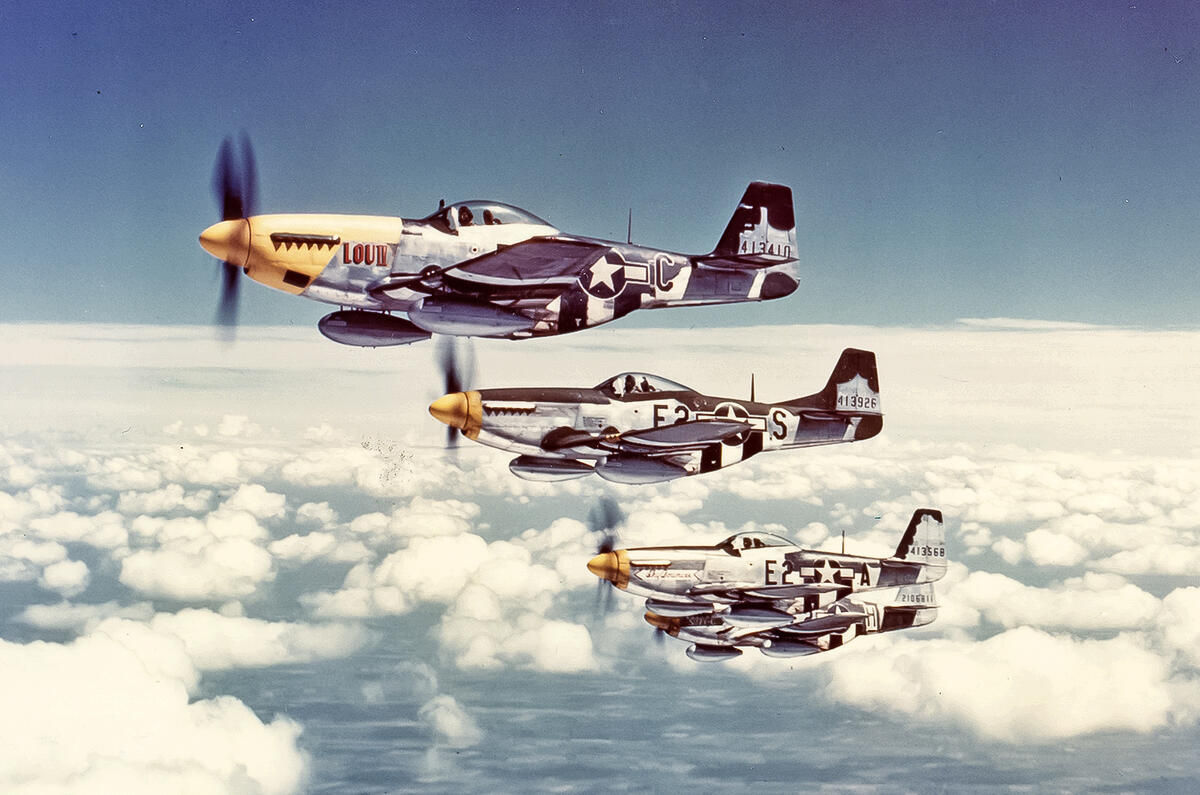

Never was aeronautical engineering more significant than in the six years of the second world war.
A deadly technological race ensued, where making an aircraft faster, better armed or easier to produce had massive implications. The sky was awash with horsepower and destruction, and key to the ultimate victory was the right aircraft at the right time. Bombers pummelled cities, fighters engaged in desperate flying duels and a whole range of other equally important roles were performed.
While reality rarely conforms to the top 10 format, all these aircraft made significant contributions to the Allied victory in 1945. Many other aircraft types that didn’t make the cut could easily merit a place in this list.
10: Boeing B-29 Superfortress
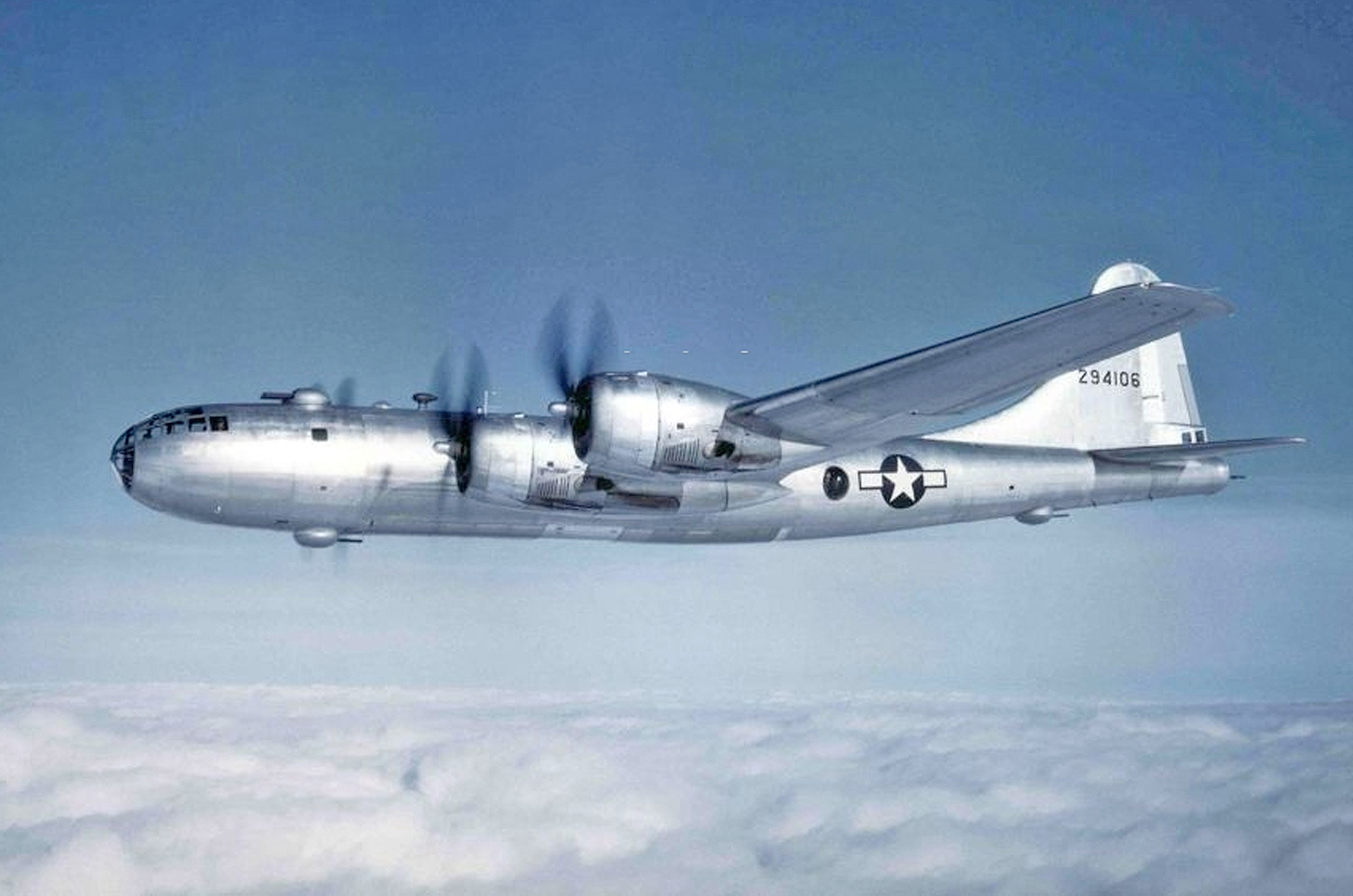
The final chapter of the war was ushered in by the vast destructive force of the most technologically advanced piston-engined aircraft of its time, the astonishing B-29. The Superfortess was a long-range strategic bomber that could fly extremely high and fast and was used in the Pacific Theatre.
The B-29 was state-of-the-art in many ways, including the style of construction, defensive systems and the inclusion of pressurisation that made the aircraft much more comfortable for the crew. With close to double the horsepower of the earlier B-17 Flying Fortress it was very much in a league of its own.
10: Boeing B-29 Superfortress
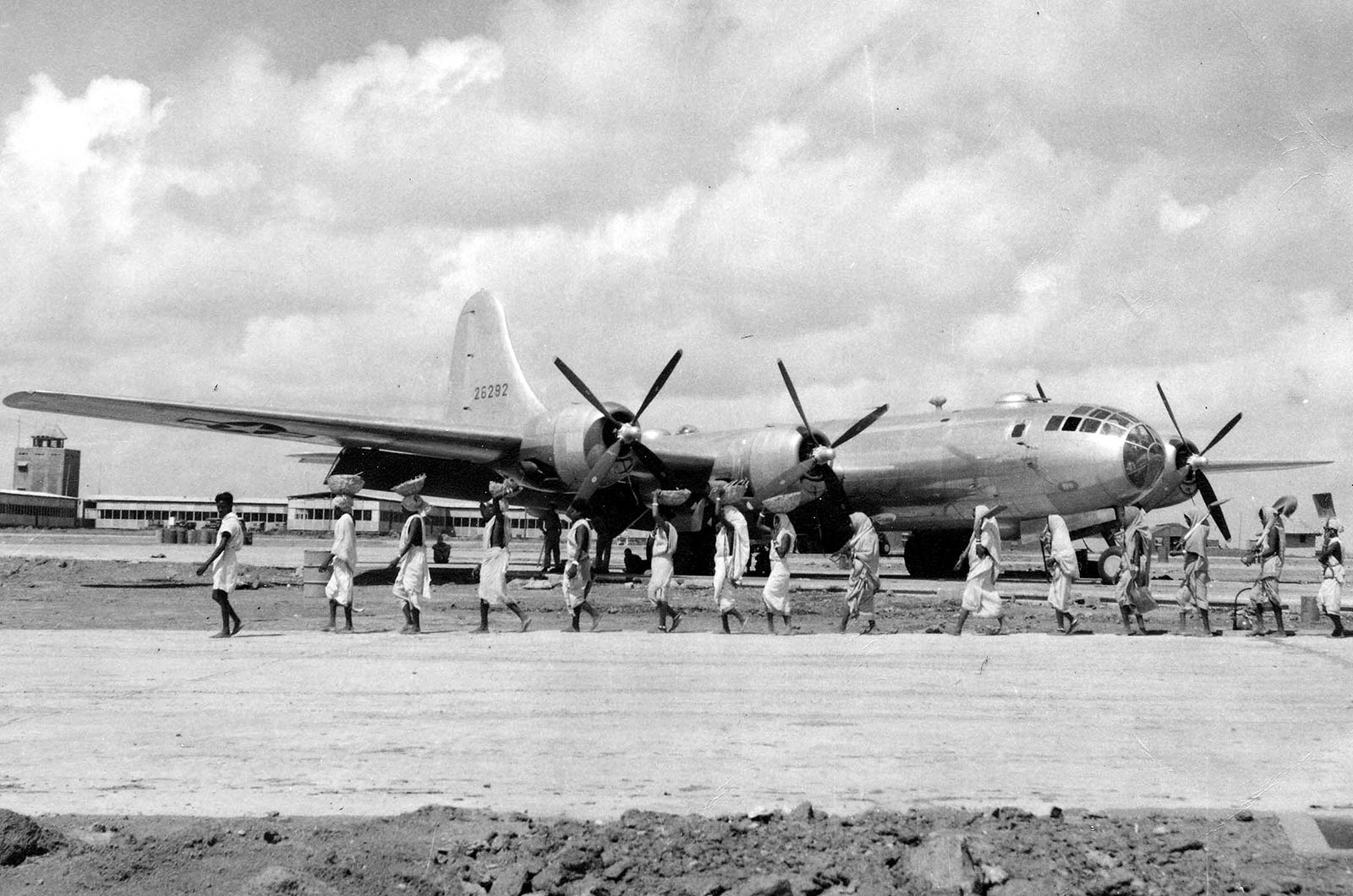
Atomic bombs dropped on Nagasaki and Hiroshima by B-29s are said by some historians to have ended the war and ultimately saved many lives, though debate continues to this day as to whether this is the case. More destructive, at least in the short term, were some of the B-29’s ‘conventional’ bombing raids, notably the devastating fire-bomb attacks on Tokyo in March 1945.
The B-29 only entered service in May 1944, so did not take part in most of the conflict. It was an enormously expensive plane to develop and cost even more than the atomic bomb project. An astonishing total of over 3000 were produced by the end of the war.
9: Hawker Hurricane
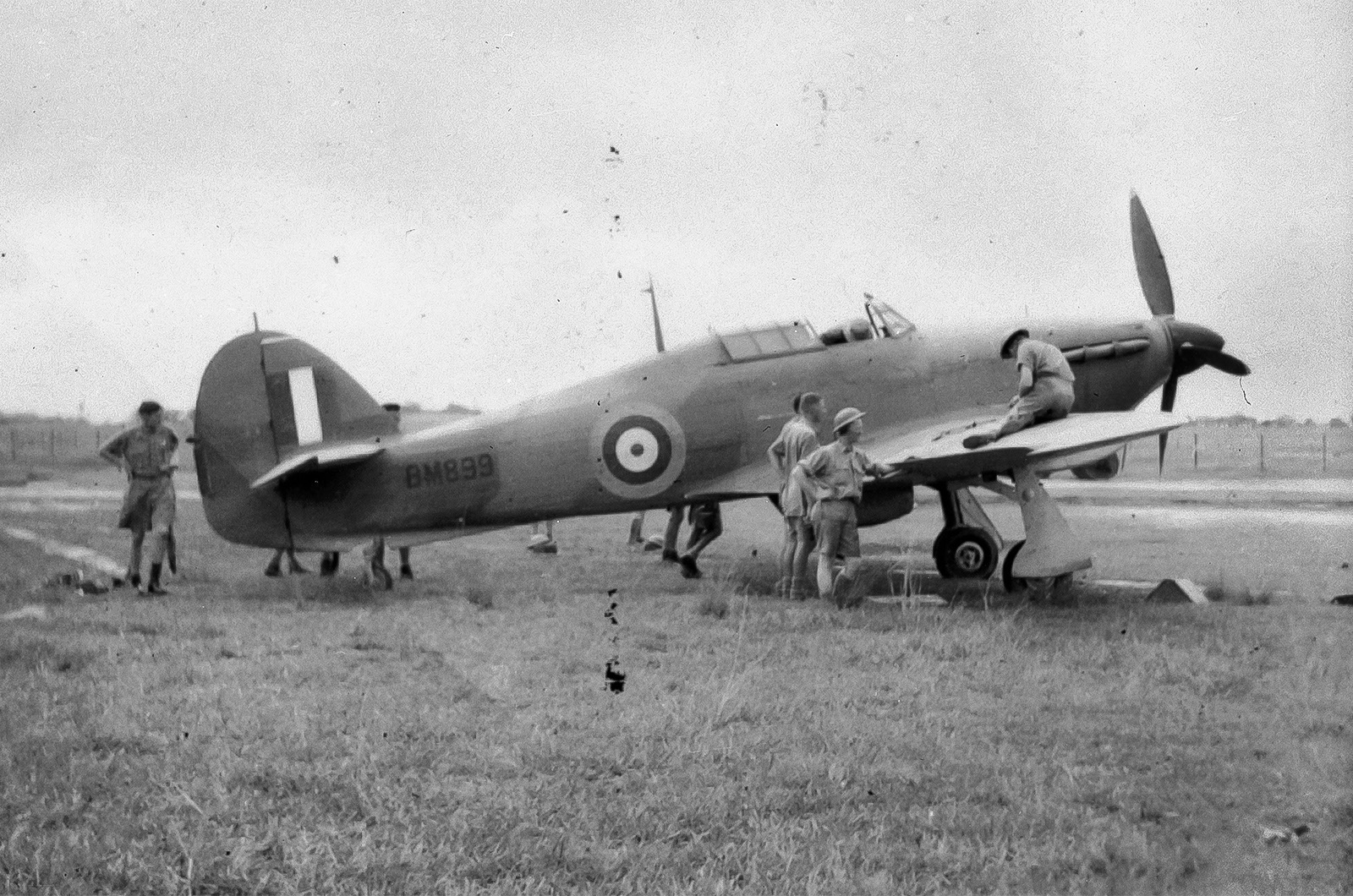
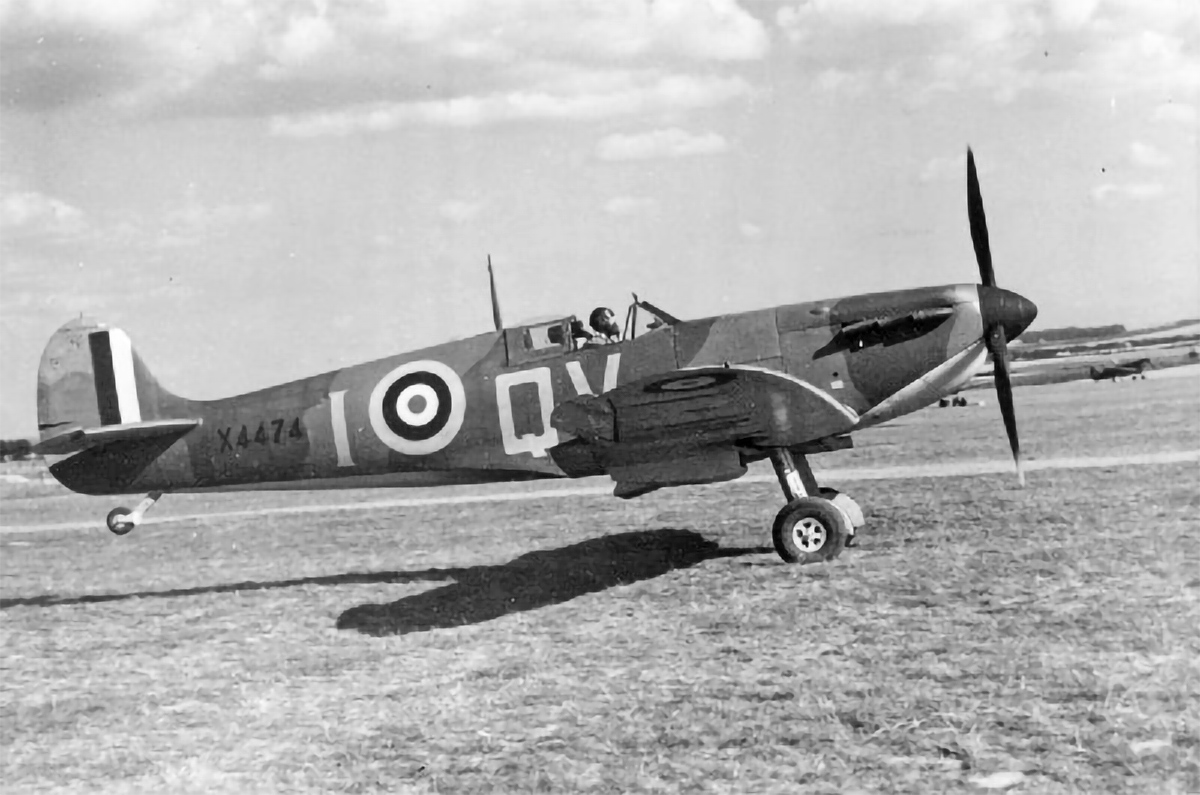
The Hawker Hurricane was a tough British fighter (and later fighter-bomber) that designed by Sydney Camm was the first RAF aircraft to exceed 300mph. Its construction was a mix of old and new techniques, including the use of stitched Irish linen. The Hurricane formed the bulk of the Royal Air Force’s fighter force until 1941.
In the Battle of Britain, Hurricanes proved well up to the task of destroying German bombers, leaving the higher-performance Spitfire as the preferred type to deal with fighters. The Hurricane performed well in the Battle of Britain, accounting for over 60% of the air victories.
9: Hawker Hurricane
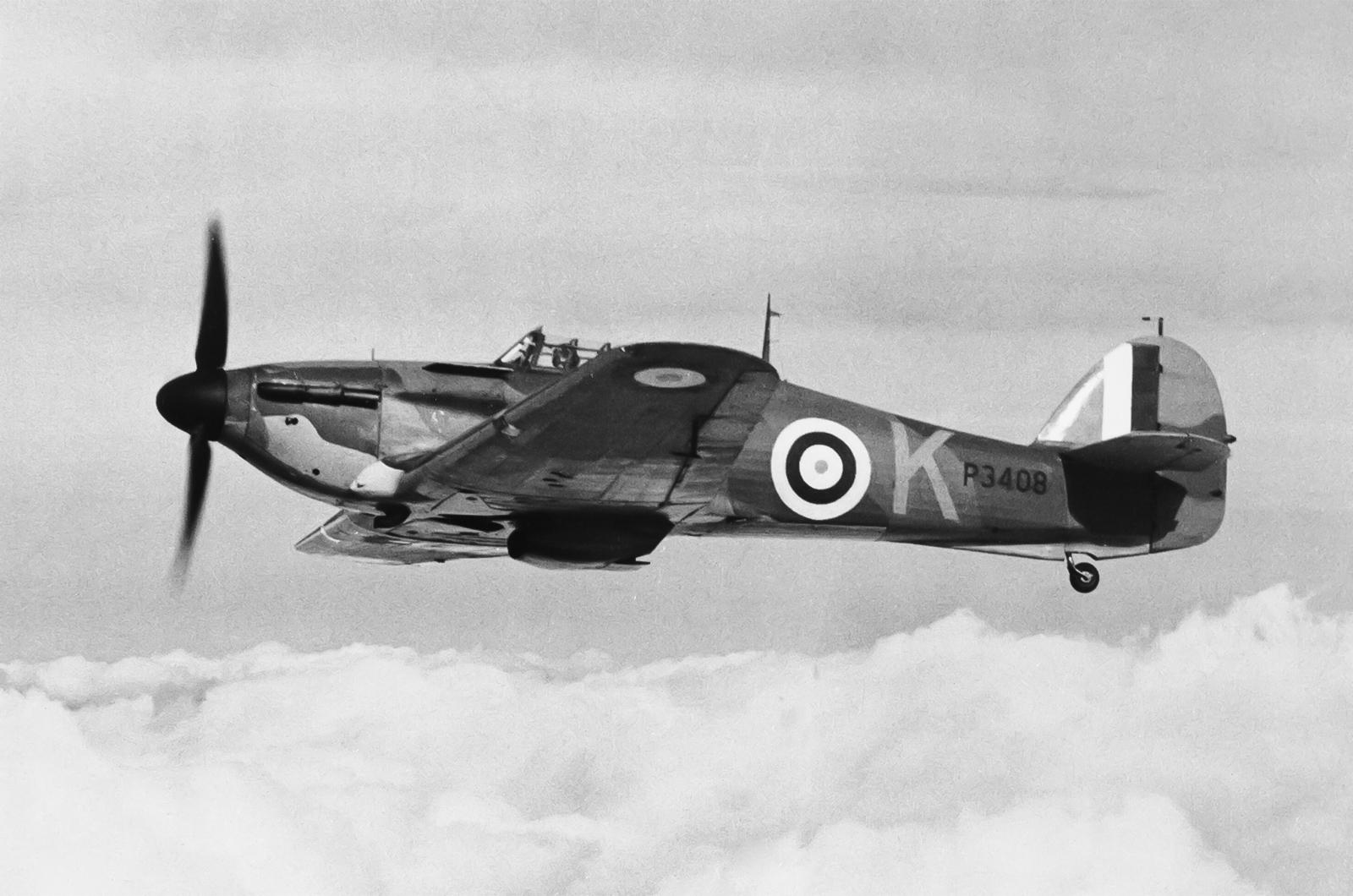
In a most heroic action in August 1942, 70 Sea Hurricanes fought off a great number of Axis attackers (sometimes quoted as high as 600 in number) to defend a vital convoy heading to Malta. Hurricanes also served with distinction in Asia and Africa (and with more mixed results in the USSR).
RAF and Commonwealth Hurricanes claimed a total of 4540 aerial victories, a figure only bested by the Spitfire for the RAF. In North Africa, armed with a pair of fearsome 40-mm cannons, it proved a capable tank destroyer, and in many places was a pioneer of the fighter-bomber role. A total of 14,487 Hurricanes were made, in the UK and Canada.




Add your comment