
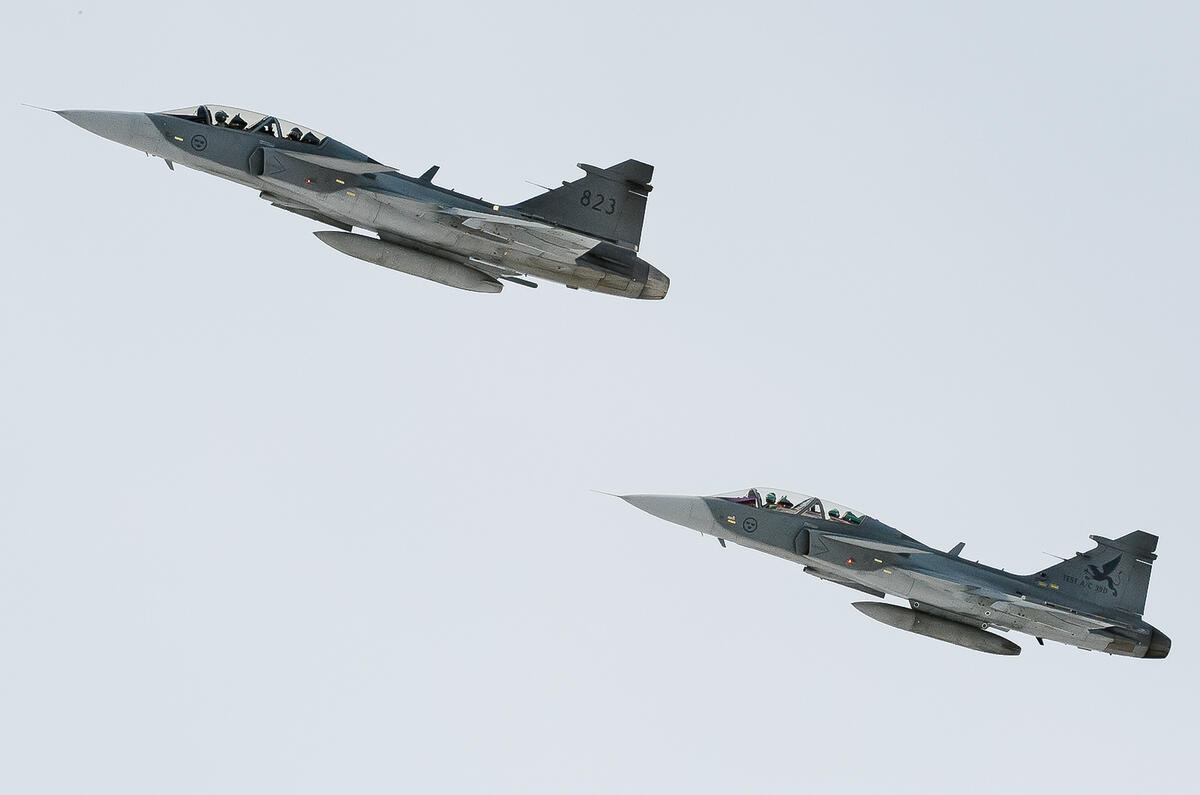

Sweden punches well above its weight in the creation of exciting innovative combat aircraft.
Historically, it was neutral, requiring the in-house design and production of aircraft —a remarkable achievement for a nation of less than 11 million people. Here is an exciting smörgåsbord of 10 Brilliant Swedish War Planes You Can’t Help but Love:
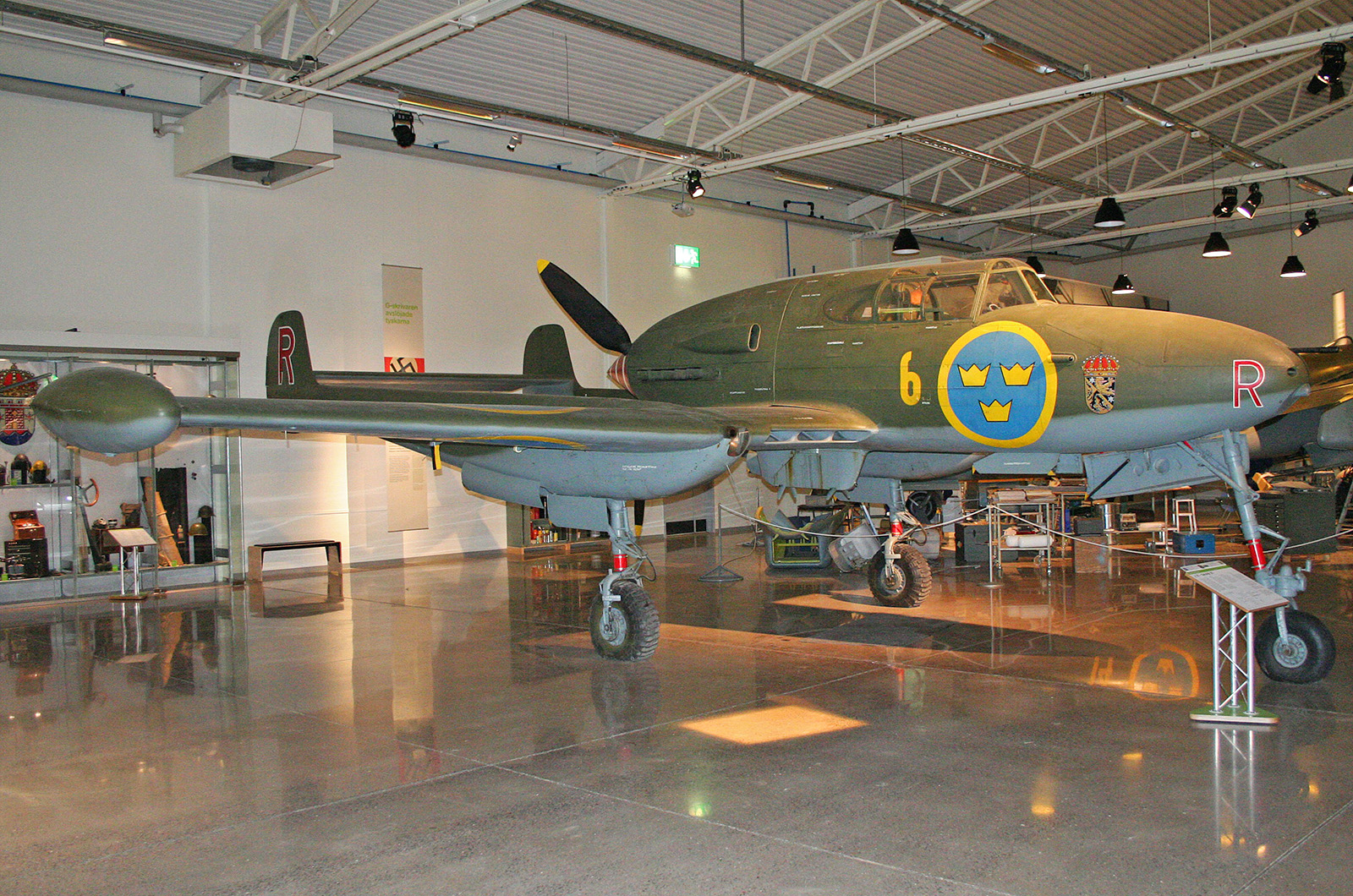
10: FFVS J 22
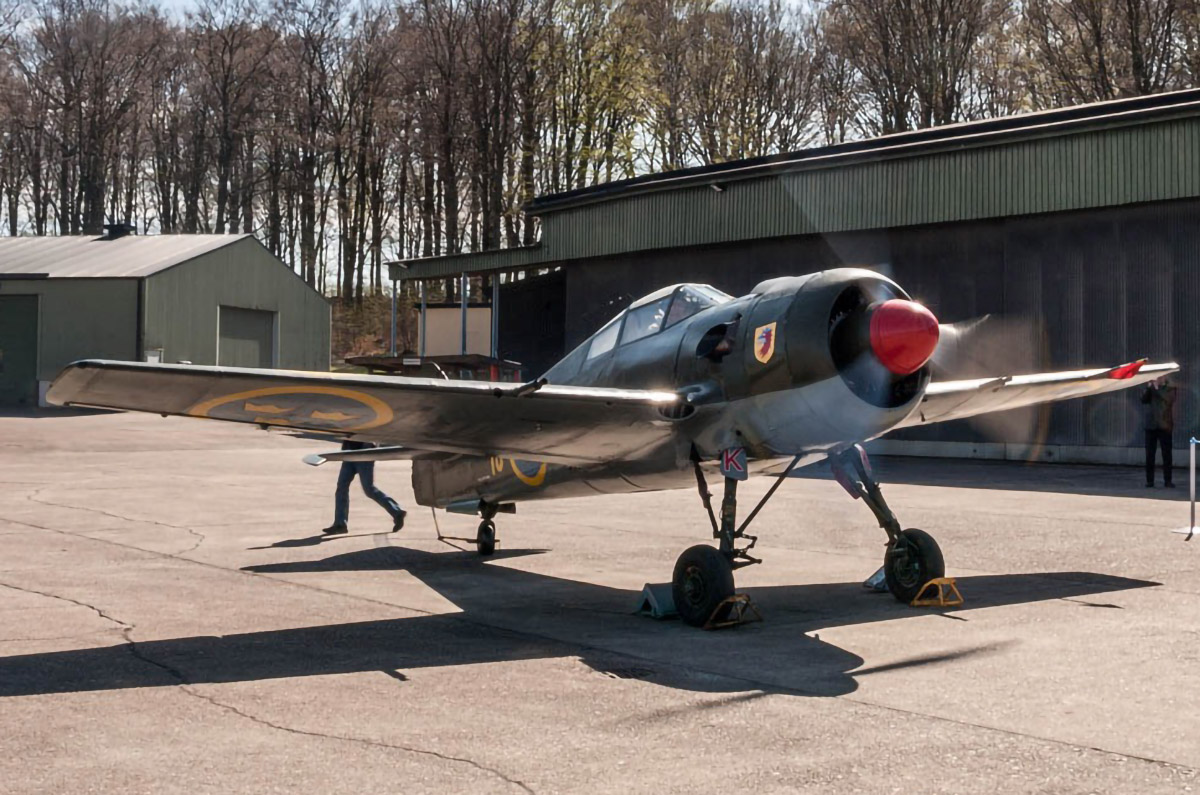
By 1940, Sweden’s Flygvapnet (air force) relied on outdated Gloster Gladiators (J 8s), while modern monoplane fighters dominated Europe. Attempts to modernise with U.S. Seversky P-35s and Vultee P-66s failed after an American embargo, leaving Sweden with only 60 P-35s. These underwhelming aircraft forced Sweden to seek other, unconventional solutions.
While briefly considering the Japanese Zero, Sweden ultimately bought Fiat CR.42s and Reggiane Re.2000s—unsatisfactory choices that spurred a bold decision: design a native fighter. Saab was too busy building bombers, so the Swedish government created FFVS from scratch to develop and produce the new fighter, the J 22. The aircraft would use the reliable Pratt & Whitney R-1830 engine—or rather, a Swedish-made copy.
10: FFVS J 22
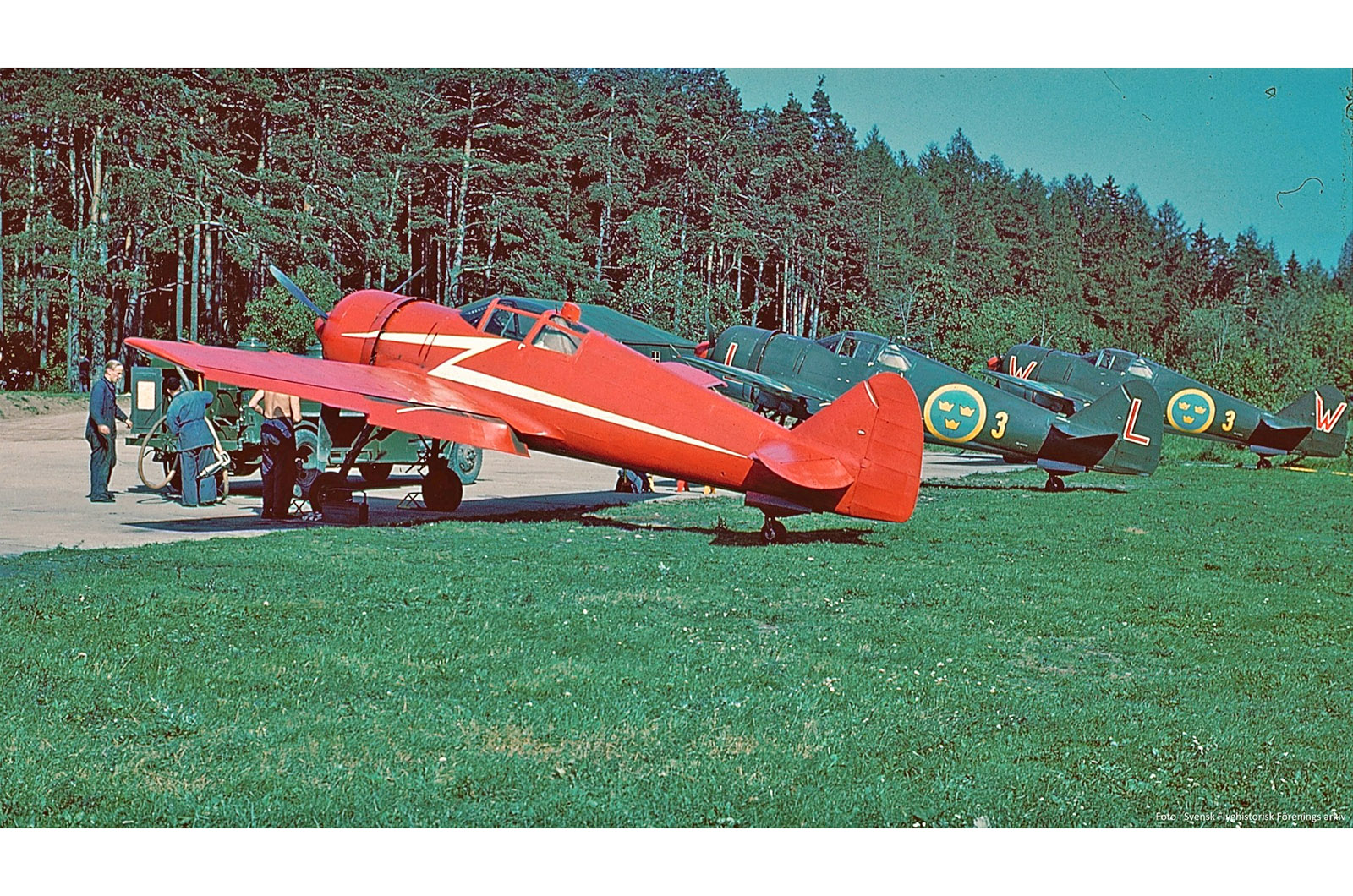
Lacking American support, Sweden reverse-engineered the R-1830 into the STWC-3, a feat achieved without plans or blueprints. Although some R-1830s originated from Vichy France, most J 22s utilised the local engine. With a unique narrow undercarriage and plywood-over-steel construction, the J 22 flew in 1942 and proved excellent for a first attempt. Despite limited horsepower, it matched early Spitfire performance thanks to Bo Lundberg’s clever design.
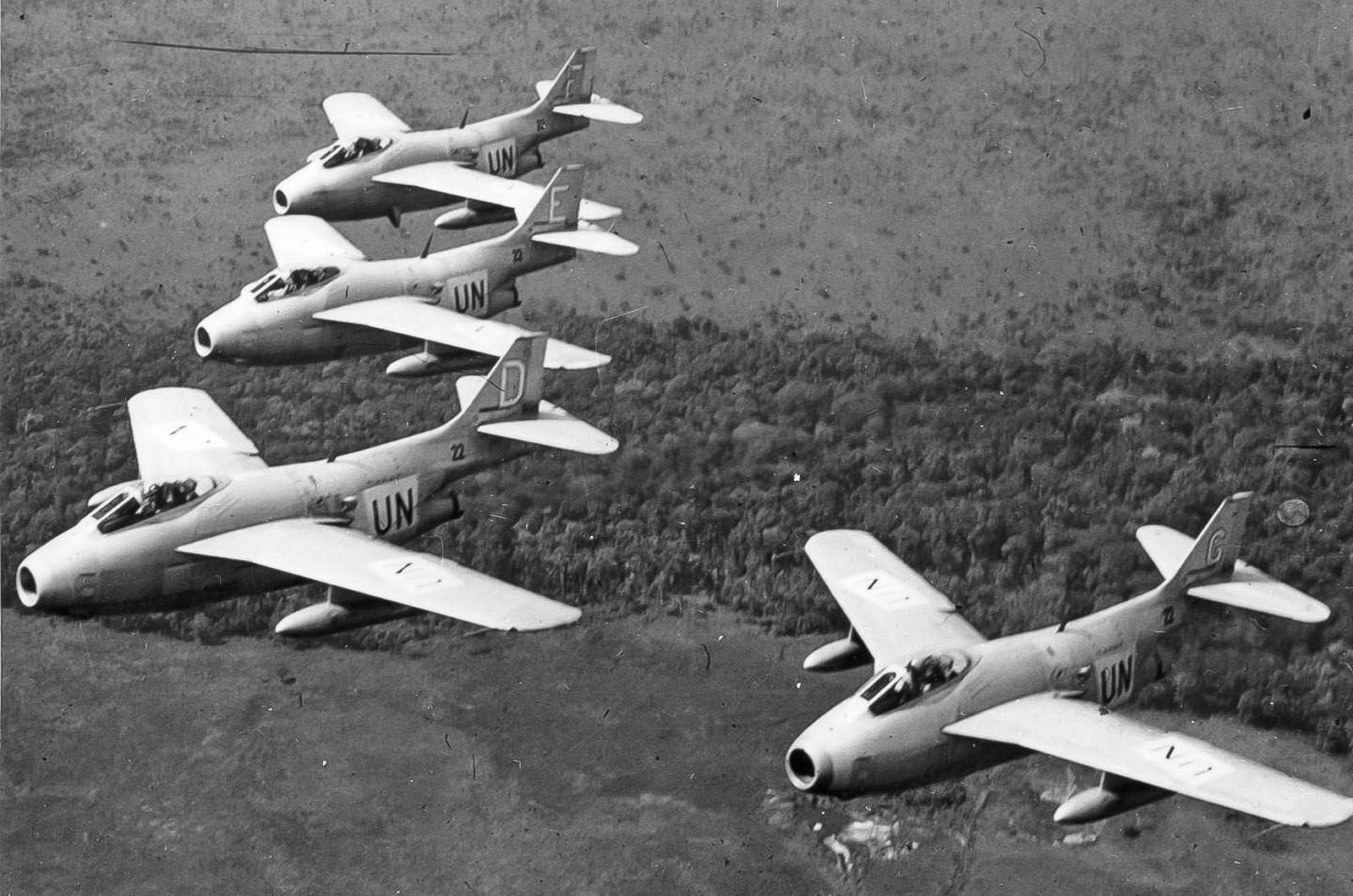
Though not cutting-edge by 1943, the J 22 was agile, reliable, and well-liked. It could challenge a P-51D at low altitudes, although its weak high-altitude performance and modest firepower limited its effectiveness. It served Sweden reliably until 1952.
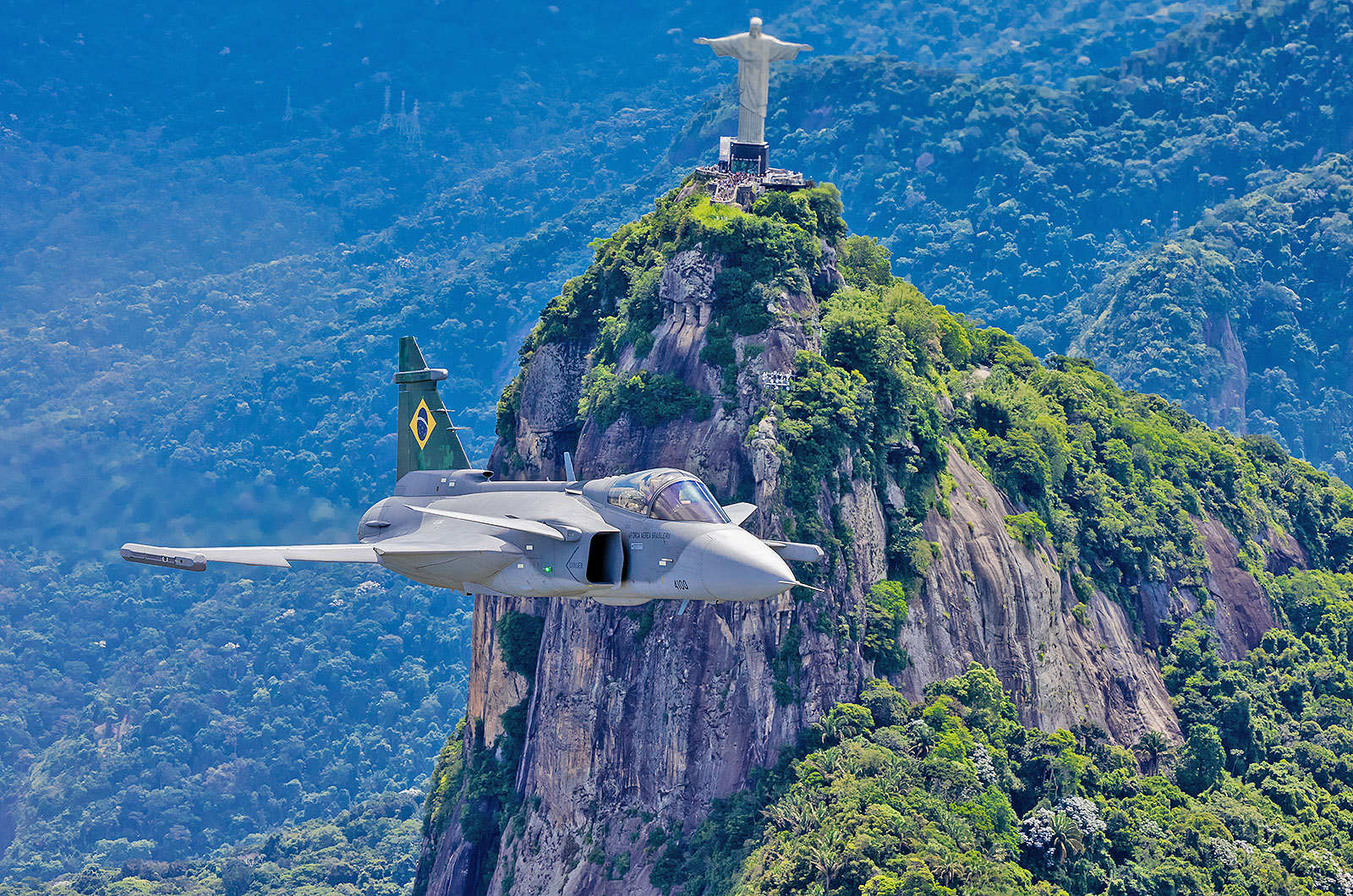
9: Saab JAS 39 Gripen (A/B/C/D)
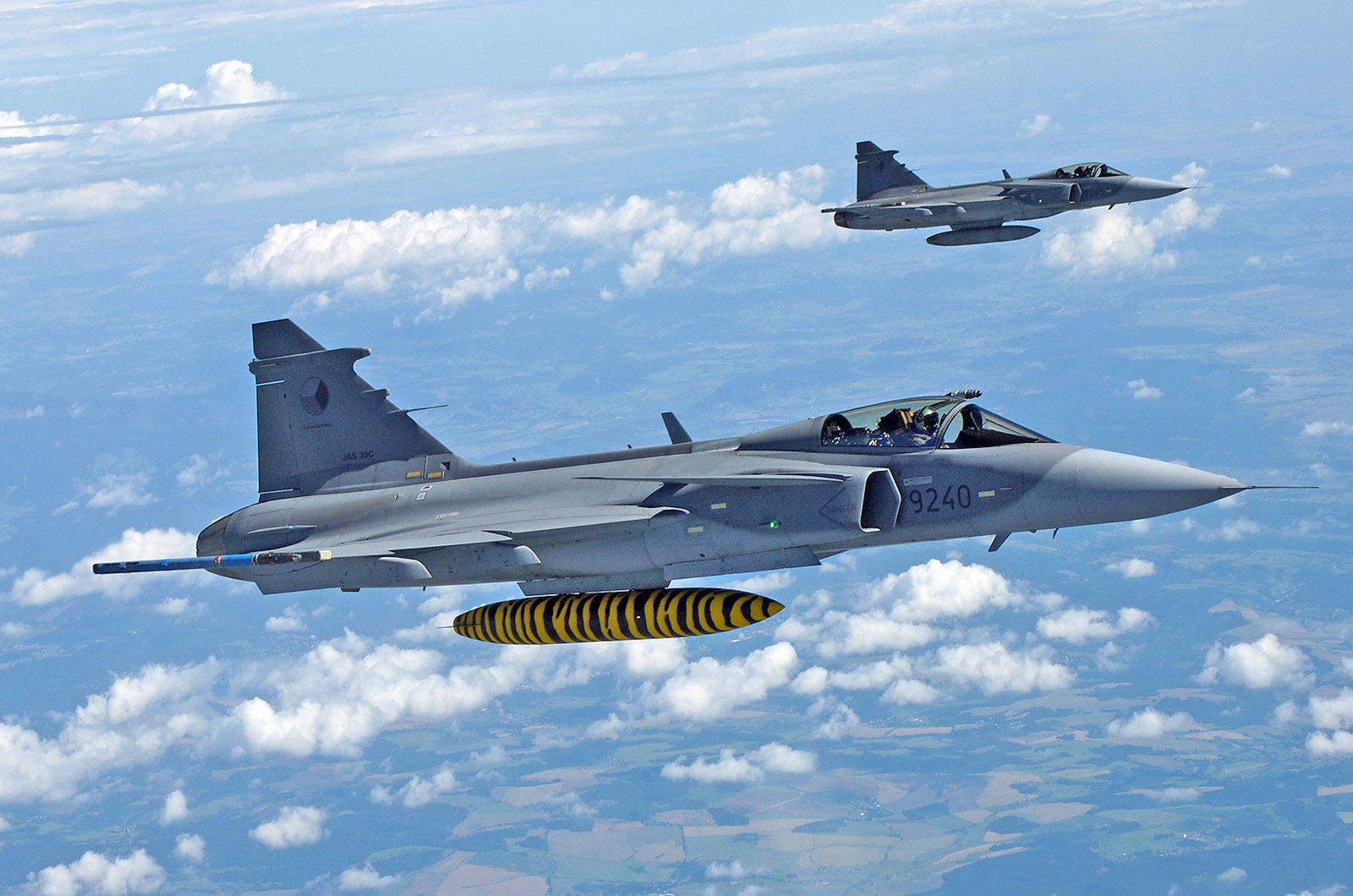
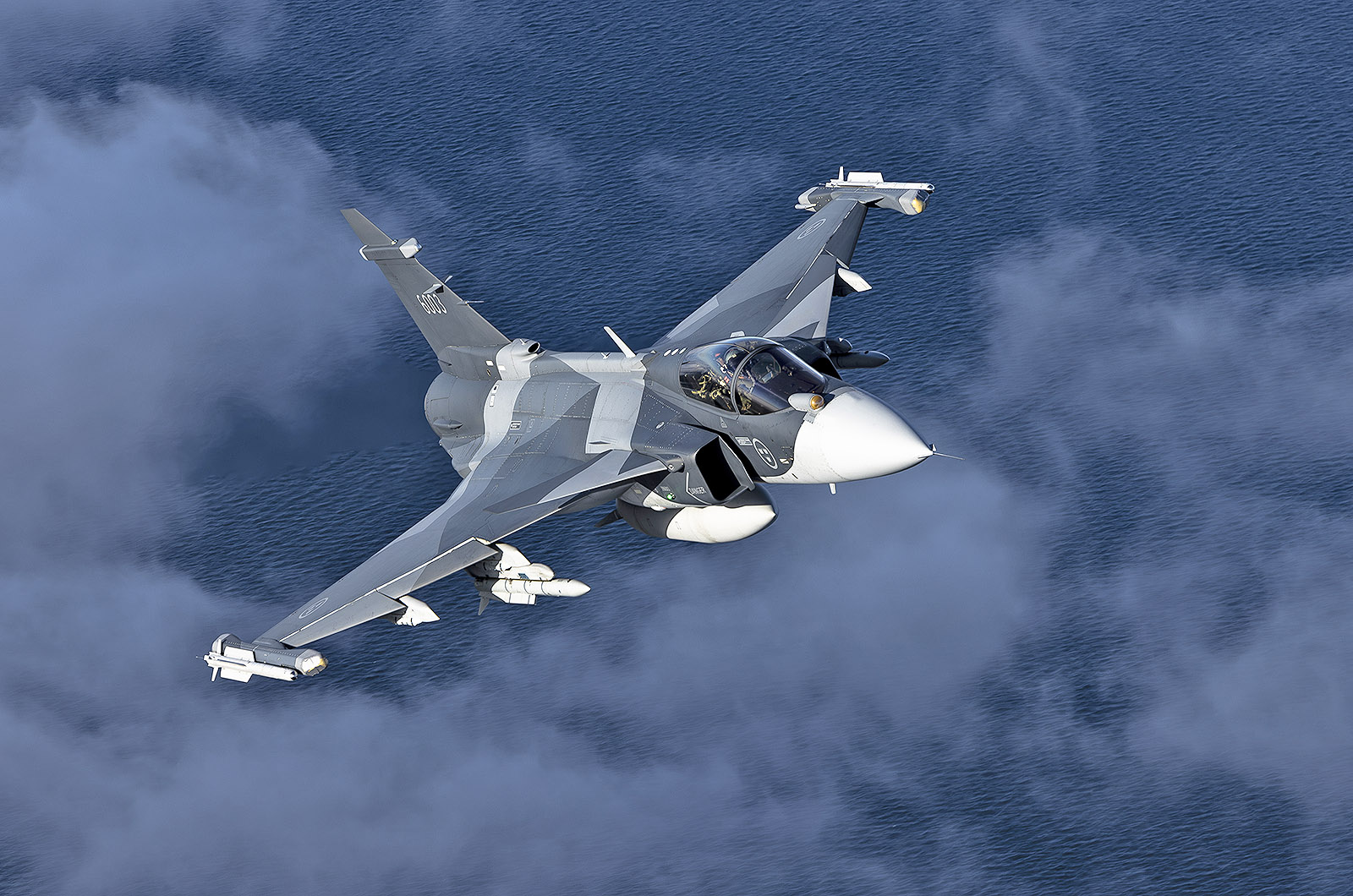
As other nations got sucked into buying ever more complex and more expensive combat aircraft, Sweden went another route with the lightweight Gripen. The basic philosophy behind the Gripen was to create the smallest simplest fighter possible that could be effectively used in a war against the Soviet Union.
Much of the Gripen’s magic comes from a wealth of invisible capabilities: its electronic warfare suite is extremely well-respected by pilots who have ‘fought’ against the Gripen in international exercises. Perhaps its most impressive ‘accessory’ is the long-range Meteor air-to-air missile, giving a bantamweight the reach of the heaviest heavyweight.
9: Saab JAS 39 Gripen
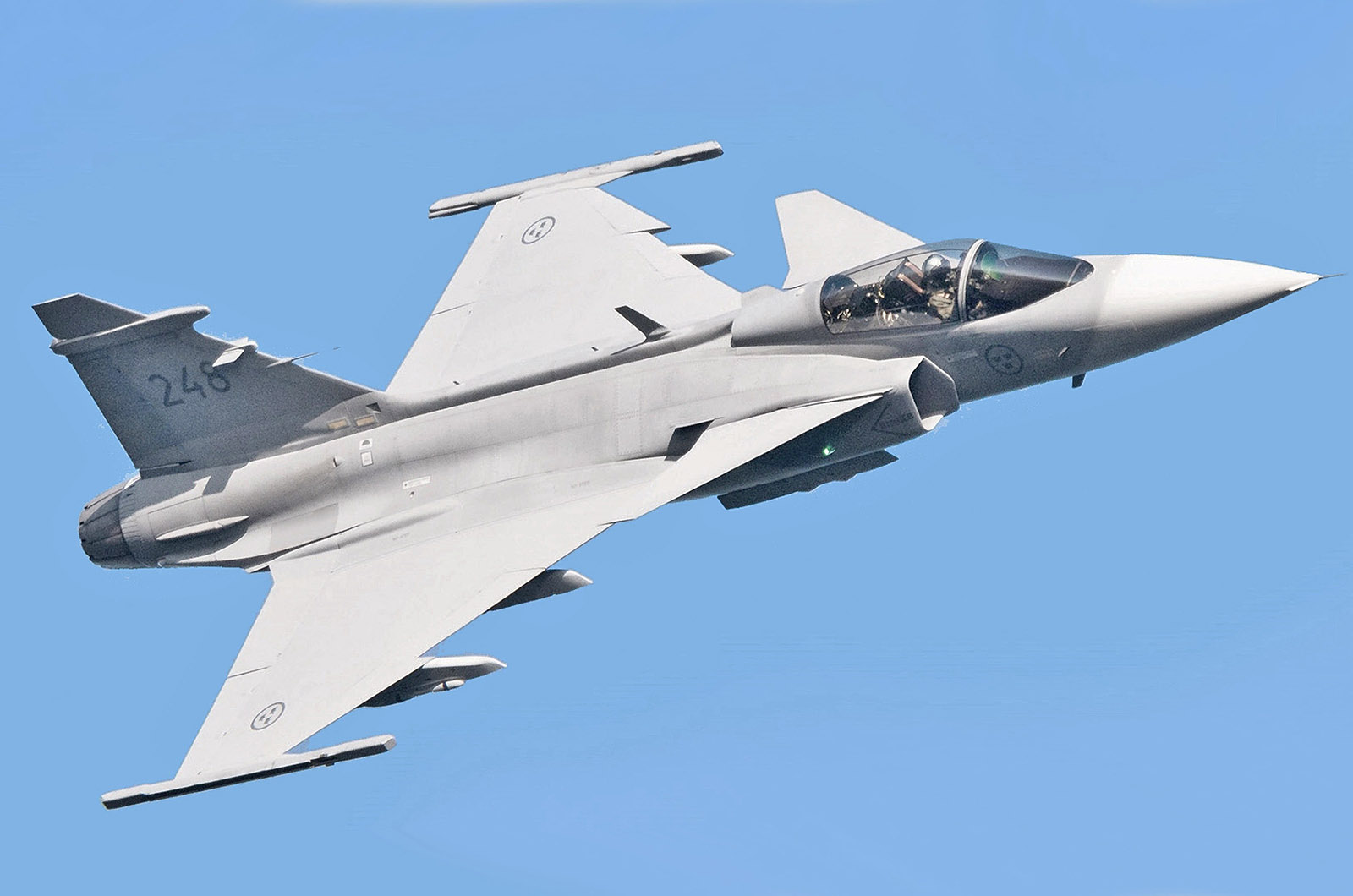
The cost of new, ever more complex combat aircraft was generally spiralling out of control; one exception to this was the US F-16, which was smaller and lighter than the aircraft it replaced. Saab studied the F-16 with interest and wondered whether something even smaller might be able to replace its Viggens.
Advances in materials and electronics, as well as engine technology, aerodynamics and flight control systems. The new fighter, which first flew in 1988, was 2727 kg lighter than the Viggen and, in its aerodynamic form, showed the future path of European combat aircraft.




Add your comment