6

Stylish mid-sized crossover from Chinese newcomer offers both electric and plug-in hybrid powertrains

Find Changan Deepal S05 deals
Other Services
Sell your car
84% get more money with

Despite not yet being as recognisable as the likes of BYD, Jaecoo and Omoda, Changan has been around much longer than you might think. 

Based in Chongqing, China, it has been in the car manufacturing game for over 60 years. It launched its first car in the UK, the Changan Deepal S07, earlier this year, which proved to be a very respectable effort.

Next up is the smaller Deepal S05, which the firm hopes will help to accelerate its influence in the UK at “China speed”. 

It promises tech, performance and surprisingly sophisticated design allure, and adds well-supported personal finance deals in for good measure.

We had our first taste of the S05 in Austria for some cold-weather driving and low-grip fun, but we've now had the chance to test it, in both electric and plug-in hybrid forms, on the UK's more demanding roads.

Changan expects electric and PHEV sales to be equally split. PHEV volume is likely to be a tad more weighted towards fleet.

Advertisement

DESIGN & STYLING

7
skyline detail

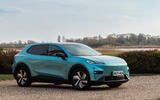
Measuring 4598mm long, 1900mm high and 1600mm wide, the S05 is roughly the same size as the Skoda Elroq. 

In electric form, it's available with single-motor rear-wheel drive or dual-motor four-wheel drive, but all versions are powered by the same 68.8kWh lithium-iron-phosphate battery.  

Claimed range is 303 miles for RWD cars, 278 miles for AWD cars. There's no big-battery version on the way, so that's your lot, and it's certainly a little less than key rivals have. 

The PHEV uses a 18.4kWh battery, a single electric motor and a 1.5-litre petrol engine. It has 62 miles of electric range and a claimed 648 miles overall.

The other crucial difference between the PHEV and EV versions is that the former is only available in front-wheel drive.

Changan says areas of the S05 have been engineered specifically for the UK, thanks to input from its Birmingham-based R&D centre. These include its five-link rear suspension and steering feel. 

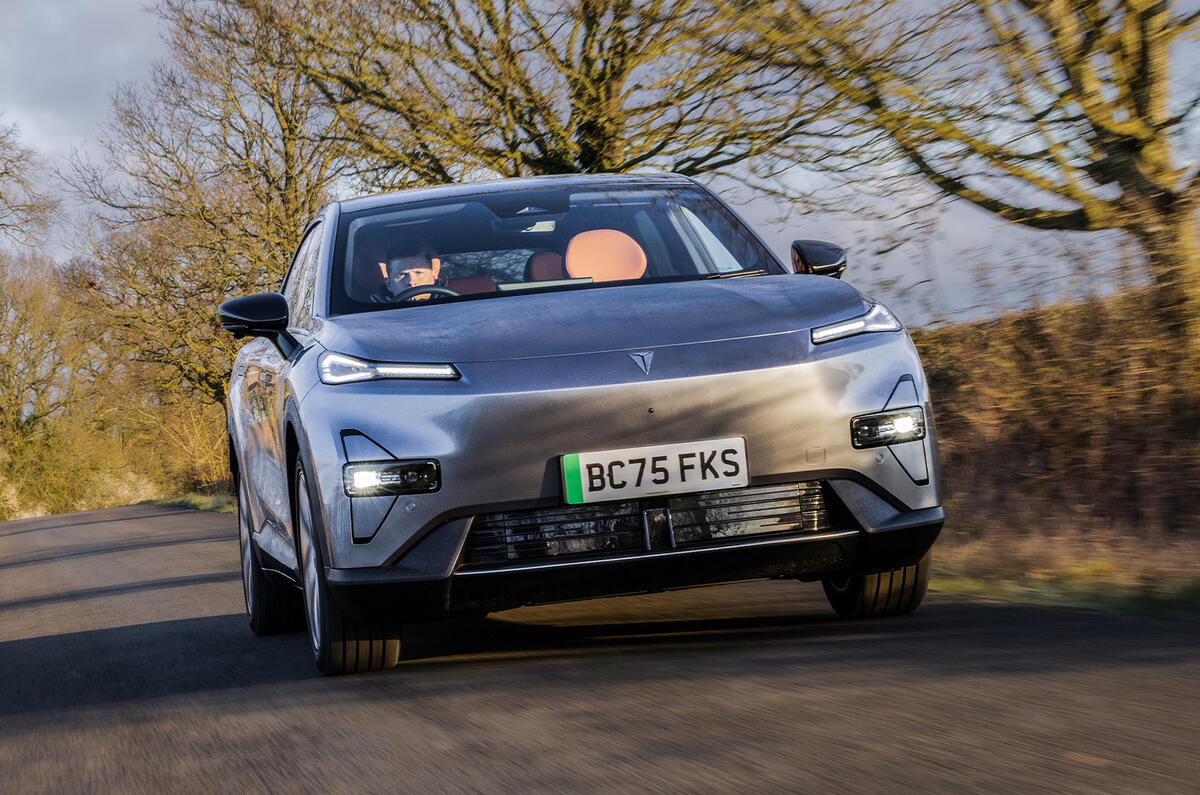
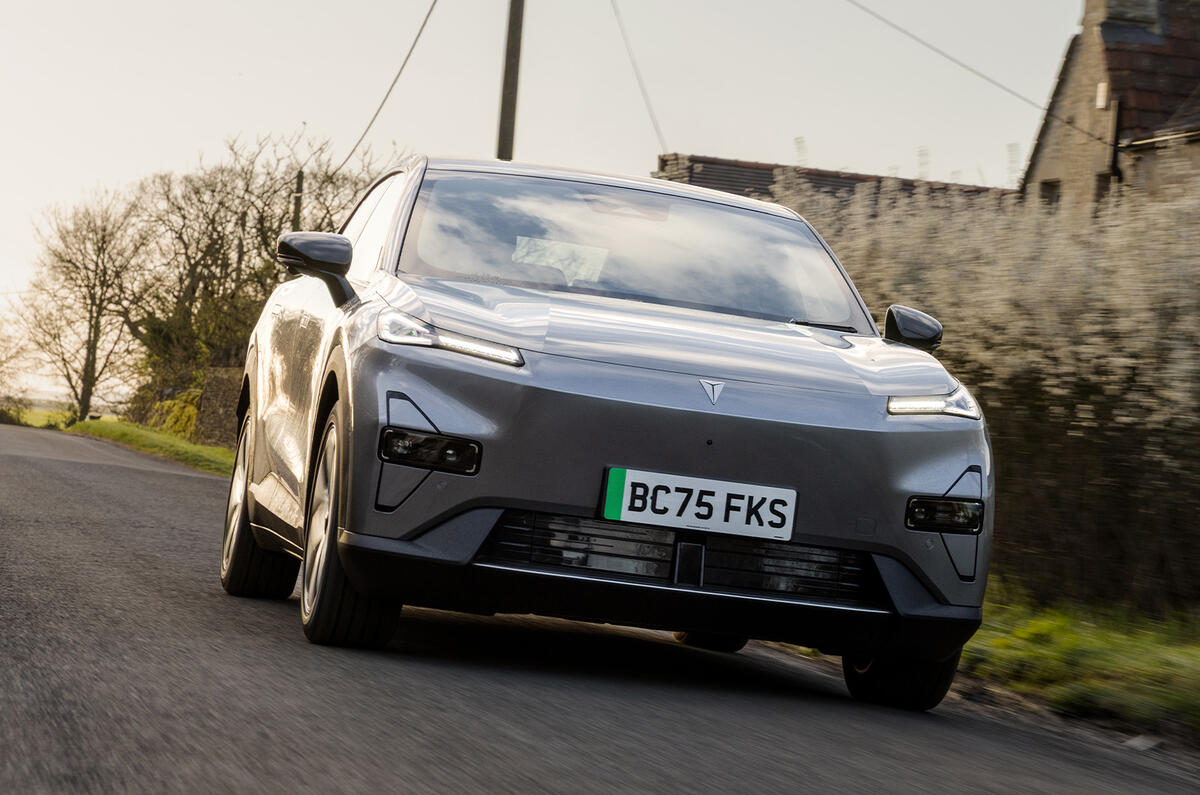
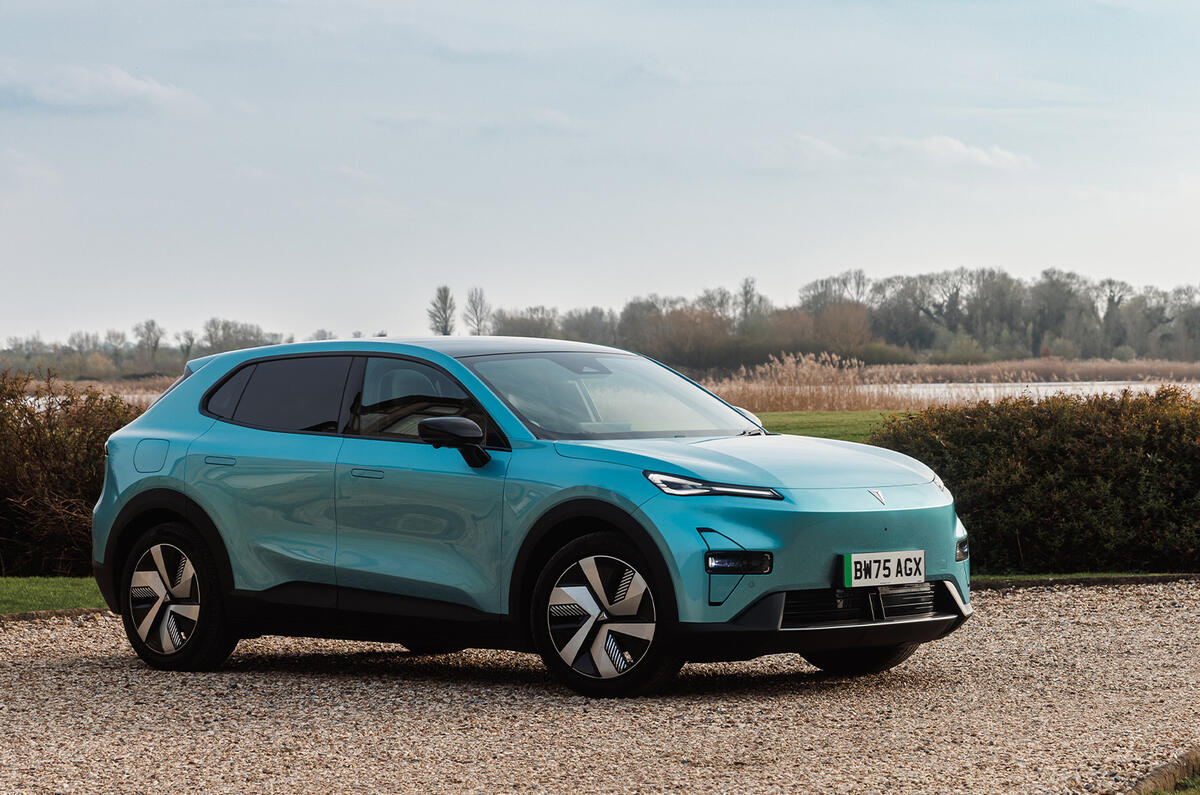
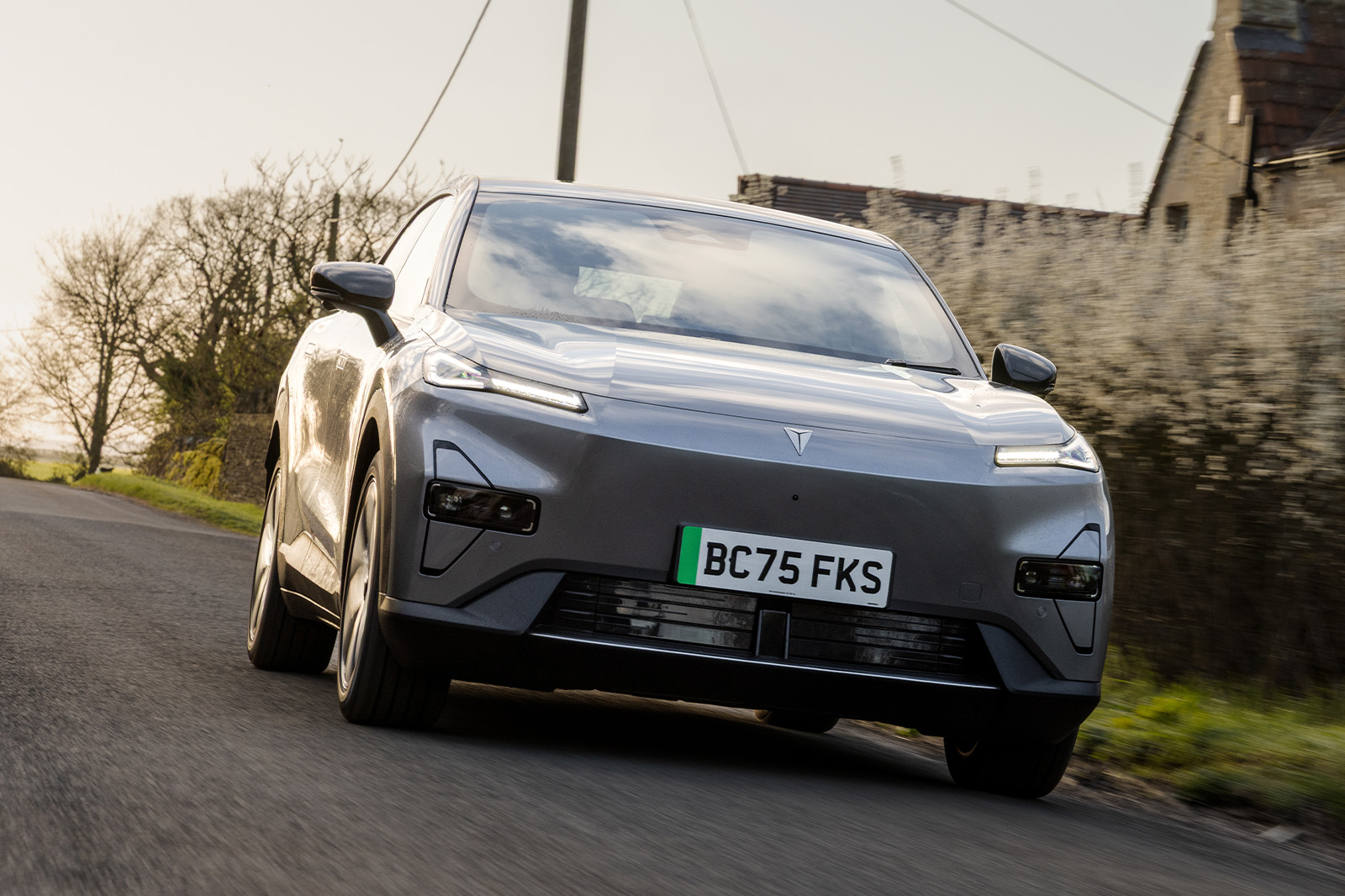
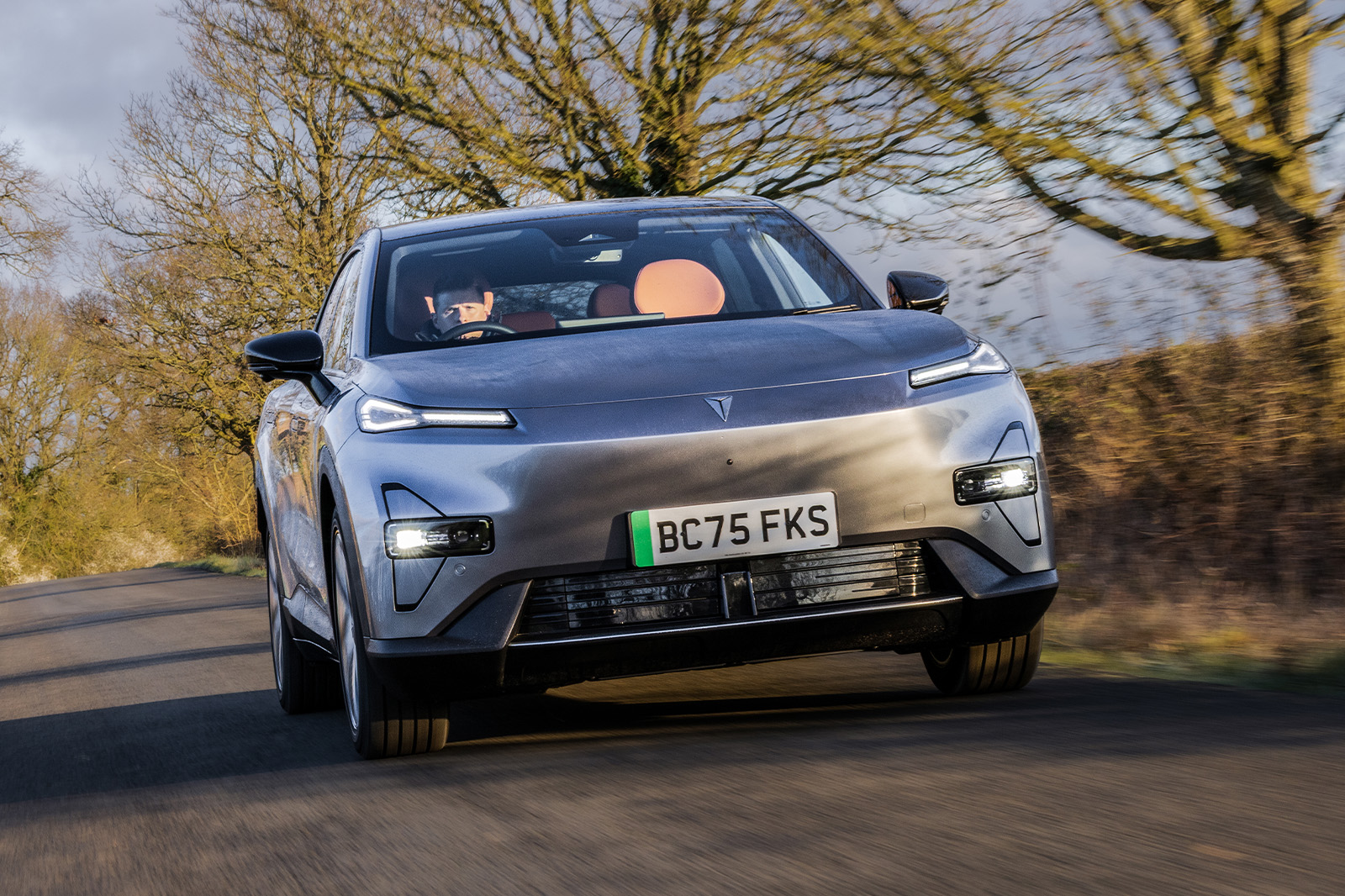
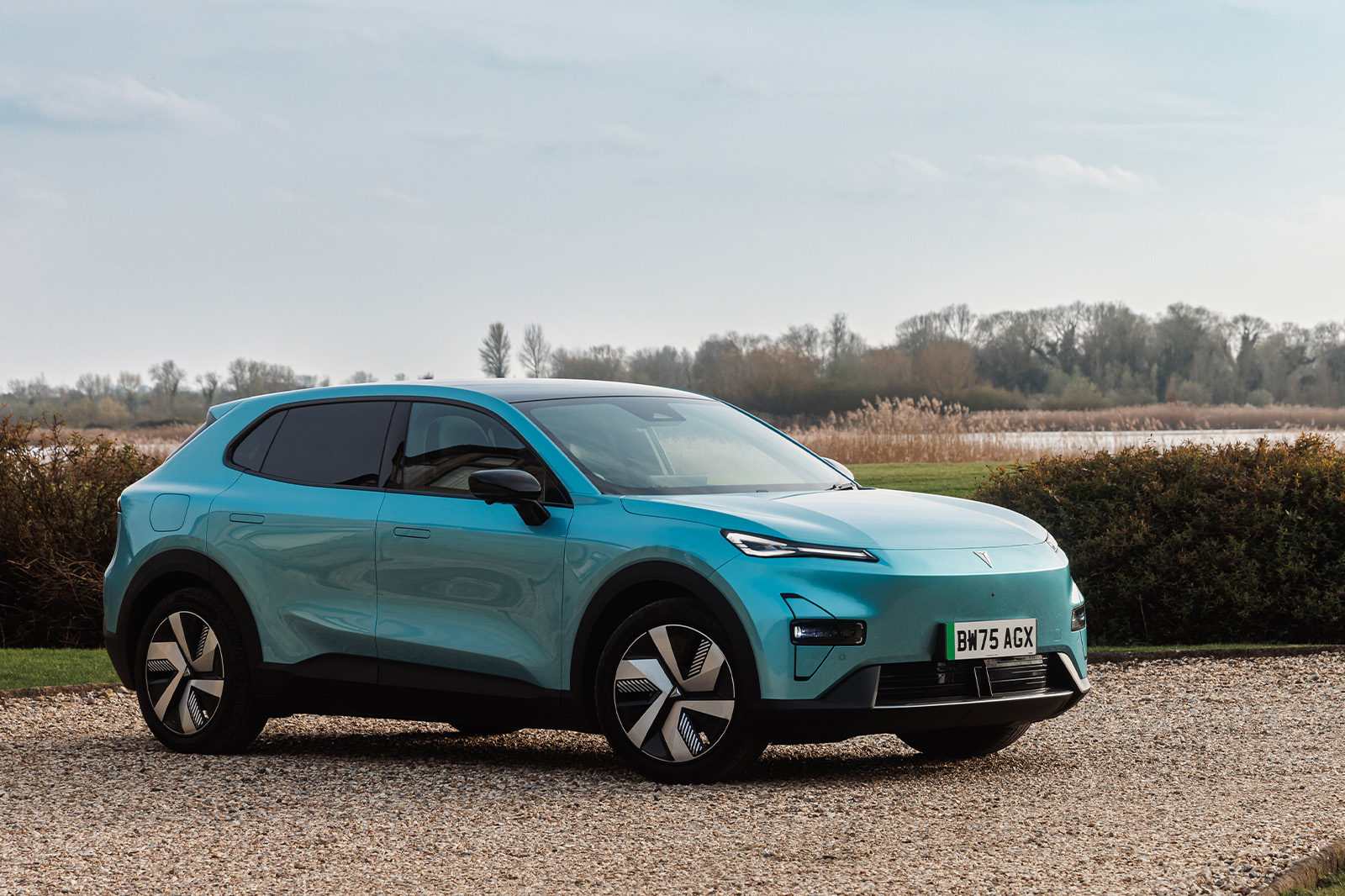
When it comes to the look and feel of the car, Changan's Turin-based design team has done a fine job. With a drag coefficient rating of 0.26, it's also aerodynamically efficient on paper. That rises to 0.29 for the PHEV.

INTERIOR

7
Jack Warrick Autocar 7

Like the S07, the S05 welcomes you with a pop-out door handle. Stepping inside reveals a minimalistic, sparsely featured cabin very much in the fashionable modern style. It looks quite expensively finished at first, a little like the larger S07's interior.

While Changan uses soft vegan leathers and shiny chrome switches to catch the eye in most places, there are a couple of giveaways namely the scratchy roof lining.  The overall effect is less convincingly upmarket than the S07's, because it is less consistent.

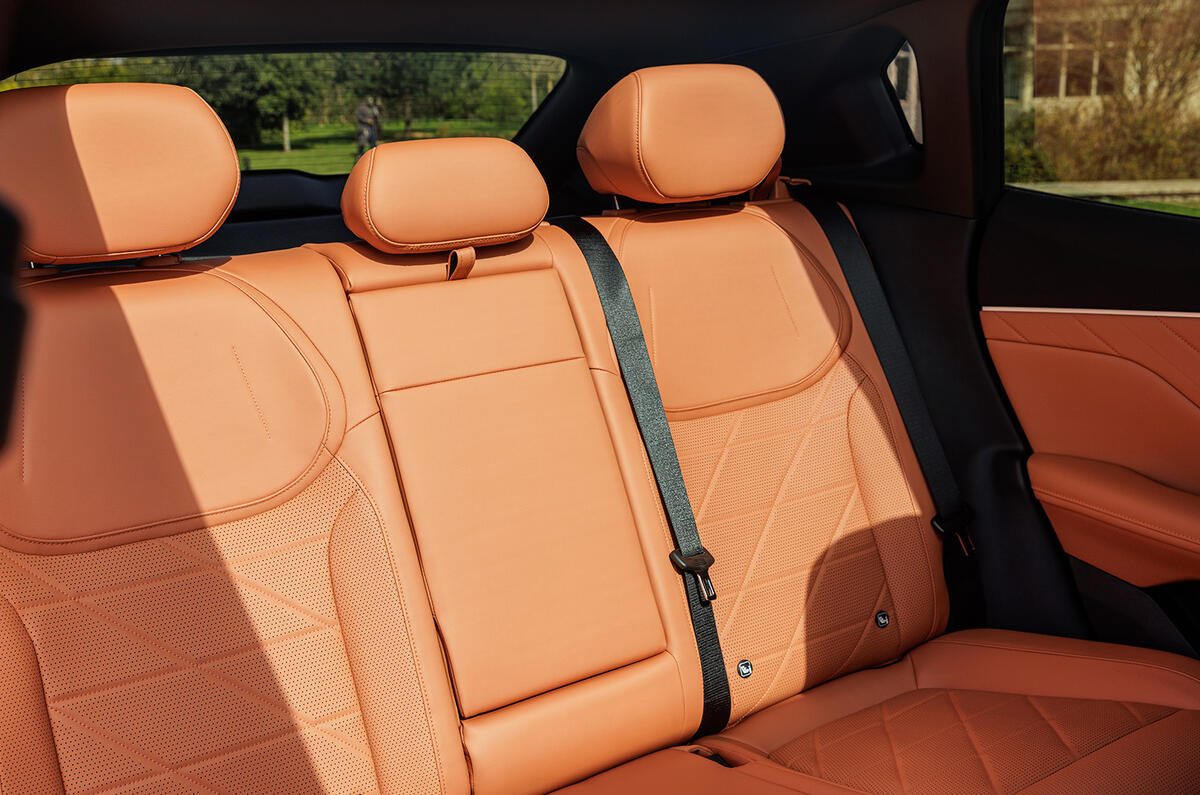
Cabin space is plentiful. Changan claims there are 32 storage areas around the EV, including a cavernous space under the front armrest, a 492-litre boot (1250 litres with the seats folded flat) and a practical 159-litre space under the bonnet. The boot certainly doesn't look like a space that large, however. Compared with many C-segment SUVs, it seems both short and shallow away from the spec sheet and in the real world.

The PHEV version has a larger boot at 552 litres, but no frunk because of the petrol engine.

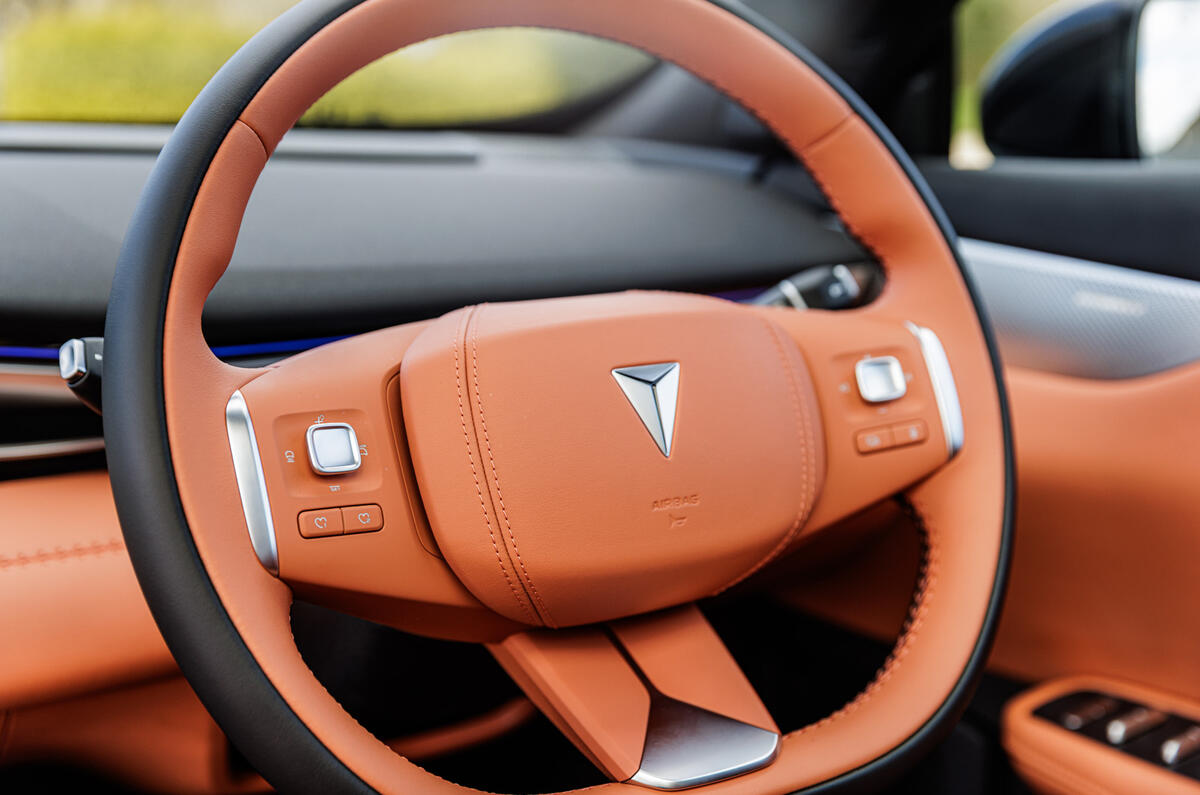
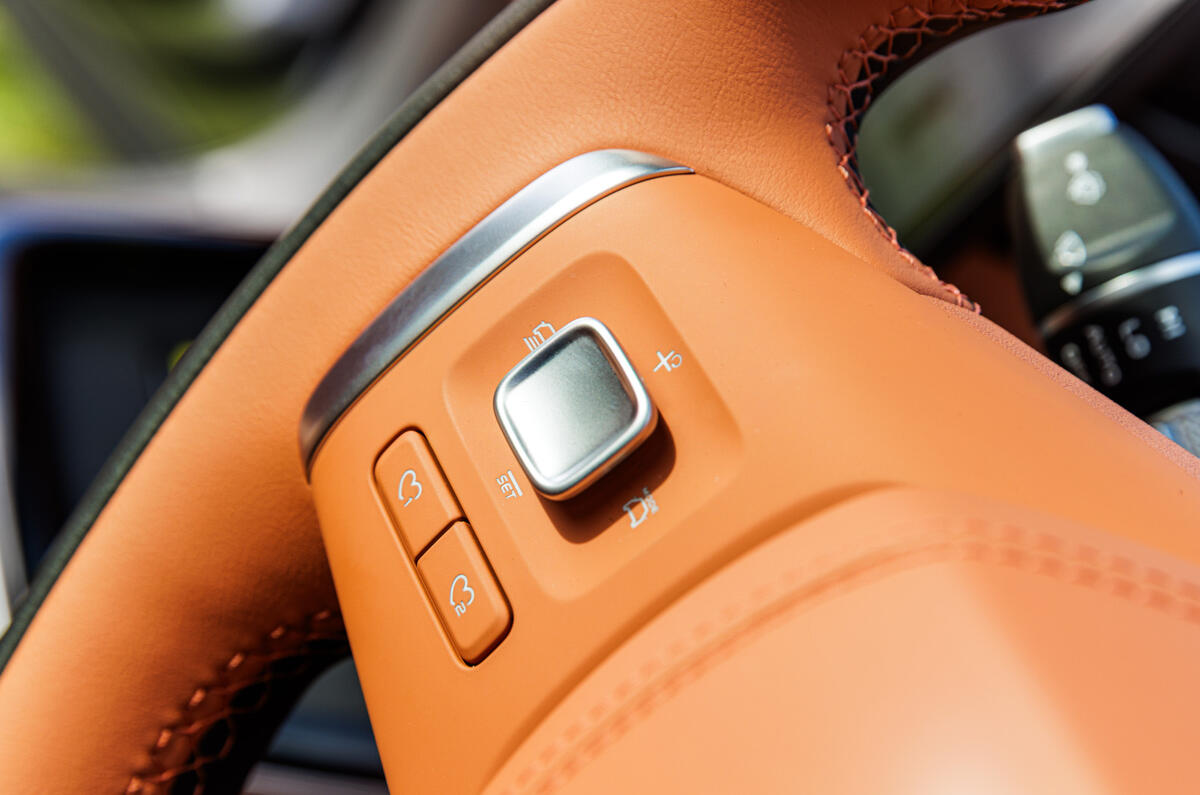
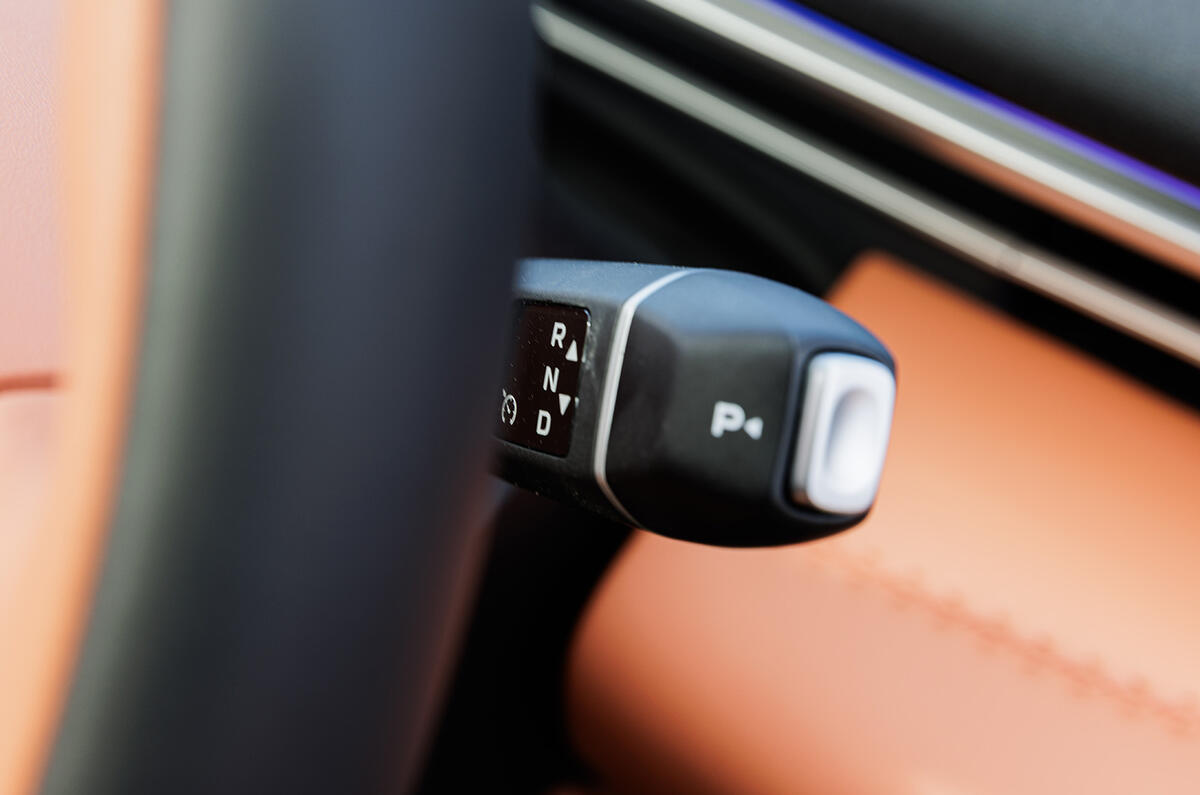
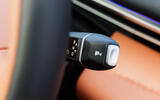
For the driver, there are a few more recognisable conventional secondary controls here than in the S07. Column stalks and plenty of steering wheel buttons are present, but there are no digital instruments. Most of the vital information is displayed on a well-positioned head-up display, which was so comprehensive that we initially didn't even notice the lack of traditional dials.

Multimedia 

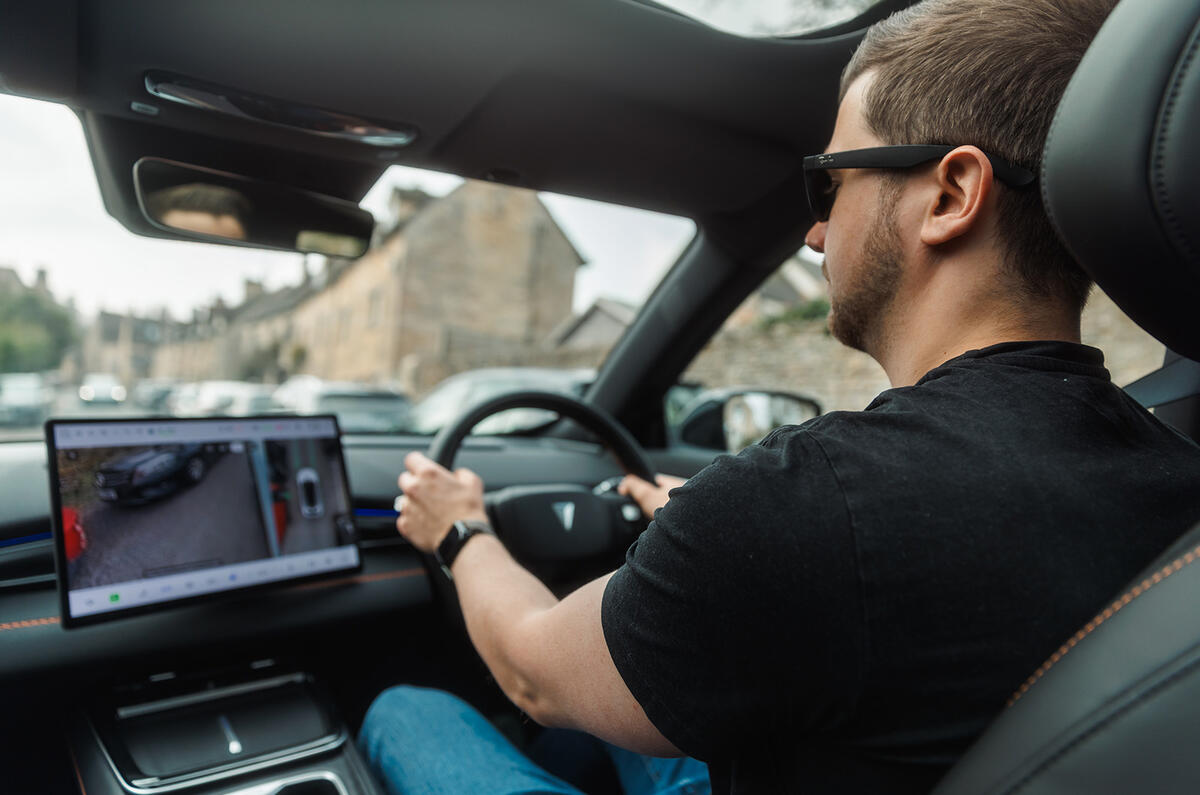
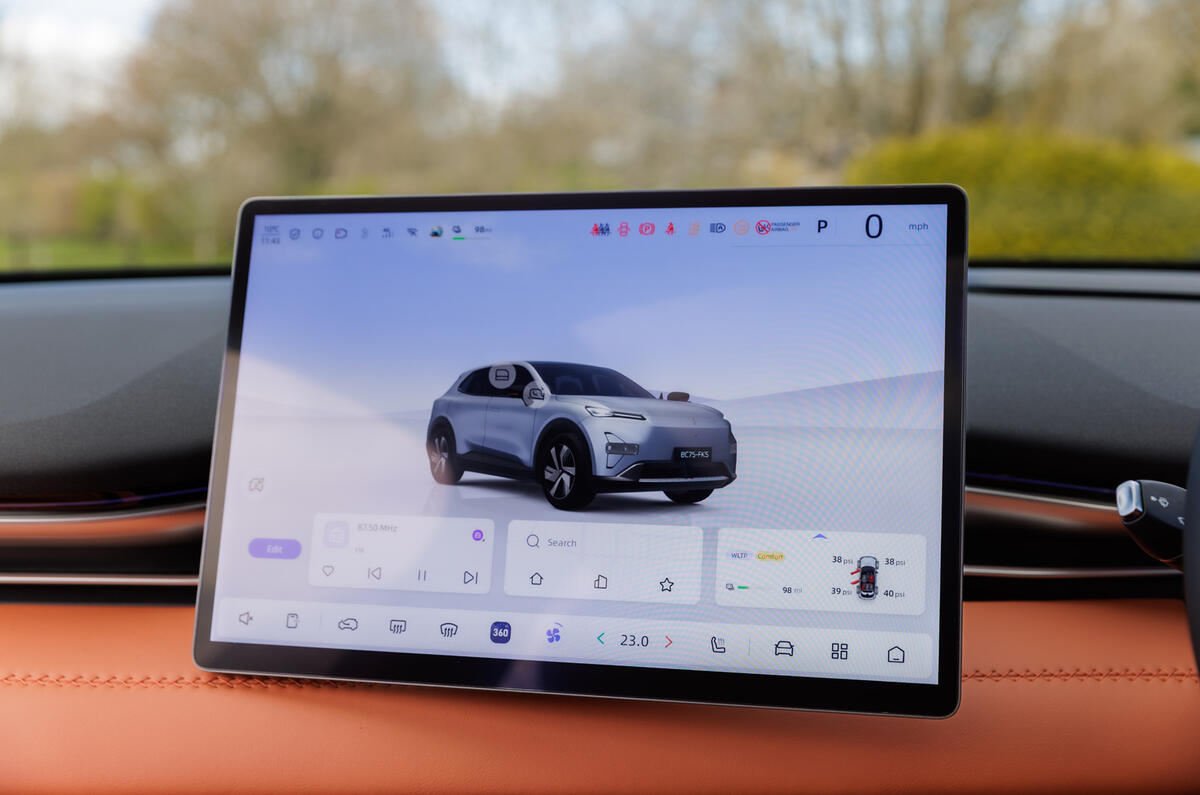
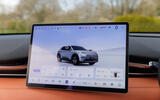
The S05 uses different multimedia software than the larger S07. It would seem, at first, to be the same set-up, especially as the screen pivots towards the driver after you've climbed on board.

Only once you get familiar with the system, however, do you realise that it offers notably less layout customisation than the S07 does (there's less choice about which functions can be selected for the permanently displayed lower nav bar, for example). The software is prone to some minor latency issues and lags on occasion, too - something we didn't find in the S07.

It is absolutely feature-packed, though, with games, apps and several interesting modes, including rest mode, where the 'queen' (meaning the front passenger) is reclined and a log fire is displayed. 

There's even a text-to-speech system that projects through an exterior speaker. It’s designed to communicate with pedestrians - informing them to cross the road, for example.

ENGINES & PERFORMANCE

7
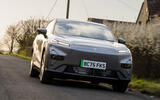
Deepal front quarter

We originally sampled the S05 in dual-motor, 4WD guise in snowy Austria. The basis for our subsequent UK test was the RWD variant, which is expected to be the bigger seller.

The RWD car sends 268bhp and 213lb ft of torque to its rear wheels and is good for a 0-62mph time of 7.5sec, and a top speed of 112mph. The 4WD car gets 429bhp and 370lb ft, hitting 0-62mph in 5.5sec. 

Power is delivered smoothly and unremarkably, and it feels like there's plenty of it even in the RWD car. The stats are class-leading, but the reality is more than sufficient for easy motorway overtakes and assured performance on country roads.

The front-wheel-drive PHEV delivers 255bhp and 221lb ft and hits the benchmark sprint in a slightly slower 7.9sec - not that you’d notice. Top speed is the same at 112mph.

There’s more than enough power in both electric and hybrid modes. During our test drive it rarely switched to hybrid, although you can force it manually to do so in the touchscreen settings. When it did switch, the change was near-imperceptible.

Engaging Sport mode sharpens the throttle response in the EV, adding a noticeable sense of urgency. But the car is a little prescriptive about regen control. There are no physical controls for it.

Each driving mode (Eco, Comfort, Sport, etc) comes with its own regen preferences; or, if you select Custom, there's a slider control on the touchscreen to select how much trailing-throttle regen you want - from zero to 100%.

This makes adjusting regen in a manual way, based on the road immediate ahead of you, near enough impossible, which some drivers may be disappointed by.

The S05 does at least have decently progressive brake pedal control, so it isn't hard to deactivate trailing-throttle regen and scavenge energy that way.

Assisted driving

The S05 comes with an adaptive cruise control system with 'full stop and go' traffic jam assist-style functionality as standard; as well as autonomous emergency braking, lane keeping assist and lane departure warning systems, and the mandatory speed limit detection and speeding warning systems.

These systems can be accessed via a 'swipe-down' shortcut menu on the multimedia home screen. Alternatively, two shortcut buttons on the steering wheel can be mapped to deactivate the lane keeping and speeding warning systems, if these are the ones you most commonly turn off.

The shame is that, unlike on the larger S07 that we tested in 2025, the S05's systems reset with every ignition cycle and 'default to on'. Moreover, you can't select them as permanently displayed icons within the car's lower touchscreen nav bar, which would be the quickest and easiest route to switching them on and off.

The systems themselves aren't irksome or unsophisticated, and the fact that you can adjust the volume level of their 'alerts' is welcome too. But having all of them reset (even things like the speed limit change bong) every time you restart the car is quite starkly unlike the S07 and disappointing.

RIDE & HANDLING

5
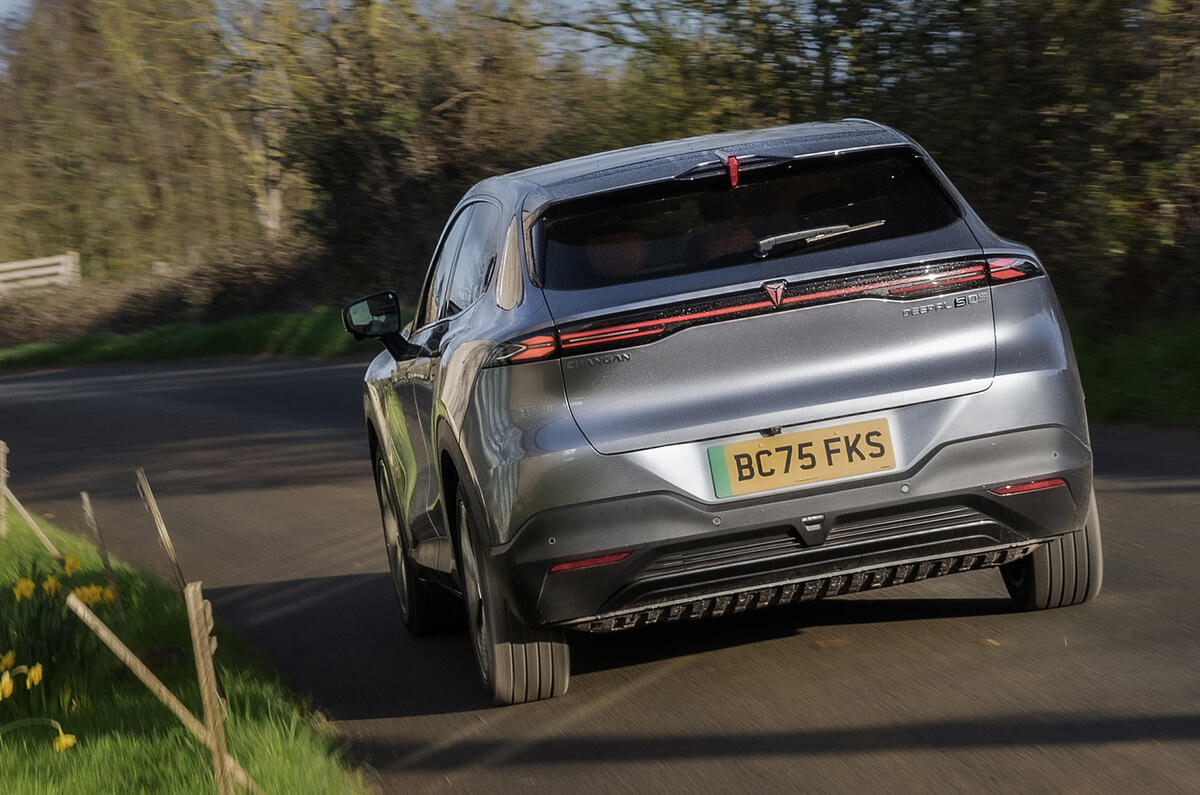
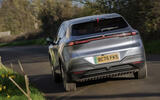
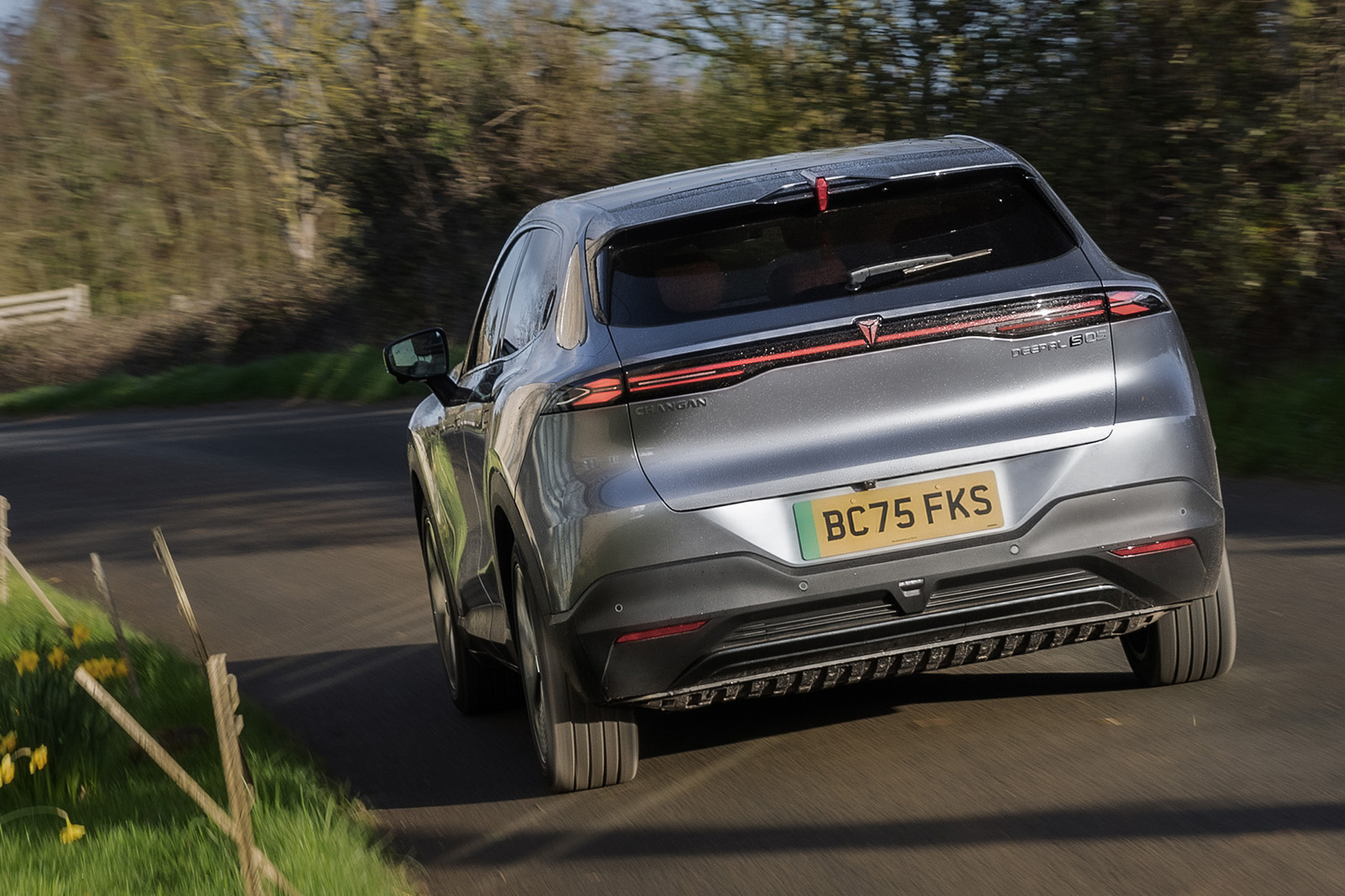
Rear three quarter s2

The S05’s suspension and steering were engineered and tuned with input from Changan's Birmingham R&D centre, so the company says. The same was true of the S07 - and produced some moderately impressive results.

But the smaller S05 seems to have a different dynamic agenda than its larger sibling and, to be direct about it, doesn't succeed in delivering against it nearly as well - at least in EV form.

Certainly, on the smoothest roads at low speeds, the S05 is pleasantly comfortable. Soft suspension soaks up sleeping policeman and craggy surfaces reasonably well.

With light, fairly quick steering, the EV is easy to direct around town and navigate around corners.

​But while Changan describes the S05 as a “fun entrant” in the C segment, its manners in more challenging scenarios aren’t so positive.

Body control out of town is a little inadequate, allowing the car to pitch and fidget noticeably on quicker country roads and to resist settling down as it should even on smoother A-roads and dual carriageways.

Around corners, the car rolls markedly if you're hurrying it along, and begins to overwhelm its front wheels, washing into understeer for the electronics to ultimately reign in.

The S05 recovers some points with cabin isolation. Thanks to sound reduction tech, including vibration-absorbing suspension and 5mm-thick frameless glass, it’s a fairly quiet and serene place to travel.

The PHEV is a slightly different, more positive, story. Thanks to its front-wheel-drive configuration, it holds its own far better on winding B-roads yet has the same agreeable if not hugely engaging steering.

As well as the notably different set-up, Changan says the PHEV has had more fine-tuning than the EV because of its later arrival.

It remains well isolated in the cabin, like the EV, and offers decent ride comfort, but the suspension is notably firm over the most laborious bumps.


MPG & RUNNING COSTS

8
Changan Deepal S05 front

Changan emphasises the S05’s slippery drag coefficient of 0.25, which is almost equal to that of the Skoda Elroq and Kia EV3.

On a mix of motorways, A-roads and B-roads, our RWD test car returned 3.6mpkWh. That’s equal to 247 miles of range in the real world, which is only average for the class and outlay. Plenty of rivals go farther on a charge.

However, the S05's maximum charging speed is 200kW – significantly better than the EV3's 135kW and more competitive than the Elroq's 175kW.

The EV looks fairly expensive at list price., but when you consider that it's only sold in a fairly fully loaded trim level - and then also discover how well-supported Changan's personal finance deals on the car are - it begins to command a little more pecuniary appeal.

Although it doesn't qualify for the UK government's Electric Car Grant, Changan is offering 0% finance on the car with a finance contribution of more than £2500, making it available for close to £350 per month on typical four-year monthly terms after a pretty modest deposit. That's value cars like the Elroq, EV3 and Renault Scenic would struggle to level with on like-for-like terms.

Meanwhile, the PHEV’s promise of 62 miles of electric range appeared true to life on a mixture of roads, comfortably outperforming the Jaecoo 7 and Kia Sportage PHEVs on that front. Its rapid charging time of 55kW means it can be charged up to 80% in 15 minutes.

List-price-wise, the PHEV just about undercuts the 7 and is comfortably ahead of the Sportage, as you might expect. And Changan’s initial PCP offer is 0%, a £4000 deposit and a similar £350 per month on a four-year term.

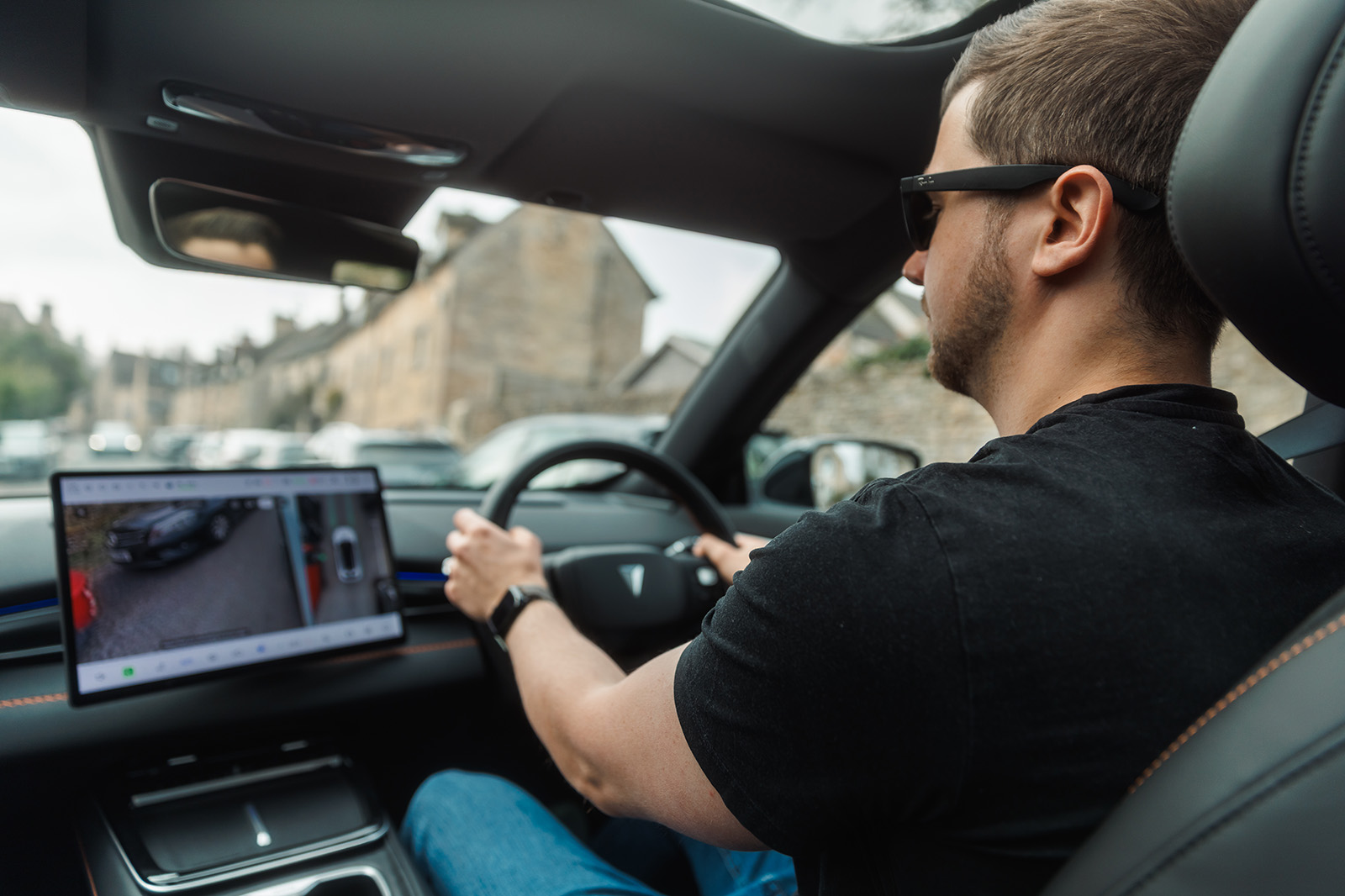
Standard equipment includes premium features such as a wireless phone charger, factory sat-nav, keyless entry, a 360deg camera and level-two assisted driving technology. 

A glass roof (£1000) and a tow bar (£600) are the only options you might be tempted to pay extra for.

VERDICT

6
Changan parked

It’s a mixed bag for the S05, which mostly looks the part inside and out.

In EV form it falls short of dethroning its European rivals.

Its bouncy, underdamped country-road ride and unenticing handling are disappointing after the dynamic standards set by the S07 and its range is pipped by most alternatives.

Conversely, the better handling of the PHEV and rival-beating electric-only range makes it a far more competitive prospect.

In both cases, it has plenty of cabin space, lots of standard equipment and plenty of digital technology - all for a monthly price that might surprise you if you've been considering better-known rivals.

The S05 remains a Chinese model we'd recommend before plenty of others in its class, particularly in PHEV form, but Changan will need better digital and dynamic consistency from its cars in order to lift itself above the 'novel brand' melee.


Matt Saunders

Matt Saunders Autocar
Title: Road test editor

As Autocar’s chief car tester and reviewer, it’s Matt’s job to ensure the quality, objectivity, relevance and rigour of the entirety of Autocar’s reviews output, as well contributing a great many detailed road tests, group tests and drive reviews himself.

Matt has been an Autocar staffer since the autumn of 2003, and has been lucky enough to work alongside some of the magazine’s best-known writers and contributors over that time. He served as staff writer, features editor, assistant editor and digital editor, before joining the road test desk in 2011.

Since then he’s driven, measured, lap-timed, figured, and reported on cars as varied as the Bugatti Veyron, Rolls-Royce Phantom, Tesla Roadster, Ariel Hipercar, Tata Nano, McLaren Senna, Renault Twizy and Toyota Mirai. Among his wider personal highlights of the job have been covering Sebastien Loeb’s record-breaking run at Pikes Peak in 2013; doing 190mph on derestricted German autobahn in a Brabus Rocket; and driving McLaren’s legendary ‘XP5’ F1 prototype. His own car is a trusty Mazda CX-5.