Currently reading: Top 10: Amazing but sometimes terrible cancelled American fighter planes

Top 10: Amazing but sometimes terrible cancelled American fighter planes

Since the early 1940s, the United States has created some of the most capable fighter aircraft in the world.

But the road to designing, creating and then selling something as technologically demanding as a fighter is not an easy one, and many – often brilliant – aeroplanes fell by the wayside.

Here are ten of the most charismatic fighter aircraft never to make it to widespread service. Some featured innovative thinking that was just a little too ahead of its time, some were the wrong idea, and some were just plain unlucky, regardless they are fascinating aeroplanes that tell a great deal about engineering history. 


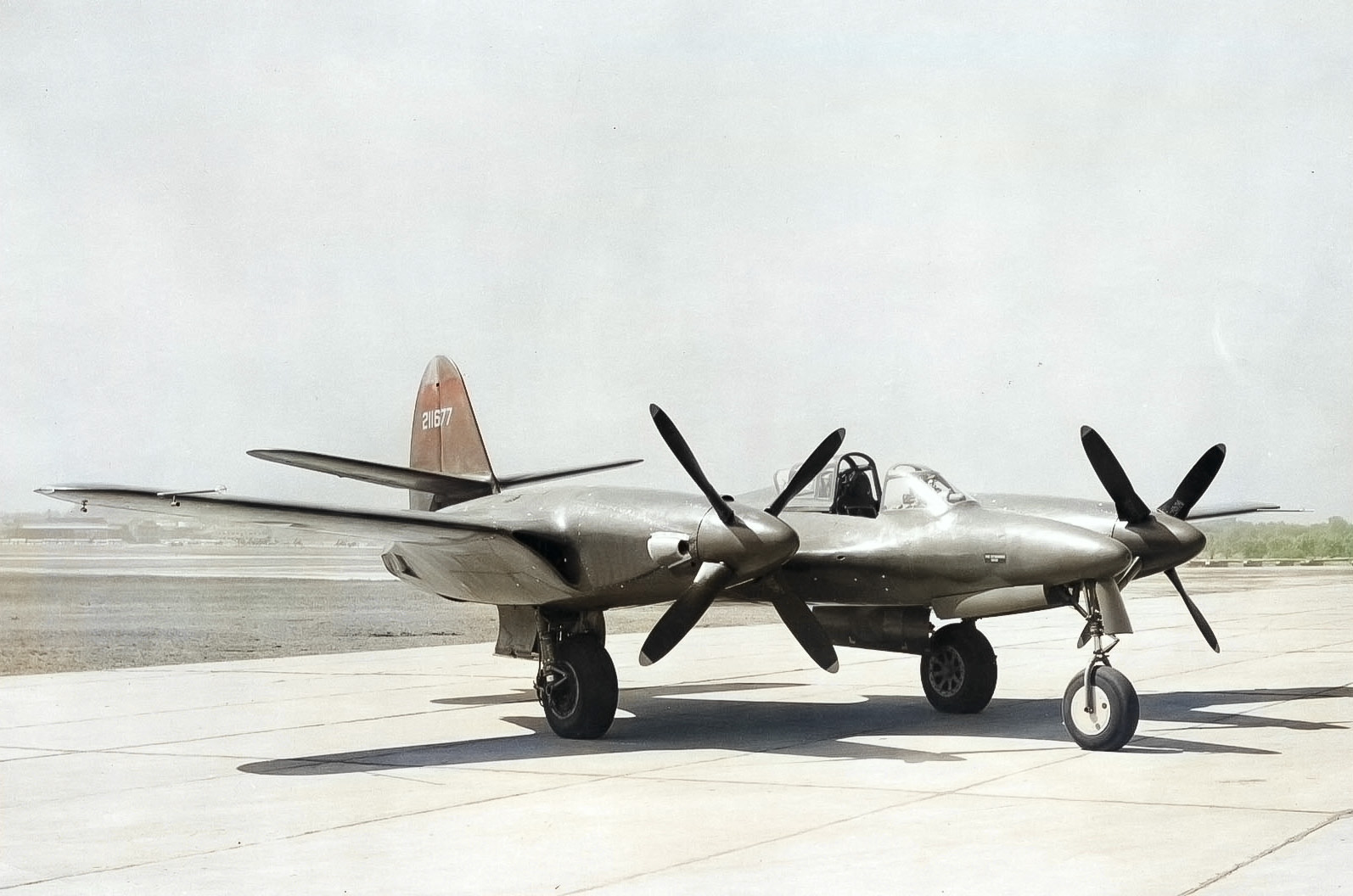
10: Grumman (G-34) XF5F-1 Skyrocket
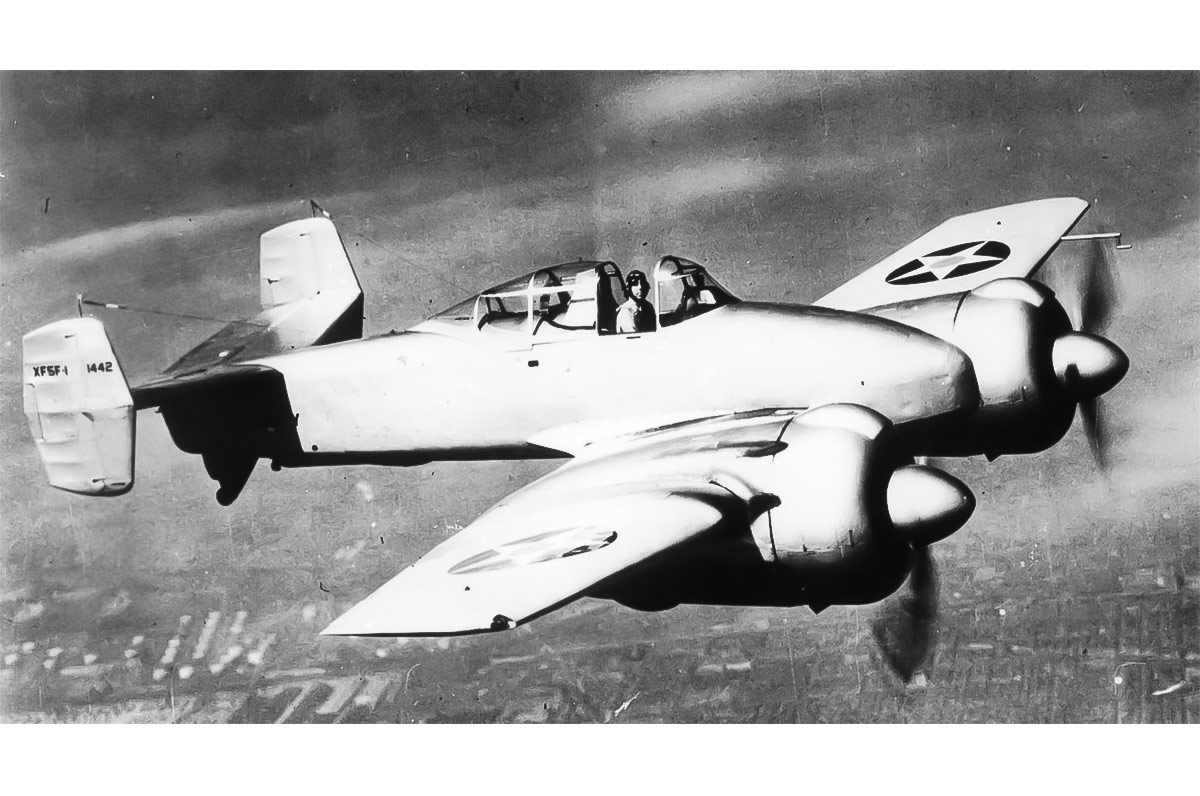
 Grumman (G-34) XF5F-1 Skyrocket

Thirty years before the F-14 Tomcat was made famous by Top Gun, Grumman built another extremely advanced twin-engine carrier fighter, the superb G-34. Twin-engined carrier fighters were not a thing in 1940, but despite this, the first example of this breed proved a winner. Trials in 1941 pitted the type against all the most advanced Allied fighters, including the XF4U Corsair, and the results were spectacular.

According to the man in charge of the test, Lieutenant commander Crommelin, “I remember testing the XF5F against the XF4U on climb to the 10,000-foot level. I pulled away from the Corsair so fast I thought he was having engine trouble. The F5F was a carrier pilot's dream, as opposite rotating propellers eliminated all torque.”


10: Grumman (G-34) XF5F-1 Skyrocket
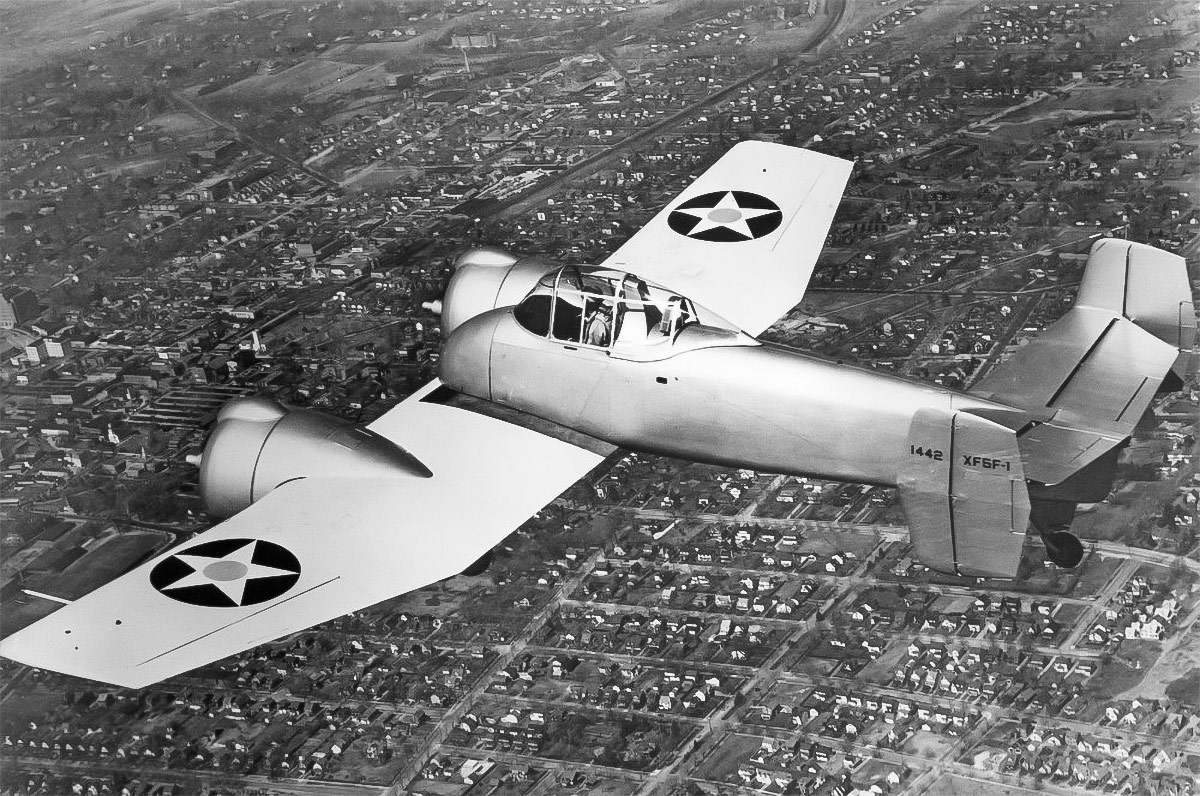
 Grumman (G-34) XF5F-1 Skyrocket

He went on to state that the aircraft was superior to its best rivals,  “The analysis…favored the F5F, and the Spitfire came in a distant second.” However, performance is not everything, and sourcing parts for and maintaining a twin-engined aircraft would have proved logistically harder than one with half the amount of engines, so the Navy instead opted for the Grumman Wildcat.

The effort taken with this somewhat bizarre-looking fighter was far from wasted, as it evolved into the Grumman F7F Tigercat, one of the finest piston-engined fighters ever flown.


9: McDonnell XP-67 'Moonbat'
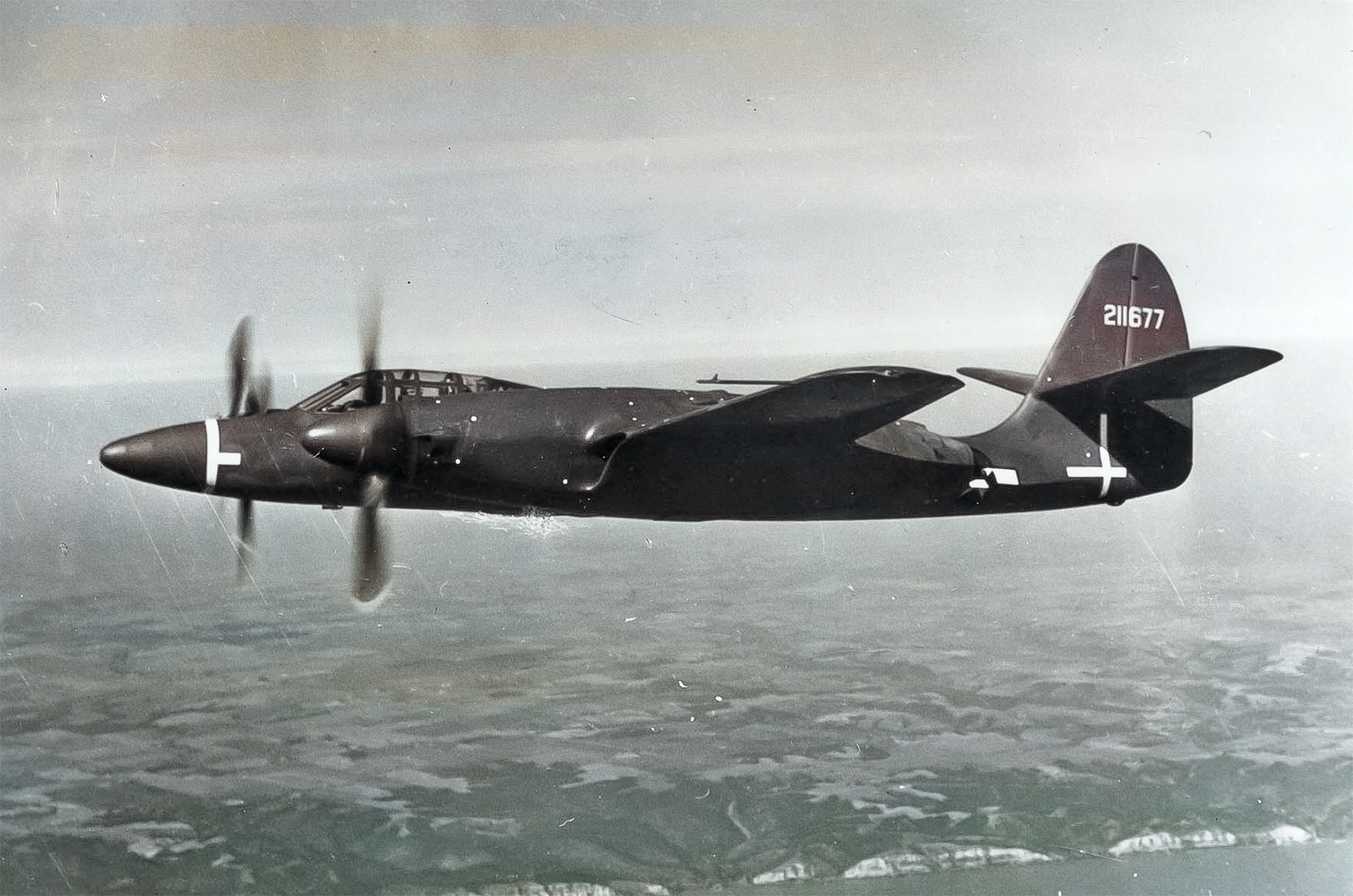
 McDonnell XP-67 'Moonbat'

The first two manifestations of this design failed to arouse the USAAF, but promises of a 472mph top speed tantalised the authorities and funding was granted. What was proposed was a heavily armed, high-speed bomber destroyer with a radically new shape. The designer, the McDonnell company, considered some formidable armament options including a 75-mm gun or six 37-mm cannons!

Back to top

The radical aerodynamics of the 1944 ‘Moonbat’ (known at the time as the Flying Fillet) gave this US fighter prototype the look of a flying stingray. The design emphasised low drag and the harvesting of a high amount of fuselage lift through a blended wing/body design. The fuselage, like the wing, had an aerofoil cross-section (the body of the aircraft created lift much like a wing).


9: McDonnell XP-67 'Moonbat'

 McDonnell XP-67 'Moonbat'

The aircraft flew in 1944 and proved the until-then-unknown adage 'if it looks like a stingray it will fly like one'. It was underpowered, with poor handling, a long take-off run, terrible fuel consumption and stall characteristics even a 1940s test pilot didn't have the bottle to explore. A prototype crashed and the project was deemed too dangerous to continue.

However, the blended wing body concept has not died. It was later used with great success, among others, the SR-71 Blackbird Mach 3 spy plane and is seen in varying degrees in many other designs. It is also, in its purest form, being studied for several future airliner concepts.


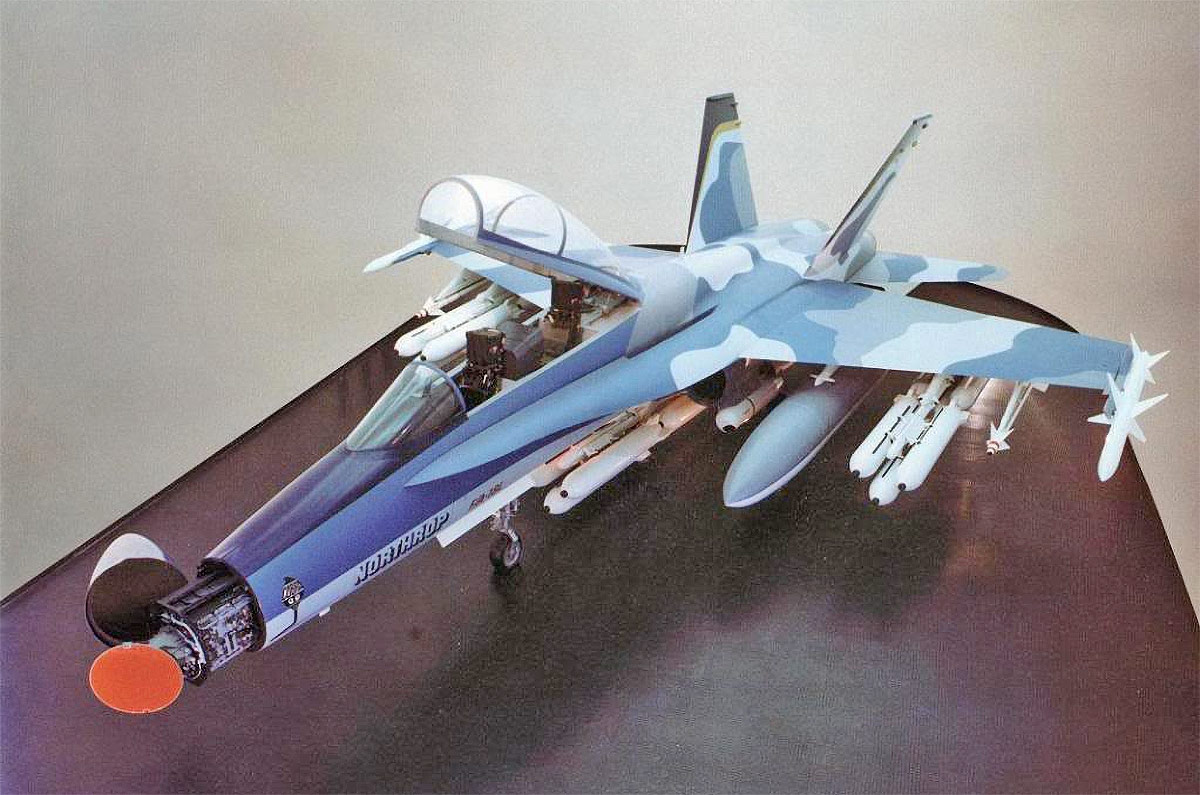
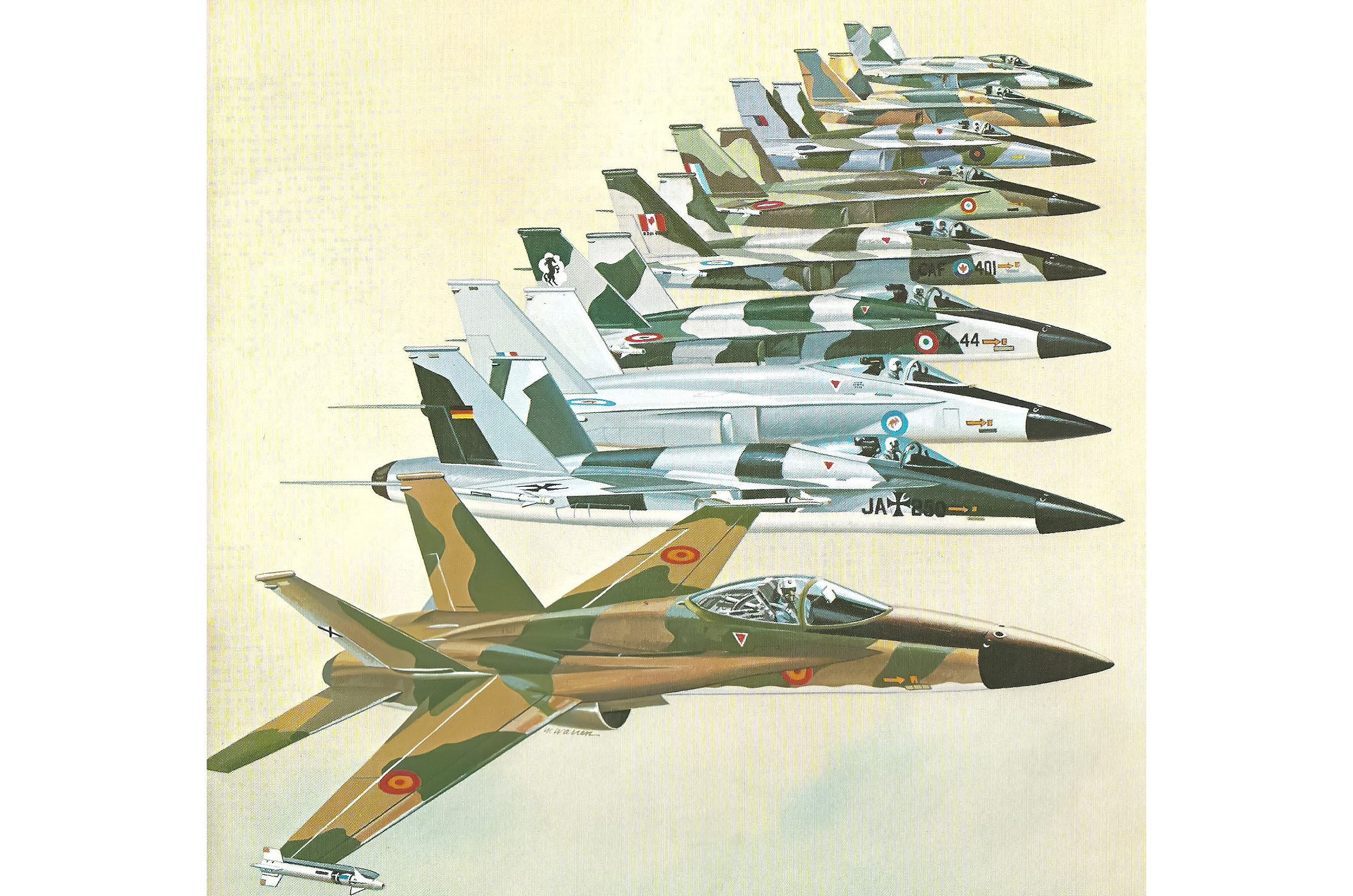
8: Northrop F-18L

 Northrop F-18L

The F/A-18 Hornet was the mainstay of US Navy airpower, a role now filled by the Super Hornet. The F/A-18 is no slouch in a dogfight, and the land-based F-18L was even better. Freed from the extra weight of carrier compatibility it was almost 30% lighter than the F/A-18A.

This lighter weight gave it superior range, and manoeuvrability and enhanced almost all other aspects of its already sparkling performance. It also boasted a longer range air-to-air missile than other land-based peers in the form of the Sparrow, something the rival F-16s of the time lacked. Medium-range weapons were not carried by any other Western lightweight fighters in the 1970s.


8: Northrop F-18L

 Northrop F-18L

The F-18L was offered to Canada for the New Fighter Aircraft Project of the late 1970s. It was a better aircraft for the role than the F/A-18A, but Canada preferred an 'off-the-shelf' product with an existing customer. Whereas the F-18L effort was led by the Northrop company, the F/A-18A was largely McDonnell Douglas.

Back to top

The promising F-18L failed to gain an order, and land-based air forces received naval Hornets with 2500Ib of additional weight in the form of an extra strong undercarriage, folding wing mechanism and catapult-compatible systems most useful for use on aircraft carriers.


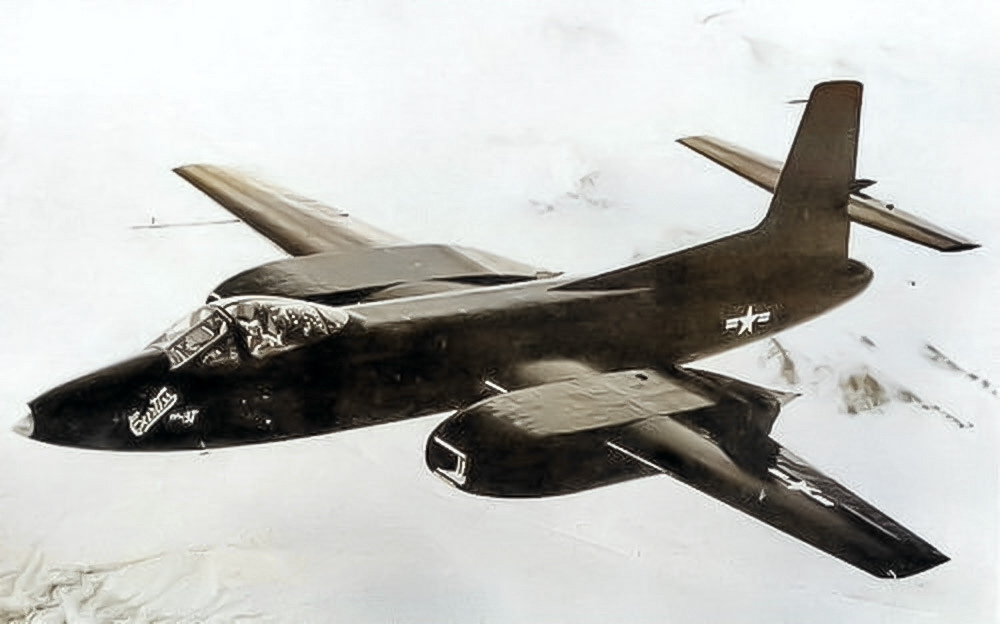
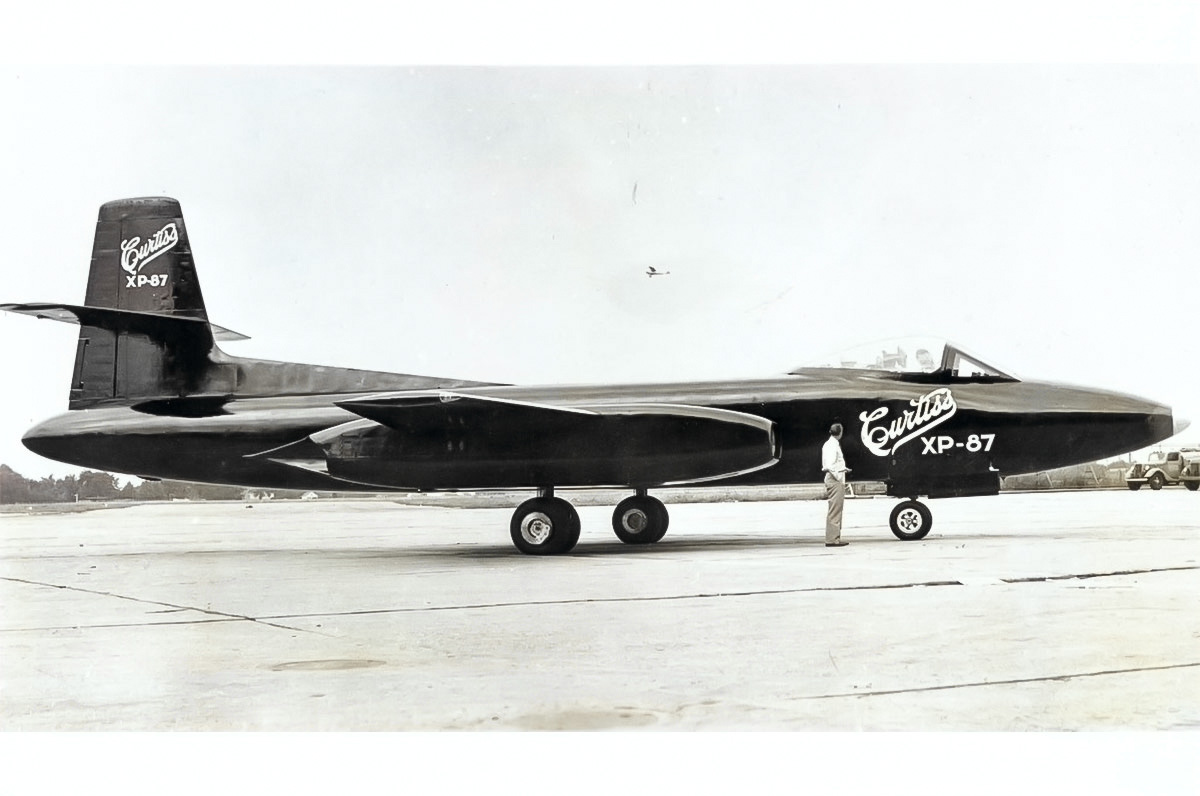
7: Curtiss-Wright XF-87 Blackhawk

 Curtiss-Wright XF-87 Blackhawk

At the end of the second world war Curtiss-Wright was the largest aircraft manufacturer in the world. Three years later it was gone. The nail in the coffin was the Blackhawk. The name followed a company naming tradition begun in the early 1930s for including 'hawk'; their most successful fighters were the Tomahawk, Kittyhawk and Warhawk.

There was nothing particularly terrible about the XF-87 jet fighter, although the number of engines was unusual, the four Westinghouse XJ34-WE-7 turbojets would have been replaced by two J47s had it made it into production). The USAF ordered the fighter (modified from an attack-optimised design) before succumbing to the charms of the F-89 Scorpion and opting out.


7: Curtiss-Wright XF-87 Blackhawk

 Curtiss-Wright XF-87 Blackhawk

It is often said that the company had been so busy in the mass production and incremental improvement of wartime aircraft types that they had not been able to respond to the jet revolution as well as their more forward-looking rivals. This is not entirely fair as they were on some exceptionally radical concepts, especially the wildly futuristic XP-55 Ascender.

The ‘Blackhawk’ name has proved popular for aircraft, and there was also Carr SBlackhawk racing aircraft of the 1930s, the (also) Sikorsky S-67 Blackhawk and today's famous H-60 series helicopters (as featured in the 2001 action film Black Hawk Down).


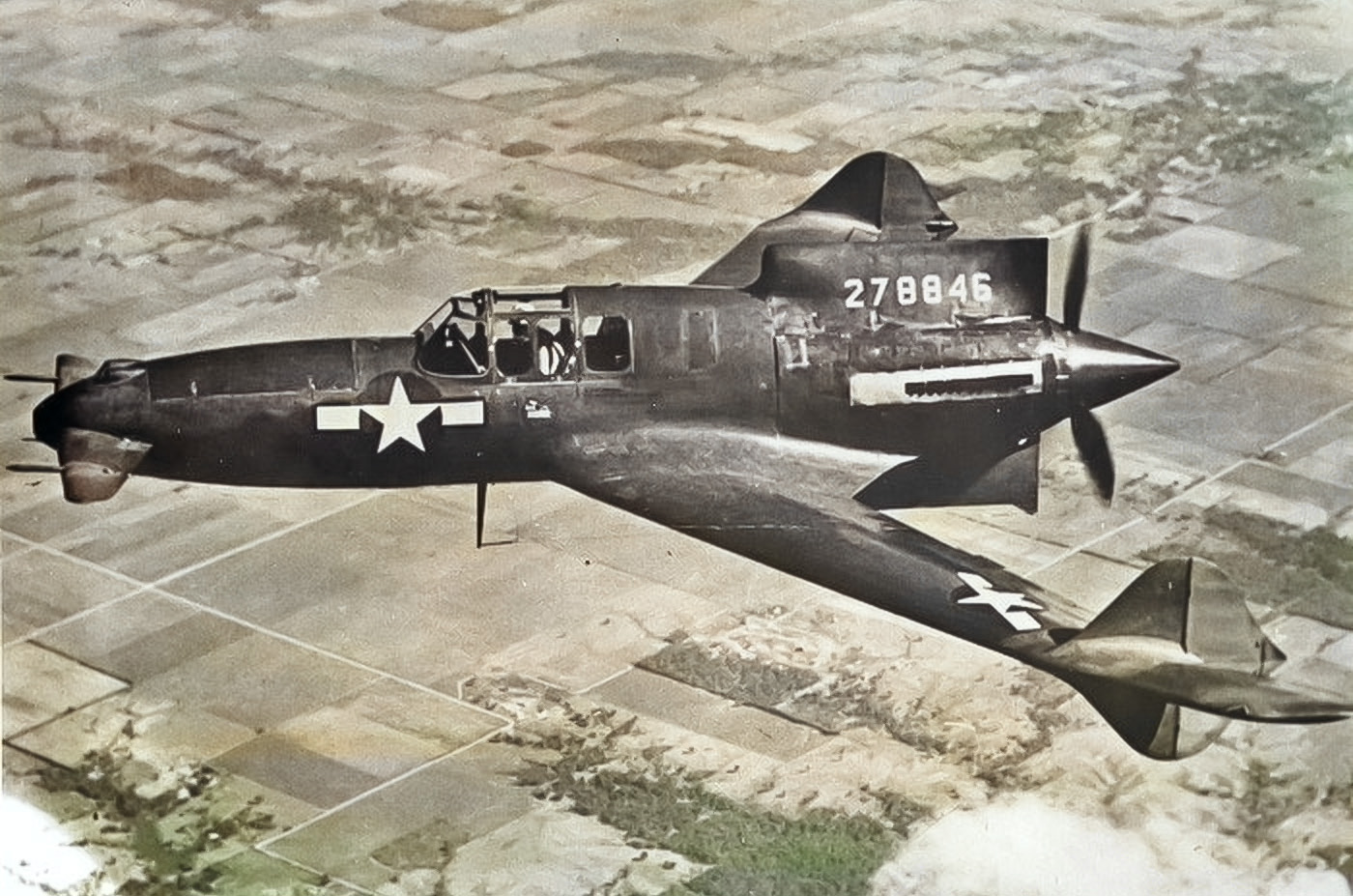
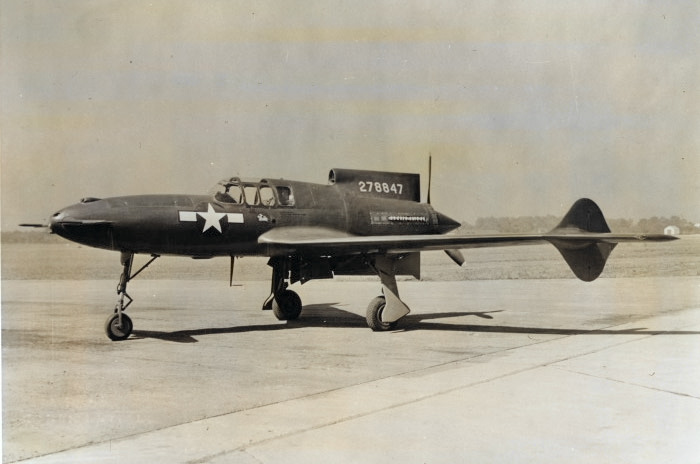
6: Curtiss-Wright XP-55 Ascender

 Curtiss-Wright XP-55 Ascender

Despite an utterly exotic futuristic appearance — canards (small control surface ‘wings’ ahead of the main wing like today’s Typhoon), a then-novel tricycle landing gear and a swept wing (for balance not for higher speed) and a pusher engine, the first of three aircraft flew as early 19 July 1943.

Back to top

It was originally designed for the 1800 horsepower Pratt & Whitney X-1800 24-cylinder H-engine, which was cancelled, and power for the prototypes came from the considerably weedier 1,275 hp Allison V-1710-95 liquid-cooled V12 engine. The XP-55’s performance was less-than-stellar, and it was apparent that far lower-risk conventional fighter designs offered superior performance.


6: Curtiss-Wright XP-55 Ascender

 Curtiss-Wright XP-55 Ascender

But Curtiss-Wright promised a version with an improved laminar flow wing, an aerodynamically super clean wing offering improved performance.  Despite the failure of the original, this idea held some promise, so the project carried on.

But the Ascender’s vicious stall characteristics could not be tamed, and the programme ended after the third prototype crashed at Wright Field during an air show. This was the second crash of only three aircraft built. Today all fighters have tricycle undercarriages, and many have canards, but this was the 1940s and a case of was too much too soon.


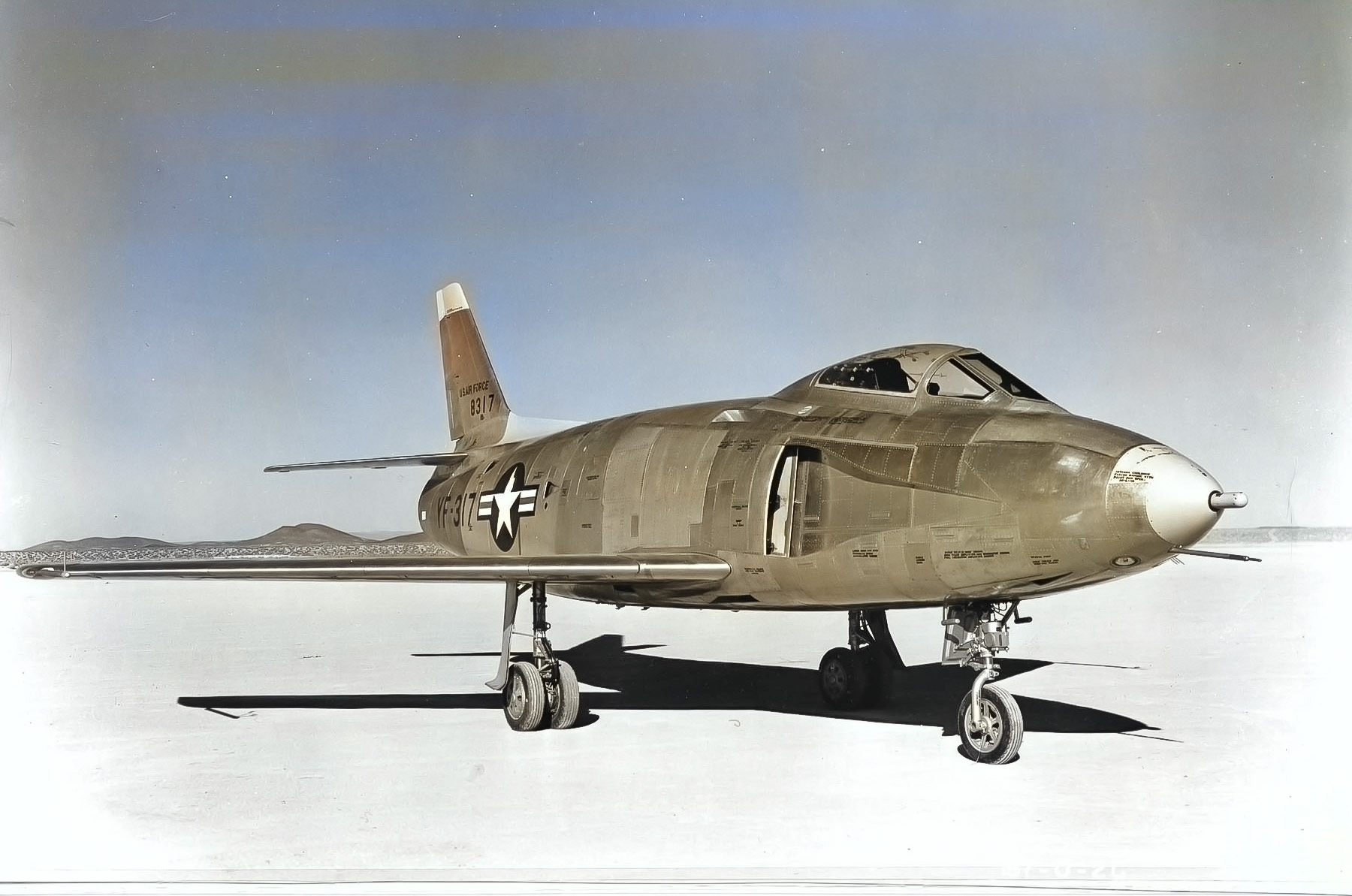
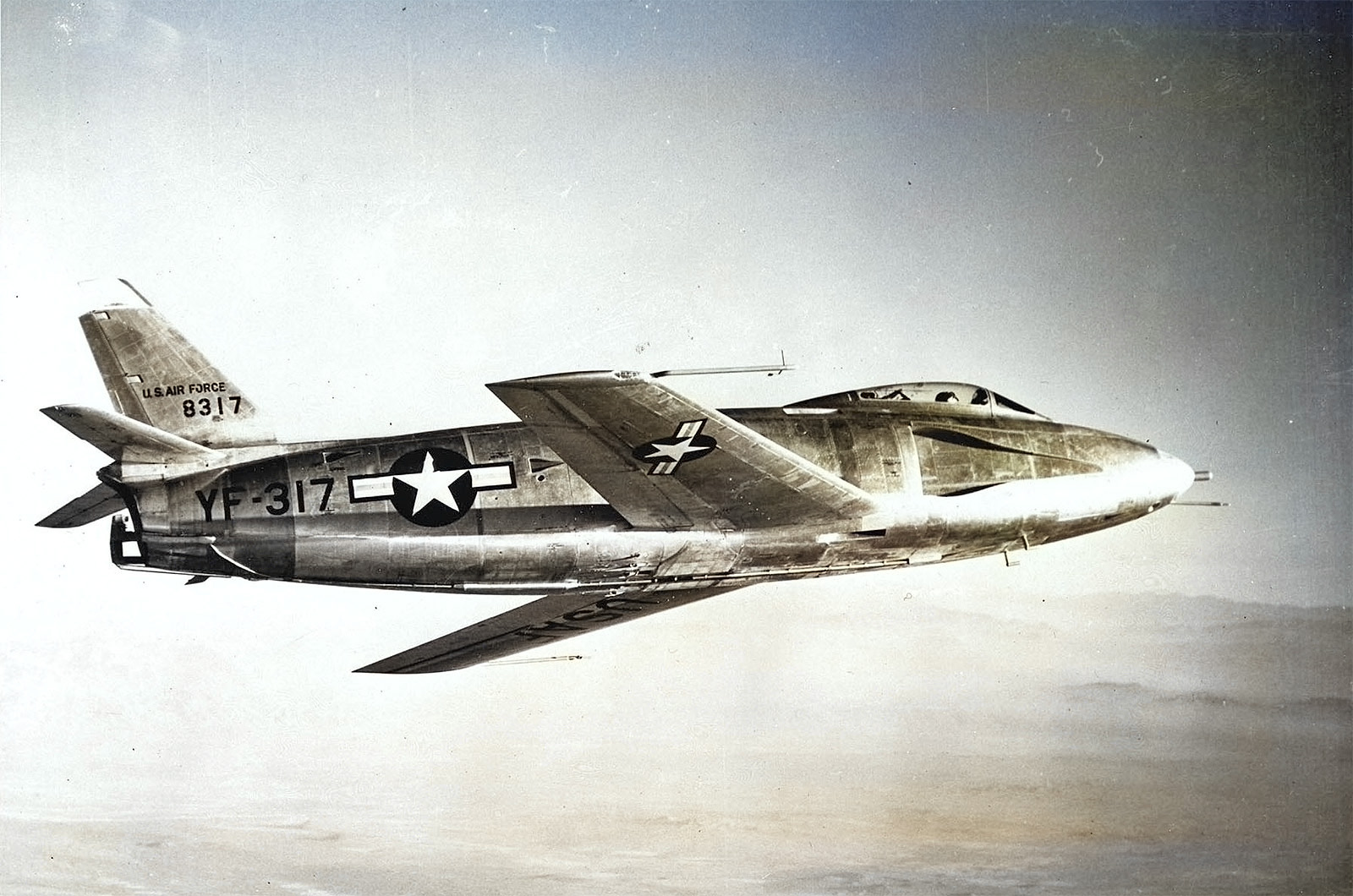
5. North American YF-93

5. North American YF-93

The superb North American F-86 Sabre was the best fighter of its day and formed the basis of several derivative aircraft, and the YF-93 was one of them. The rather handsome North American YF-93 was intended as a penetration fighter able to fly into the Soviet Union and destroy interceptors in their own airspace, and as a secondary task, escort USAF bombers.

It started as a modified F-86 but soon grew different enough to merit its own designation. Compared to the Sabre it had far more fuel, twice the range and was far bigger. With the search radar and six 20-mm cannon occupying the nose, the nose intake of the F-86 was replaced with flush-mounted NACA (forerunner to NASA) designed side intakes. The YF-93 first flew in 1950.


5: North American YF-93

 North American YF-93

Though very elegant in appearance, the jet air intakes proved troublesome. They had issues with airflow when the aircraft was travelling at higher angles of attack (nose up compared to the direction of flight) and were replaced with a more conventional, and far less attractive, intake design.

Back to top

The arrival of a bomber, the B-47, with a similar top speed revealed the XF-93 to be too pedestrian in performance and the order for 118 aircraft was cancelled. It should be noted that the RAF accepted the Hawker Hunter into service in 1954, an aircraft of very similar top speed but with an inferior range.


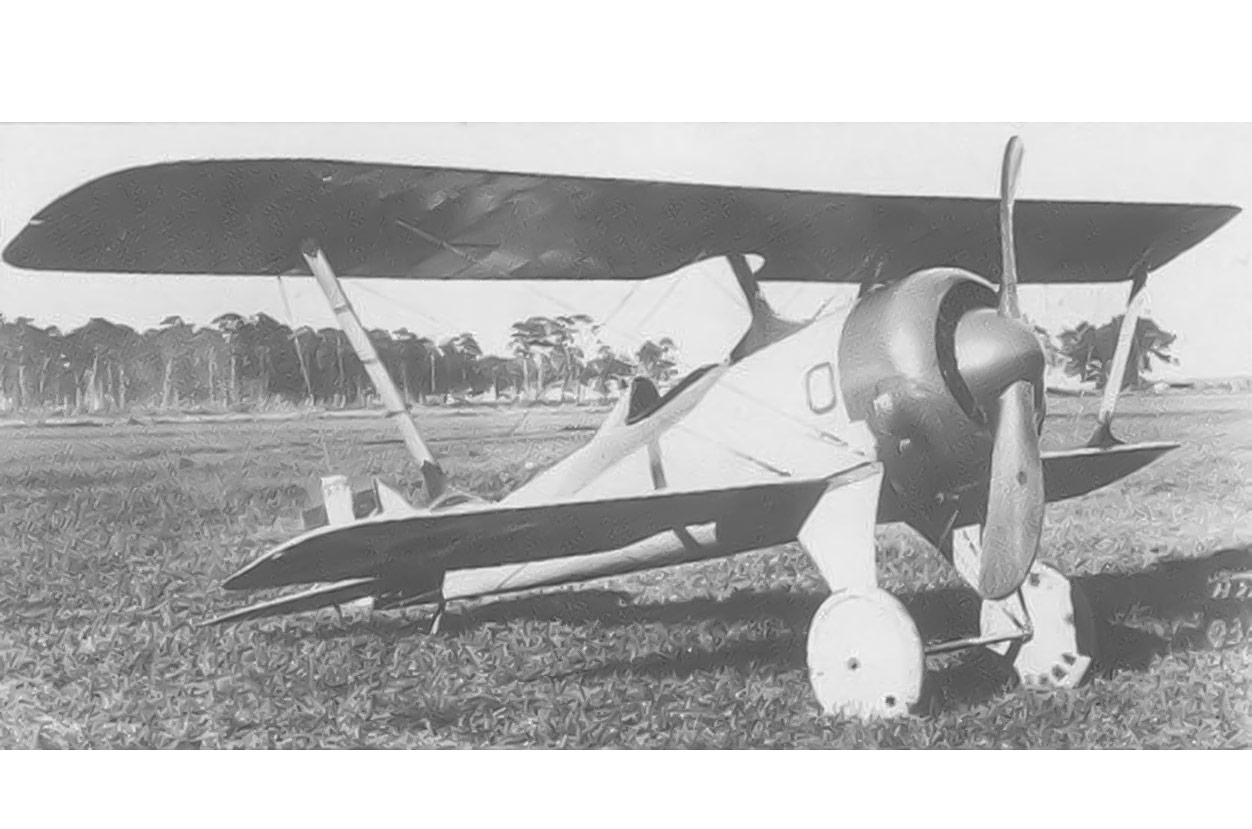
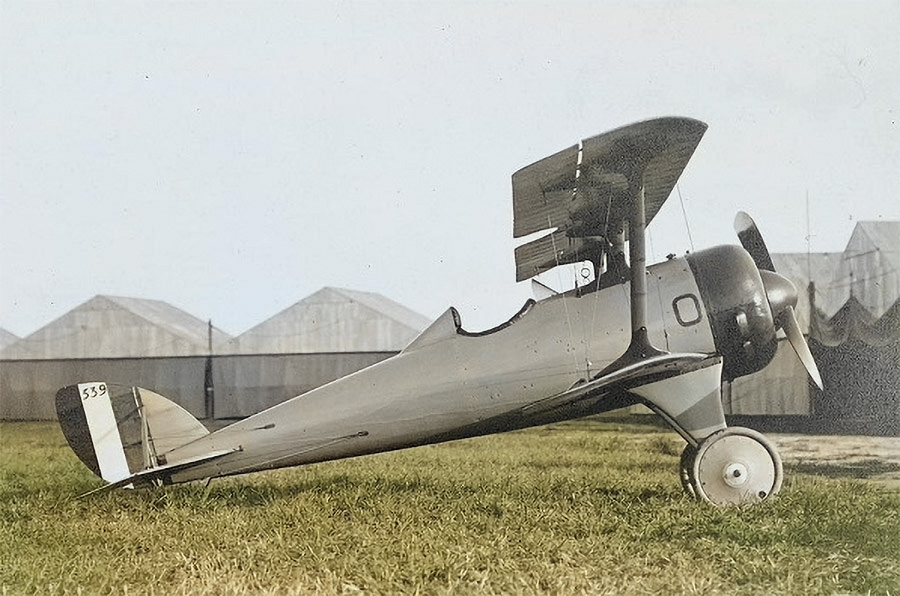
4: Heinrich Pursuit

 Heinrich Pursuit

Today, nineteen months is insufficient time to develop and integrate a major software update on a warplane, but in 1917 it was a very long time in military aviation. The USA was only fighting in the first world war for nineteen months but in that time several attempts were to develop a high-performance indigenous fighter from scratch.

The Pursuit was powered by the 100 hp Gnome Monosoupape 9 Type B-2 nine-cylinder rotary engine and was of unequal-span biplane configuration. Whereas the British Bristol F2.B of 1916 was named 'Fighter', a word which describes the mission to this day, Heinrich chose 'Pursuit' (the term 'pursuit fighter' remained in official US terminology until the XP-92 of 1948).


4: Heinrich Pursuit

 Heinrich Pursuit

Quite unlike the modern world in which the US will generally do its utmost to avoid buying foreign aircraft, the opposite was true in 1917. As with most fledgling warplane-producing nations, there was an initial preference for proven foreign designs. This is rather a shame as the Pursuit was a decent enough aeroplane of very clean aerodynamic form.

Though not procured as a fighter it was seen to have potential as a fighter trainer. Two Mk II aircraft were ordered and these were particularly fine, with a cleaned-up design offering a 77 kg weight reduction and inclusion of the more reliable Le Rhone 80 hp rotary engine.


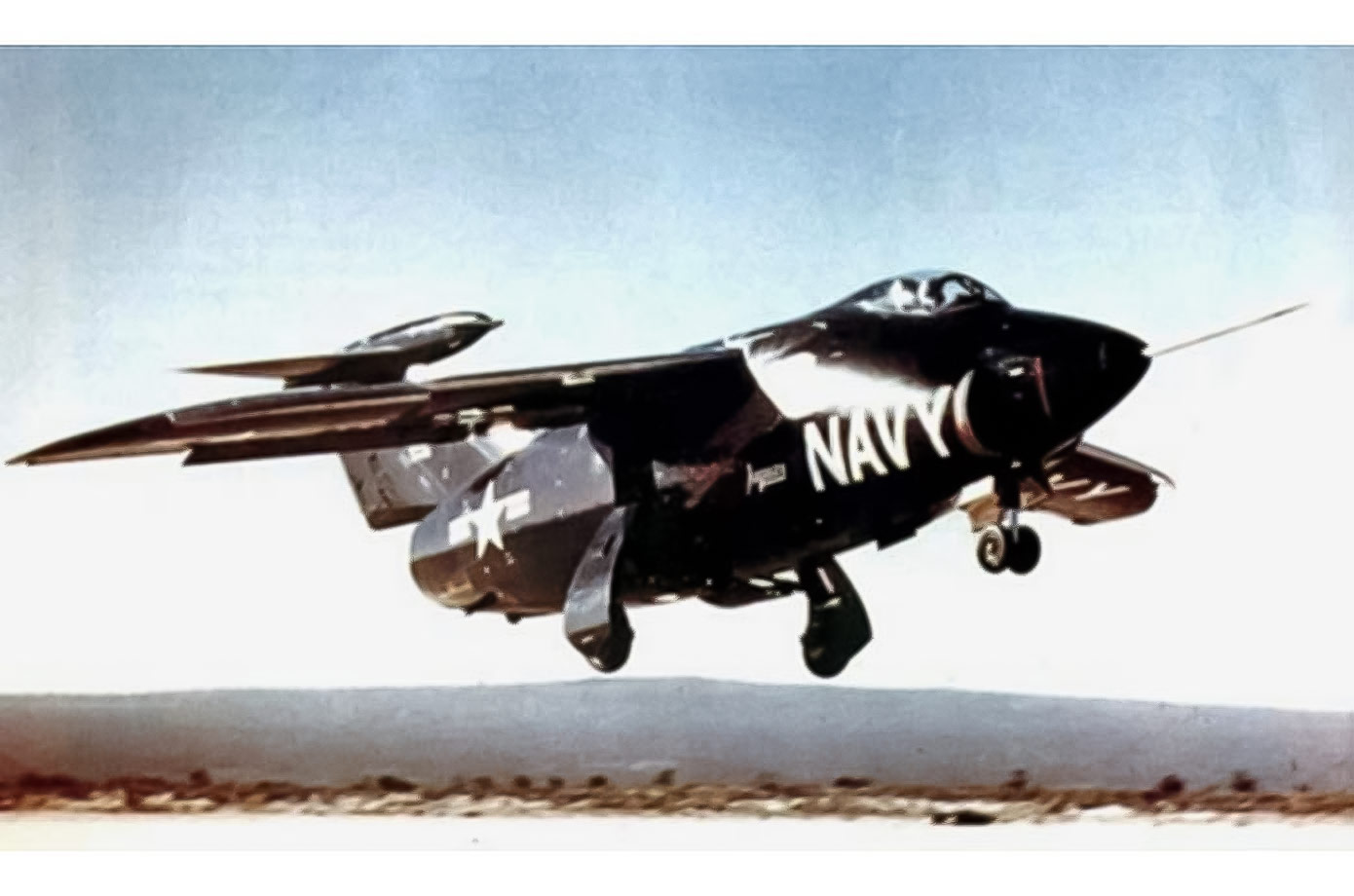
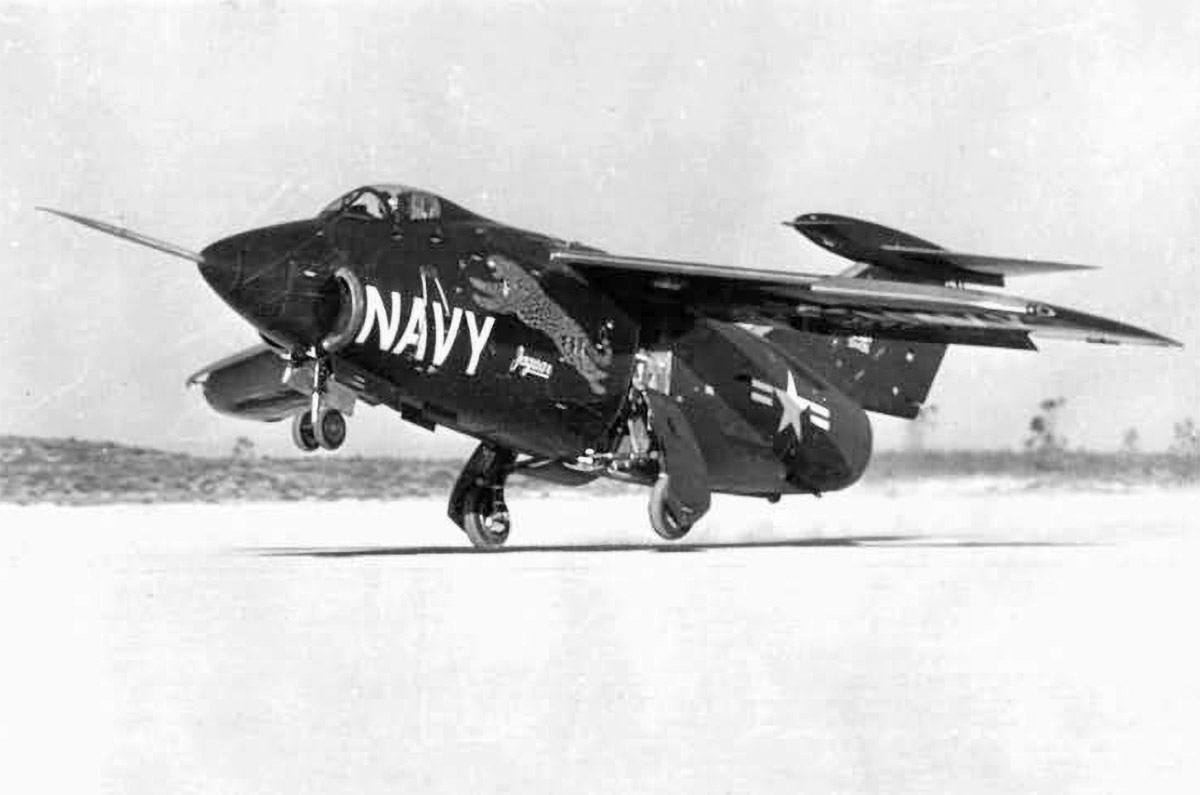
3: Grumman XF10F Jaguar

 Grumman XF10F Jaguar

As with most excellent carrier aircraft (certainly the Phantom II and Buccaneer among them) the road to the F-14 Tomcat was paved with the smoking wrecks of abysmal earlier efforts. The swing-wing Grumman XF10F Jaguar was the forefather of the F-14 Tomcat. It was Grumman's first attempt at a variable geometry warplane.

Back to top

'Swing-wings' were very appealing to the US Navy, as they promised the docile take-off and landing characteristics of a straight wing with the higher wing sweep required for trans- and super-sonic flight. Such promise could not be ignored, and the Navy ordered 112 Jaguars.


3: Grumman XF10F Jaguar

 Grumman XF10F Jaguar

It followed on from progress made by, among others, the Westland-Hill Pterodactyl IV of 1931, the British Vickers Wild Goose of 1950, but more directly by the unflown Messerschmitt P.1101 and the experimental Bell X-5. Test pilot Corwin 'Corky' Meyer, the only pilot to fly the Jaguar, found it as entertaining to fly "because there was so much wrong with it."

So much attention had been paid to getting the wing sweep mechanism right, that other aspects had been neglected. The wing sweep mechanism was pretty much the only part of the Jaguar that did work flawlessly. Even by 1950s naval (and experimental) standards, this was a terrible aeroplane, and after 32 test flights the project was mercifully halted, and the order cancelled.


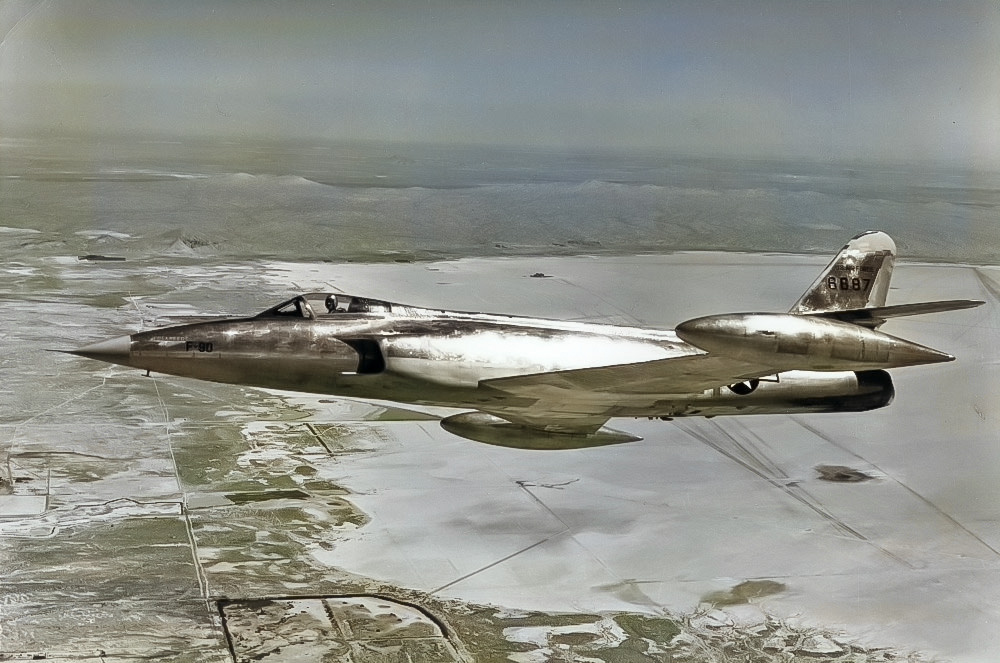
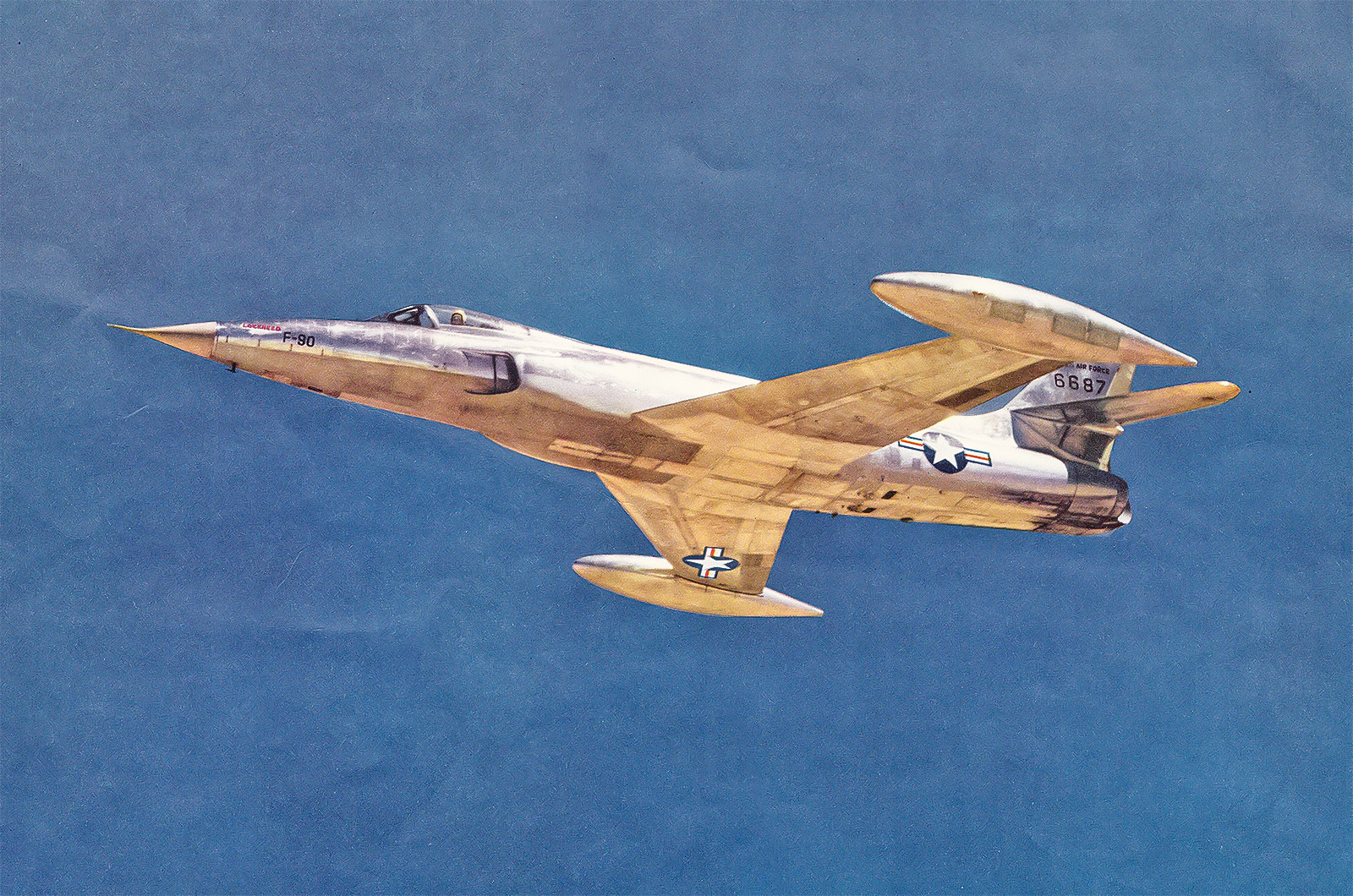
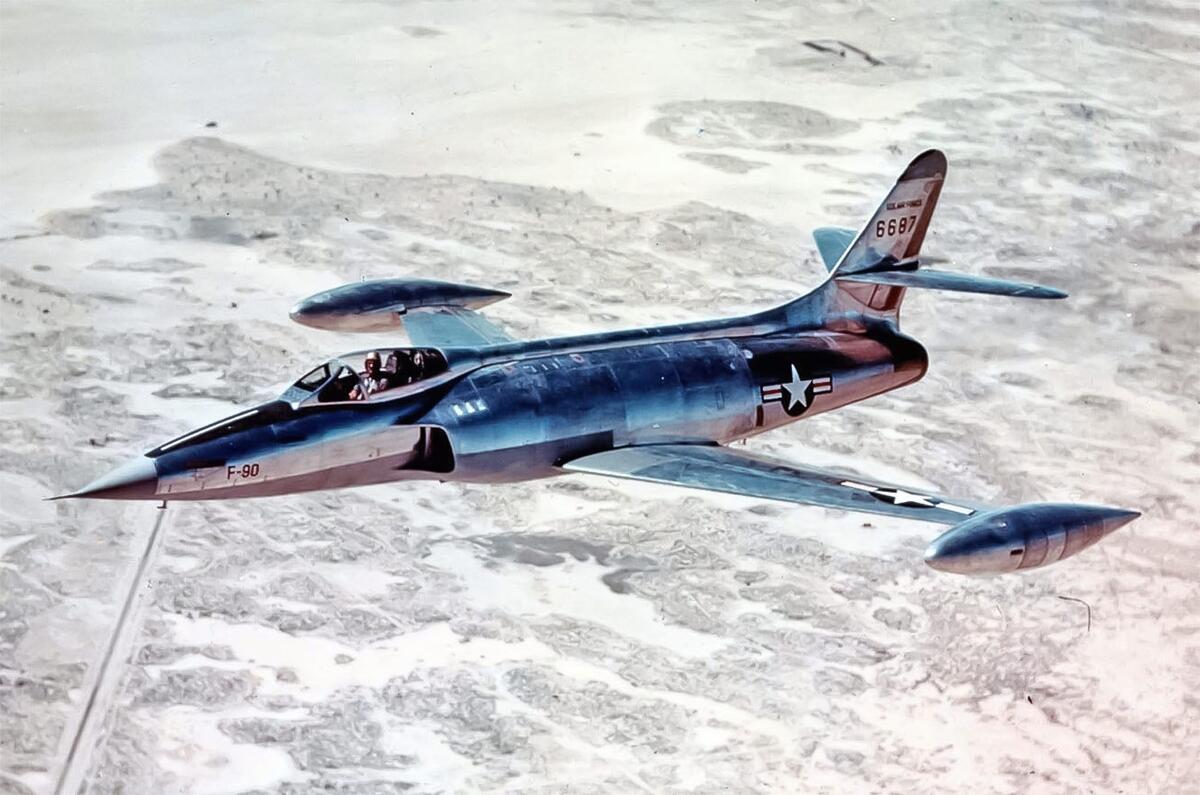
2: Lockheed XF-90

 Lockheed XF-90

The Skunk Works is Lockheed’s legendary secret projects department, famous for secrecy and small, brilliant teams creating world-leading innovation. The Skunk Works started around 1939 (the exact year is debated) to develop the super-fast P-38 Lightning. It would later develop the  U-2, SR-71 Blackbird, F-117, F-22 Raptor, and F-35 Lightning II. In the late 1940s it was working on the XF-90.

A competitor to the North American YF-93 above in the competition for a long-range penetration fighter, the fabulously futuristic Lockheed XF-90 was designed at the Skunk Works by one Willis Moore Hawkins under the supervision of the master of US aircraft design (and amateur arm wrestler) Kelly Johnson.


2: Lockheed XF-90

 Lockheed XF-90

Though lacking the fame of Johnson, Hawkins was a very important figure. He worked on many projects including the glamorous Constellation airliner and F-104 Starfighter and was instrumental in the creation of both the Lockheed C-130 Hercules tactical transport aircraft and even the M1Abrams main battle tank.

Back to top

The XF-90 was the first USAF jet with an afterburner, and the first Lockheed jet to fly supersonic (though it needed to dive to reach this speed). It had a novel vertical stabilizer that could be moved fore and aft for horizontal stabilizer adjustment. The XF-90 was not Hawkins’ finest moment and its relatively lacklustre performance found it losing out to the XF-88 Voodoo.


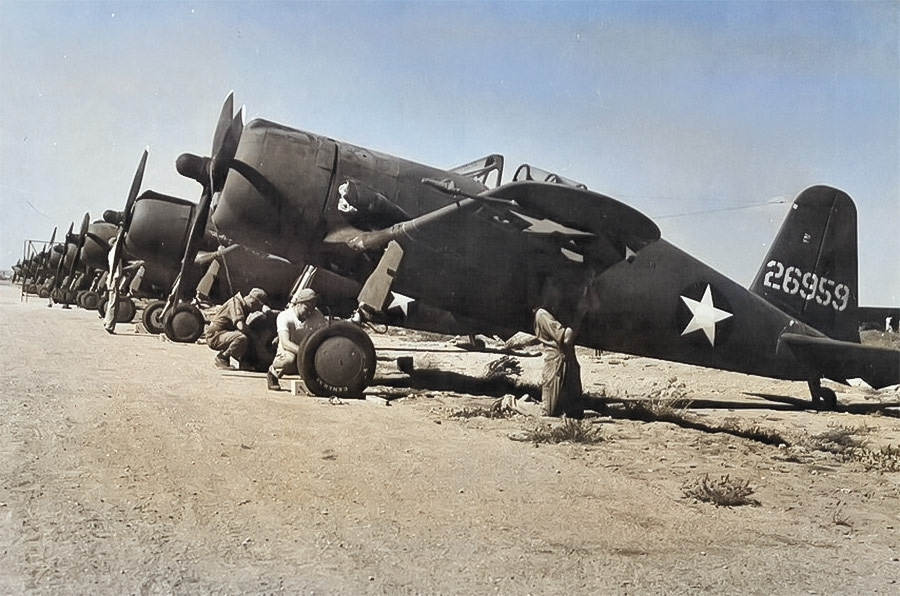
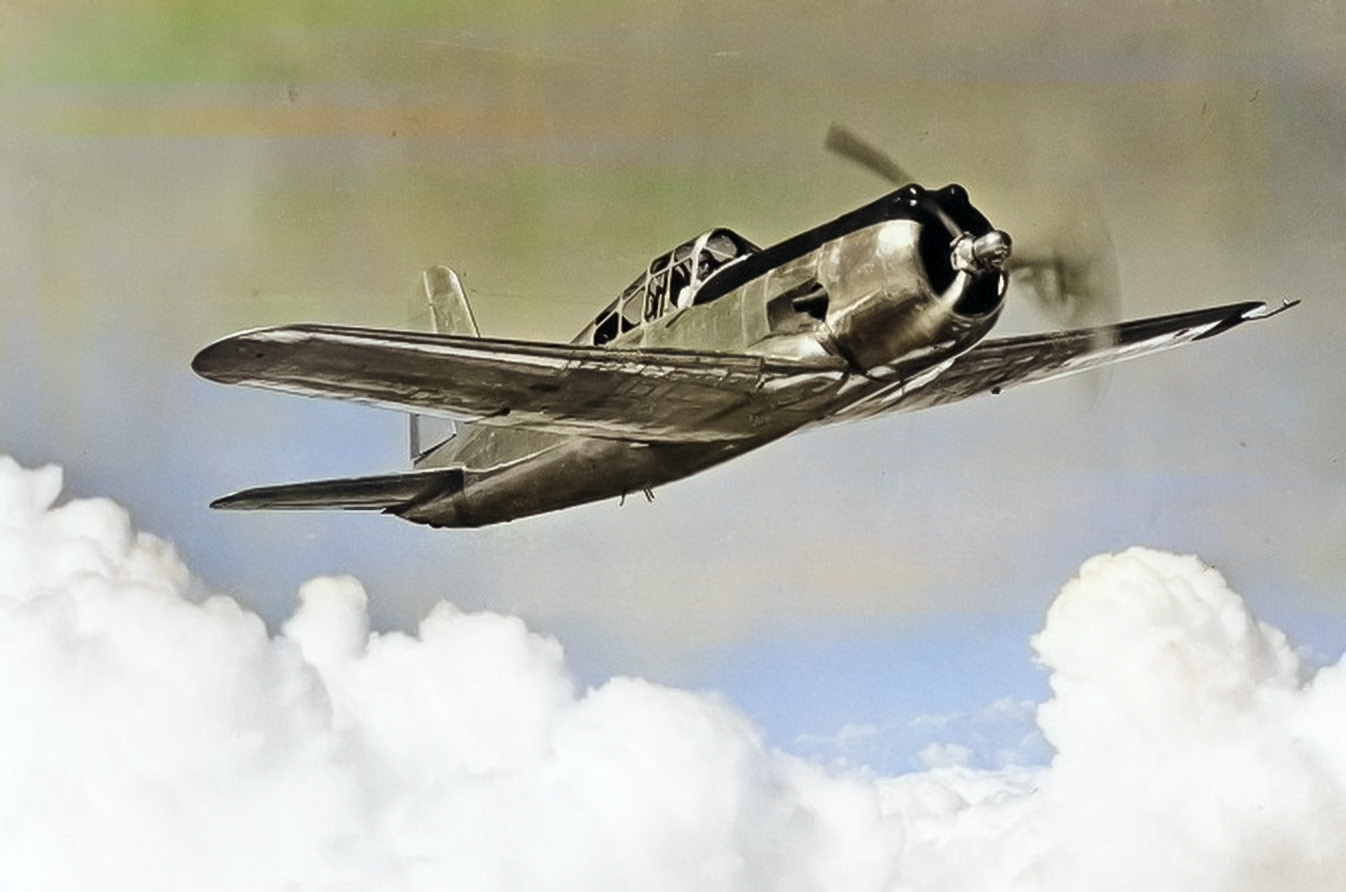
1: Vultee P-66 Vanguard

 Vultee P-66 Vanguard

If a modern fighter achieved a production total of 146 it might be considered a modest success, but this was in a time when fighter aircraft were produced in their thousands (often tens of thousand). Even the relatively obscure Bell P-39 Airacobra had a production total pushing 10,000. So it is probably fair to include the P-66 in this list, though nitpickers may disagree.

So sleek was the cowling on early examples of the P-66 you be forgiven for mistaking the Vanguard for having an inline engine, but it was actually a radial, a 1200 hp Pratt & Whitney R-1830-33 Twin Wasp. But this figure-hugging cowling caused the engine to overheat and was replaced with one of more conventional appearance.


1: Vultee P-66 Vanguard

 Vultee P-66 Vanguard

The P-66 had generally excellent handling and a decent performance. In 1940 the Swedish government ordered 144 as the V-48C. The V-48C had a heavier armament and improved high-altitude performance. Following the Pearl Harbor attack, the US decided there were better things to do with fighters than export them to a neutral country and an embargo was placed on aircraft for Sweden.

Fifty were taken into the USAAF for both pursuit and pursuit training roles. Much of this order was then given to the Royal Air Force of Britain who hated the type and decided to give them to China. The British planned to use them as training aircraft but the P-66s tendency to ground-loop, their fragility combined with the goodwill achieved by gifting them to China all contributed to the RAF letting them go. Many of these were destroyed in testing and the journey (via India) to China.

Follow Hush-Kit's incredible aviation stories on Substack and X 

If you enjoyed this story, please click the Follow button above to see more like it from Autocar

Photo Licence: https://creativecommons.org/licenses/by/4.0/deed.en


Join our WhatsApp community and be the first to read about the latest news and reviews wowing the car world. Our community is the best, easiest and most direct place to tap into the minds of Autocar, and if you join you’ll also be treated to unique WhatsApp content. You can leave at any time after joining - check our full privacy policy here.

Add a comment…