From £34,0657

Citroën pushes the boat out to make its new SUV a flagship, not just a big C3 Aircross. Has it succeeded?

For a long time now, Citroën has wrestled with finding an identity for its larger models. Indeed, this second-generation Citroen C5 Aircross SUV, the French brand’s new flagship, is a very different proposition to the 2017 original.

Bigger, more spacious and plusher inside, it has been frequently and extensively run through customer clinics along every step of its development to make sure this is what the market wants of a big Citroën in 2025, rather than a scaled-up Citroën C3 Aircross – the reputation that its predecessor failed to shake even after a mid-life facelift attempted to reverse that.

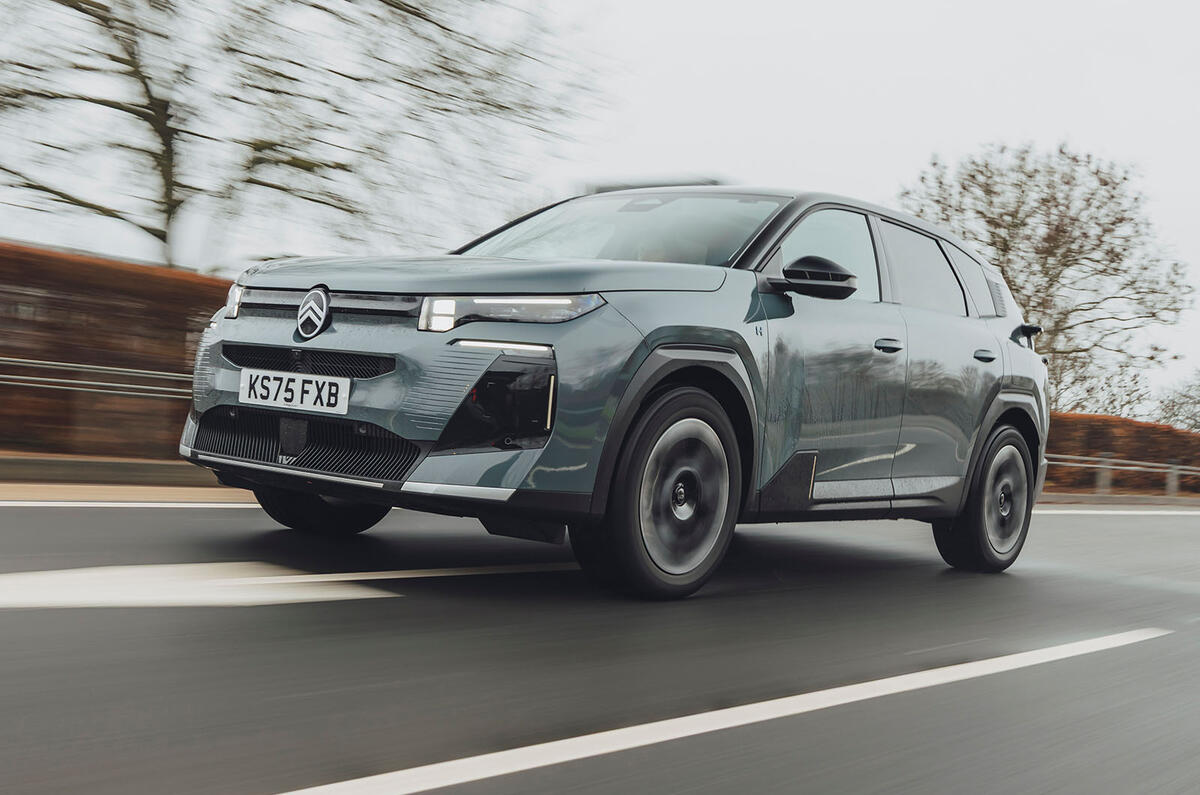
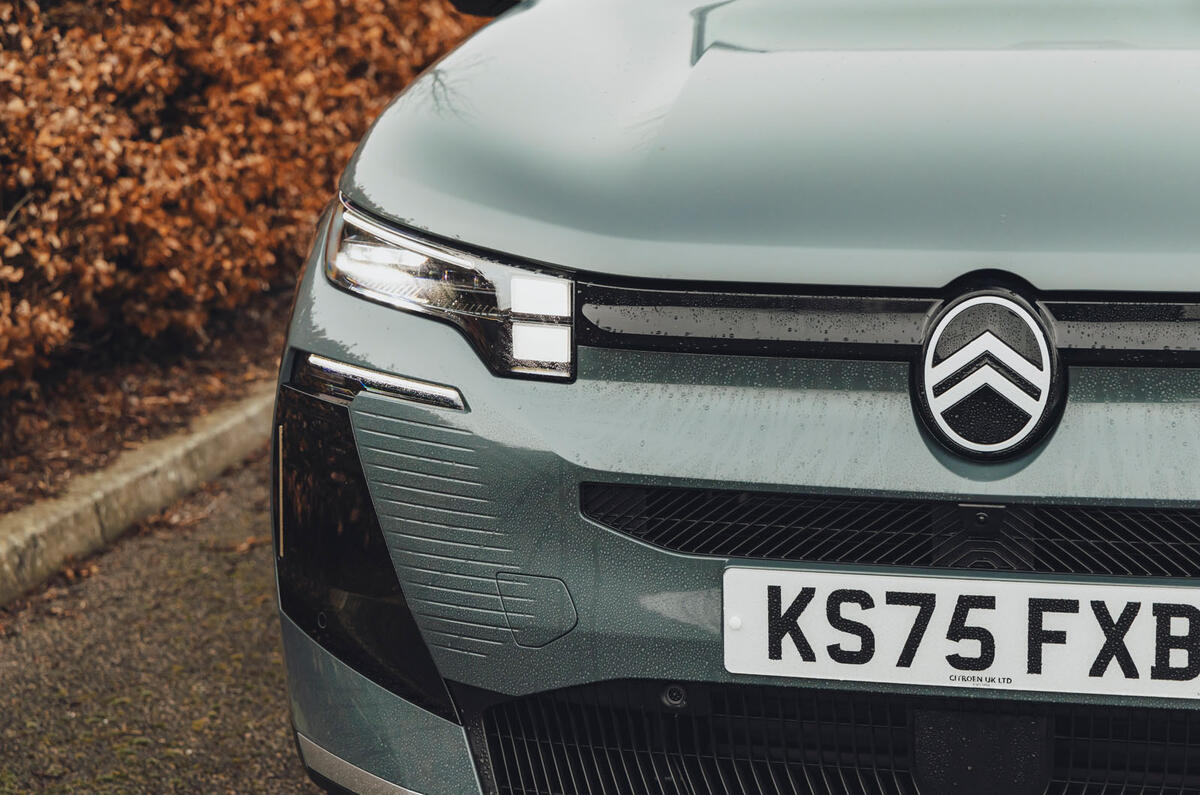
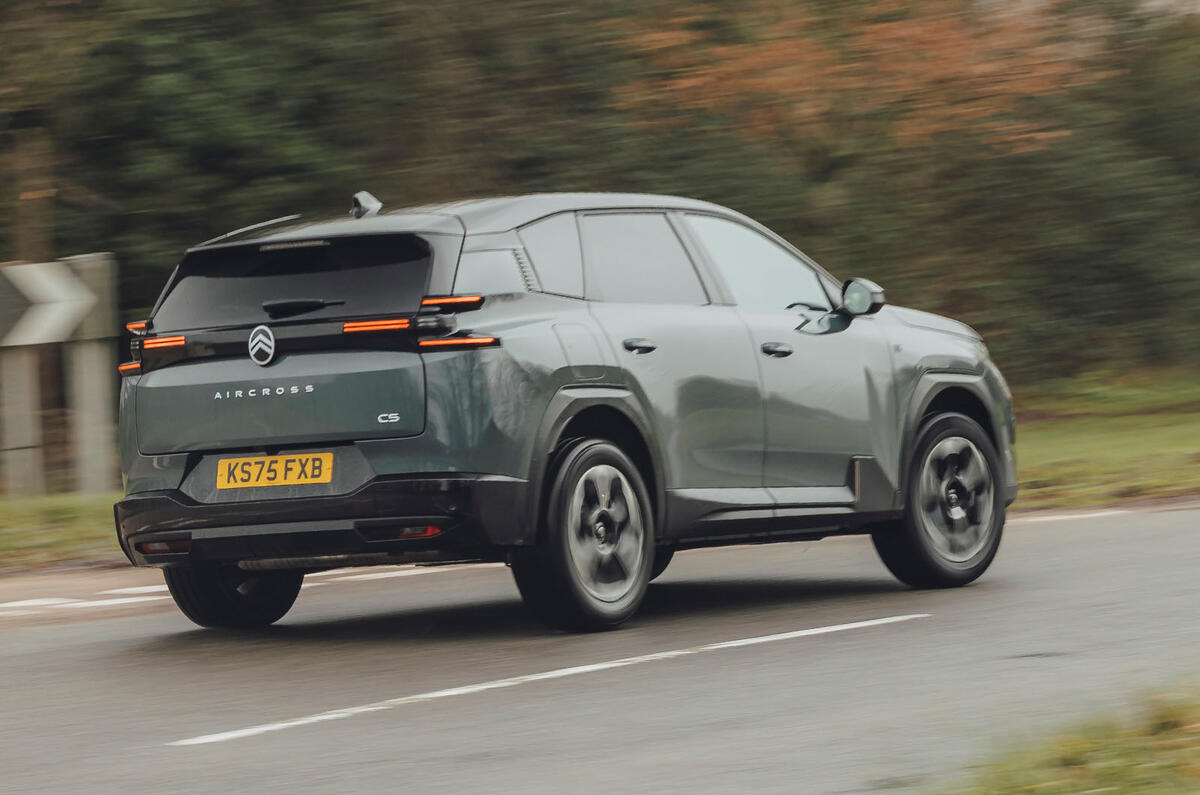
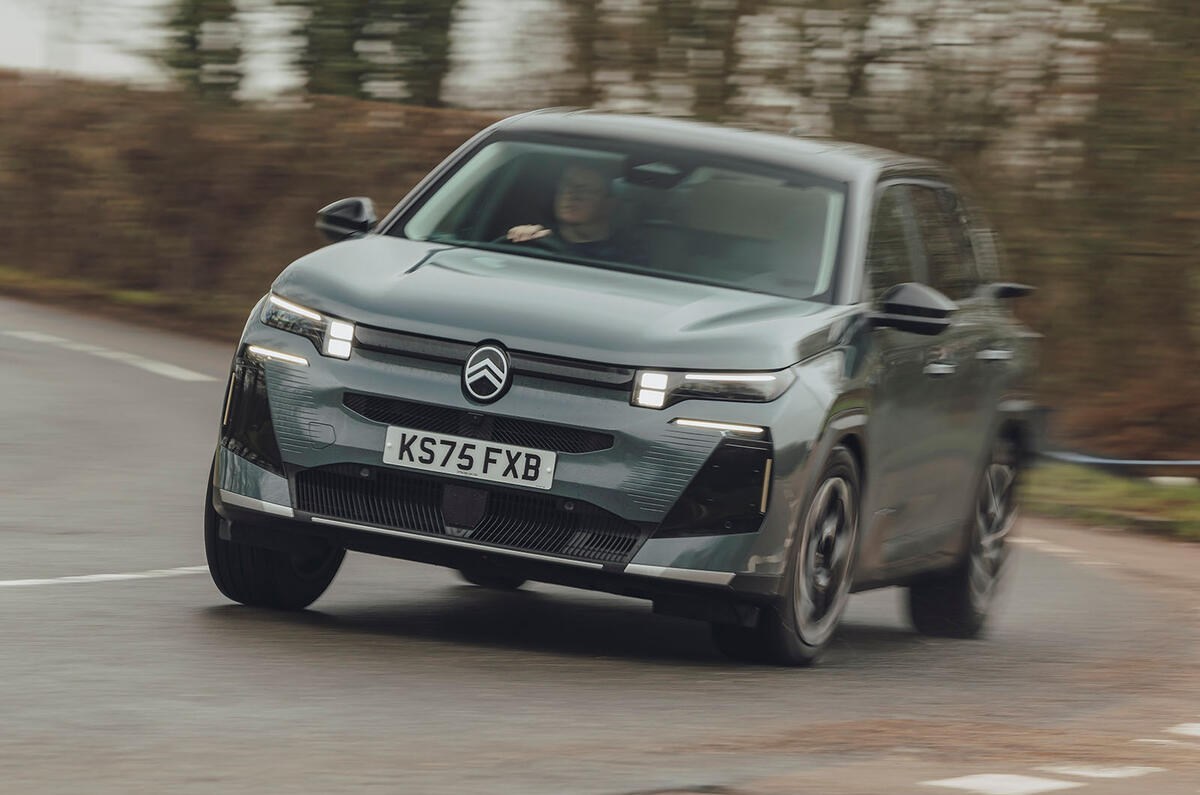
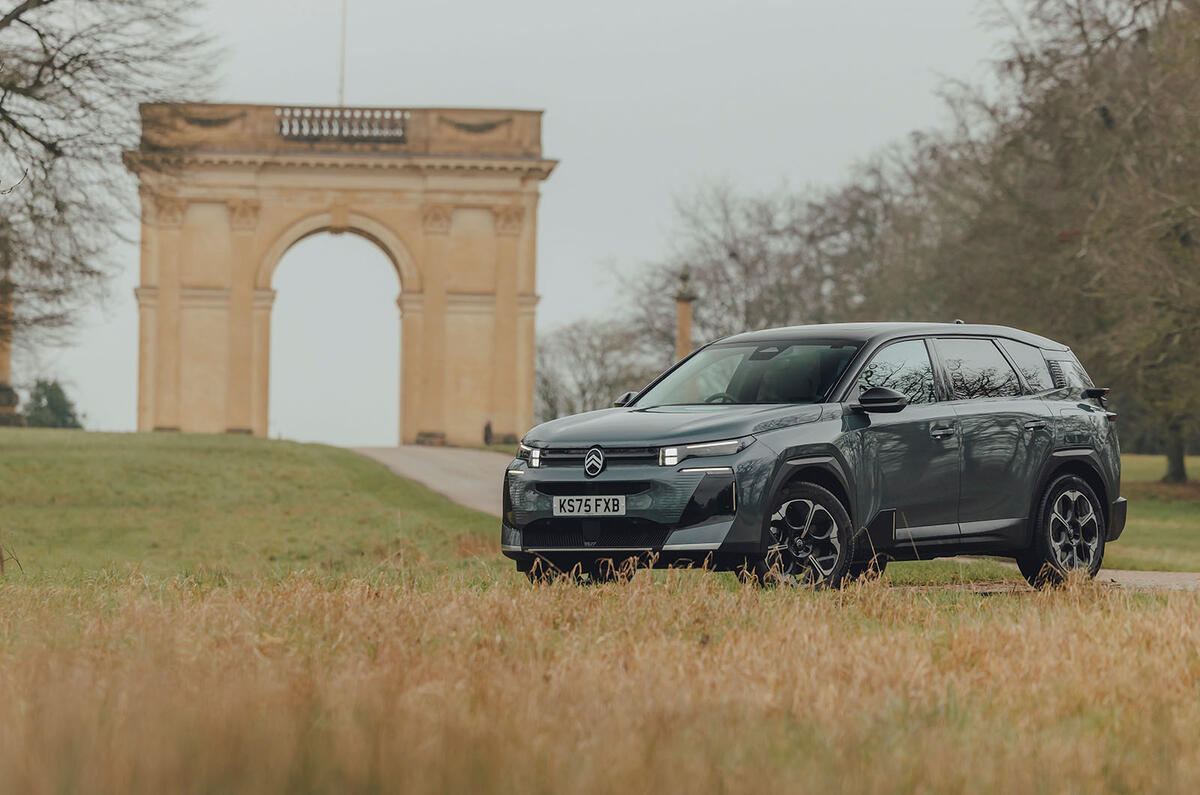
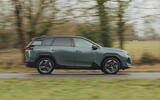
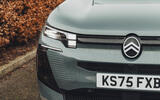
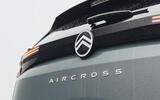
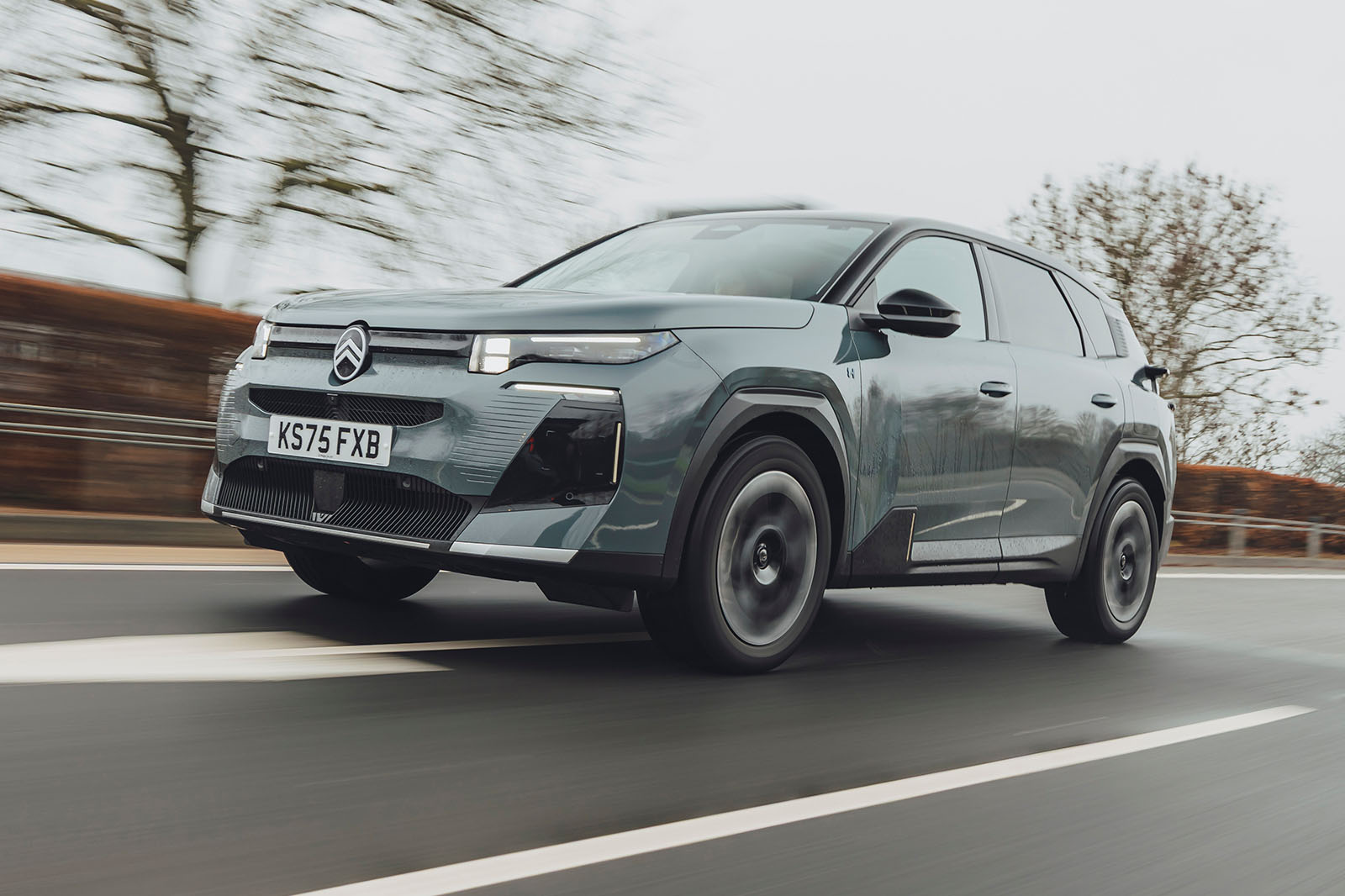
The new car adopts Citroën's latest, sterner-looking grille and face, and has squarer shoulders and a lot more toughness about its appearance than the more globular-looking first-gen effort. Smarter on the outside; plusher and more loungey, along with roomier, on the inside; with every important corner covered as far powertrain choice is concerned - and with Citroen's familiar comfort-orientated dynamic priorities represented fully and unwaveringly by the driving experience, as only a flagship model could.

That's the thinking. Time to find out just where, and how well, it's carried through to reality.
Advertisement

DESIGN & STYLING

7
Citroen e C5 Aircross review 2025 002

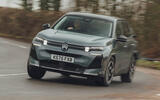
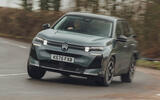
The new Citroën C5 Aircross is an 'STLA Medium' platform sibling of the Peugeot 3008 and Vauxhall Grandland, and comes with hybrid, plug-in hybrid and electric drivetrains. Whichever version you go for, the look is identical save for the badges and presence/absence of an exhaust. The only choices you have to make concern the power source and trim level.

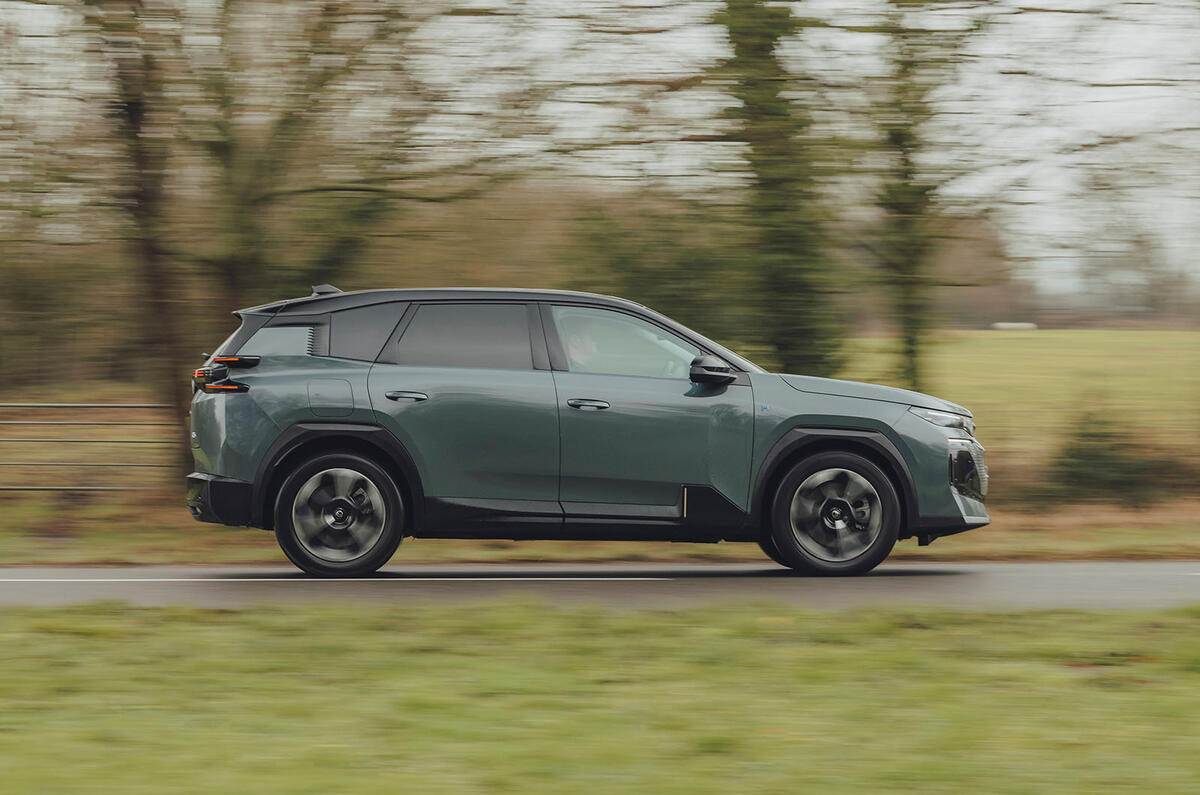
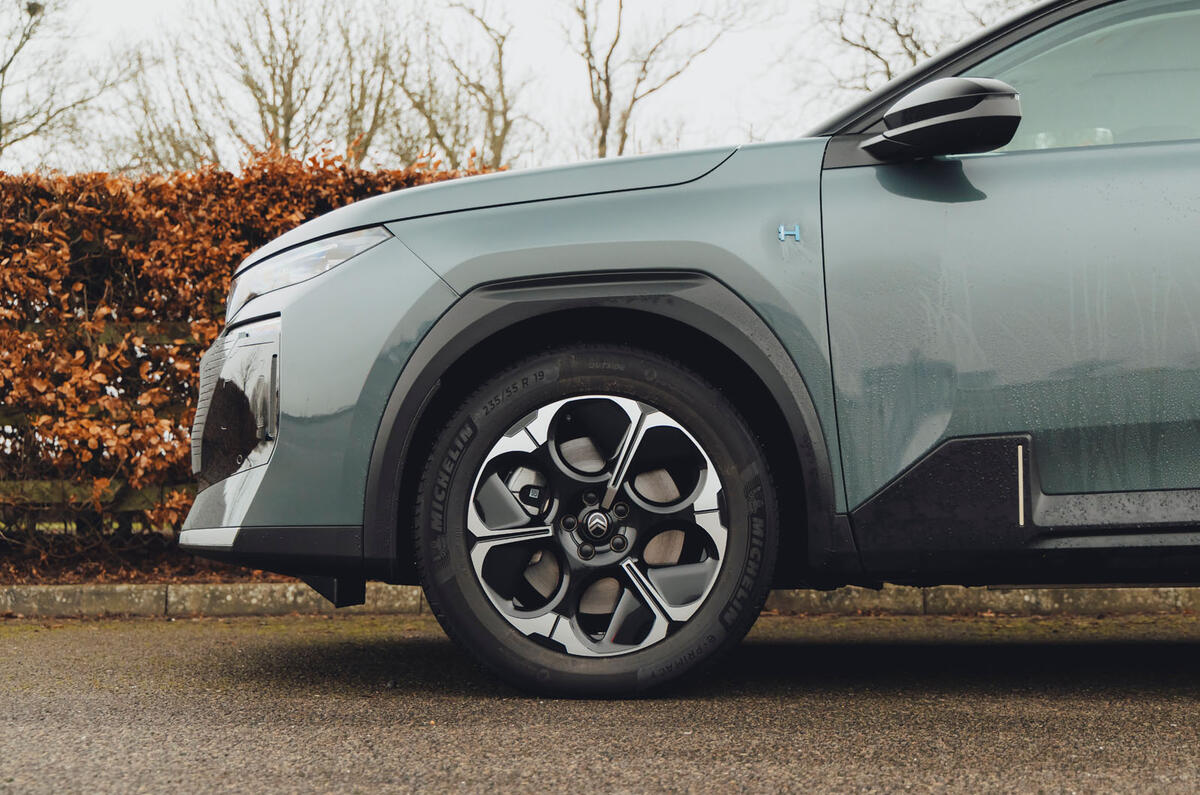
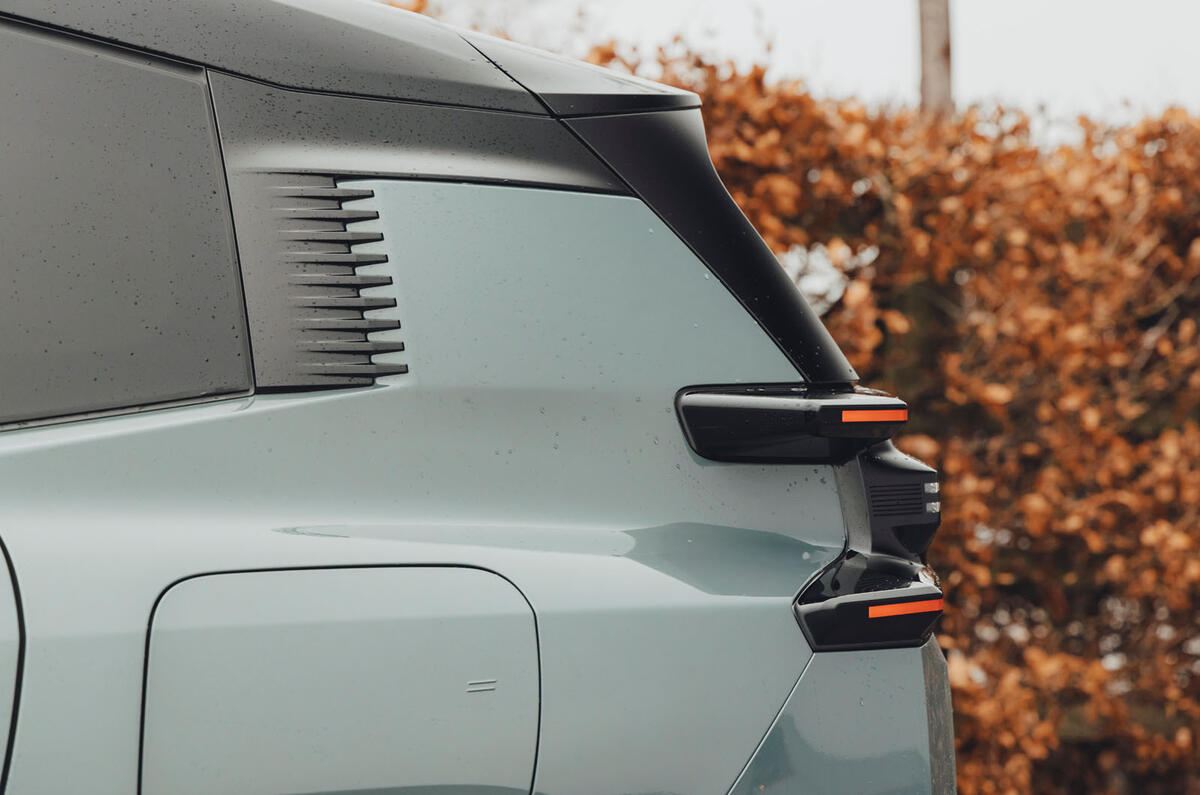
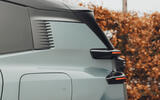
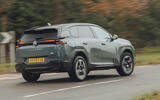
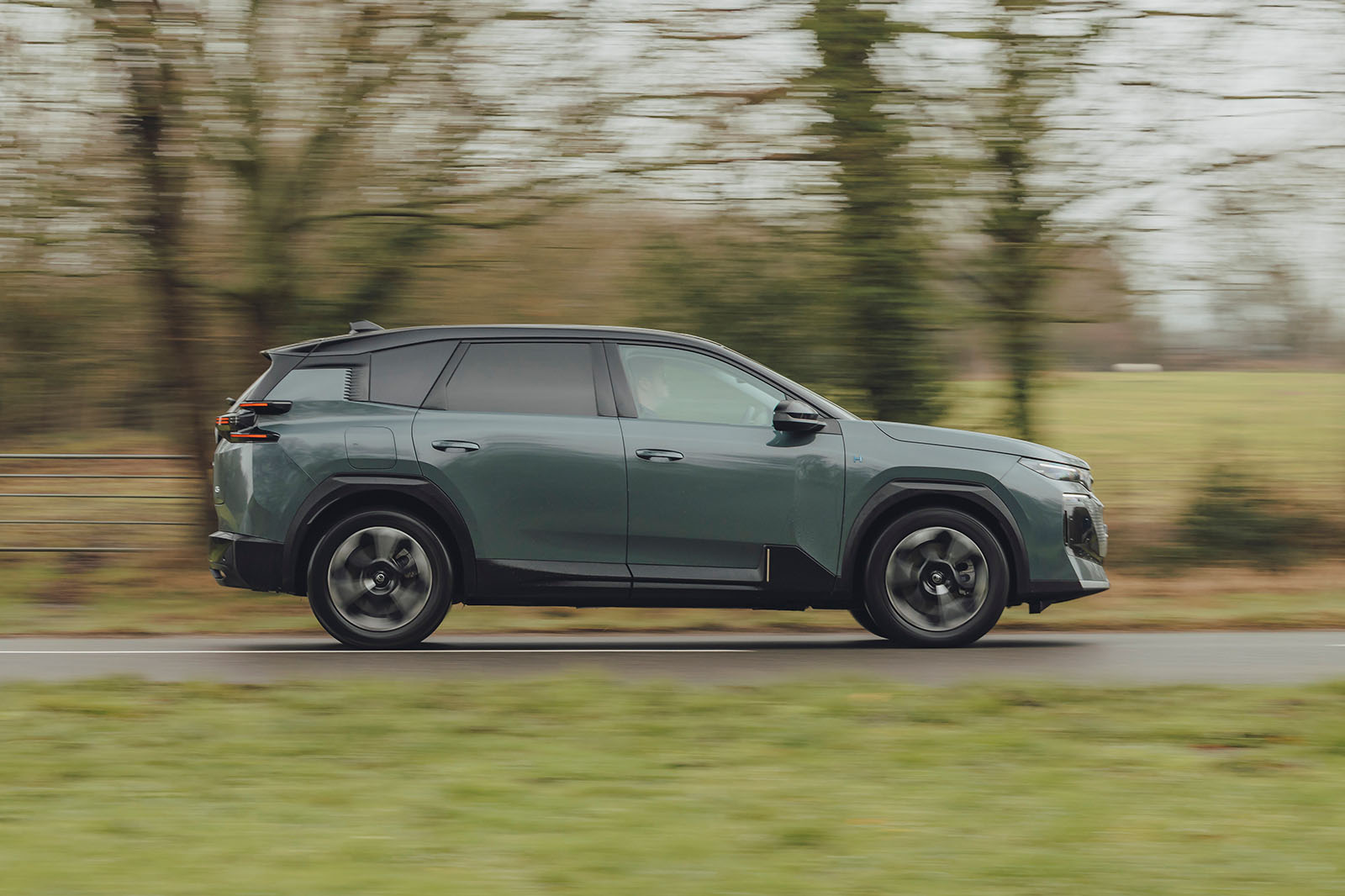
The design has been optimised around aerodynamic efficiency to improve the economy of the hybrid models, and the range of the EV. Citroën claims that the focus on aerodynamic efficiency in the body has allowed for an 18-mile improvement in range all by itself. The car's deeply cut shoulderline contributes a great deal to this, apparently, accelerating the air cleanly around the bodyside and cutting the car's drag coefficient.

The C5 Aircross was previewed by a concept car of the same name last year. It wasn't the most ambitious of show cars, more a thinly veiled preview of the production model to come. So it has been proven.

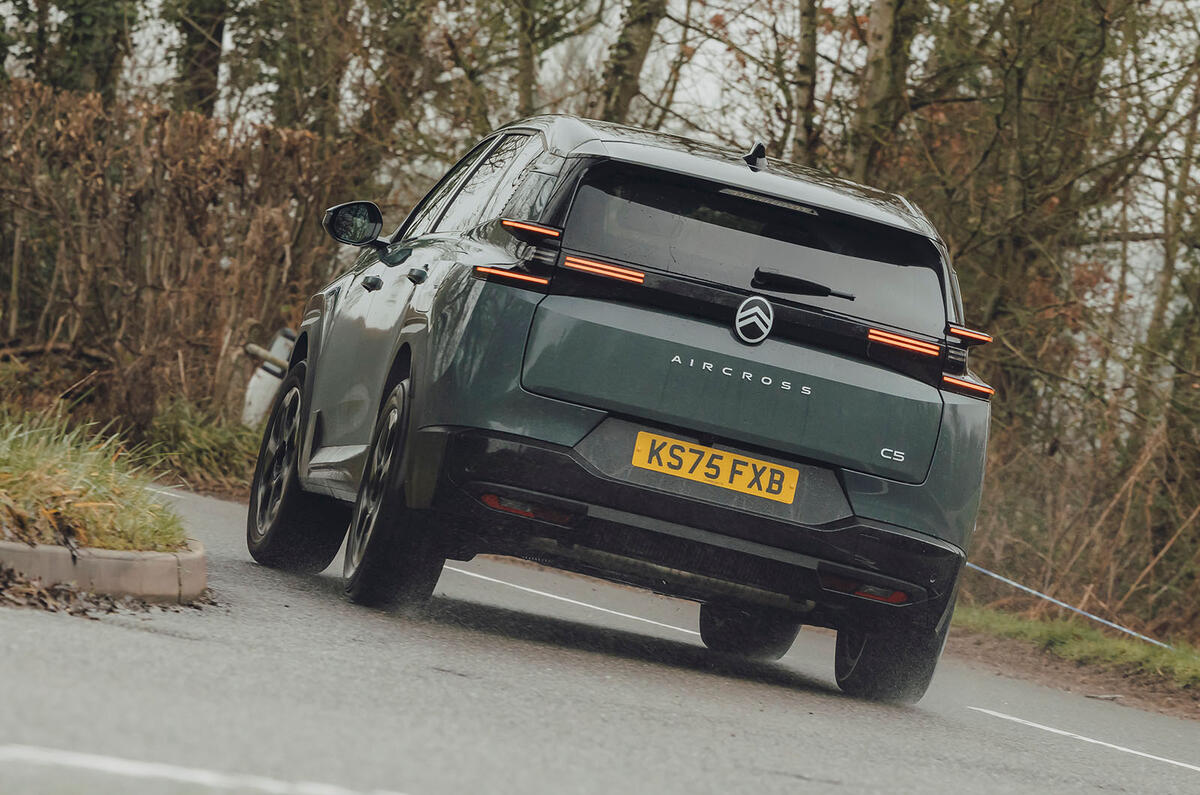
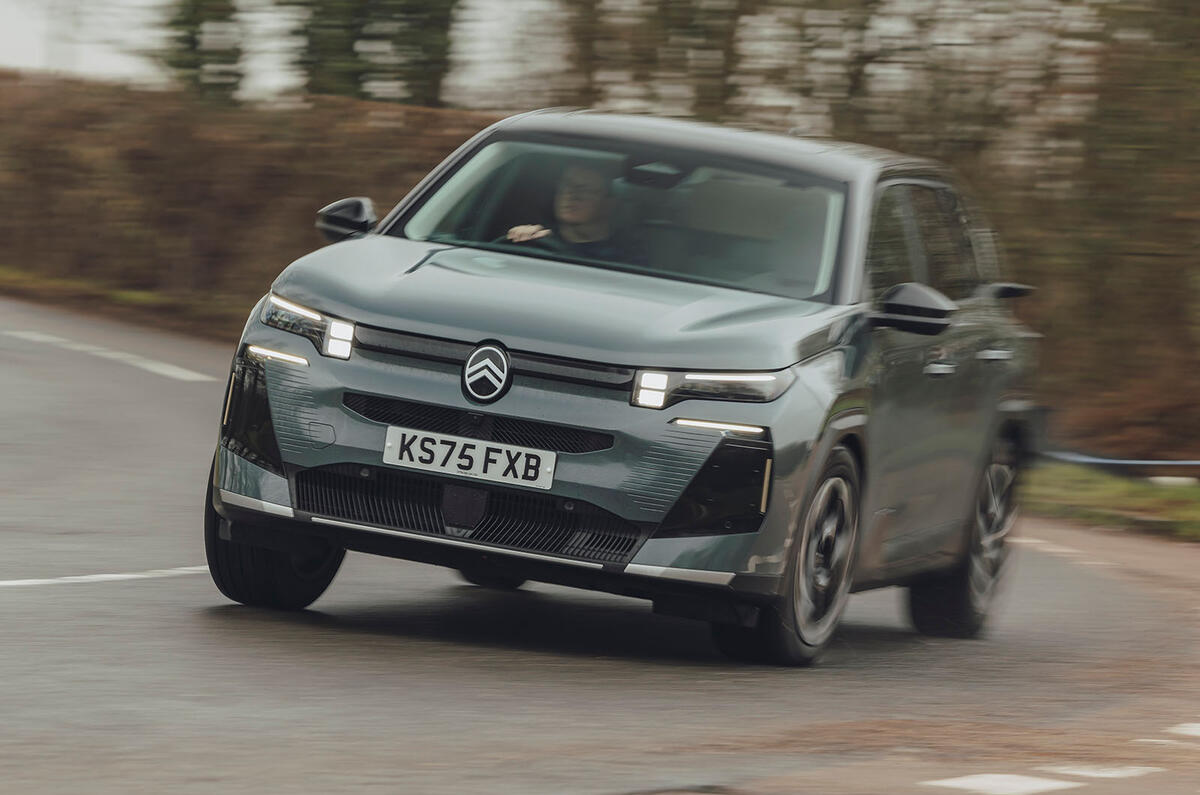
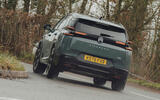
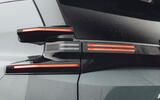
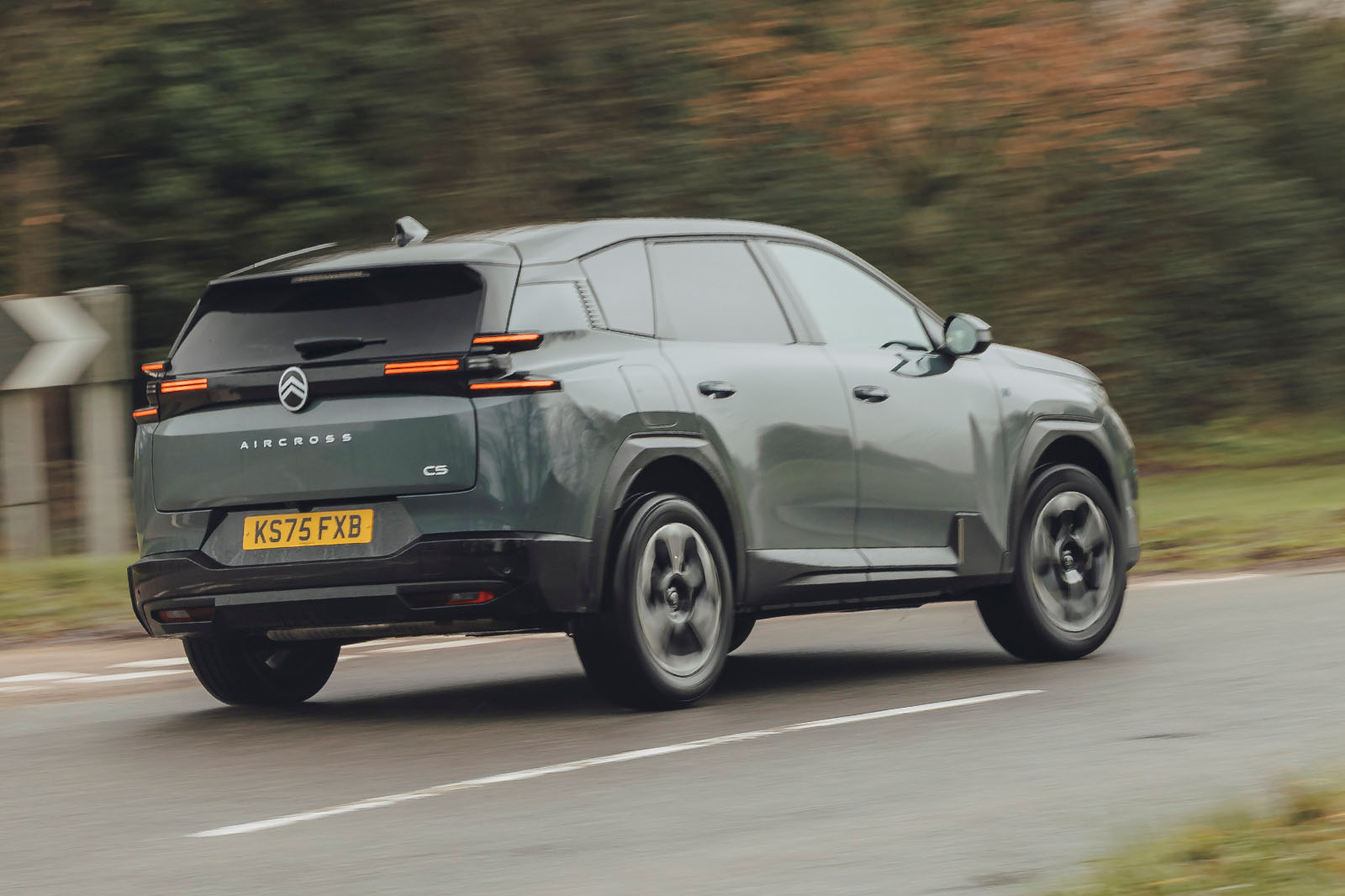
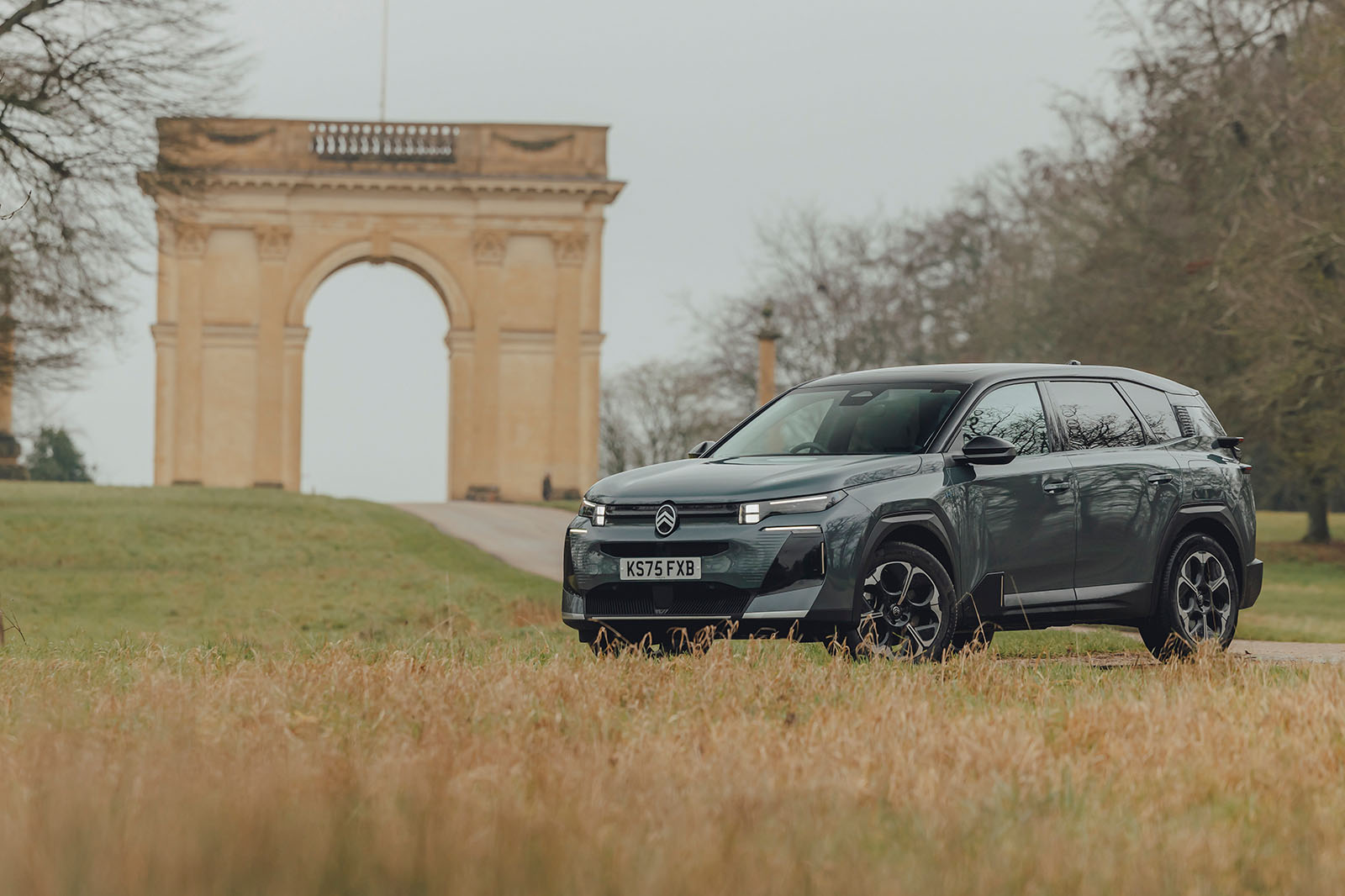
Unlike the previous C5 Aircross, which pre-facelift looked like a scaled-up C3 Aircross, the new model gets an identity all of its own within the Citroën model range. Yet it's not the most characterful car. Smart enough, but a bit forgettable; which seems a real shame for a Citroën flagship model. Based around a two-box silhouette, the car has none of the cheek and charm that you can usually expect from a Citroën.

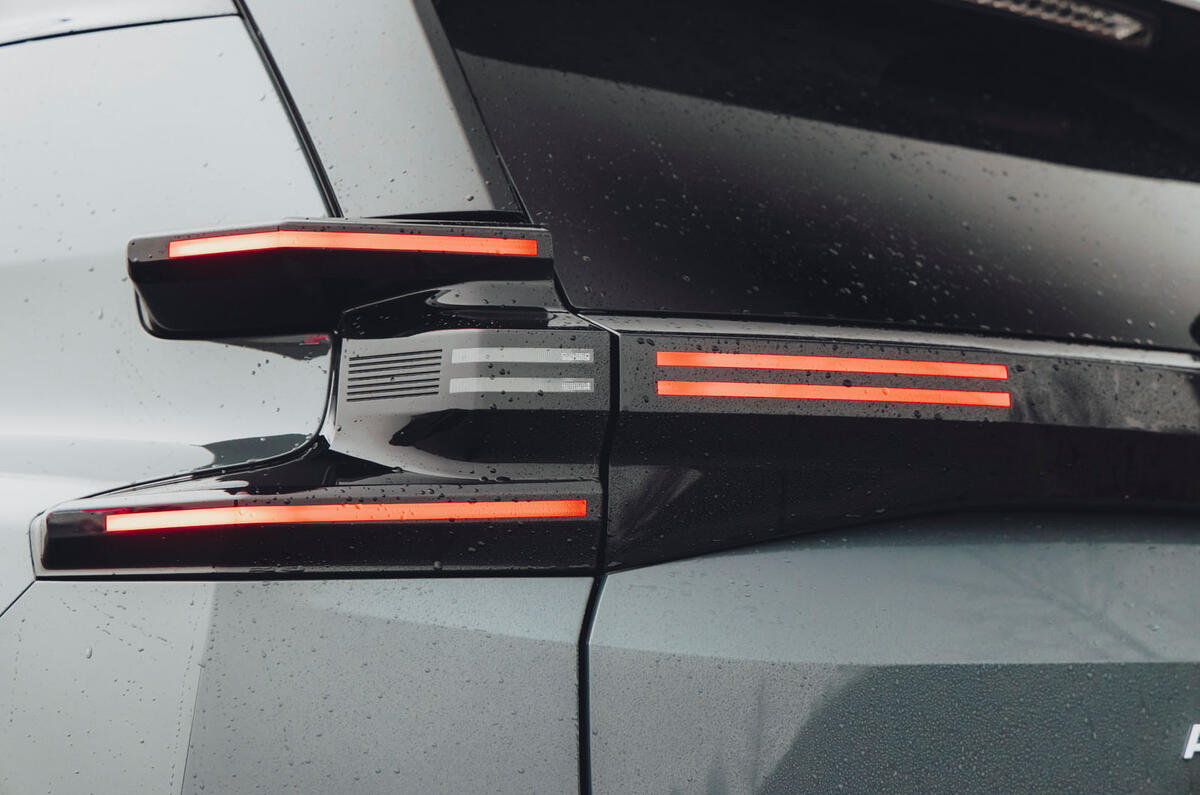
It aims for a clearer sense of SUV-typical neatness, smartness and toughness instead, though; and doesn't do badly in conjuring it. The 'ice cube' headlights are one of the more interesting design features, instead of the usual LED light bars dominating many of the current SUV crop, but that's about it for distinctiveness on the outside. 

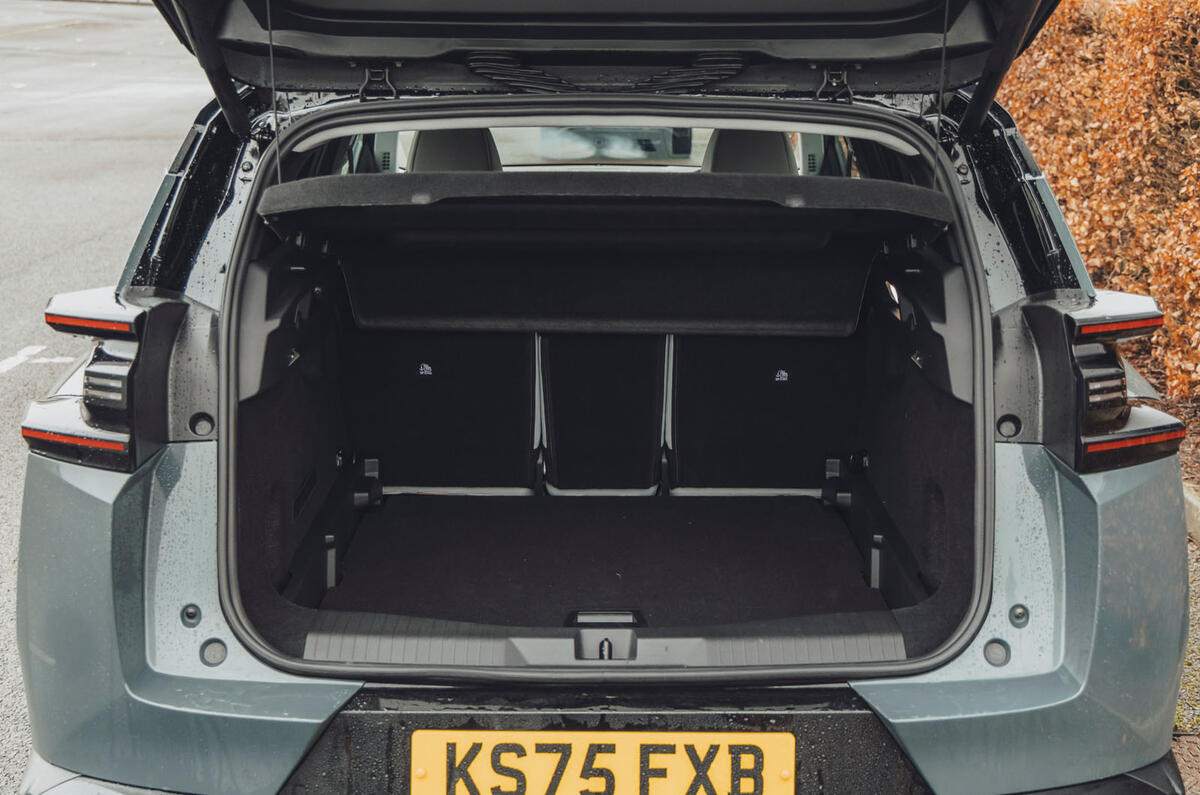
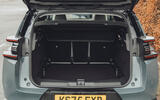
'Bigger' in practice means the C5 Aircross is 150mm longer than before at 4652mm, with rear passengers benefitting with more leg room thanks to a wheelbase that's 60mm longer than before, and luggage space increasing to 565 litres VDA below the parcel shelf across all powertrains. That's in a class where 450- is about the norm, and 500- is generous.

The boot shape itself is a little bit oddly narrow thanks to some heavy intrusion from the sides, but with the rear seats fully folded there’s almost 2000 litres of storage in the back.

One size, then, the car fits in towards the larger end of C-segment family crossovers, and competition here is extensive (Nissan QashqaiHyundai Tucson, Kia Sportage); and yet on price, it compares more closely with plenty of smaller opponents (Skoda Karoq, Renault Symbioz). It's the classic 'more metal for the money' kind of value family car.

INTERIOR

8
Citroen e C5 Aircross review 2025 007

Where Citroën really wants the C5 Aircross to stand out is in its interior design, space and practicality. 

Increasing passenger space was one of the main takeaways from the customer clinics that Citroën ran throughout the C5 Aircross's development; customers said they wanted more rear leg room.

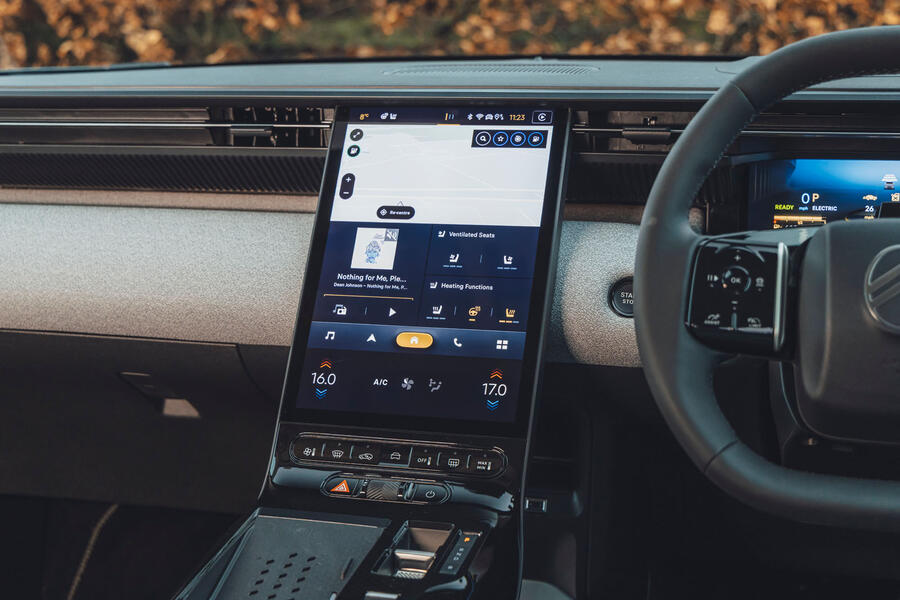
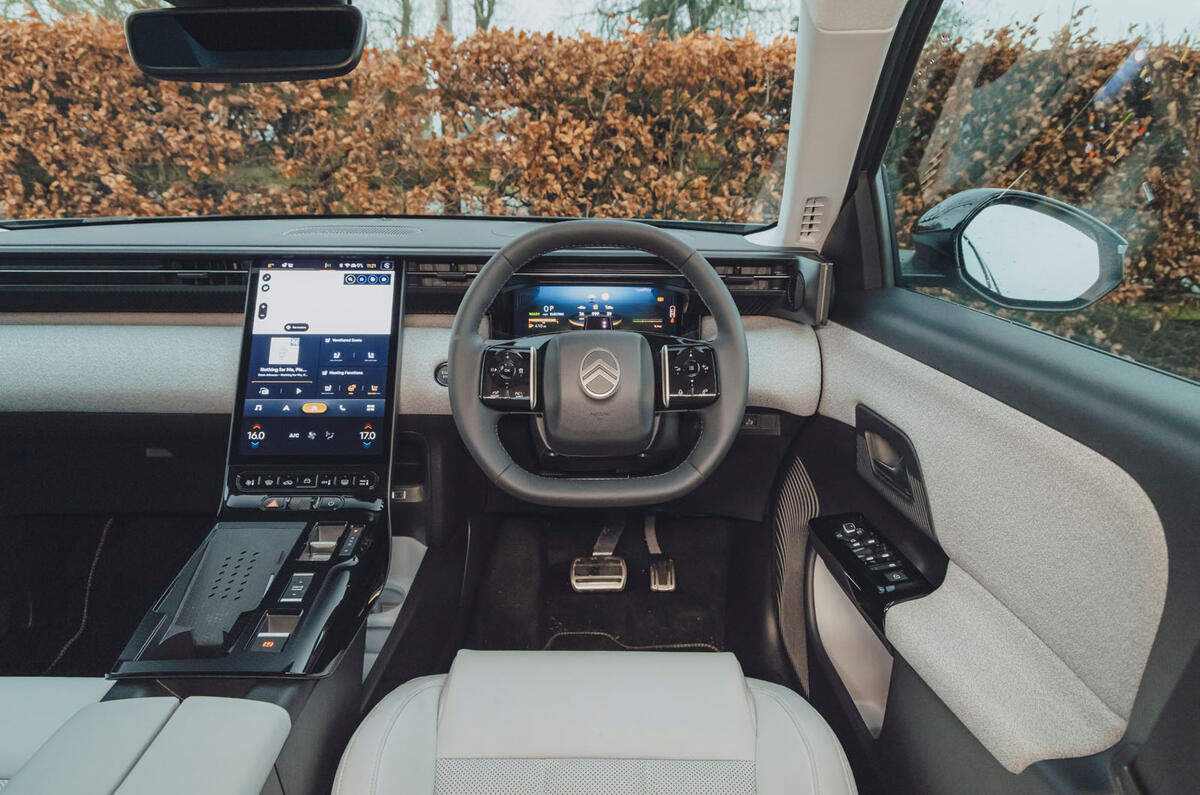
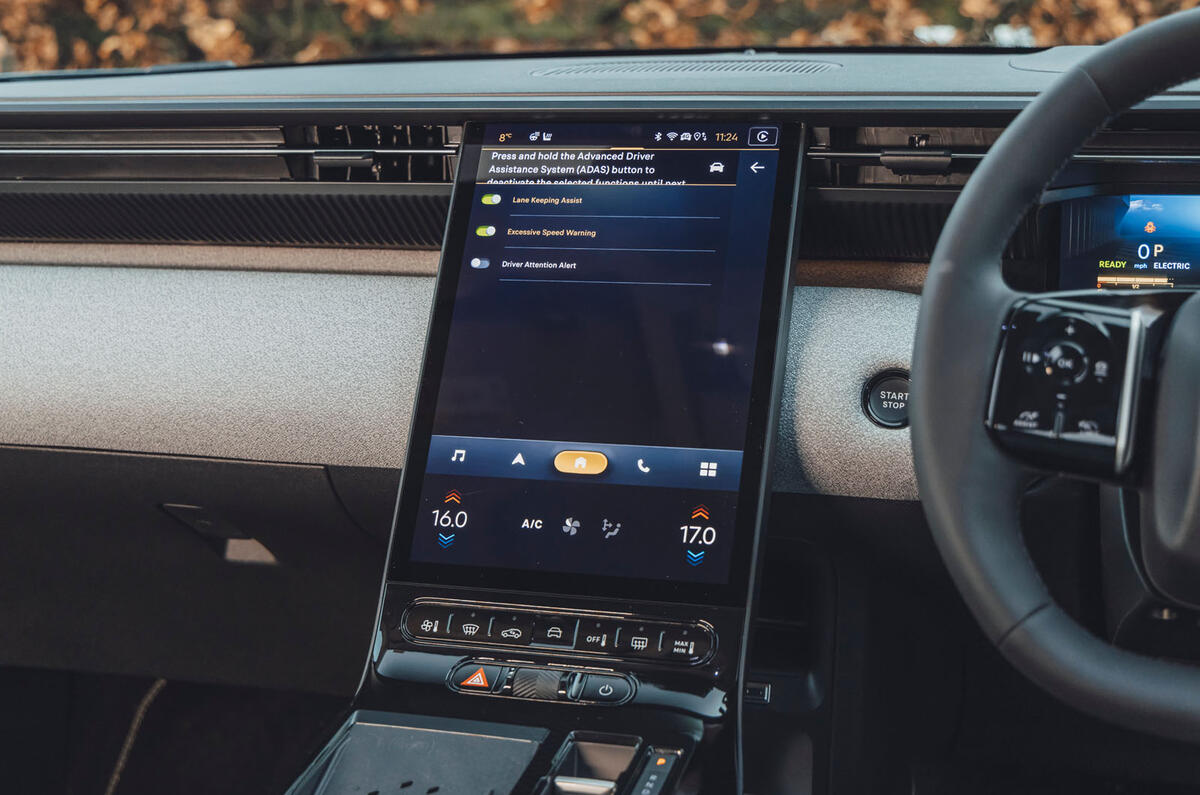
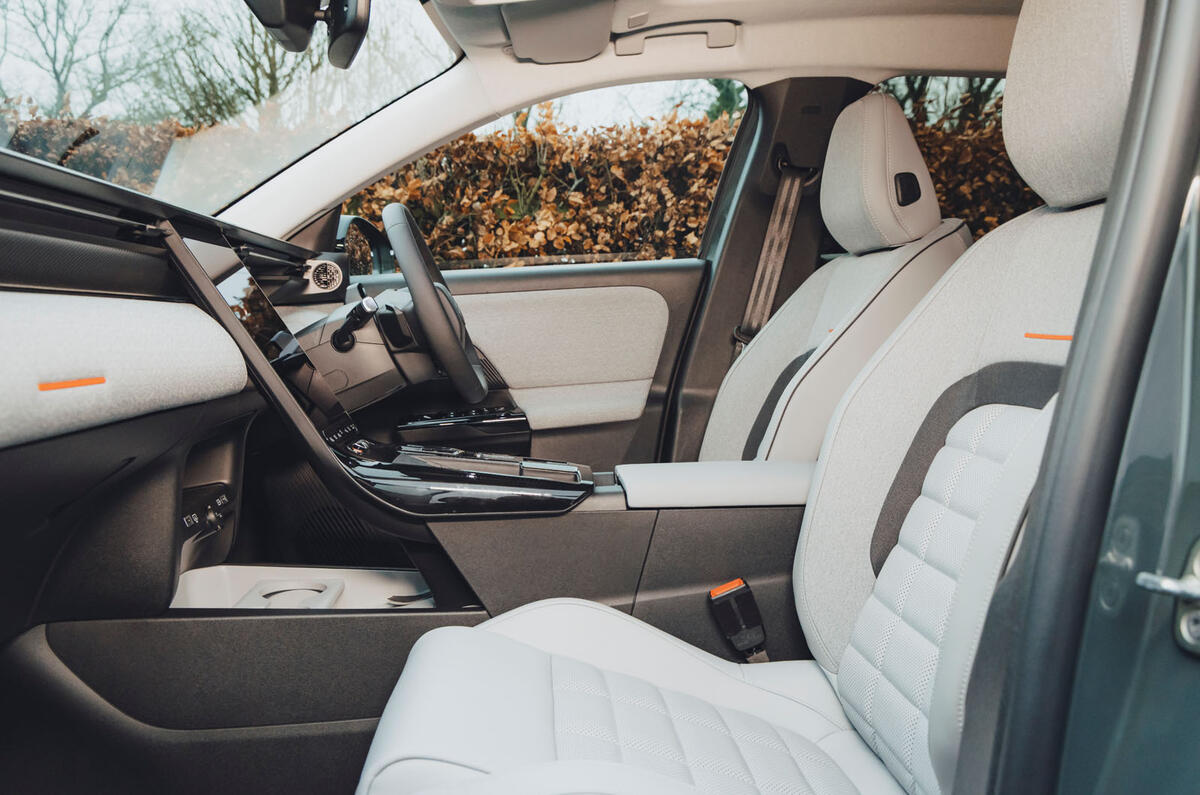
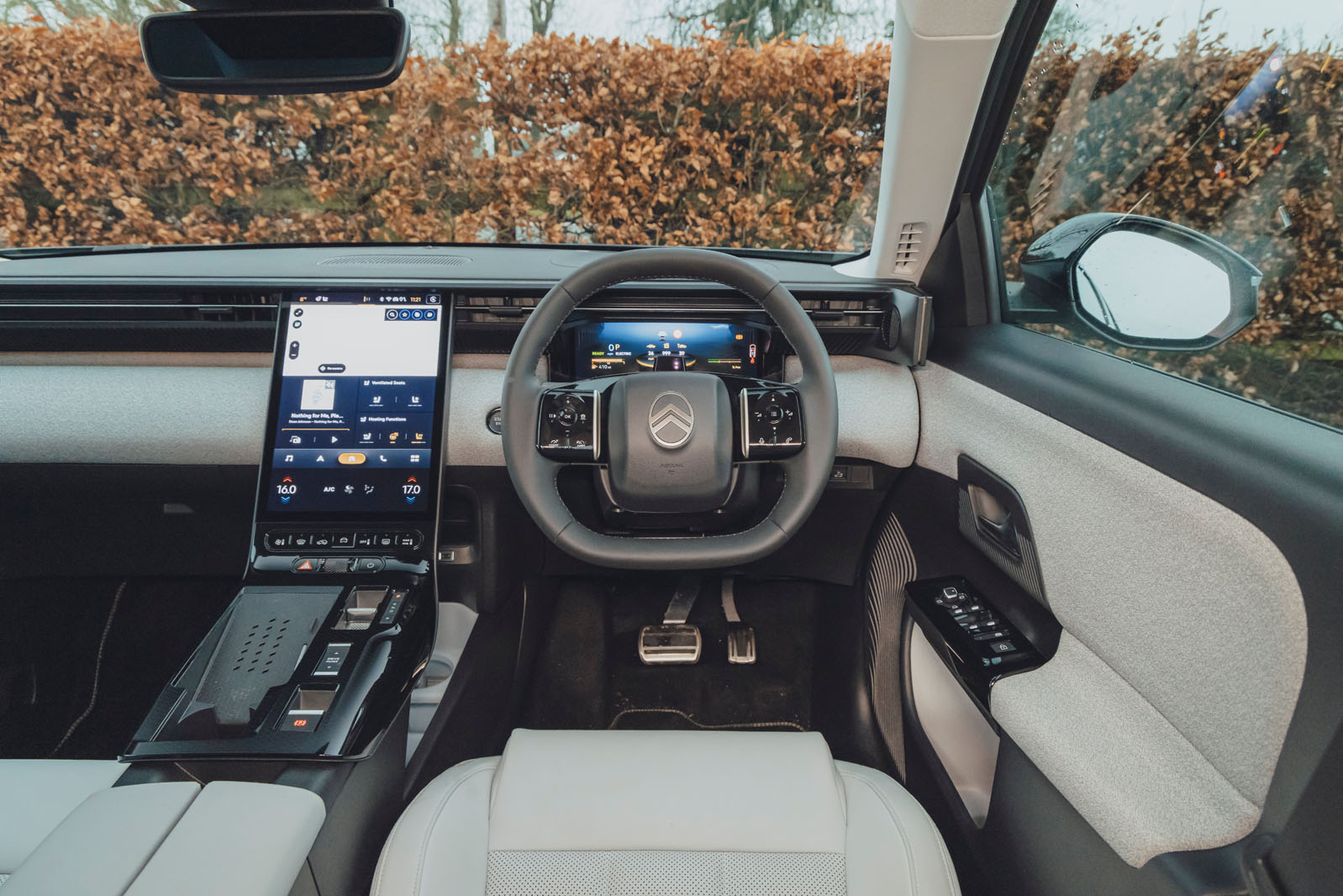
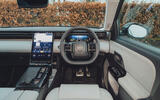
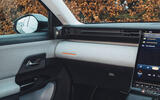
The 'waterfall' touchscreen allows for a large storage area underneath and behind it, between the footwells of the front seats. It's quite a handy tray, where two cupholders are also sited; although the screen makes them annoyingly hard to access, it must be said.

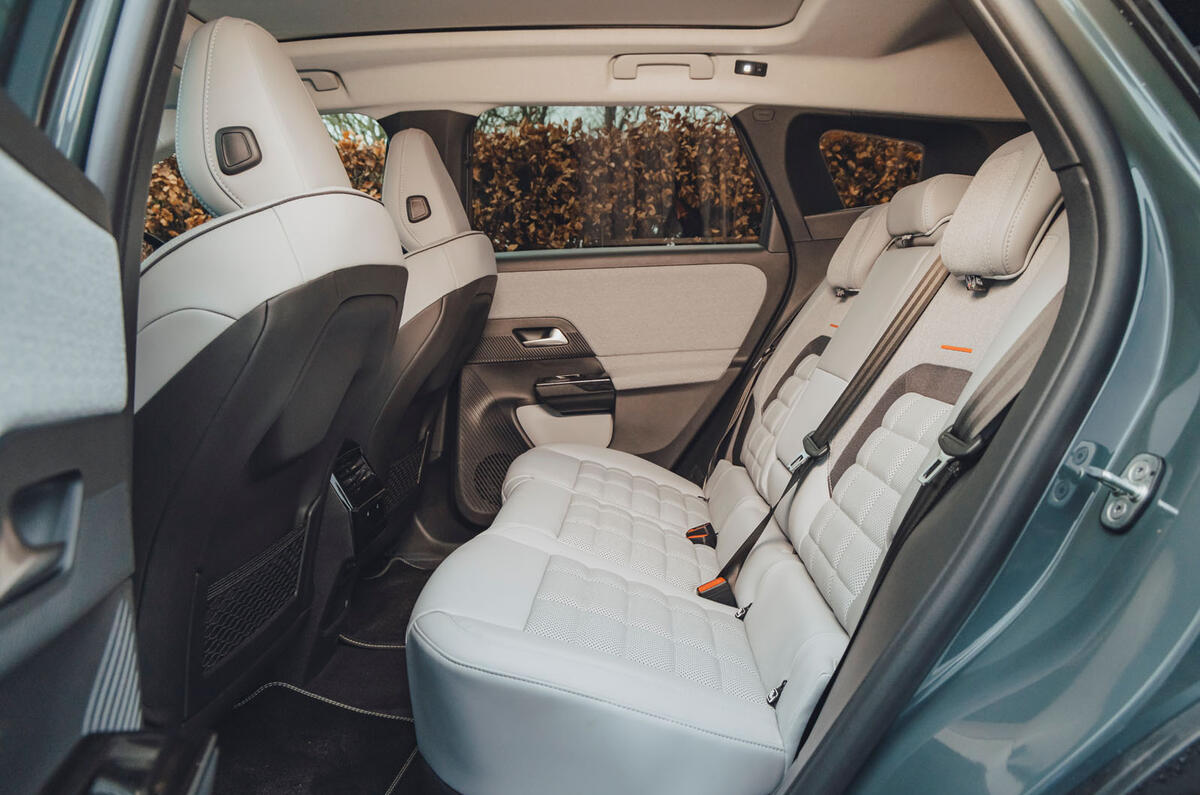
Sit in the back and there is good knee- and headroom, plus the added benefit of a reclining seatback function on mid-spec versions and above. It’s a comfortable place to be, and as roomy as anything you're likely to find for less than £35,000.

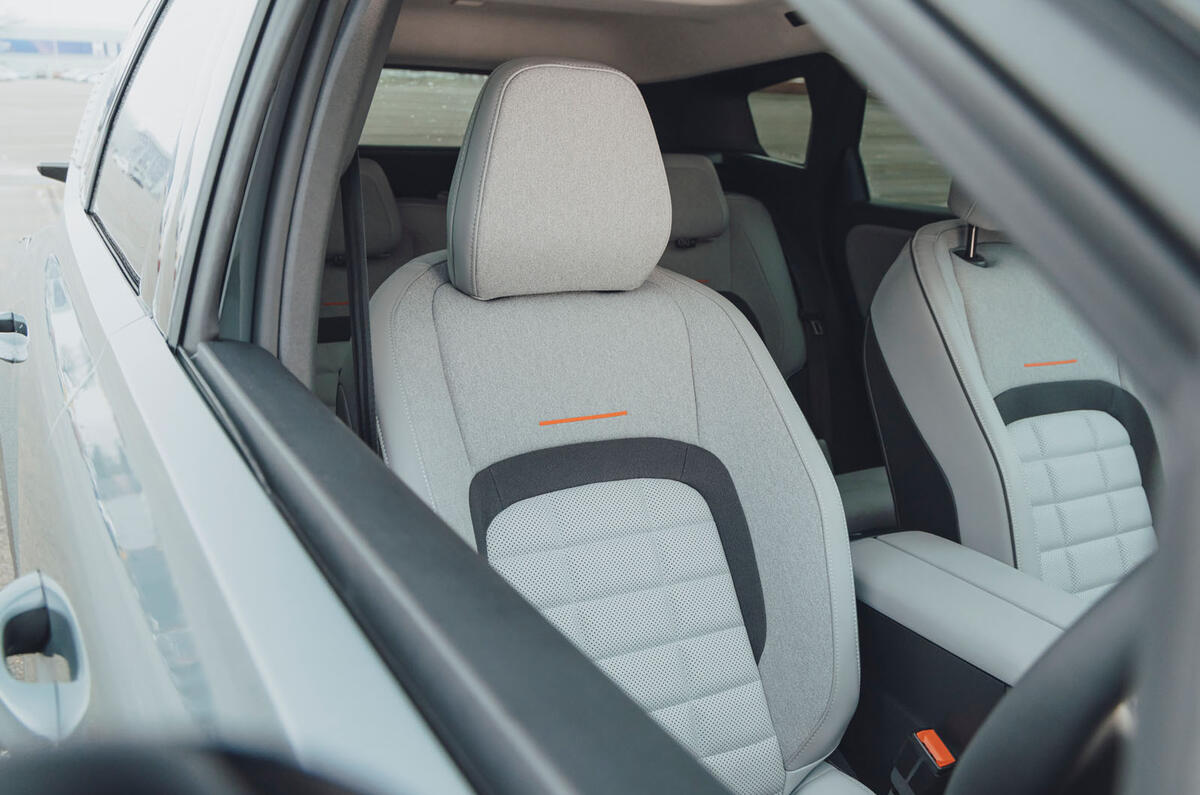
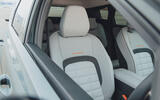
Seat comfort is another area of focus for Citroën for the interior of the C5 Aircross. There’s an extra layer of memory foam in the 'Advanced Comfort' seats over what's typical, and they are very comfy, with good adjustability and in top trim both heated and ventilated functions and adjustable side bolsters that can further squeeze you into place (still no cushion extension for the longer of leg, mind you, which plenty of other more modestly-billed seats do provide). I jumped into a Nissan Leaf straight after the C5 Aircross after one test run, and it was notable how rock-hard the Leaf’s pew was in comparison.

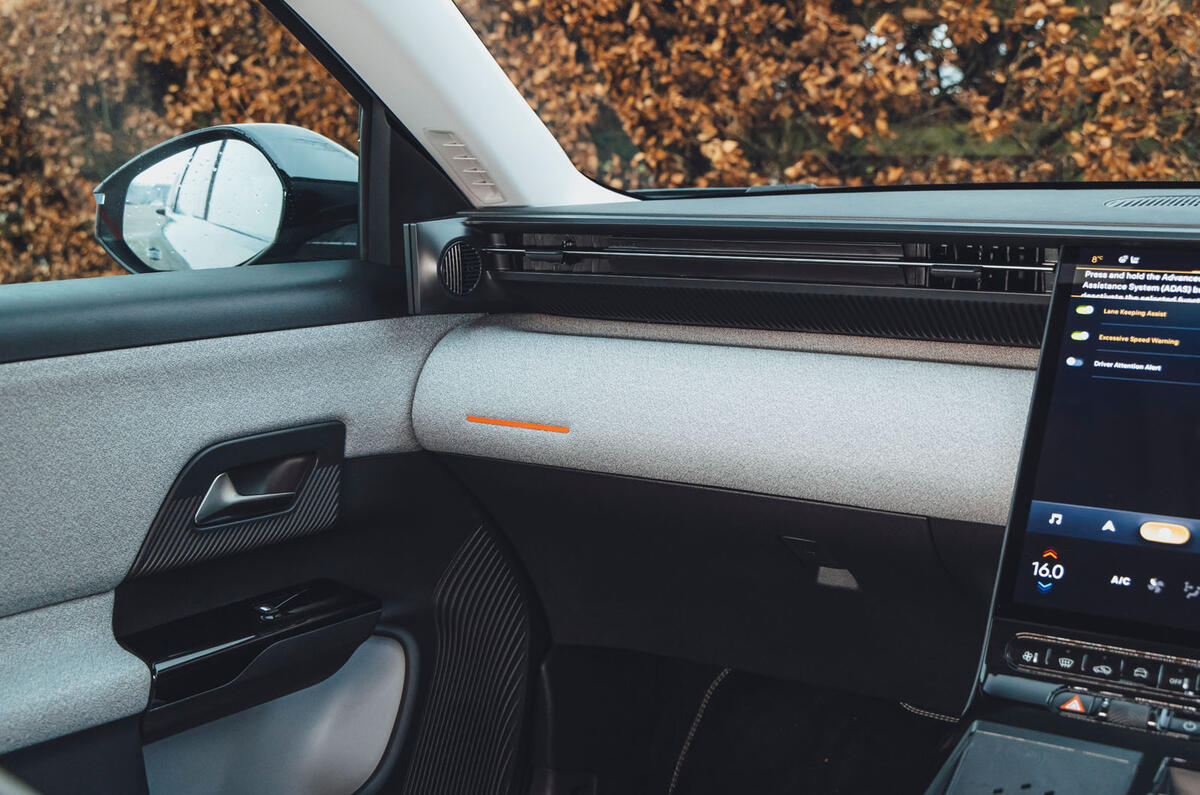
Entry-level You trim is said to have seats with slightly thinner trim than higher-spec models, but there's still more foam in them than is typical. The interior has a nice, lounge-like ambience, particularly if you go for a higher-end model trim model which will come with paler fabrics. There are some interesting trims and mouldings used, some just a little bit shiny and cheap-looking; but many recycled. One, even, from unwanted old grapevines. 

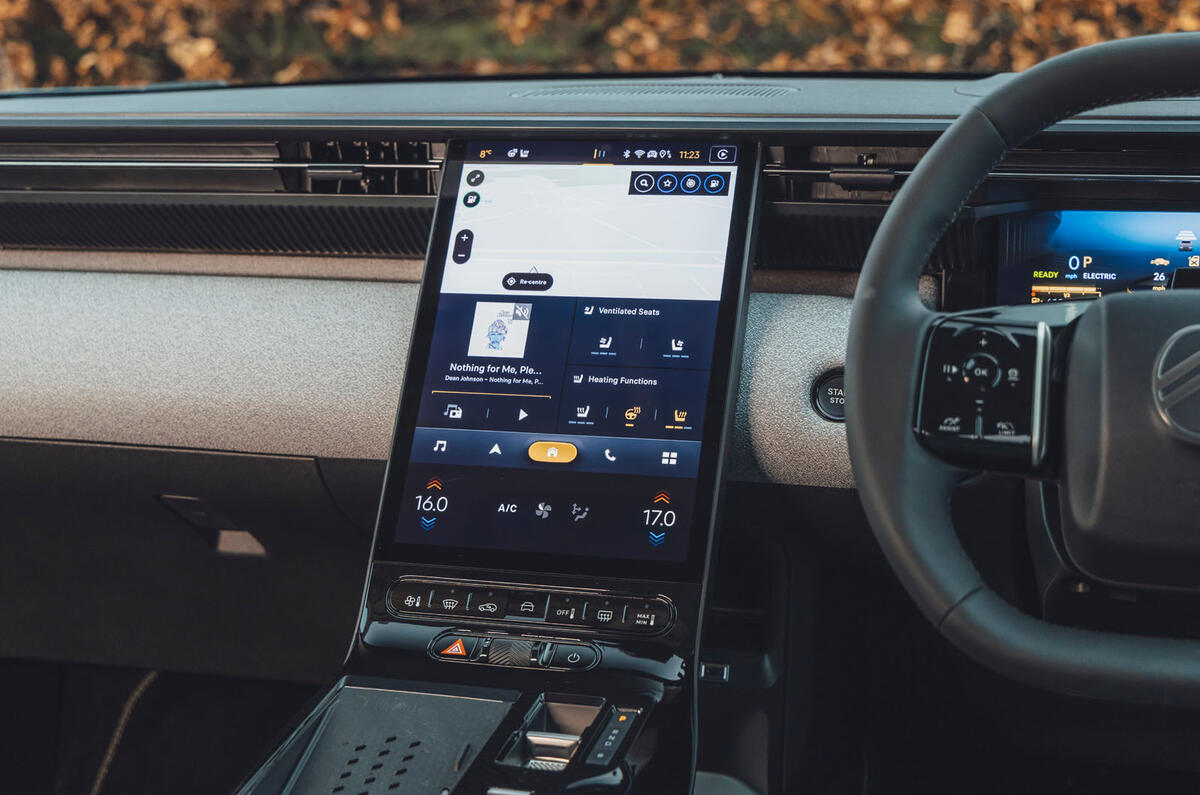
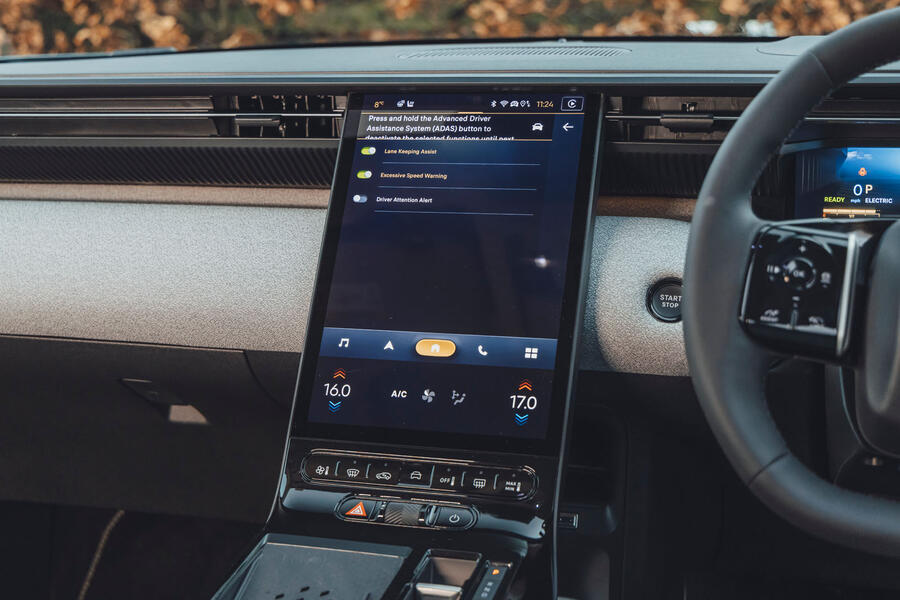
The C5 Aircross's relationship to the 3008 and Grandland isn't immediately evident, as all these cars have a different look and feel inside, much more so than on smaller Stellantis group models, where the interiors all feel quite similar. The C5's interior design is based around a large central portrait touchscreen, anchored at the top of the dashboard on one end and fixed onto the centre console at the other for a waterfall effect. It's big, and backed up by a small row of physical switches below that make usability easier.

The screen does plenty of heavy lifting, among its tasks the temperature controls. Far from being fiddly and hard to find, these are giant buttons given permanent residency on the bottom of the screen whatever the menu.

This works quite well; but there's no real hidden depth or extra features on that screen. It's just a massive screen. The TomTom-supplied graphics on the navigation mapping aren't very good at all, and to that end I'd recommend using Apple CarPlay or Android Auto so you can use a third-party sat-nav app of your choice, such as Waze or Google Maps. It's integrated well, and easy to switch in and out of.

A large panoramic roof, optional in the top-spec model, makes for an even lighter cabin experience and is a welcome addition in making the cabin feel like a brighter place as rear visibility isn't anything special. Without it and in a darker trim, it might feel less spacious.

ENGINES & PERFORMANCE

6
Citroen e C5 Aircross review 2025 016

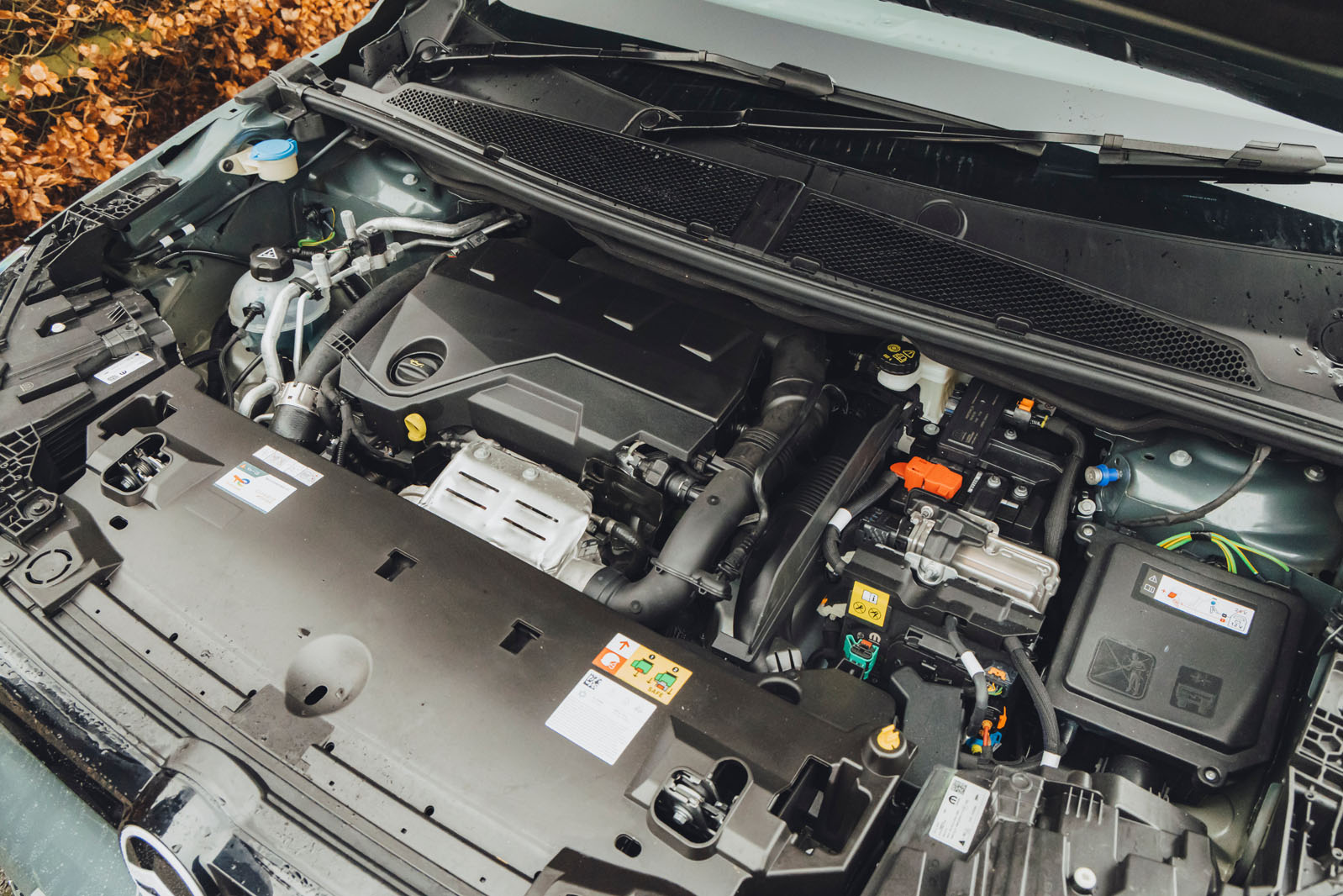
There are two different hybrid powertrains offered in the C5 Aircross, one conventional and one plug-in.

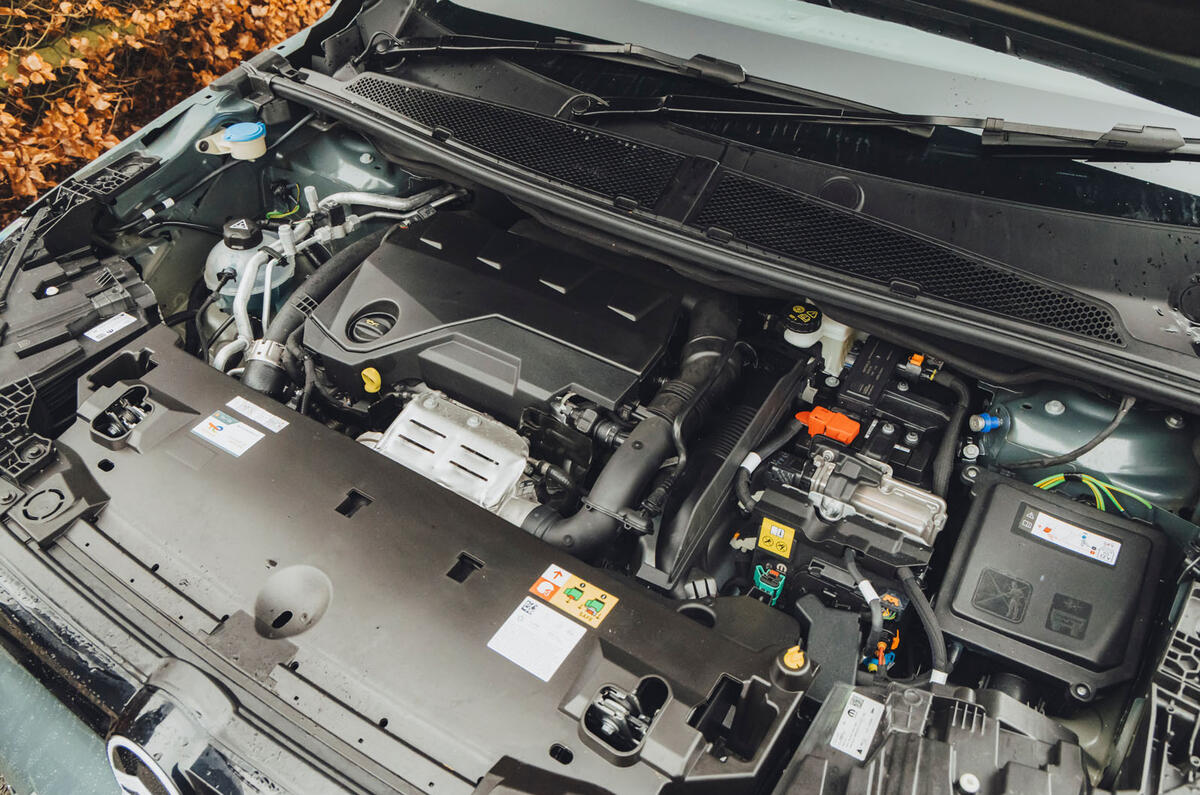
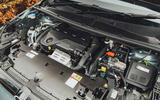
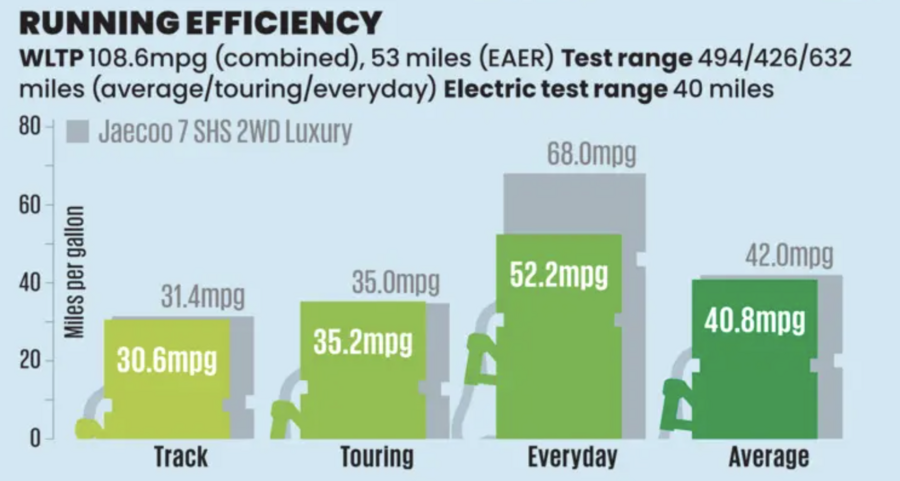
The PHEV features a 1.6-litre petrol engine, a seven-speed dual-clutch automatic gearbox, a 123bhp electric motor and an 18kWh battery. Combined peak power is 192bhp, and electric range 53 miles as claimed; or about 40- to 45- in the real world.

The C5 Aircross still feels quite narrow on the road and thus easy to place, all without it feeling like your front passenger is on your lap.

This is a new system to the Stellantis group, and will be rolled out across the majority of its brands. It won't be a big part of the C5 Aircross sales mix, though; which you can deduce through Citroën's decision to only make it available in range-topping Max trim, and use it as a bit of a profit generator, at nearly £39,000. 

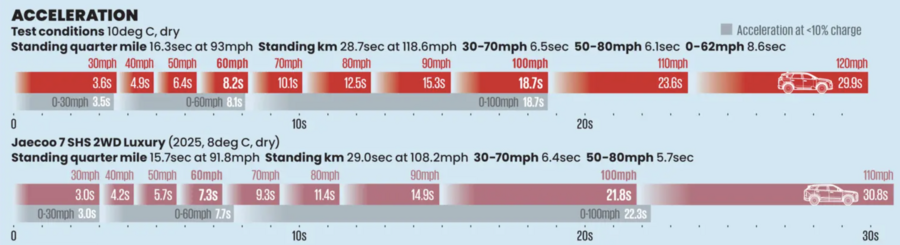
It doesn't have the most luxurious or 'premium' of driving experiences, though. The combustion engine lacks refinement across its working range, buzzing and vibrating particularly when revving hard; while you can feel plenty of other things going on at lower speeds and revs - although the way it slips between electric and petrol power is typically quite smooth. Only a sudden stamp on the accelerator can throw it in this key regard and reveal any major jerkiness, as otherwise driven normally and at normal speeds it’s a substantial enough system, with respectable performance levels for a car of the C5 Aircross’s size and type.

Therefore it's a shame that it sounds and feels so noisy and uncouth. If this is the powertrain to replace diesel in the C5 Aircross line-up, it does quite a good impression of one in some ways. 

The conventional 48-volt hybrid, with 143bhp, uses a 1.2-litre three-cylinder petrol engine, a 28bhp electric motor and a 0.9kWh battery. That's not much power for a car this size; and, sure enough, if you want to make hurried progress, this lesser hybrid sounds like it’s being thrashed and can make the car feel underpowered.

This engine does its best work around town, where it is quieter and calmer and able to run only on electric power; and just melts away into the background if you're happy to simply bimble along. Even so, the limited performance levels and general asthmatic unwillingness of this expected best-selling powertrain serves as a good advert for the quietness and refinement of an all-electric drivetrain (and the e-C5 Aircross offers two of those).

RIDE & HANDLING

5
Citroen e C5 Aircross review 2025 017

Ride comfort is something that Citroën continues to place a premium on, and seeks to use to define a unique selling point for its cars; in fact, it’s sharpening its brand around this trait. To that end, Advanced Comfort suspension again features on the C5 Aircross - this time with both progressive-rate dampers and hydraulic bump stops. Hybrid models get beam rear axles, while the EVs get a multi-link arrangement.

You wouldn't call this particularly committed or innovative technology when it comes to enhancing comfort levels in a modern SUV in 2025, however; and, sure enough, it has some clear limitations. What it allows is for the double chevron to tune its car to be particularly softly sprung, relying on those clever bump stops and progressive-rated dampers to prevent the axles from thwacking into the chassis over bigger, sharper lumps and bumps, and the car from lolling and heaving to extremes.

It works - but only after a pretty distant fashion. Just as in the last C5 Aircross, the new car's body control and ride feels quite soft; and yet soft doesn’t necessarily mean comfortable when you’re bouncing along a country lane without much in the way of apparent motion damping to keep the car under control.

All drivers except those content to travel everywhere at 45mph are likely to find moments, and roads, where this car's particular suspension tuning simply doesn't cope very well in the UK; and allows the car too much body movement, too reactive and restive a temperament, and an abiding dearth of composure. But, in this respect, one important distinction ought to be noted. Being up to 550kg lighter than their all-electric siblings, hybrid-powered C5 Aircrosses definitely have less of a body control problem than the EVs. That's a lot less mass for any suspension system to keep tabs on; and so, where the EVs really do seldom if ever truly settle on rising and winding country lanes, making passengers feel pretty seasick at times, hybrids retain at least some level composure.

The car's steering, meanwhile, is a little unhelpfully keen to self-centre, yet light of weight and anodyne of feel; and its handling lets the body roll quite quickly as it corners - to teeter, almost - before snatching it back to upright. This makes for a car that's actually quite tiresome to drive when confronted with anything other than a town centre or smooth main road. You can find yourself gripping the steering wheel quite hard in order to feel like you're fully in control. 

There are different driving modes to cycle through depending on the version, a Sport mode liberating all the power and torque through the right pedal. The steering wheel paddles control the gears in the hybrids, and the level of regenerative braking in the electric version; supposedly. In practice, they're much more effective as gear selectors than regen controls.

MPG & RUNNING COSTS

8
Citroen e C5 Aircross review 2025 001

The C5 Aircross costs around £2000 more than the car it replaces, but it's sufficiently bigger and higher-quality to be worthy of the premium.

Pricing starts at £30,495 for the hybrid in You trim. This model in mid-range Plus trim is £33,135, and tops out at £35,775 for the range-topping Max.

My test route took me largely away from low-speed urban driving, and the PHEV returned only 42mpg - well down on the official 97.7mpg, and no better than what I got from the regular hybrid. But, as with all PHEVs, your own return would depend almost entirely on charging.

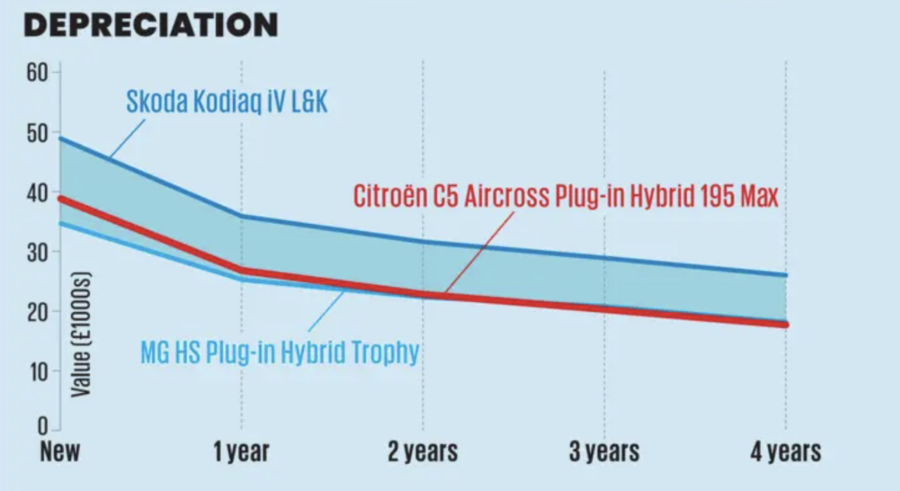
The only way you can get the plug-in hybrid is in Max trim, at £38,855; which makes it a bit of a sop to the fleet market, and unlikely to sell much elsewhere. Clearly, Citroen would much rather retail buyers bought electric. 

The car's entry price undercuts key rivals such as the Ford Kuga and Skoda Karoq. Trim-wise, even the base model gets the large central touchscreen that dominates so much of the interior design and around it.

Value is one of the key selling points of the C5 Aircross overall, and it is undoubtedly a lot of the car for the money, backed up by an eight-year/100,000-mile warranty.

VERDICT

7
Citroen e C5 Aircross review 2025 019

Citroën appears to have given up on some of its more traditional values with the new C5 Aircross, yet clung to others; and perhaps not thought all that clearly about which to keep, and which to discard.

The Citroën C5 Aircross is a nice enough car; smart, neat and tough-looking - but lacking in Citroën-typical visual alternativeness. It's spacious, practical, comfortable and pleasant, however, and lots of car for the money - as any big Citroën surely needs to be.

Being better than before might not be enough to stop the C5 Aircross from being swallowed up in the most crowded of segments. Spaciousness and good value are its main selling points.

So what's lacking here? A bit of fun, perhaps? A bit of sparkle and some personality? You could say so; although these aren't the car's biggest dynamic failings by any means.

The car's hybrid powertrains are passable - though a little bit slow in the case of the cheaper one, and uncouth on the other hand. But its ride and handling are both quite poor. Its soft suspension doesn't deal well with UK roads, and is unlikely to impress even those determined to drive in the most relaxed way possible; its body control is laissez-faire to the point of driving you to distraction; and its handling and steering and bland and anodyne.

Overall, the C5 Aircross is a car that is strong in rational areas, and neat enough to look at; but dynamically it fails to follow through on the comfort-first agenda it promises to pursue, or to carve out the usual distinctiveness of positioning that we expect of a Citroën. Deep down, you can't help thinking, this is just another compact SUV clone.

Matt Saunders

Matt Saunders Autocar
Title: Road test editor

As Autocar’s chief car tester and reviewer, it’s Matt’s job to ensure the quality, objectivity, relevance and rigour of the entirety of Autocar’s reviews output, as well contributing a great many detailed road tests, group tests and drive reviews himself.

Matt has been an Autocar staffer since the autumn of 2003, and has been lucky enough to work alongside some of the magazine’s best-known writers and contributors over that time. He served as staff writer, features editor, assistant editor and digital editor, before joining the road test desk in 2011.

Since then he’s driven, measured, lap-timed, figured, and reported on cars as varied as the Bugatti Veyron, Rolls-Royce PhantomTesla RoadsterAriel Hipercar, Tata Nano, McLaren SennaRenault Twizy and Toyota Mirai. Among his wider personal highlights of the job have been covering Sebastien Loeb’s record-breaking run at Pikes Peak in 2013; doing 190mph on derestricted German autobahn in a Brabus Rocket; and driving McLaren’s legendary ‘XP5’ F1 prototype. His own car is a trusty Mazda CX-5.

Mark Tisshaw

mark-tisshaw-autocar
Title: Editor

Mark is a journalist with more than a decade of top-level experience in the automotive industry. He first joined Autocar in 2009, having previously worked in local newspapers. He has held several roles at Autocar, including news editor, deputy editor, digital editor and his current position of editor, one he has held since 2017.
From this position he oversees all of Autocar’s content across the print magazine, autocar.co.uk website, social media, video, and podcast channels, as well as our recent launch, Autocar Business. Mark regularly interviews the very top global executives in the automotive industry, telling their stories and holding them to account, meeting them at shows and events around the world.

Mark is a Car of the Year juror, a prestigious annual award that Autocar is one of the main sponsors of. He has made media appearances on the likes of the BBC, and contributed to titles including What Car?Move Electric and Pistonheads, and has written a column for The Sun.