
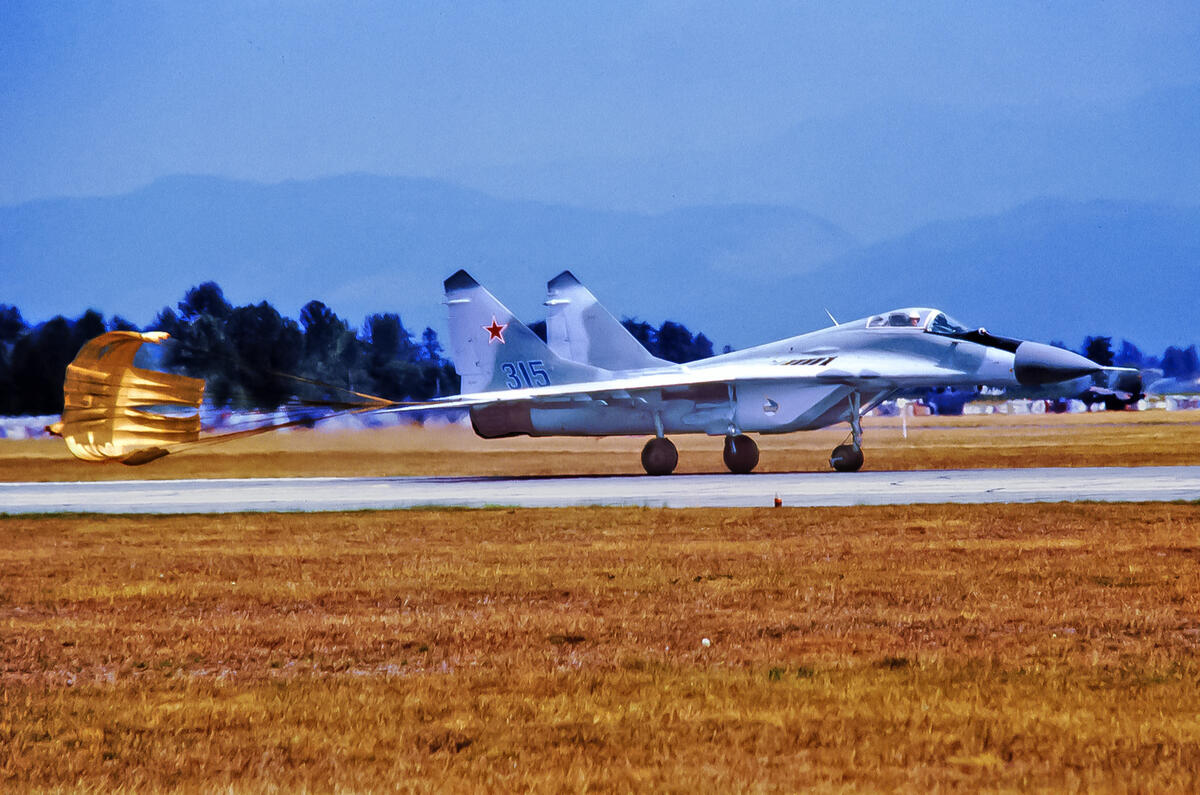

Pumping out warplanes by the tens of thousands, the USSR manufactured and deployed an astonishing number of military aircraft in its sixty-nine years of existence.
With the defeat of Hitler, a tense rivalry between the capitalist and communist nations ignited, and the Cold War began. As nuclear superpowers sized each other up, and fought via a series of brutal proxy wars, combat aircraft grew ever more potent. Here are the 10 best Soviet Warplanes of the Cold War:
10: Tupolev Tu-160 ‘Blackjack’
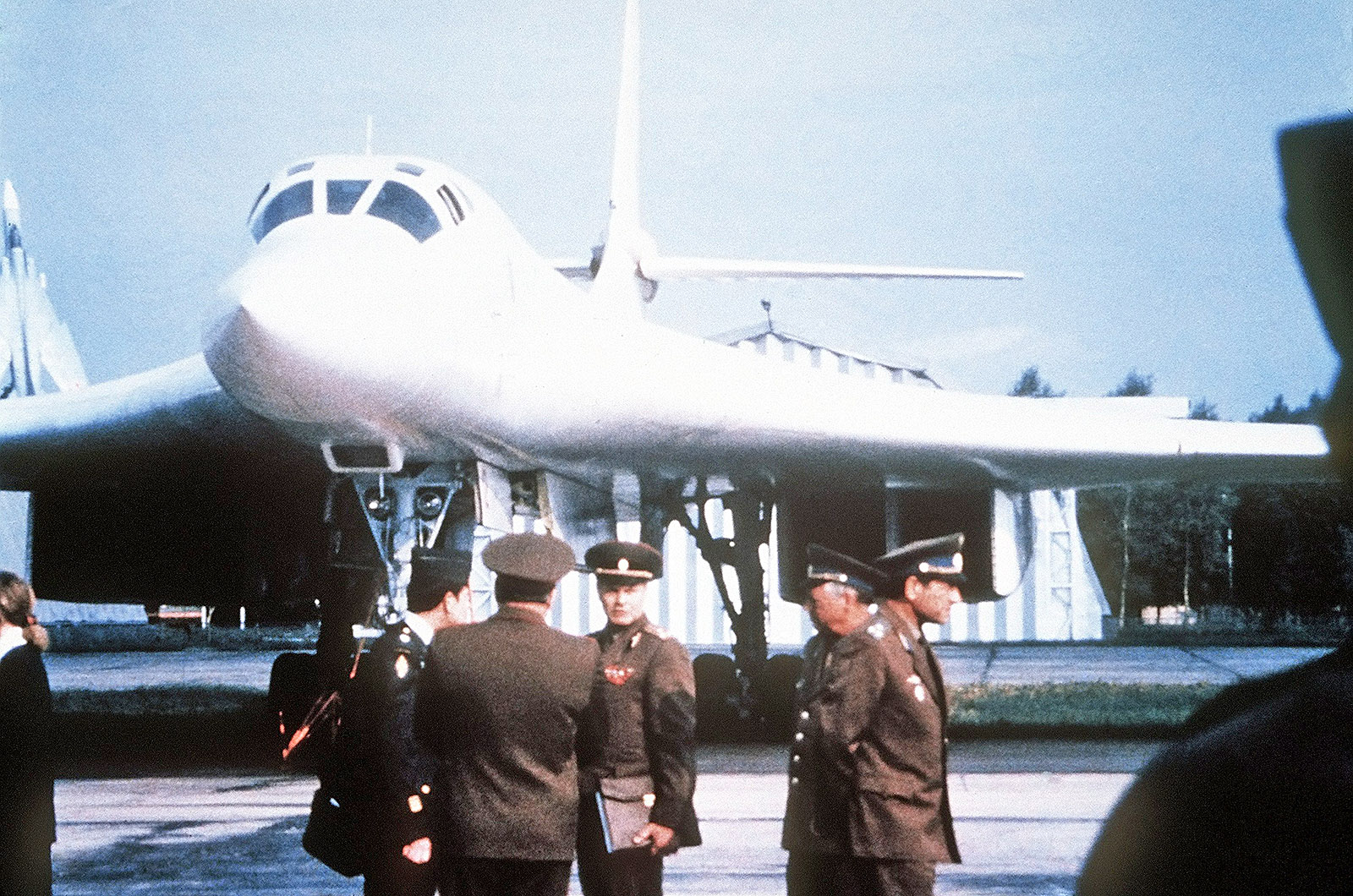
The heaviest combat aircraft to ever enter service, the Tupolev Tu-160 is a large supersonic variable-sweep (‘swing’) wing strategic bomber. On a variable geometry wing aircraft, the wing sweep can be adjusted in flight to best suit the speed of the aircraft. Wings are set fully forward for take-off and landing, and fully back for supersonic flight.
It is similar in configuration to the American Rockwell B-1B bomber, but is far larger and far faster (the initially faster and less stealthy B-1A never entered service). The Tu-160 has a blended wing-body configuration, which offers both a reduction of radar cross section and aerodynamic advantages.
10: Tupolev Tu-160 ‘Blackjack’
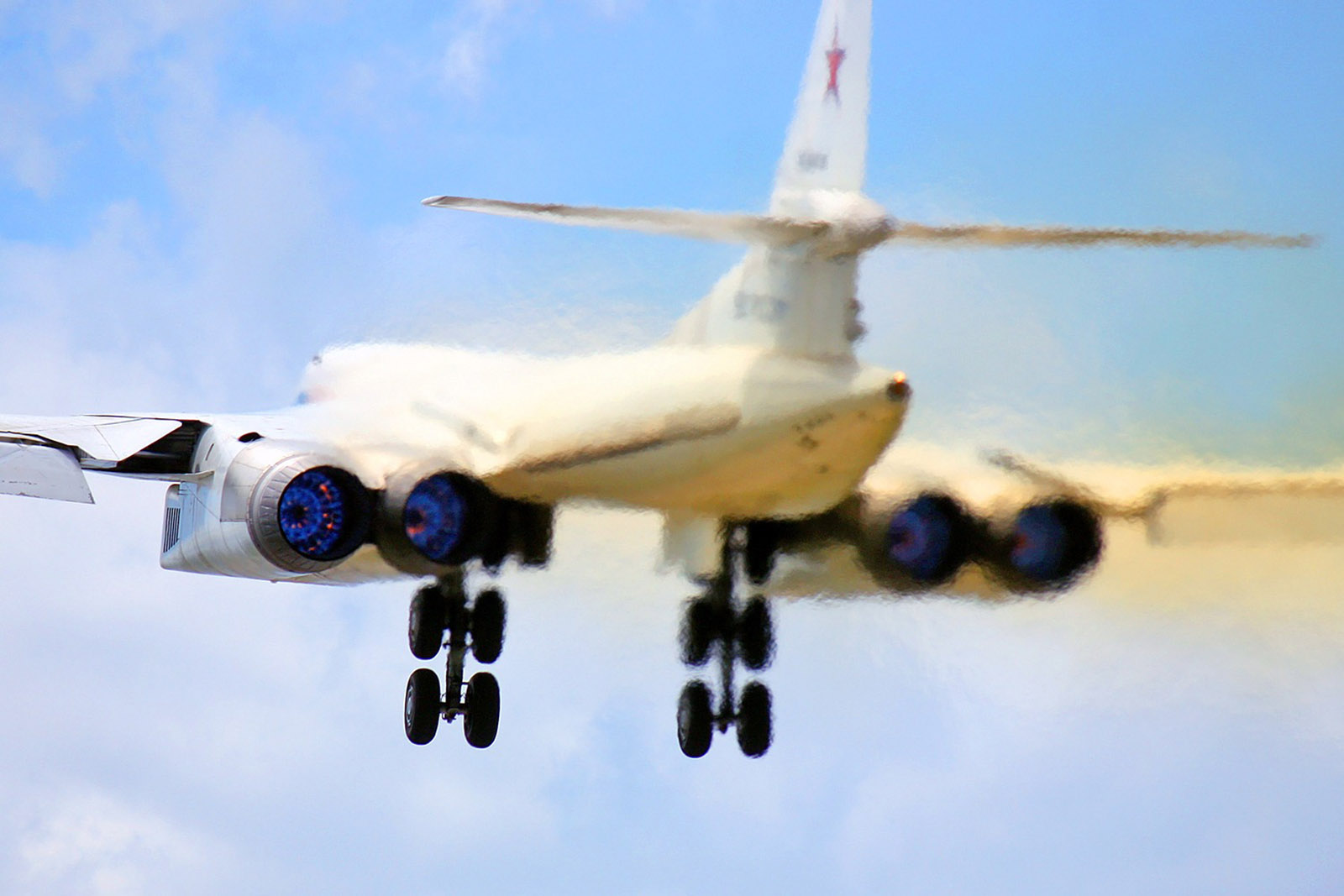
The Tu-160 has a maximum take-off weight of 275,000 kg (606,271 lb), the same weight as over four fully loaded wartime Lancaster bombers. It is no slouch: a top speed of Mach 2.05 makes it faster (by around 190mph or 305km/h) than the fastest operational carrier fighter in the US Navy today.
The Tu-160 (NATO name: Blackjack) first flew on 18 December 1981 and entered operational service in 1987. Because of its service entry date, it was not around for a great deal of time with the Soviet Air Force; it served for only four years before the end of the Cold War, so it cannot rank high in our list.
9: Mikoyan-Gurevich MiG-23 ‘Flogger’
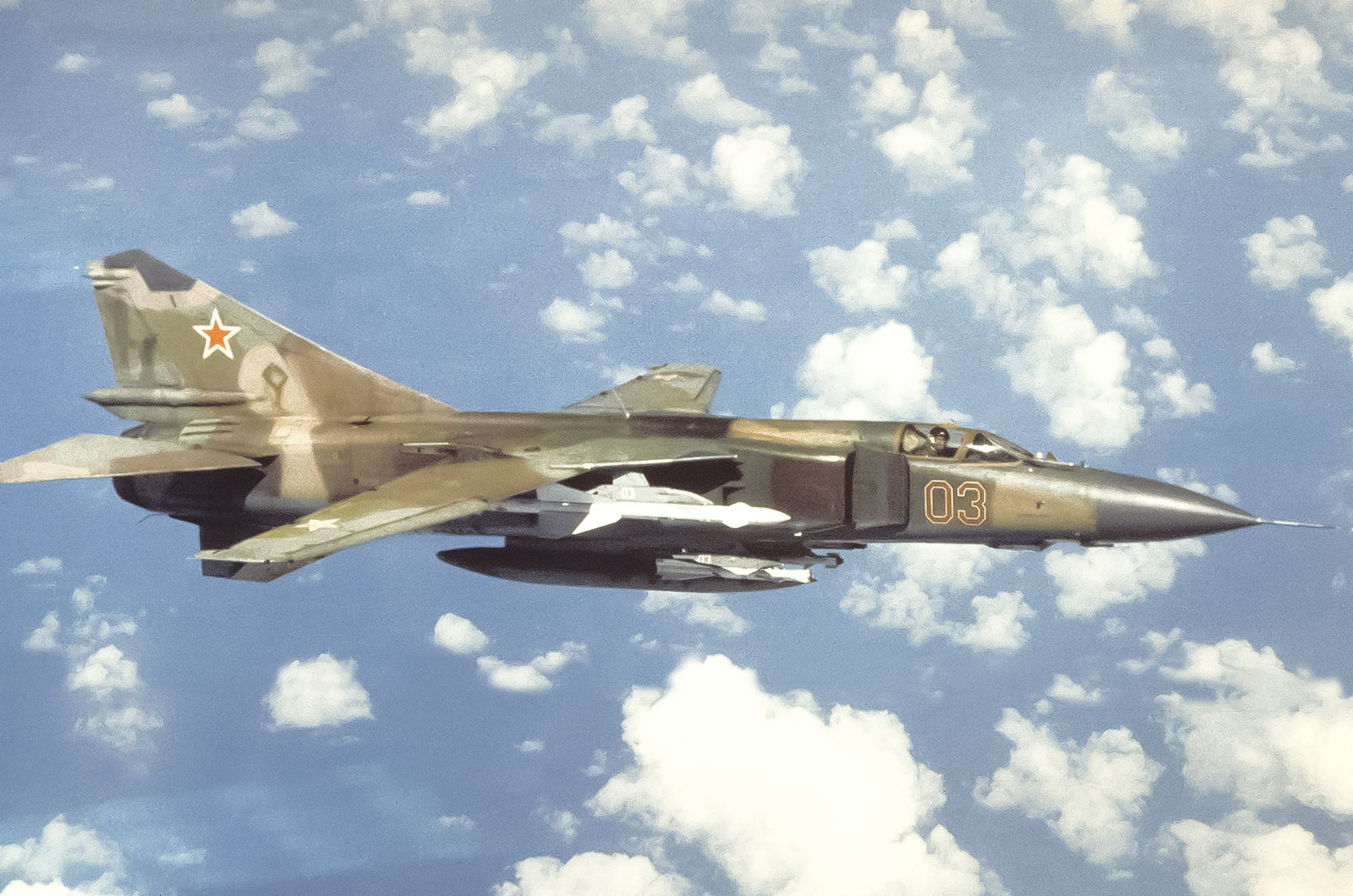
Outrageously fast and made in colossal numbers, the Mikoyan-Gurevich MiG-23 ‘Flogger’ was a single-engined variable geometry (‘swing’) wing tactical fighter that served the Warsaw Pact nations from 1970 until the end of the Cold War. Though something of a handful to fly, the Mig-23 force was a huge combat mass of high-performance fighters.
We spoke to engineer Mihai Vălceleanu about the Flogger’s astonishing speed, “..maximum Mach number stated in most sources is 2.35. And that’s correct, for reasons of temperature and directional static stability, the MiG-23 is indeed limited to Mach 2.35. But that’s not its true limit. According to the MiG-23M/ML flight manuals, the maximum Mach at high altitude is 2.55 or 2.6, and that’s not even clean…that’s when carrying two R-23 missiles!”
9: Mikoyan-Gurevich MiG-23 ‘Flogger’
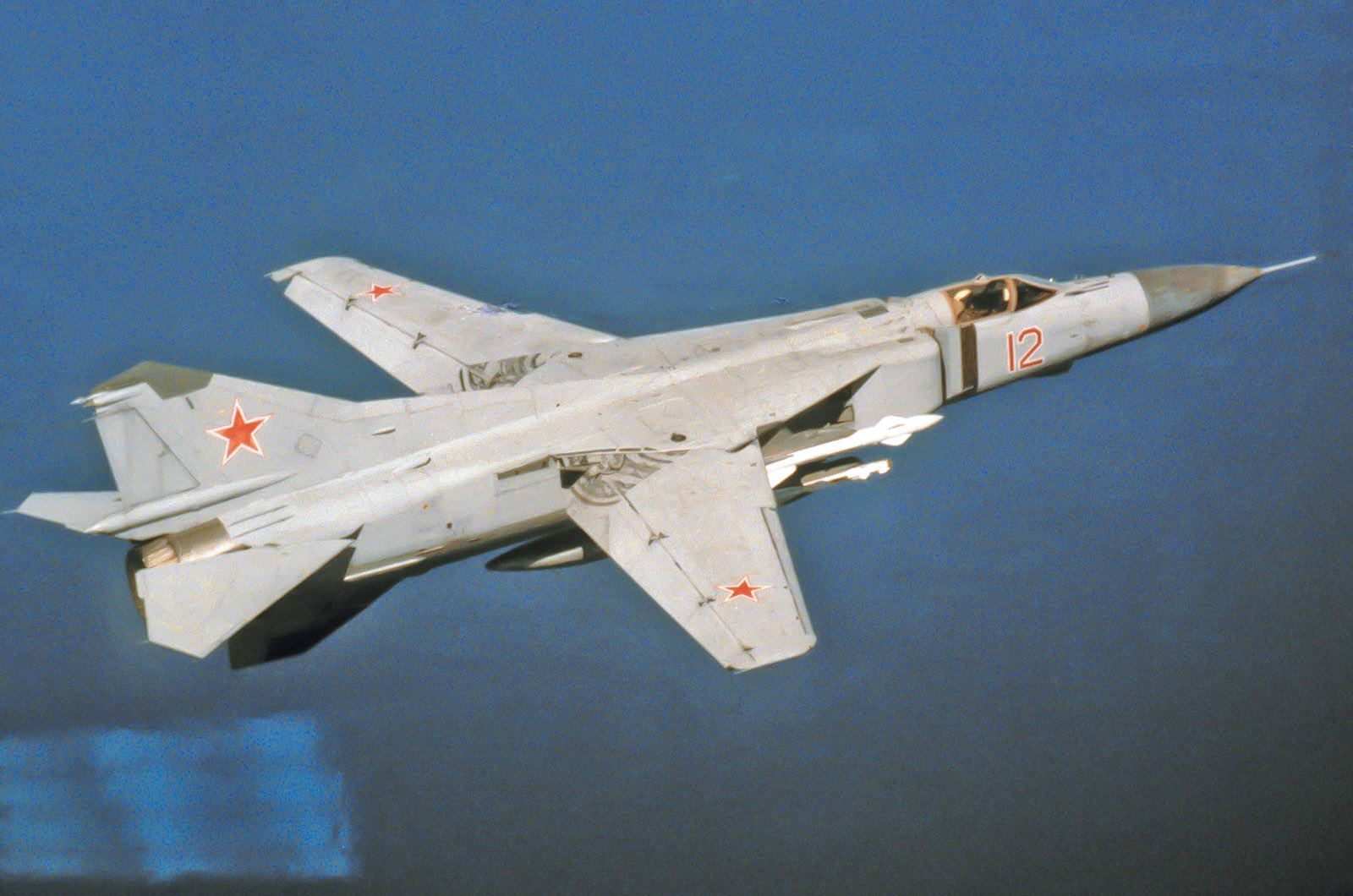
Capabilities varied hugely between the variants, from the rather basic MiG-23MS to the formidable MiG-23MLD. It also spawned dedicated ground attack variants in the form of the radarless ‘duck-nosed’ MiG-23BN and slower, heavily armed and armoured MiG-27, complete with a 30-mm ‘Gatling-style’ rotary cannon.
A total of 5047 MiG-23s were made, representing well over 40% of all variable geometry wing aircraft ever produced. This Soviet fighter was relatively cheap and straightforward to make and spoke of the Soviet doctrine of superior numbers over high technology and the ability to operate from austere airstrips.






Add your comment