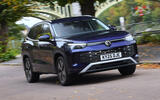
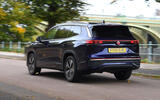
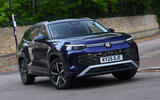
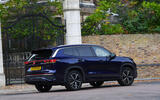
From £39,5908

Combustion-engined seven-seat SUV slots in between the Tiguan and Touareg

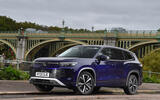
For as long as family SUVs occupy such prime commerical importance for European car-makers, few can afford to omit any from their showroom ranges, or to leave any market territory unplundered. Much as it's unlike the company, that's precisely what Volkswagen had been doing before the arrival of the Volkswagen Tayron: ignoring the untapped space between the popular five-seat Tiguan and the full-sized, premium-positioned Touareg.

Wolfsburg had a preliminary tilt at addressing the problem with the Allspace version of the last-generation Tiguan of 2018, you may remember: which was a slightly stretched, seven-seat version of the smaller model. But now it has committed more fully to the idea of a proper, stand-alone, seven-seater rival for the likes of the Hyundai Santa Fe, Kia SorentoSkoda Kodiaq and Peugeot 5008.

It's pronounced 'tie-ron', not 'tay-ron'.

Those of you who know your Chinese cars will be aware of the Tayron name from a crossover produced collaboratively by Volkswagen and FAW for the Chinese domestic market from 2018; but now the car's gone global. Production has moved to VW's Wolfsburg factory - itself the point of manufacture of nearly 50 million cars since 1938, and therefore a car factory of greater fecundity than any other in the world, by VW's own estimation - and the car's commercial potential has expanded significantly.

Volkswagen Tayron range at a glance

The Tayron offers one of the widest powertrain selections of the Volkswagen range, with petrols, diesels, mild hybrids and plug-in hybrids all on offer.

Advertisement
Back to top

The UK market gets the entry-level mild-hybrid 1.5 eTSI; both PHEVs; a 2.0-litre diesel; and two unhybridised 2.0-litre petrols, both of which come with 4Motion all-wheel drive.

VersionPower
1.5 eTSI148bhp
eHybrid 204PS201bhp
eHybrid 272PS268bhp
2.0 TDI 150PS148bhp
2.0 TSI 204PS 201bhp
2.0 TSI 265PS262bhp

DESIGN & STYLING

8
VW Tayron 2025 jb20250501 9422

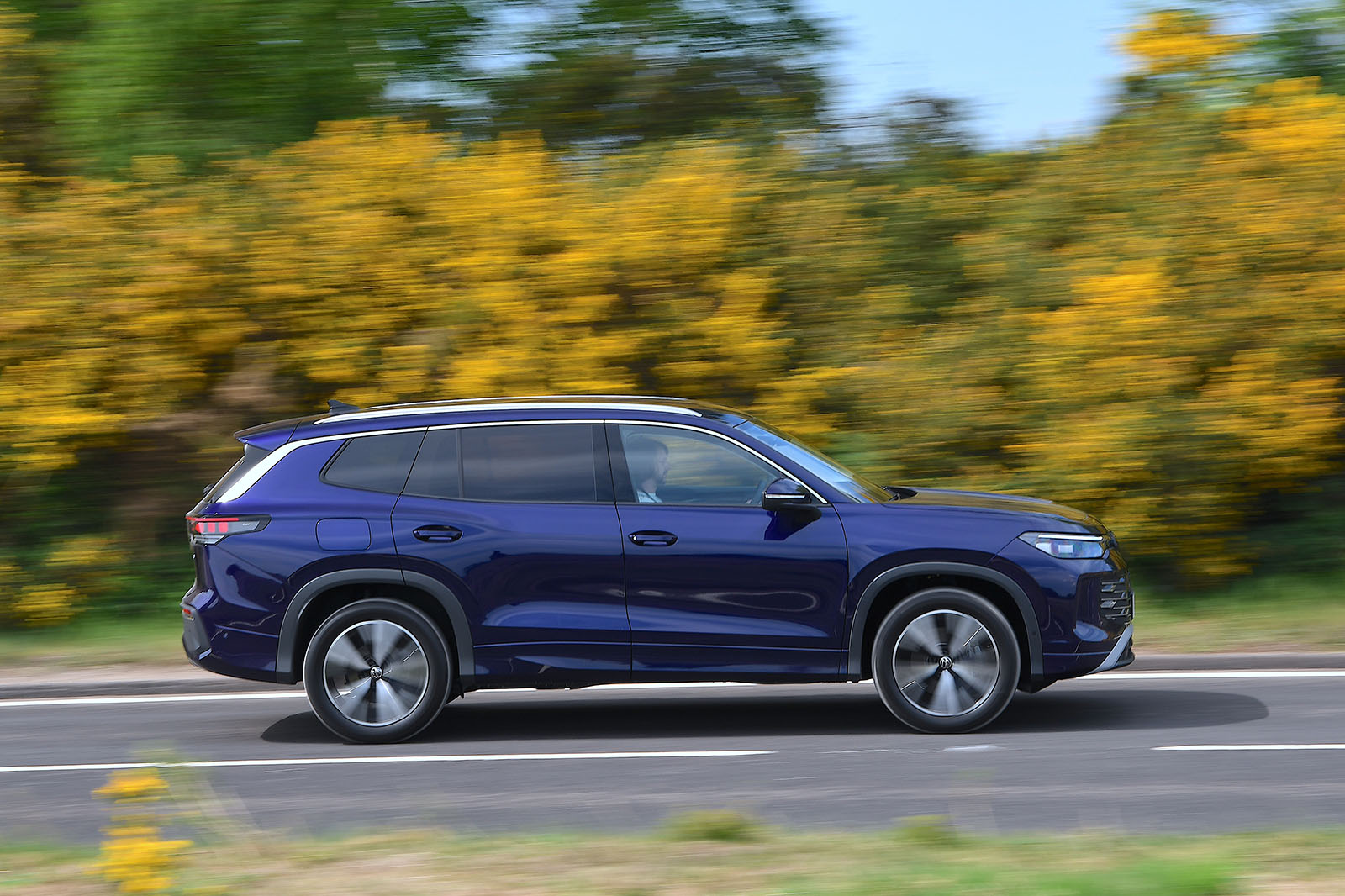
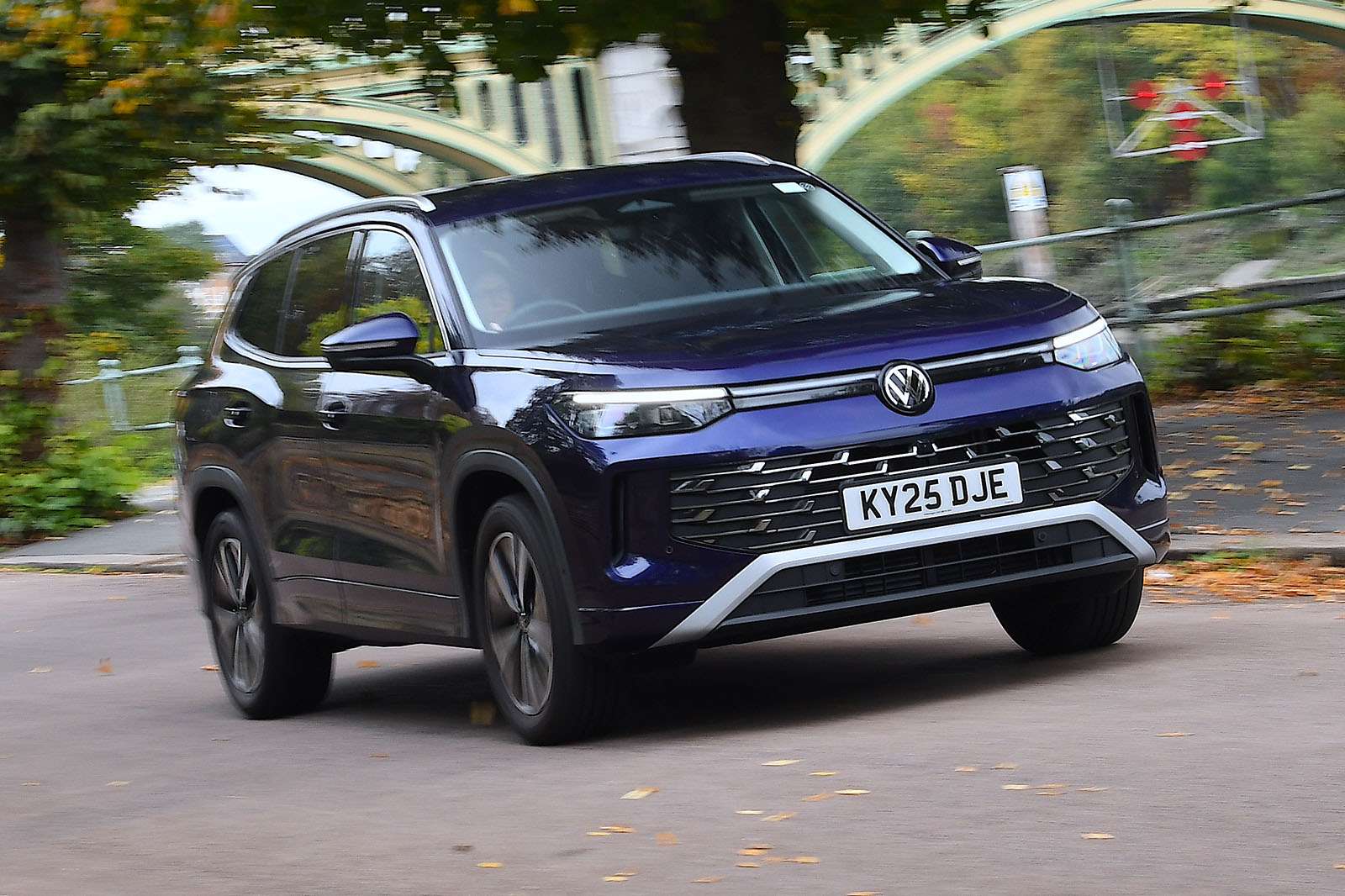
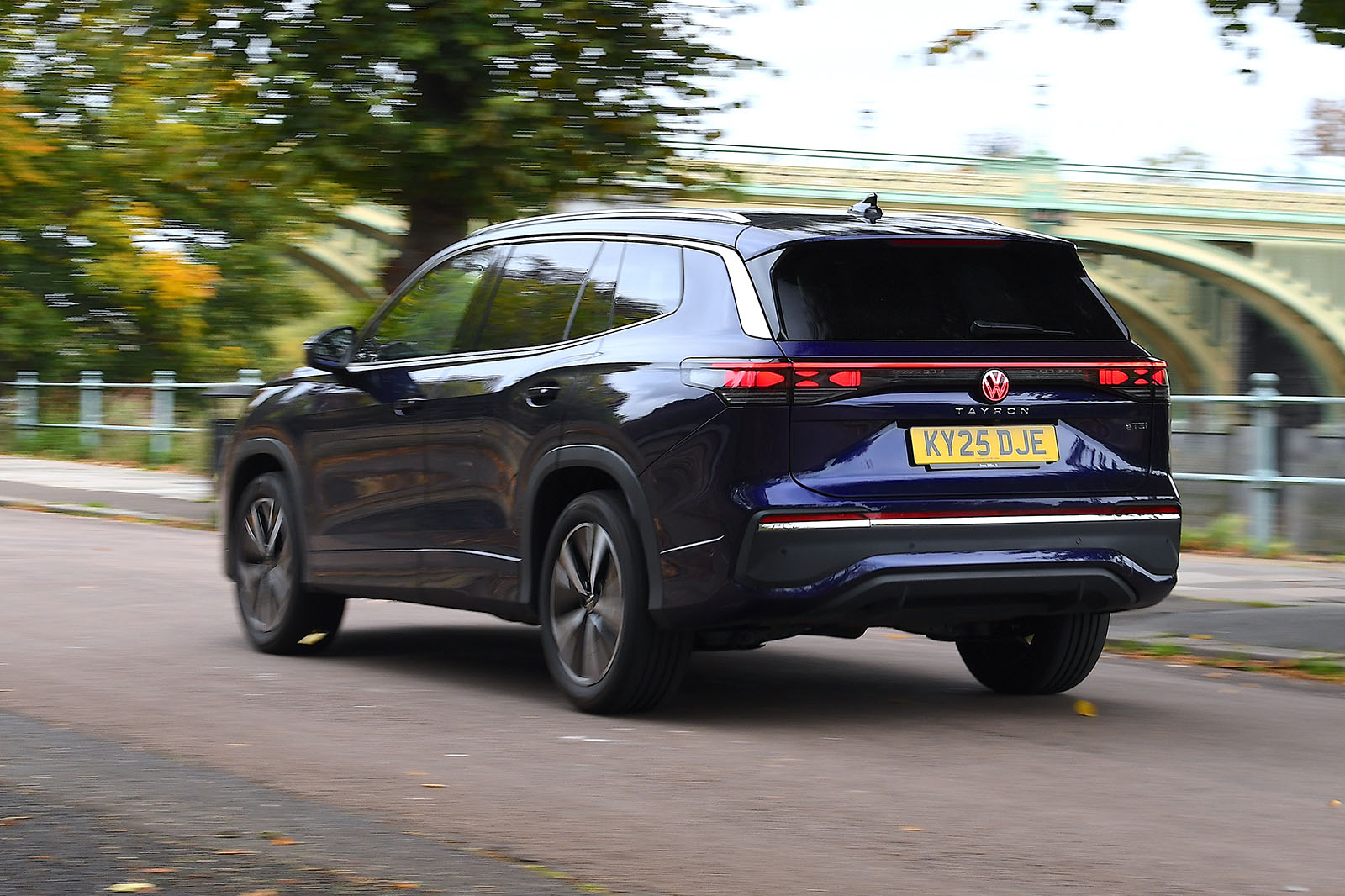
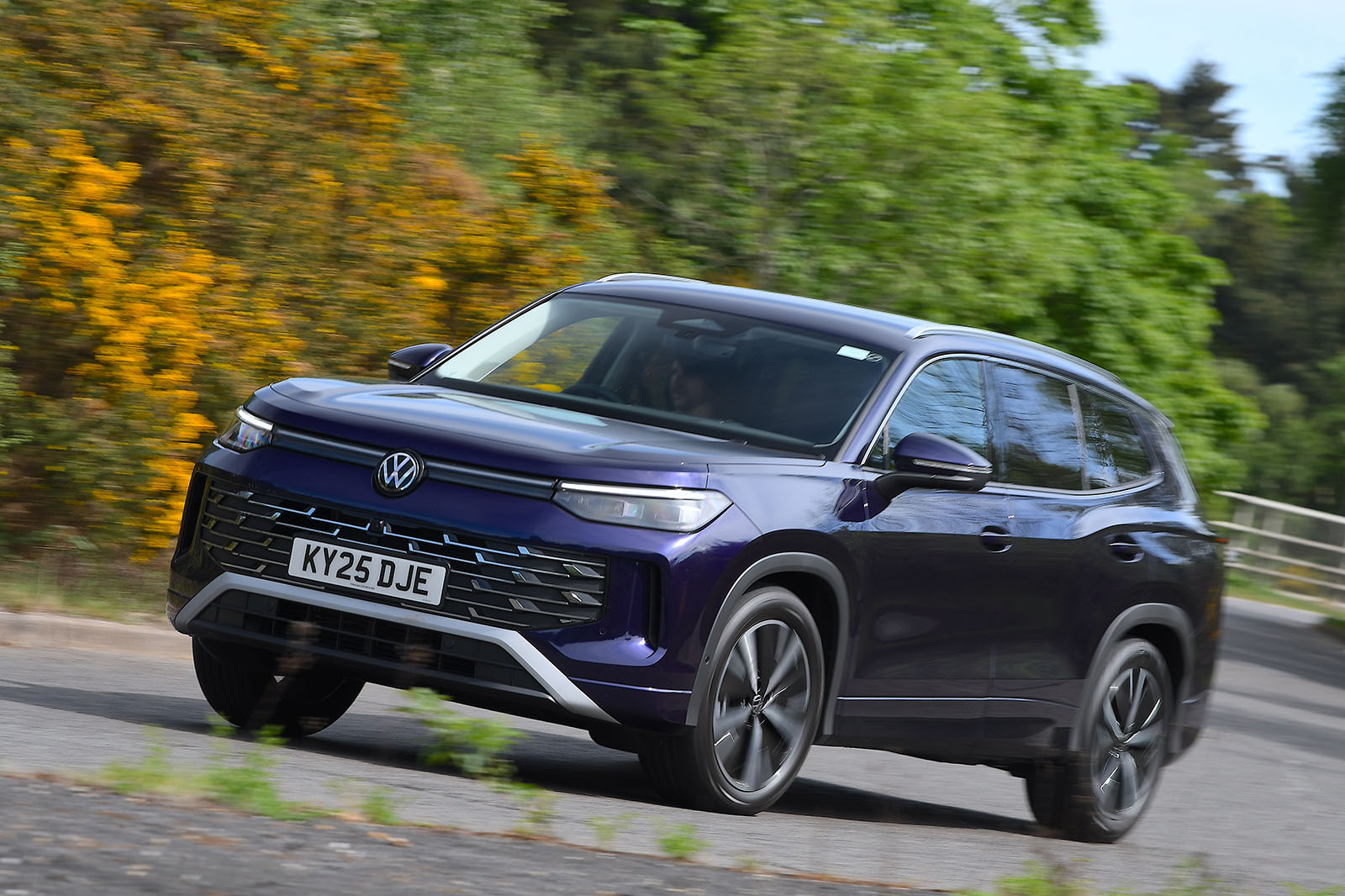
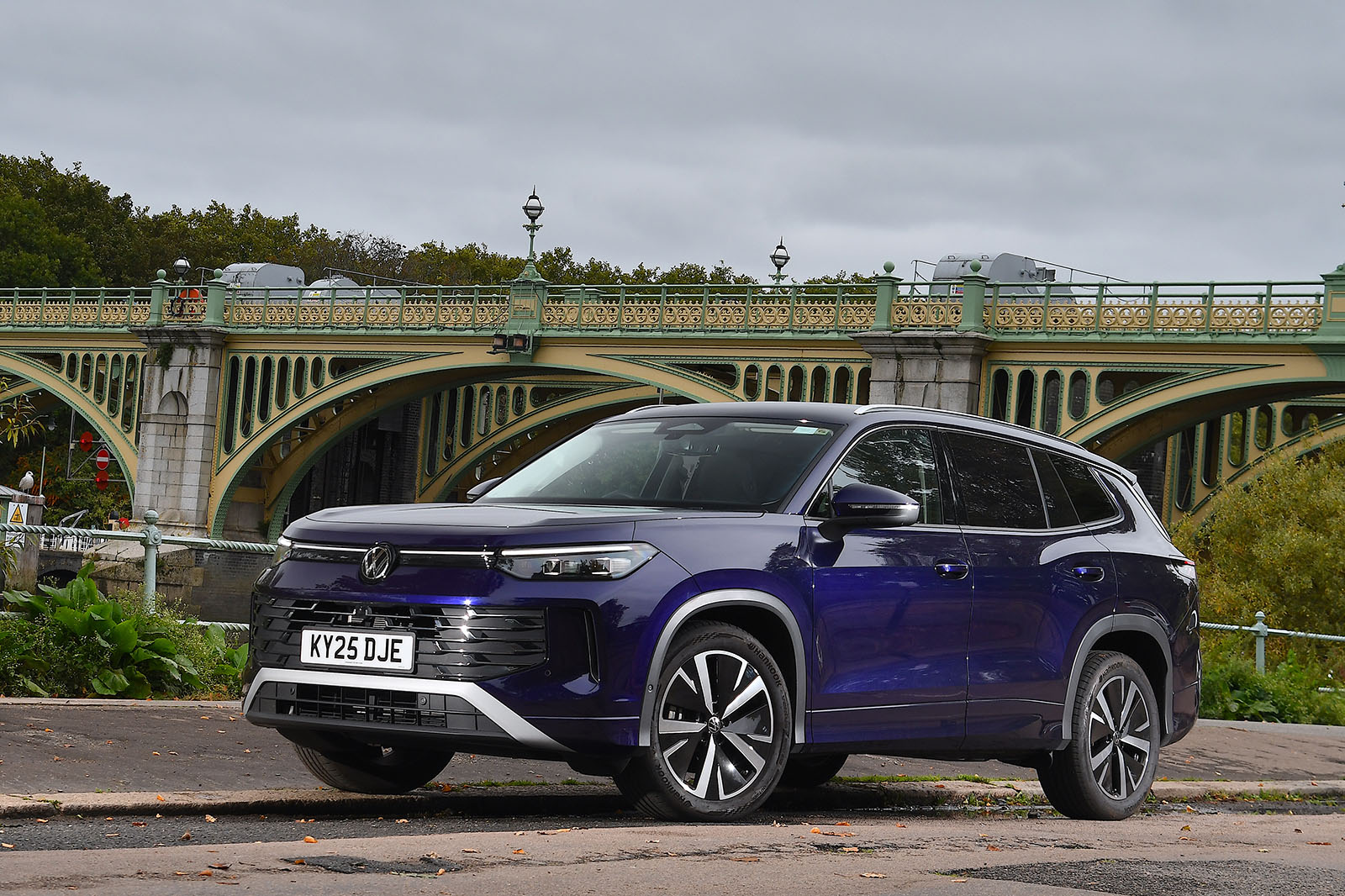
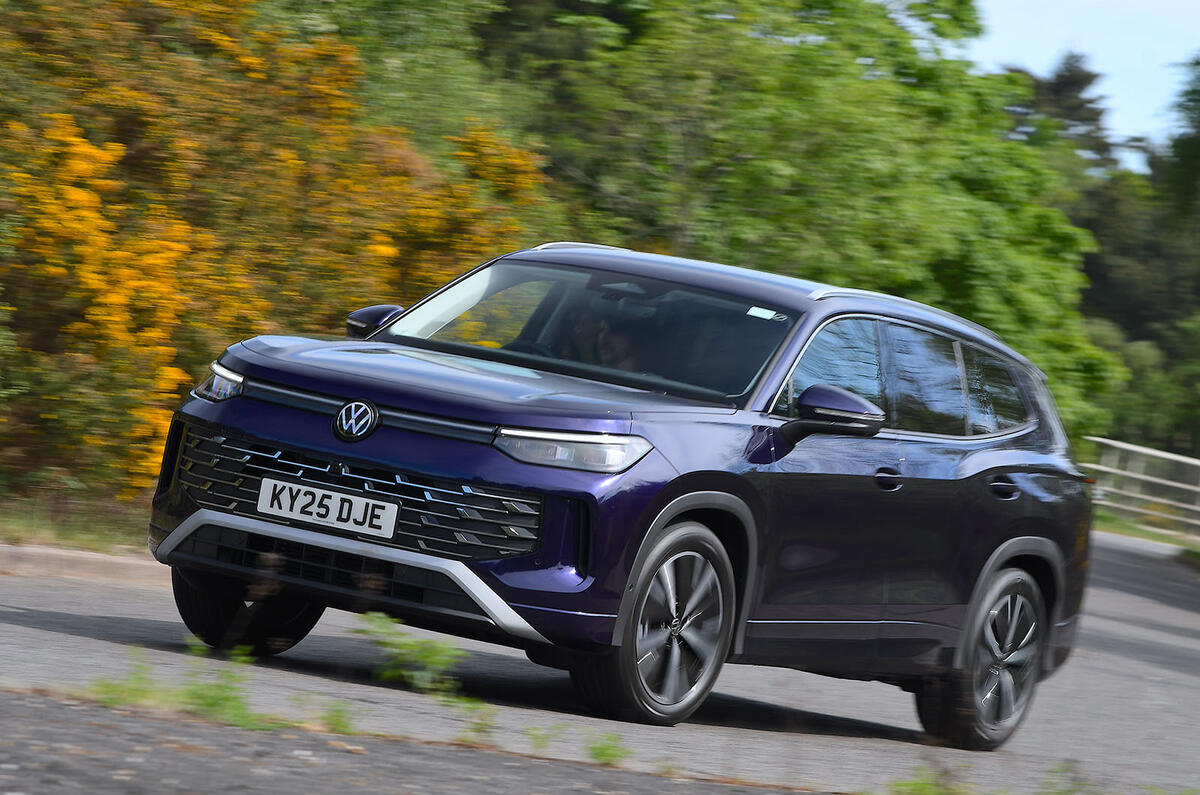
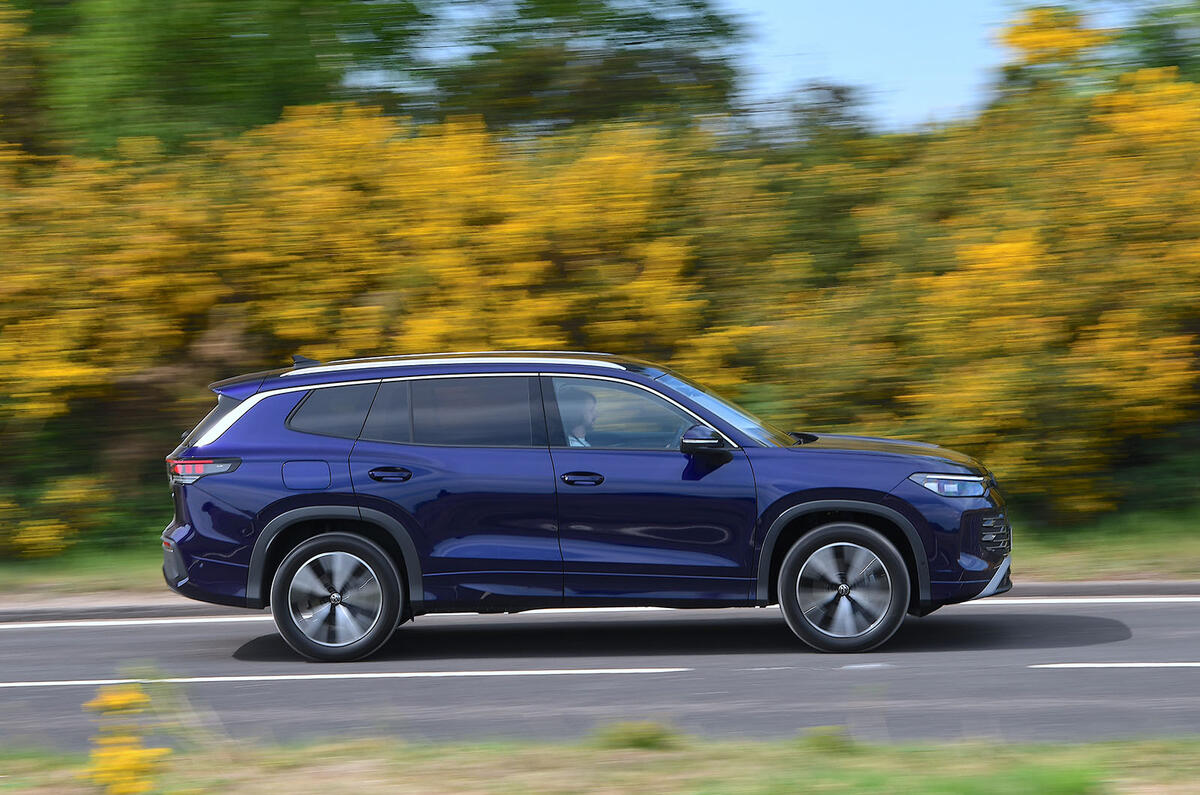
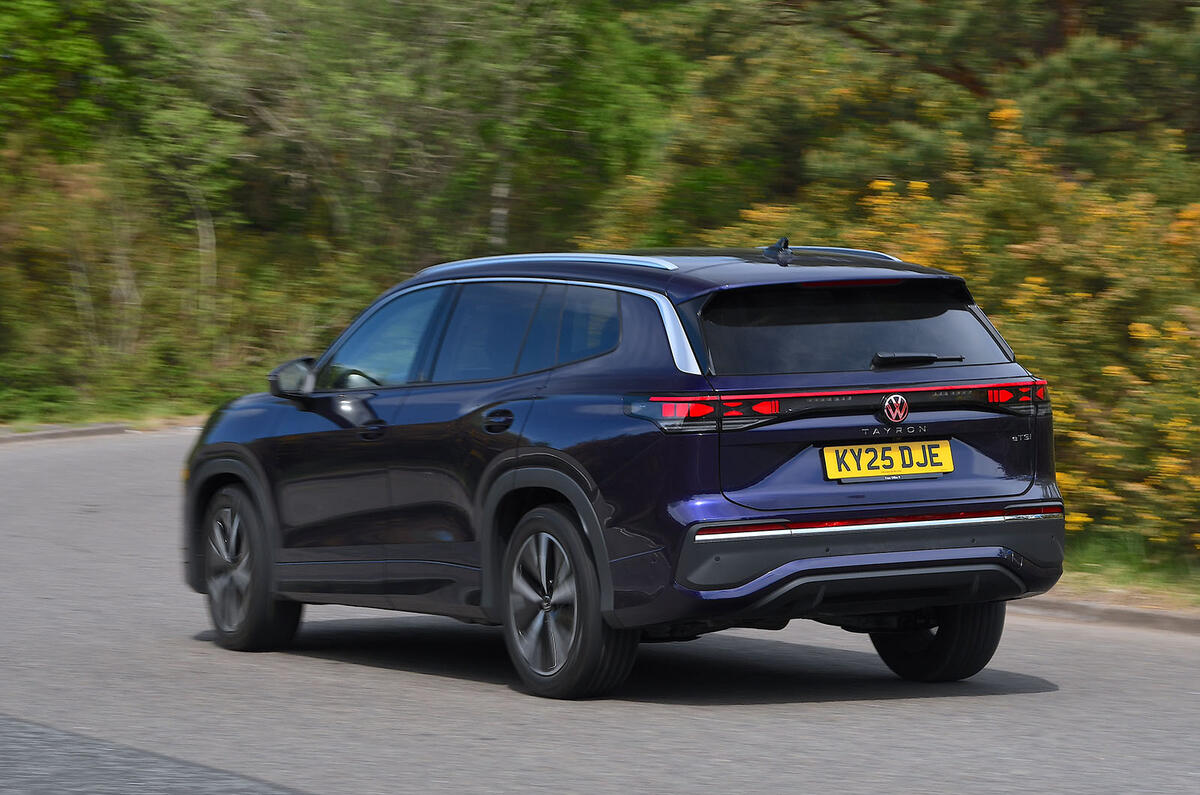
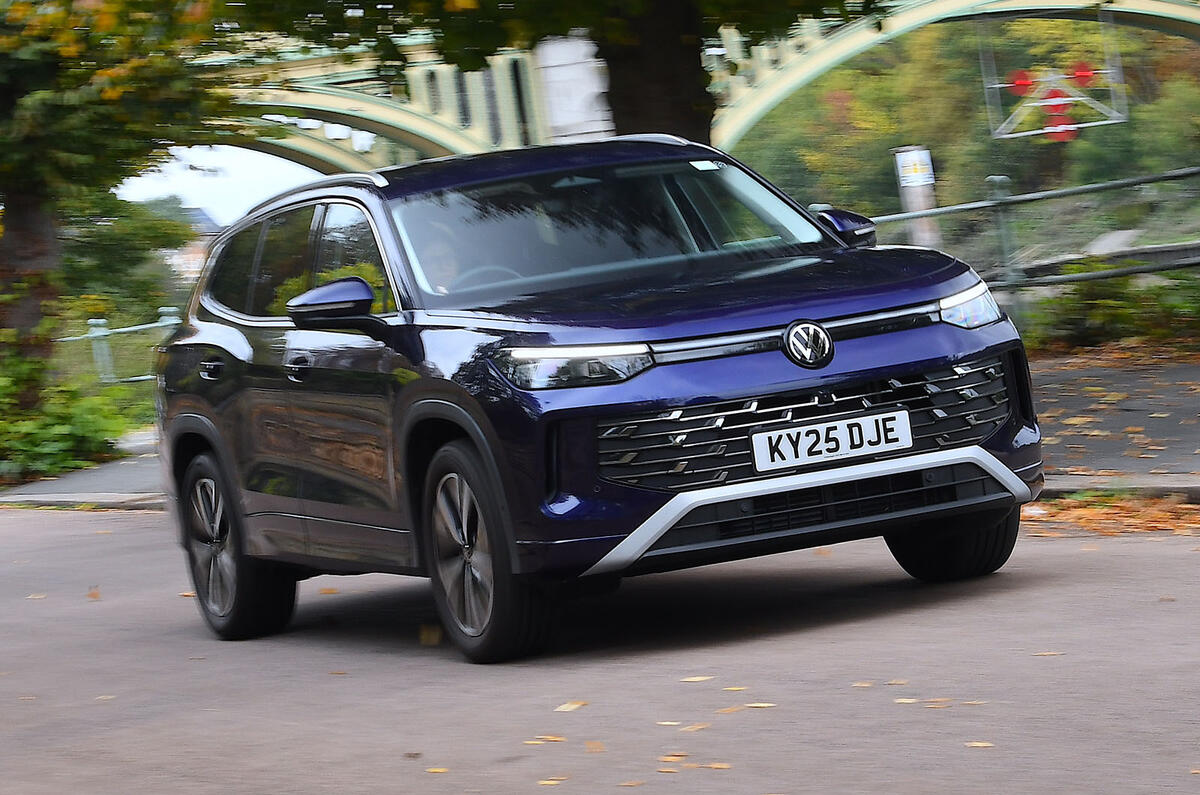
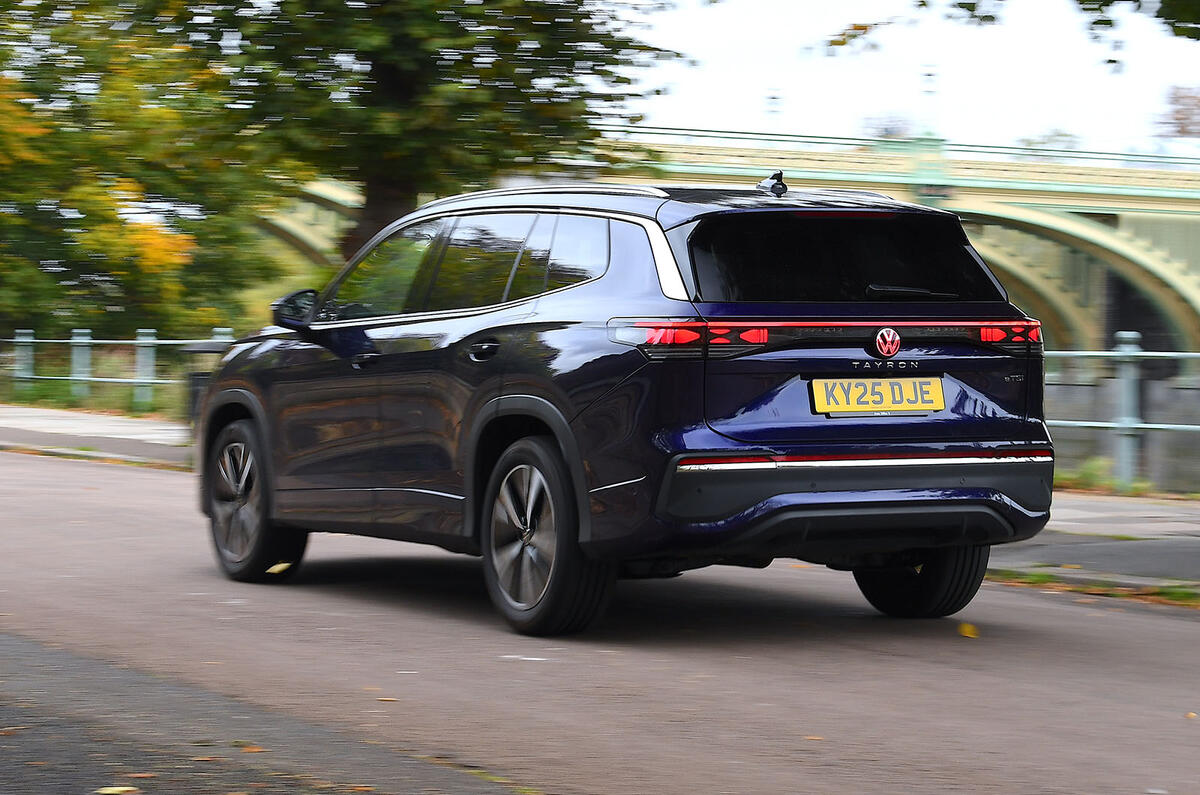
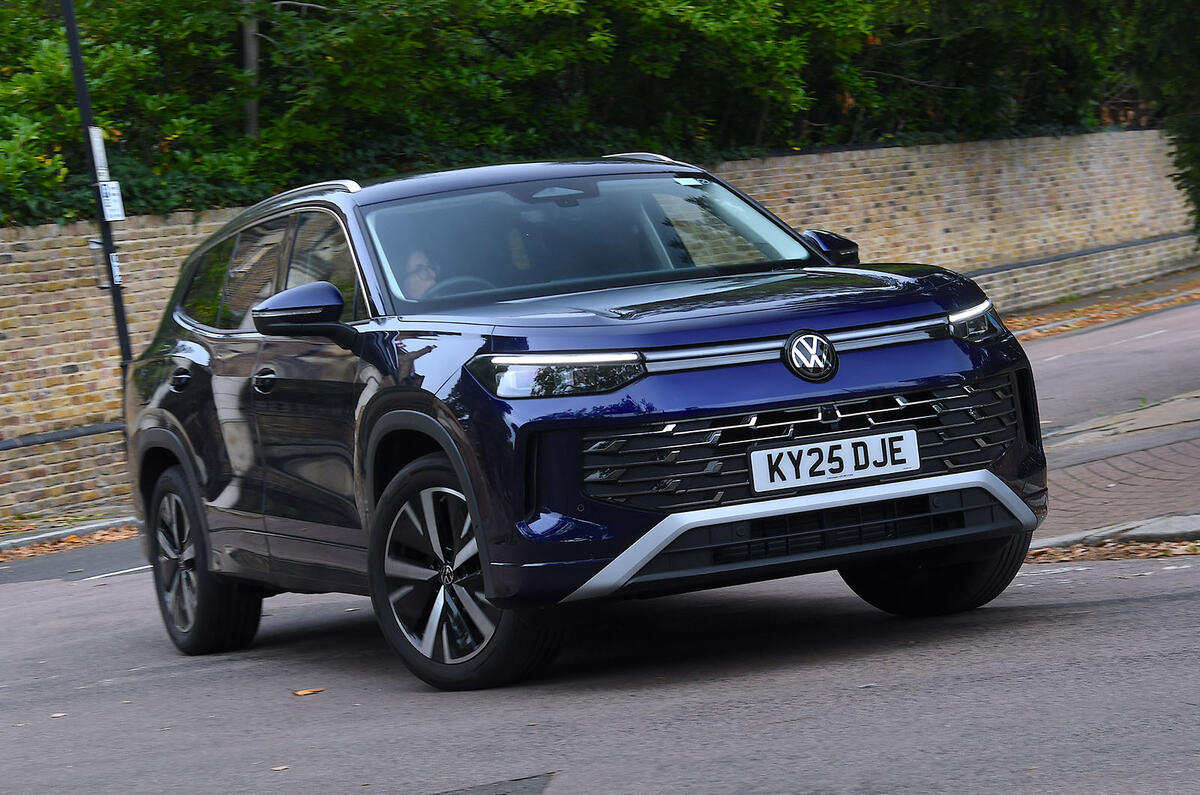
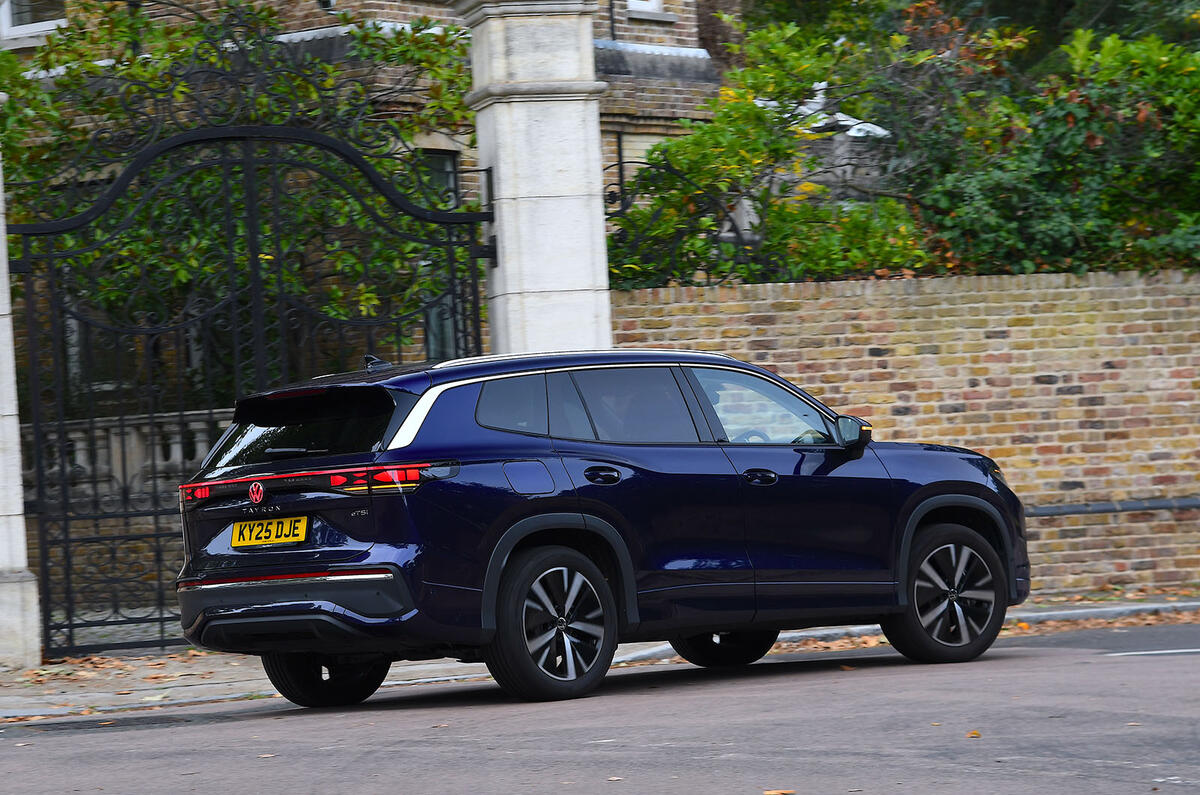
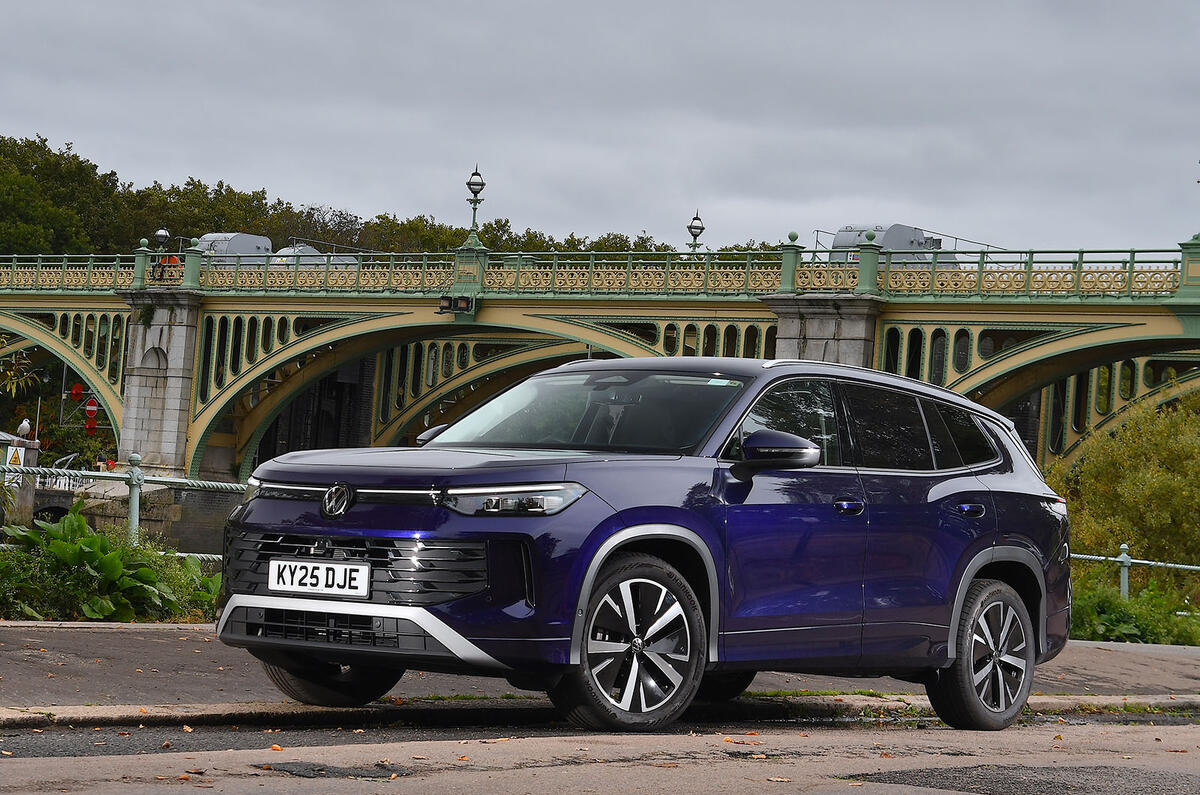
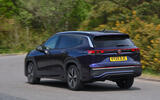
The Tayron becomes the biggest Volkswagen model to use the same MQB Evo platform as the Tiguan, and has remarkably similar styling, but Volkswagen claims it’s a unique car with no shared bodywork. Dimensionally, it's almost 4.8 metres in length, making it a nearer match for the larger Touareg than its more closely related sibling the Tiguan in terms of the amount of real estate it takes up either within a parking bay or parked at the kerbside.  That makes it a fraction longer than a Peugeot 5008, and longer still than a Skoda Kodiaq; but a little smaller than the likes of the Hyundai Santa Fe.

The powertrain range is one of the most versatile in the Volkswagen line-up. For petrol engines, there's a 1.5-litre mild-hybrid turbo four with 148bhp, and a 2.0-litre turbo four with either 201bhp or 262bhp - the bigger four-pots coming with 4Motion all-wheel drive.

Measuring 4792mm, the Tayron is about 25cm longer than the old Tiguan Allspace.

In other markets VW offers two diesels; but, in the UK, you can only buy the 148bhp front-wheel drive model. 

Finally, there are two front-driven PHEVs, with 201bhp and 268bhp respectively. They team a 1.5-litre petrol four-pot with a 113bhp electric motor in the six-speed dual-clutch automatic gearbox, and use a 19.7kWh (usable) drive battery for an electric-only range of more than 70 miles in some cases. The placement of the battery eliminates the option of seven seats in these models; otherwise, space for seven comes as standard on UK-market models.

INTERIOR

7
vw tayron 007

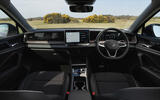
Although the Tayron feels typically solid, consisent and well-built inside, it’s not a haven of plush, luxurious materials.

Some softer plastics and richer fabrics are present on the doors and dashboard, but there are still a few too many glossy and scratchy surfaces throughout, and not quite enough premium materials to lift the ambience above that of the Tiguan. You get the feeling that Volkswagen didn’t want its newest SUV to cross over too much with the Touareg, the brand’s more expensive luxury flagship - and there's also VW's characteristic preference for functionality and understatement in its interiors to consider. The upshot is, other seven-seaters have a more upmarket cabin appeal.

More physical buttons wouldn’t go amiss, but the Tayron’s interior is certainly a more intuitive space than the Peugeot 5008’s.

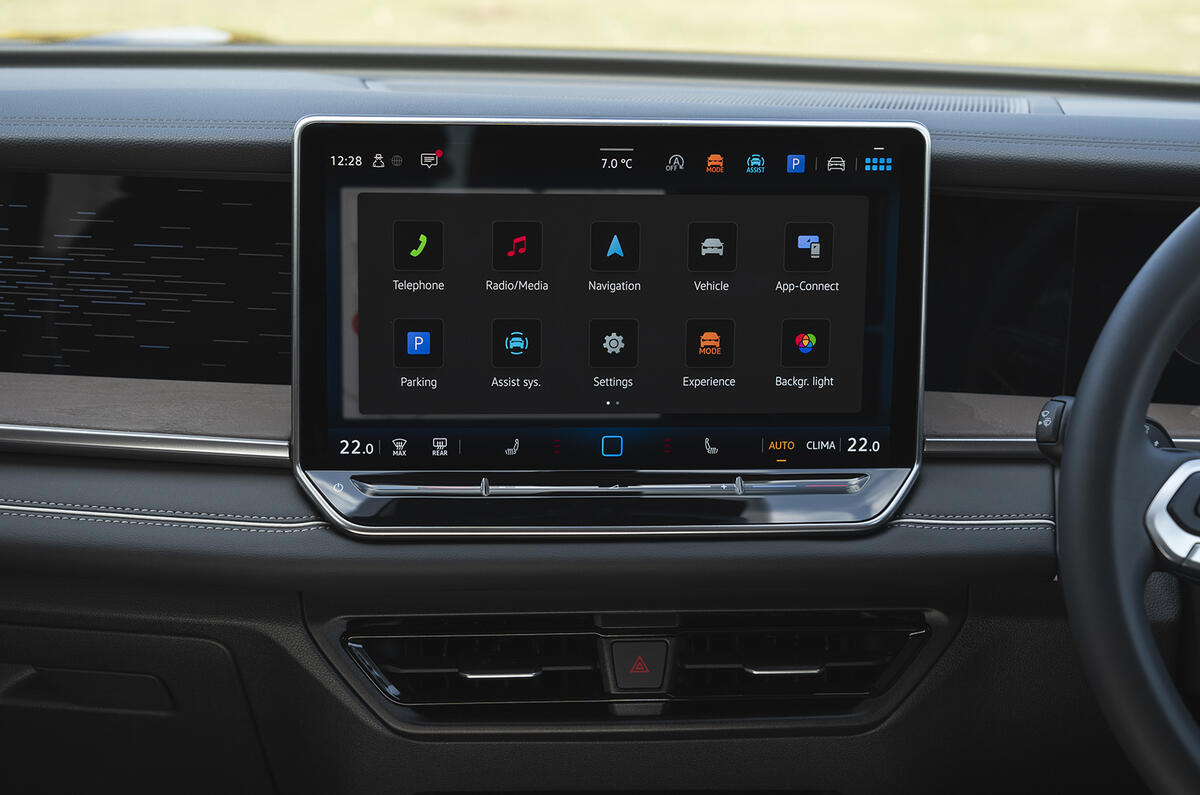
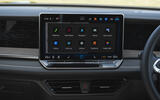
All Tayrons get a 12.9in digital display as standard, however, plus a 10.3in digital instrument screen. A larger, 15.0in infotainment display is available as part of the £1130 Infotainment Package Plus, which also adds a head-up display, several USB-C charging ports, and Volkswagen’s AI-powered voice assistant, Ida.

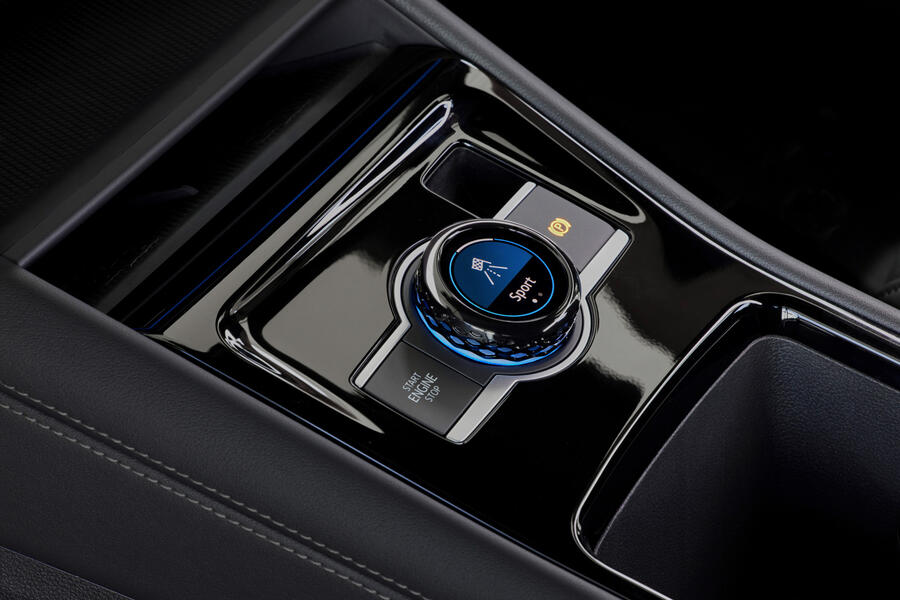
Volkswagen’s much-maligned climate control- and volume sliders are present, but they are at least backlit to make for easier night-time operation. There are just two physical buttons on the centre console: for starting and stopping the engine, and actuating the parking brake.

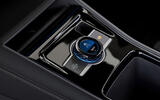
But Volkswagen has taken inspiration from Skoda with a new rotary dial that can be customised to control various functions, including the media, audio volume and drive mode. It doesn't transform the usability of the car's secondary control concept, which many will still consider fiddly and too reliant on the touchscreen; but evenso it works surprisingly well.

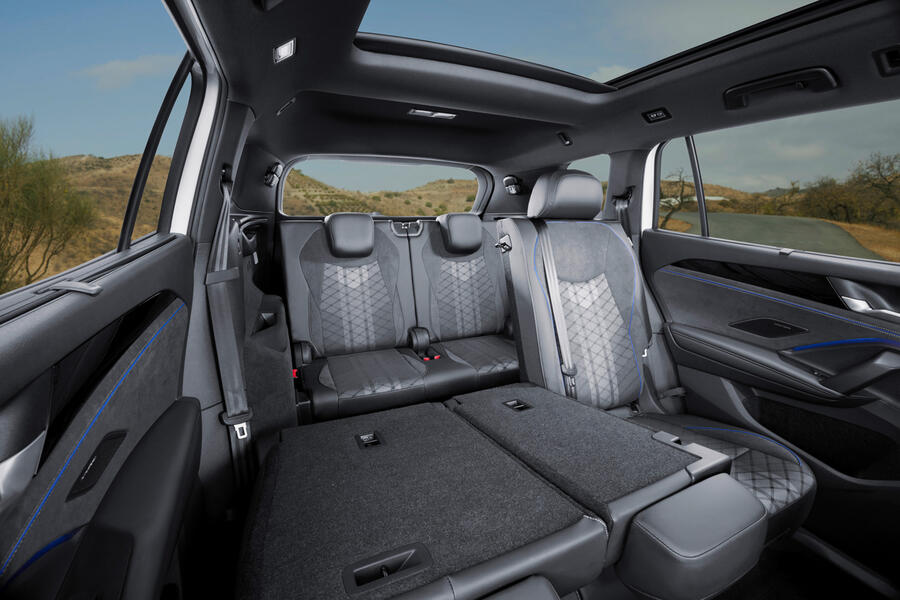
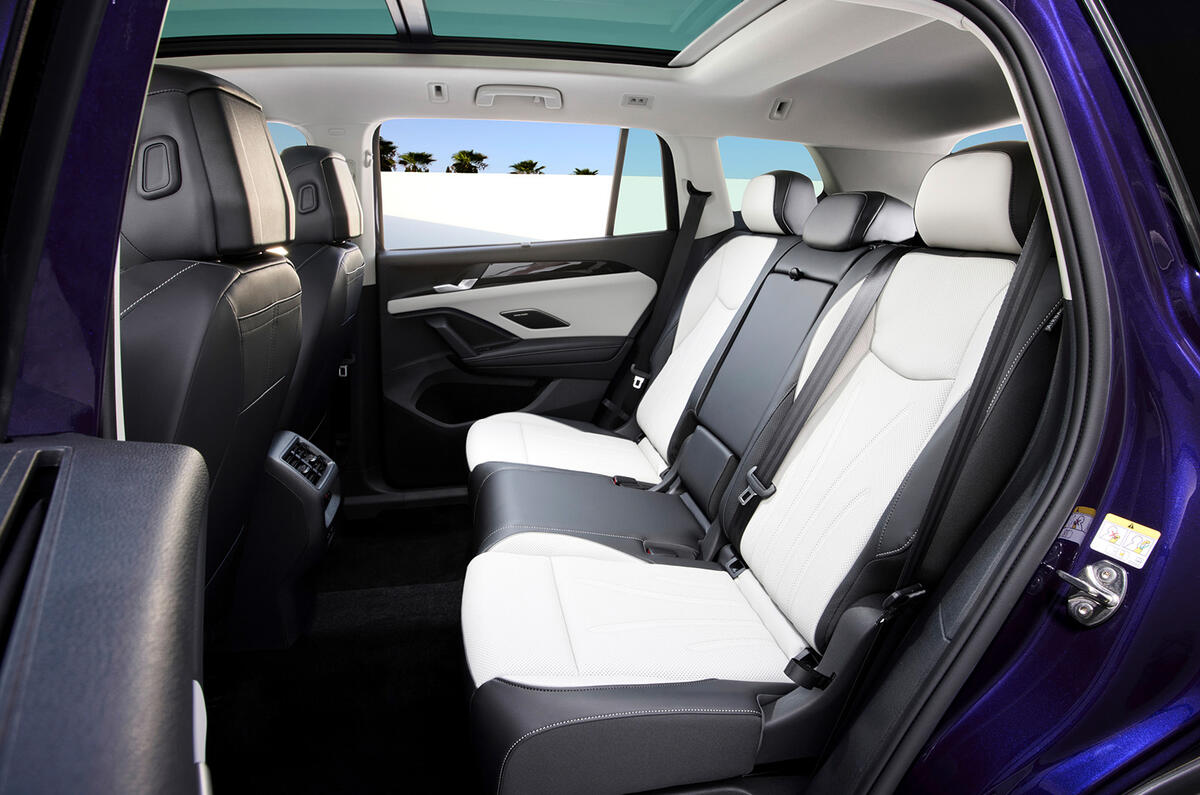
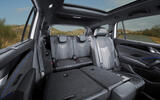
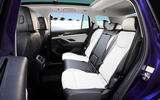
It’s spacious in the Tayron’s front two rows, with plenty of leg and head room. Comfort in the second row is enhanced by seats that slide and recline, plus numerous storage areas and cupholders; and there's room here even for taller adults to feel well catered for.

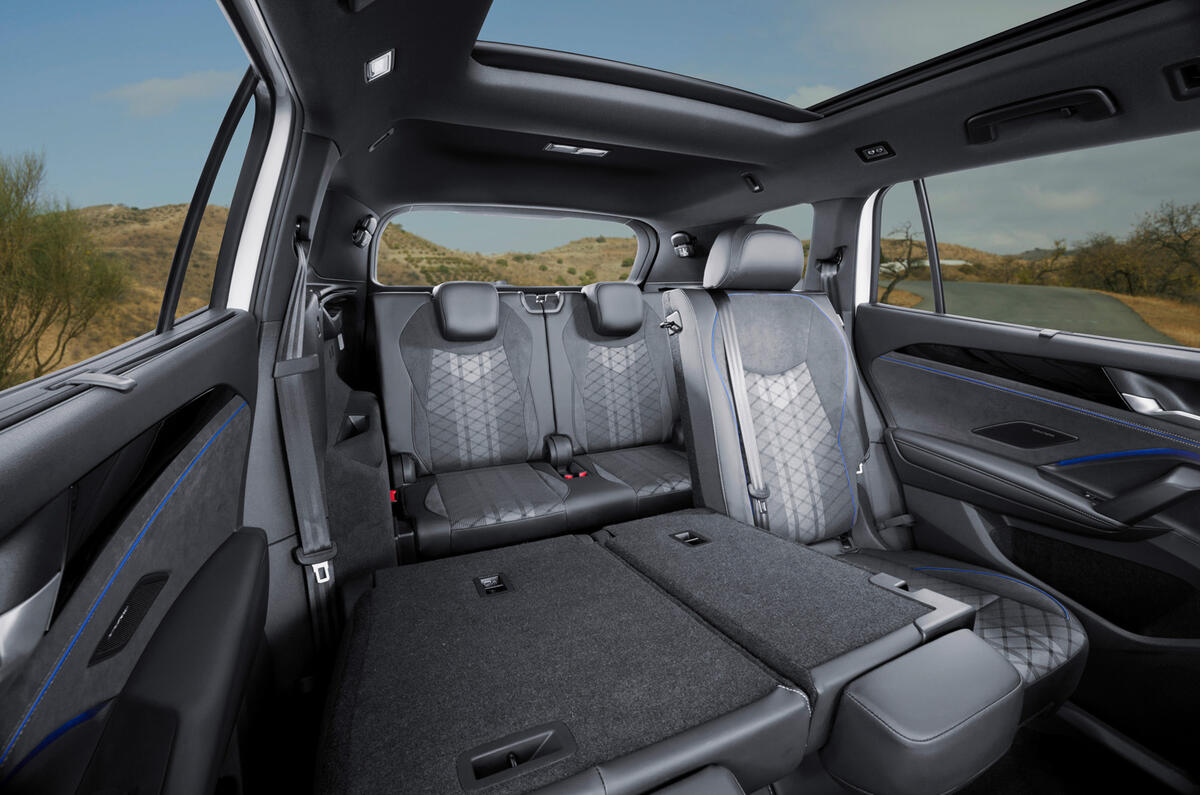
The third row is tighter than some, however; adults will struggle for comfort despite good access - although younger kids will manage fine. The more expensive Santa Fe’s third row is more spacious and provides far more amenities, like USB ports and climate vents.

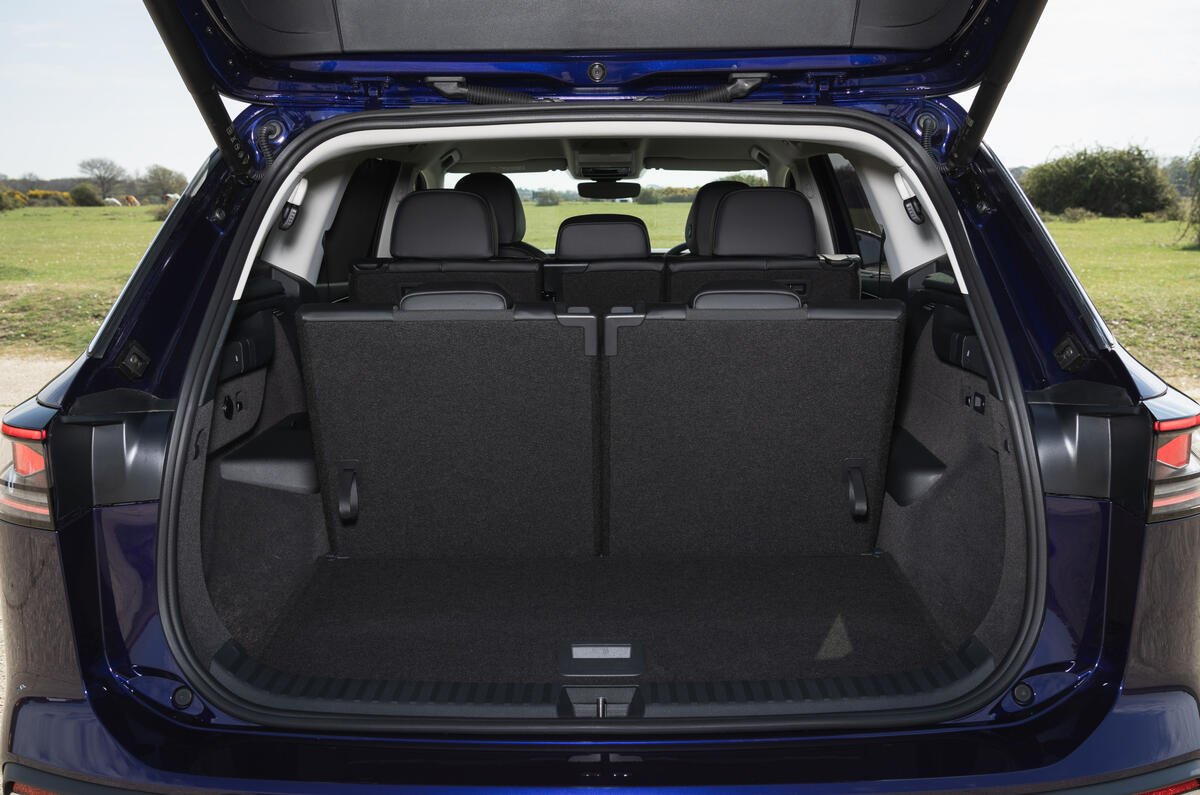
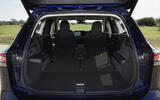
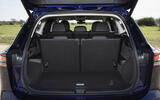
Boot space measures 885 litres in five-seat petrols and diesels, 850 litres in seven-seaters (or 345 litres with the third row in place), and 705 litres in the five-seat-only PHEVs. Even in the last of those cases, the available space is generous enough to swallow bulky cases and pushchairs easily, and VW provides useful amenities (a 12v power socket in the boot, for example) and storage cubbies besides. 

ENGINES & PERFORMANCE

8
VW Tayon eTSi LT  RB  2025 jb20251007 2063

The lower-powered Tayron eHybrid has a combined output of 201bhp. This may seem rather puny for a large, near-two-tonne SUV but, thanks to that electric motor, the Tayron sets off quietly and with decent urgency when you need it to; and with the engine and motor working together, it can go from 0-62mph in 8.6sec.

For comparison, the higher-powered PHEV will do 0-62mph in 7.3sec, the 1.5 eTSI in 9.4sec, and the FWD 2.0 TDI in 9.7sec; while the punchier 2.0 TSI 4Motion is by far the quickest, needing just 6.1sec.

The PHEVs are appealingly effortless to drive – as long as you keep their batteries topped up (which DC rapid charging at up to 40kW makes it pretty easy to do).

In hybrid mode, with a charged battery, the PHEV is smooth and refined, alternating between petrol and electric power seamlessly. It has intuitive pedal calibration, so the powertrain doesn't feel mannered, or seem to require any particular driving techniques. The car's gear shifter paddles don't double up to control battery regen, as some rivals do; but, given how mild trailing-throttle regen is and how progressively the brake pedal allows you to feed in brake regen as you slow, you don't really need them to.

The car doesn't have abundant electric-only performance, but there's enough to easily keep the piston engine shut down in give-and-take motoring below 40mph. Out of town, the car's 1.5-litre petrol engine does need to wake up to make the car accelerate with any ugency - but that happens mildly and discreetly enough. The engine can sound coarse under harder acceleration, but even so it’s typically still quieter than the diesel and petrol cars that we've tested; plus it’s no more unpleasant than a Hyundai Santa Fe PHEV, and seems to offer more electric-only performance and usability.

The mildly hybridised 1.5-litre four-cylinder petrol engine has a useful slug of low-rpm torque, but sounds strained when worked hard, which is something it will need to do when the Tayron is loaded with people and luggage. With 148bhp and 184lb ft, this unit is just about the bare minimum you can get away with a car of this size, although the slick DSG automatic gearbox helps make the most of the available urge. It does lack much of a sense power in reserve, and is a powertrain we'd advise you avoid.

RIDE & HANDLING

8
VW Tayon eTSi LT  RB  2025 jb20251007 2068

Like the closely related Skoda Kodiaq, the Tayron is based on the Volkswagen Group's latest MQB Evo platform, which results in a pleasingly fluid feel to the ride and handling, despite the car's tape-stretching exterior dimensions. As a result, the Tayron is tidy and precise in the corners, even if it lacks any inspiring dynamism.

Our PHEV was fitted with the optional 'DCC Pro' two-valve adaptive dampers, making a noticeable difference in ride comfort compared with the other Tayrons we tested. It felt supple but only a little bit wafty in its softest mode, making light work of speed bumps and potholes; although the 20in wheels of R Line trim should be avoided if you want top-level ride comfort from the car, which tend to clunk and thump a little over sharp edges.

It's a shame the acoustic glass is an optional extra.

Another key option on our PHEV test car was acoustic glass, which quietened the cabin and helped to eliminate wind and road noise with great success. In typical moderate cruising, the Tayron is an impressively refined SUV.

With its 216kg relative weight saving compared with the PHEVs, the mild-hybrid petrol feels a little lighter on its feet, with just a fraction less laziness in direction changes. The steering is more calmly paced on lower-order models (R Line versions have variable-ration progressive steering) but still feels decently weighted, while fairly taut body control (with either the optional DCC adaptive dampers, or standard passive set-up) means the Tayron has a more tied down feel about its body control than some alternatives, although it stops short of any particularly agile handling impression.

The car's ADAS systems, meanwhile, seem well-tuned and broadly unintrusive; and the ones you do feel inclined to turn off are fairly easy to reach, via a dedicated shortcut permanently displayed on the upper margin of the infotainment display. Our test car came with VW's Technology Pack, and so featured matrix LED headlights with several advertised 'projection' functions; although these amounted to little of transformative use during night-time driving. The way the headlights help to acknowledge the detected margins of your motorway lane, and those of the one you may be about to move into as you indicate, is a neat idea; and ditto the particular path you're steering within that lane. But neither contributes a great deal to the driving experience overall.

MPG & RUNNING COSTS

8
VW Tayron 2025 jb20250501 9431

The Tayron looks fairly good value on paper. The entry-rung Life model, offered only as a 1.5 eTSI, is priced at under £42,000 in the UK, while the cheapest Santa Fe currently available to order is more than £48,000. The Nissan X-Trail is cheaper still, though, starting at around £36,000; and other seven-seat rivals are on the market for under £40k.

If you're willing to sacrifice that third row of seats, the PHEV has that seriously impressive electric range to consider. Volkswagen claims it will exceed 70 miles in the best conditions – but of course it's down to you to keep its battery charged. Our test car returned less than claimed; close to 60 miles of EV running in fairly typical UK conditions, dropping to under 50- in very wintery weather. Out-of-town EV running at higher speeds adversely affects real-world electric range also.

The real-world electric range of the PHEV will cover most people's commutes.

Even so, that's enough zero-emissions to make big running-cost savings for those who can charge regularly, and cost-effectively - and who do plenty of short-hop motoring. Topping an aggregated 100mpg - the sort of economy that might cut visits to the petrol station to a once-monthly affair - is easily done. But the flipside of the PHEV coin is range-extended motorway economy of only about 40mpg; and a fuel tank of 45 litres. A 2.0-litre diesel might still be a more frugal choice, then, for motorway regulars who would struggle to charge.

VERDICT

8
VW Tayon eTSi LT  RB  2025 jb20251007 2084

The Volkswagen Tayron has a slightly unusual but broadly convincing set of attributes for a seven-seat SUV. It’s a contender for best-in-class status as a car to drive, and both comfortable and refined when fitted with the adaptive dampers; although it offers less space and creature comforts in the third row than some of its competitors, and while perceived cabin quality is reasonable, it’s not a standout feature.

Meanwhile, the PHEV’s electric-only range is twice as long as that of the equivalent Santa Fe or Kia Sorento – but those riavls are PHEVs that keep their third rows of seats (as, for that matter, is a Chery Tiggo 9, for those who'd consider a relatively unknown Chinese option); and the fact that the Tayron doesn't is an unignorable limitation on its appeal.

The diesel is a bit of an unsung hero: it's economical yet also punchy, and it keeps all seven seats too.

Prioritising driving dynamics and PHEV credentials, the Tayron feels like the large SUV for the driver who needs lots of space only occasionally. With many rivals vying for success in slightly different ways, it’s good to have a niche.

However, if you're a private buyer and don't need the tax-saving PHEV drivetrain, then the 2.0 TSI and TDI versions are fractionally more dynamic to drive - the 4Motion petrols, particularly - and have the added bonus of those extra rear seats.

James Disdale

James Disdale
Title: Special correspondent

James is a special correspondent for Autocar, which means he turns his hand to pretty much anything, including delivering first drive verdicts, gathering together group tests, formulating features and keeping Autocar.co.uk topped-up with the latest news and reviews. He also co-hosts the odd podcast and occasional video with Autocar’s esteemed Editor-at-large, Matt Prior.

For more than a decade and a half James has been writing about cars, in which time he has driven pretty much everything from humble hatchbacks to the highest of high performance machines. Having started his automotive career on, ahem, another weekly automotive magazine, he rose through the ranks and spent many years running that title’s road test desk. This was followed by a stint doing the same job for monthly title, evo, before starting a freelance career in 2019. The less said about his wilderness, post-university years selling mobile phones and insurance, the better.

Matt Saunders

Matt Saunders Autocar
Title: Road test editor

As Autocar’s chief car tester and reviewer, it’s Matt’s job to ensure the quality, objectivity, relevance and rigour of the entirety of Autocar’s reviews output, as well contributing a great many detailed road tests, group tests and drive reviews himself.

Matt has been an Autocar staffer since the autumn of 2003, and has been lucky enough to work alongside some of the magazine’s best-known writers and contributors over that time. He served as staff writer, features editor, assistant editor and digital editor, before joining the road test desk in 2011.

Since then he’s driven, measured, lap-timed, figured, and reported on cars as varied as the Bugatti Veyron, Rolls-Royce PhantomTesla RoadsterAriel Hipercar, Tata Nano, McLaren SennaRenault Twizy and Toyota Mirai. Among his wider personal highlights of the job have been covering Sebastien Loeb’s record-breaking run at Pikes Peak in 2013; doing 190mph on derestricted German autobahn in a Brabus Rocket; and driving McLaren’s legendary ‘XP5’ F1 prototype. His own car is a trusty Mazda CX-5.