


The top speed of the fastest operational fighter was less than 360 mph when the war started.
By 1945, this had increased by an astonishing 300mph. Knowing that ‘speed was life’, some designers packed ever larger piston engines into ever-elongating airframes, while others embraced exotic new propulsion systems like the jet and the rocket. Air combat grew faster, higher and more destructive with ever-swifter fighters. Here are 10 of the Fastest Warplanes of the Second World War:
10: North American P-51 Mustang – 450mph
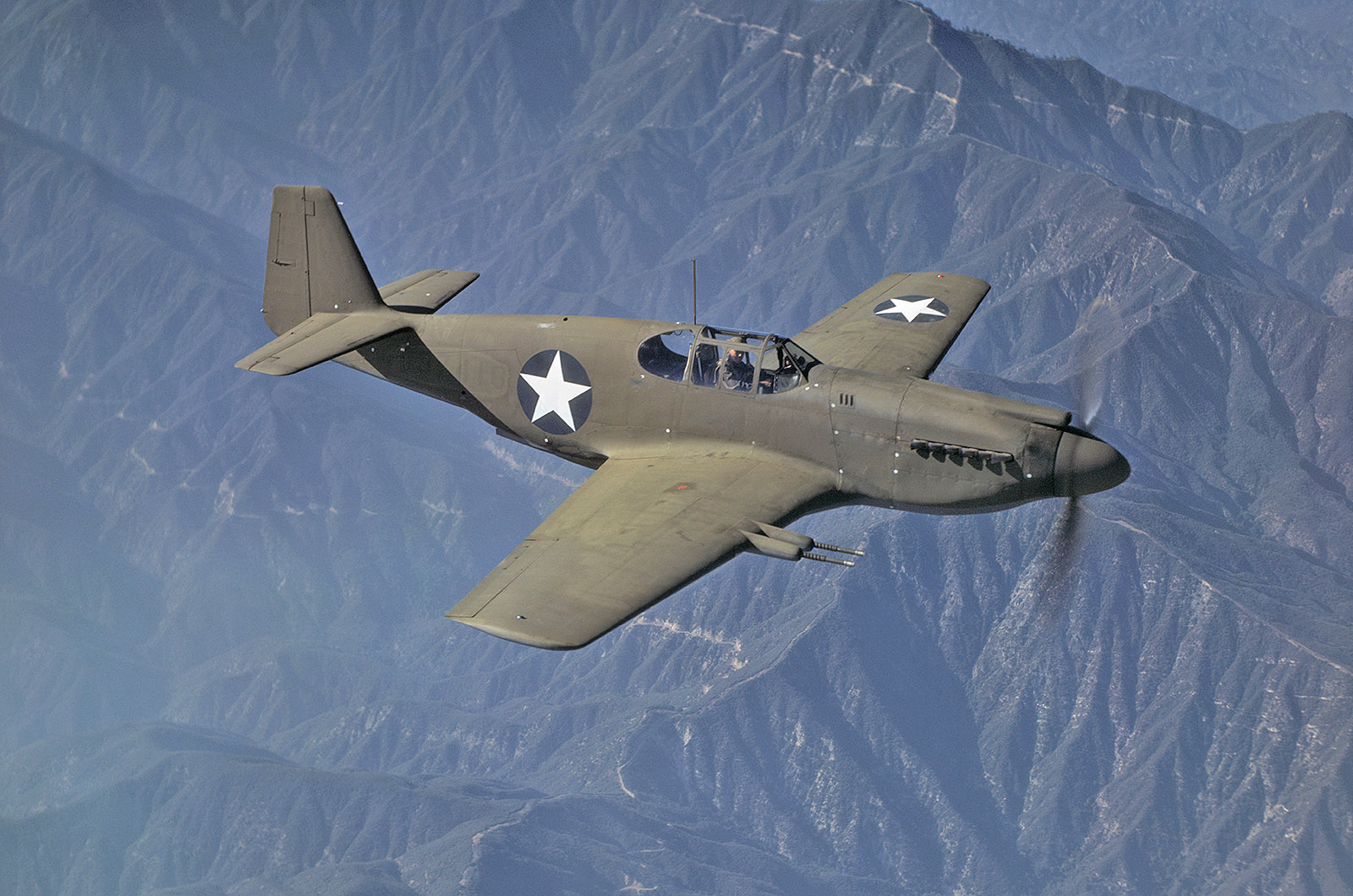
Everyone’s been going on for years and years about how incredibly fantastic the Mustang was, but this tends to distract from what actually made it such a remarkable aircraft. It’s worth remembering that it wasn’t supposed to have existed at all, and came about solely because North American Aviation didn’t particularly want to build Curtiss-designed P-40s for the British.
Even then, the Mustang would have been a competent but hardly spectacular improvement on the Curtiss fighter had not some bright spark suggested fitting it with a Rolls-Royce V12 Merlin engine (curiously, this step was taken independently yet almost simultaneously by North American in the US and Rolls-Royce in the UK).
10: North American P-51 Mustang – 450mph

Nonetheless, many pilots were initially less than impressed, citing the finer flying characteristics of the Spitfire and the better build quality of the Republic P-47. But the Mustang was at least as good a fighter as either and could fly to Berlin and back. ‘When I saw those Mustangs over Berlin, I knew that the war was lost,’ said Hermann Göring, and he was right.
Whether or not it was the best fighter of the war, the Mustang remains the standard against which all other hopefuls are judged. The P-51C was tested at over 450mph during the war, making it one of the few piston-engine types to reach this great speed. Later both the P-51H and P-82 Twin Mustang would go faster still.
9: Martin Baker MB5 – 460mph
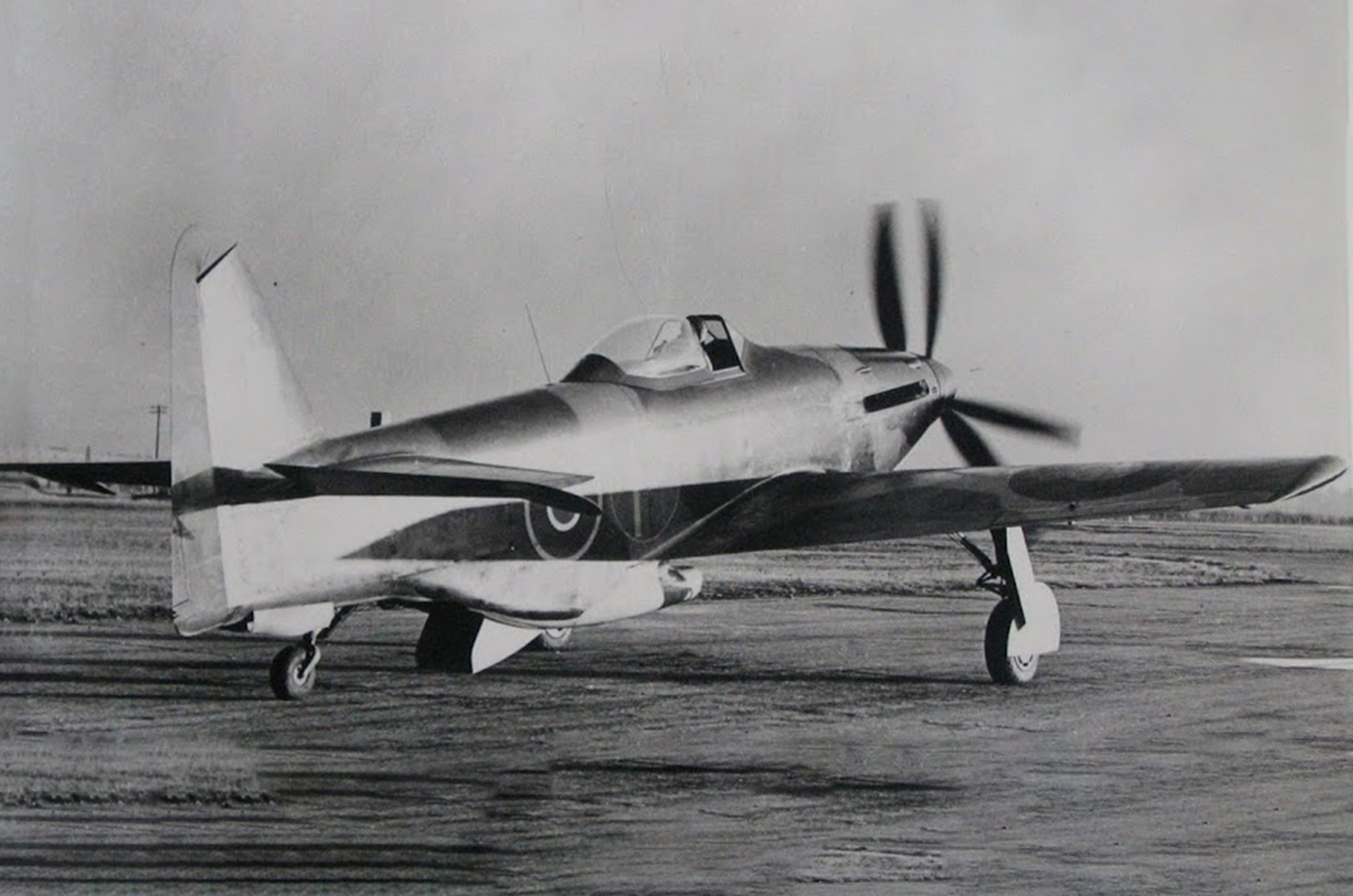
Despite the crash of the MB3 in 1942 due to the failure of its Napier Sabre engine, it was apparent that the plane was worthy of further development. Martin Baker proposed a Rolls-Royce Griffon-powered version, the MB4, but a more thorough redesign was favoured by the Air Ministry, and the MB5 was the result.
A fair contender for the best British piston-engine fighter ever flown, the MB5 was well armed (though with the less-impressive total of four, rather than six, cannon), very fast, and as easy to maintain as its predecessor. Flight trials proved it to be truly exceptional, with a top speed of 460 mph (740 km/h), brisk acceleration and docile handling. Its cockpit layout set a gold standard that Boscombe Down recommended should be followed by all piston-engine fighters.
9: Martin Baker MB5 – 460mph
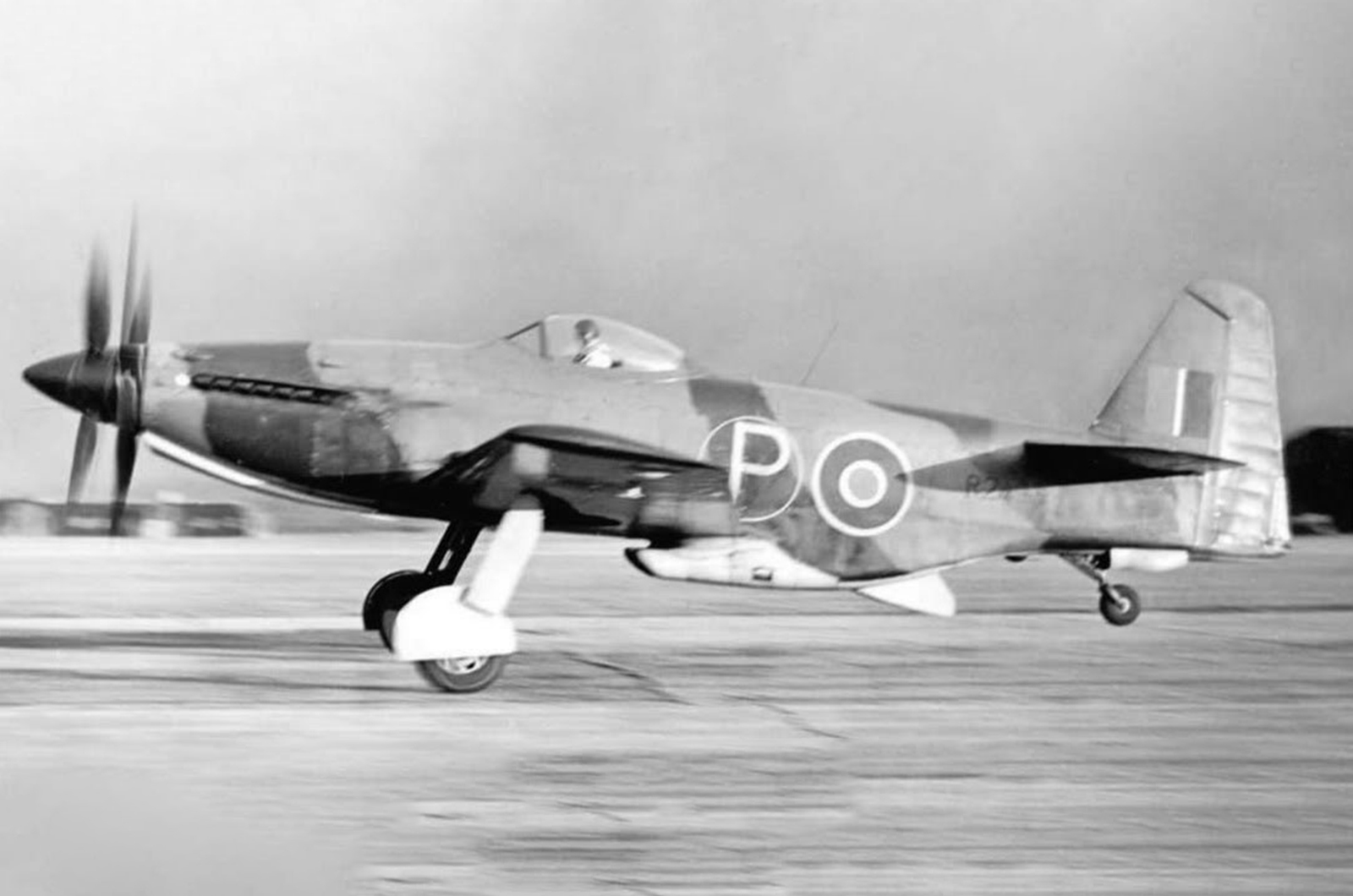
The only thing the MB5 lacked was good timing. It first flew two weeks before the Allied invasion of Normandy. Appearing at the birth of the jet age, with readily available Spitfires and Tempests, both of which were themselves excellent fighters, there was never a particularly compelling case for producing the slightly better MB5.
Though never ordered, the MB5 was highly impressive: with better range and armament than any Spitfire version; slightly higher top speed, better range and better ceiling than a Sea Fury; better manoeuvrability than a Hornet, and it was also cheaper and flew earlier. It shares this position in our story with the Arado 234 jet bomber, which had a top speed of 461mph.




Add your comment