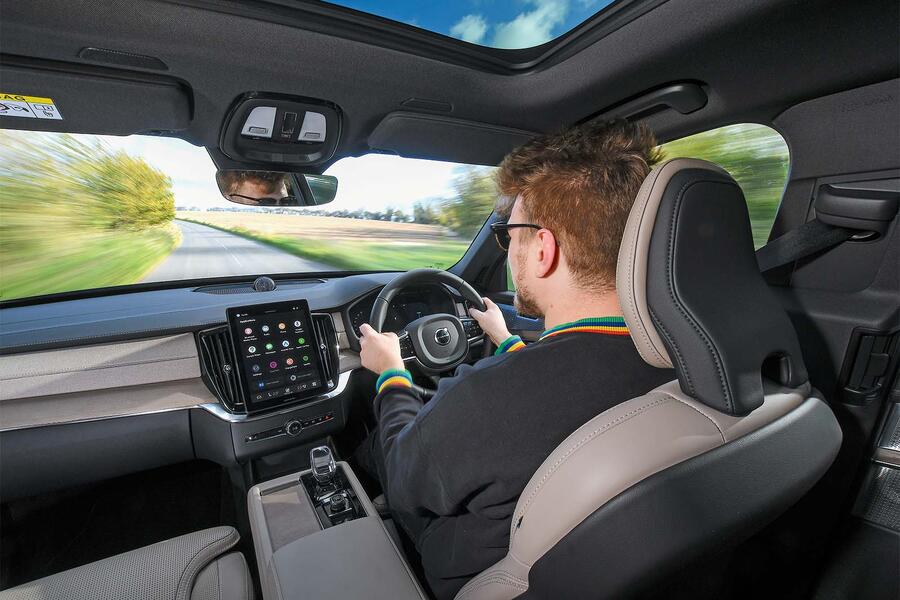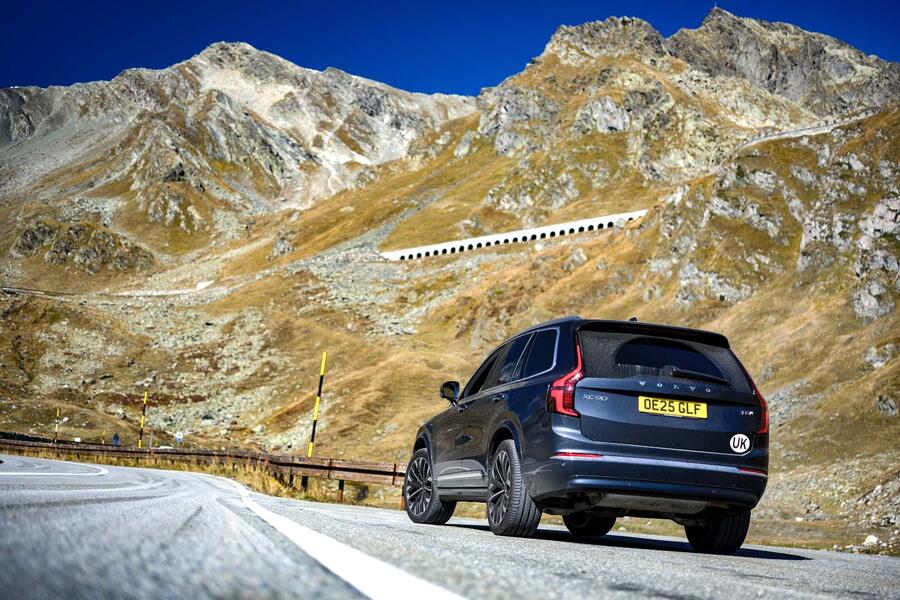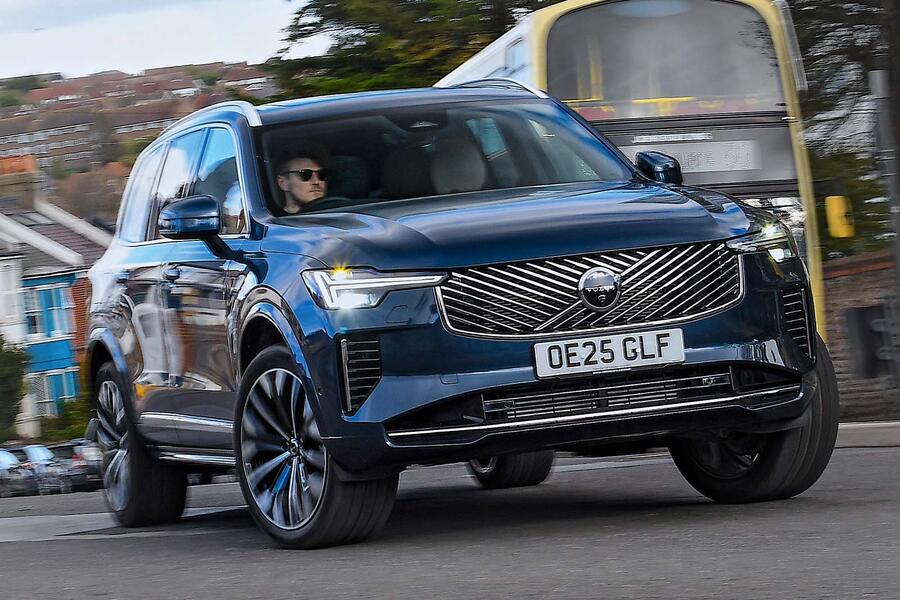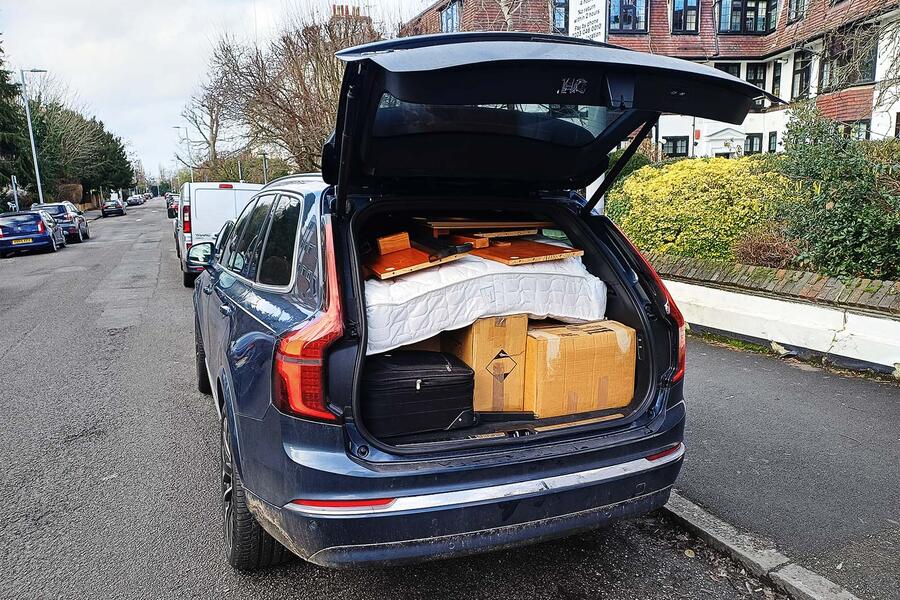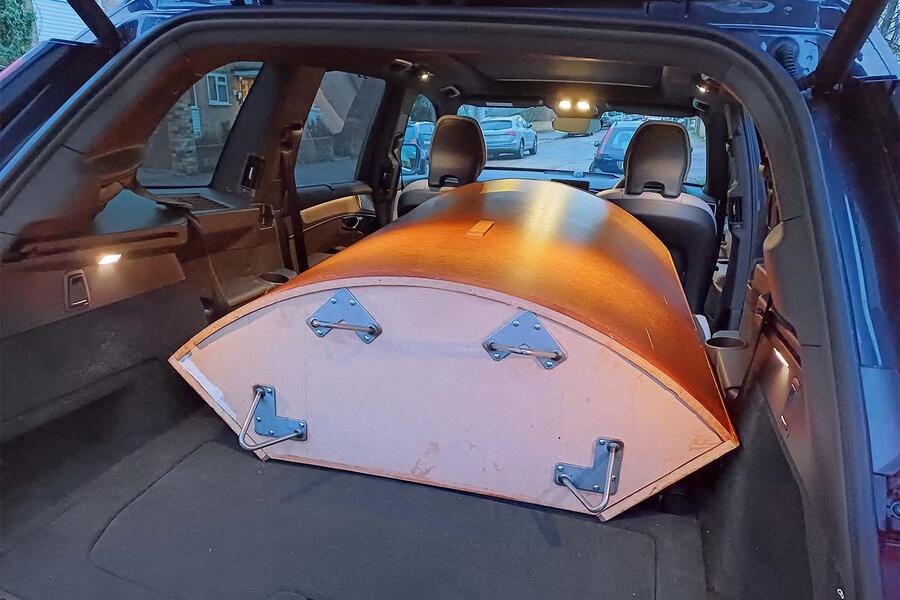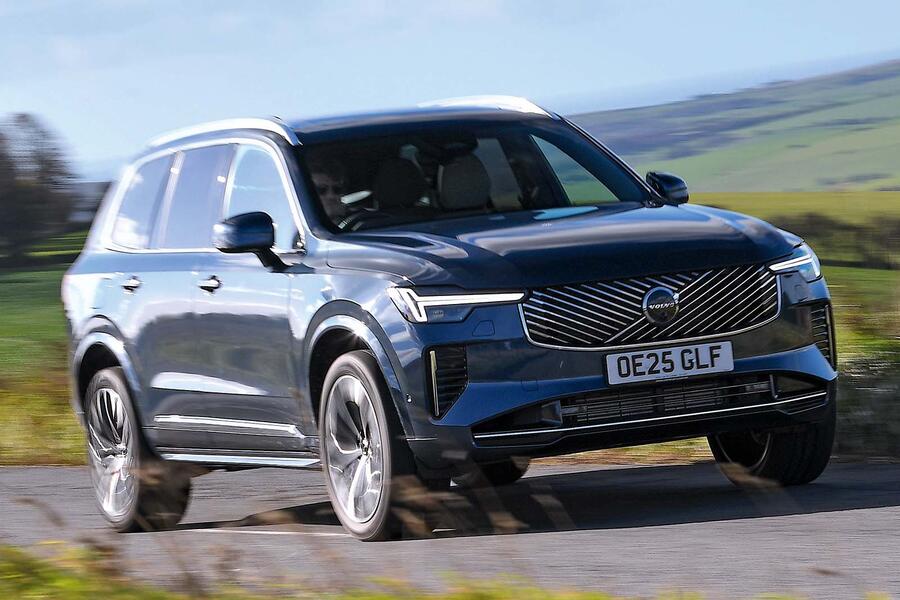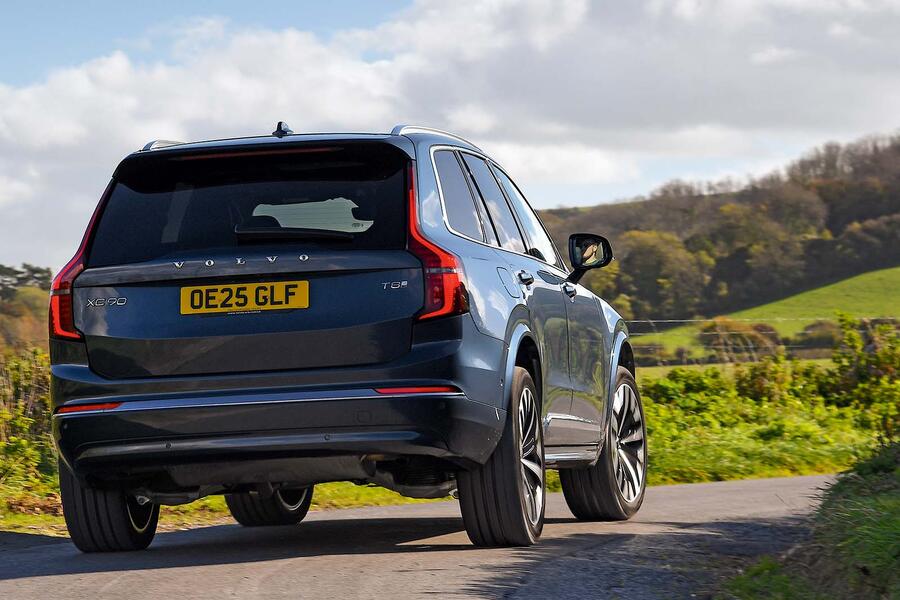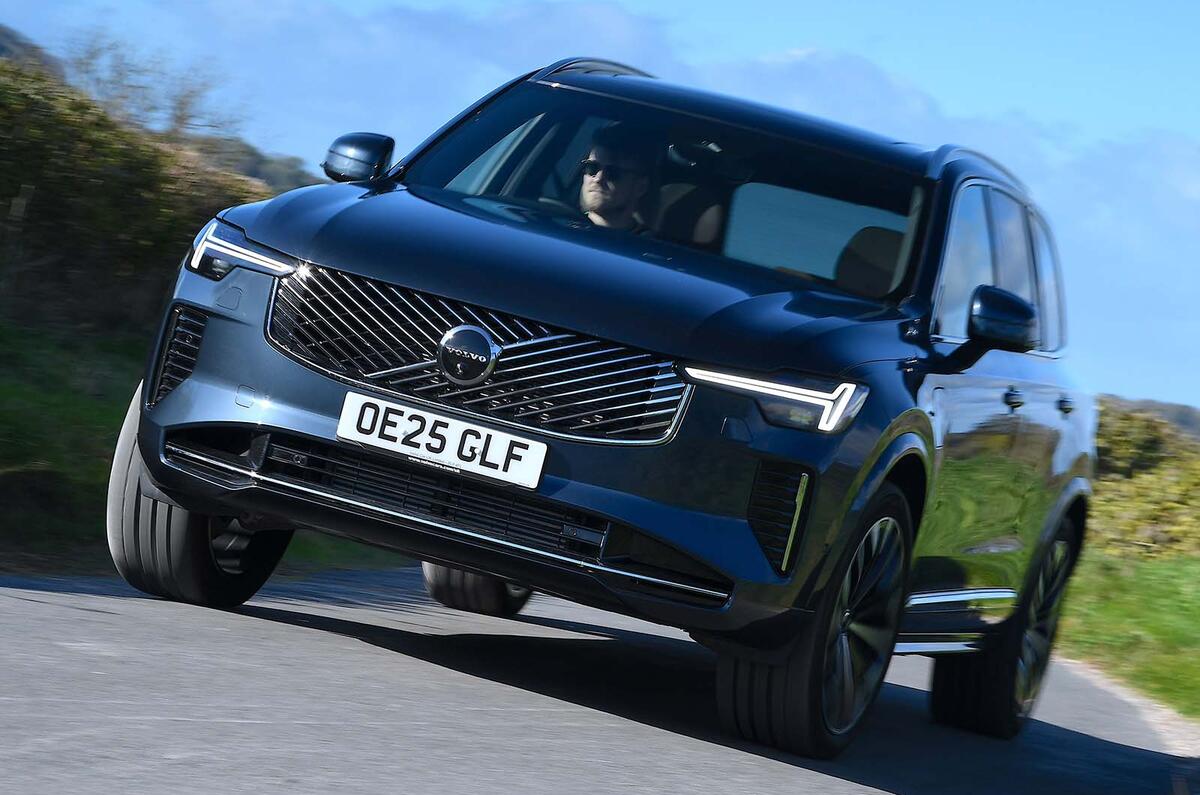

I’ve said an awkward ‘sayonara’ to one seven-seat plug-in hybrid SUV and an enthusiastic ‘hej’ to another one, these two being the fresh but underwhelming Mazda CX–80 and the decade-old yet still entirely relevant Volvo XC90.
The big Swede recently underwent a second facelift–but thankfully this surgery hasn't had the alarming result often seen on Graham Norton's couch, instead being subtle and very sympathetic to the handsome original design that so contributed to this car's remarkable popularity.
It has also noticeably slimmed down, shedding its B6 petrol and B5 diesel engine options, while lightly updating the B5 mild-hybrid four-cylinder petrol and the T8 PHEV, both of which come exclusively with four-wheel drive. Perhaps surprisingly, considering the ongoing plug-in hybrid renaissance, the T8's battery has been left at just 14.7kWh, providing an electric-only range of 43 miles.
Then again, such EV capability still means it's green enough in Westminster's eyes to attract just 9% company car tax. That battery feeds a 143bhp permanent magnet synchronous motor that works in conjunction with a 306bhp turbocharged four-cylinder petrol engine. As with the CX–80 PHEV, I've already found the combination can be incongruously accelerative if asked to be.
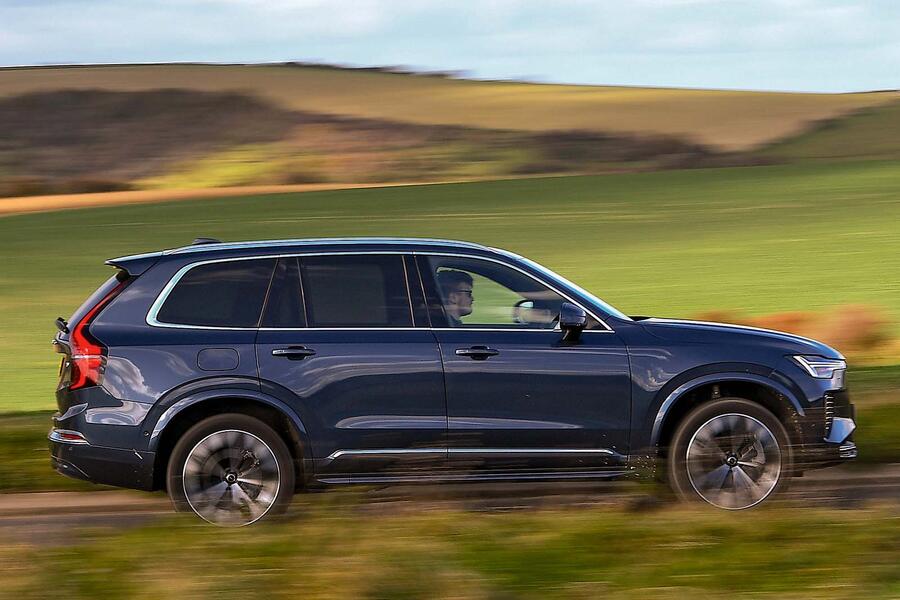
One significant change that Volvo has made is to the suspension: a new double-wishbone arrangement up front, an integral link at the rear and frequency-selective damping are claimed to make this already comfort-biased car even comfier.
Extra soundproofing measures now feature as well. However, my XC90 is in range-topping Ultra trim and therefore has swapped the standard springs for active air suspension that scans the road and reacts accordingly up to 500 times per second.