









From £18,9709

MPV and SUV tropes fuse with a compact seven-seater of likeably humble aspect

The Dacia Jogger touched down in 2021 as the successor to the largely ignored Logan MCV, and when we first road tested this curious crossover-estate the following year, praise flowed.

Dacia had shown “great design” along with “outstanding product positioning”, and to top it all off the asking price beggared belief in light of the capacious dimensions. It was a basic car and underpowered, but at £16,000 nobody was complaining and Joggers could soon be seen on street corners countrywide.

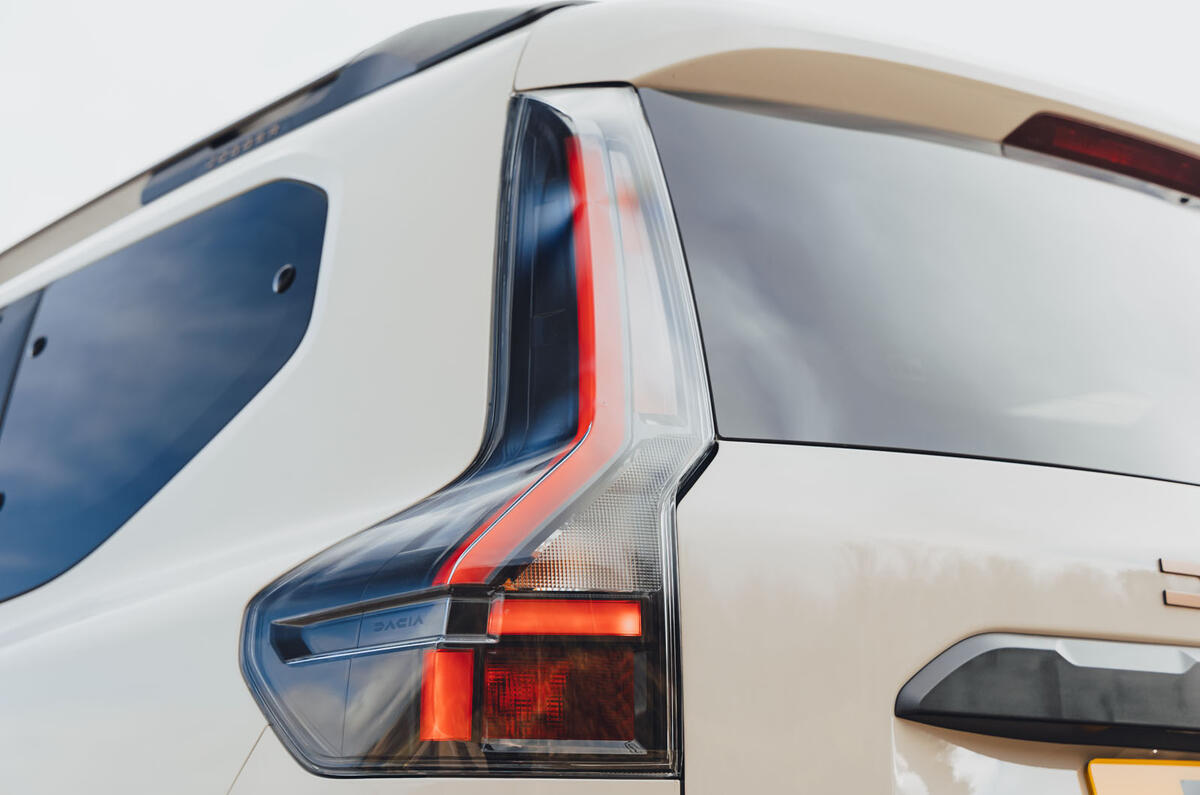
In the years since, Dacia has tweaked styling details, new trim elements have been announced and EU GSR2-compliant ADAS has been integrated, but only recently has the Jogger undergone what could justifiably be called a facelift.

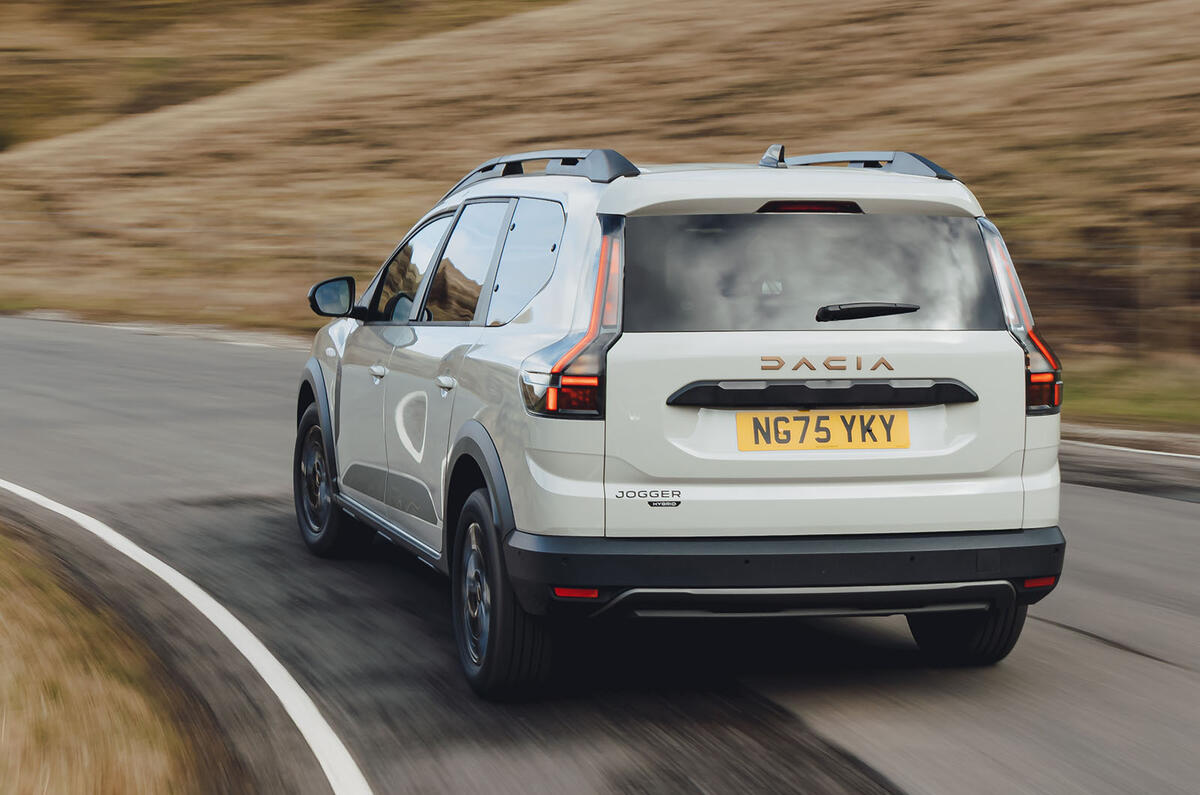
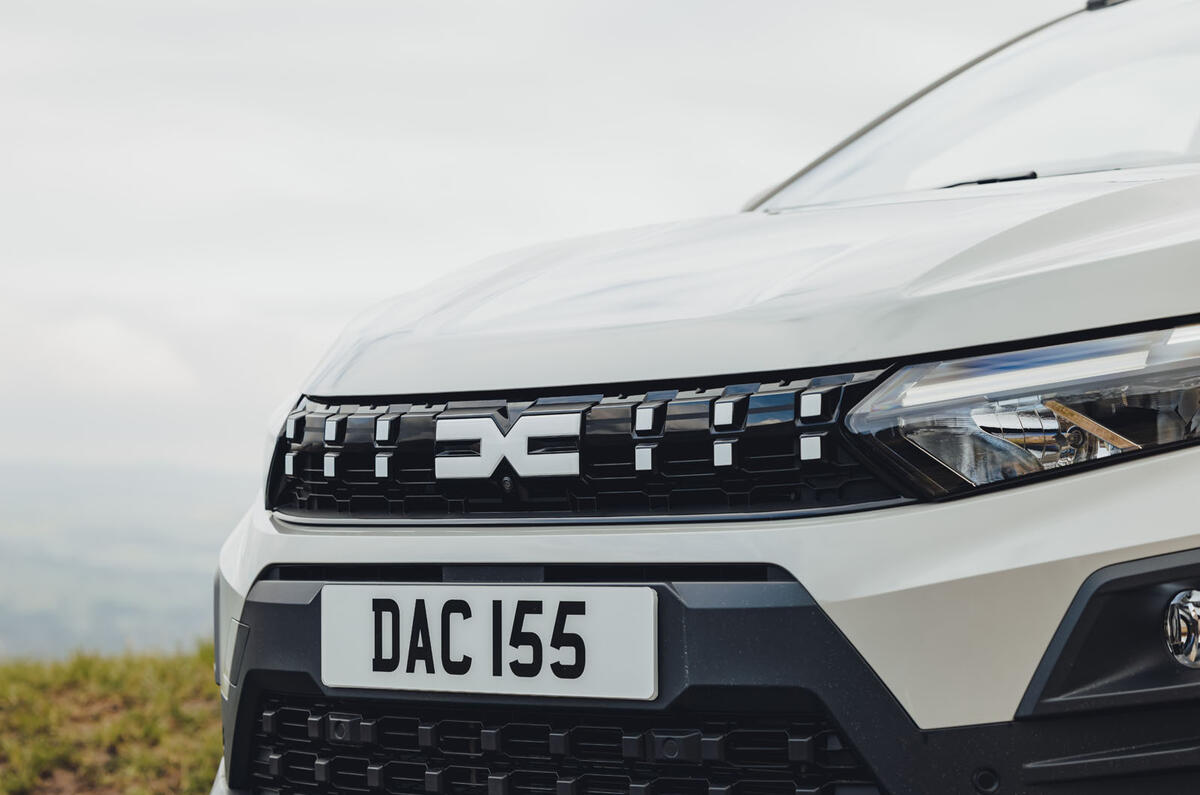
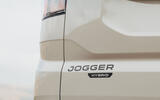
There’s nothing here that screams ‘new car’, but the subtle design revisions are numerous enough to keep the Jogger looking sharp in 2026. There’s also a new powertrain option, which brings another level of performance and is the reason for this test. Inherited from the recently launched Bigster, the Hybrid 155 powertrain takes the Jogger’s displacement out to 1.8 litres and drops the official 0-60mph time below nine seconds for the first time. Might it be worth the extra outlay? We will find out shortly.

More broadly, is the Jogger still the smash hit it was at launch? Or have competitors demonstrably gained ground as Dacia has been forced to incrementally raise prices for its cut-price seven-seater?

Advertisement

DESIGN & STYLING

8
Dacia Jogger review 2026 002

With Ford retiring the Focus Active, the Jogger is something of a unique proposition in the considerable space beneath the likes of the Mercedes E-Class All-Terrain and Audi A6 Avant Allroad.

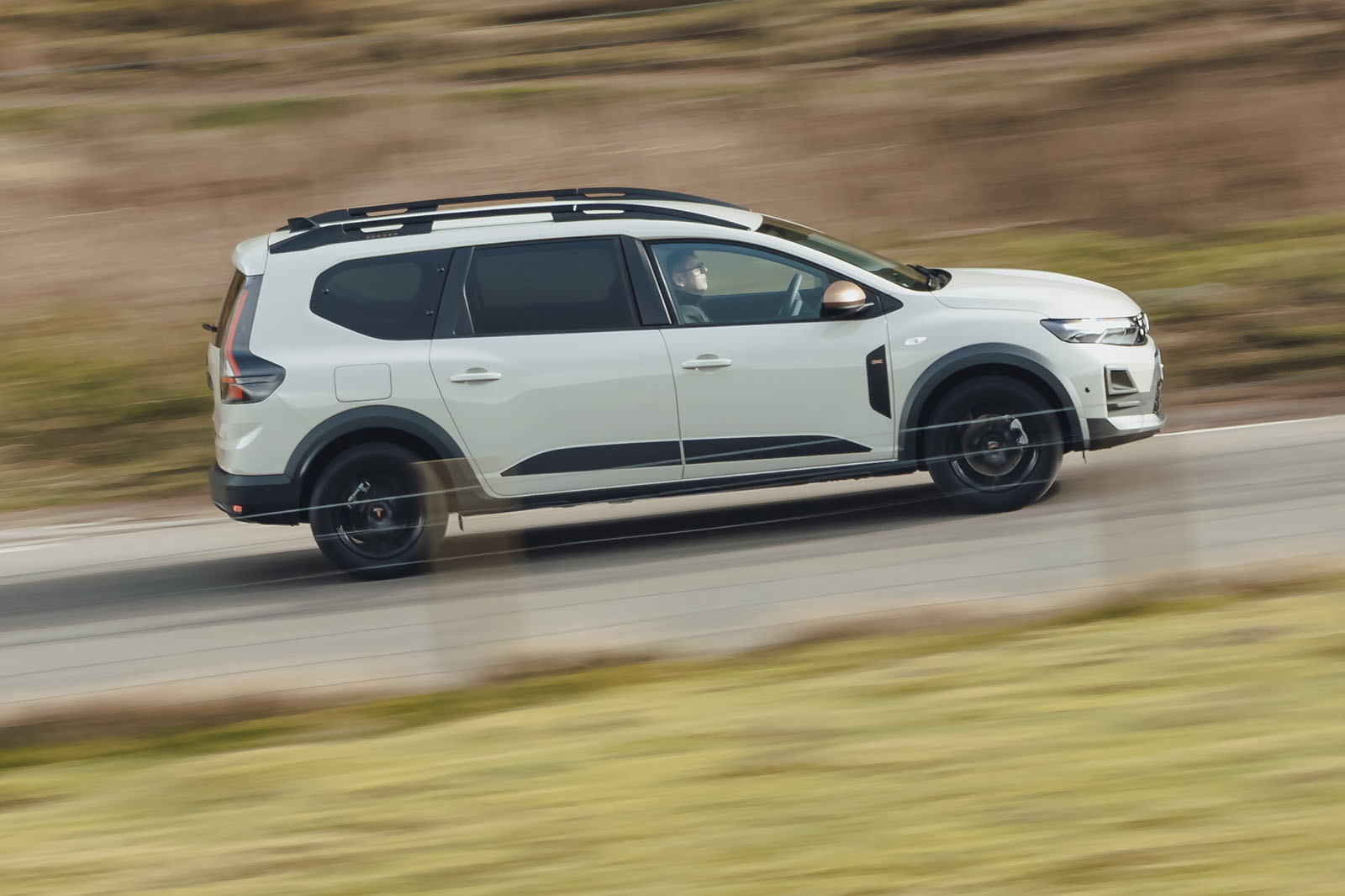
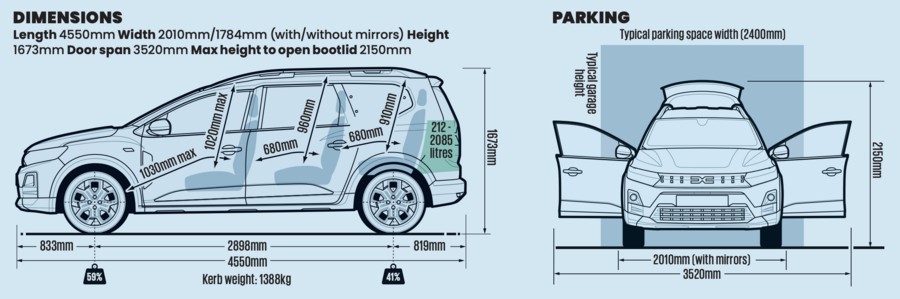
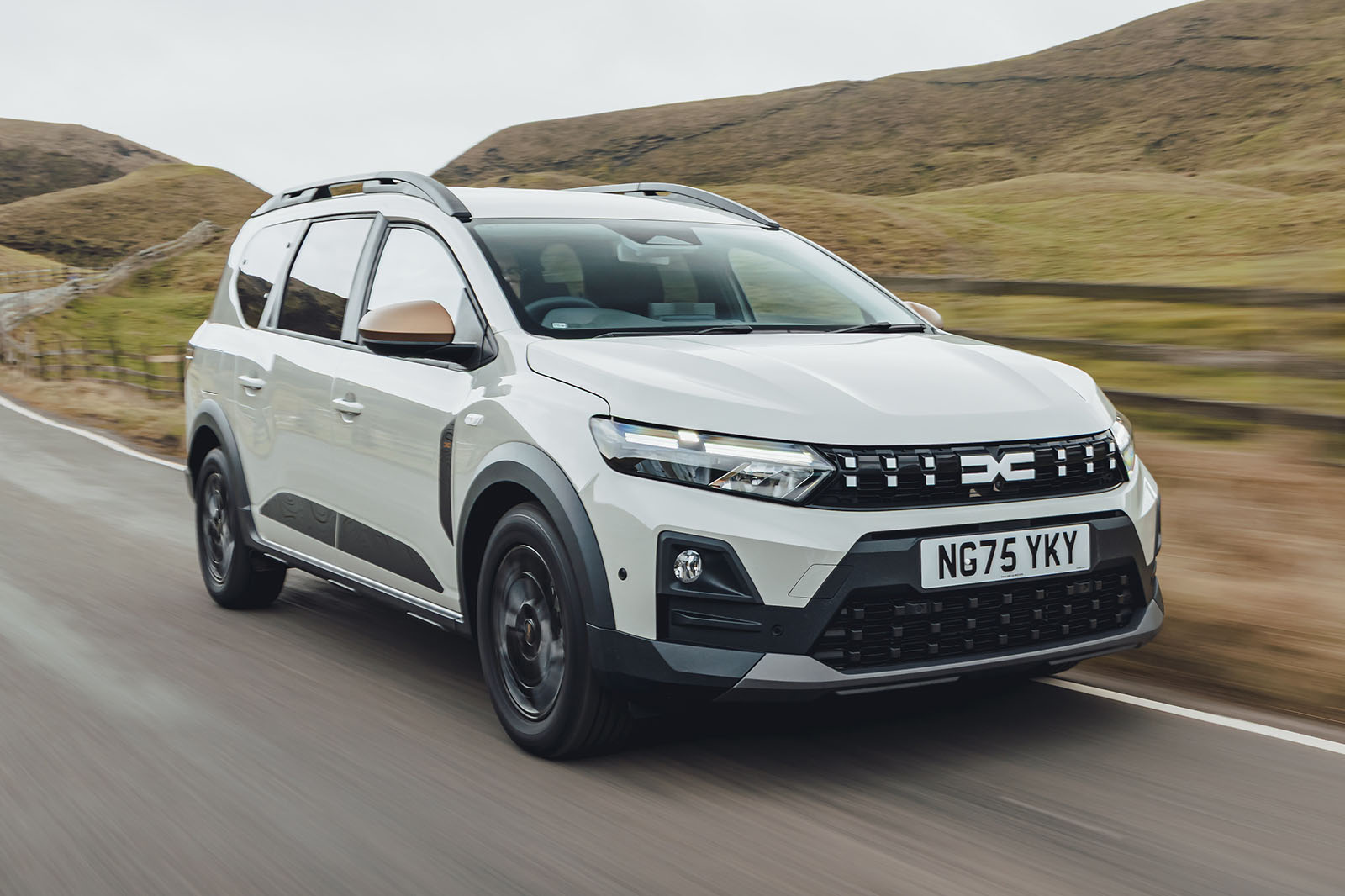
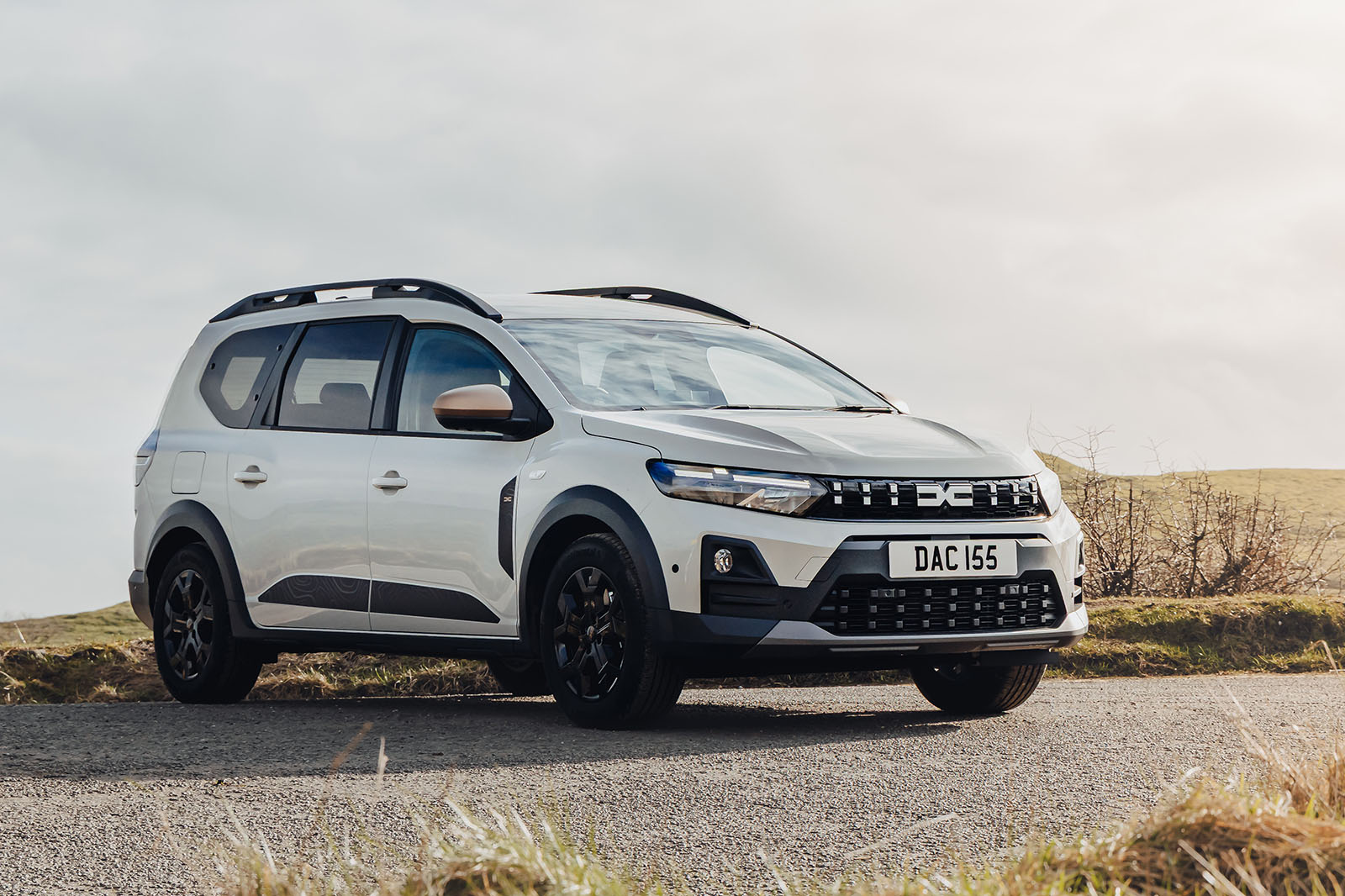
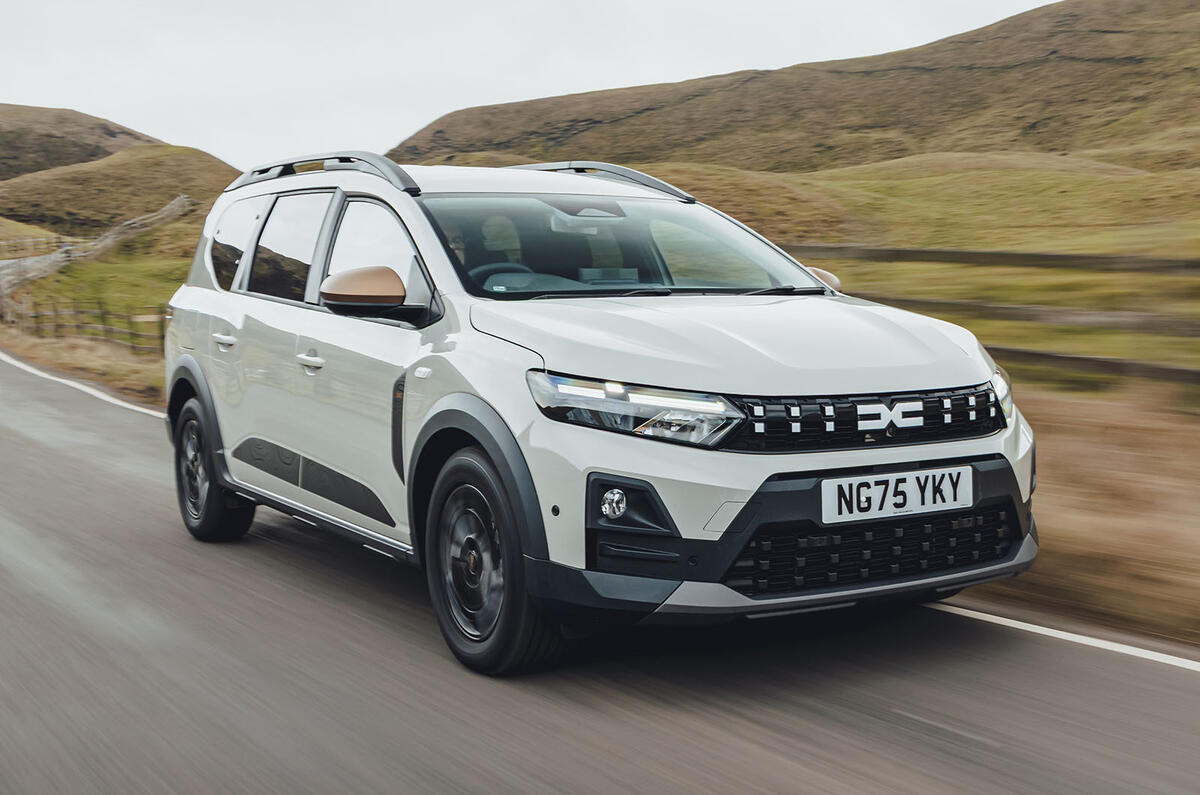
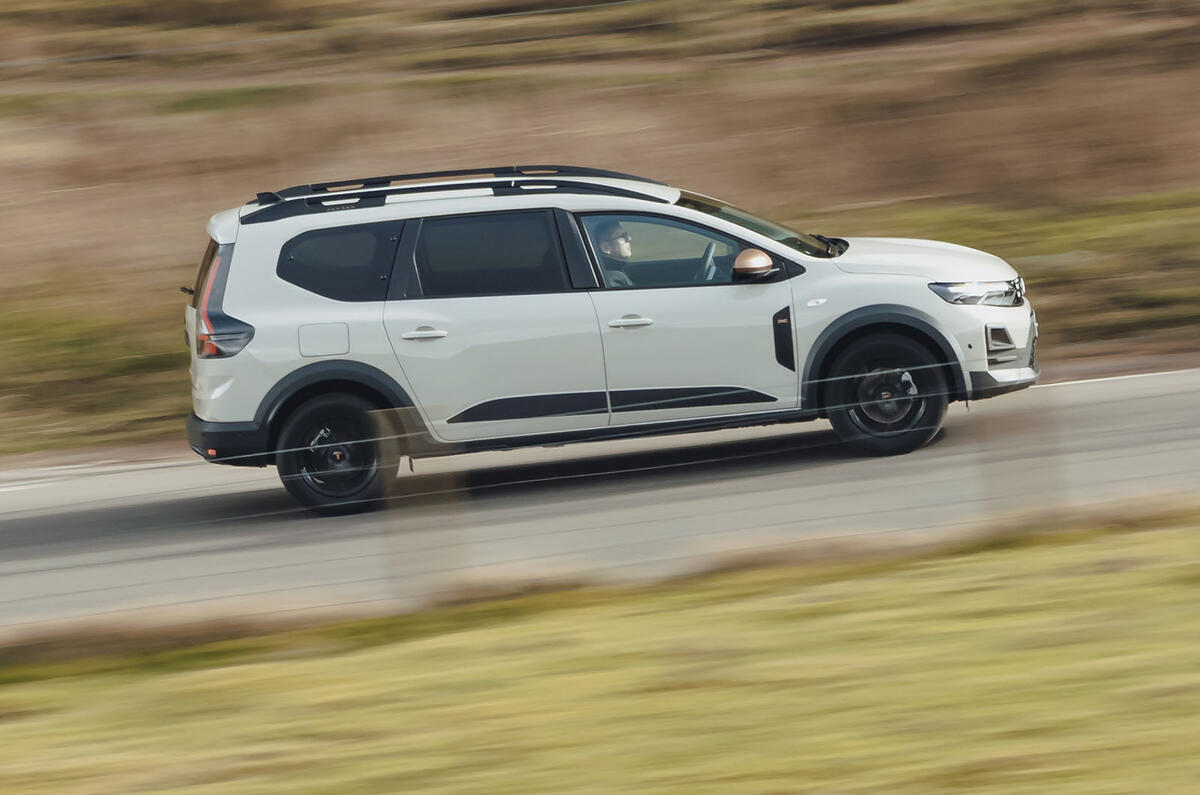
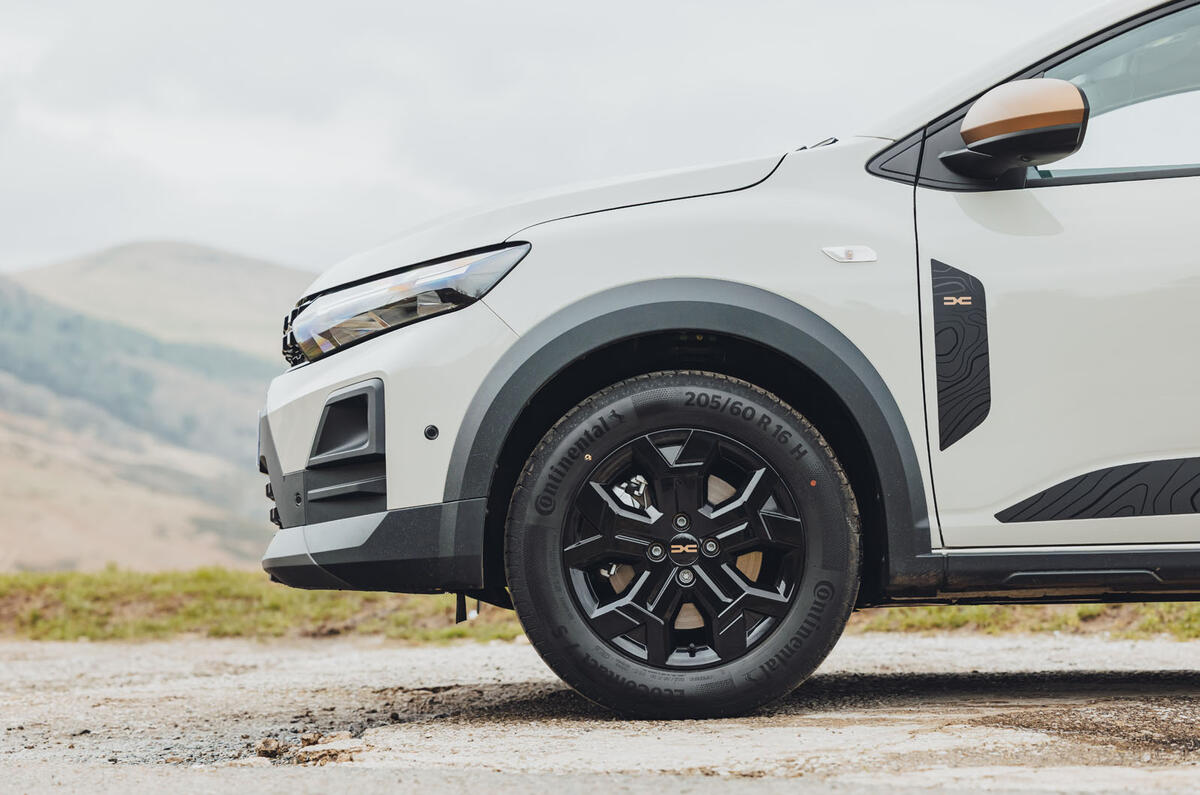
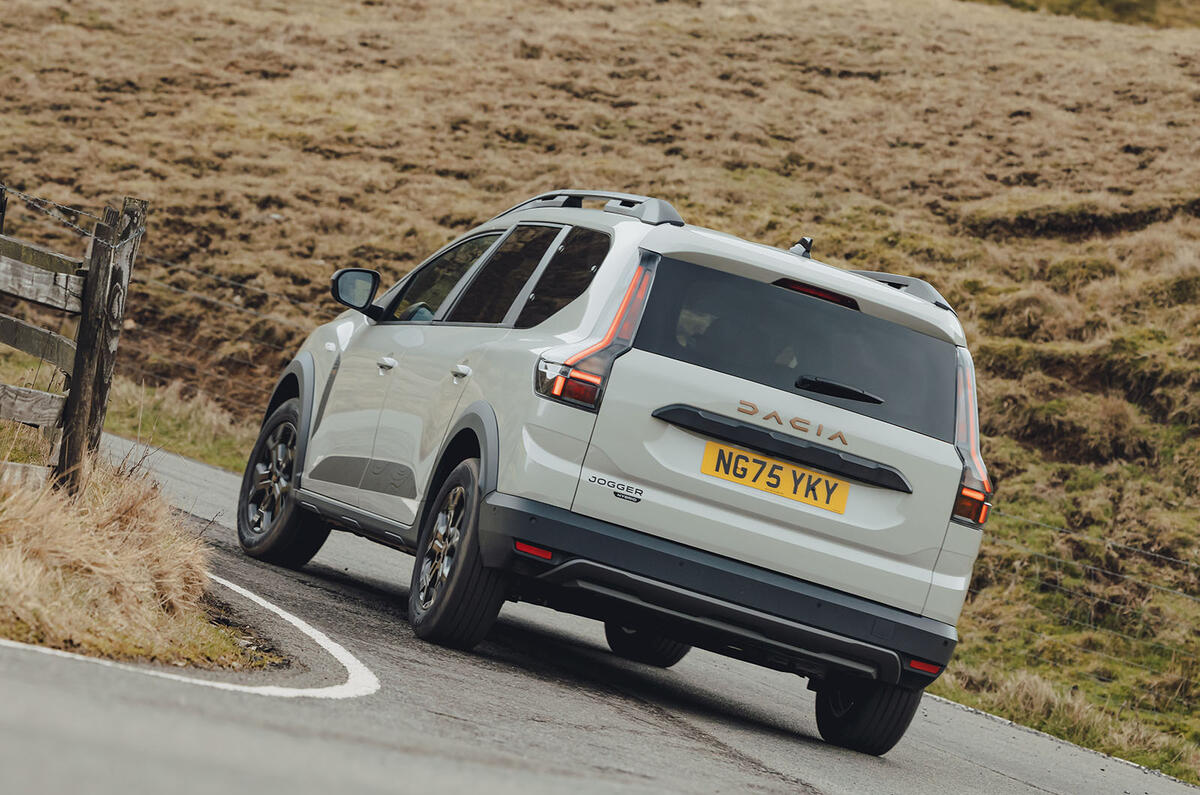
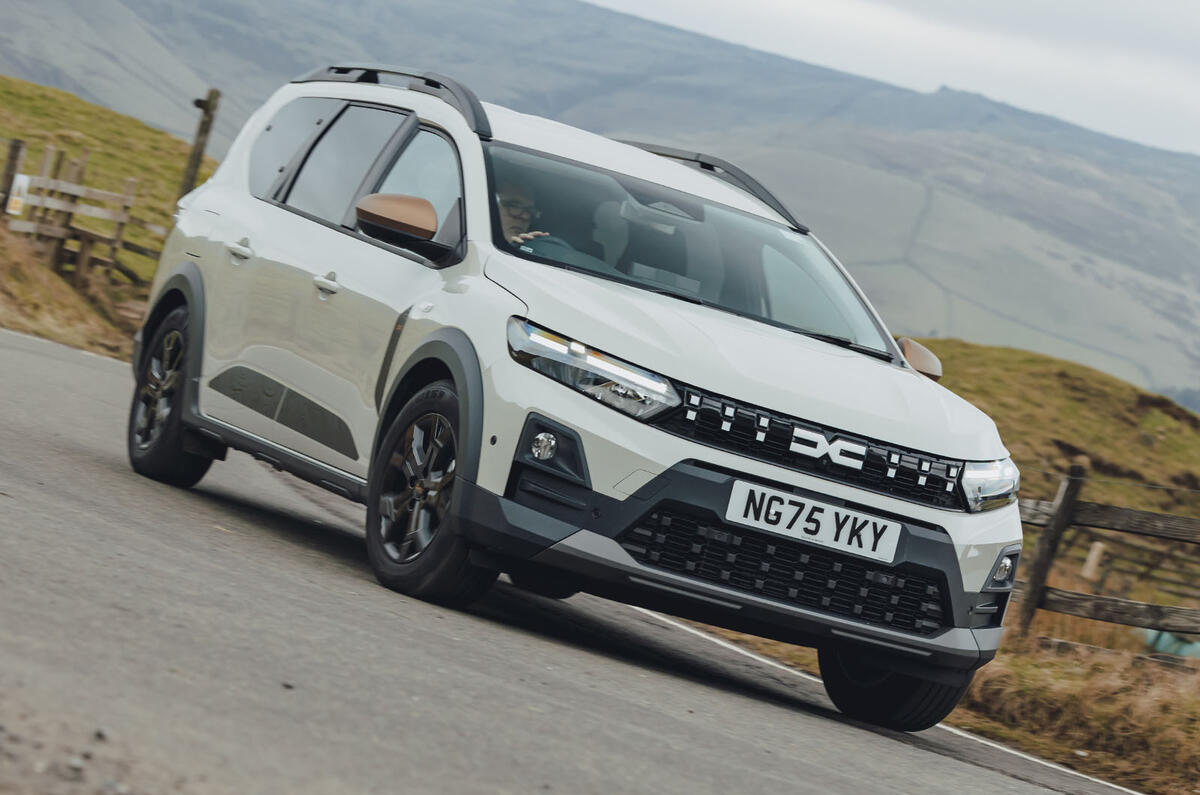
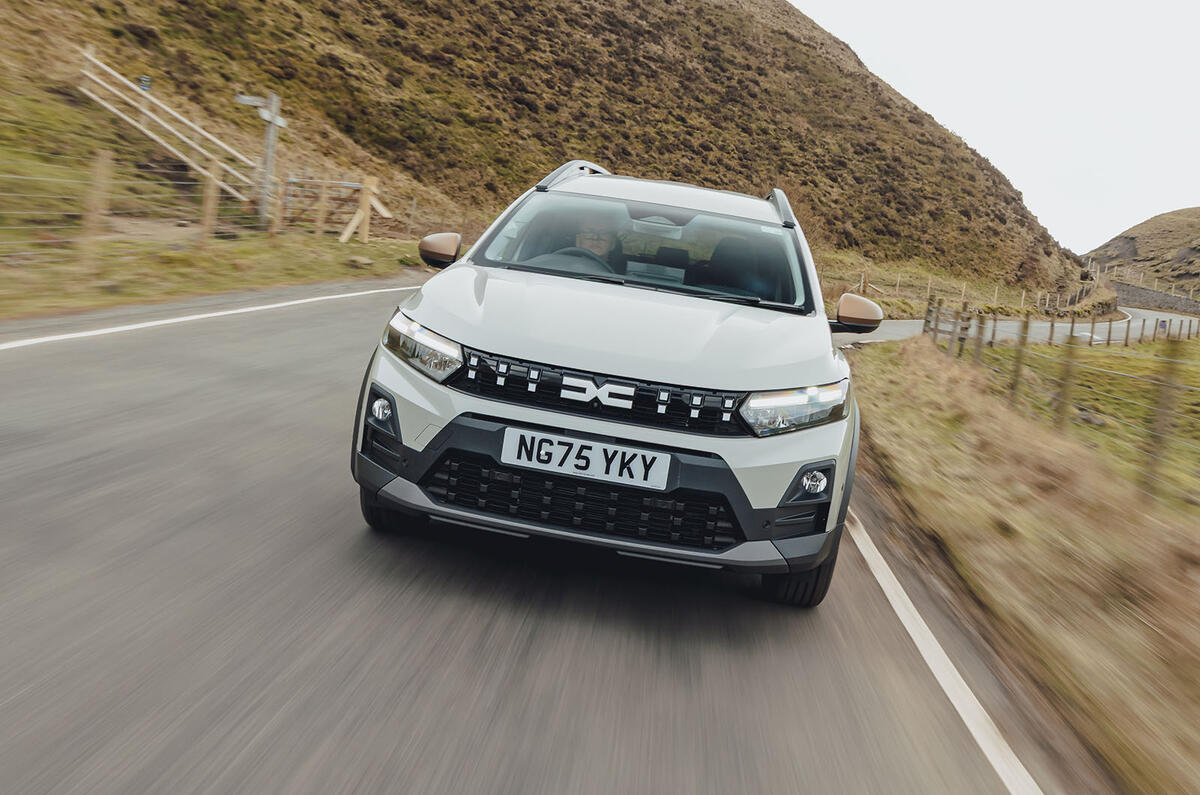
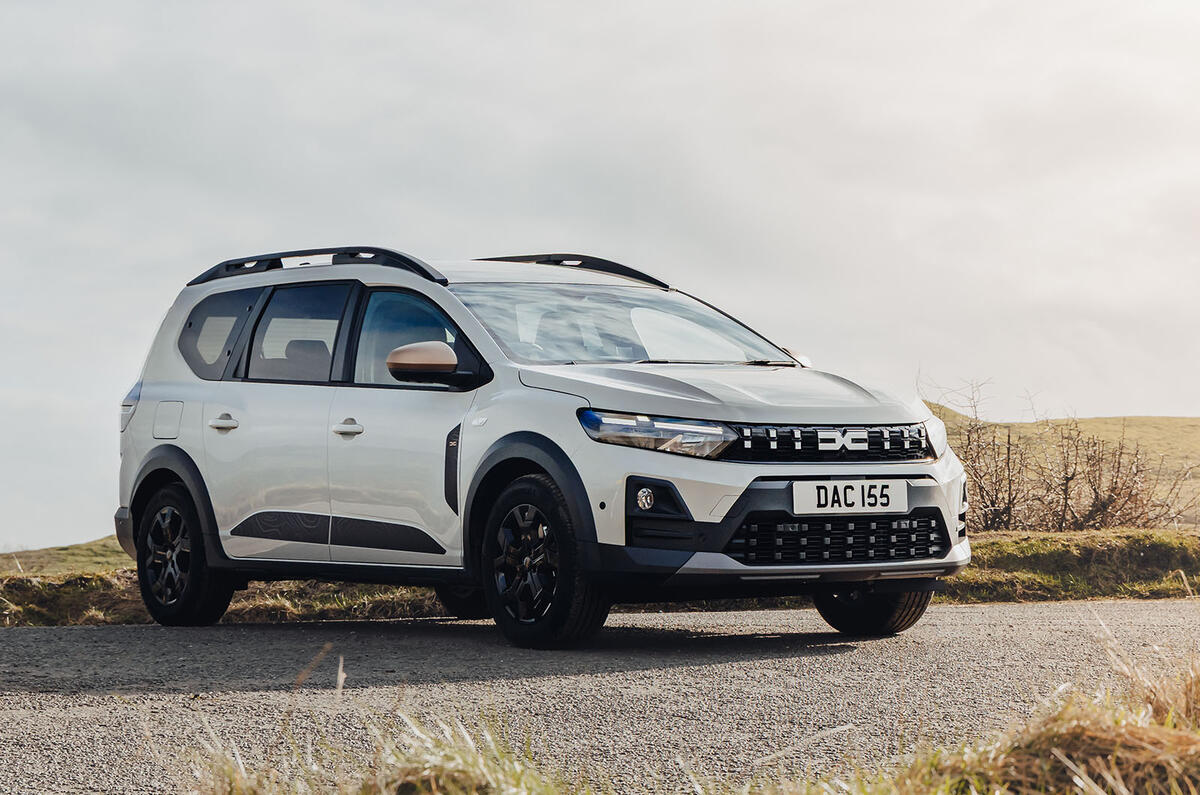
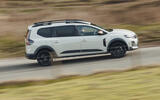
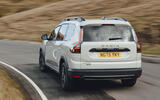
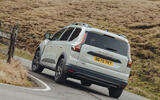
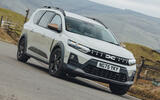
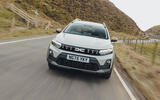
At just over 4.5 metres in length, it is an estate-on-stilts that’s a little shorter at the kerb than a typical C-segment MPV, although this doesn’t prevent it from offering usable passenger accommodation for up to seven. At just under 1.7 metres tall and with 200mm of ground clearance, it’s also little higher of profile than most typical MPVs and is intended as what we might have called a soft-roader a few years ago: a car to tackle uneven tracks and the like.

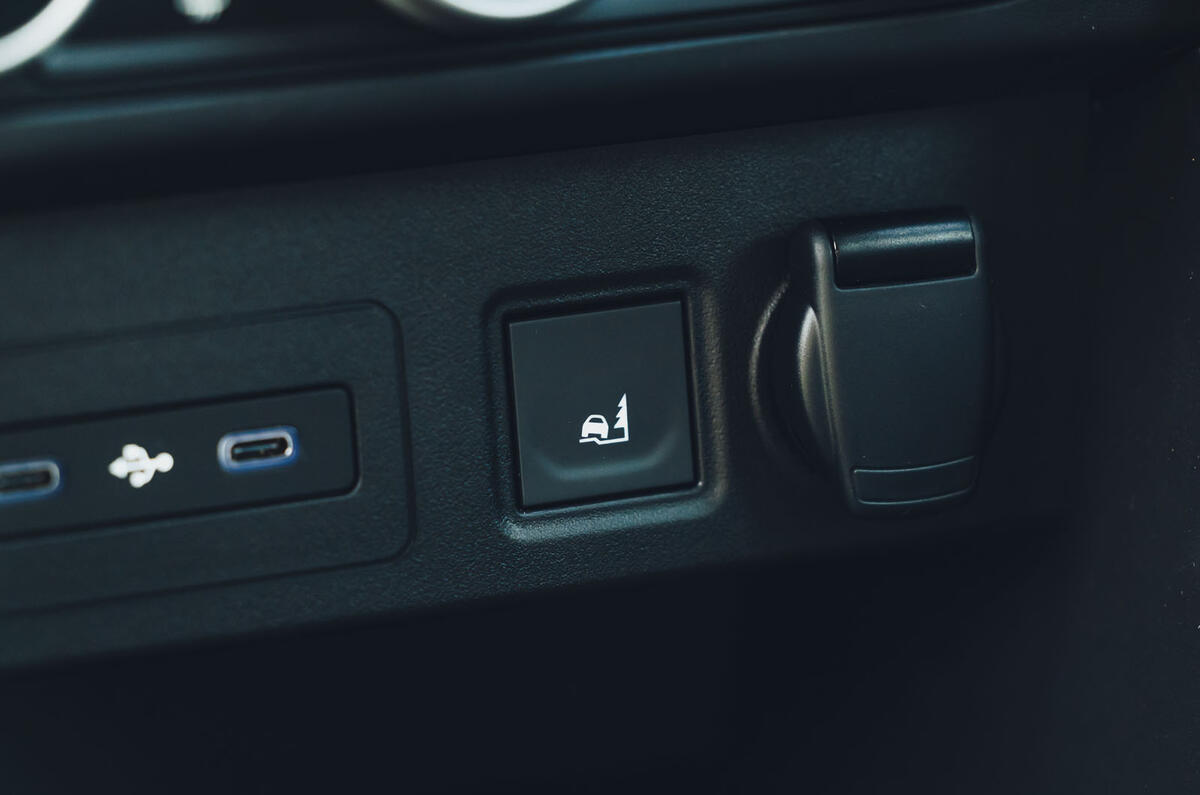
This is more of an aesthetic proposition than anything because, unlike with the taller Duster, you still can’t have the Jogger with four-wheel drive. The only vaguely mechanical concession made to off-roading is found on the top-ranking Extreme trim tested here, which has a button for Extended Grip mode on the dash. This alters the behaviour of the ESP and traction control, although given you can’t order the Jogger with all-terrain tyres to underwrite the electronics, it’s of limited use.

In platform terms, the Jogger is still built on Renault-Nissan’s shared CMF-B supermini platform, which also forms the basis of every other model in the Dacia range – even the sizeable Bigster. Suspension is via steel coil springs, MacPherson struts up front and a torsion beam at the rear, so is similar to that of the Citroën C3 Aircross (minus that car’s ride-enhancing hydraulic bump stops), a close rival to the Jogger.

As for powertrains, in the UK you can have either a three-cylinder petrol with 108bhp and a manual gearbox, or the new Hybrid 155, which replaces the old Hybrid 140 and is available only as an auto.

This Hybrid unit is essentially the same E-Tech hybrid system we have known from Renault for a few years. The petrol engine is mated to a clutchless gearbox where the engine can use four ratios, and the main electric motor can use two. A secondary, ISG-style motor is used to start the engine and adjust its RPM to rev-match and enable gearshifts. This is the cheaper four-speed system rather than the five-speed version in the Renault Rafale and Austral. The difference now is that the petrol engine is upgraded from 1.6 to 1.8 litres with an extra 19lb ft for more accessible performance.

The drive battery also grows from 1.2kWh to 1.4kWh and brings considerable benefits to the economy, as we shall see.

INTERIOR

8
Dacia Jogger review 2026 012

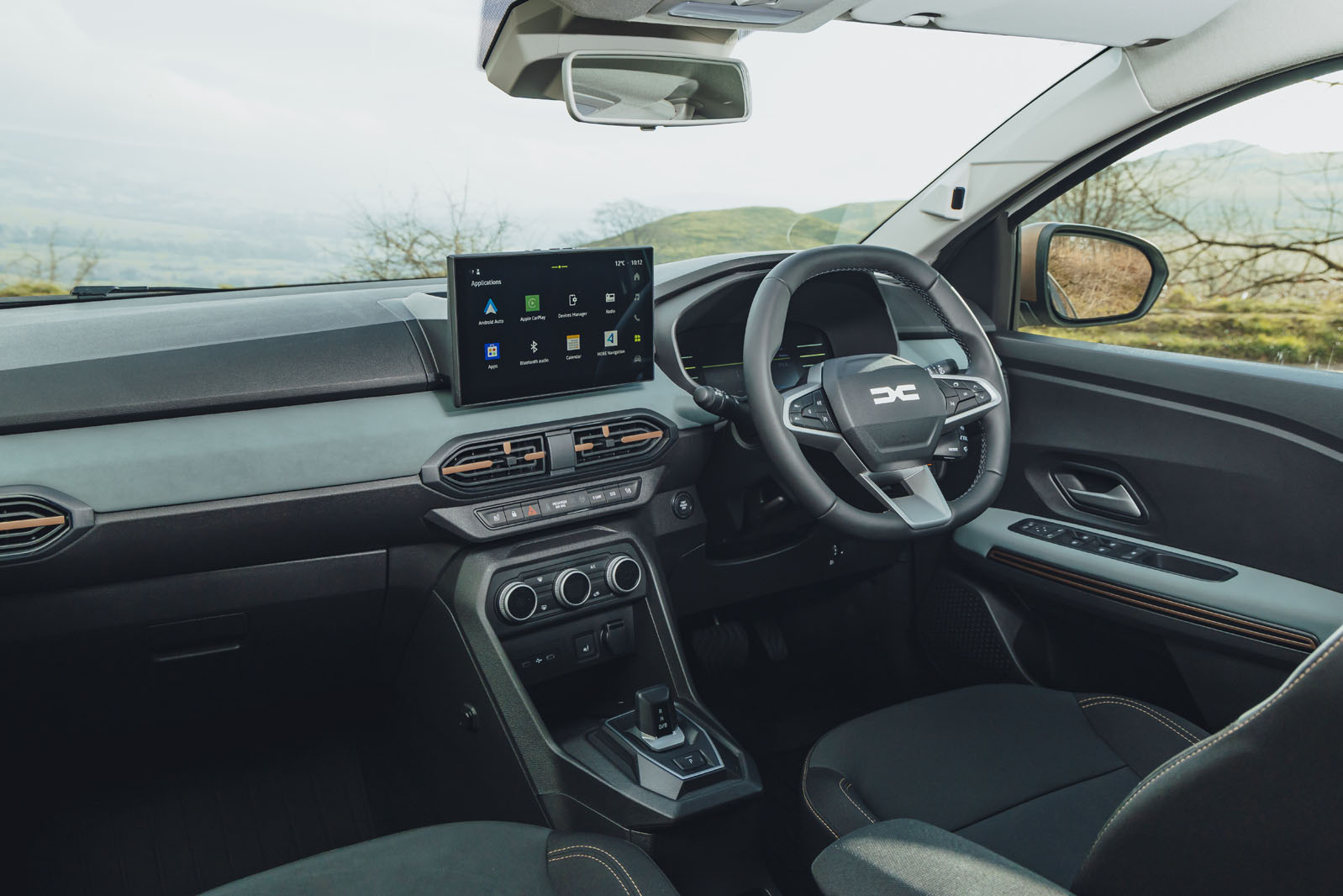
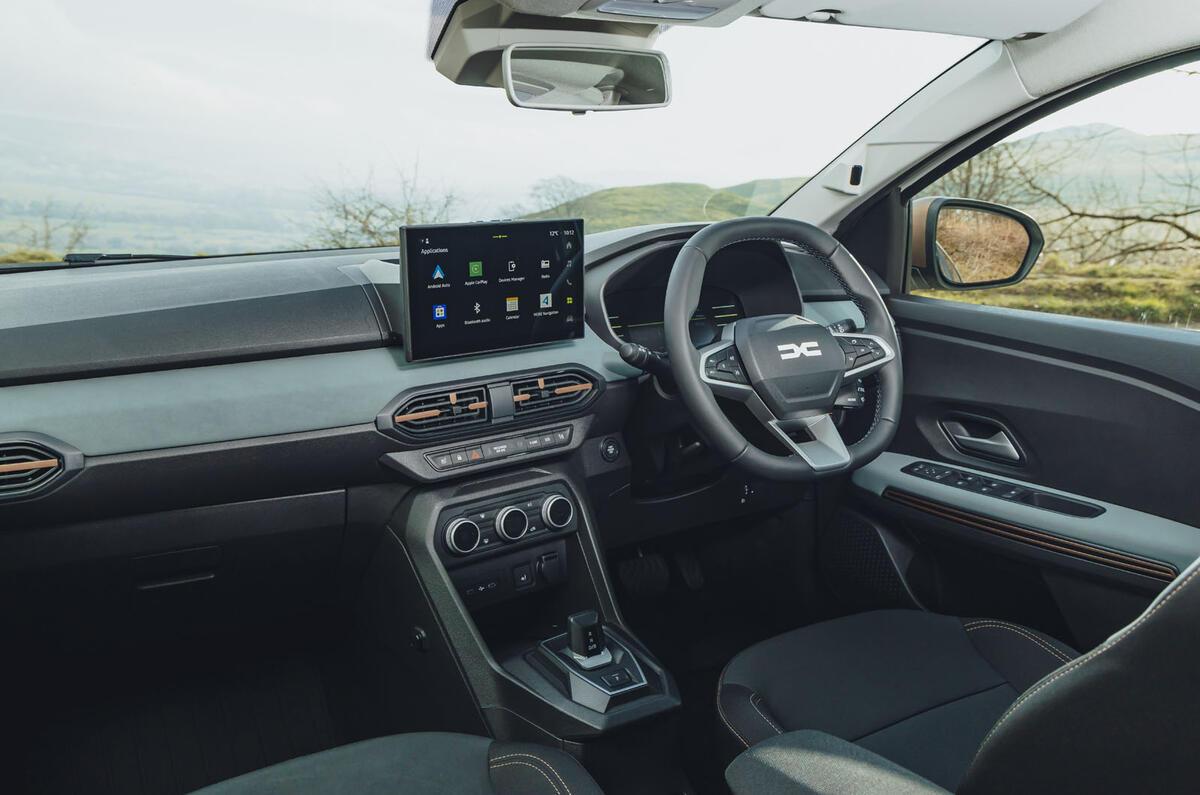
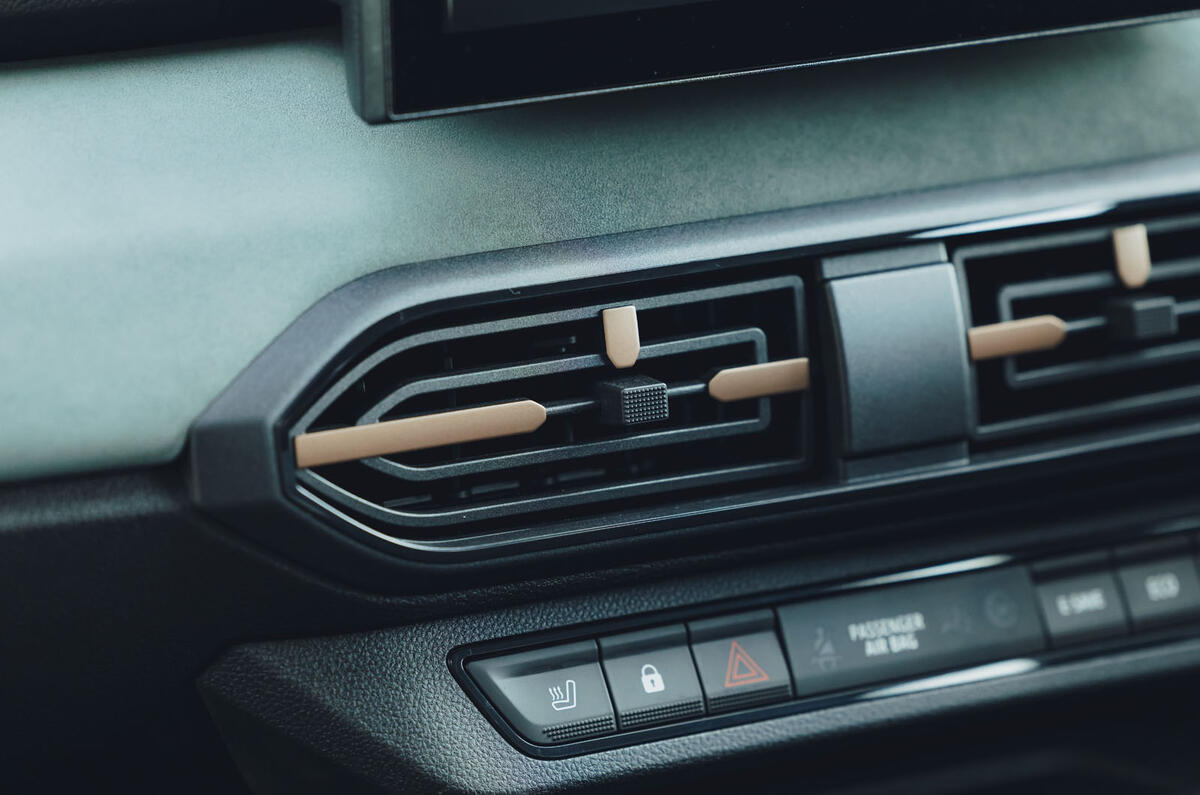
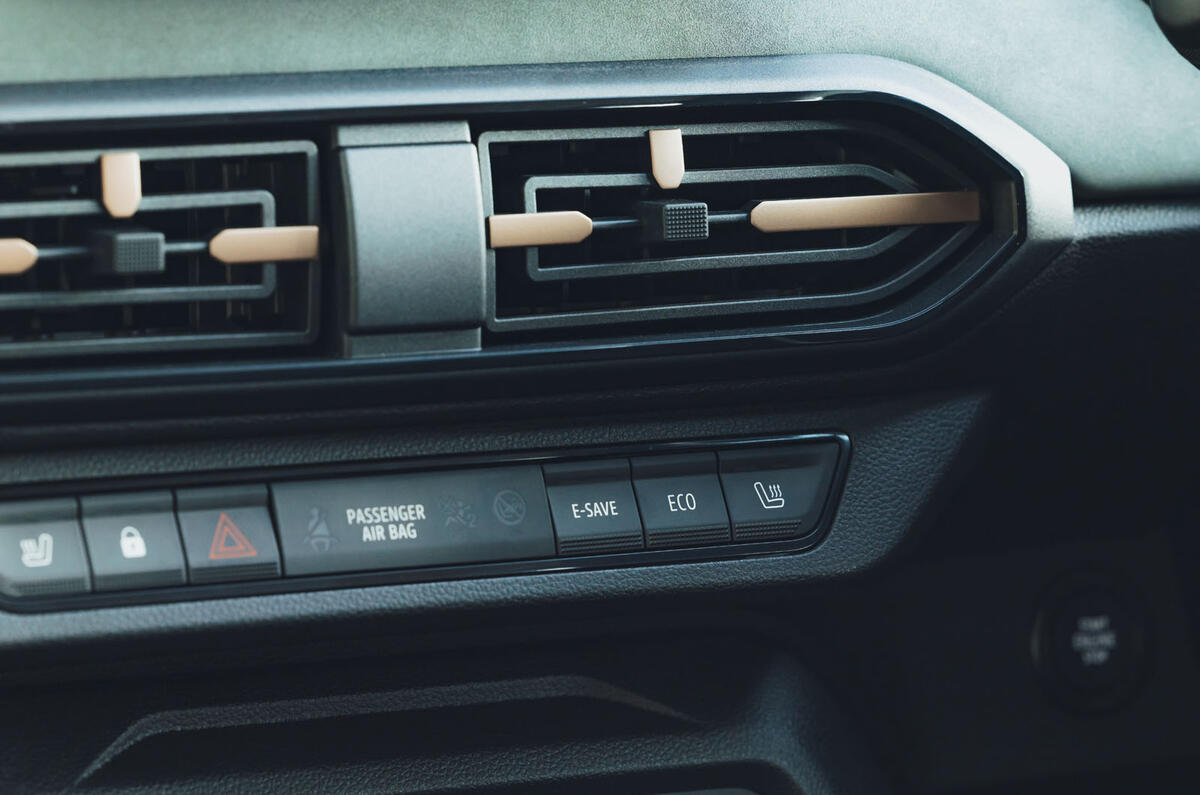
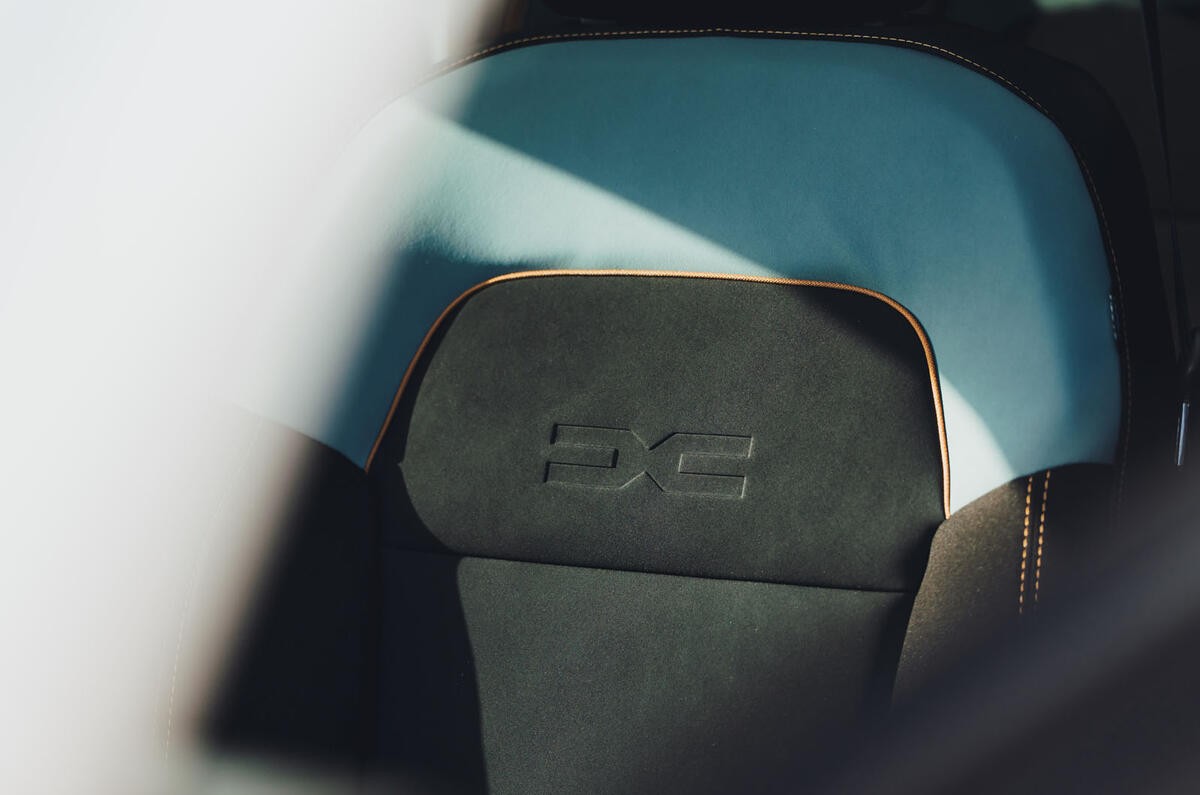
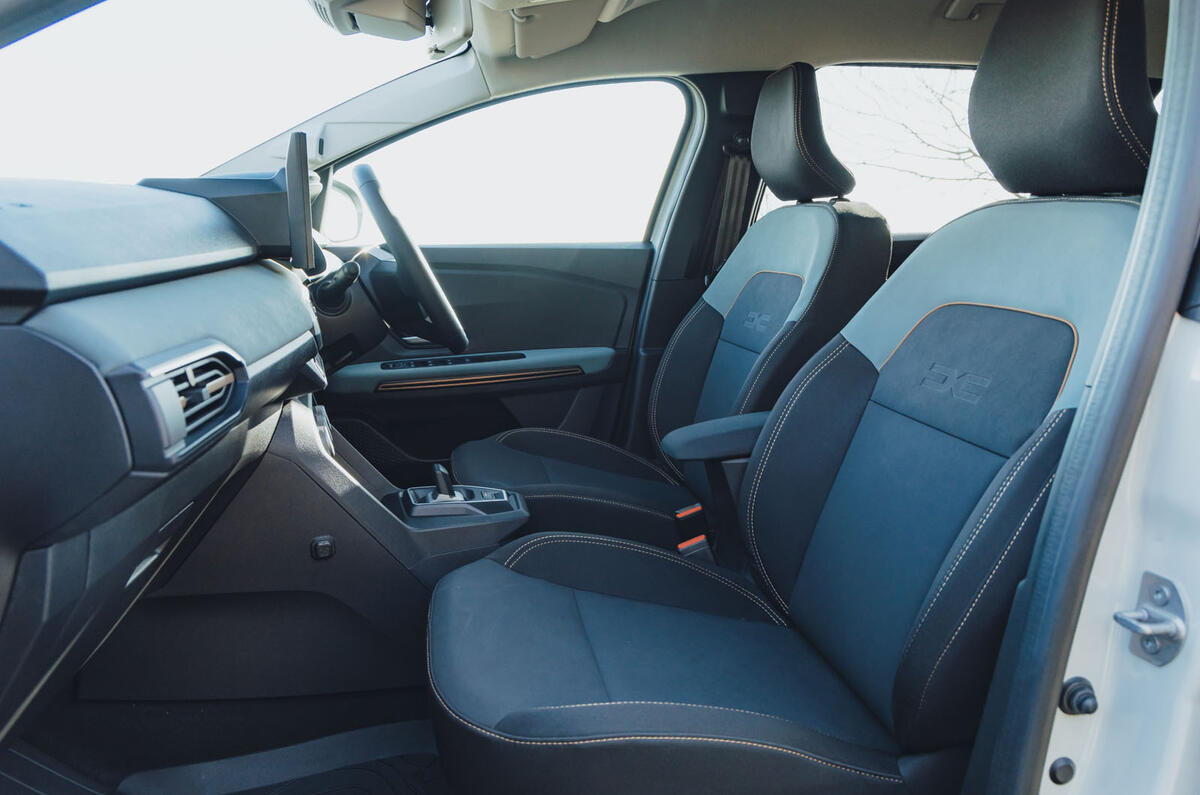
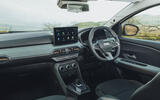
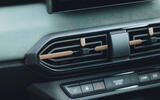
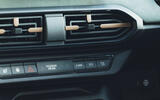
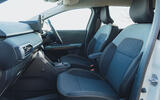
The Jogger’s cabin has been neatly revamped in line with other Dacia models and the cockpit of this Hybrid 155 Extreme is considerably more urbane than that of the car we tested in 2021. There are greens, golds and contrast stitching, and the seat fabric is not only now better looking but harder-wearing too. The steering wheel is also new, as are the air vents, and Dacia’s YouClip mounting system – for phones and storage options – is now standard with numerous points.

Know, though, that the ambience is still decidedly ‘built to a cost’. The hard plastics in this cabin aren’t textured as effectively as they are in some other Dacia models, and we found the sturdiness of the panels to be lacking in places. This kind of thing was more acceptable when the Jogger was a sub-£20,000 option but is less easily understandable at the £25,000-plus our test car costs.

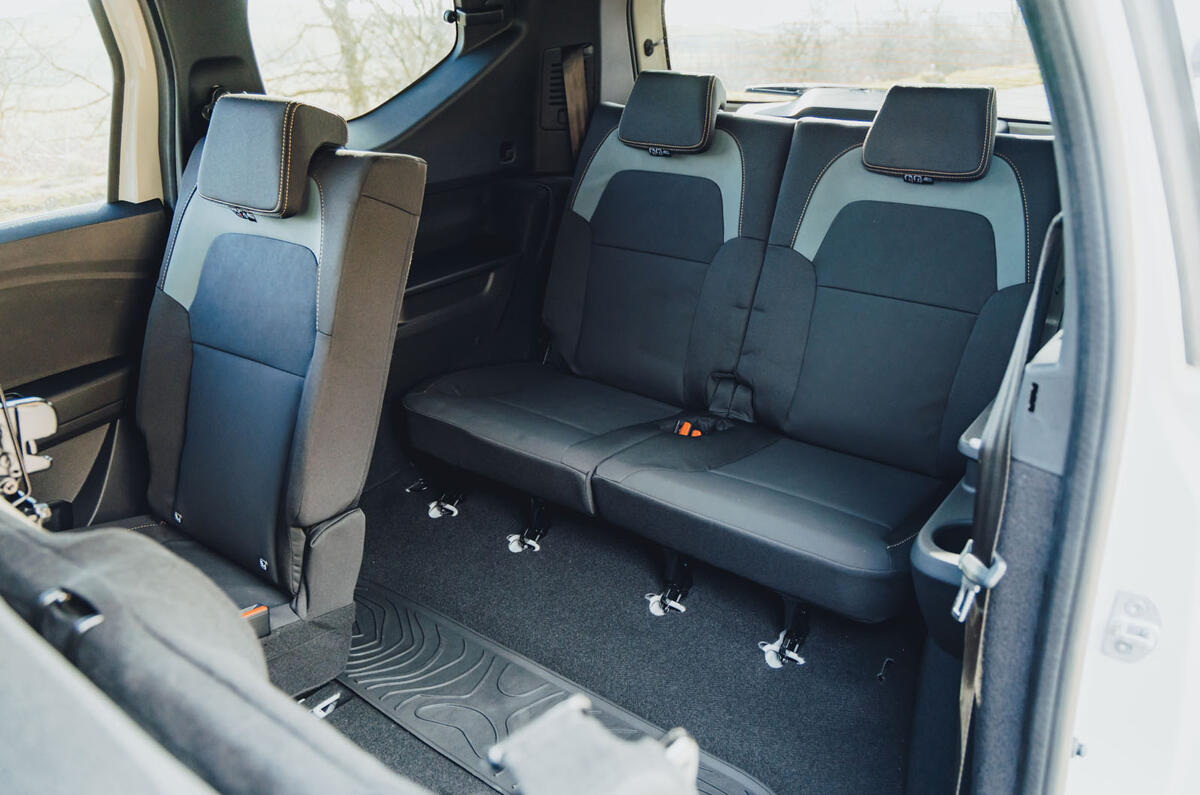
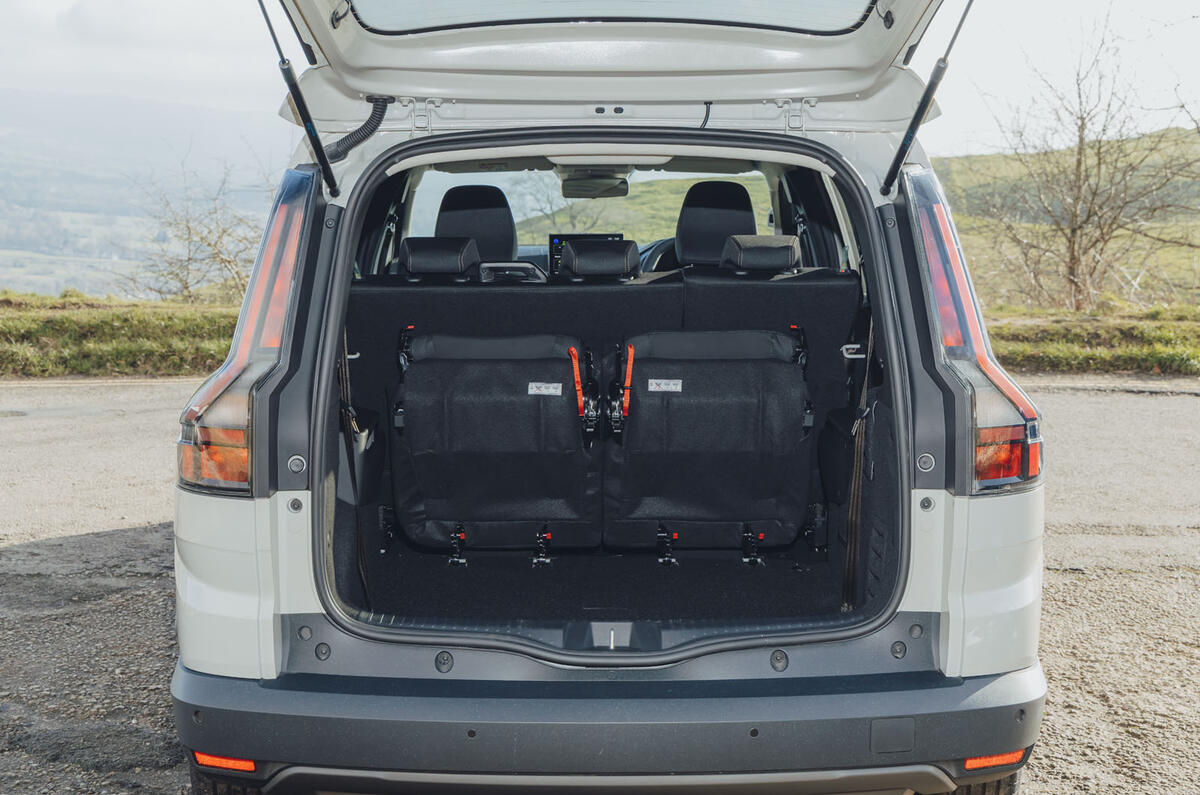
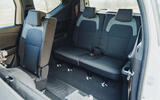
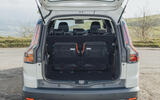
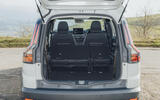
The third row of seats has almost as much leg room as the second row – and more still if you tumble the middle seats forwards, when the Jogger takes on a black-cab vibe

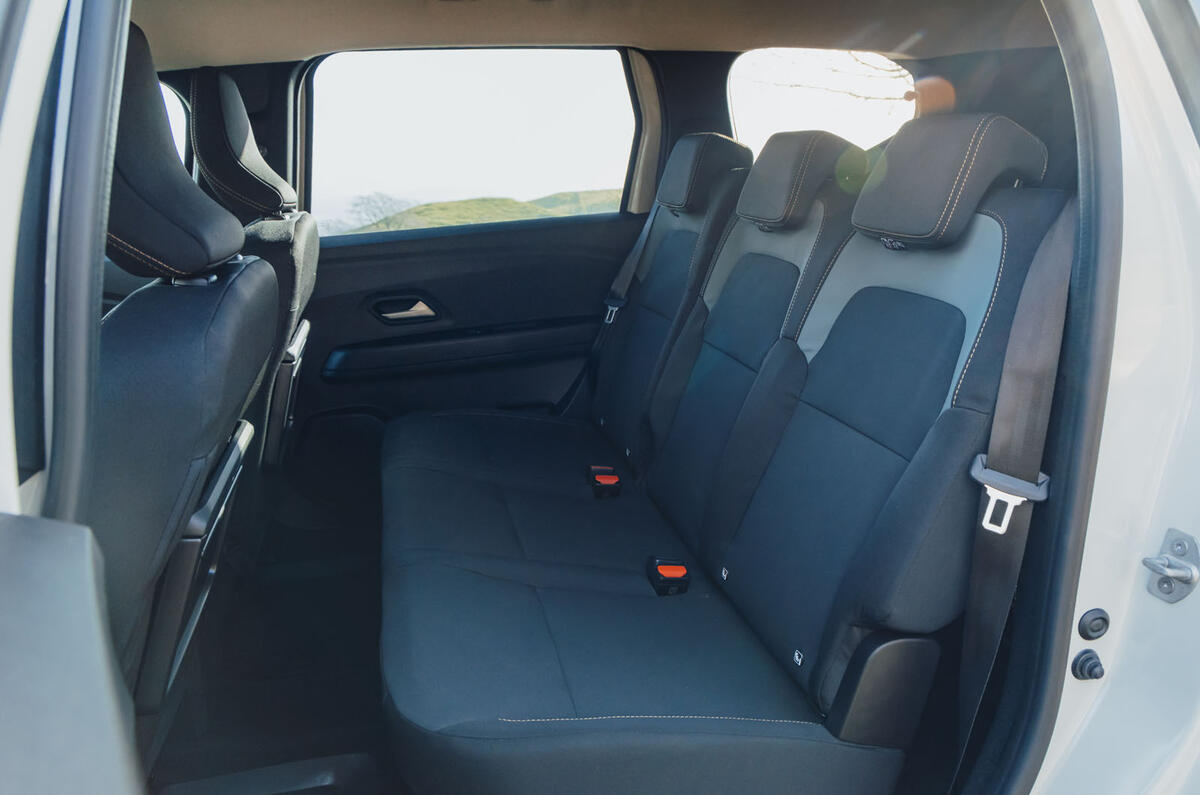
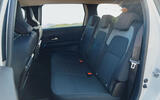
As for ergonomics, versatility remains a strong point, although only the front seats can be deemed truly comfortable and supportive enough for long drives, and only just. The second-row seats are simply too flat but nonetheless of a reasonable size and accessible height, offering decent head room but slightly limited knee and leg room for adults and Isofix child seat points on the outer two seats.

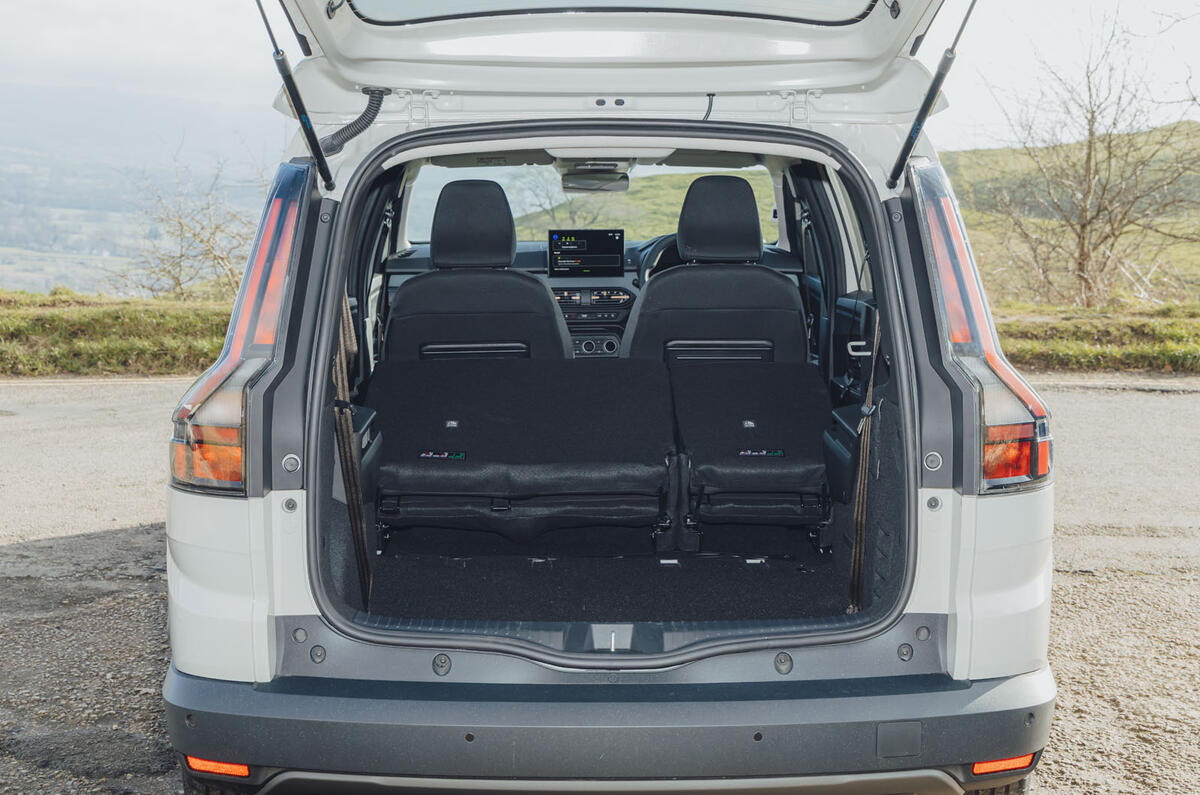
But we shan’t complain too much. At 680mm, second-row leg room is actually on a par with what you will get in the longer Bigster, and beats that of the Citroën C3 Aircross, with the same being true for the third row of seats. Both rows are removable, while the second row can also tumble forwards to create a surprisingly large cargo area. Dedicated MPVs or super-sized options such as the BMW X7 will cater for seven adults a little better but they cost more to buy and run.

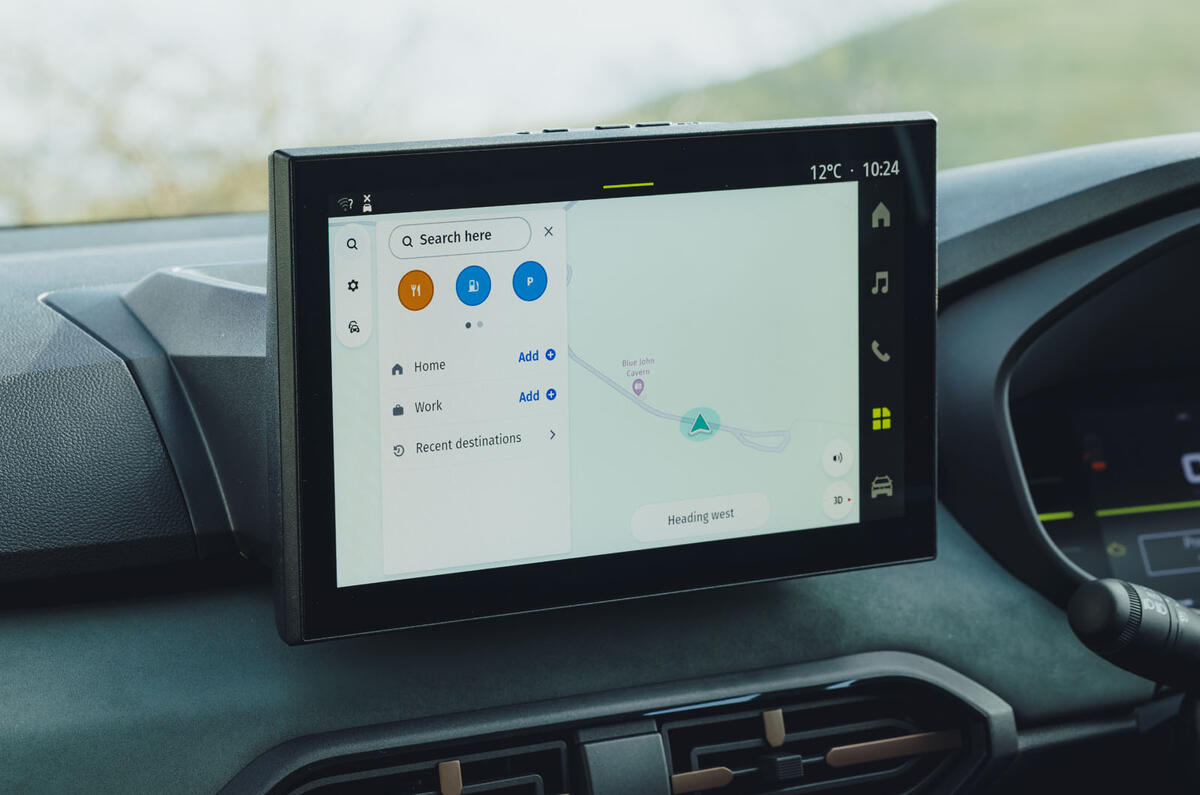
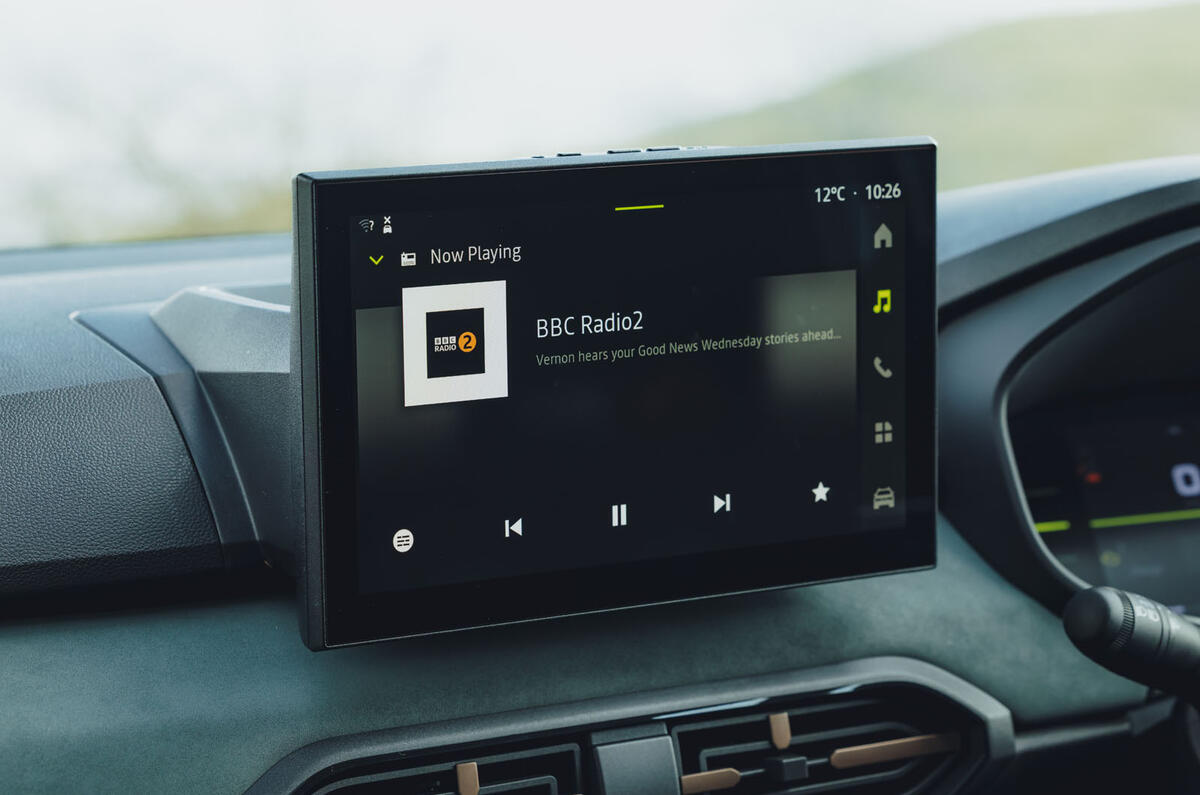
As for multimedia? Originally the Jogger was available with a small central touchscreen and analogue dials, but in 2026 we find the car with a slick-looking 10in display with smartphone mirroring, as well as a 7in digital instrument binnacle on the more expensive trims.

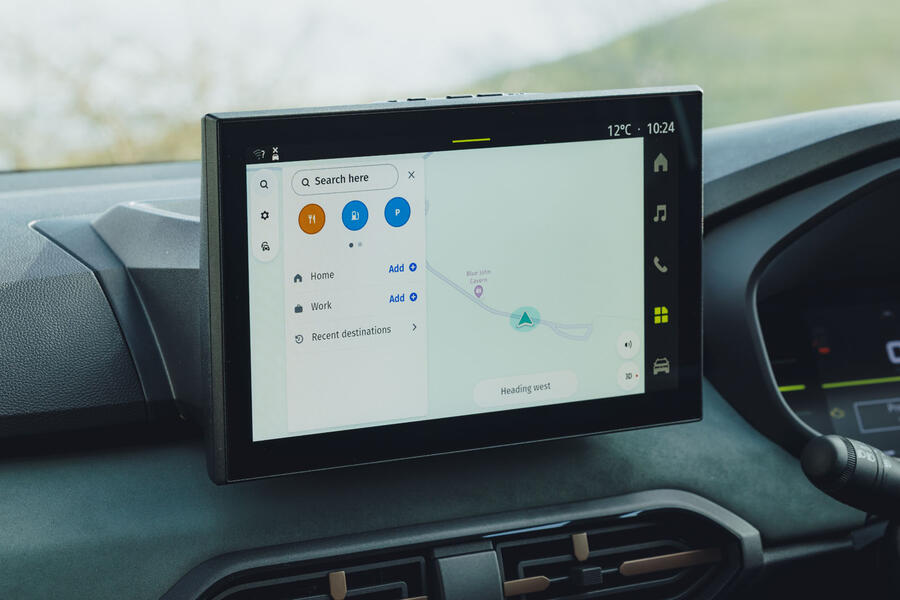
Get prodding and you will find there is the odd bit of latency and that the menu structure and available information are all rather basic (and you certainly won’t get much joy from using the native navigation system). But the icons are large enough to be easily hit with an outstretched finger, and there’s good integration for Apple CarPlay and Android Auto (wired or wireless), which will be the default option for most owners, we imagine.

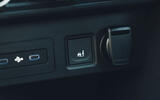
This top-spec Extreme car also has three USB-C ports (two up front, one in the rear, none for the third row). This is the most you will find in any Jogger and lesser trim levels aren’t so generously furnished.

ENGINES & PERFORMANCE

7
Dacia Jogger review 2026 025

The experience of driving the Hybrid 155 is a world away from that of the 1.0 TCe that powered our original Jogger road test subject in 2021. That car clocked 0-60mph in 11.0sec and the three-cylinder engine required you to work the manual gearbox because it didn’t especially like spinning beyond 5000rpm, its boosty sweet spot coming at 3000rpm or so.

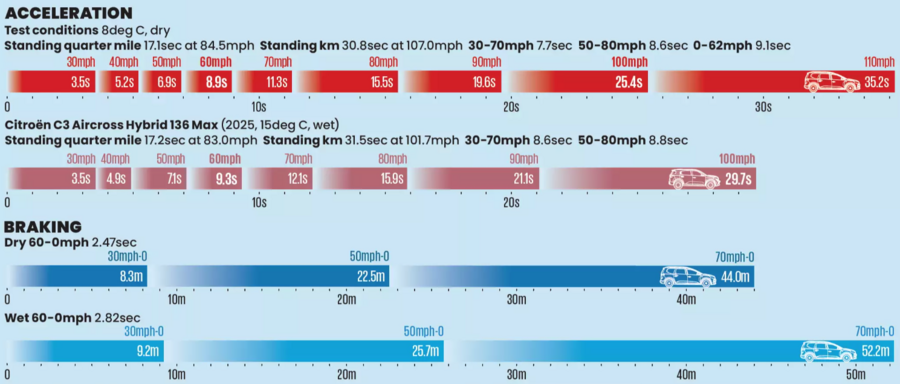
The new powertrain is much more complicated and impressive, but is also less engaging and not without foibles. Despite a sluggish getaway, which came as a counterintuitive surprise given the electrical assistance on offer, our car hit 60mph from rest in 8.9sec and for our overtaking metric of 30-70mph needed 7.7sec – far less than the 12.1sec taken by the pre-facelift 1.0-litre car, and indeed less than that required by the current Citroën C3 Aircross Hybrid 136, its seven-seat arch-rival. In short, objective performance is right on the money.

Subjectively the Hybrid 155 powertrain isn’t without appeal, either. The car always sets off in electric mode with 50bhp to call on, and if the rapid-cycling battery pack happens to be close to fully charged, you can remain in EV mode for quite a long time.

But eventually the petrol engine will wake up, either to drive the wheels directly or to charge the battery – it alone will make that decision and one of the disconcerting things about this arrangement is that your input into the accelerator pedal doesn’t intuitively translate to what the powertrain is doing. This is particularly true at a fast motorway cruise, when you can be given the full menu of operating capabilities despite remaining at a perfectly steady pace. At least this E-Tech powertrain is slicker than it used to be in certain Renault applications. It’s less vocal and prone to high, fixed revving.

Still, it feels as though more could be done here. The gearshifts for the petrol engine’s transmission are, frankly, yawning, yet there’s little attempt to mask the interruption with electric torque-fill. Perhaps the interruption in ICE is so great that the electric component lacks the simple strength to cover the shortfall?

Tip-in and roll-on acceleration aren’t as pleasingly crisp as you might be expecting from a full hybrid, although objective point-to-point pace is reasonably strong all the same. A true freewheeling mode (both D and B drive modes have an element of regen braking) would make those brisk point-to-point runs a little more enjoyable for thoughtful drivers looking to conserve momentum.

So the new Hybrid 155 powertrain is a mixed bag, being powerful and versatile but not particularly silken in use. Elsewhere, the Jogger stops very well on its narrow, 205-section rubber, and was impressively resistant to brake-fade.

RIDE & HANDLING

7
Dacia Jogger review 2026 027

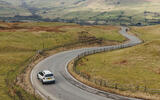
There’s little wrong with the way the Jogger steers or handles. The pacing of the lightly weighted rack is moderate but intuitive and the cornering balance is neat and avoids feeling nose-heavy or recalcitrant, despite the larger new engine layout and the car’s markedly front-leaning weight distribution.

Combine this with the Jogger’s moderate kerb weight – our car’s as-tested 1411kg is about the same as that lightweight hero, the Porsche 911 S/T – and you have a seven-seater that can be quite enjoyable to drive in a back-to-basics way. Note, though, that outright grip is limited, and the centre of gravity conspicuously high. The Jogger is likeable company in a dynamic sense but you only have to push it a little bit out of its comfort zone for it to feel awkward and more reliant than is desirable on its ESP.

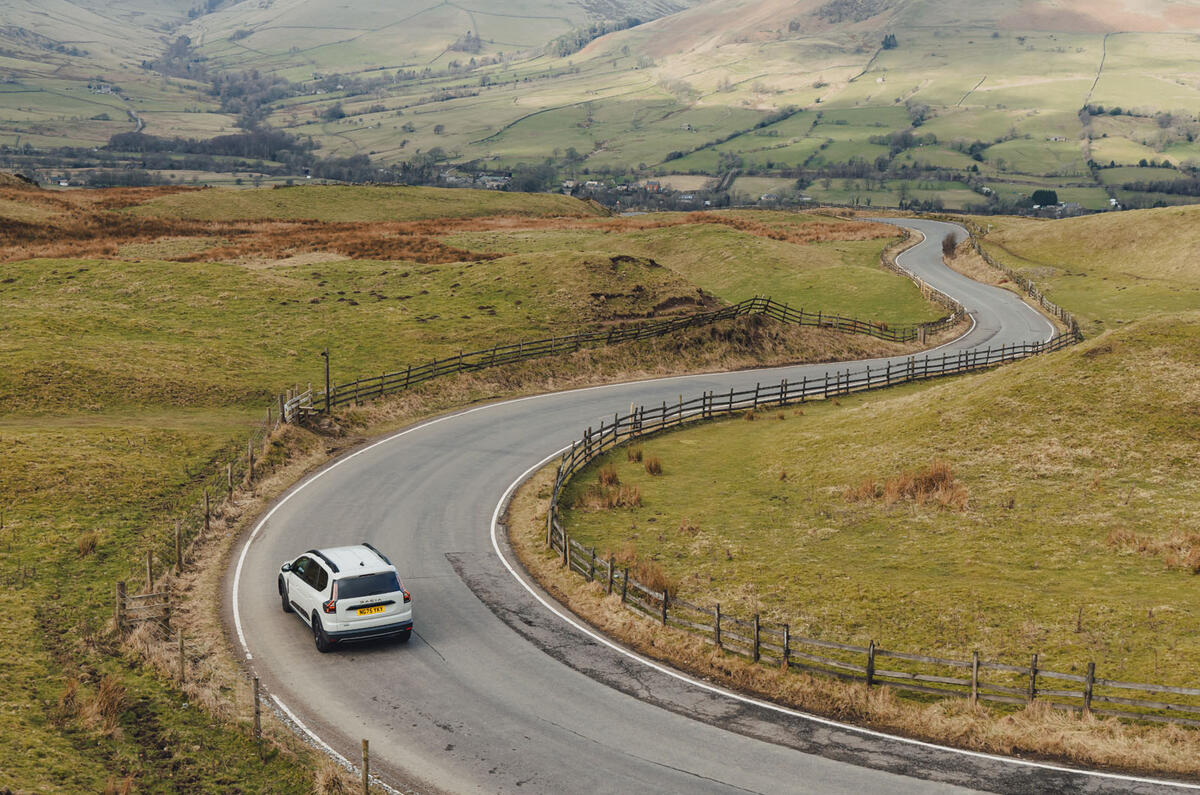
The Jogger’s handling is well matched to its role as a seven-seater with a slightly elevated ride height, so it’s tidy and predictable if you stay within its easily identifiable limits

How the Jogger feels when loaded up with numerous passengers and some luggage is something we weren’t able to test on this occasion, but the obvious potential for that sort of thing perhaps explains the spring rates, which are on the high side of what you would expect for a car of this ilk. 

Are we saying that, with only the driver aboard, the Jogger rides like an unloaded Transit? Not quite. But there’s certainly a sense that the vertical suspension travel would settle down usefully with a bit more ballast in the chassis.

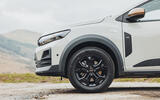
As it is, even on a wheel and tyre package that’s almost as much sidewall as spoke, the Jogger likes to fidget on anything other than a glass-smooth surface, and the torsion beam back axle will clatter over sharp inputs such as potholes. We wouldn’t say this is a deal-breaker if you are considering a Jogger, but a brief drive in the hydro-bushed Citroën C3 Aircross might be an enlightening comparison.

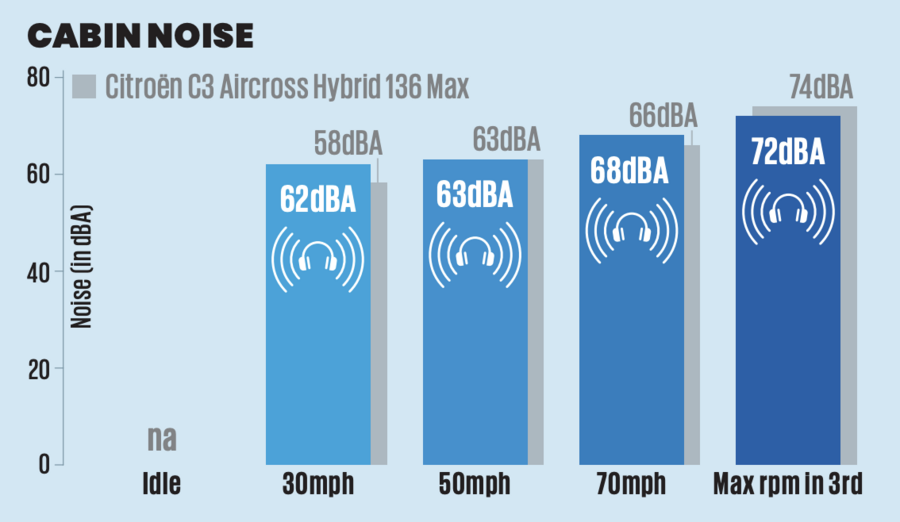
This aside, the Jogger is reasonable company. That firm-ish springing means it will retain composure on country roads without subjecting passengers to uncomfortable heave and roll, and 68dBA at 70mph shows that noise isolation is on a par with the Citroën (better, in fact, if the car has slipped into EV mode). It isn’t an especially refined car, but for the money Dacia is asking, it’s adequately relaxing.

MPG & RUNNING COSTS

8
Dacia Jogger review 2026 001

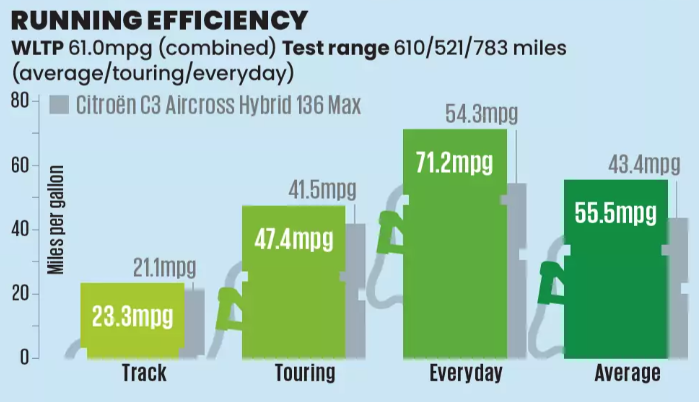
We know that the full-hybrid powertrain is not without flaws, but you might consider them worth putting up with when you calculate the Jogger Hybrid 155’s real-world efficiency. Truly, it is miraculous just how much of the time the car manages to spend in EV mode, given the tiny proportions of its battery pack. This is especially true at town speeds and the result was an ‘everyday’ economy of 71.2mpg. With the Jogger’s 50-litre tank, that equates to 783 miles and, for most, fills-ups only every few weeks.

Touring economy was less impressive by comparison, although 47.4mpg for an estate over four and a half metres long and capable of carrying seven can hardly be criticised. For reference, the Citroën C3 Aircross Hybrid 136 returned 43.4mpg in ‘everyday’ testing and 41.5mpg in touring, so there really is no contest in this aspect.

As for prices, when we first tested the Jogger in 2021, the range started at £14,995 – by today’s standards a ludicrous amount of car for the money. Today an entry-level Jogger – the 108bhp TCe 110 in Essential trim – will set you back £18,995, which in light of the inflationary effects seen in the car market over the past few years looks absolutely fair to us. As a non-hybrid with no battery to carry, the TCe 110 can also be optioned with a spare wheel (£200), and while manual mirror adjustment is something of a throwback, you do get LED headlights and ADAS such as lane keep assist, as well as rear parking sensors. A comparable C3 Aircross will cost you £21,455 and the Skoda Kamiq starts at £25,520, so the Dacia’s status as a value proposition remains intact.

Our pick would probably be the TCe 110 in mid-ranking Expression trim, for a shade over £20,000. Yes, the performance would be lacking in comparison to the Hybrid 155, but you save yourself around £2000 in forgoing hybrid power and the TCe’s manual gearbox gives you closer control over the powertrain. Expression trim also secures the 10in New Media Display, which we consider worth having, as well as small but useful elements such as a front armrest (note that electric seats aren’t offered at all). You only get the digital instrument binnacle with Extreme trim, which adds £1200 or so to the price, but we don’t think this is all that necessary.

VERDICT

8
Dacia Jogger review 2026 029

There’s no question that, with its design updates and generously endowed new hybrid powertrain, the Jogger hits new heights of all-round appeal.

The colossal versatility remains but is now flanked by greater performance and a slicker ambience, not to mention spectacular economy in certain circumstances – although in fairness the outgoing, less powerful hybrid set-up could achieve similar results. All of this has been achieved while keeping prices characteristically low, and even our top-spec test car only just sneaks beyond £25,000.

I have a friend who’s looking to replace a trusty Volvo for mucky household jobs and general dog-carrying. He took one look at the Jogger and just knew it was all the car he needed. Can’t argue with design as direct as that.

It is a lot of car for the money, but to us the Jogger still has another gear to move into, if Dacia has the will. Ride quality needs to be improved to remain acceptable for a family car in 2026 and beyond, and the hybrid system still has kinks that need ironing out. Those aside, it’s a very fine proposition.

Richard Lane

Richard Lane
Title: Deputy road test editor

Richard is Autocar's deputy road test editor. He previously worked at Evo magazine. His role involves travelling far and wide to be among the first to drive new cars. That or heading up to Nuneaton, to fix telemetry gear to test cars at MIRA proving ground and see how faithfully they meet their makers' claims. 

He's also a feature-writer for the magazine, a columnist, and can be often found on Autocar's YouTube channel. 

Highlights at Autocar include a class win while driving a Bowler Defender in the British Cross Country Championship, riding shotgun with a flat-out Walter Röhrl, and setting the magazine's fastest road-test lap-time to date at the wheel of a Ferrari 296 GTB. Nursing a stricken Jeep up 2950ft to the top of a deserted Grossglockner Pass is also in the mix.

Matt Saunders

Matt Saunders Autocar
Title: Road test editor

As Autocar’s chief car tester and reviewer, it’s Matt’s job to ensure the quality, objectivity, relevance and rigour of the entirety of Autocar’s reviews output, as well contributing a great many detailed road tests, group tests and drive reviews himself.

Matt has been an Autocar staffer since the autumn of 2003, and has been lucky enough to work alongside some of the magazine’s best-known writers and contributors over that time. He served as staff writer, features editor, assistant editor and digital editor, before joining the road test desk in 2011.

Since then he’s driven, measured, lap-timed, figured, and reported on cars as varied as the Bugatti Veyron, Rolls-Royce PhantomTesla RoadsterAriel Hipercar, Tata Nano, McLaren SennaRenault Twizy and Toyota Mirai. Among his wider personal highlights of the job have been covering Sebastien Loeb’s record-breaking run at Pikes Peak in 2013; doing 190mph on derestricted German autobahn in a Brabus Rocket; and driving McLaren’s legendary ‘XP5’ F1 prototype. His own car is a trusty Mazda CX-5.