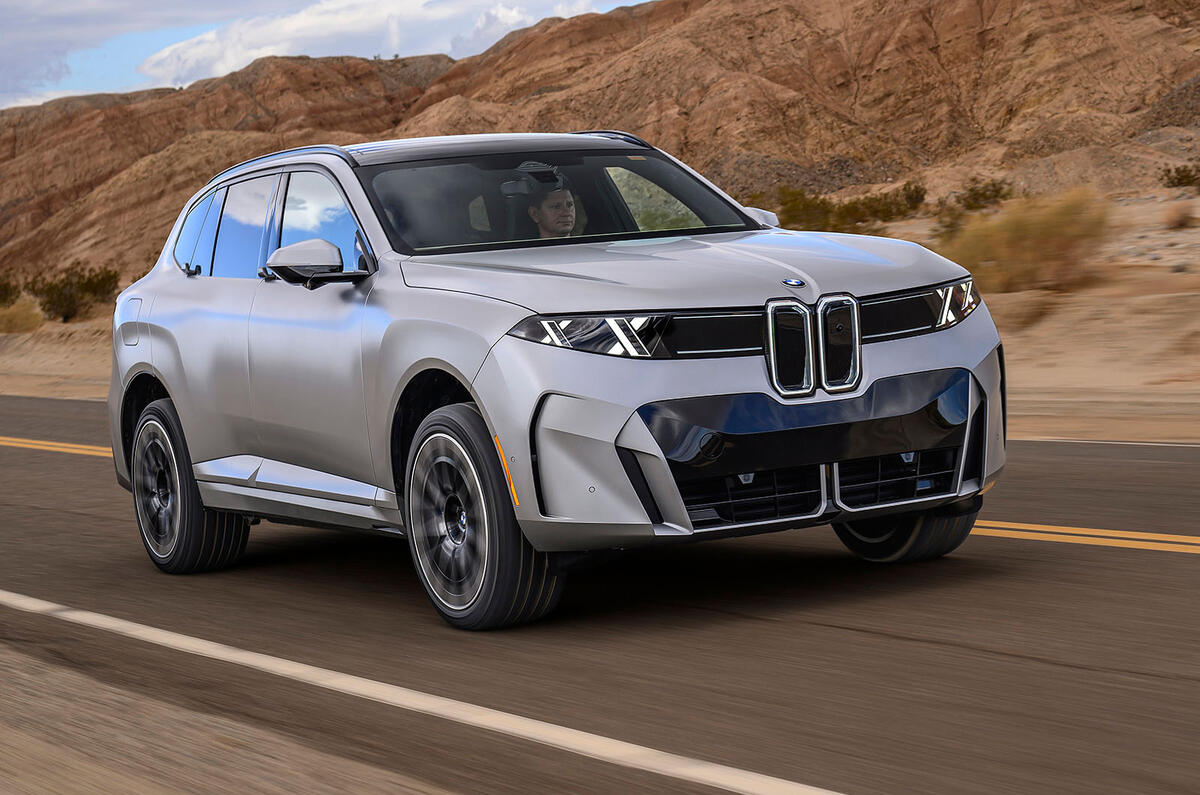
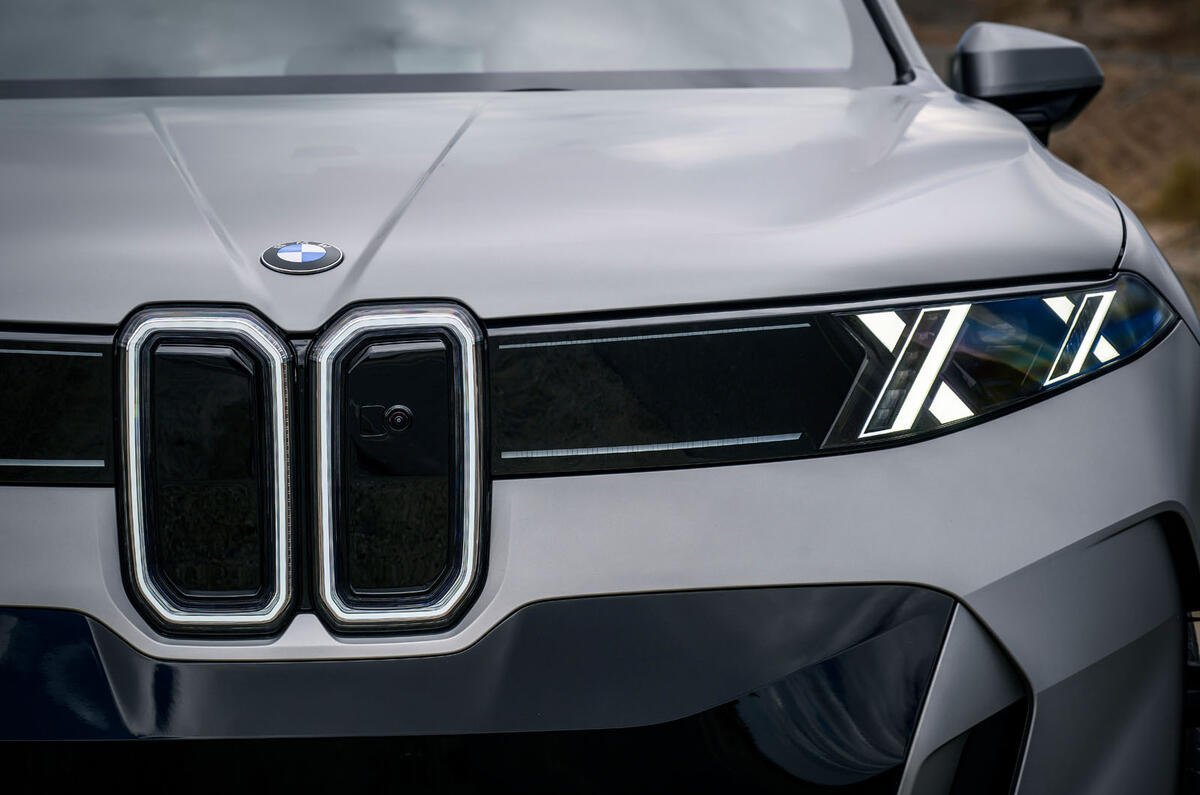
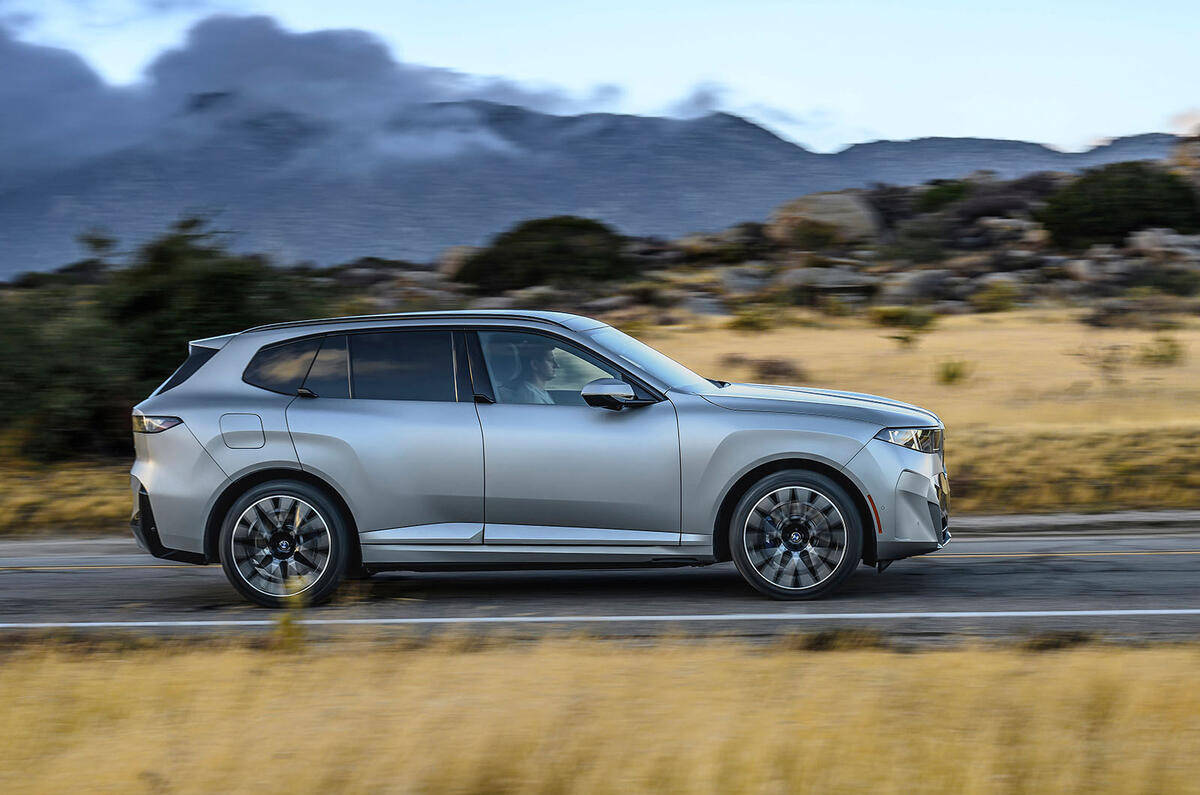
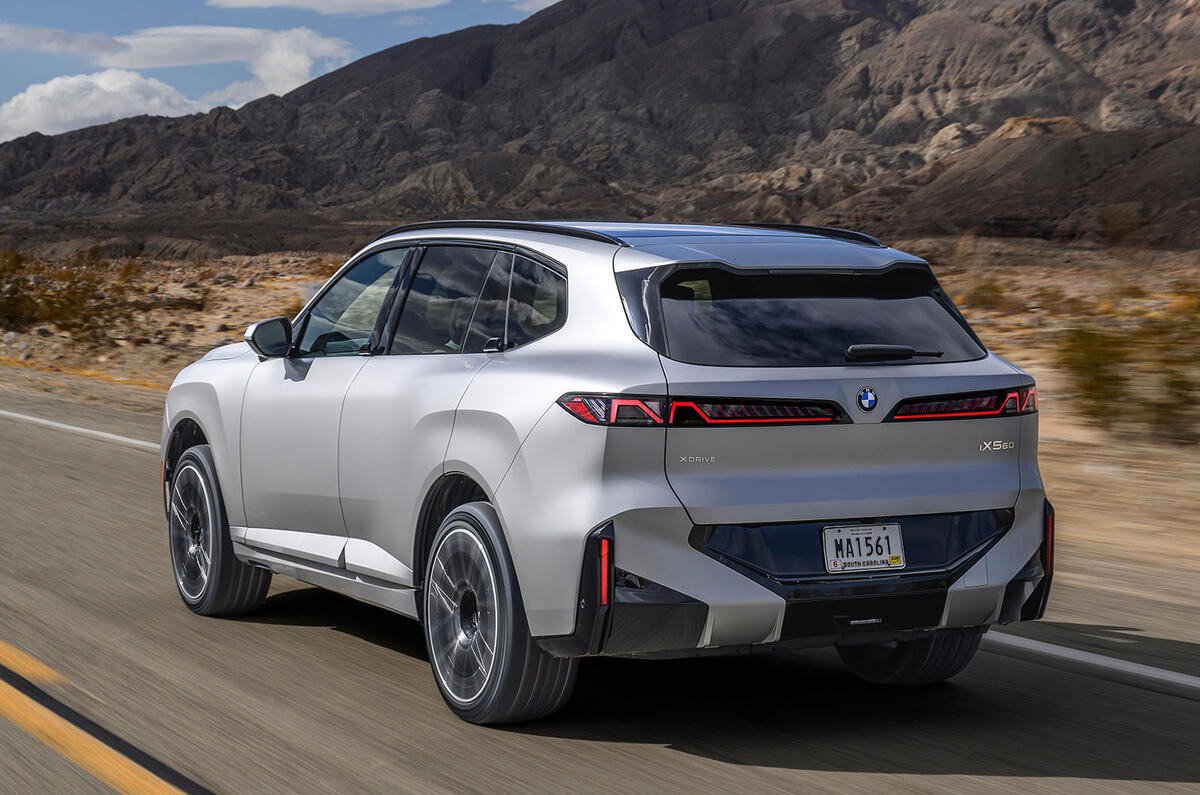
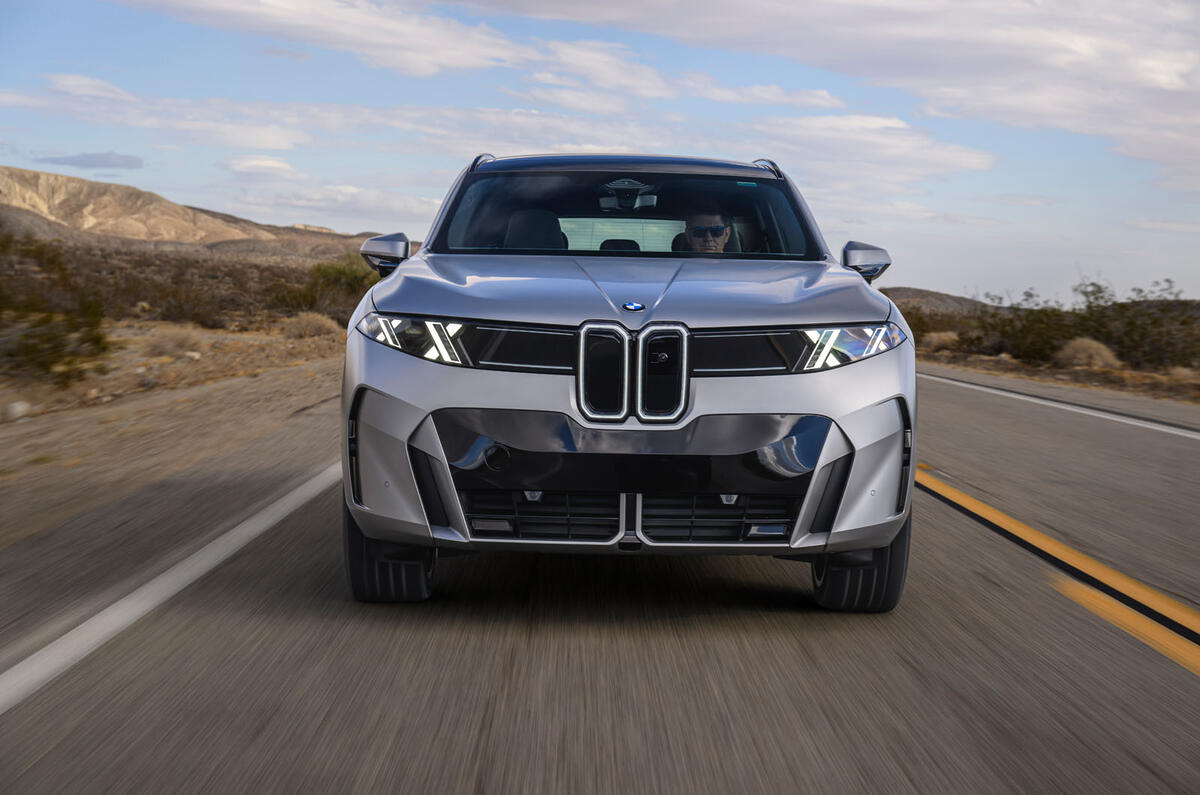
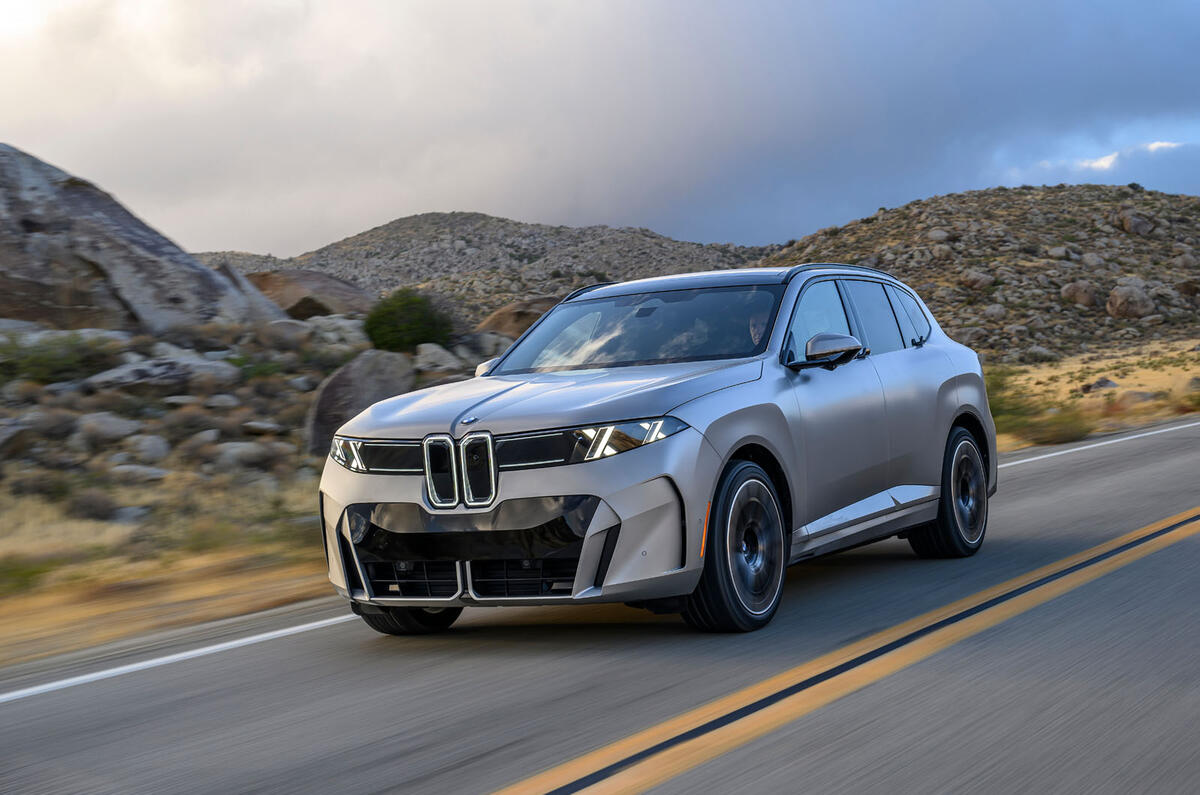
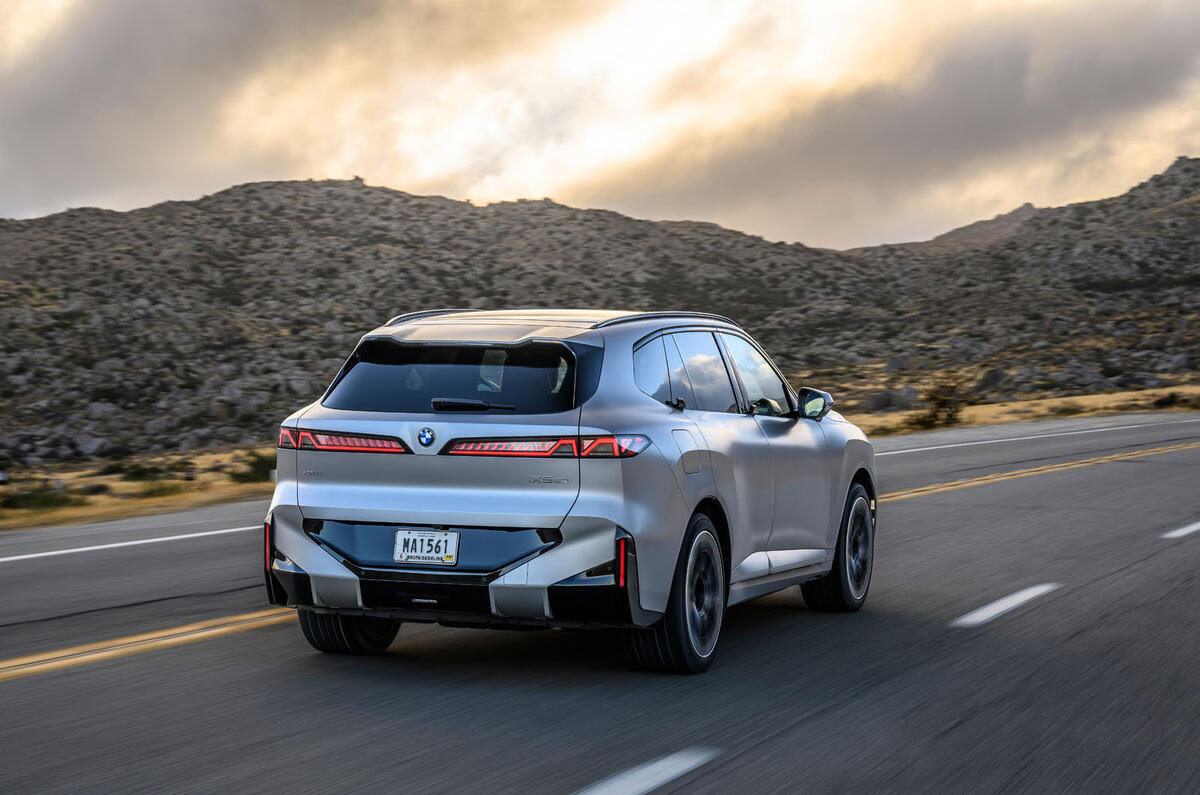
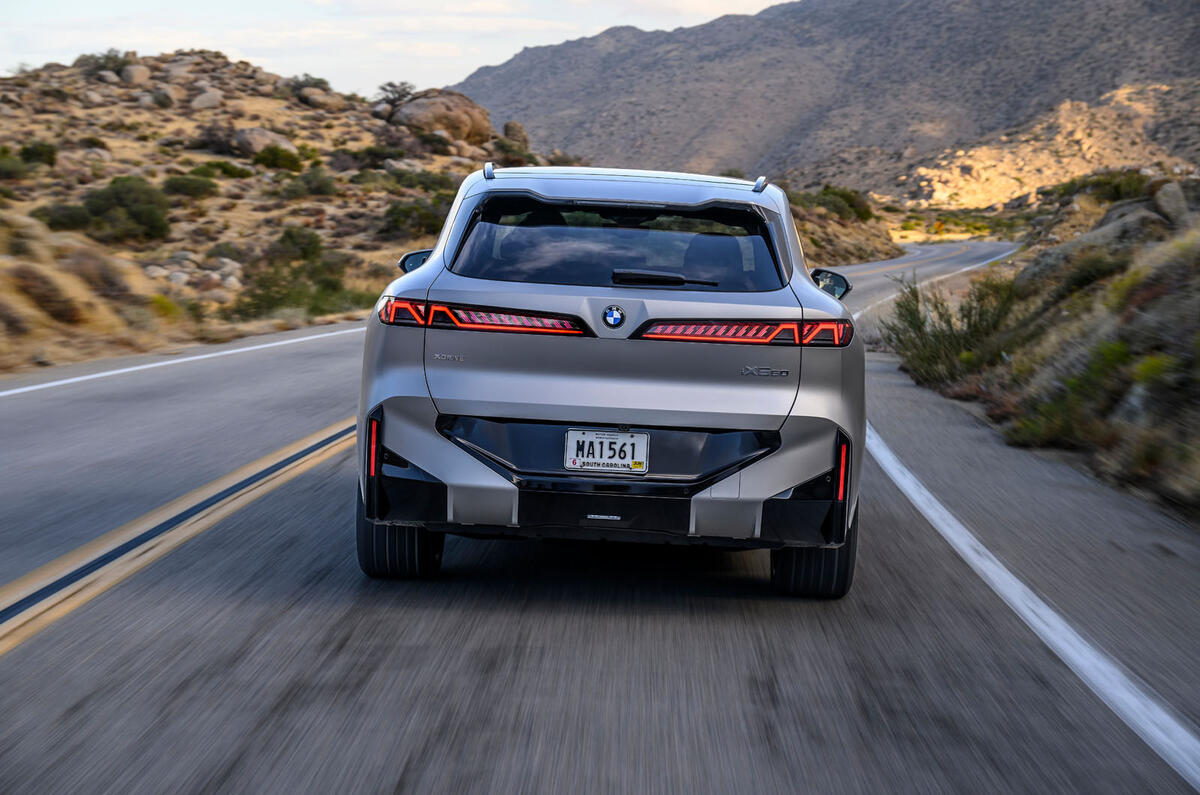
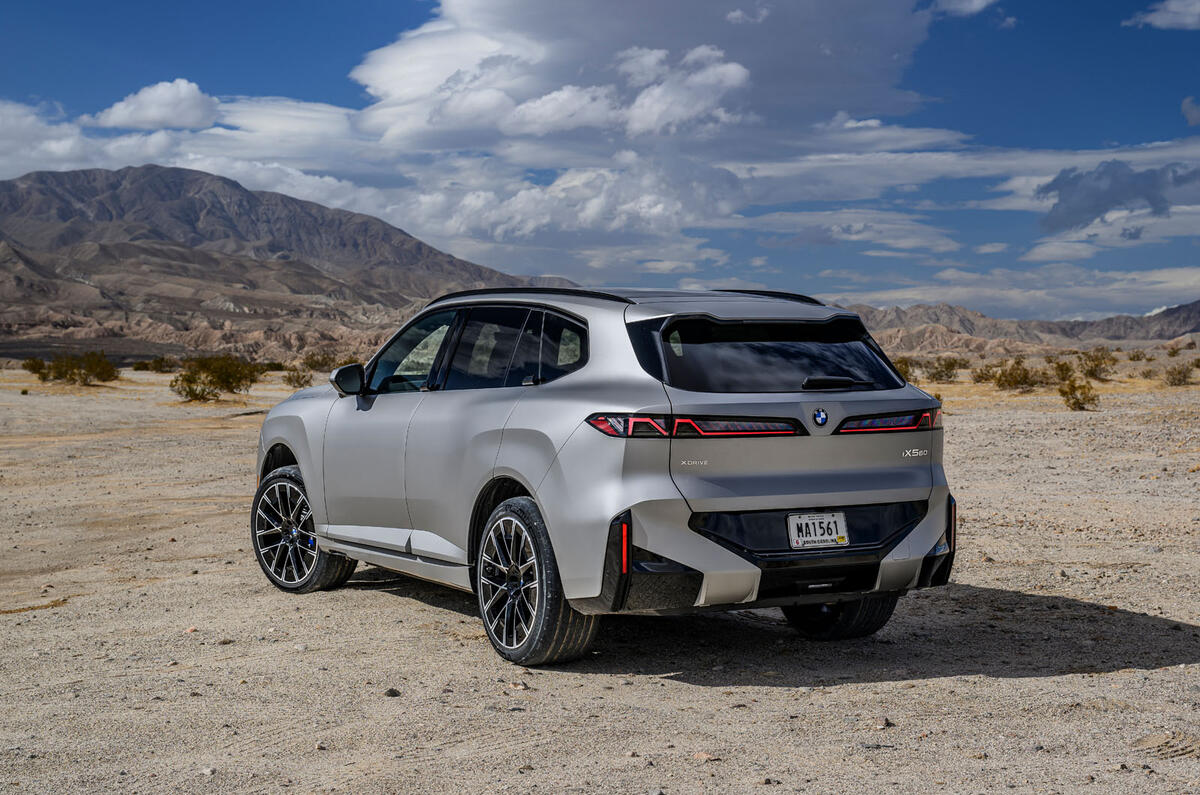
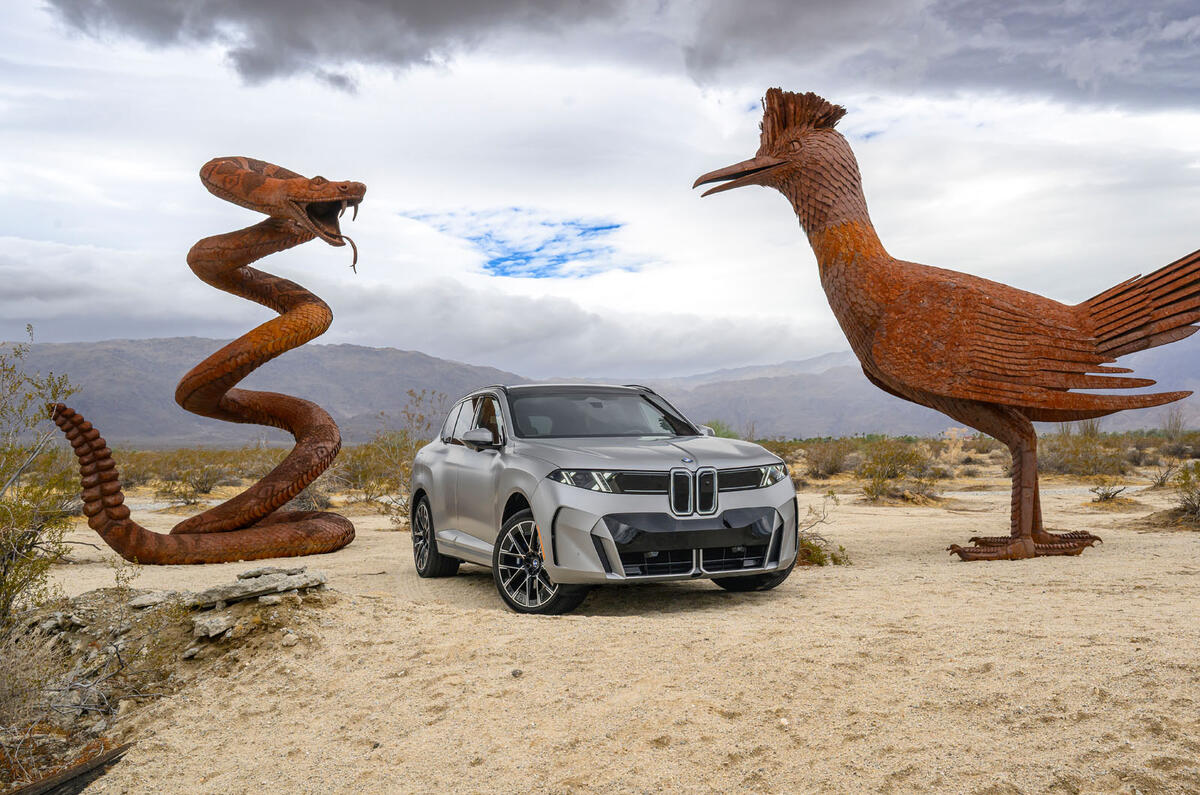
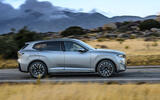
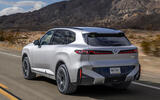
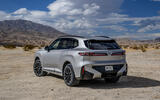
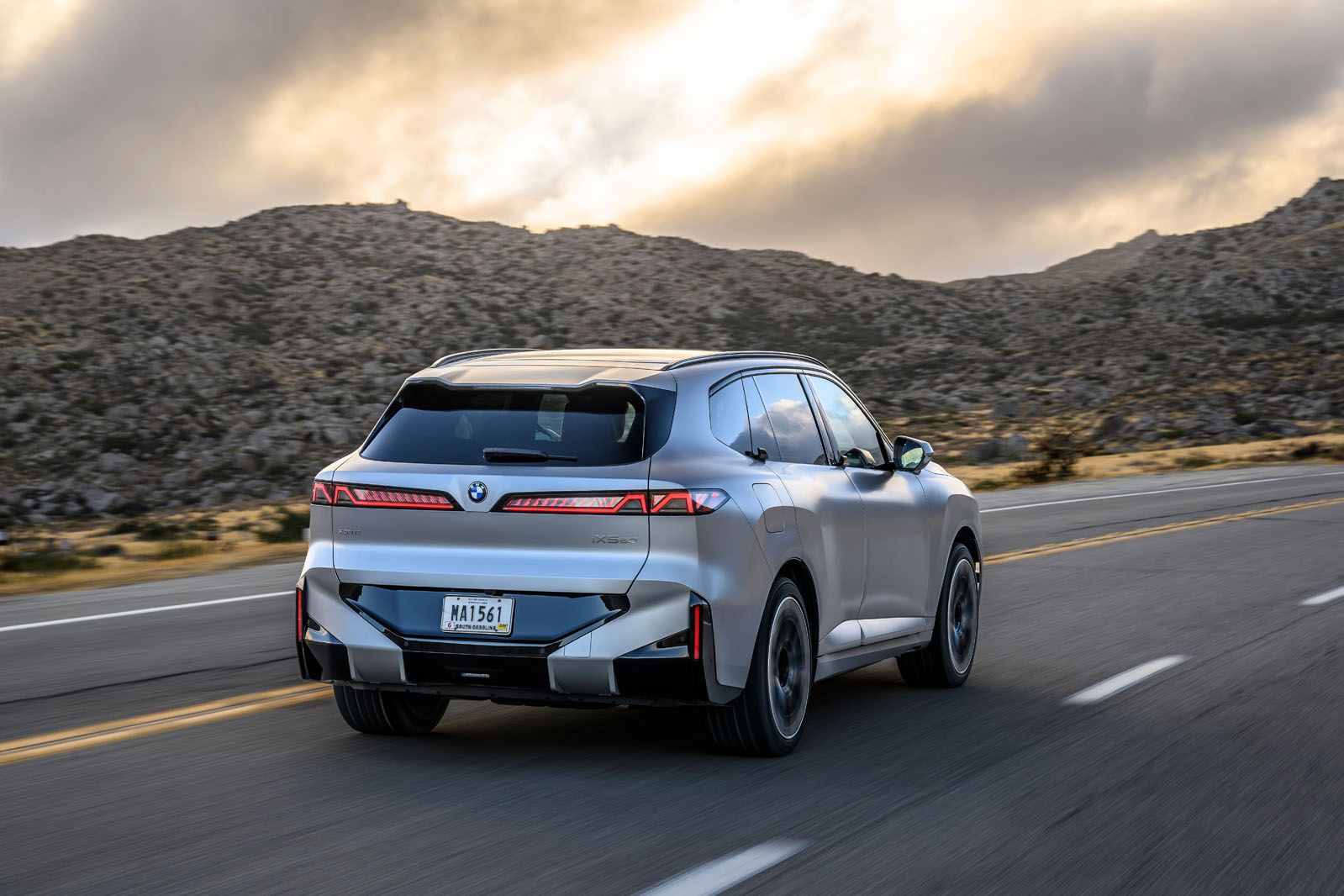
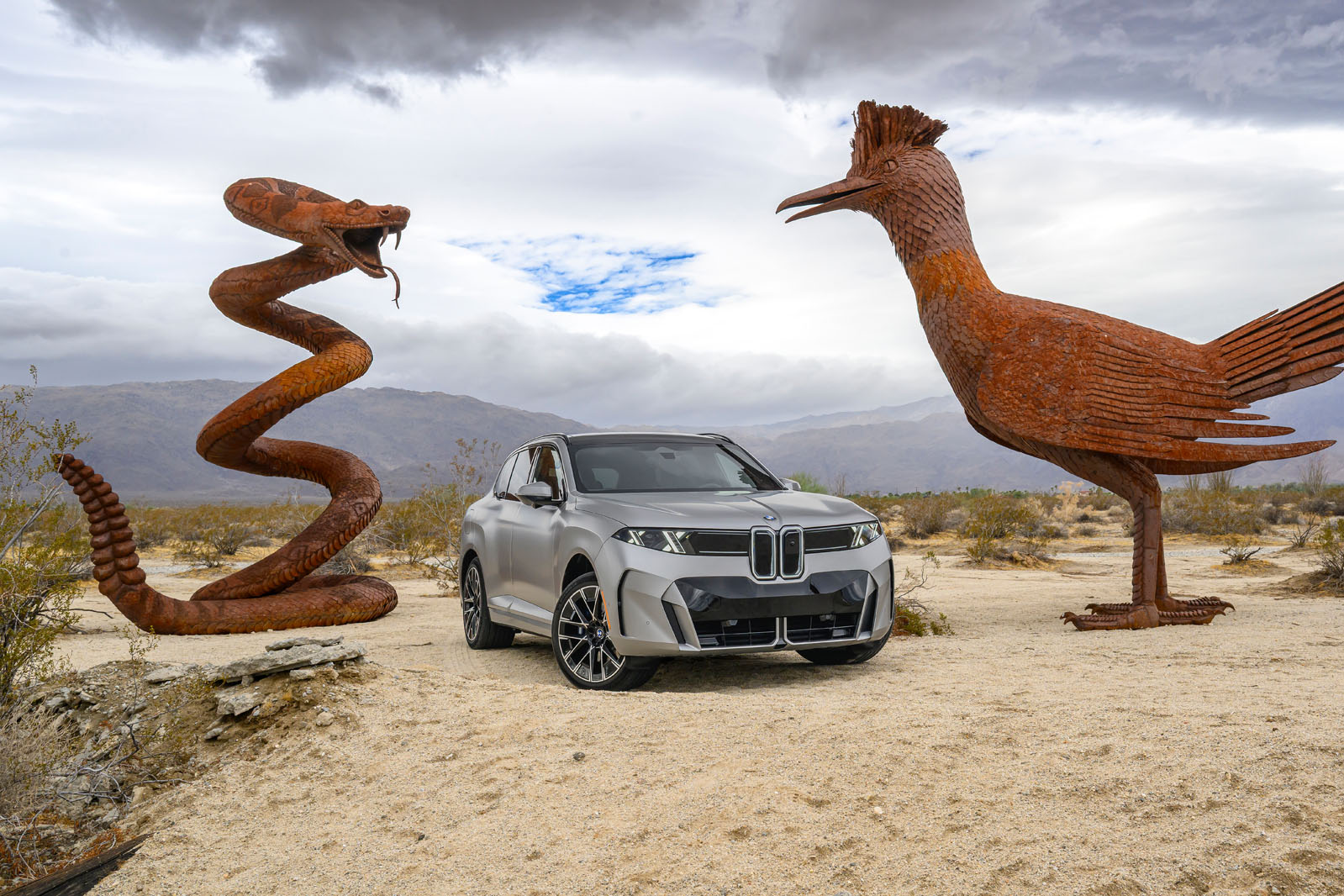
For the iX5, the CLAR platform’s electricals have been upgraded to 800V, as is expected in this segment, with batteries and motors coming from BMW’s sixth-generation eDrive toolkit.
That means it switches to cylindrical cells like the iX3, albeit ones that are both taller and bigger in diameter in order to achieve that mammoth capacity.
They get assembled straight into a pack rather than sub-divided into modules, which then lives in the floor of the car, with the power electronics put in a compartment on top for easier access.
The engineers say it was a big challenge to keep the overall height of the pack (and therefore the cabin floor) low in order to avoid that awkward double-decker feeling of some EVs. This wasn’t a goal accomplished by one quotable technology, instead a process of finding a millimetre here and a millimetre there.
The other big thing was keeping the weight down, but don’t get too excited. I don’t really want to single out BMW for attention here, because it’s not going to be the only electric SUV maker trying to keep its cars’ kerb weights under three tonnes. The new Range Rover Electric is a similar weight to this new iX5, and honestly what’s a few bags of sugar between friends? But the new iX5 weighs 2825kg.
To keep all that weight under control, the iX5 always gets air suspension on both axles (optional on some other variants). Engineers seem pretty happy with the advances they have made here. The big improvement is on the rear axle, where the air spring and damper have been divorced. Don’t worry, it’s amicable.
This has two big benefits: the first is spring rate. Previously, the damper would effectively take up space inside the airbag. Now that they’re separate, the airbag’s internal volume is bigger, so it can be softer if necessary. After all, a larger volume of air can compress more. The control can come from the adaptive damper, which is mounted further outboard, where it gets to use more lever effect on the suspension arms and therefore work better, thus giving a better balance of ride and handling.
The front suspension (double-wishbone, albeit with a split lower wishbone) is more or less the same as before, but then most of the hard work is done by the rear suspension. Another improvement is that the rear anti-roll bar has been relocated to where it can have the ideal lever effect, making it more effective.
If you want to go even further with chassis technology, you can optionally specify active anti-roll bars and four-wheel steering. The latter does ‘only’ about 3.5deg, rather than the 10deg you see on some Mercedes-Benz models, because the engineers want the X5 to feel like a BMW, not a forklift.