Benchmark electric limo gets a major software upgrade, sharper battery tech, and an ultra-plush cabin

Find BMW i7 driven: new tech, same luxury saloon brilliance deals
Other Services
Sell your car
84% get more money with

The BMW 7 Series is by a margin the most impressive luxury saloon of the moment, so the fact that it has just undergone the most significant mid-life facelift in BMW history isn't hugely encouraging for its competitors.

The list of enhancements is therefore a long one, albeit many of them involve operating systems and lines of code rather than oily parts – but that’s probably fine, because it was the ride and handling that were the real standout bits of the existing car.

Advertisement

DESIGN & STYLING

BMW i7 review 2026 030

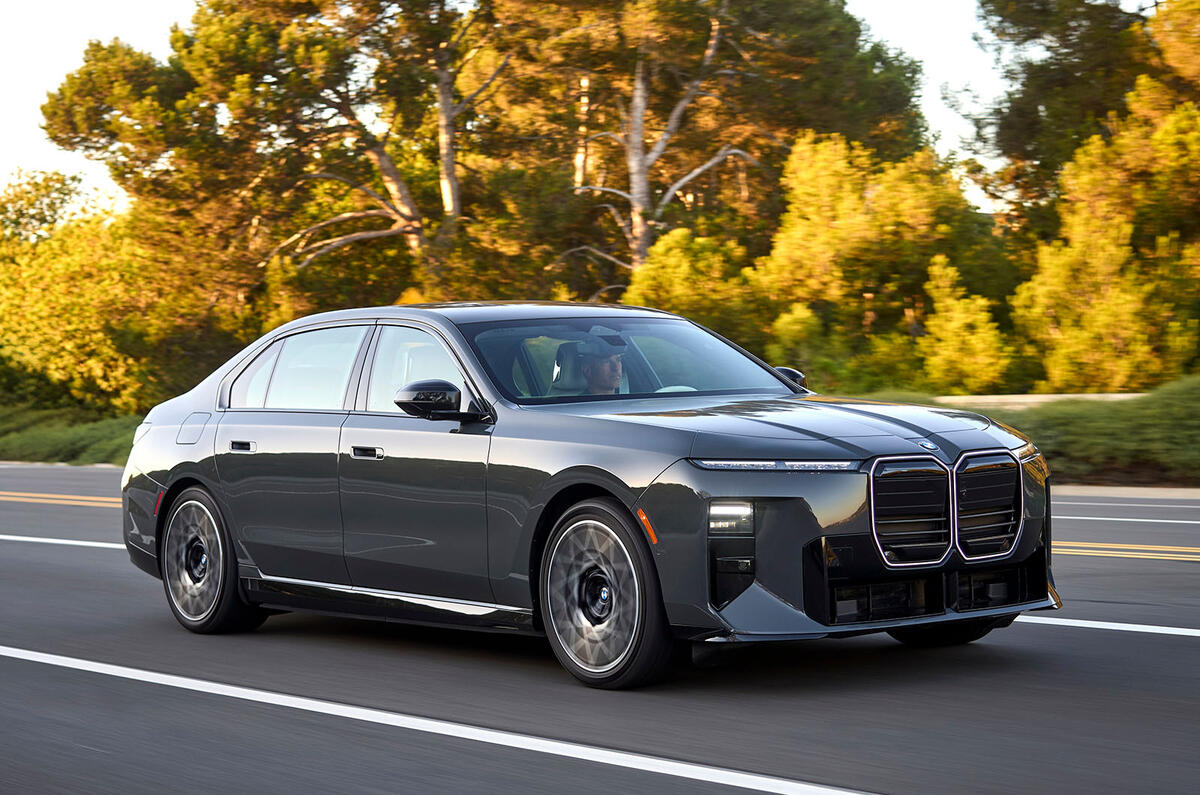
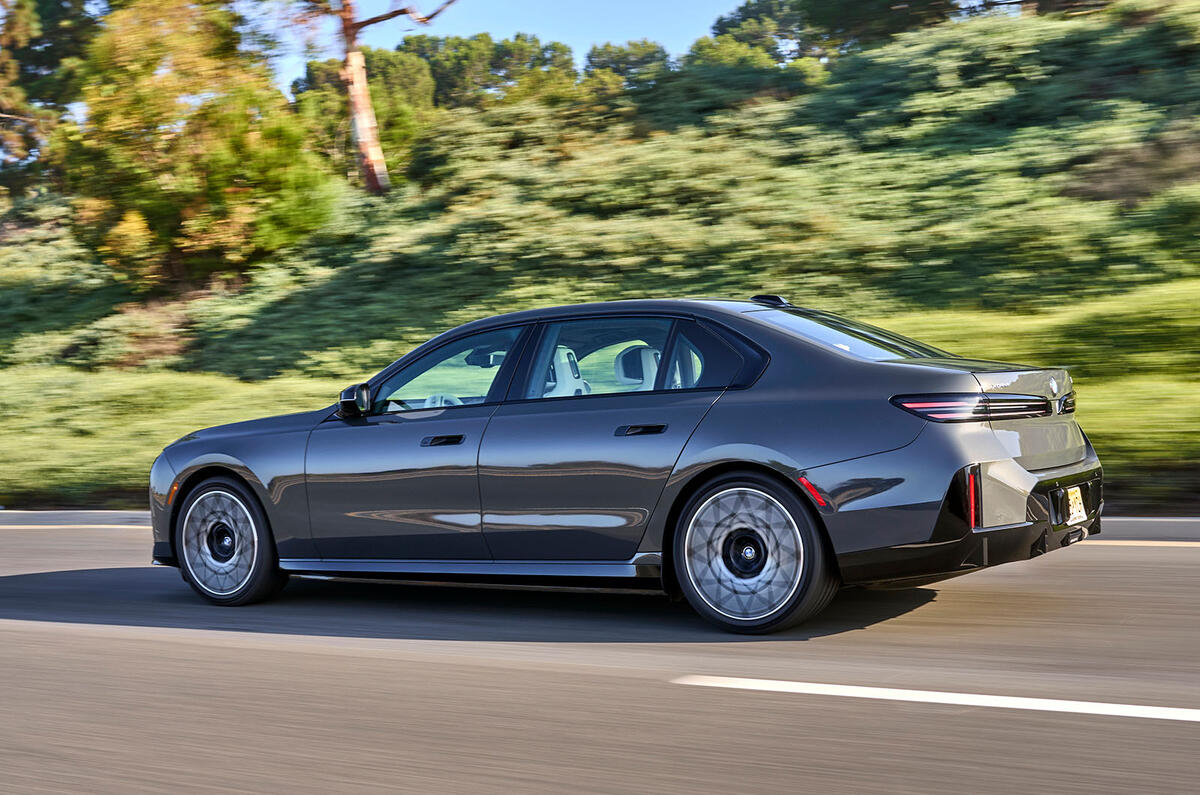
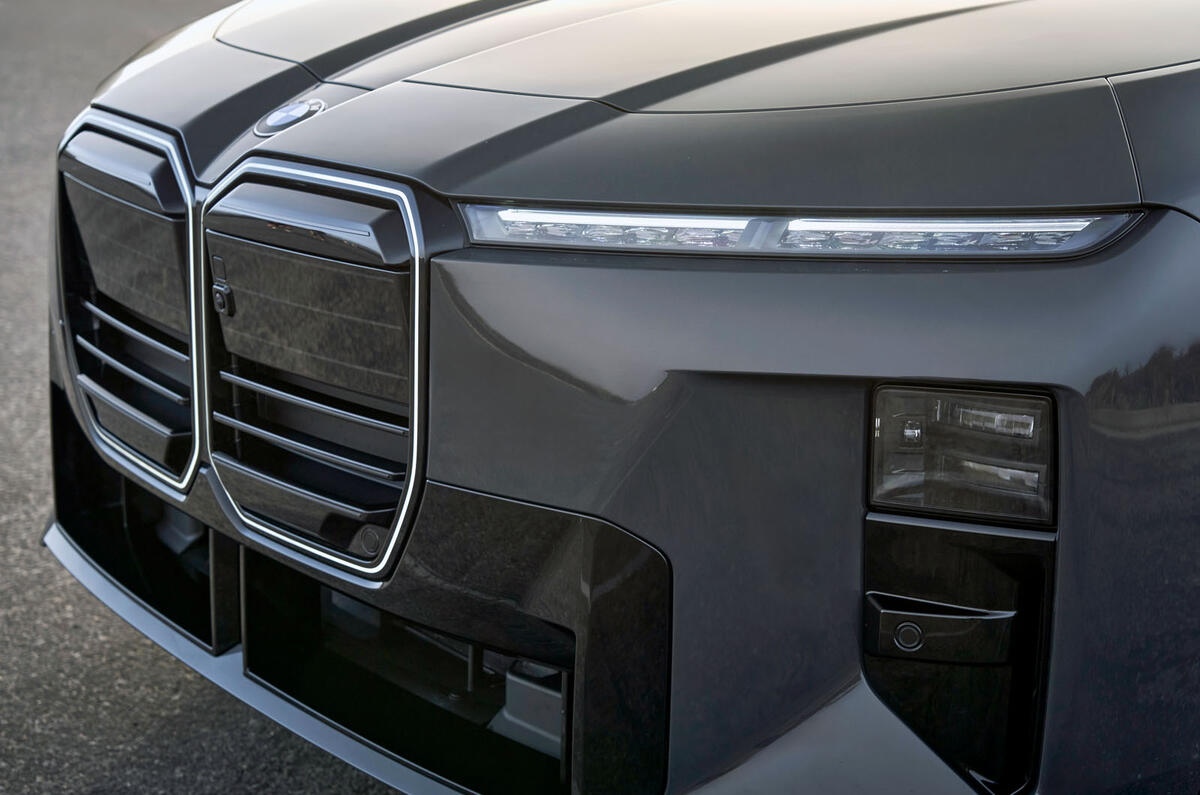
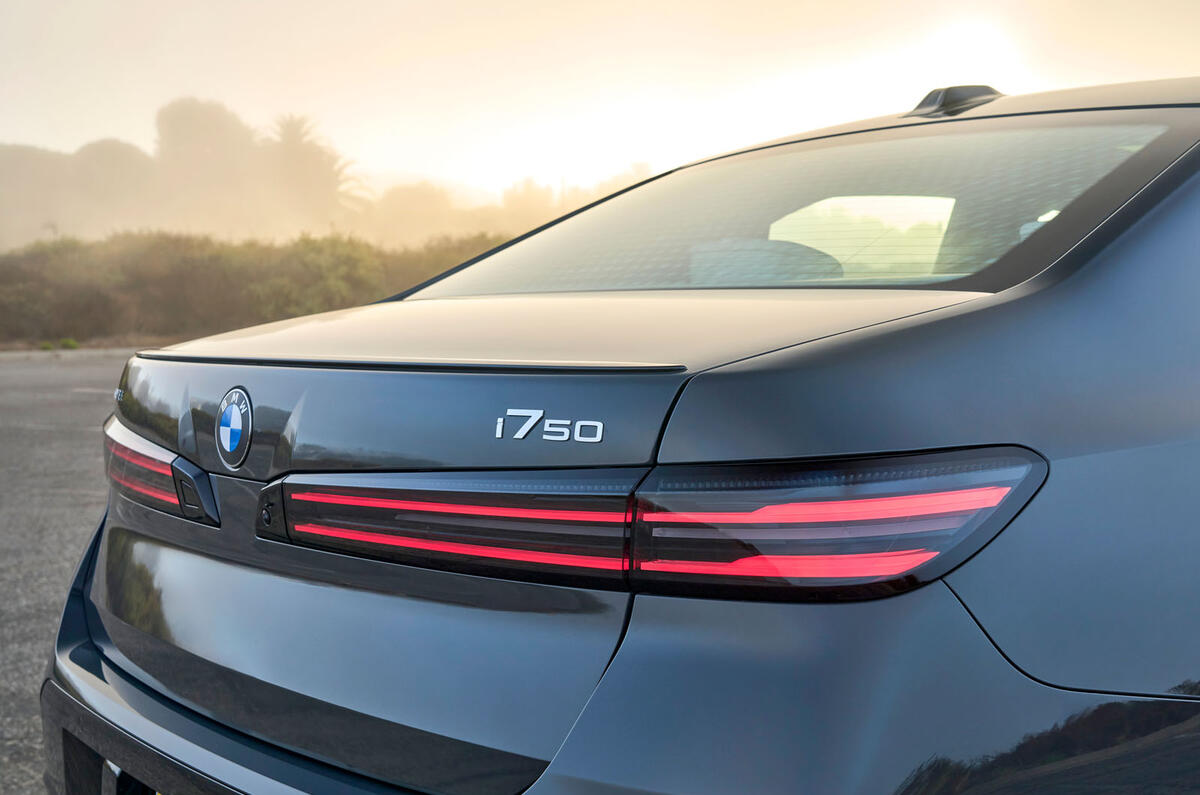
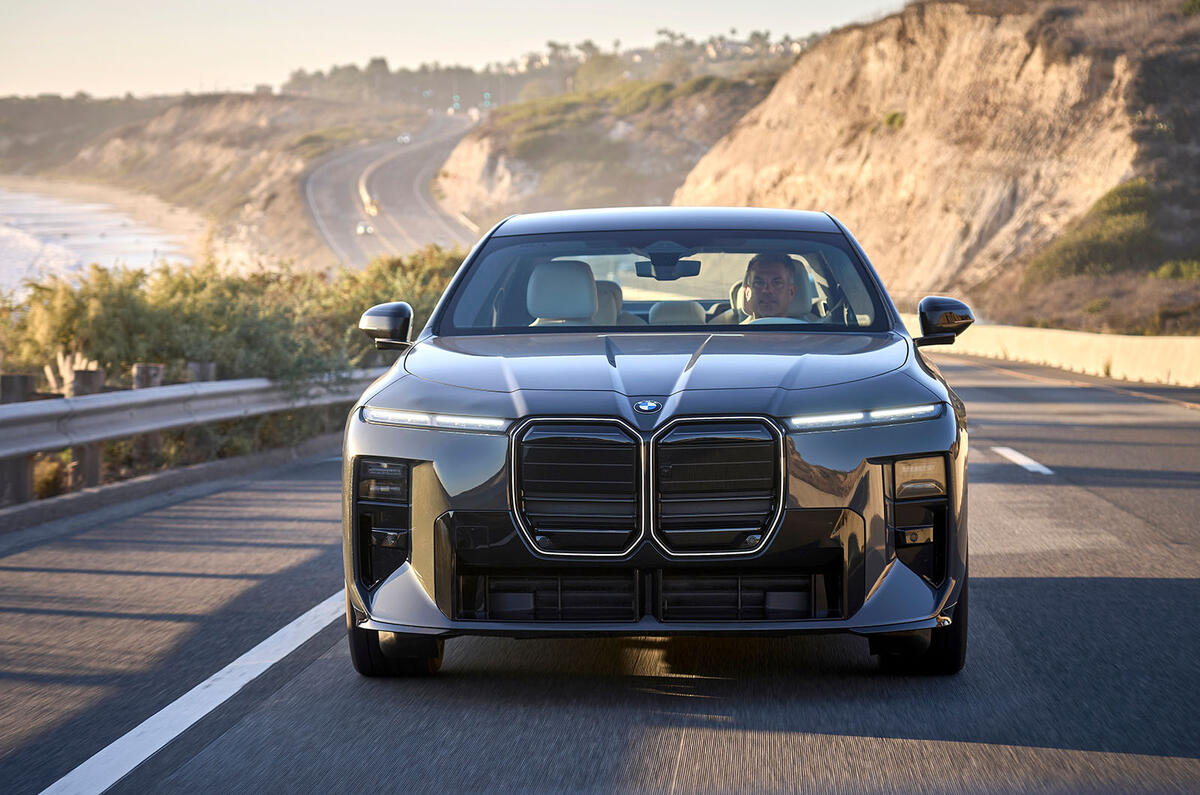
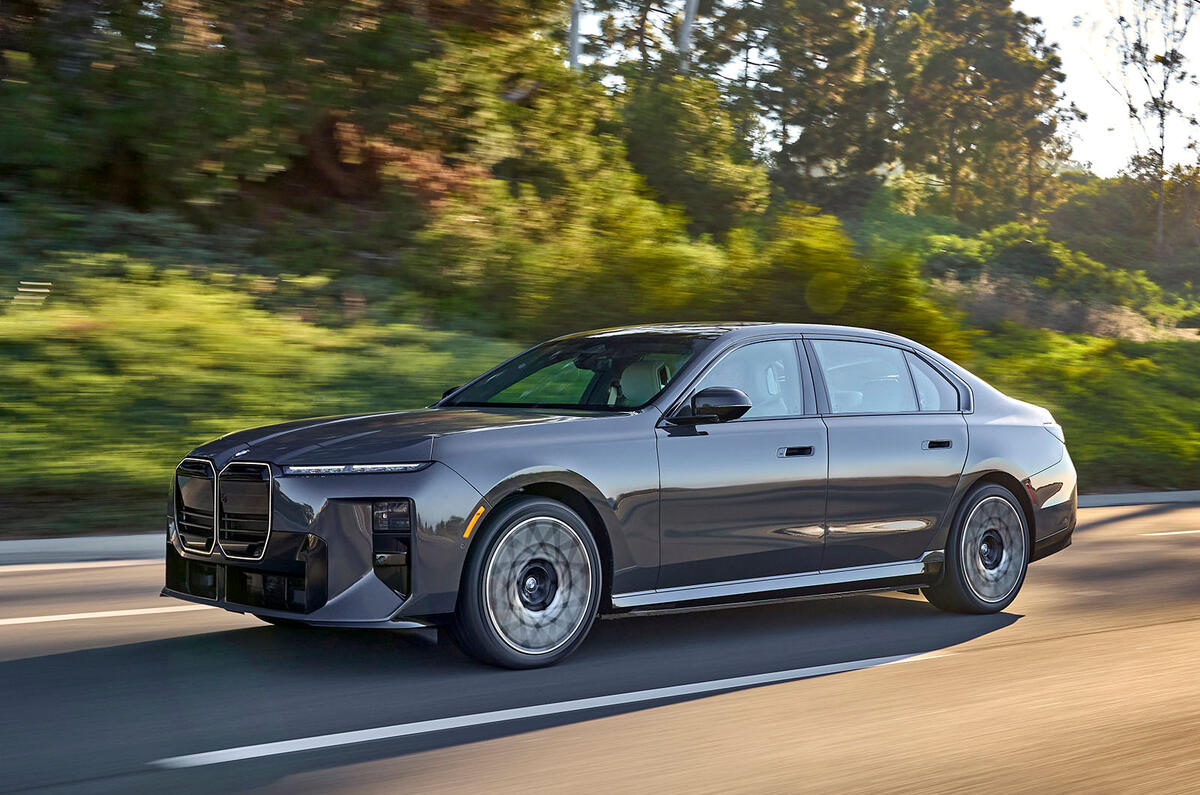
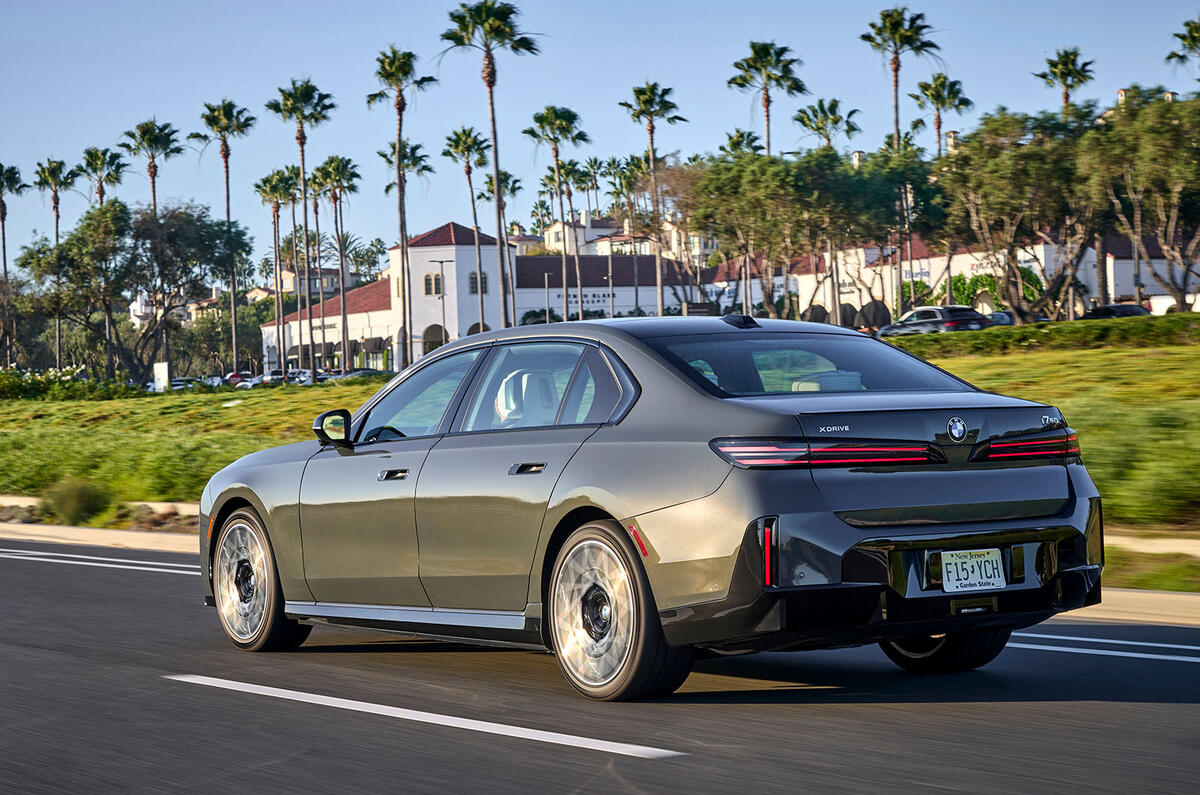
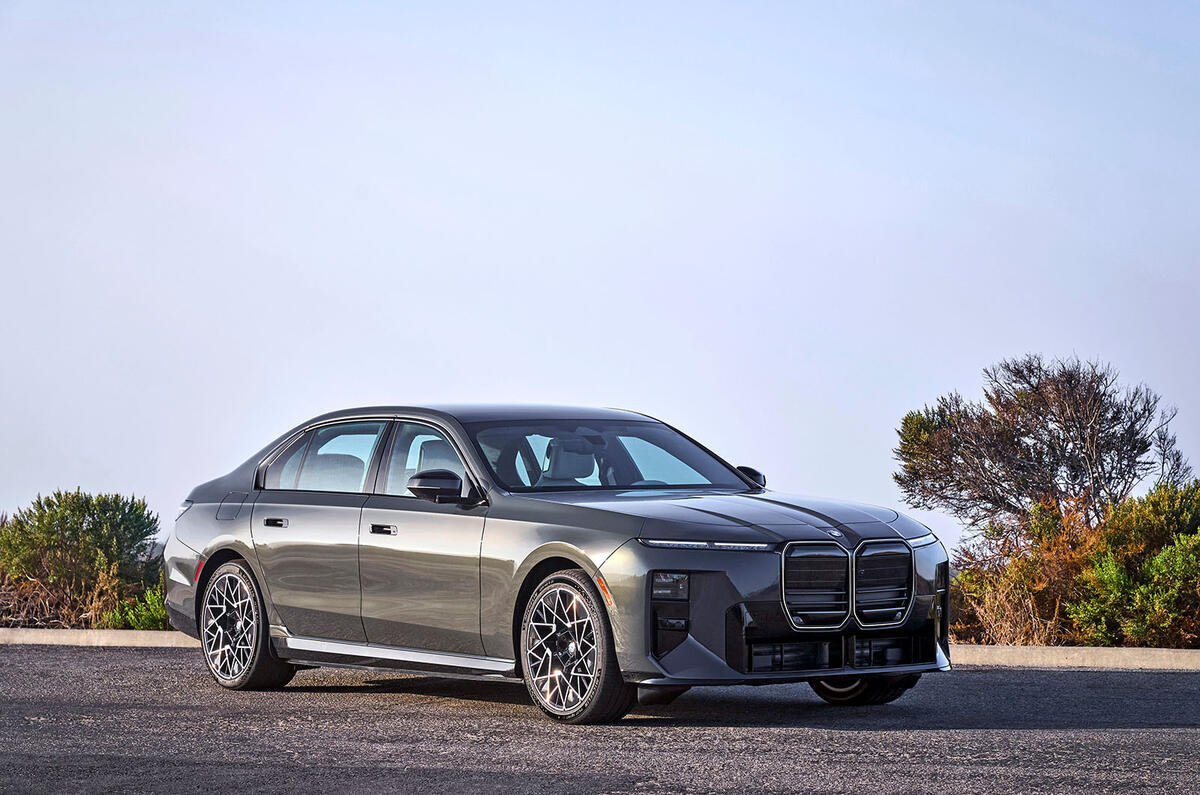
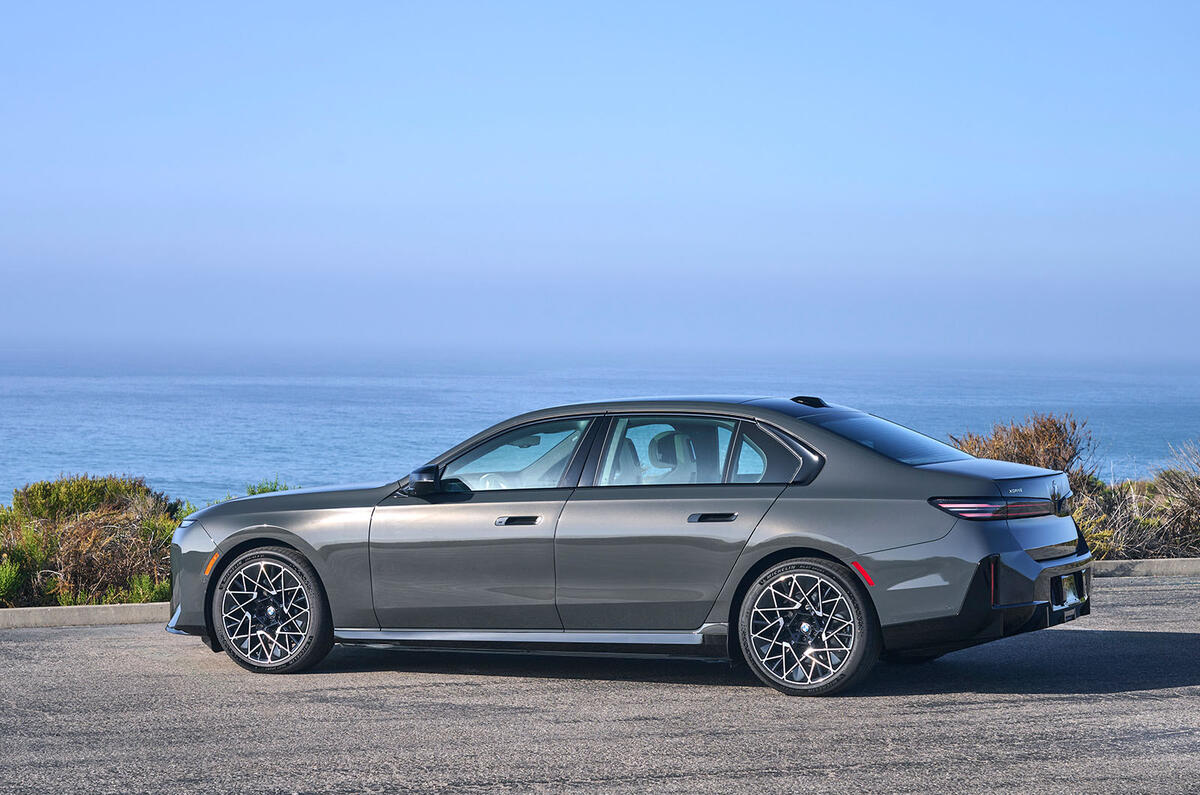
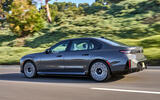
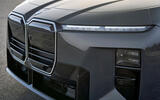
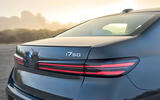
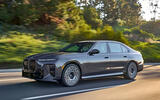
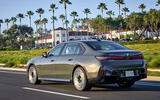
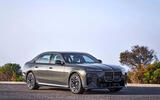
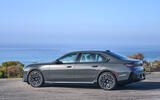
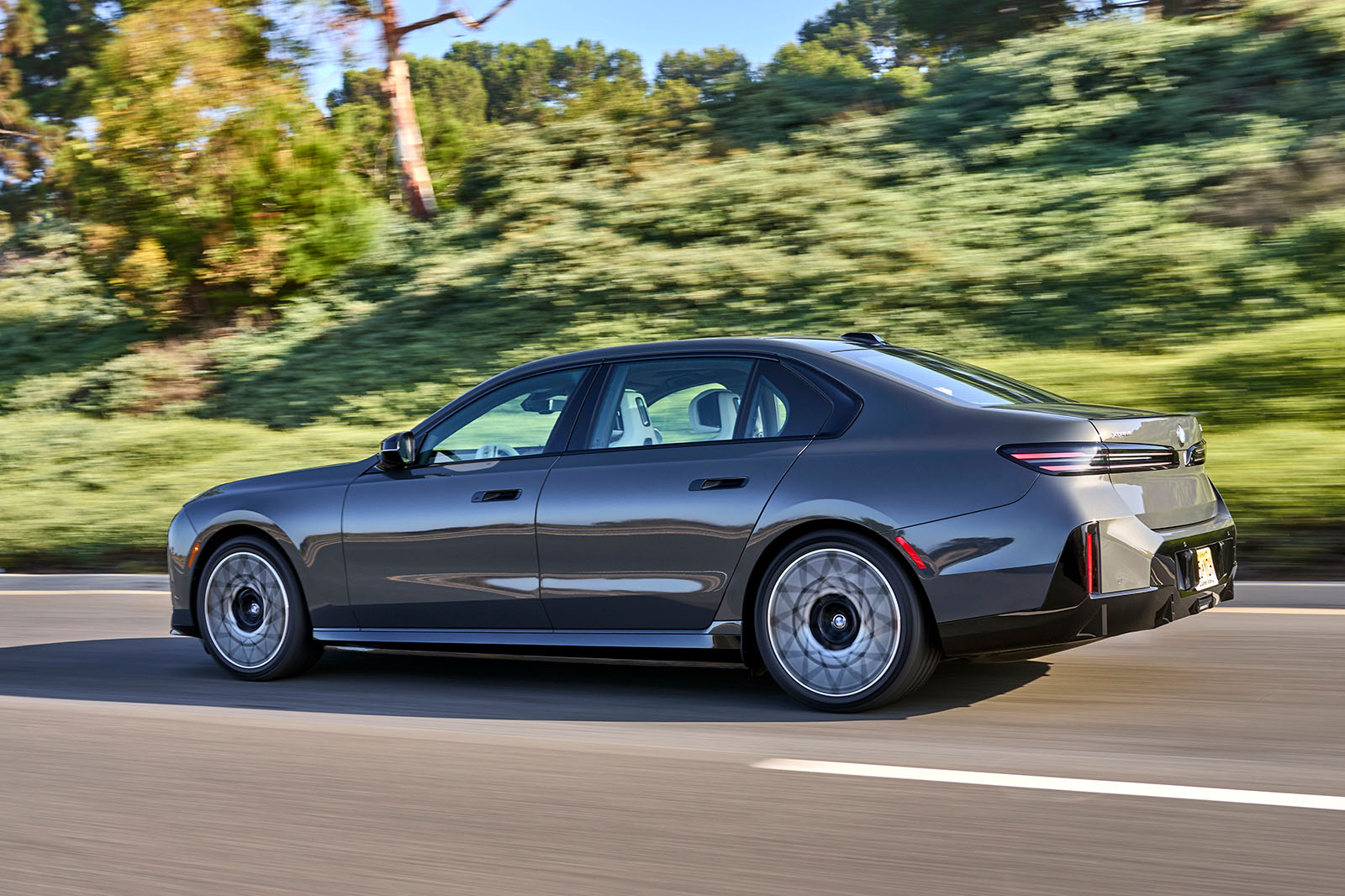
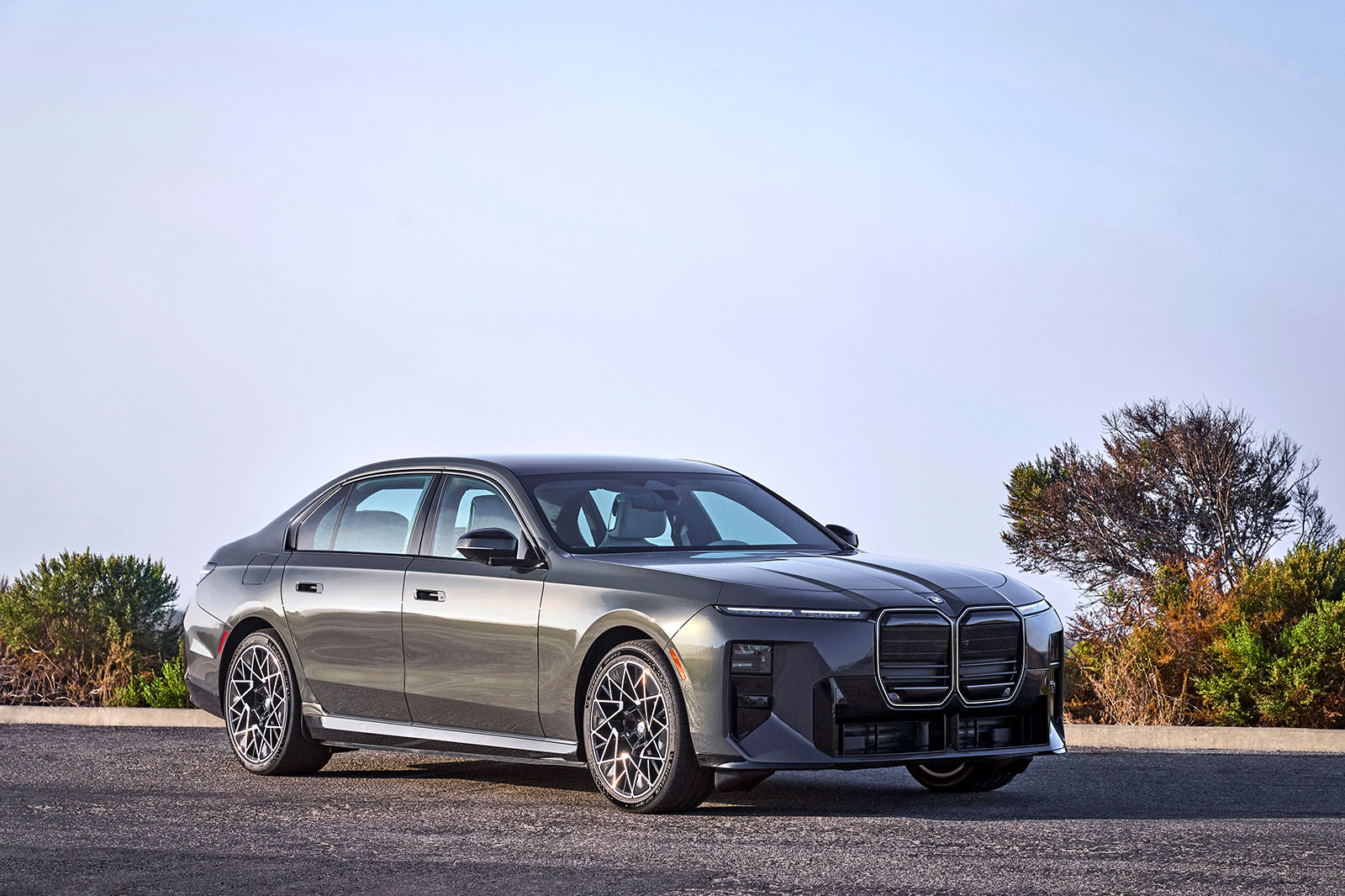
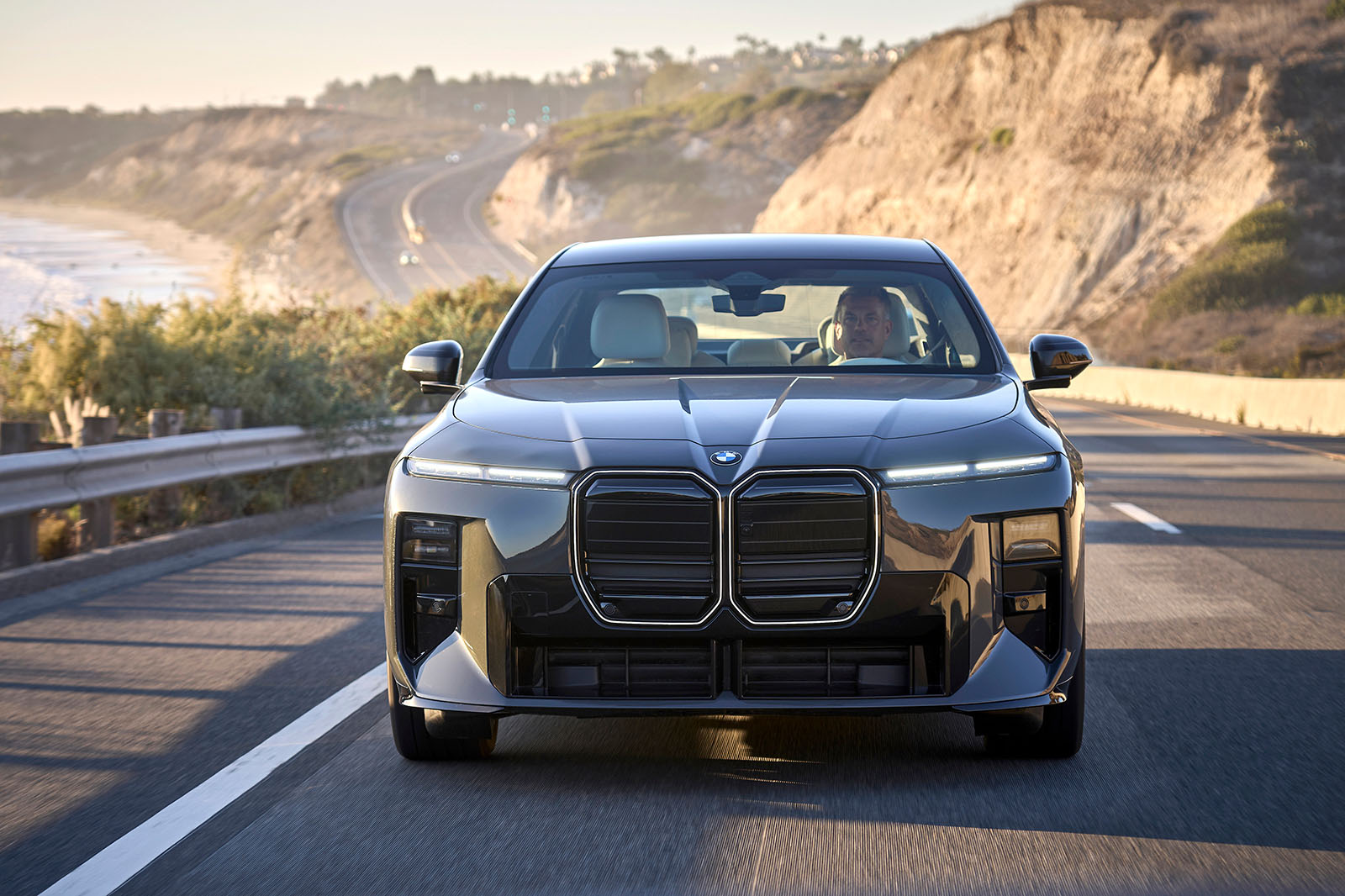
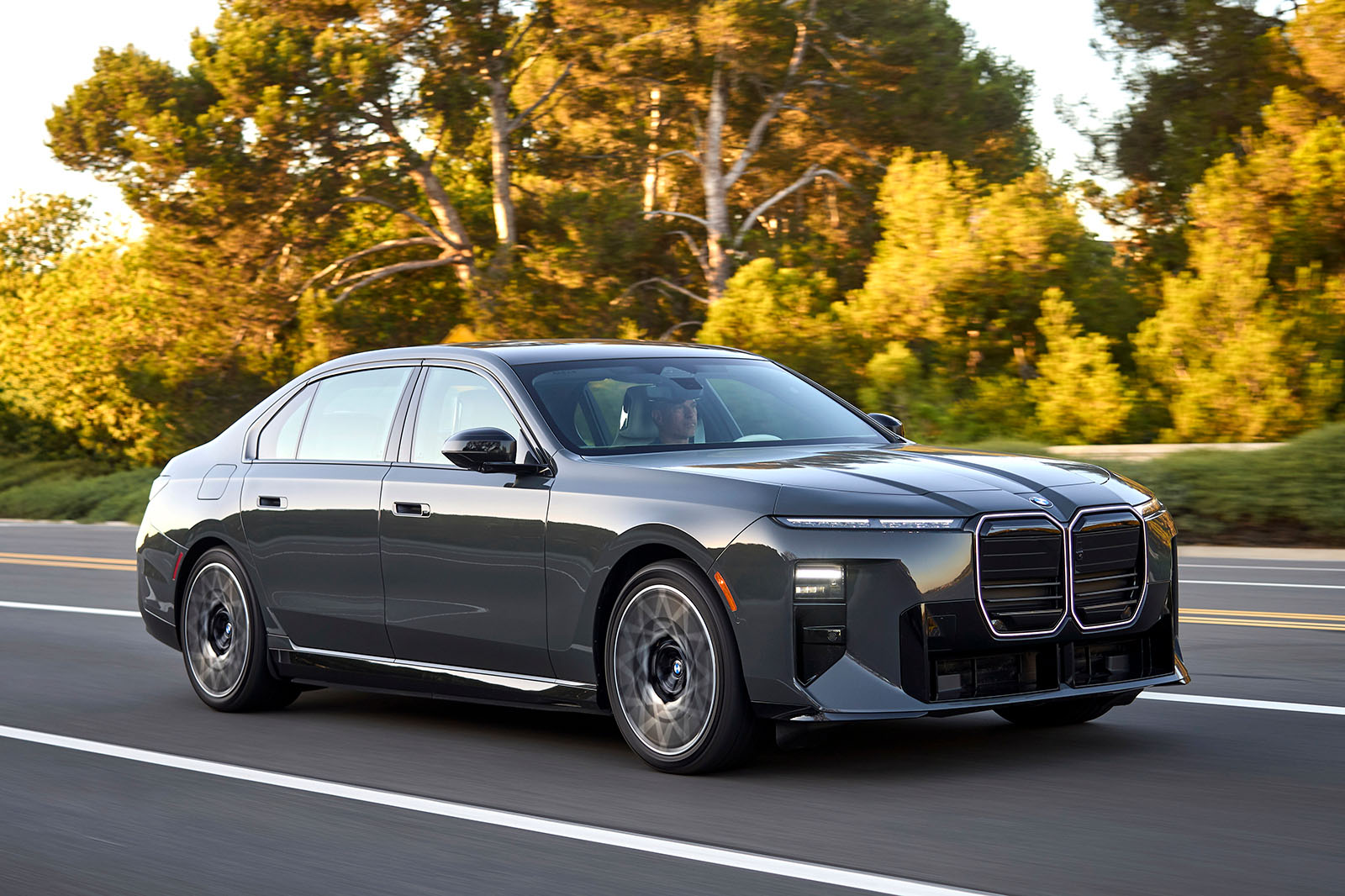
Outside there are new, lighter, wheel designs, remodelled lights, plus some new hello and goodbye lighting sequences, and you can now have two-tone paint.

But bar these minor changes, the exterior has largely been left alone. That’s not spectacularly good news, because even the nicest thing BMW can think to say about it is that its “monolithic exterior” gives it a “visually striking presence” and that - like being the only person in the room who has been beaten up - that makes it “easily recognisable”.

But as per the original Porsche Cayenne, challenging appearances doesn’t seem to hold a good car back. And with the advent of other monolithic and brutalist designs, perhaps new-era BMW is, like Bangle-era BMW, a trendsetter – if you’re being generous;

Of drivetrains, it’s the i7 EVs rather than the ICE 7 Series models that receive the biggest change. There are three electric variants: the entry-point 50 xDrive (with 449bhp), the mid-range 60 xDrive tested here (536bhp) and the range-topping M70 xDrive (670bhp).

All have four-wheel drive from two electric motors, rear-biased. In this 60 variant, the rear motor makes a fulsome 308bhp, with the front one chipping in an additional 255bhp, combined good for a 0-62mph time of 4.8sec.

There are still 7 Series variants with engines too: in the UK we get the plug-in hybrid, but overall globally there are nine different powertrain options. So far, though, we’ve only had a chance to try the mid-point electric one.

The i7s have new battery cells, what BMW calls its Gen6 cylindrical cells, which fit more energy into the same space as the previous generation. This is helpful, because if there was an issue with the old i7, it was the relatively modest range.

There's also a new design for the motors, which are “electrically excited”. Aren’t all motors excited when they see electricity? Yes, but these use an electrical feed rather than permanent magnets to set them in motion, which means fewer rare-earth metals and a bit more efficiency.

Anyway, with battery size up from 112.5kWh from 105.7kWh, the i7's WLTP range is up to 451 miles (depending on spec and in the right drive mode), a rather useful increase on its 387 miles before (which we couldn’t match in testing anyway). The real-world range ought to be comfortably over 300 miles, and the new cells accept charge more quickly too, at up to 250kW rather than 195kW.

All 7 Series variants, regardless of powertrain, get double-wishbone front and five-link rear suspension, adaptive dampers and air springs, plus active rear steering. Active roll stabilisation is an option, but while the i7 is a heavy car, with a 2770kg kerb weight (and the last one we road tested was 2758kg with a smaller battery), I wonder how much it needs that, because it isn't tall, at 1.59m, and the centre of gravity will be low when there's an enormous battery slotted underneath.

Production of the new 7 Series has already begun in Dingolfing, Germany, so it will arrive in UK showrooms imminently.

INTERIOR

BMW i7 review 2026 033

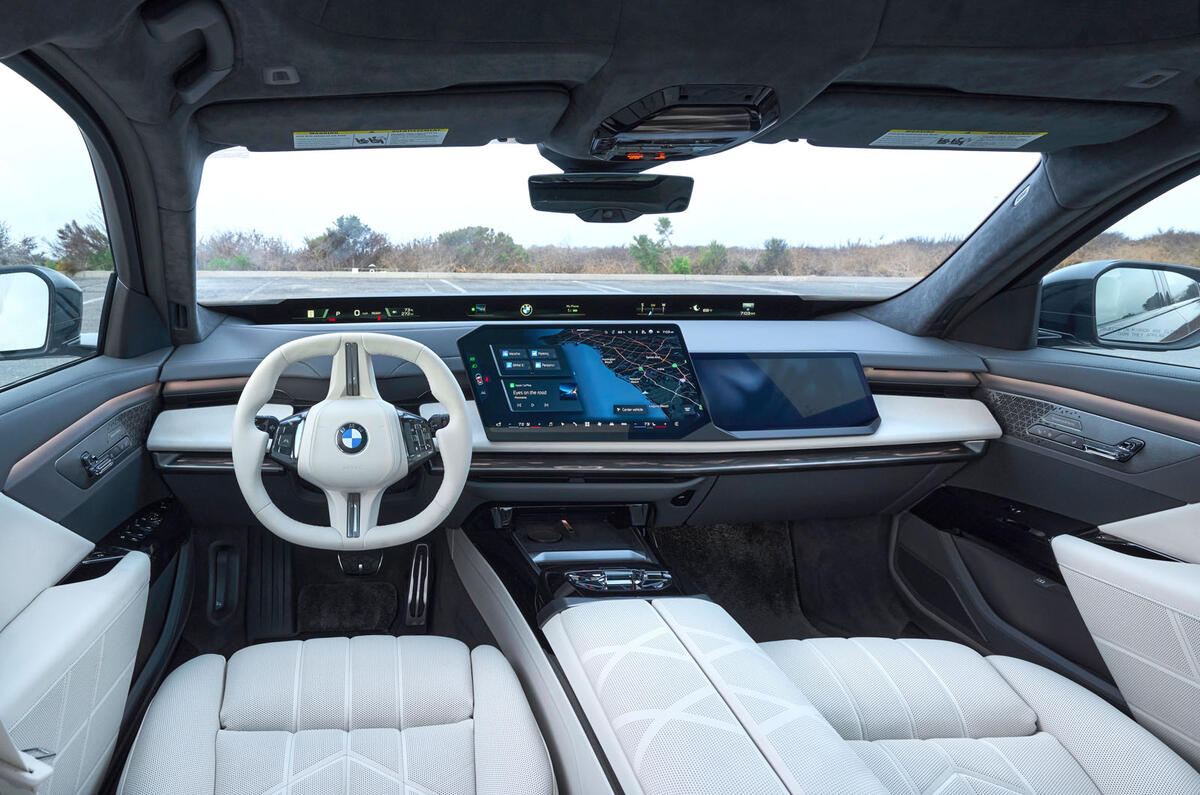
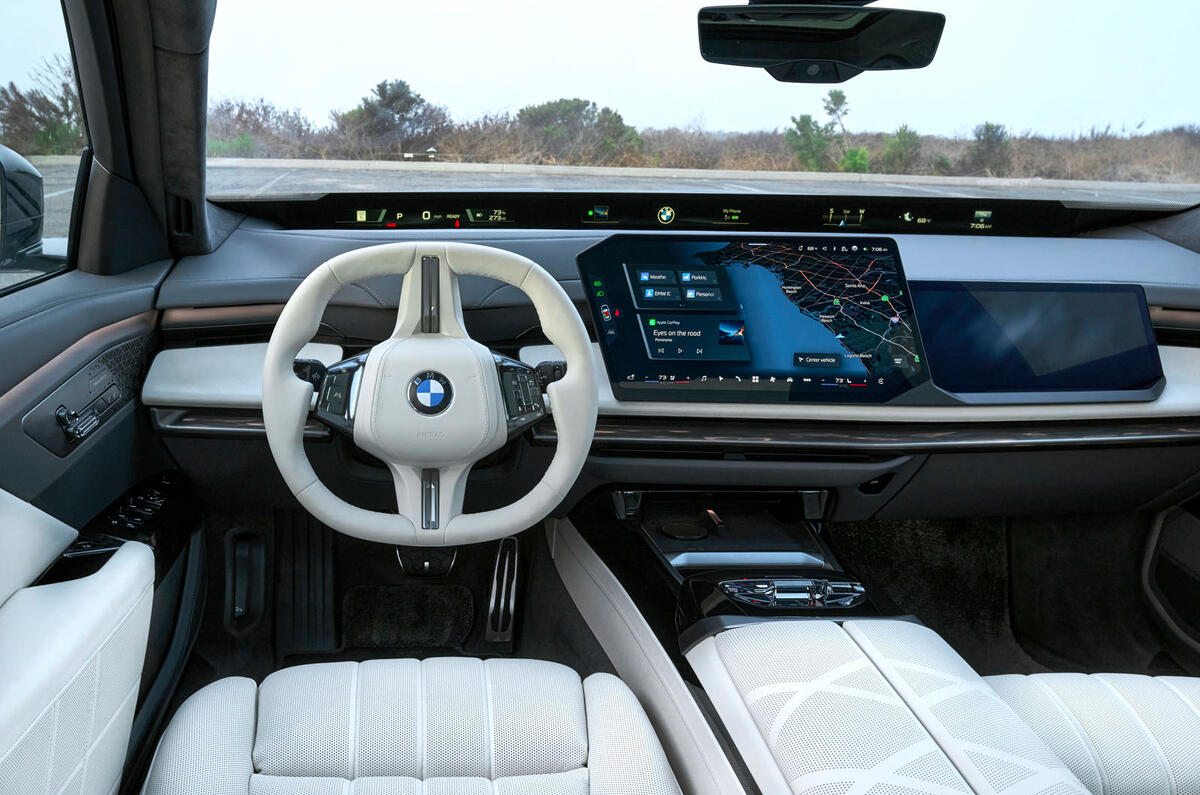
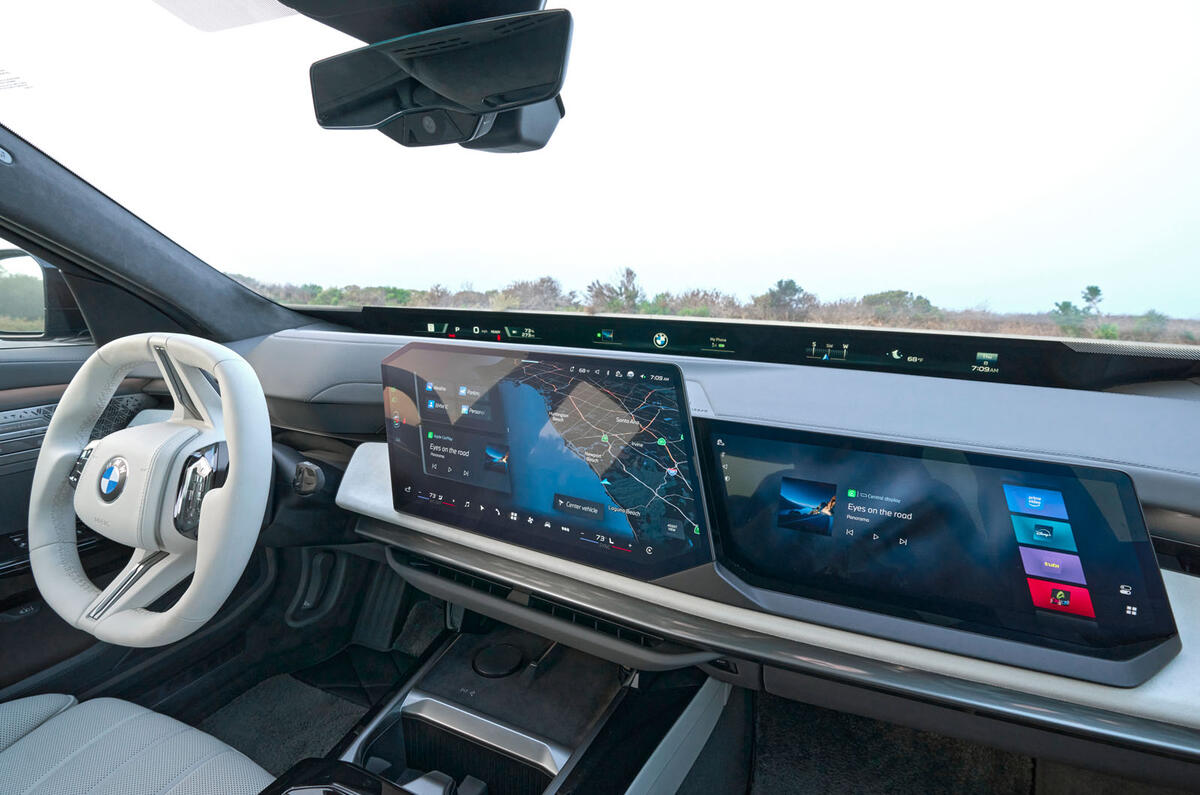
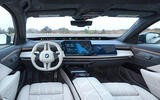
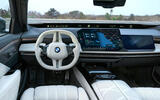
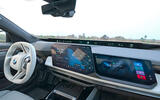
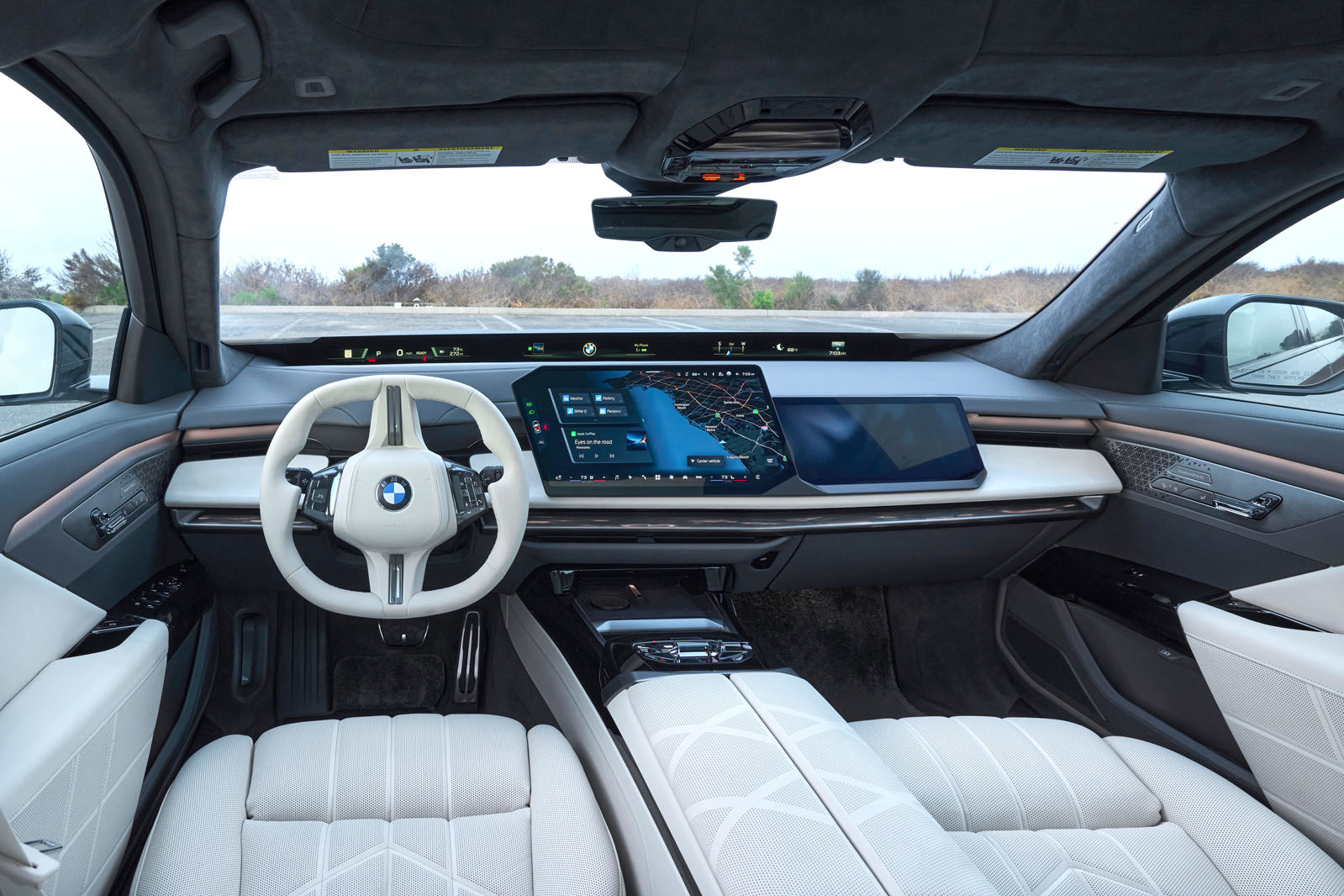
The inside features the more significant upgrades, with the introduction of a new i3-style Panoramic iDrive display, the vast array of instruments which span projected across the interior where the base of the screen meets the far side of the dashboard.

I’m surprised how quickly BMW manages to be rolling this out, but I think it’s a really decent – and an eminently tweakable – instrument cluster. It also means you don't have to look through the steering wheel at the dials, which has given BMW the opportunity to introduce its new steering wheel design here too, which, as in the iX3, I think is less successful.

Knowing that drivers wouldn't have to look through it, the designers made it particularly blocky, and I don’t know for how long I’ll think those with upright spokes have got a quarter-turn of lock applied even in a straight line.

They say it’s sculpted so that it’s easier to hold at a quarter-to-three, which may be true, but I didn’t have a particular problem doing that with a round rim, and when the wheel moves – as wheels are prone to do – it’s less intuitive.

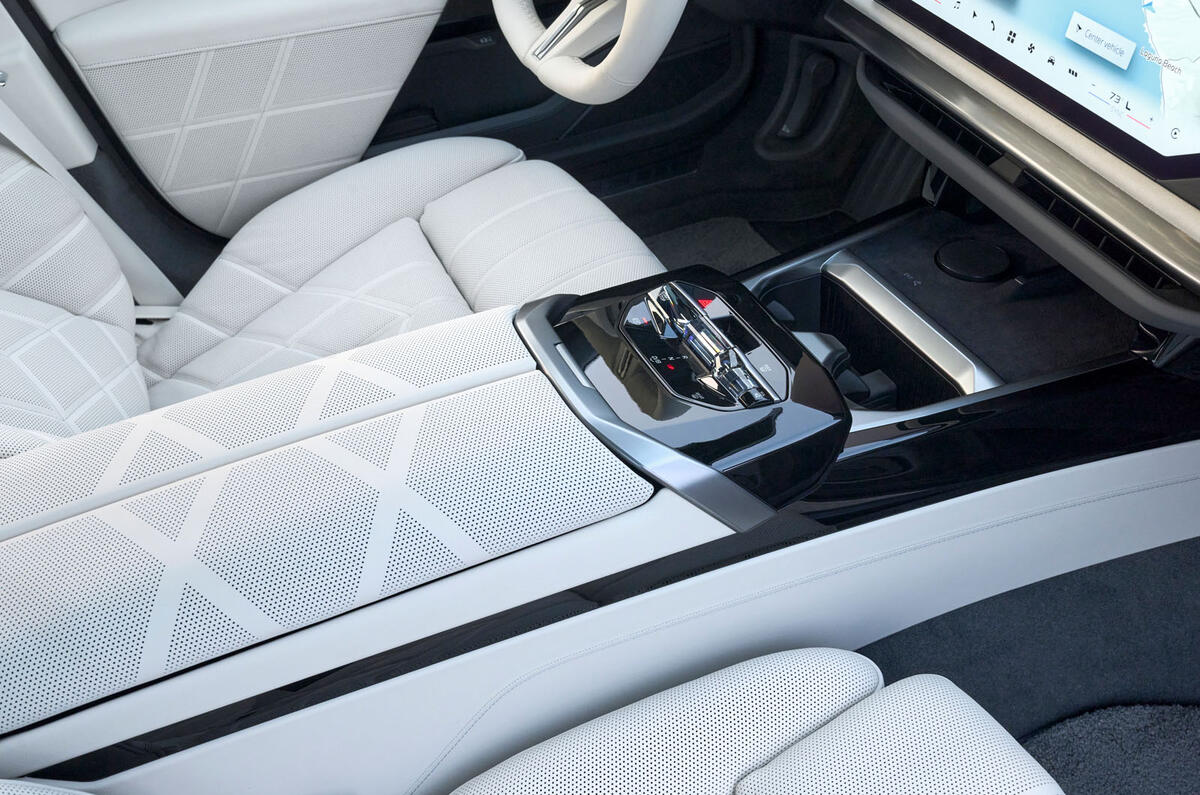
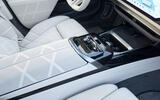
Elsewhere there's a “reduced interior design”, which seems to be shorthand for doing away with the transmission tunnel's iDrive dial and buttons – another move that I think is unhelpful, given the complexity of the touchscreen’s remit.

This is a new 17.9in centre display, with a new operating system that's easier to navigate than the previous one. But with the absence of a rotary controller I do wonder if overall this might not be an improvement, no matter how good are the panoramic view, head-up display or voice control (you shouldn’t be forced to talk to your car, in my view).

Given that any new car, let alone a luxury saloon with as many options as this, has so many different settings, removing buttons just when the wider industry is waking up to their value seems a retrograde step. Oh for that little row of programmable shortcuts that used to be next to the (also missed) heater controls.

Still, the perceived material quality and fit and finish both feel excellent and brought up to date rather deftly. All in BMW says there are 700 different interior finishes, alongside the 500 different ones for outside.

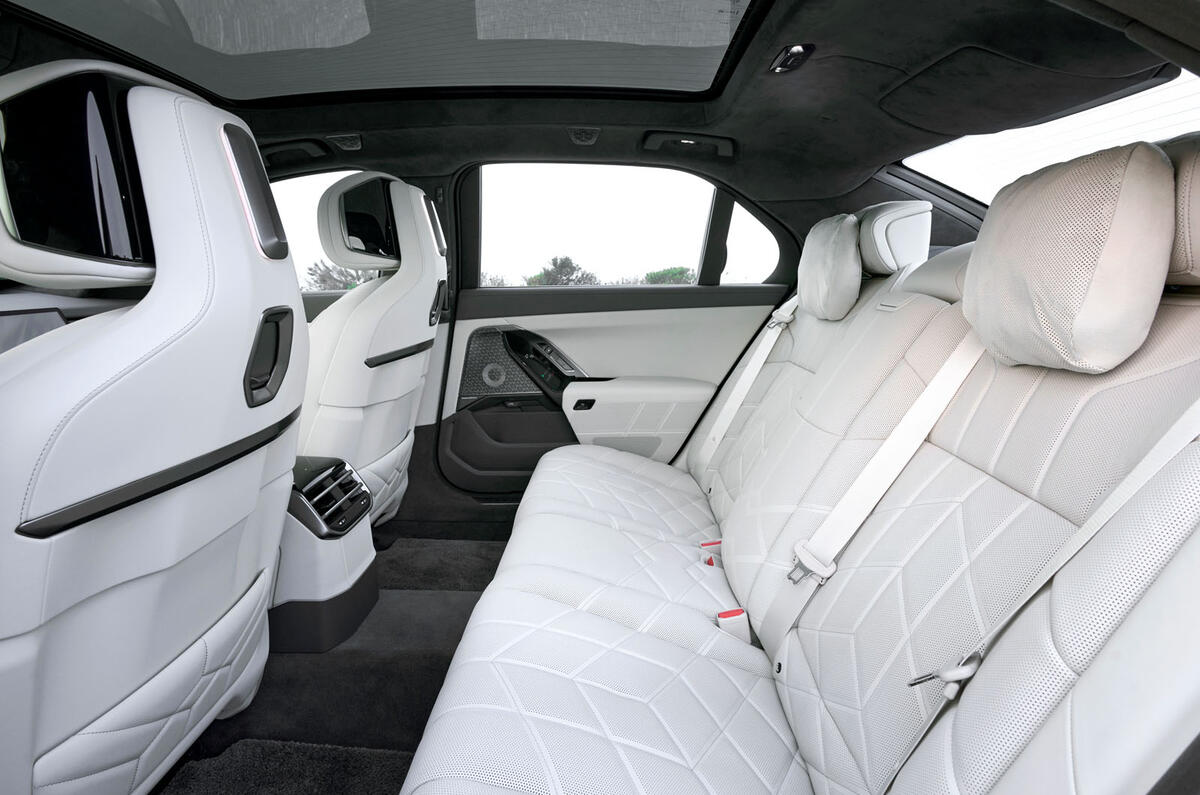
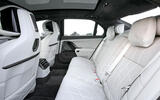
The seats are surely among the most comfortable in the business. And of course it's spacious. At 5.4m long and 1.95m wide across the body, it would be criminal if it weren’t. There’s a 500-litre boot.

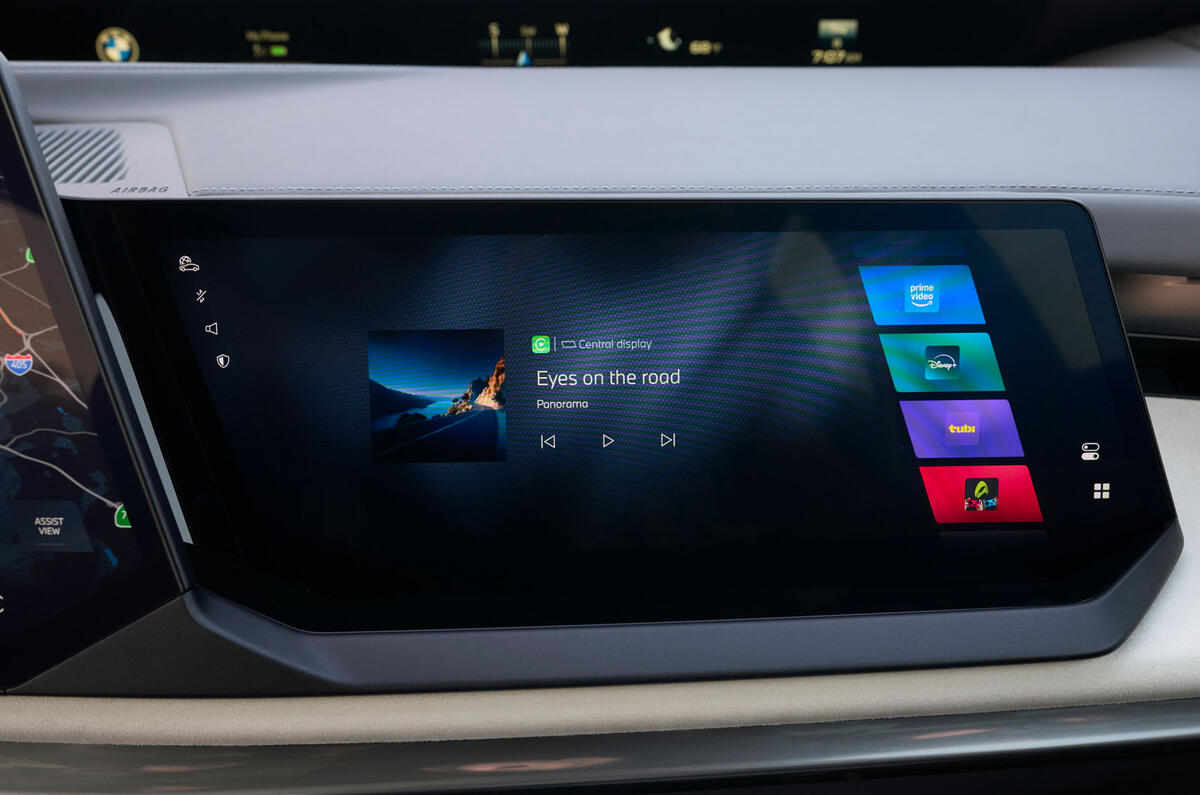
Now featuring inside as standard is a new screen for the front passenger, who can take control of the entertainment system, including watching videos – although it’s hard to imagine that many won’t already have a smartphone for that purpose.

Optional but still excellent is a 31.3in, 8K-resolution cinema screen, which swings from the roof, pulls blinds closed when active and, with a 35-speaker audio system, can really immerse rear passengers in an environment much more convincingly than a seatback tablet.

It’s also possible to specify a passenger-side rear chair that extends to quite near horizontal, making it incredibly comfortable (I might have had a doze; don’t judge me). But it pushes the front passenger seat into the dashboard as it goes, where it probably slightly obscures the passenger side mirror, so if you’re undertaking a 7 Series do think carefully about who might be in it and what that means for a chauffeur’s visibility.

The large rear screen obscures the interior rear-view mirror, too, so that gets a BMW-first digital view as an alternative instead.

ENGINES & PERFORMANCE

BMW i7 review 2026 039

The i7 remains the stand out car in this class to drive, with the facets that made it our (and some engineering experts') dynamic choice against both the immediate opposition and a Bentley, a Rolls-Royce and a Range Rover when it came to chassis control. 

The ride isolation is extremely strong, it’s very quiet inside and it combines this with an attitude to cornering that comes as something of a pleasant surprise. It's not exactly agile, but there’s a linear smoothness to its reactions, a relative flatness and control of its body movements, suggesting that while twisting canyon roads weren't exactly what it was made for, it doesn’t really mind them one bit. 

It has been said before but it’s worth saying again: not only do saloons have a frontal-area advantage over SUVs, they can also just be more pleasant to drive. The i7 never feels like it’s struggling to control any top-heavy bulk, because it isn’t.

It might sound daft to say that it’s very smooth: it’s electric, so of course it should be. But step-off and pull-up are the kinds of thing that have clearly received lots of tuning, so stopping can be dreamily smooth. 

It was a bit blustery at times during my testing, but stability and constancy are really first-rate.

Bluntly, the i7 drives as well as any modern luxury saloon – which means largely, caveated that like nearly all big EVs it could do with being half a tonne lighter, it drives as a luxury car should.
There are level-two elements of driver assistance too: with the right options, you can largely just keep a light hand on the wheel on the motorway and it will park itself too. But those who prefer to do things themselves will find the i7 as rewarding as before.
MPG & RUNNING COSTS

BMW i7 review 2026 029

Away from the i7, the PHEV's engine and battery go entirely unchanged, with electric ranges of around 50 miles, and we don’t get any of the other combustion models available elsewhere.

BMW is going to reintroduce a V8 engine to the 7 Series because of customer demand, but I don’t suppose that variant will come to the UK, presumably to the disappointment of your local filling station.

Prices range from £104,230 for an EV or £110,025 for a PHEV, rising to £198,420 for the i7 M70 xDrive Ultimate Edition, with various powertrains becoming available or unavailable depending on your choice of trim on the way.

VERDICT

BMW i7 review 2026 042

All versions are ultimately priced for captains of industry, then, although when airport hire drivers get their hands on them, I suspect they will enjoy the driving experience and enhanced range too.

Matt Prior

Matt Prior
Title: Editor-at-large

Matt is Autocar’s lead features writer and presenter, is the main face of Autocar’s YouTube channel, presents the My Week In Cars podcast and has written his weekly column, Tester’s Notes, since 2013.

Matt is an automotive engineer who has been writing and talking about cars since 1997. He joined Autocar in 2005 as deputy road test editor, prior to which he was road test editor and world rally editor for Channel 4’s automotive website, 4Car. 

Into all things engineering and automotive from any era, Matt is as comfortable regularly contributing to sibling titles Move Electric and Classic & Sports Car as he is writing for Autocar. He has a racing licence, and some malfunctioning classic cars and motorbikes.