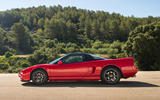
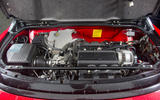
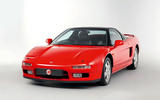

Despite the best attempts over the years of Messrs Prior and Saunders in these very pages, and the likes of Harris and Clarkson on the TV, there will always be one joyless cynic on hand to tell you how all supercars are utterly irrelevant.
You will be as fast point to point on UK roads in an Vauxhall Astra diesel, get as much sensory pleasure in a Mazda Mazda MX-5 and impress your peers far more with an Alfa Romeo Giulia Quadrifoglio or possibly the Performance version of the Tesla Model 3, they’ll declare, not entirely unreasonably.
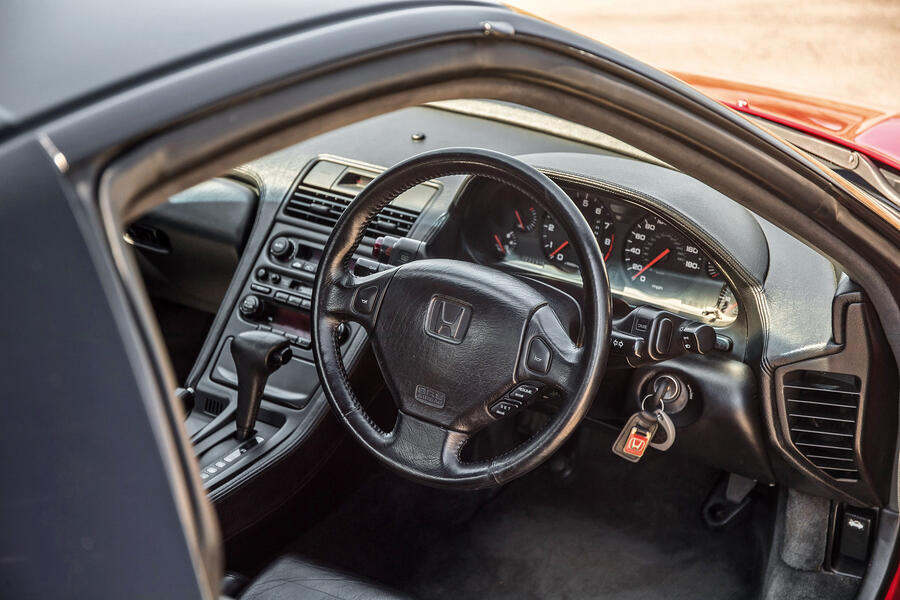
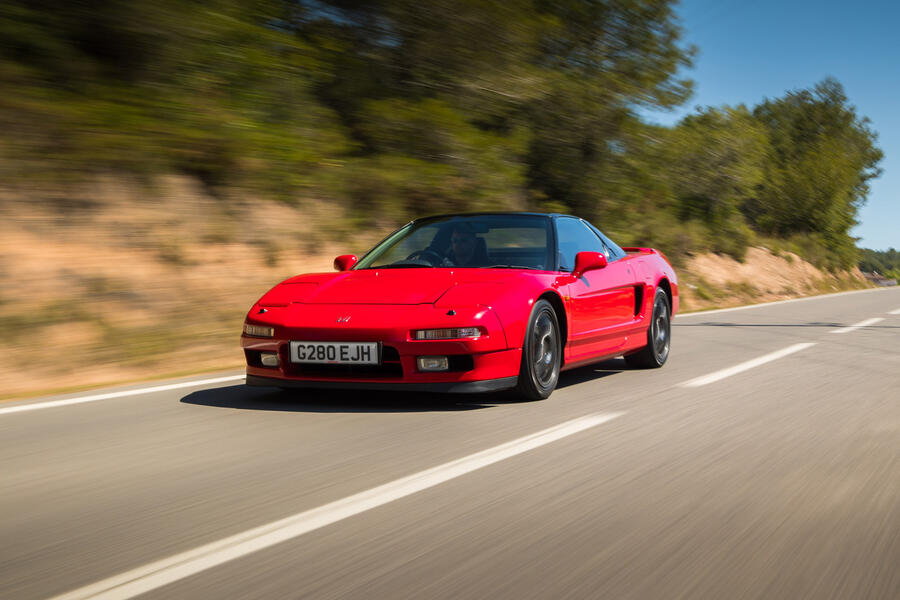
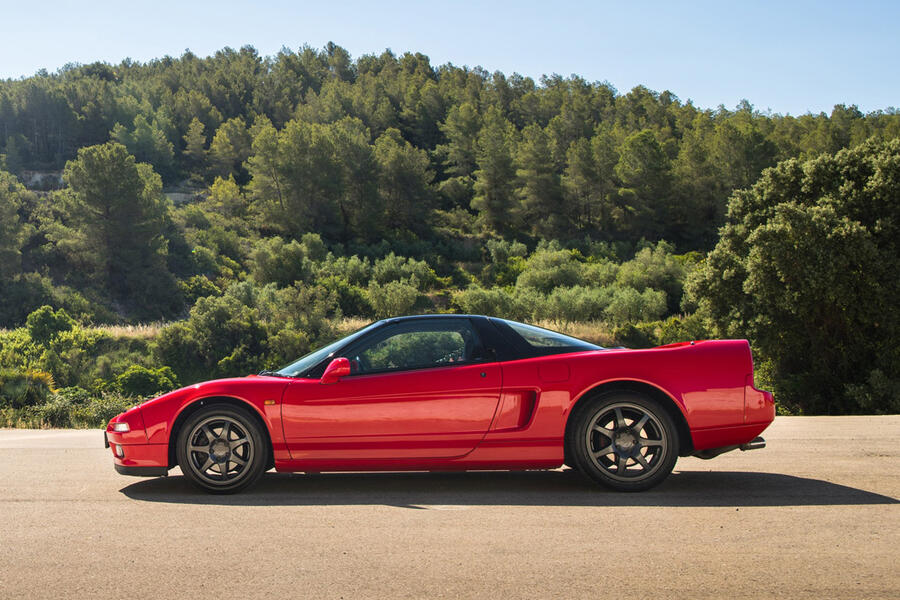
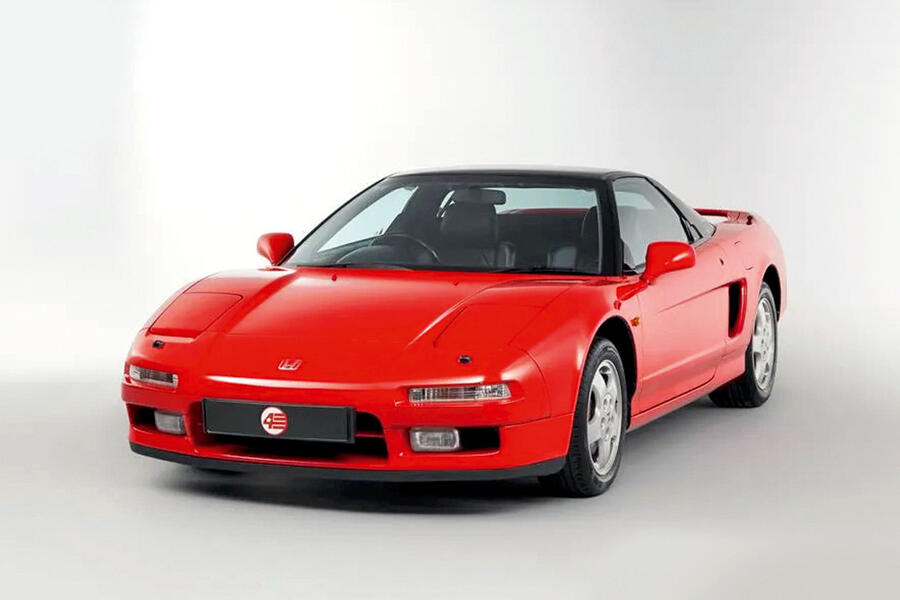
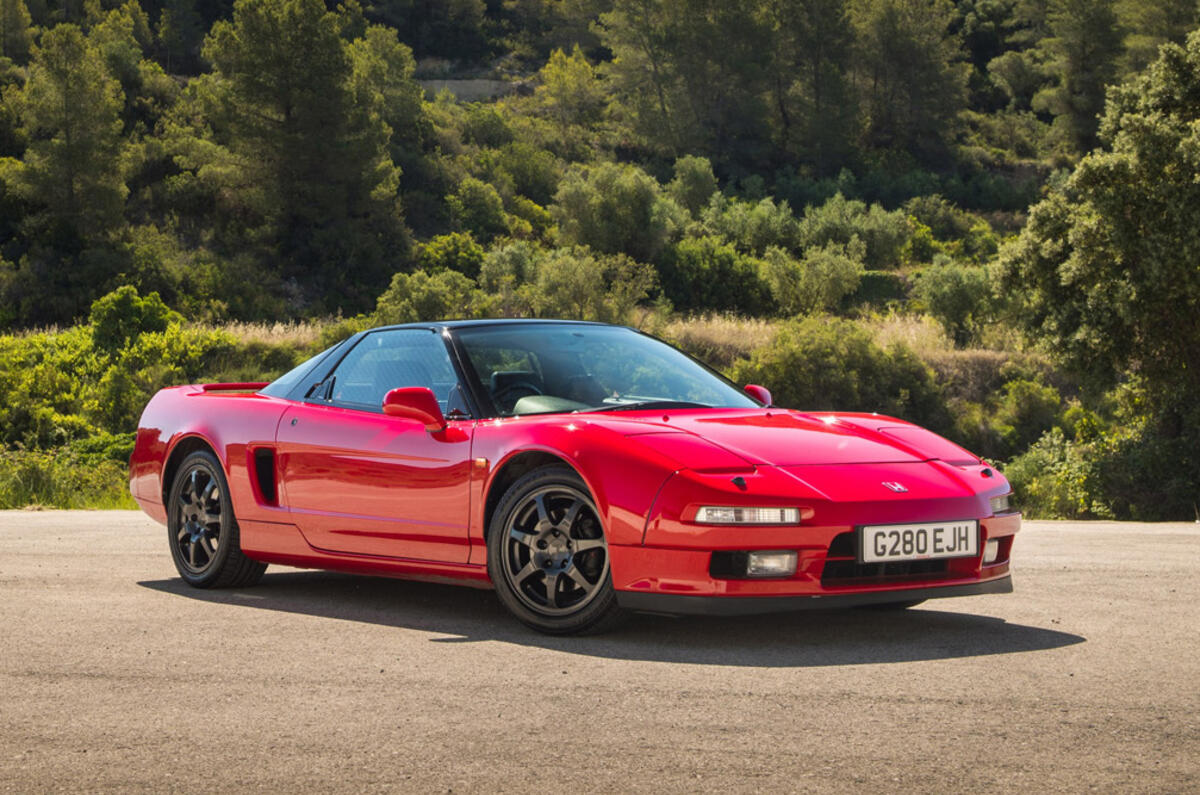
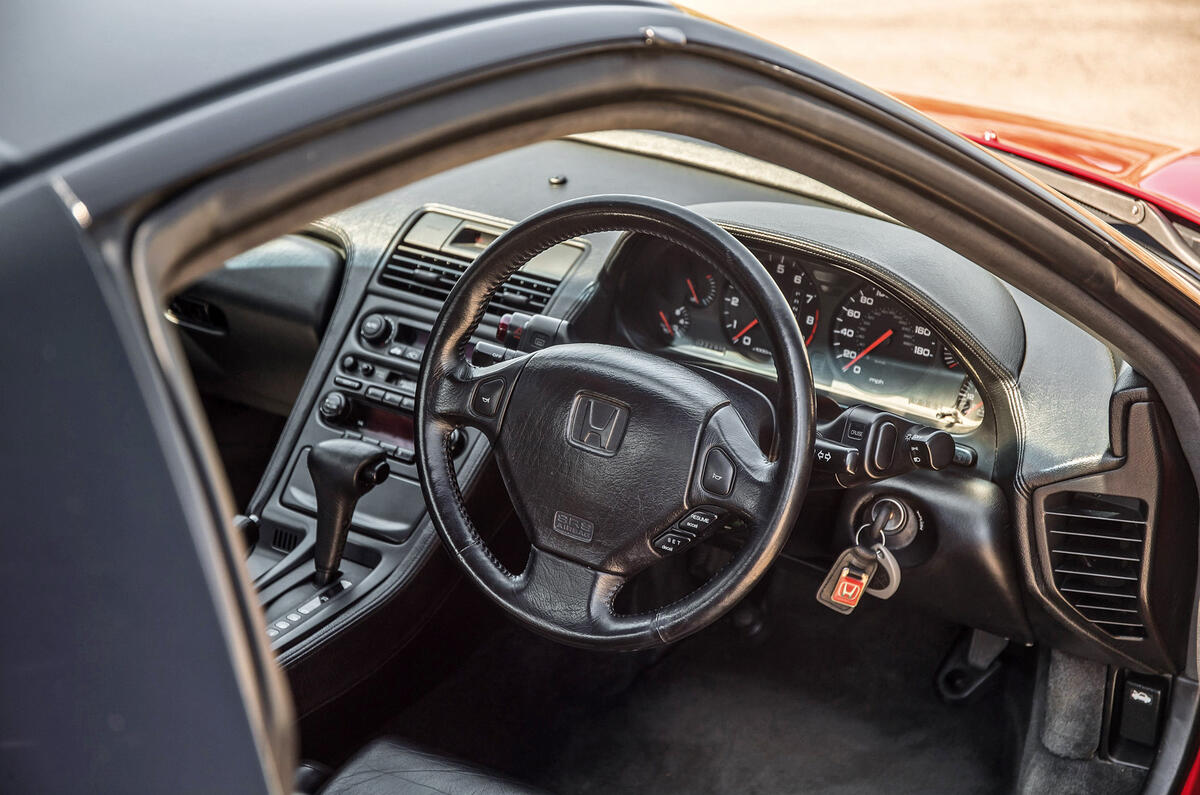
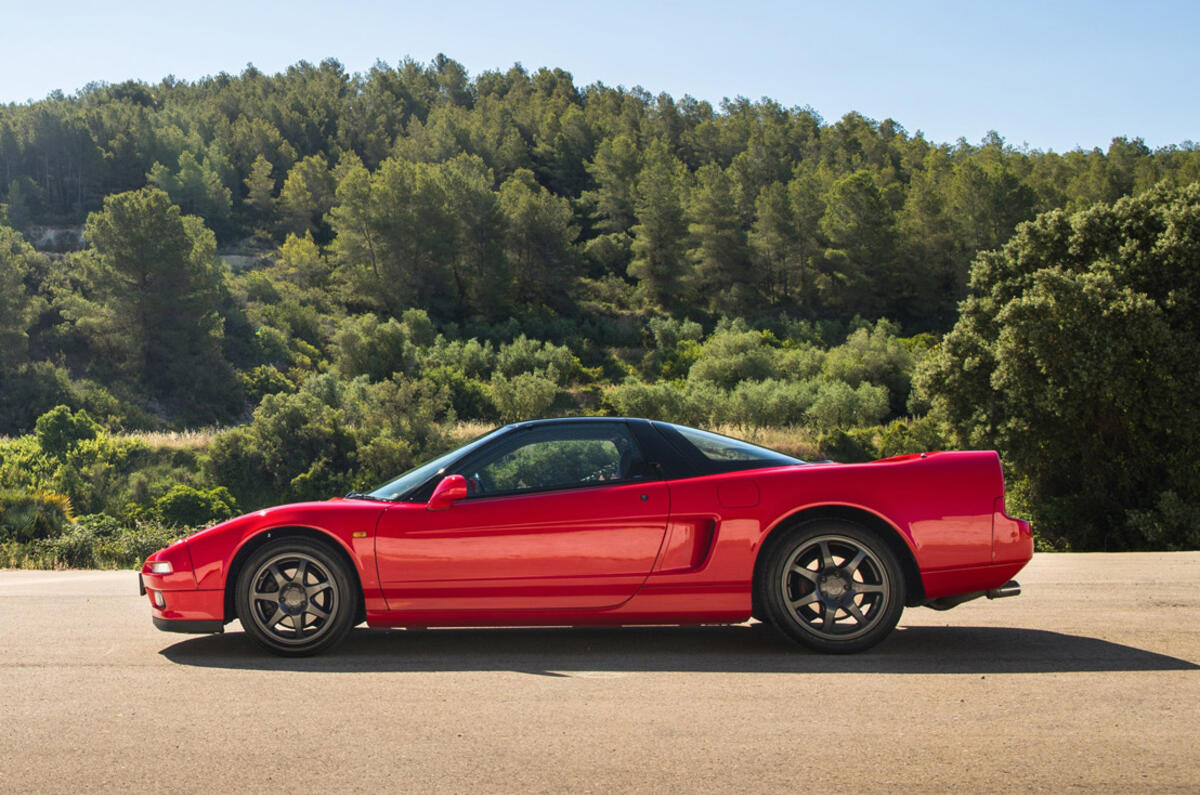
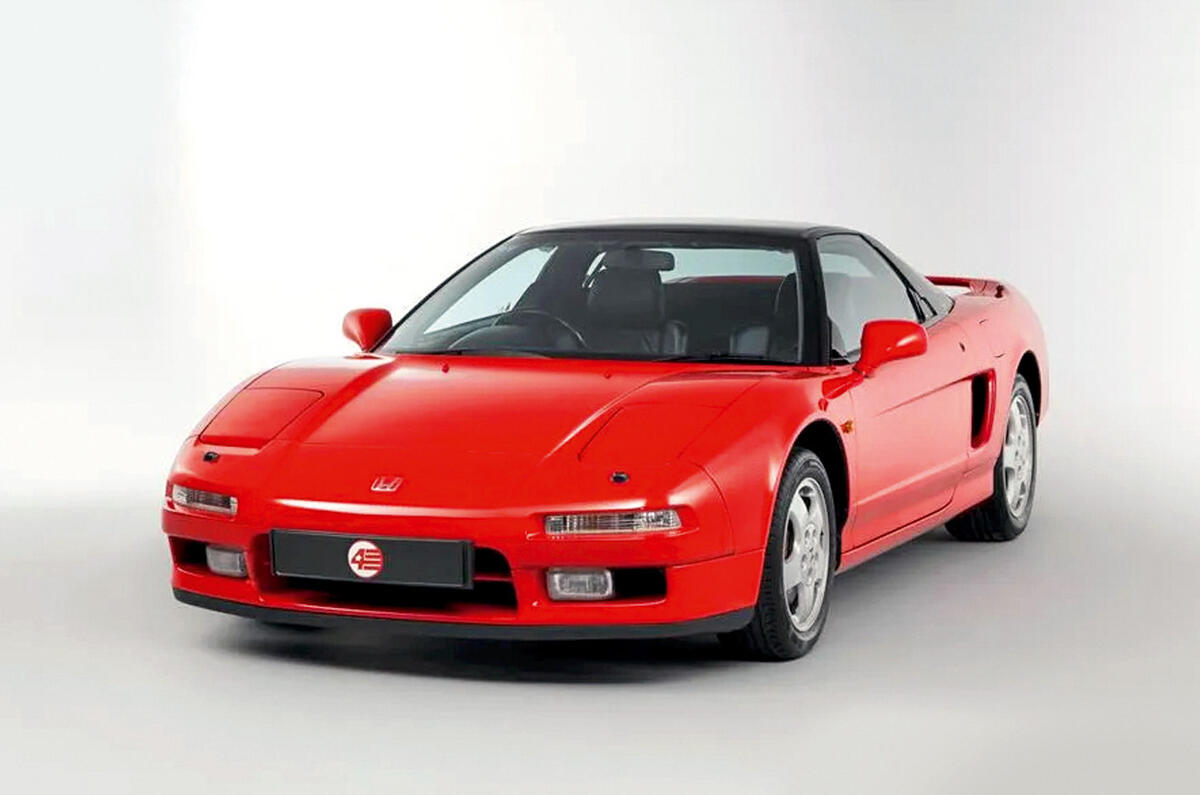
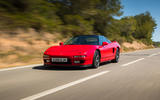
Just point them in the direction of the original Honda NSX. It took the supercar rule book and tore it up, and all that followed were influenced by this voluptuary car. You see, before the NSX hit the streets, supercars were difficult sods, with recalcitrant gearboxes, awkward driving positions and intractable powertrains. If you could see out of one, you were lucky, and you were blessed if you could complete a whole journey without the assistance of a breakdown recovery service.
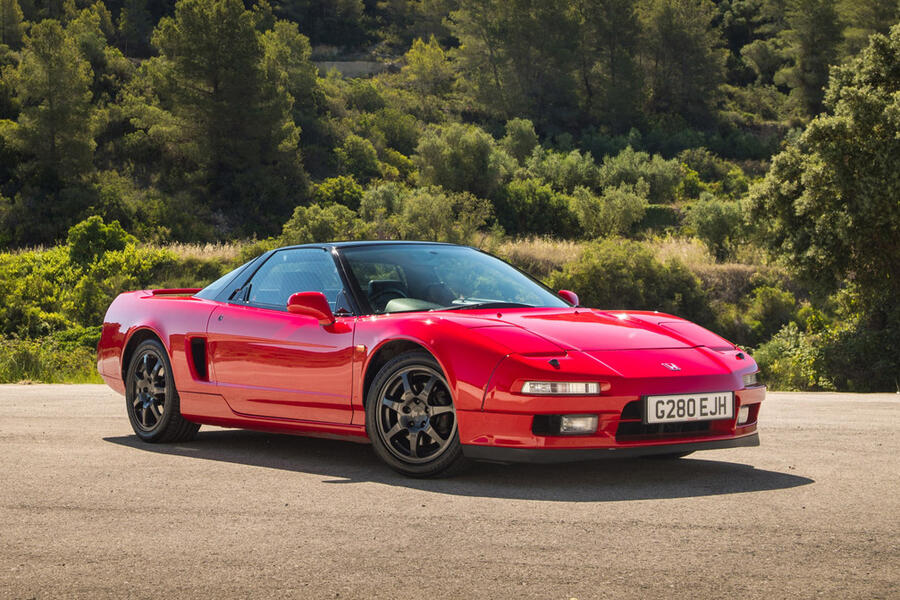
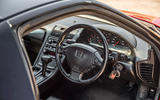
What set the delightfully aluminium NSX apart was that it was easy to drive and easy to see out of and wonderfully docile around town. It was also in most respects unburstable, which meant that it was a pleasure to own, as well as a delight to drive fast.
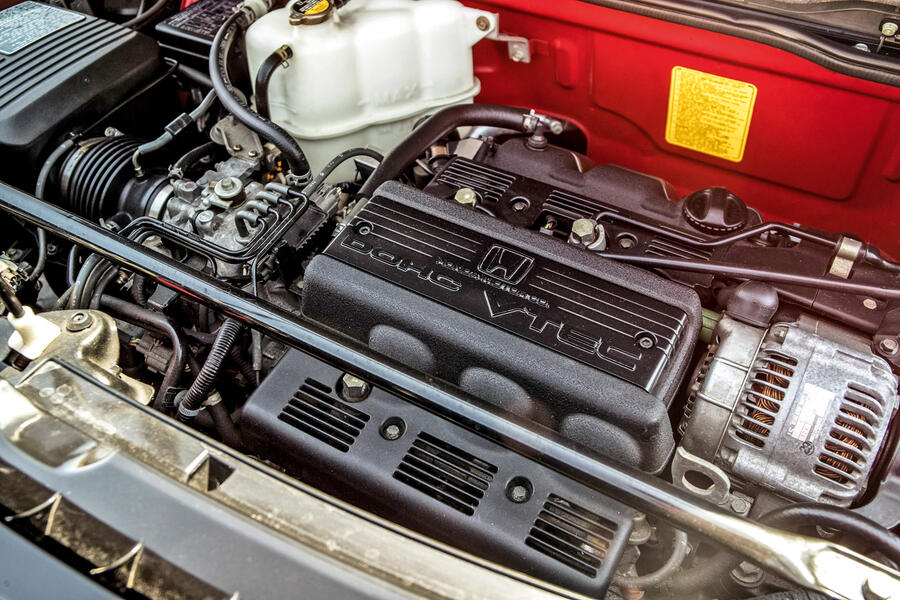
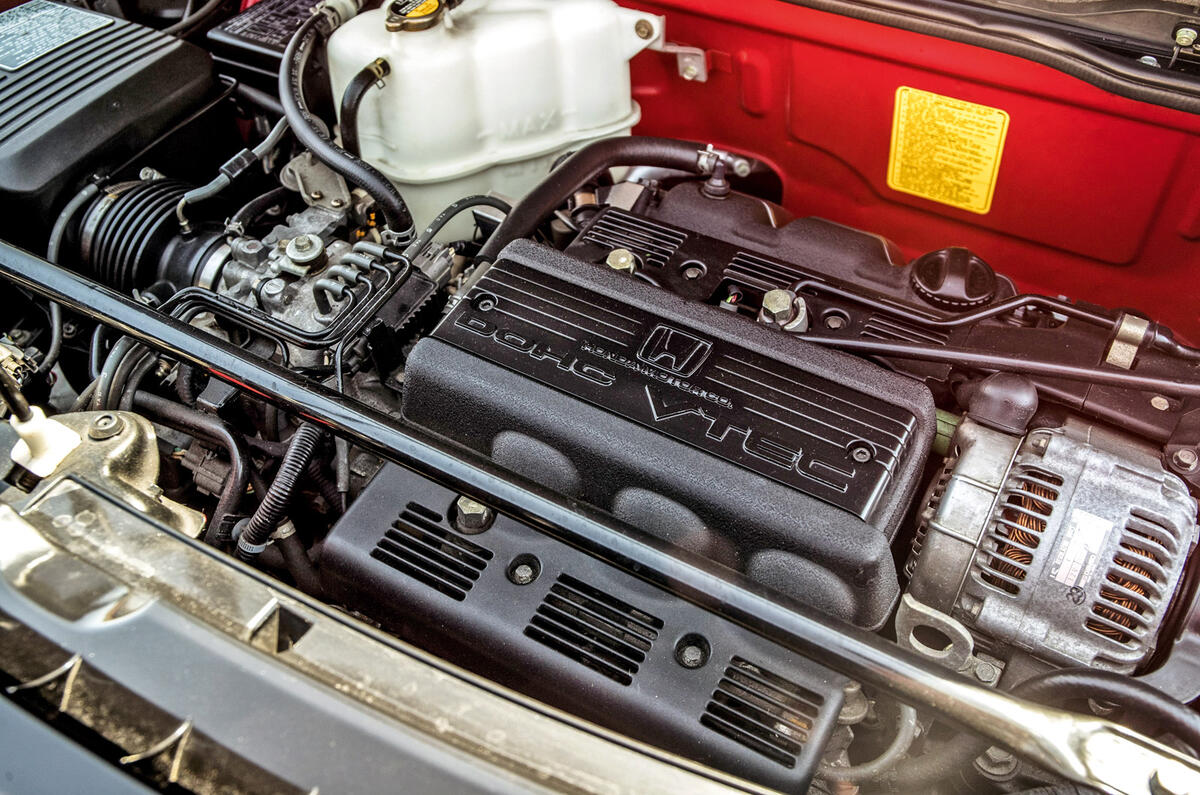
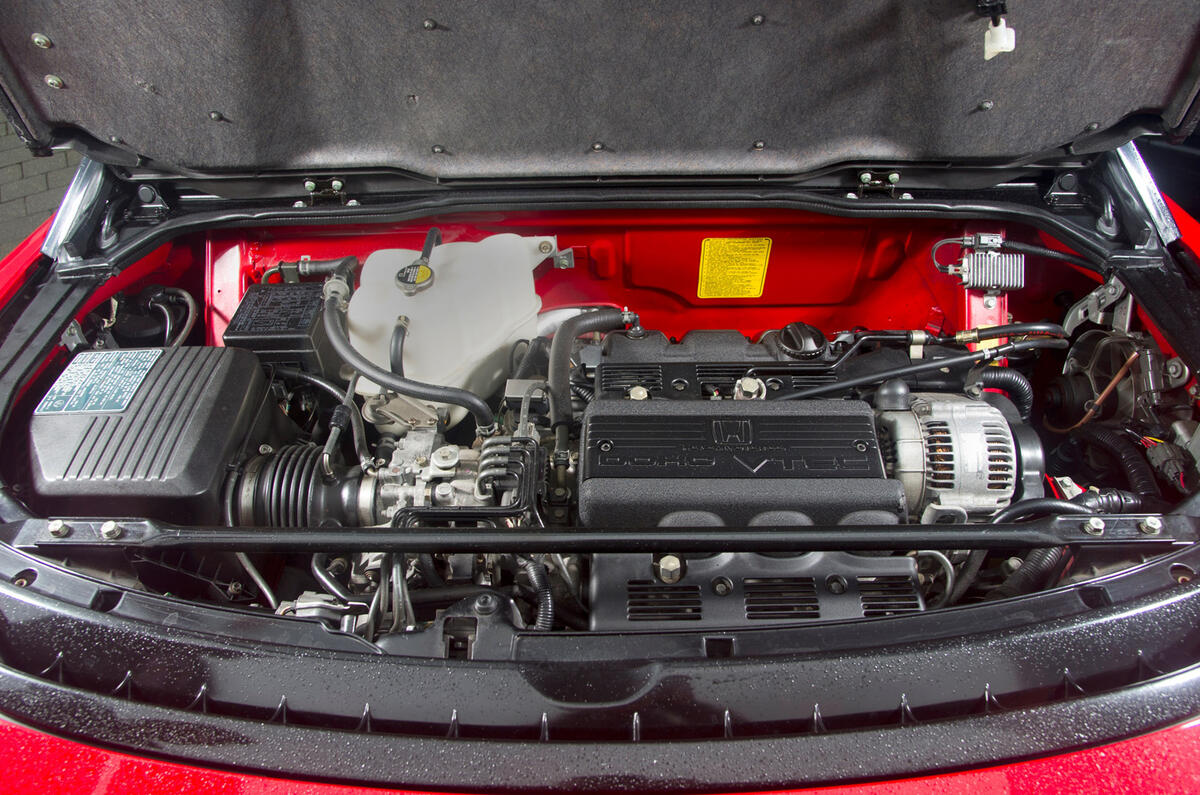
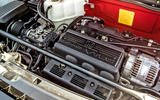
A mid-mounted, all-alloy, quad-cam 270bhp 3.0-litre petrol V6 powered the first NSXs, which were launched in 1990. It was a high-revving, super-responsive VTEC delight, producing performance in the order of 0-60mph in 5.5sec and a 160mph top speed. Drive was to the rear through a slick ’n’ sweet five-speed manual gearbox. (There was also a four-speed automatic option.)
A Targa-style NSX-T version was launched in 1995 and a major refresh in 1997 brought in a 276bhp 3.2 V6 with a six-speed gearbox, while a 2002 facelift dispensed with the pop-up headlights. There was even an NSX-R version, with a blueprinted engine, a 145kg weight reduction and tweaked steering, suspension and gearing. NSX production eventually ended in 2005.