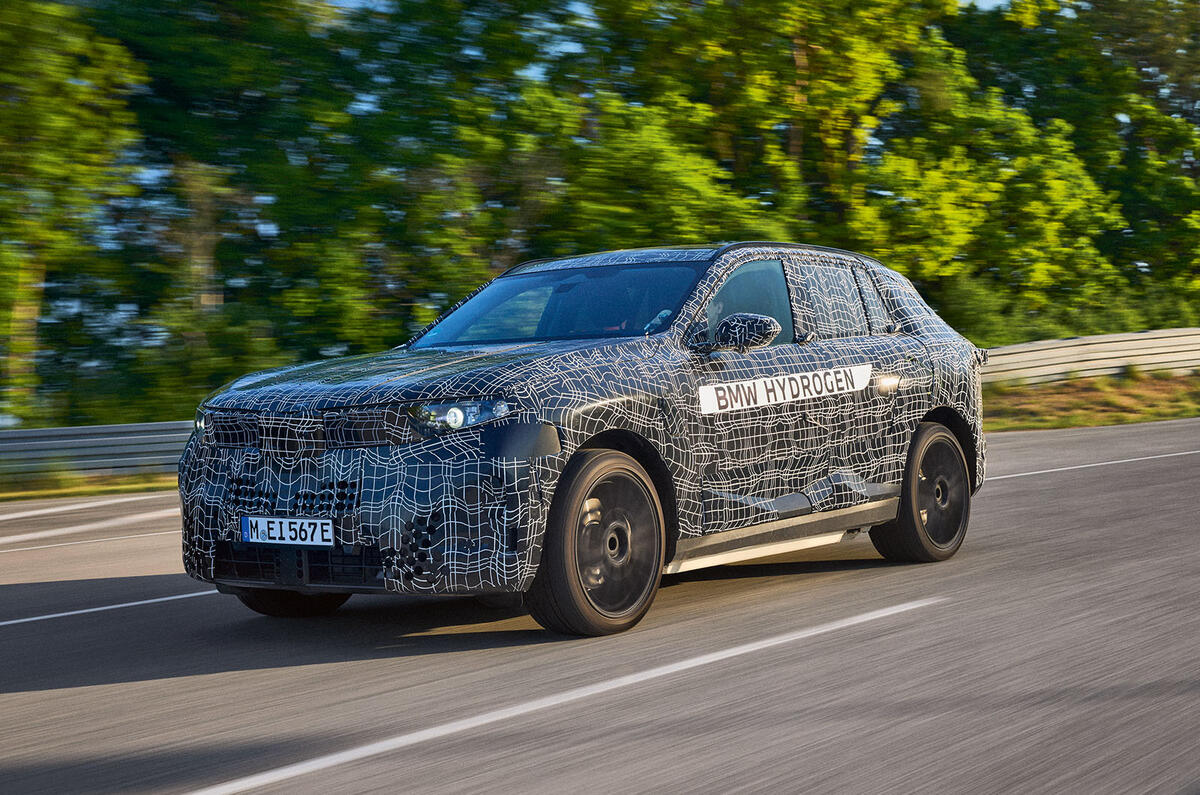
Due to enter series production in 2028, BMW's third-generation fuel cell system will be "a milestone in automotive history", says BMW, and "the first-ever series production fuel cell electric vehicle (FCEV) to be offered by a global premium manufacturer".
It may be the first from a premium manufacturer but other FCEV makers include partner and fuel cell development veteran Toyota, which launched the Mirai in 2014 and started developing FCEVs in 1992.
There have been others, such as the Hyundai Nexo and Honda Clarity, and others only available for use in trials, such as the Mercedes A-Class-based Necar 4, which was launched in 1999 as the first road-legal fuel cell car, which was highly finished and excellent to drive, but here we are a quarter of a century later still waiting for the magic to happen.
Maybe the new BMW will crack it, and while naysayers may insist hydrogen will never succeed, the continued investment of major firms like BMW and Toyota suggests otherwise. For fuel cell cars to take off, there needs to be a refuelling infrastructure and that looks to be on the way in Europe.
BMW says the EU's Alternative Fuels Infrastructure Regulation will establish a comprehensive network of larger, new-generation, 700-bar refuelling stations by 2030, capable of meeting the demands of trucks, buses and cars. Think of an FCEV as a petrol hybrid but with a fuel cell system replacing the combustion engine. Refuelling one is just as fast as filling an ICE car.
At the heart of a hydrogen fuel cell system is the fuel cell stack, comprising hundreds of individual small fuel cells in the same way an EV battery pack is made up of lithium-ion cells. BMW's latest fuel cell system has been jointly developed by BMW and Toyota, whereas its first-generation fuel cell system fitted to the 535iA in 2014 was supplied entirely by Toyota.
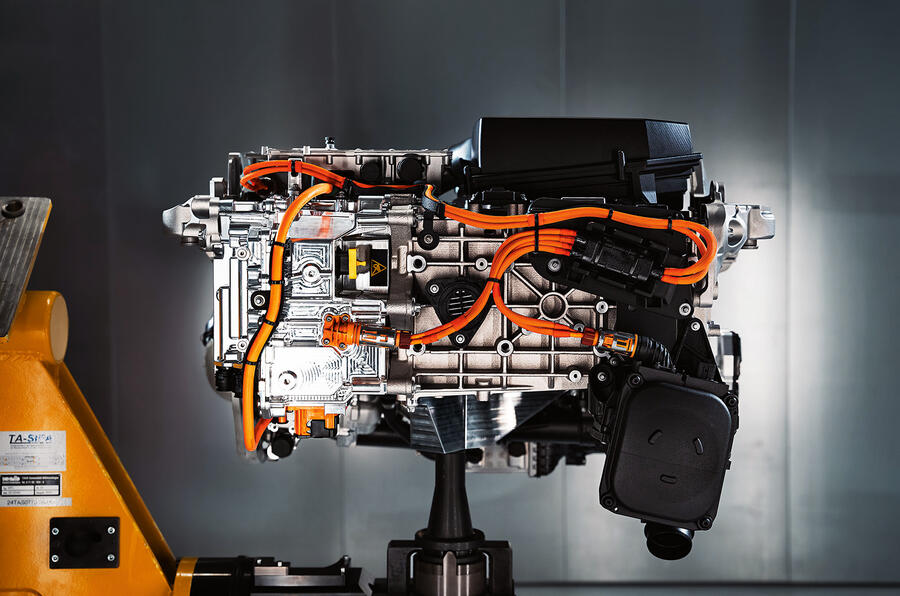
The second generation installed in the existing iX5 pilot fleet was developed by BMW using individual cells in the stack supplied by Toyota.
The new system occupies 25% less space, thanks to a notable increase in power density over the previous generation. It can be seamlessly integrated into future vehicle architectures and is more efficient than previous versions in terms of power and energy use.
Prototypes are being built at BMW's competence centre for hydrogen in Munich, Germany, and series production will start at the BMW Group's plant in Steyr, Austria, in 2028.

Join the debate
Add your comment
That's really interesting about the advancements in hydrogen tech, especially the reduced space and increased power density. Makes you wonder what kind of new vehicles this tech will enable! Reminds me of how compact and efficient some simple games are; I spent way too long yesterday trying to master all the levels in pips nyt. It’s amazing how something so small can pack such a punch, just like this new BMW hydrogen system!
This should have been the tech right from the very start. Even the EU agrees that EVs clearly aren't the future.
lol, it was given a chance and failed on pretty much every count. If the EU don't change their minds there's no reason why Europe cannot match 98%, like Norway, of new car sales being Electric.
Even if BEV's reach 50% of new car sales it's a success, Hydrogen will never reach .00005 percent, even in a Toyota showroom in California.
The Hydrogen car fantasy sailed, along with plenty of fool cell sailors, a long time ago. It's over and BMW are just on a good will journey and will back down in 2027.
Hope you like humble pie then, wouldn't be pursuing this other power source if they didn't think it would work, lot of money to waste really,but Ev's aren't exactly flying off the forecourt and their infrastructure isn't completely embedded yet either,so an alternative to Ev isn't such a bad thing,a back up if you will.
Sorry but you might want that humble pie for yourself, unless of course Hydrogen cars hit 25% of new car sales like the BEV has. As to the BEV infrastucture not being embedded, really, I've over 30 fuel outlets in the house and I think there's more electric pumps within 5 miles than there are hydrogen stations in the whole country.
That's great where you live,but what about more remote places?, are there going to be dedicated chargers there?,if the chargers fail for some reason who,how long are going to repair them?
Just because you CAN do something doesn't mean you SHOULD. That's where the misguided hydrogen advocates go wrong - they just look at a very small part of the full story. Yes, you can make hydrogen-fuelled cars, and yes they can be filled quickly, but why would people want a vehicle for which the fuel costs twice as much as electricity (at least), is very hard to store, and consumes twice as much electricity than EVs?
One of the reasons against them that people who dislike the idea of EVs use is that we will need much more electricity than we currently generate to fuel them. If we adopted hydrogen vehicles that need would be TWICE (at least) as great.
Hydrogen is a total dead end and the sooner journalists start doing their job and making that point rather than just calling people who adopt a rational approach to the issue naysayers, the better it will be for all of us.
Remote places?? you mean like Norway where 98% of cars sales are BEV's. You don't get much more remote.
As to chargers failing, really, what about petrol pumps failing. You're grasping at straws peter.
Remote places are going to be the last place battery or hydrogen infrastructure gets to, and currently in many regions they are closing more hydrogen stations than they are opening.
Most hydrogen is delivered to the station, this is costly even when not being delivered to remote areas, and any remote site that can manage with on-site hydrogen generation can likely support battery electric cars anyway.