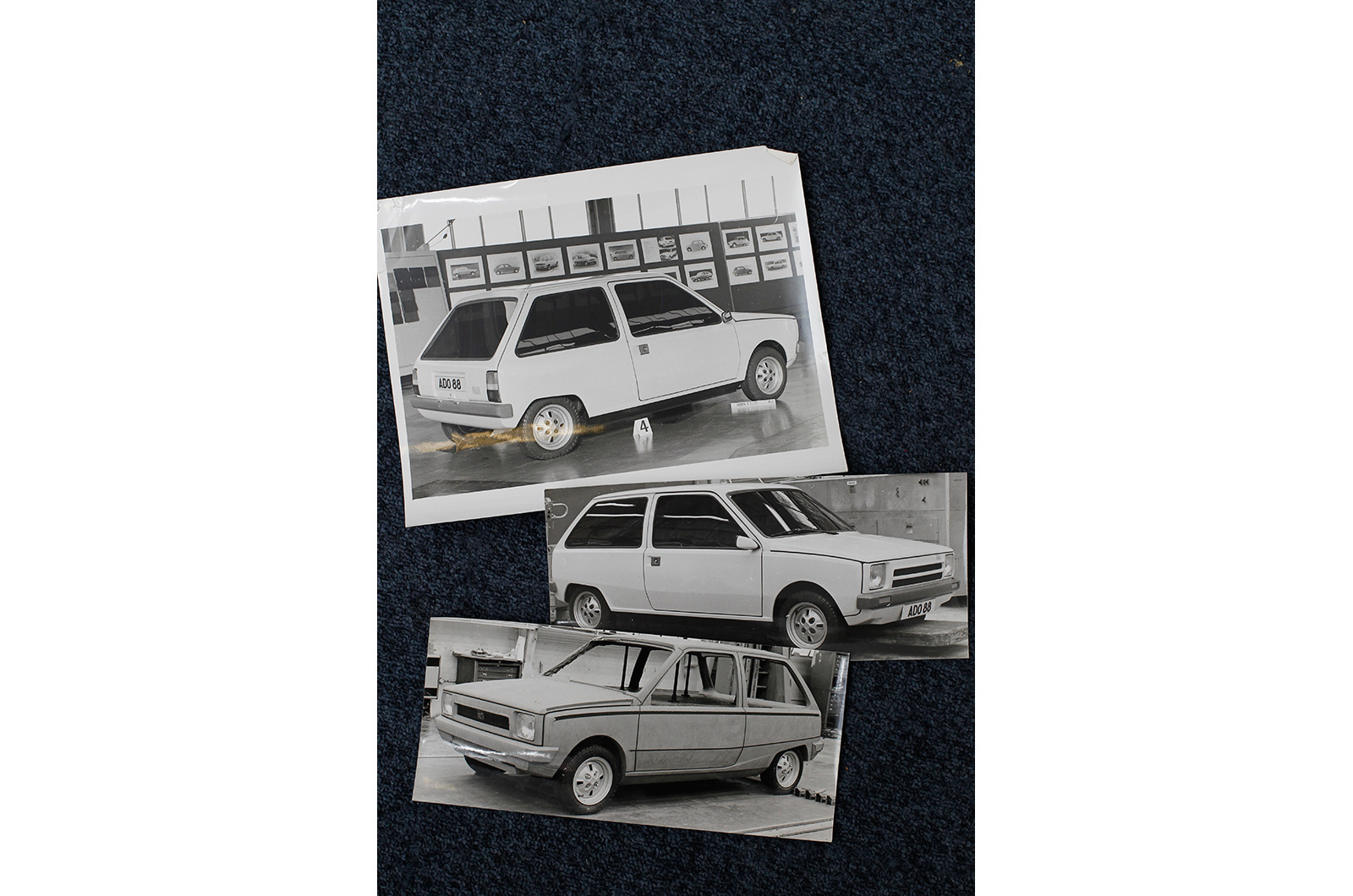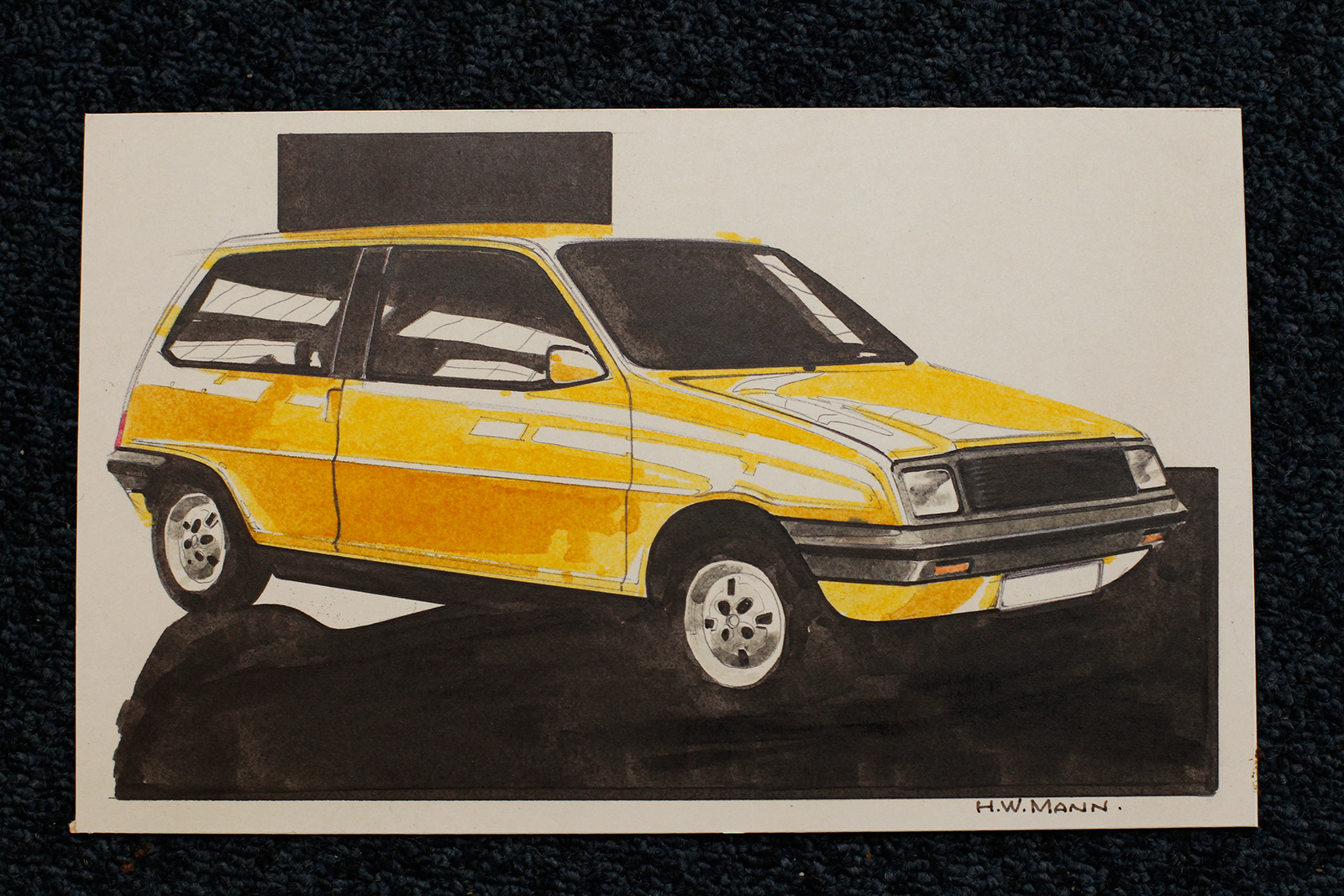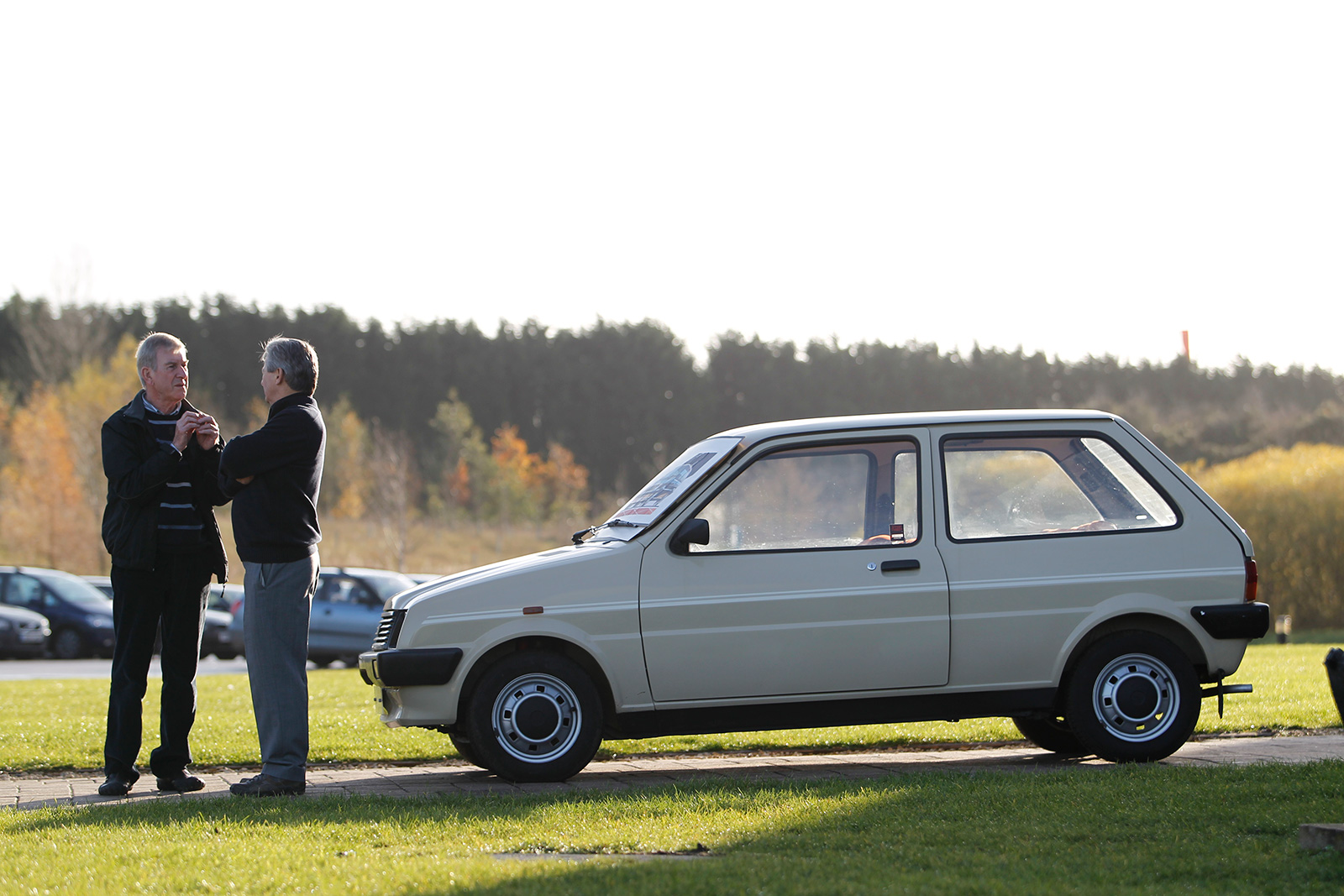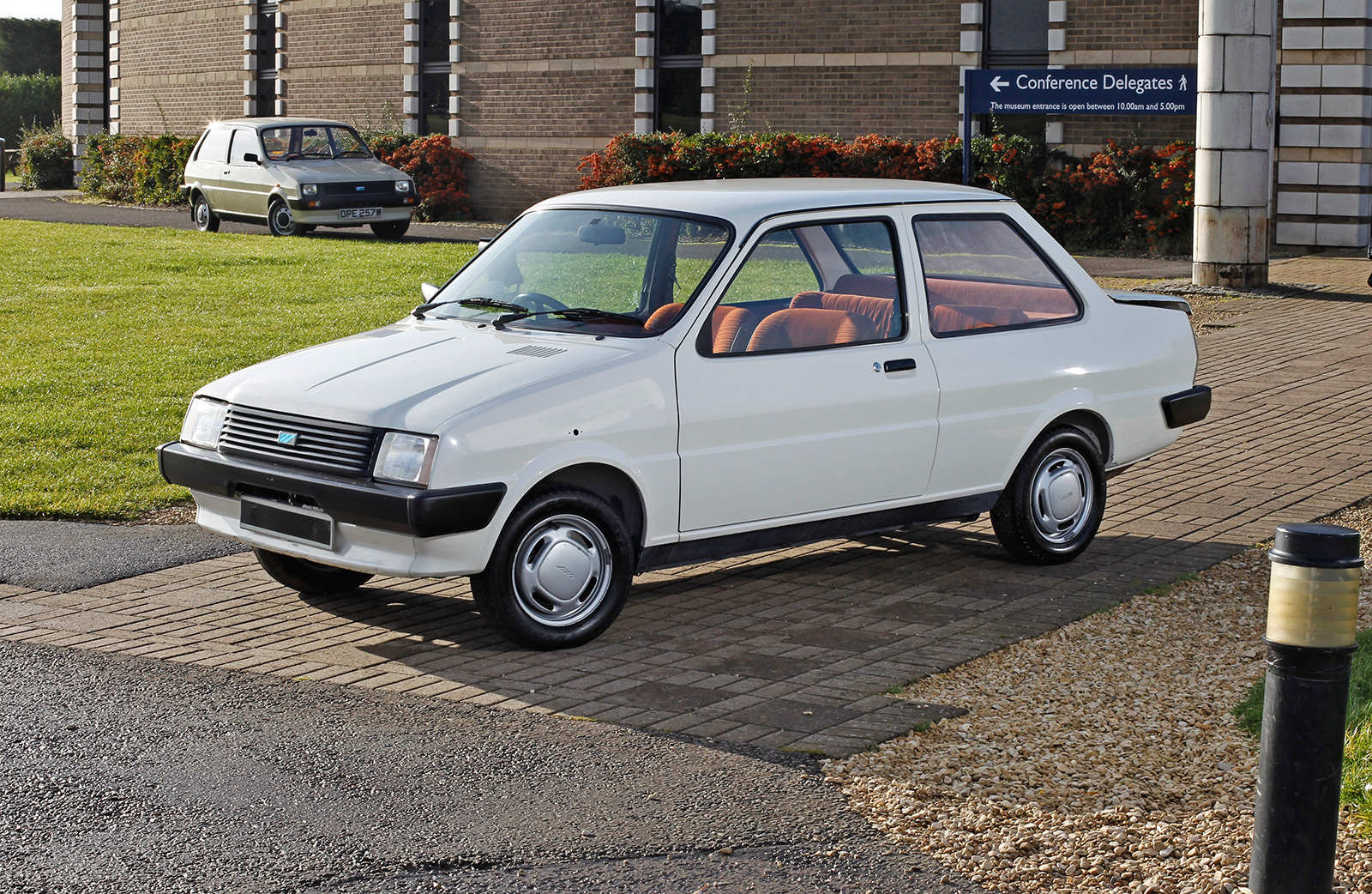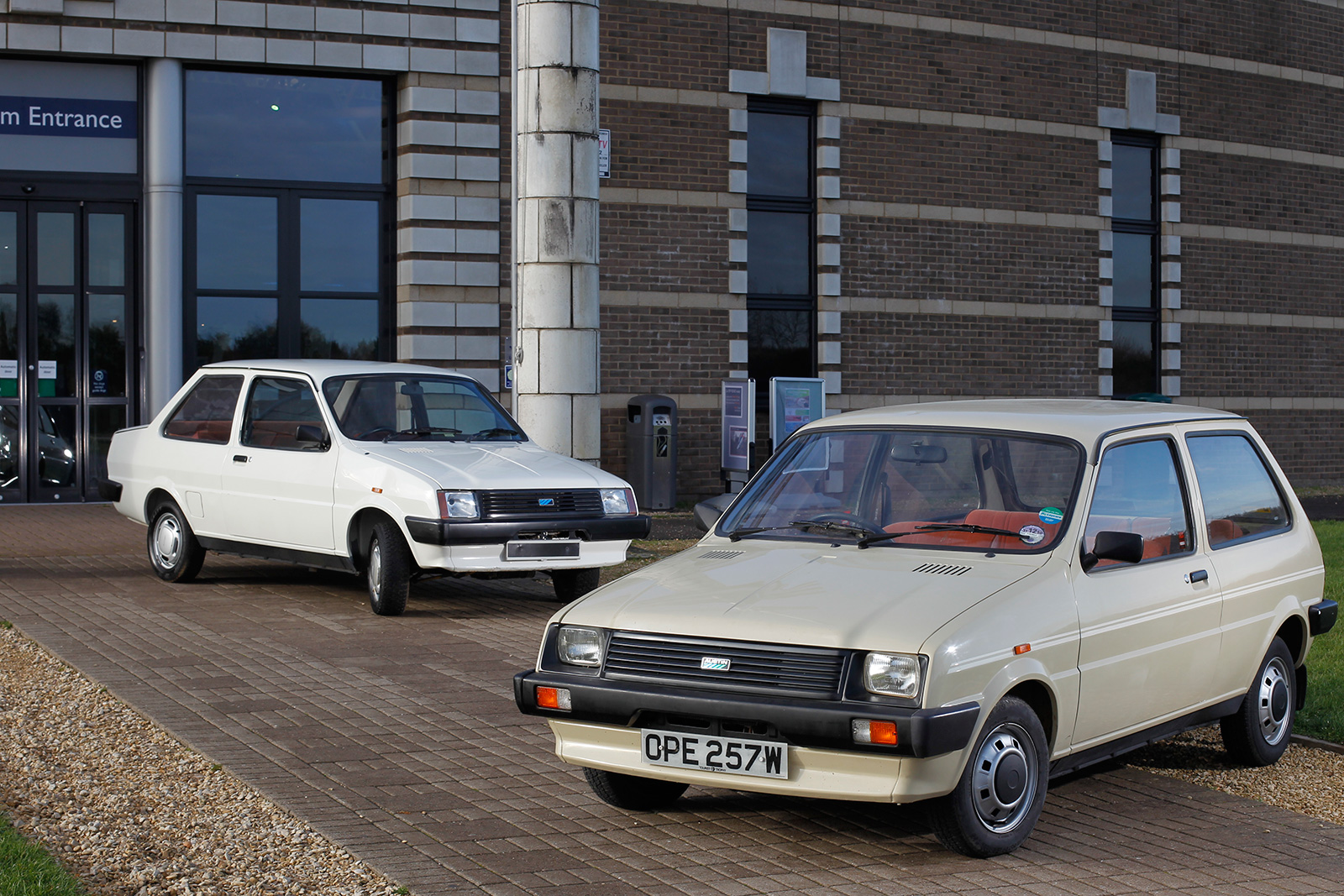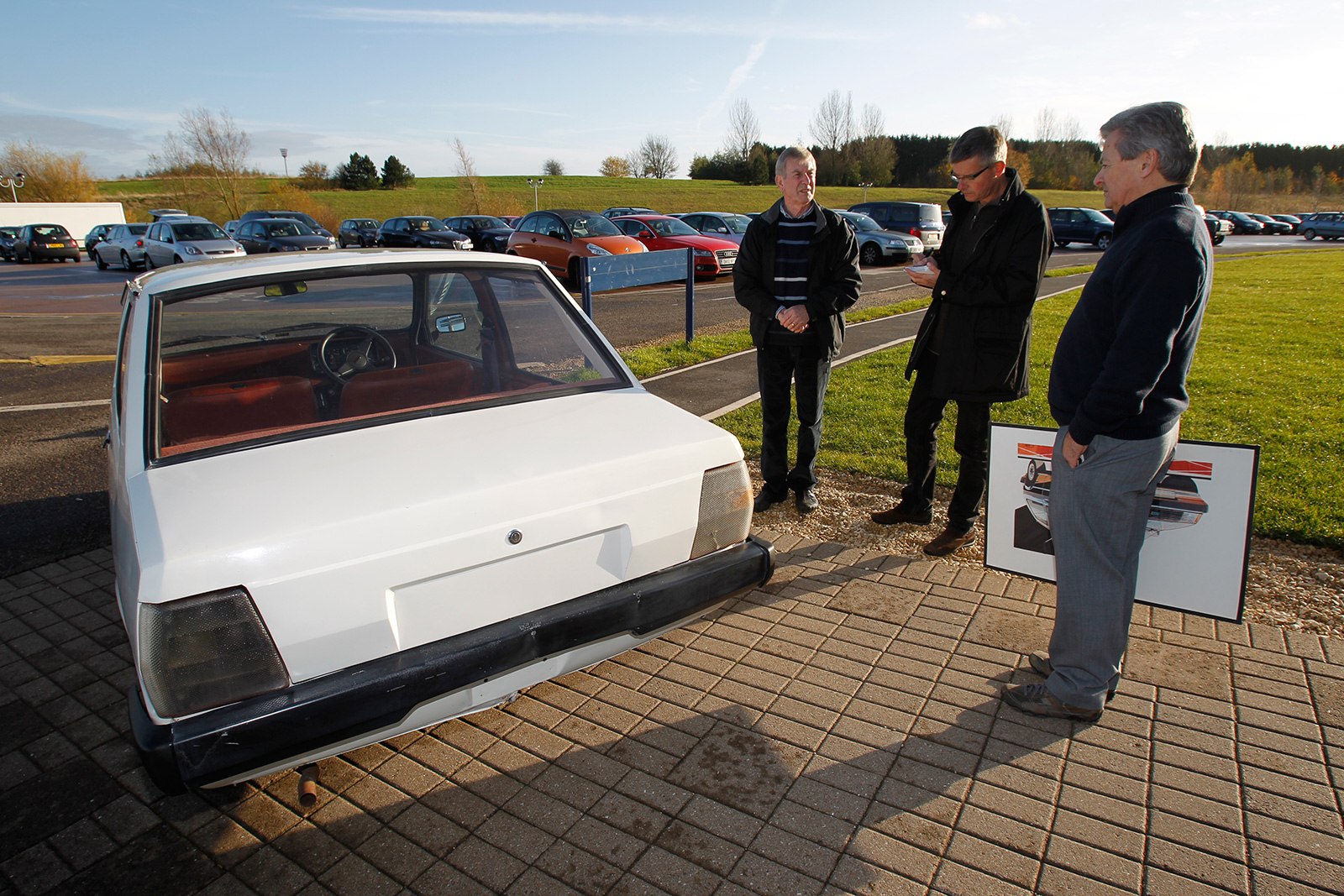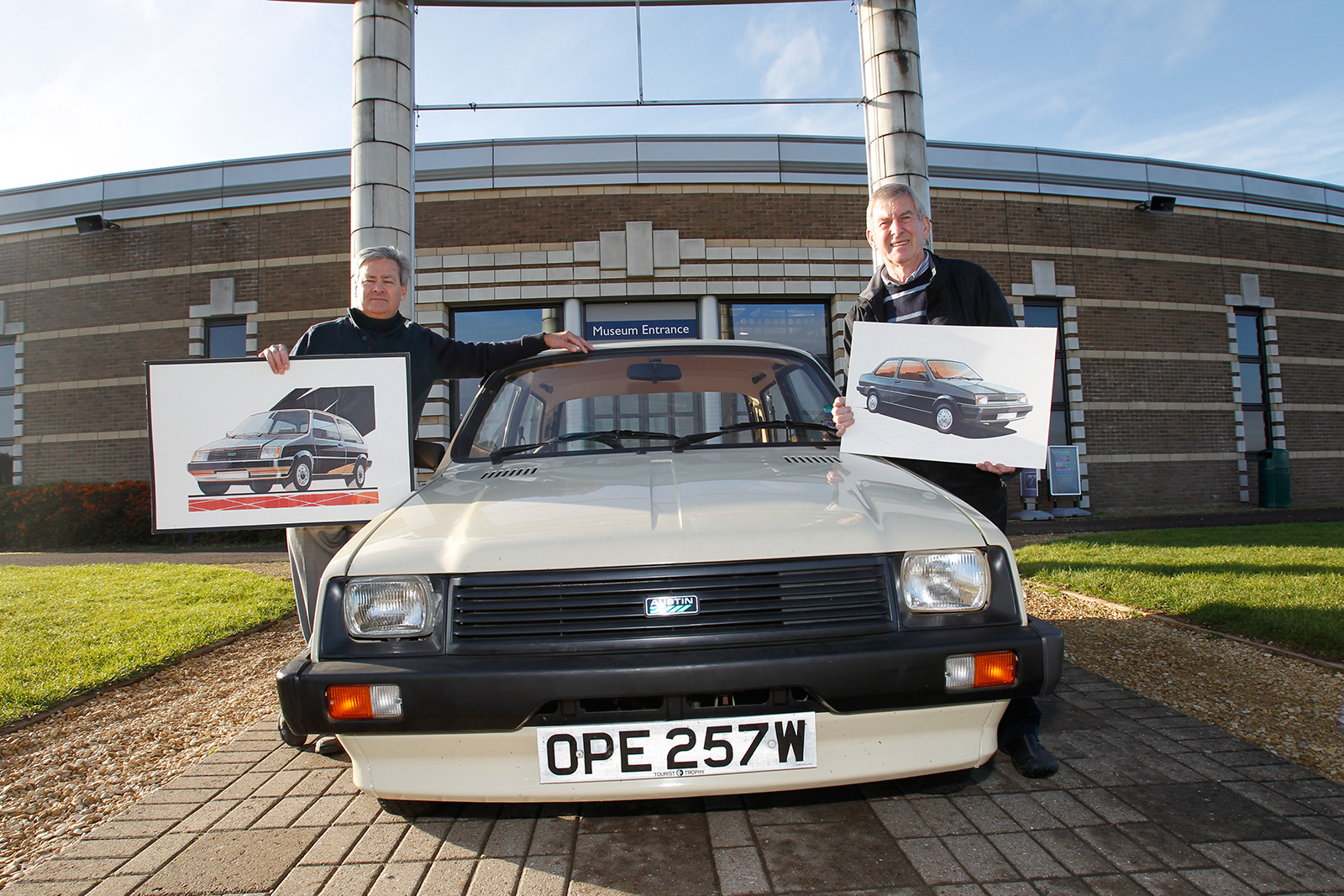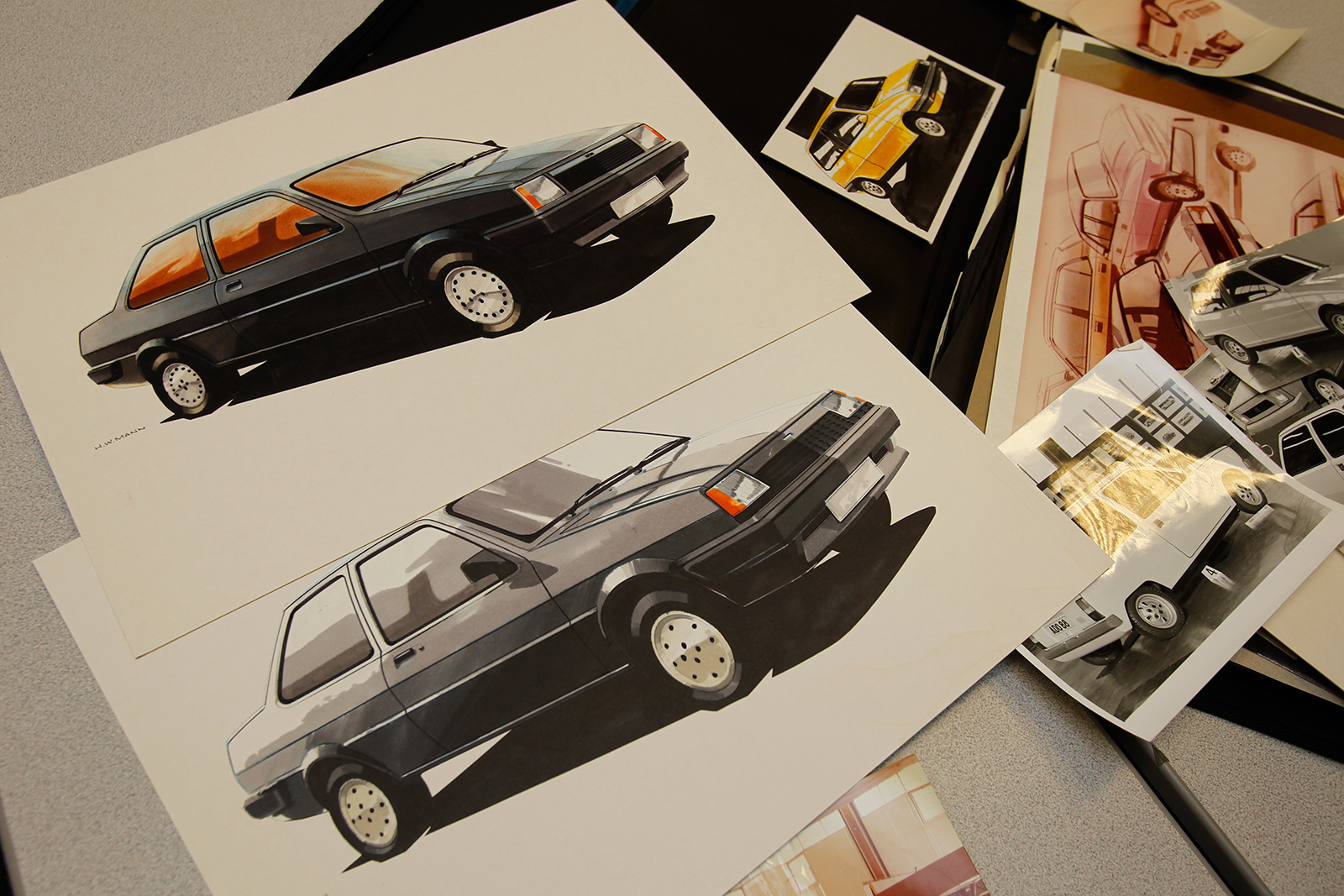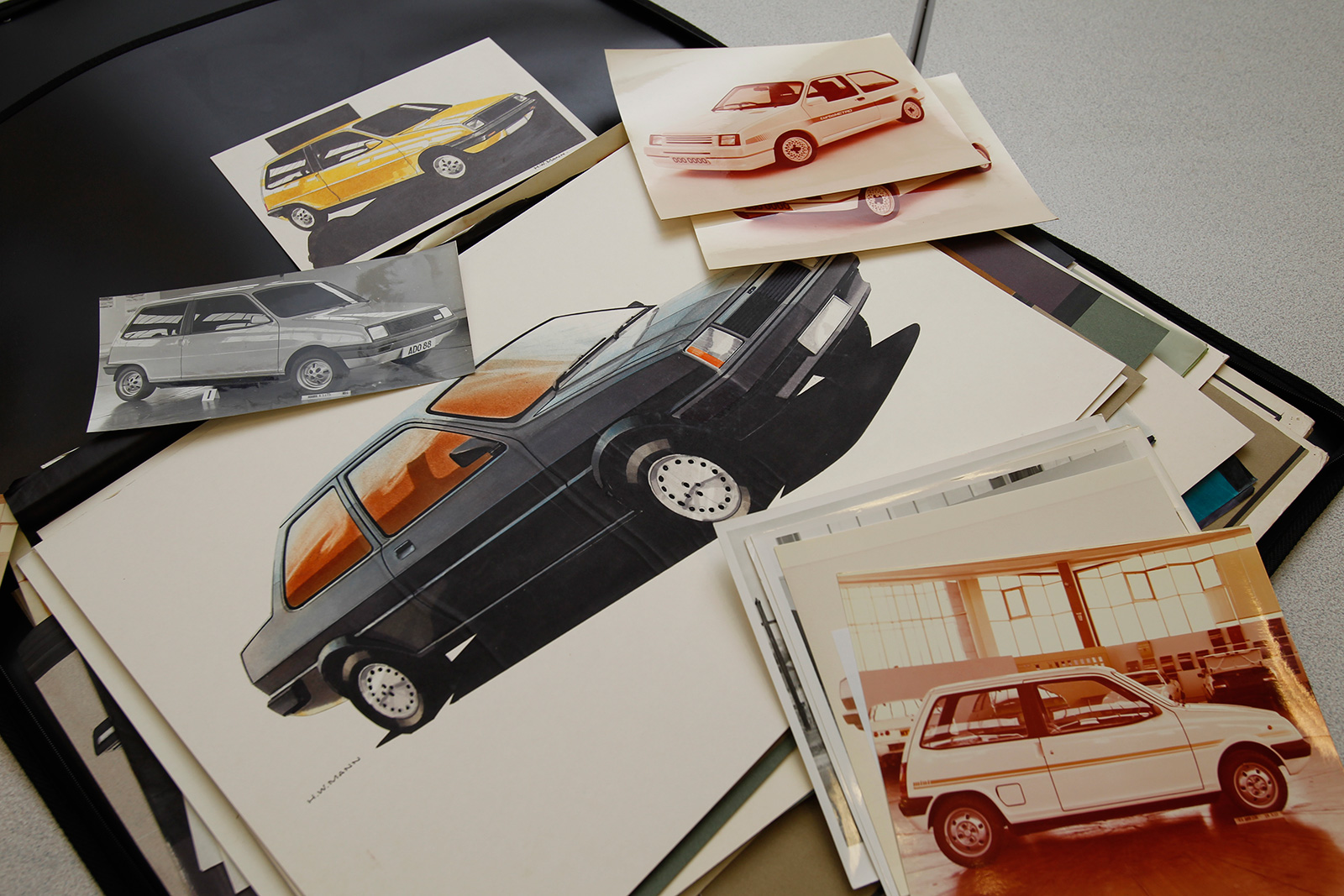

Back in 2010, Autocar met with the Austin Metro’s designer and took a trip back to the early 80s – and even spotted a Metro with a boot…
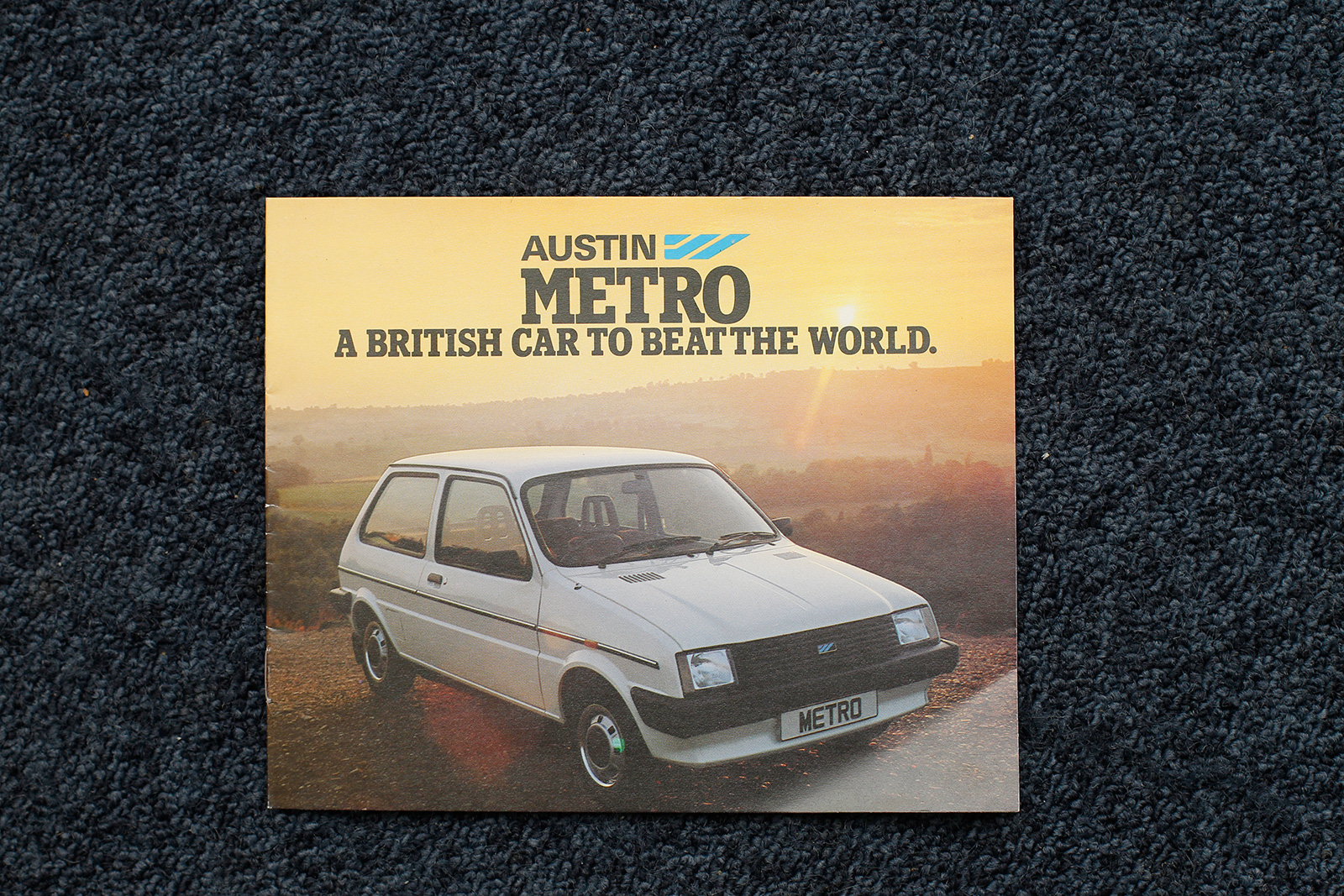
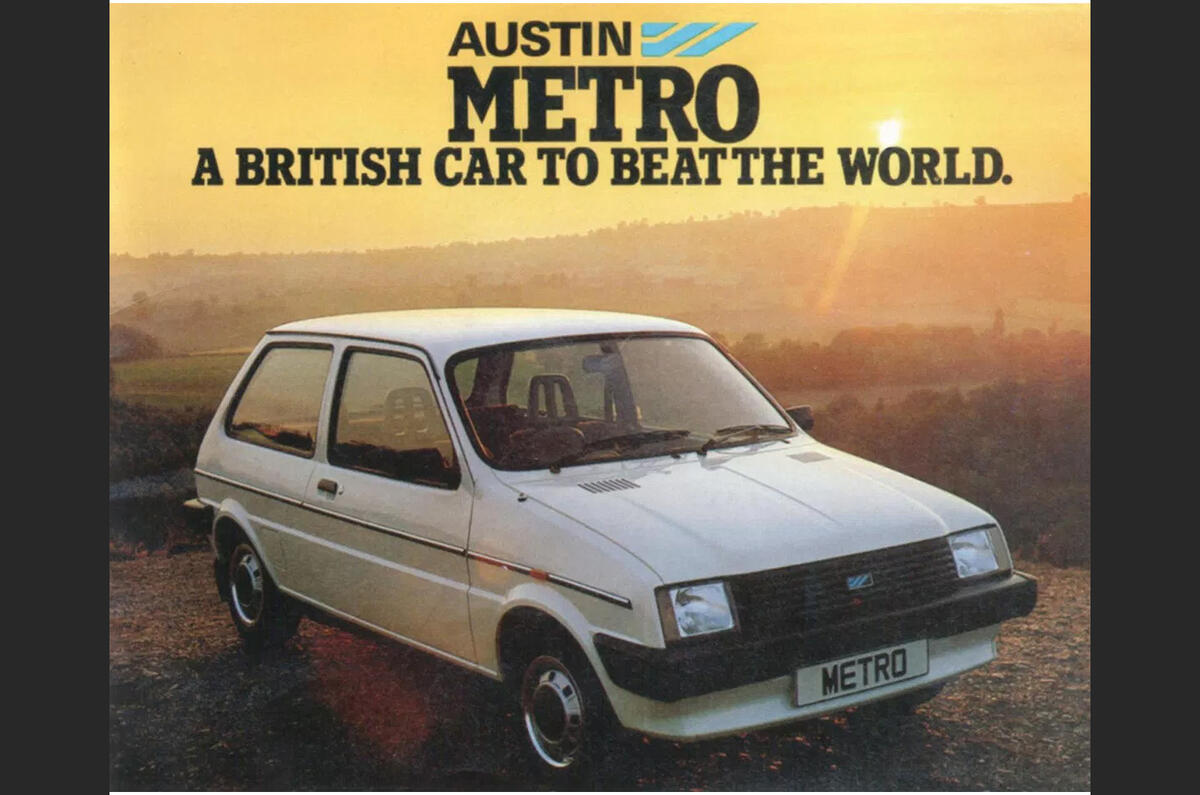
In 1980, the UK nation was in the grip of Metro mania. That’s Austin miniMetro mania, the fevered desire to see, touch, talk about and even own this small, slightly apologetic-looking hatchback. No post-war car before or since - not the Mini, nor the Jaguar E-Type - has preoccupied this country quite like the Longbridge-built supermini.
Virtually every newspaper competition for the next couple of years offered Metros as prizes.
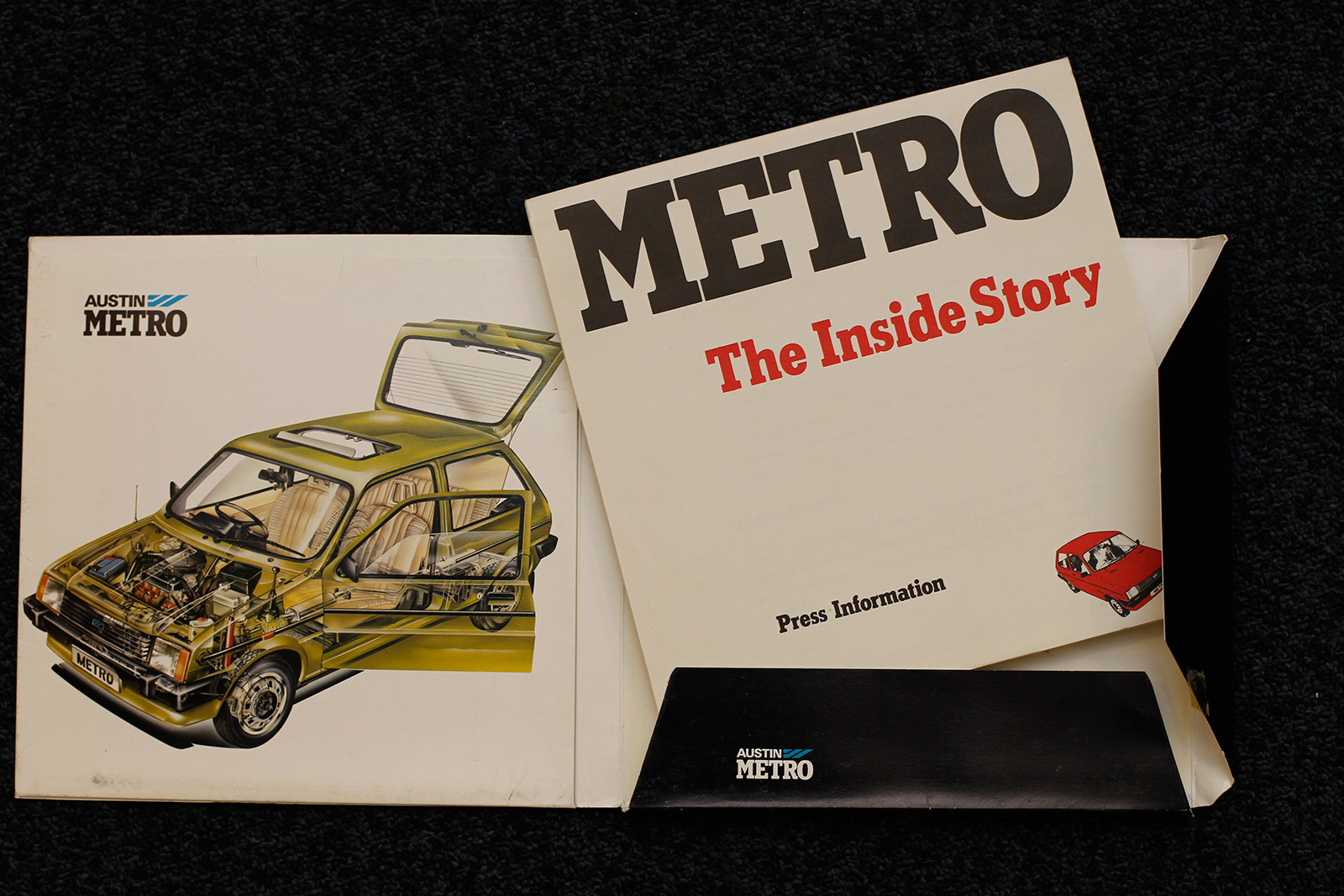
Lady Diana would drive one and tuners produced ever more extreme versions, the most impressive of which came from Aston Martin-linked Tickford. Forget the Cygnet.
Yet today, it’s damn hard to understand why when you inspect an early miniMetro such as you see here.
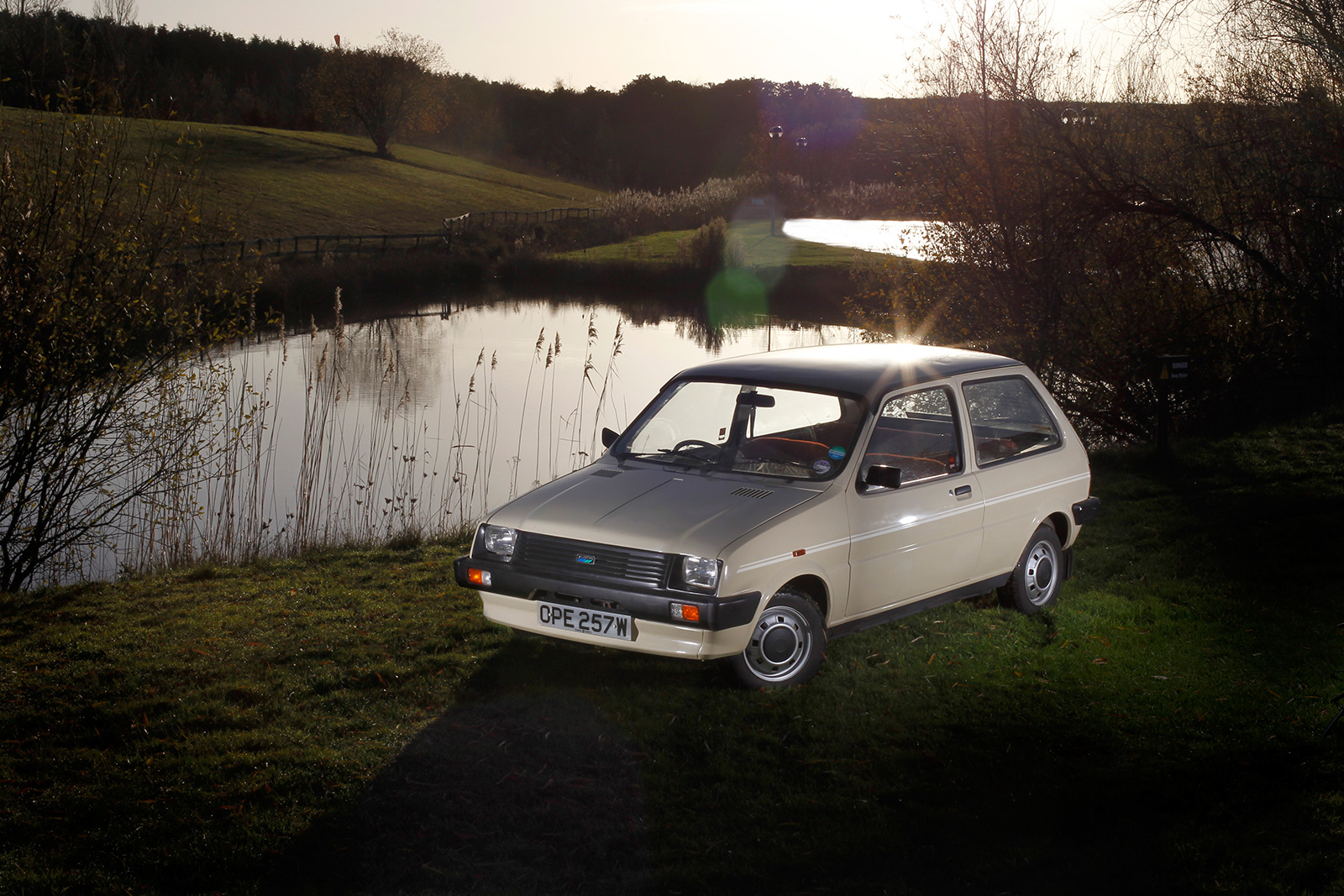
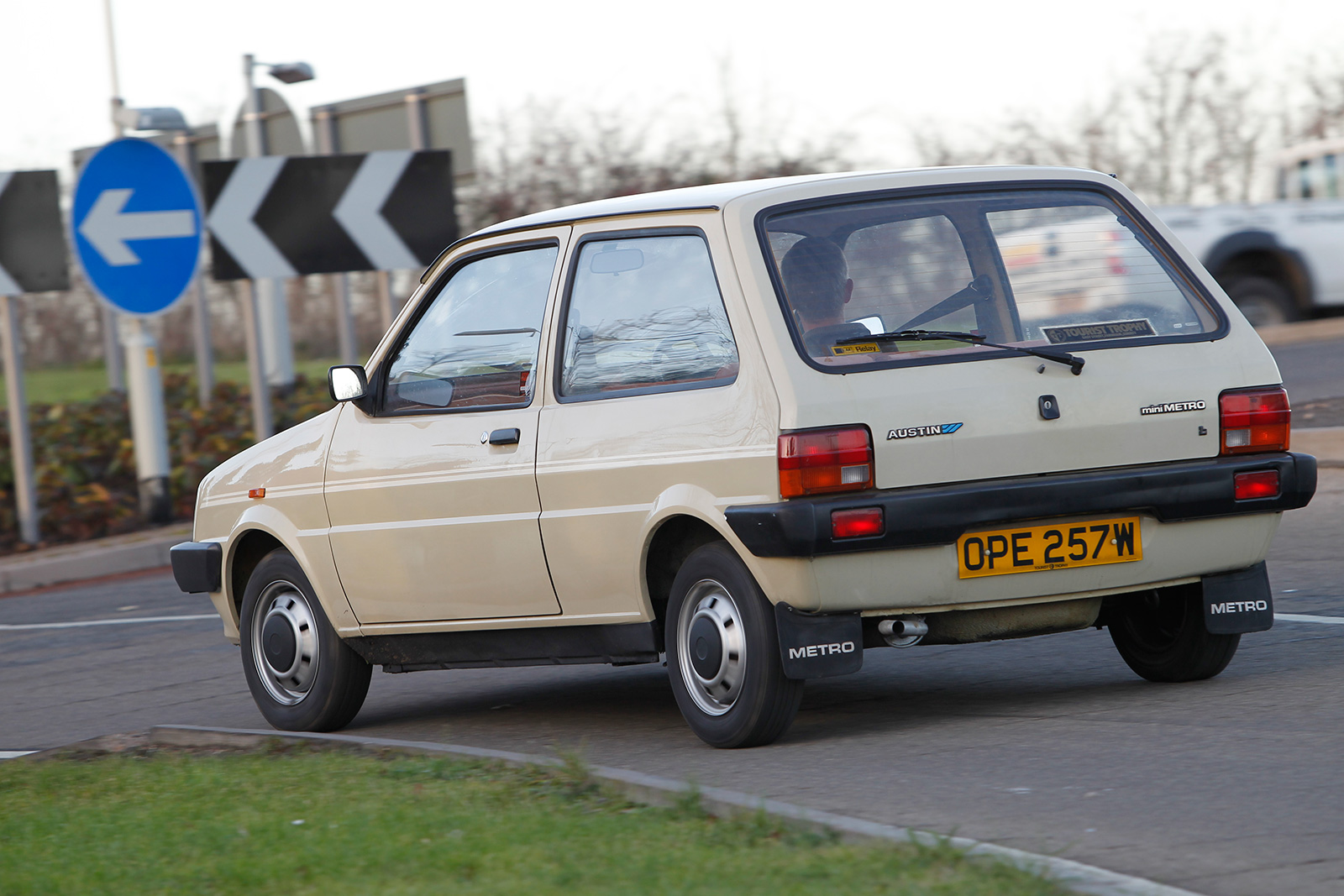
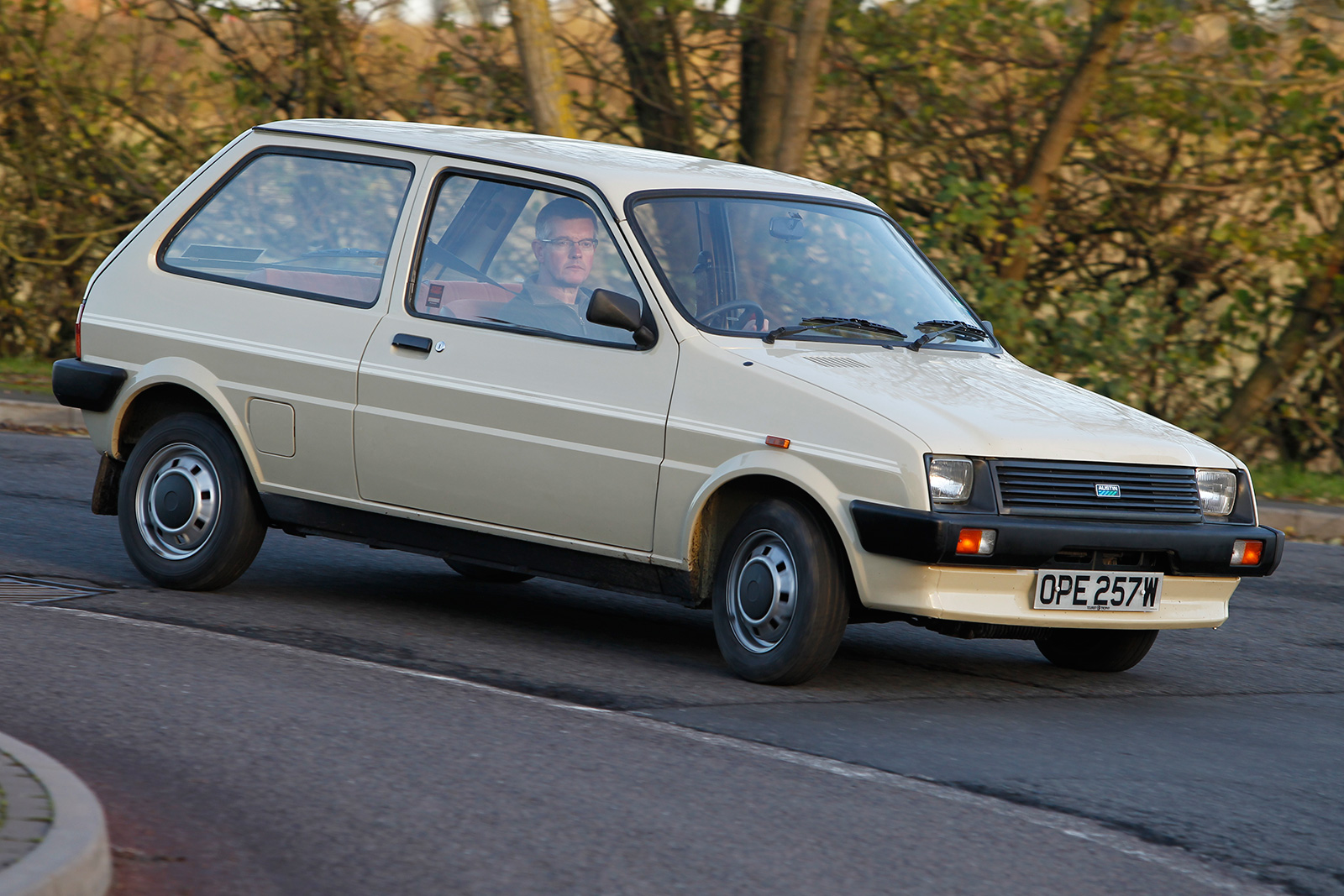
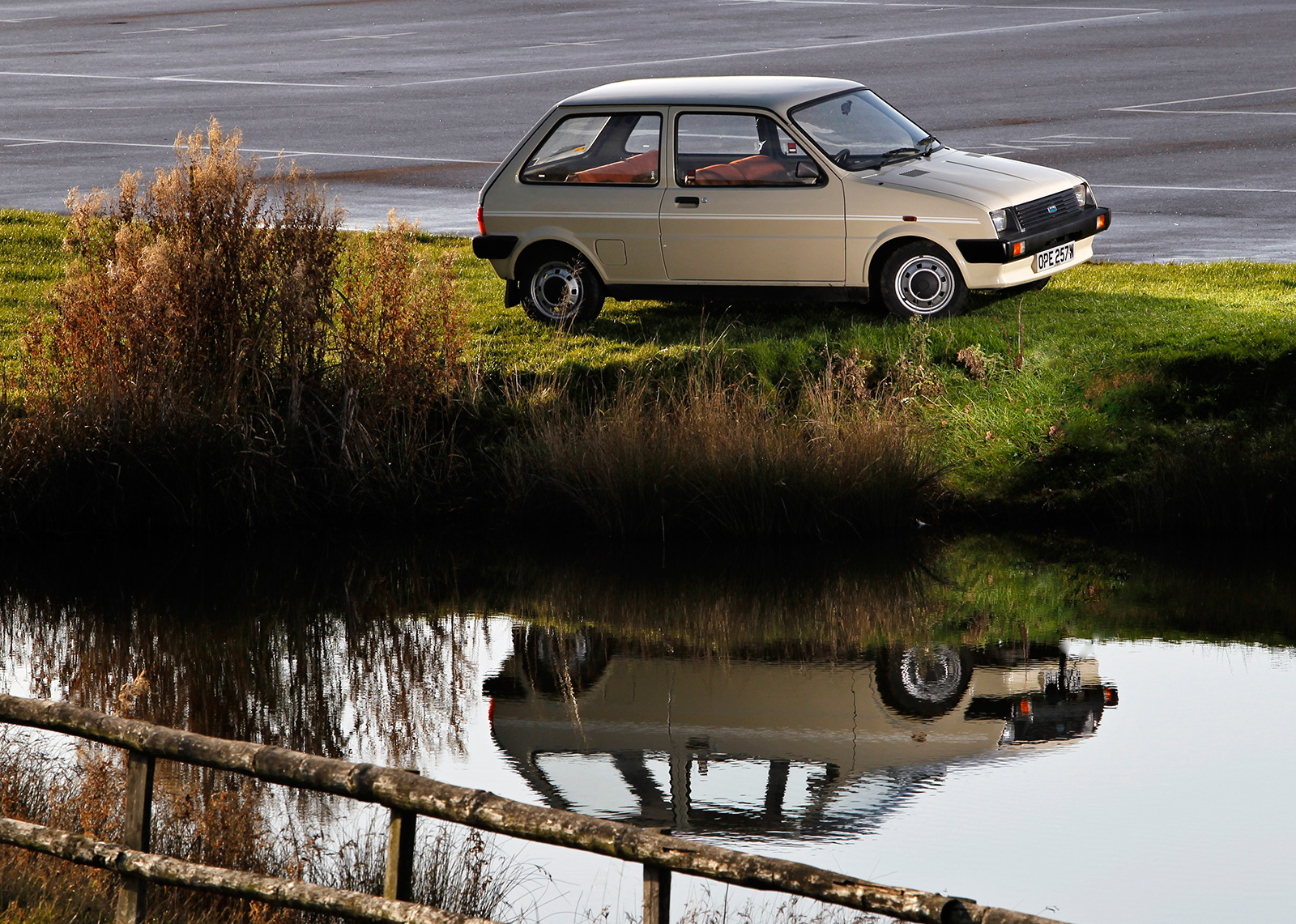
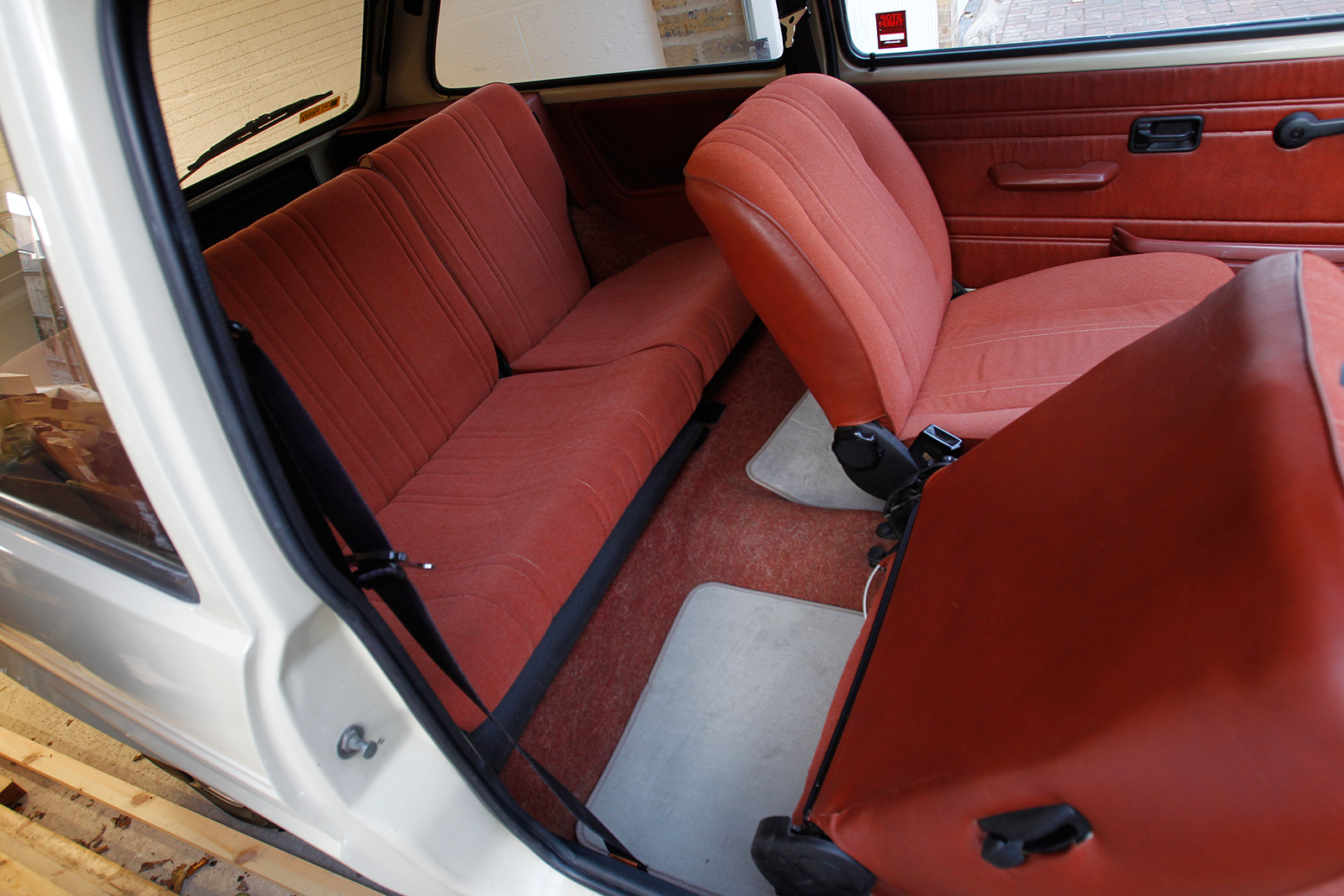
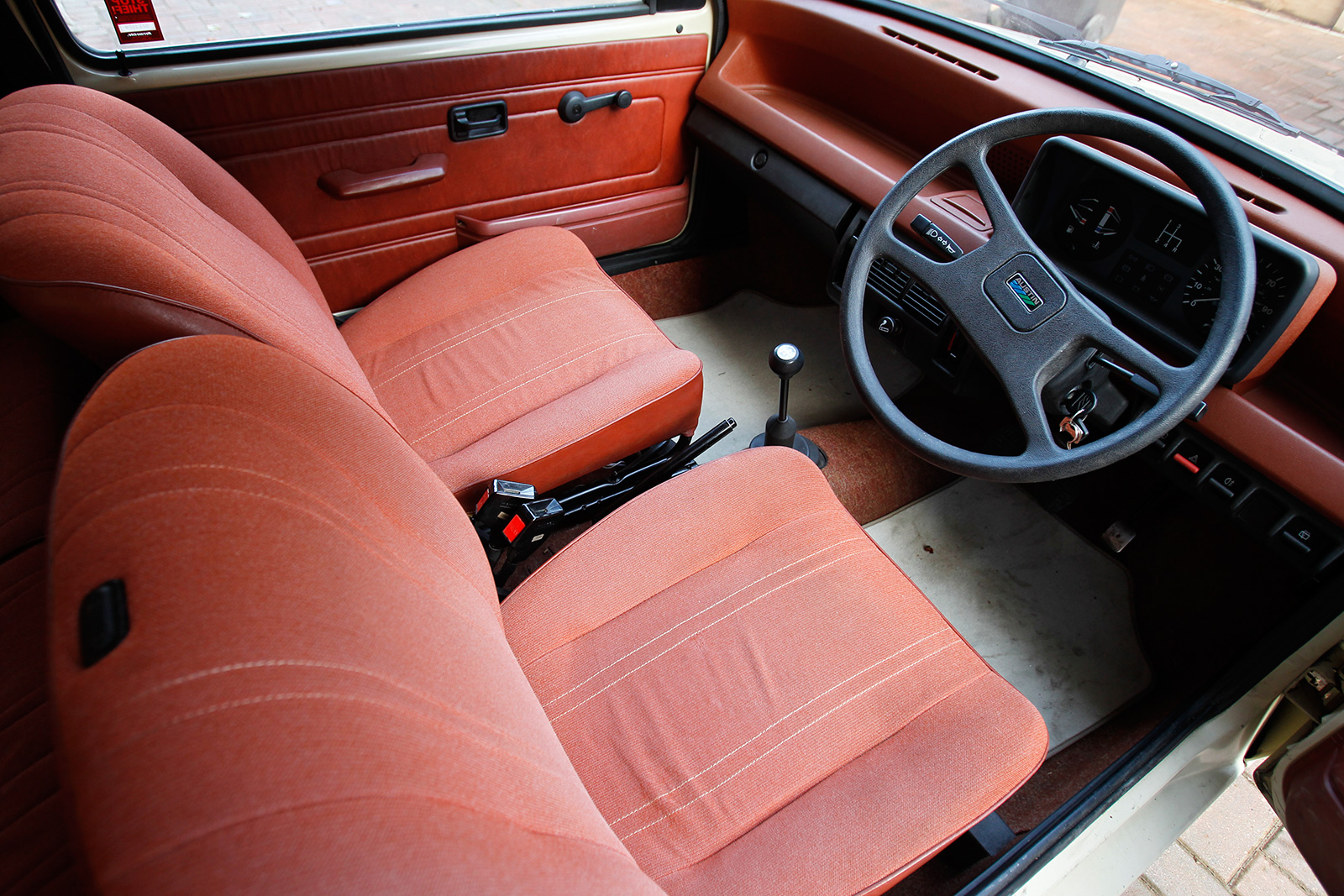
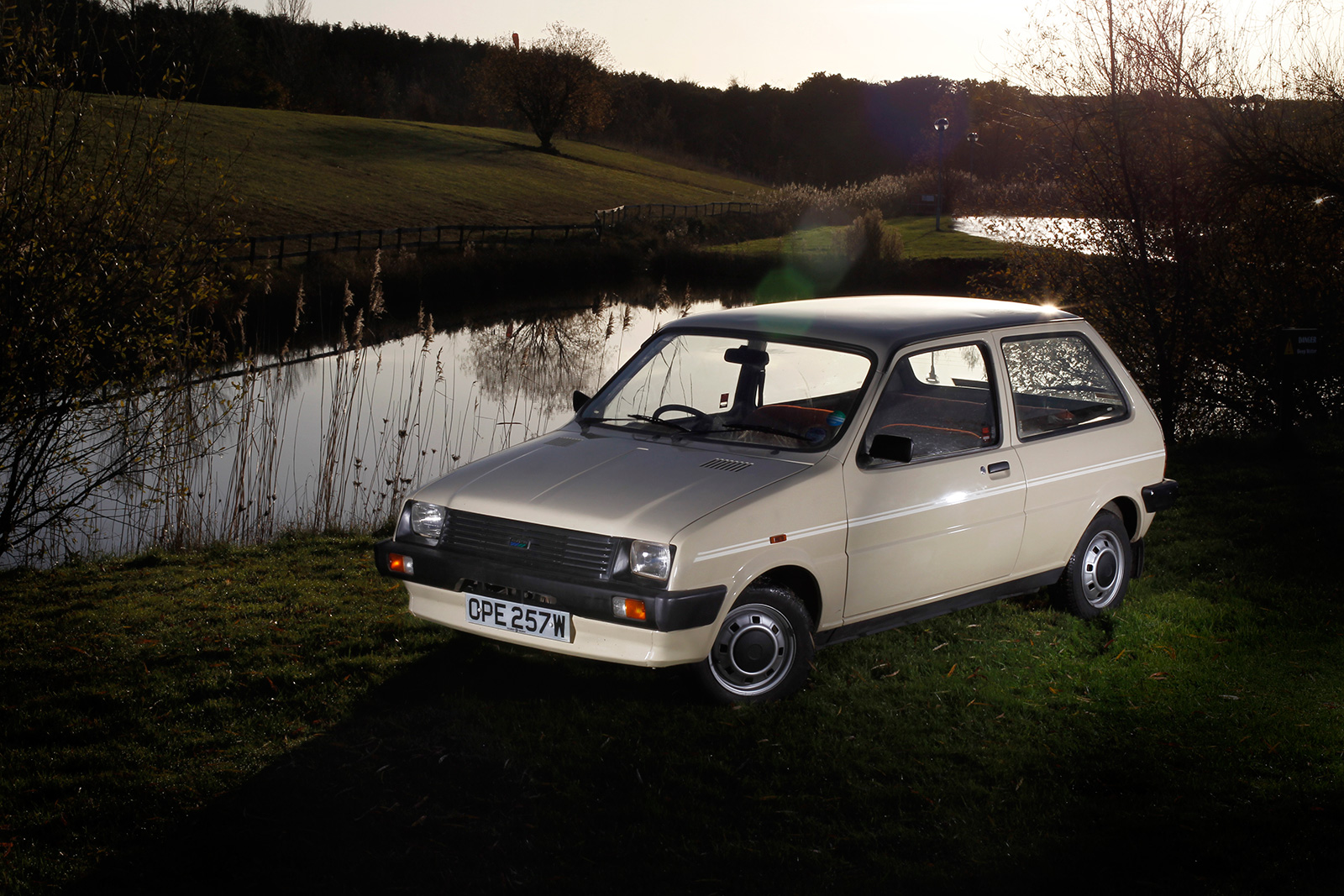
Apart from appearing miserably under-wheeled, bulbous of nose and suspiciously wimpish, it looks so ordinary. Many were sold in exactly the form you see here, as a modest 1.0 litre L, painted in Champagne Beige (a lot more beige than champagne) with a rather startling Paprika interior.
Confession: this car is mine. I bought it in 2008 from the Sussex verge where it sat with a £250 notice in its windows, paying £220.
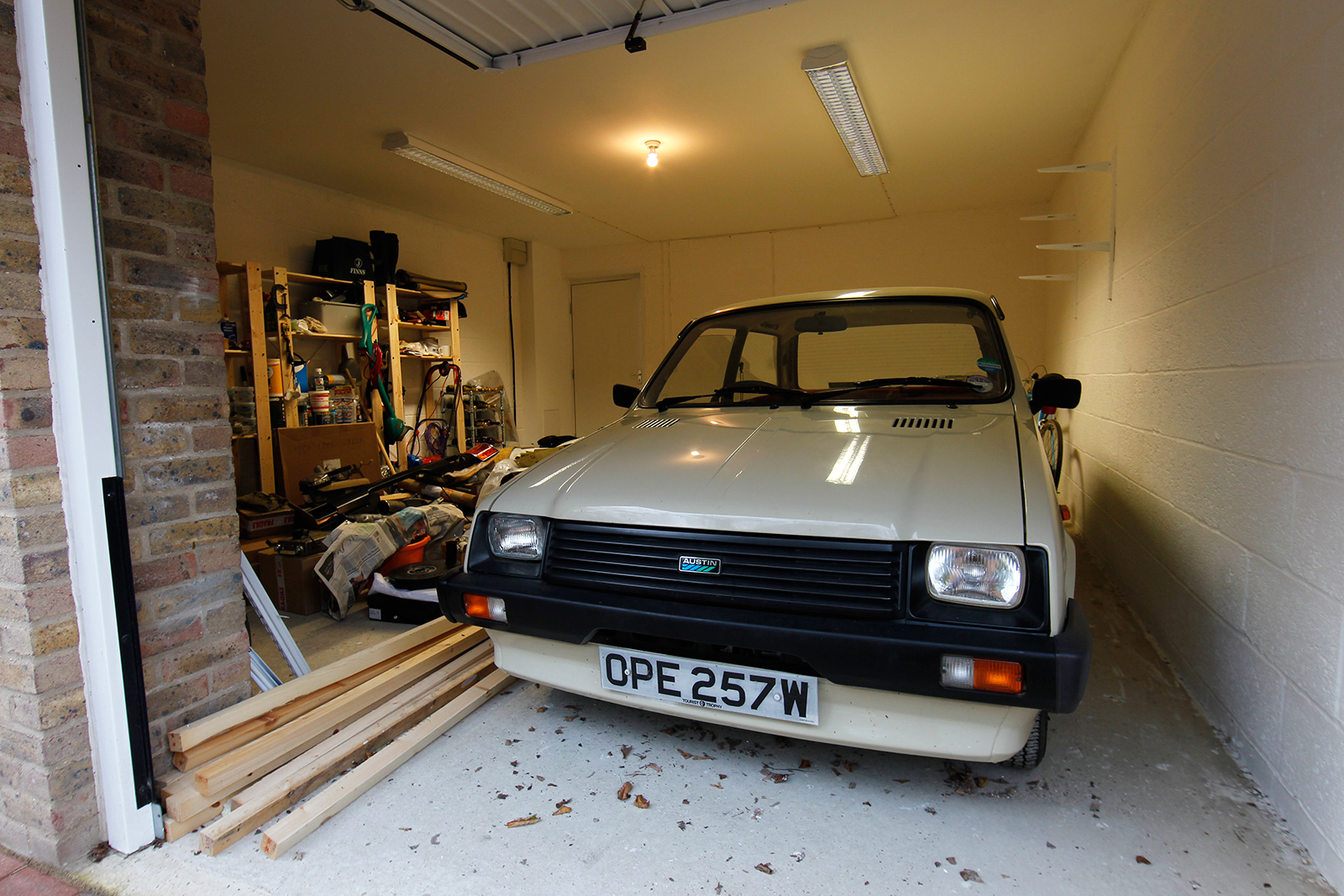
With 26,000 miles, almost a year’s MoT and a frilliness of wing that was light for this corrosion-prone breed, it momentarily proved brain-fusingly irresistible. Nostalgia was poisoning my grip on reason, the sudden realisation that there aren’t many early Metros left (wonder why?) and happy memories of working for the company that made it prompting a foolish lunge for the cheque-book.
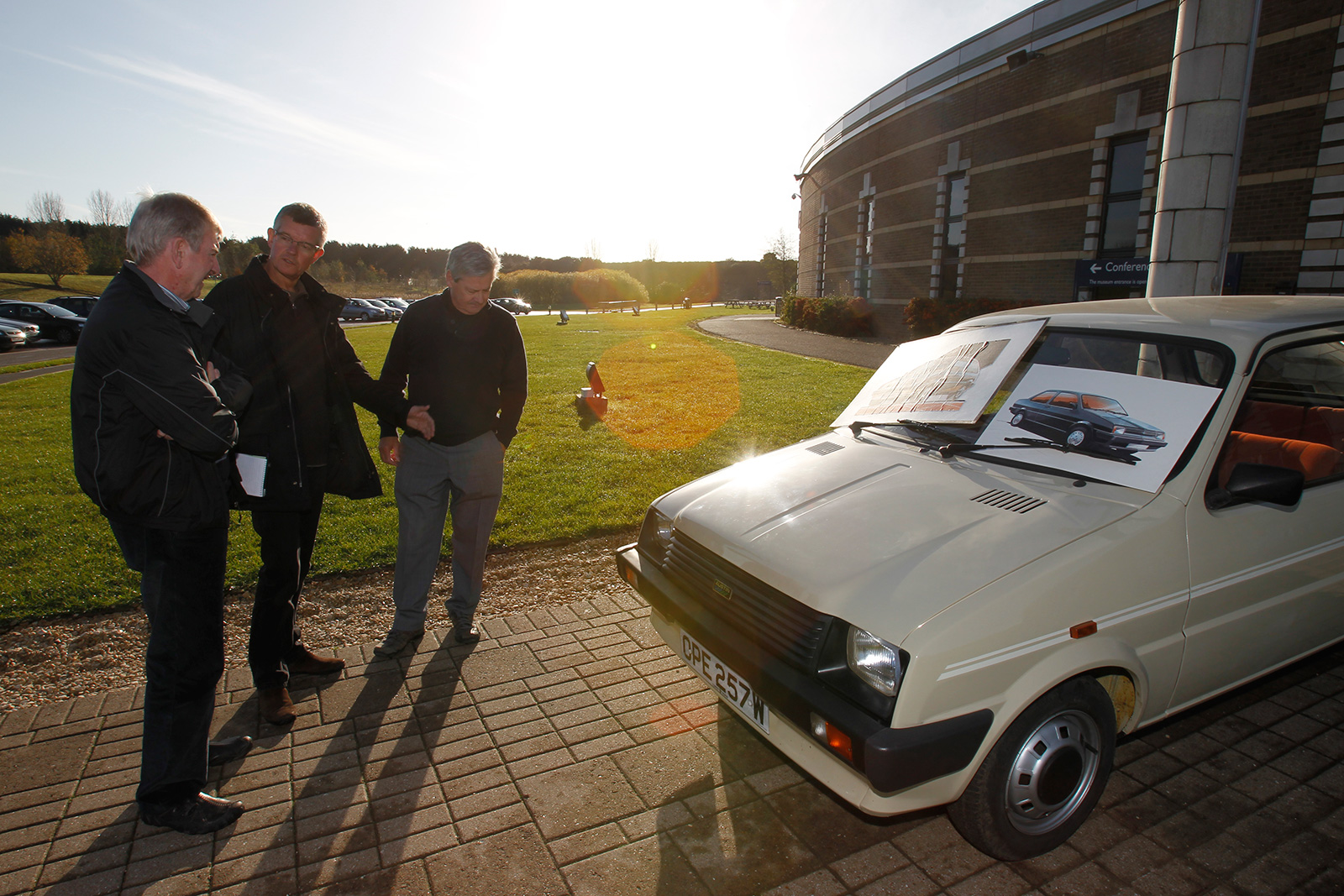
And today it has a mission. I’m going to drive it to meet its makers.
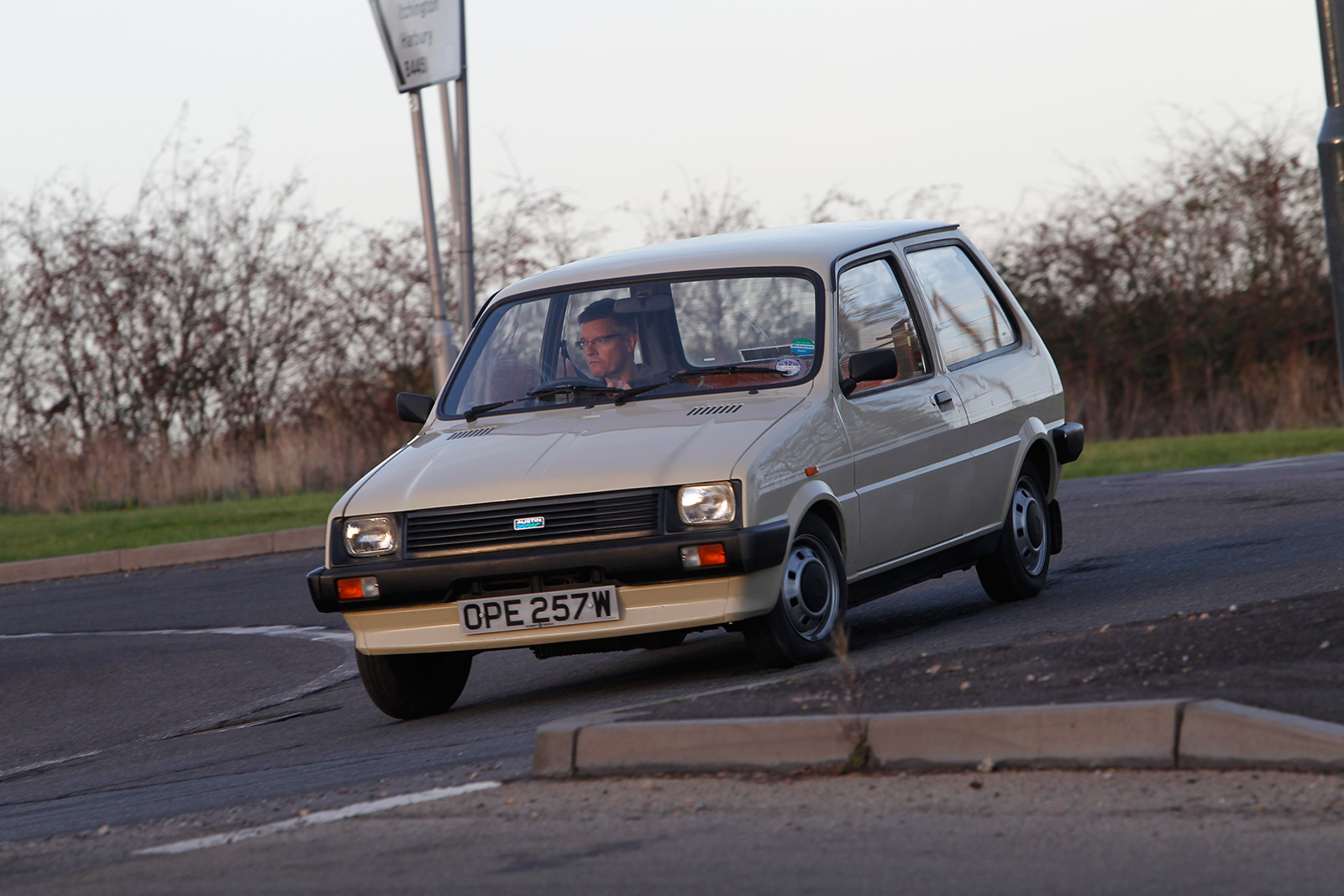
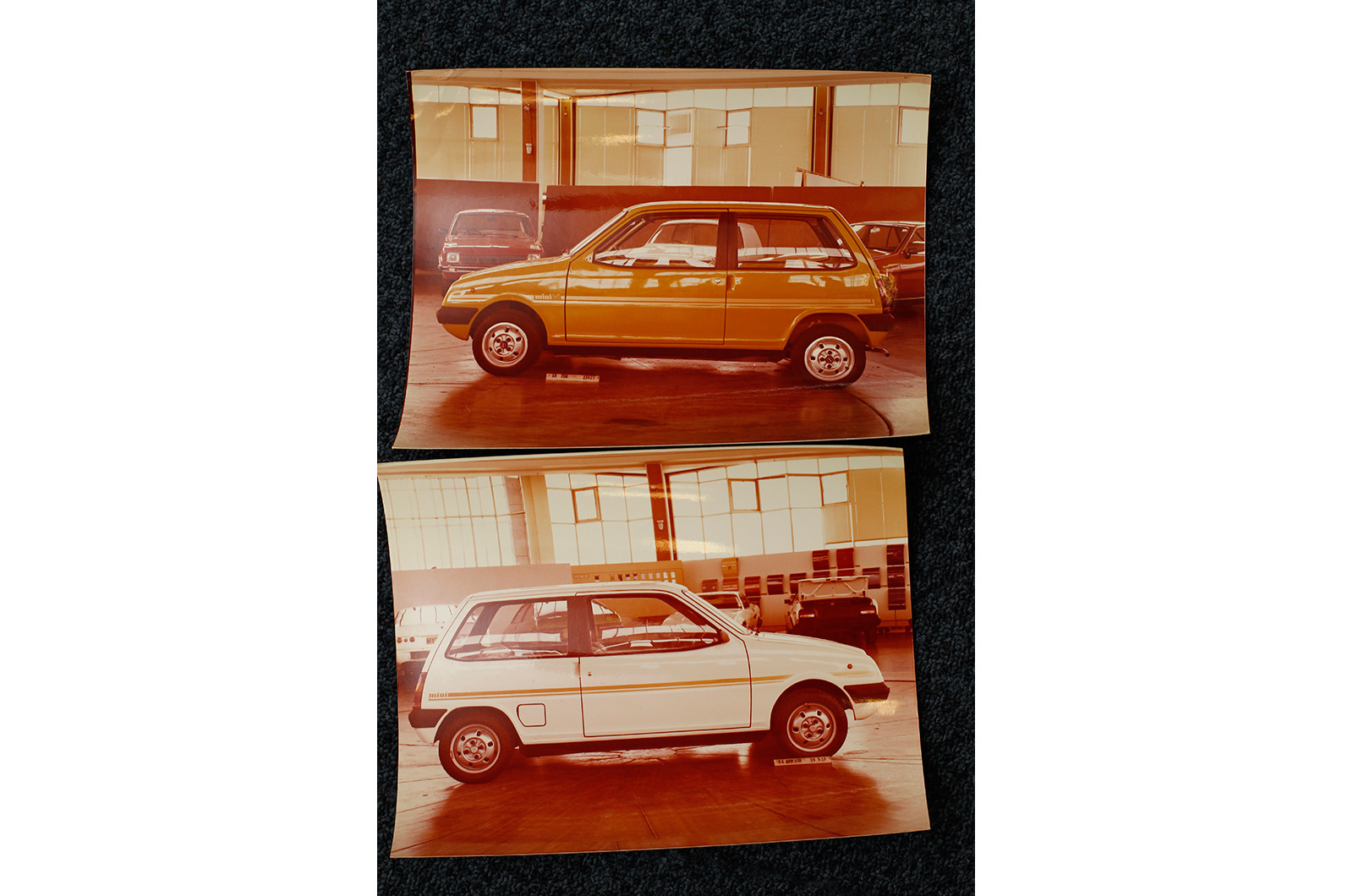
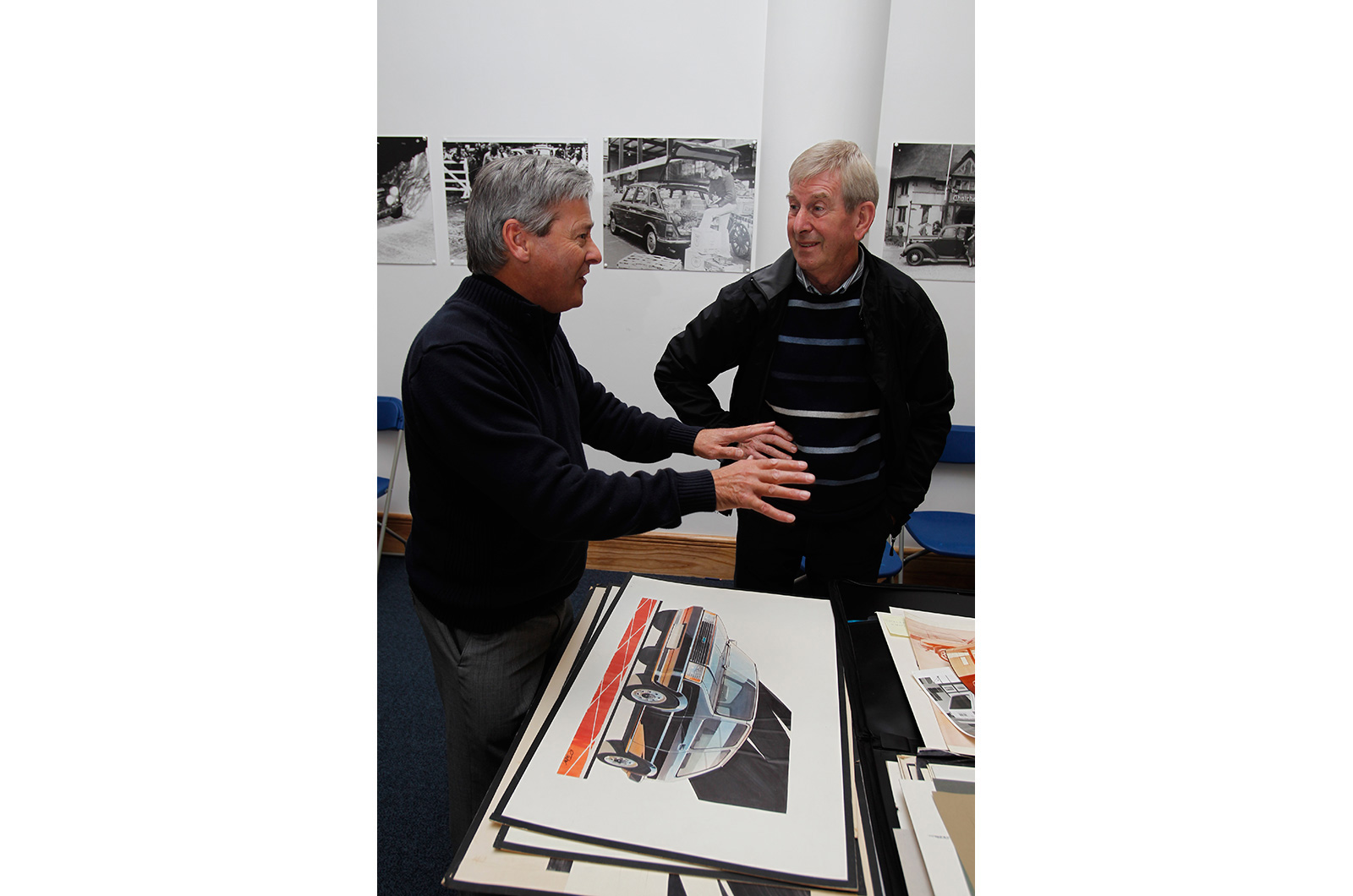
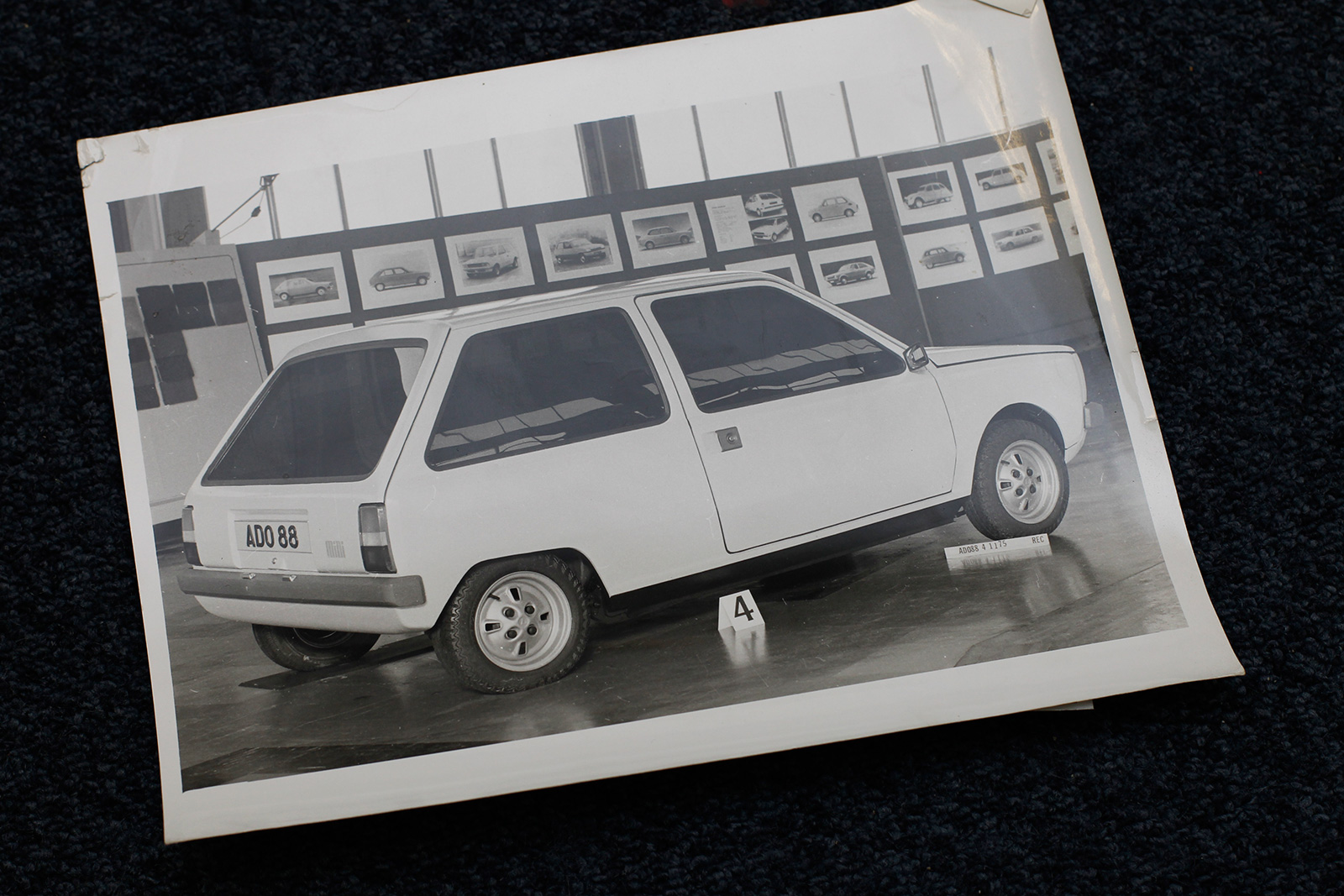
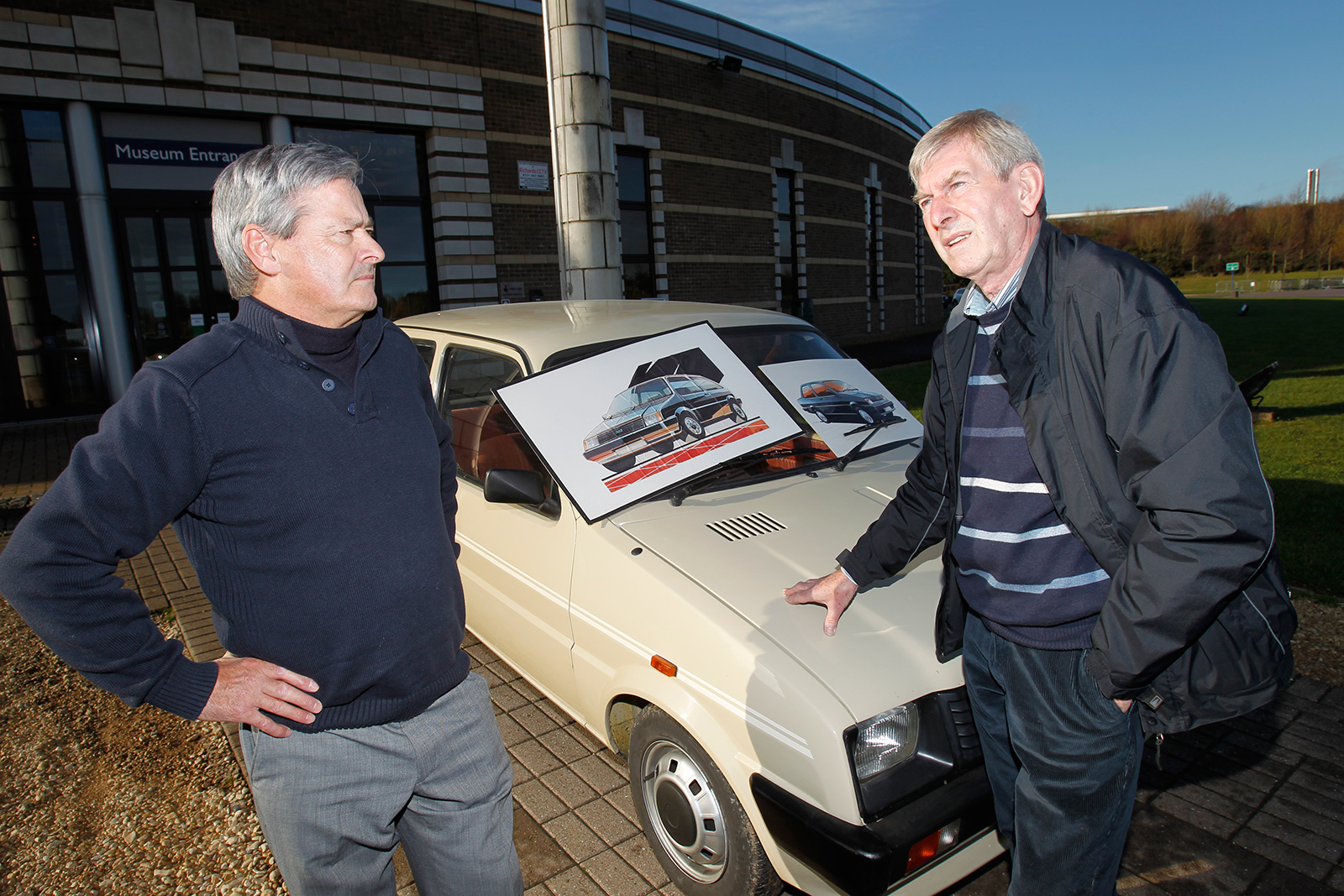
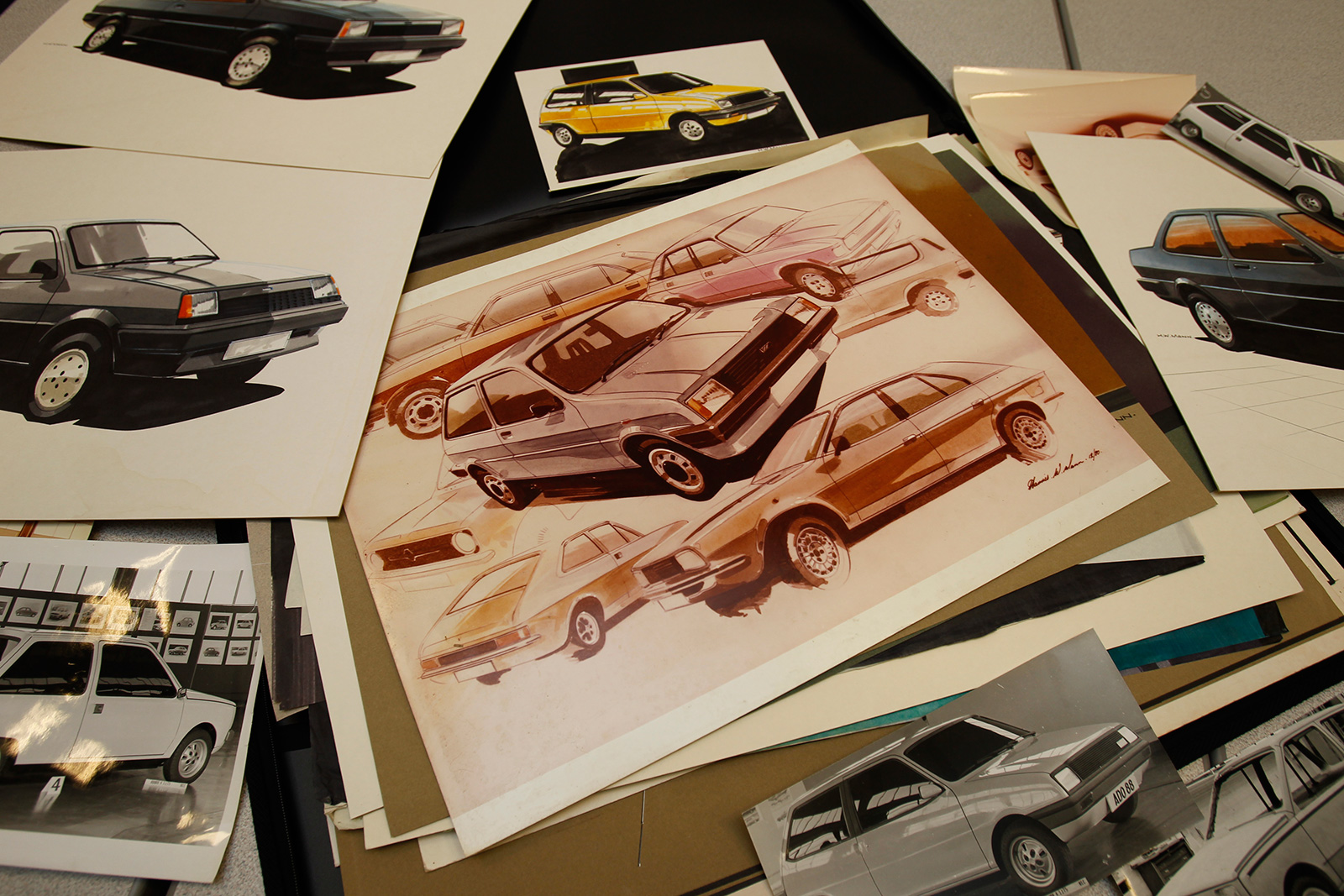
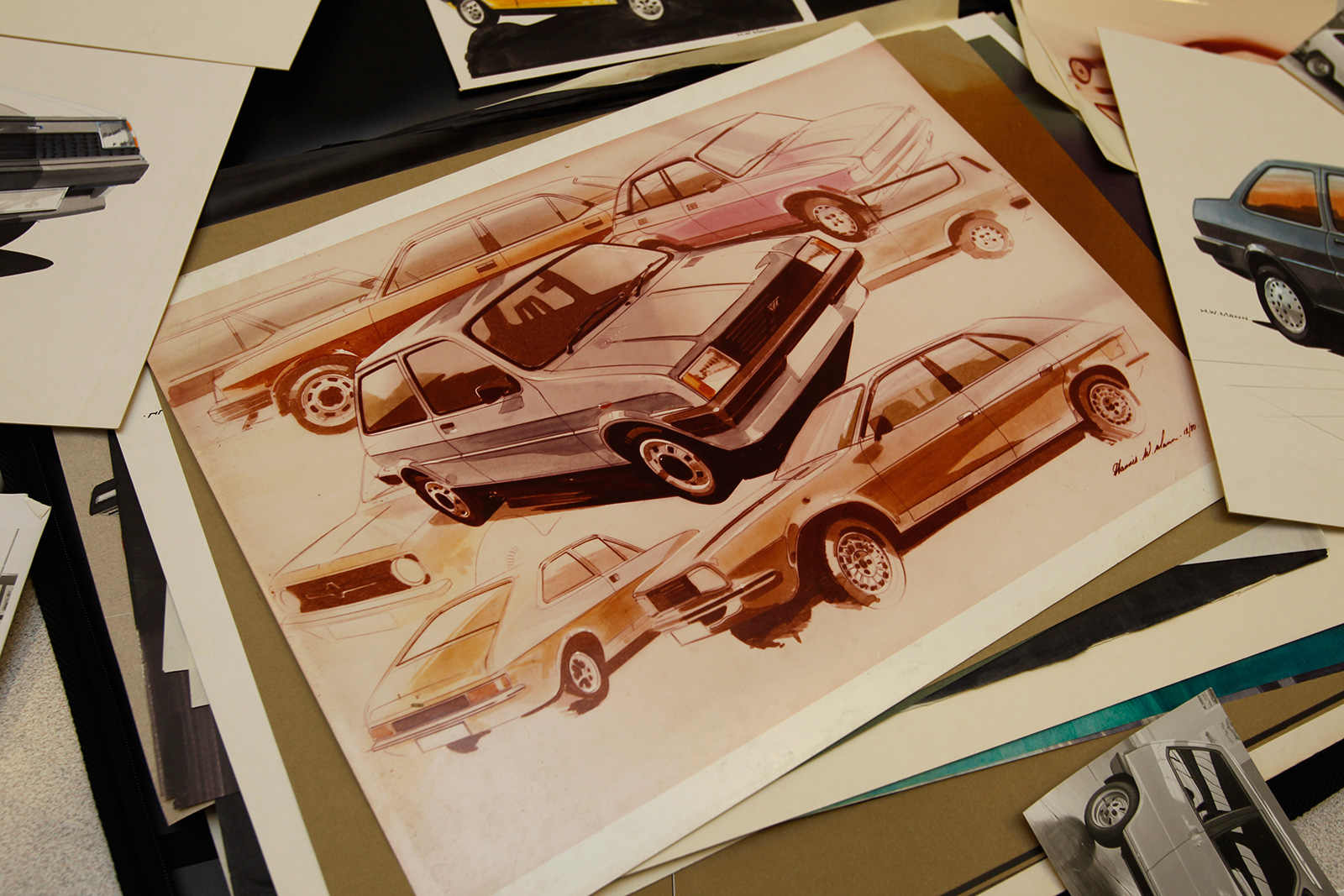
Not at Longbridge but at Gaydon, a former British Leyland proving ground once frequented by LC8 prototypes, as they were known. When we get there – if we get there - the Metro will be inspected by Harris Mann, former Austin-Morris chief designer and his colleague Roger Tucker, the pair key shapers of its British Steel bodywork. Gaydon’s Heritage Centre is also home to a little-seen prototype Metro-with-a-boot, though you’re likely to conclude that its minimal exposure has been a good thing.
Step into this Austin after a modern, and you’re struck by its unrelenting paprika-ness, which I rather like, and the incredible airiness of its cabin.
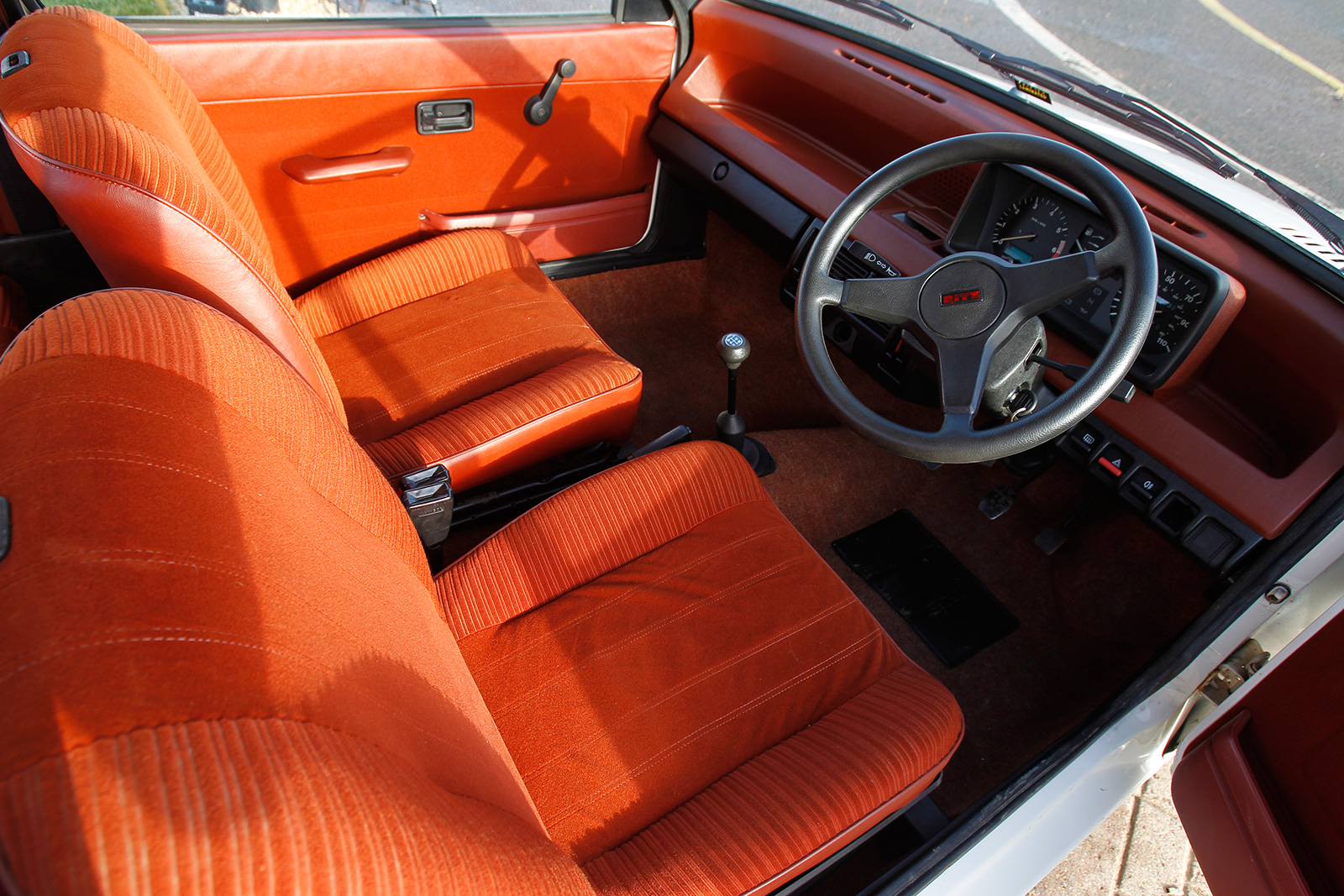
The slim-pillars are what do it, along with the absence of head restraints and an airbagless dashboard whose wide shelf presents a satisfyingly crisp, if sparse instrument set. But it’s also the Metro’s packaging that makes it feel spacious – this was the son of the Mini, its creators anxious that the ratio of interior space to exterior footprint was exceptional.
What strikes next is the effort of manoeuvring it.
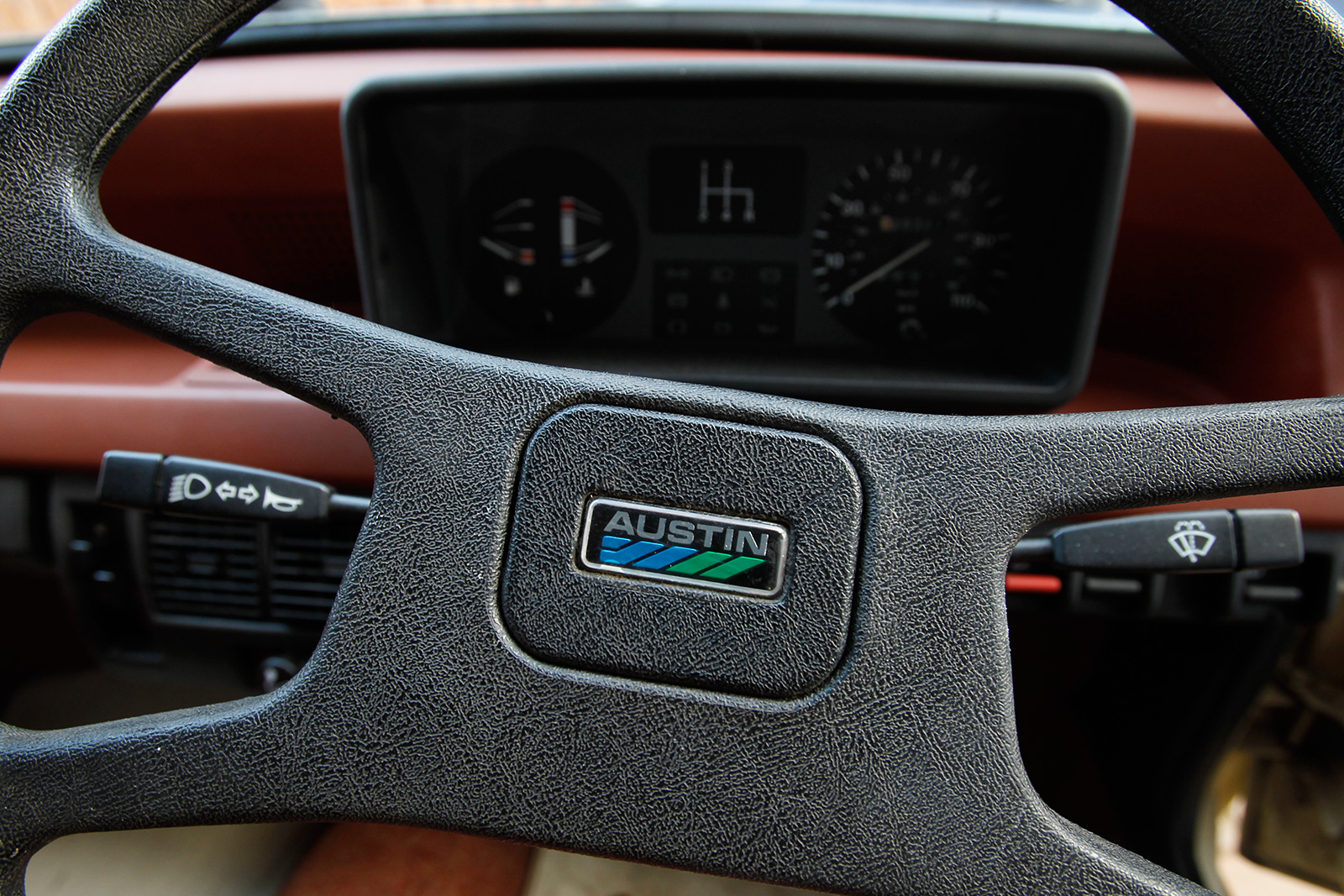
No power steering here (nor clock, radio or rev counter), and swivelling the soft-feel rim (such luxury) takes grunt, especially as the column is at a Mini-like bus-drive angle. The 44bhp 1.0 litre A-Series engine, straight from the-then 21-year old Mini with updates, needs a thing called a choke to get it started, though it fires instantly.