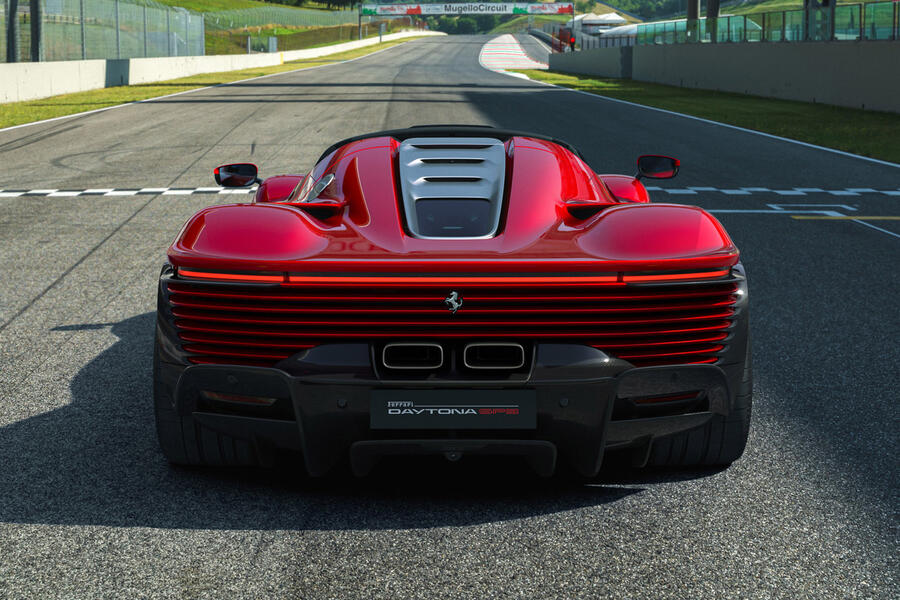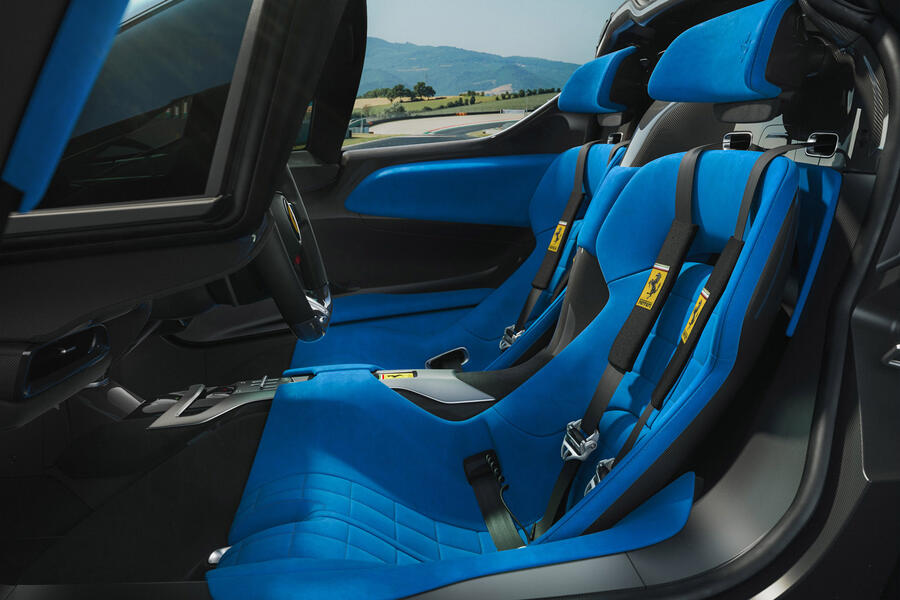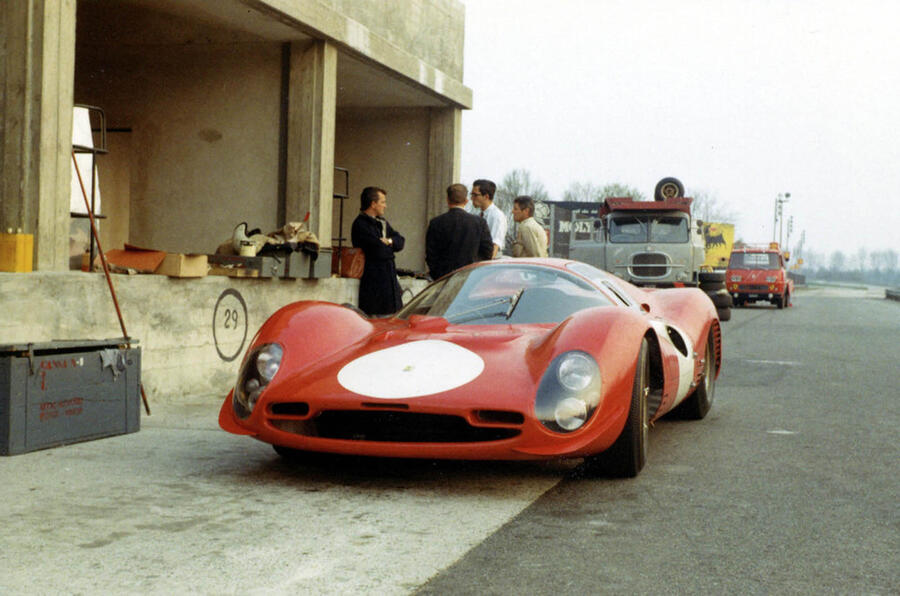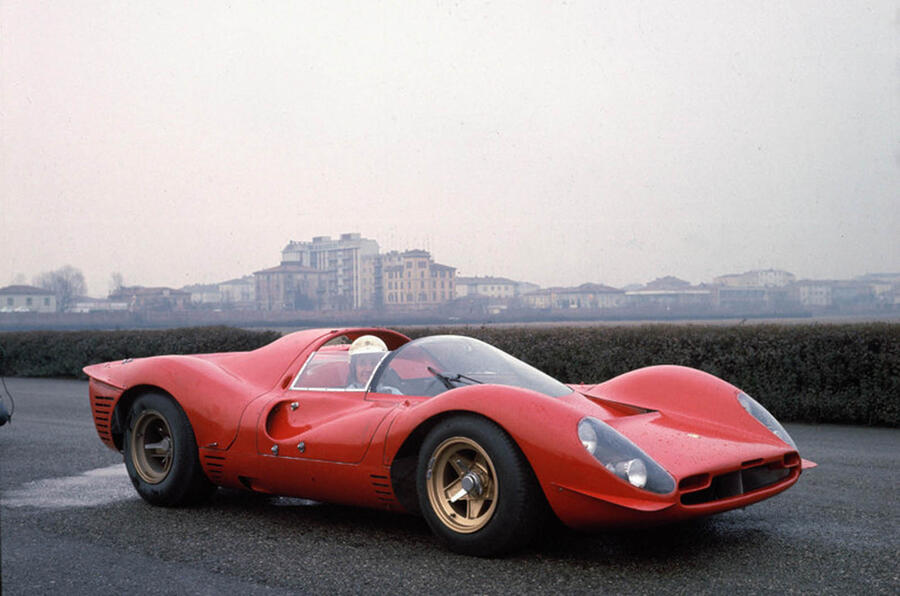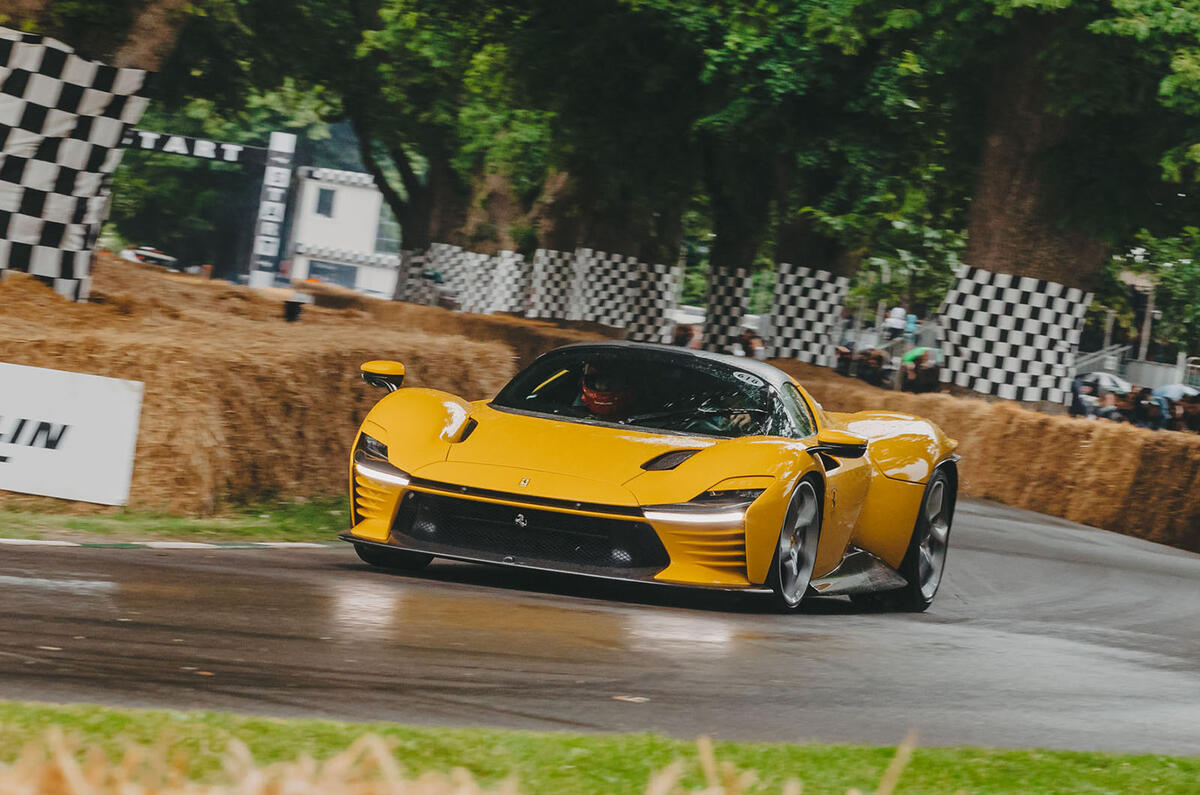
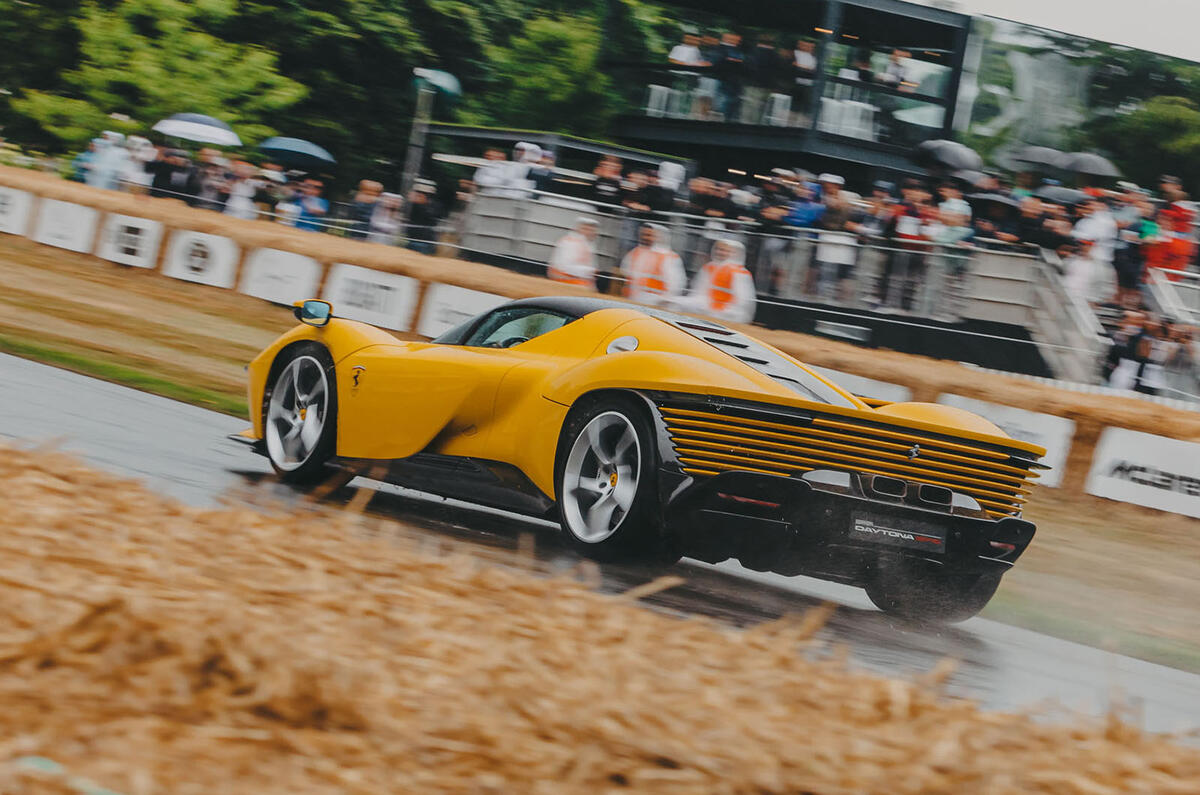
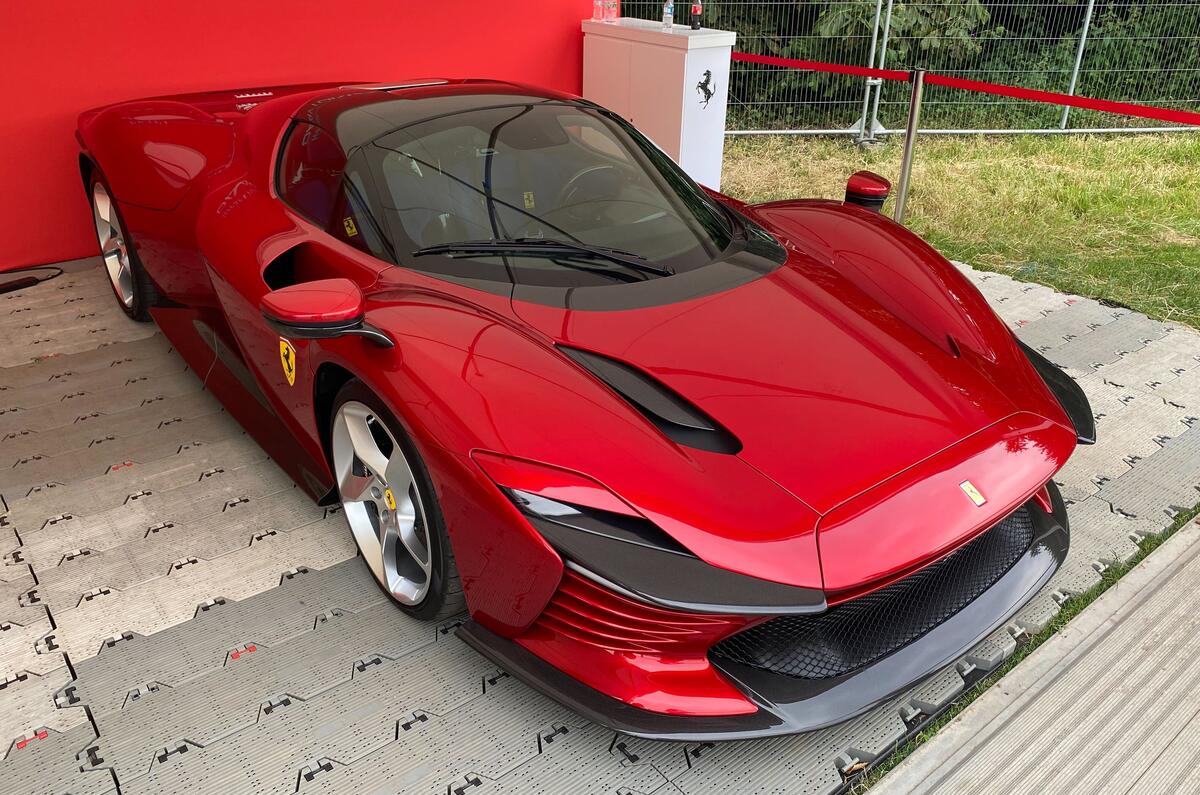
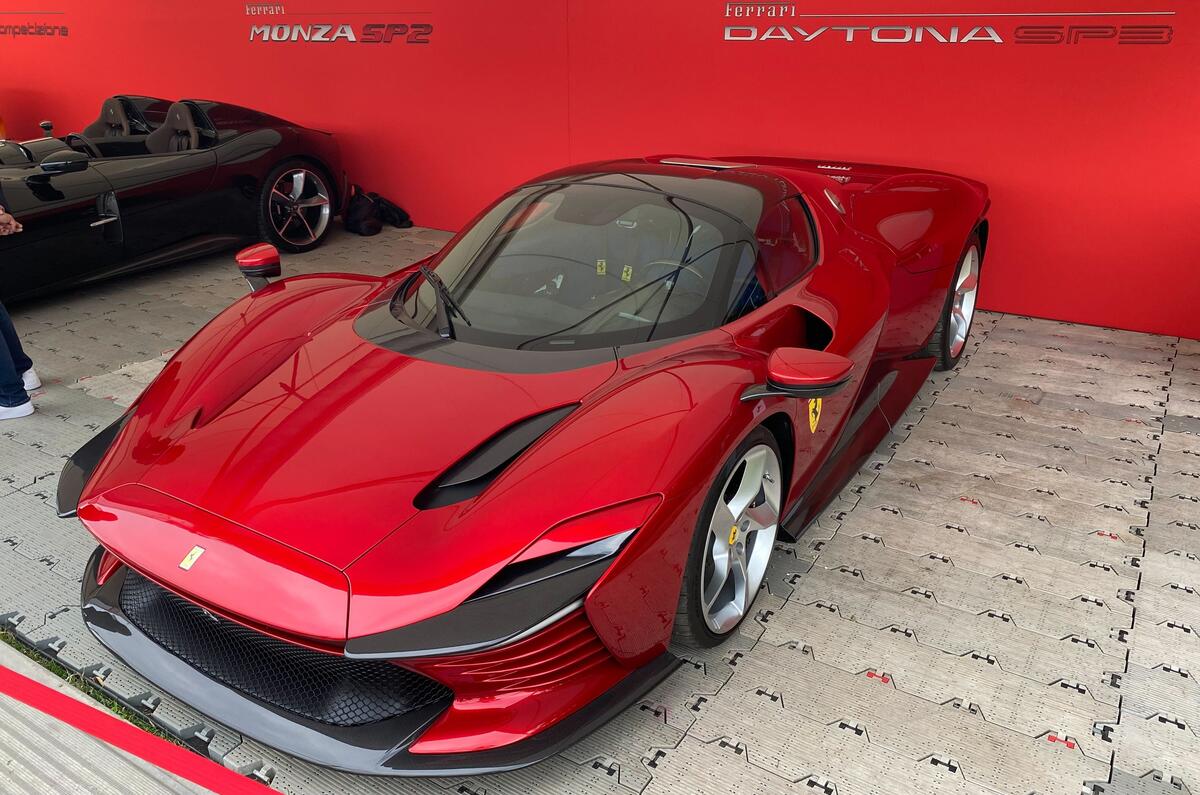
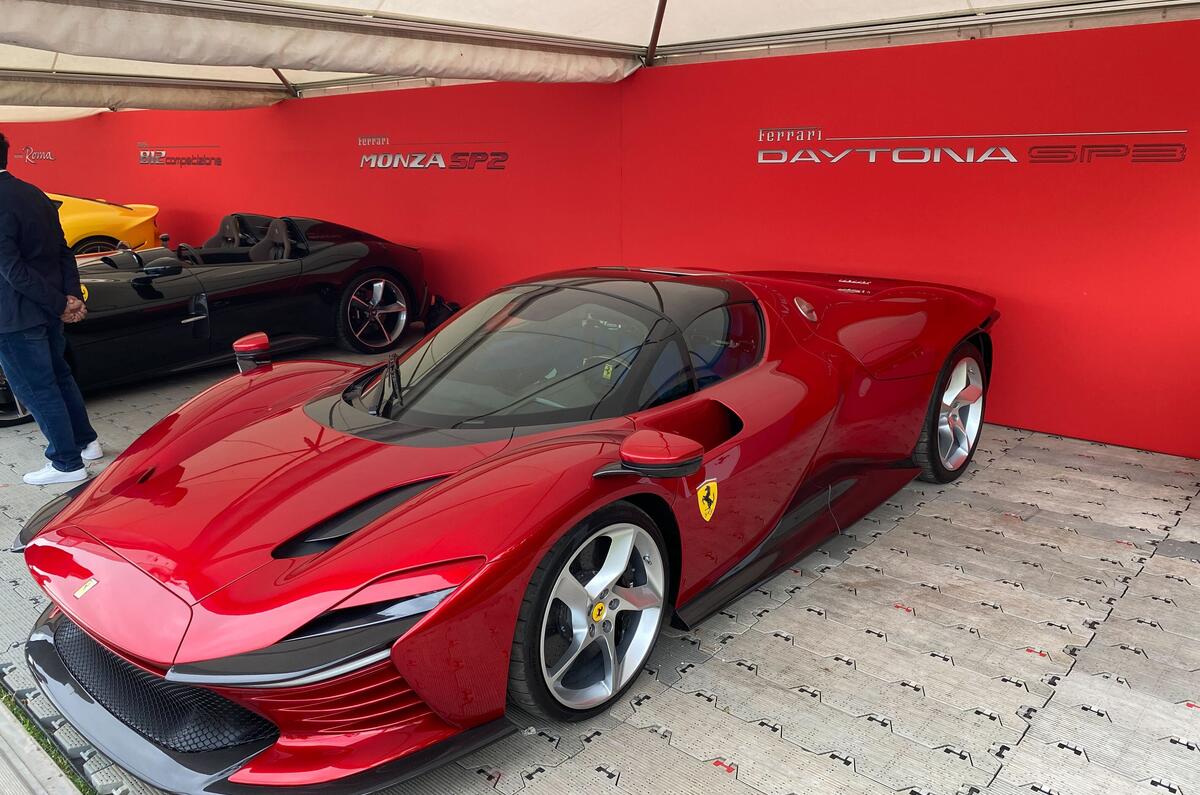
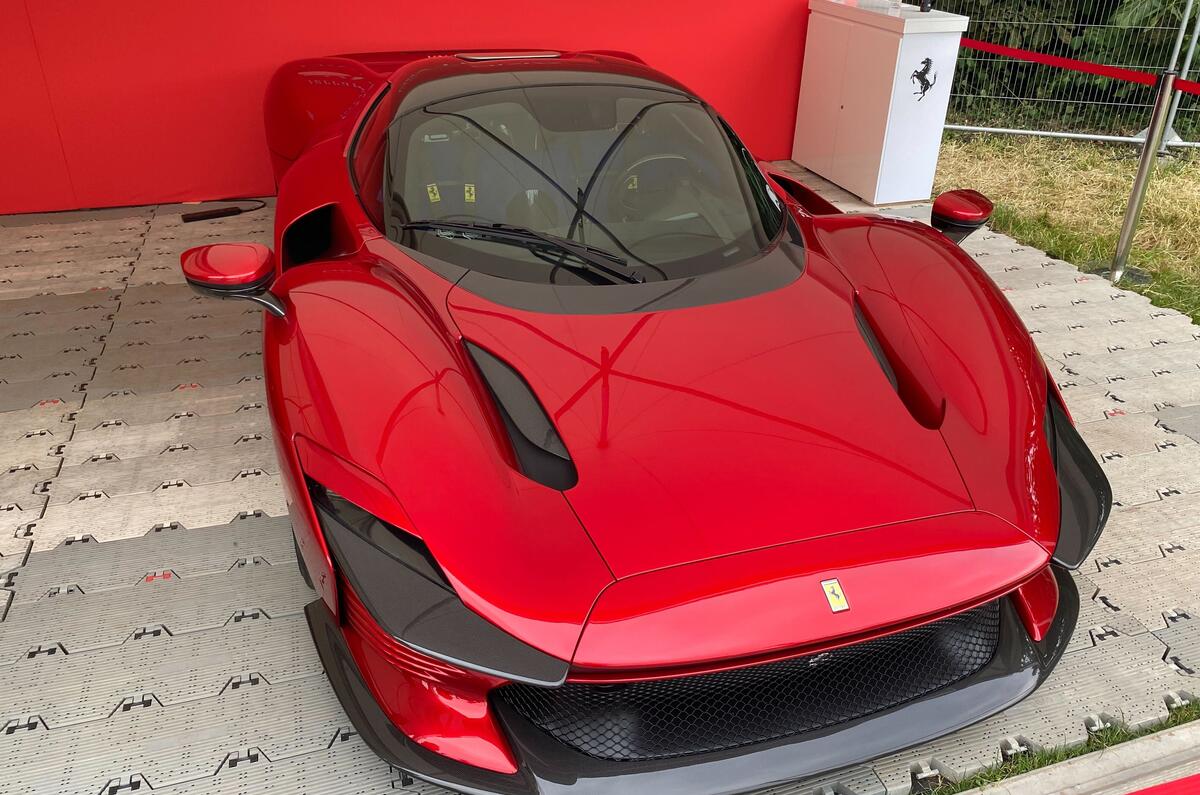
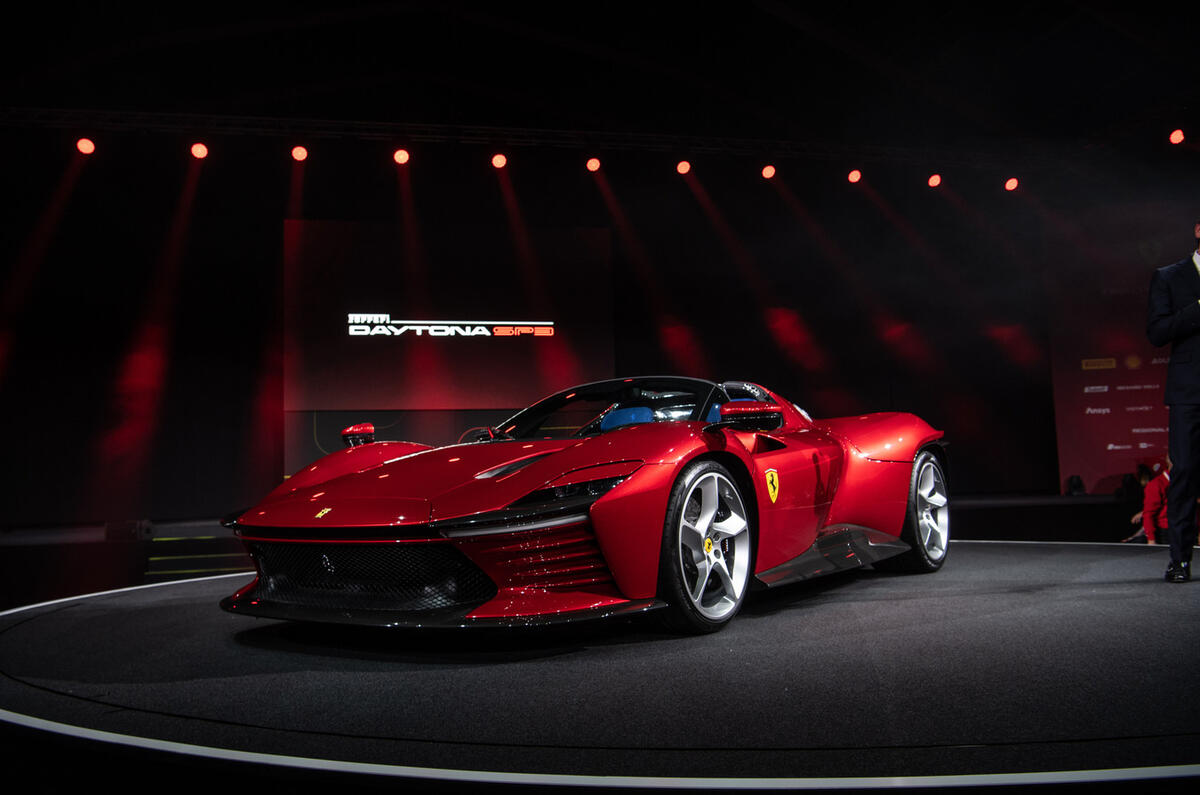
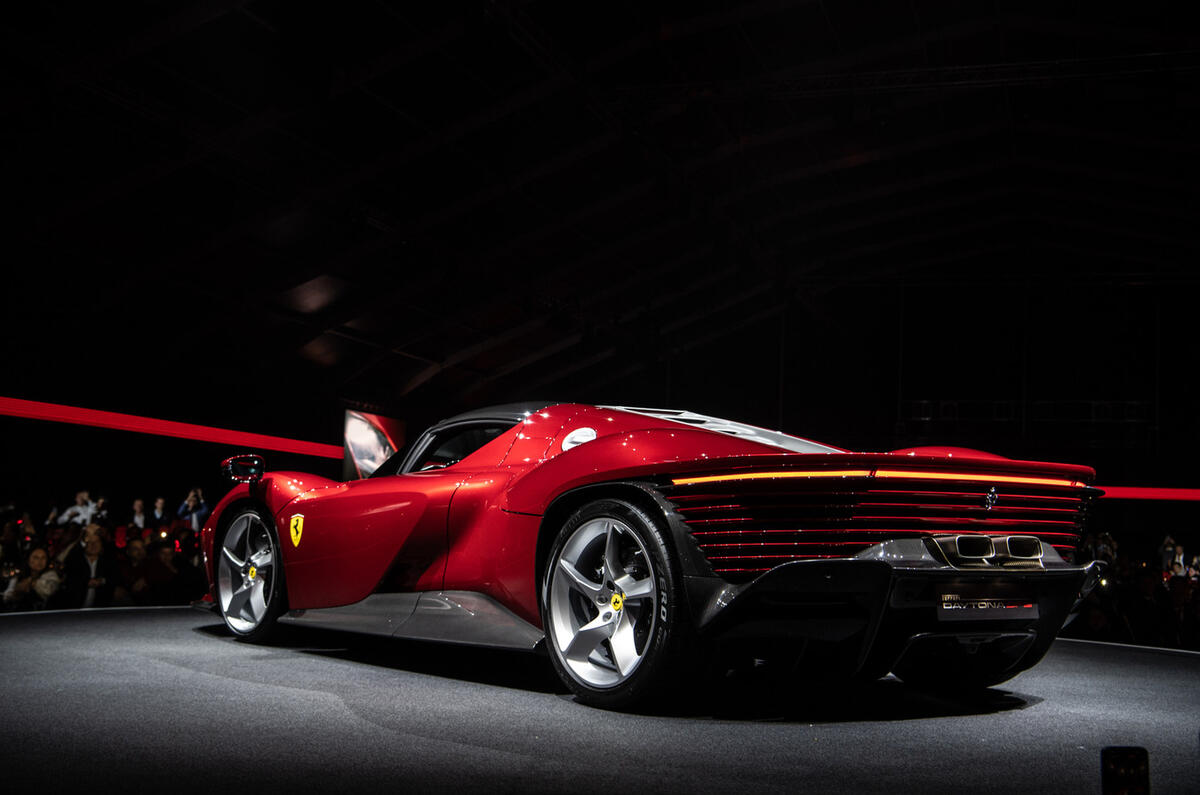
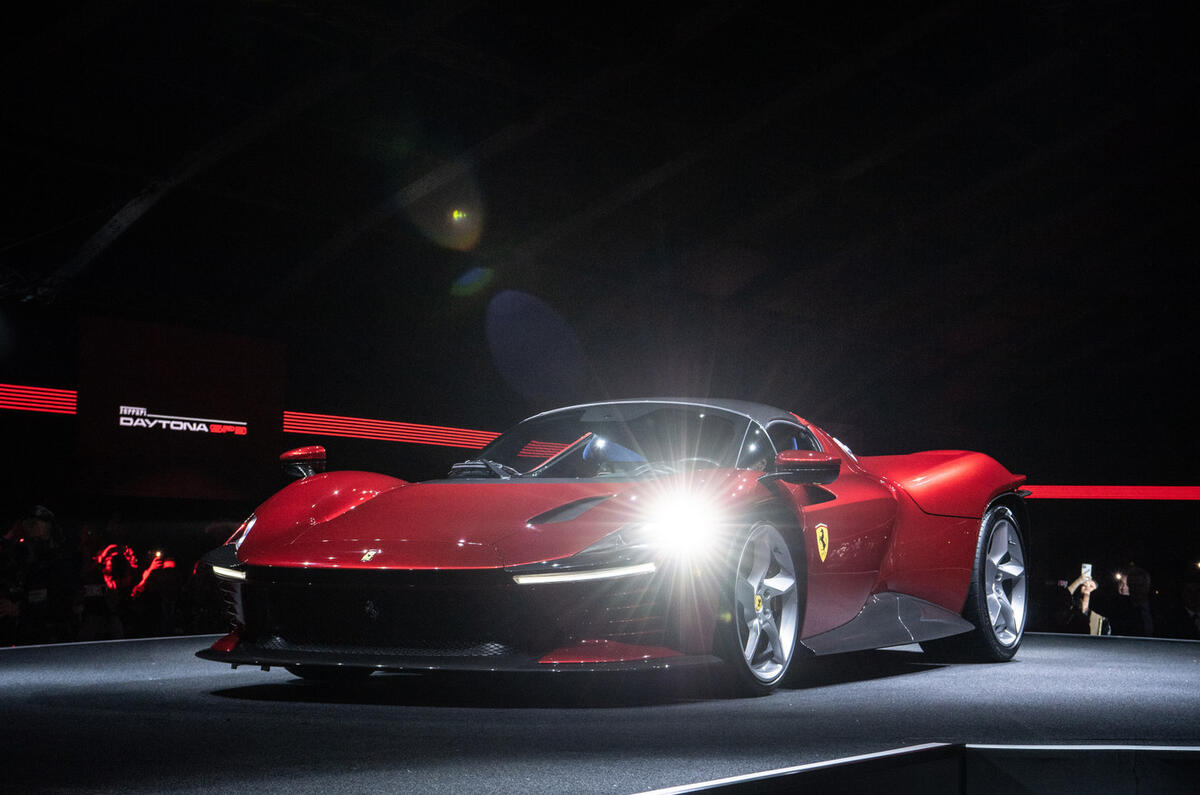
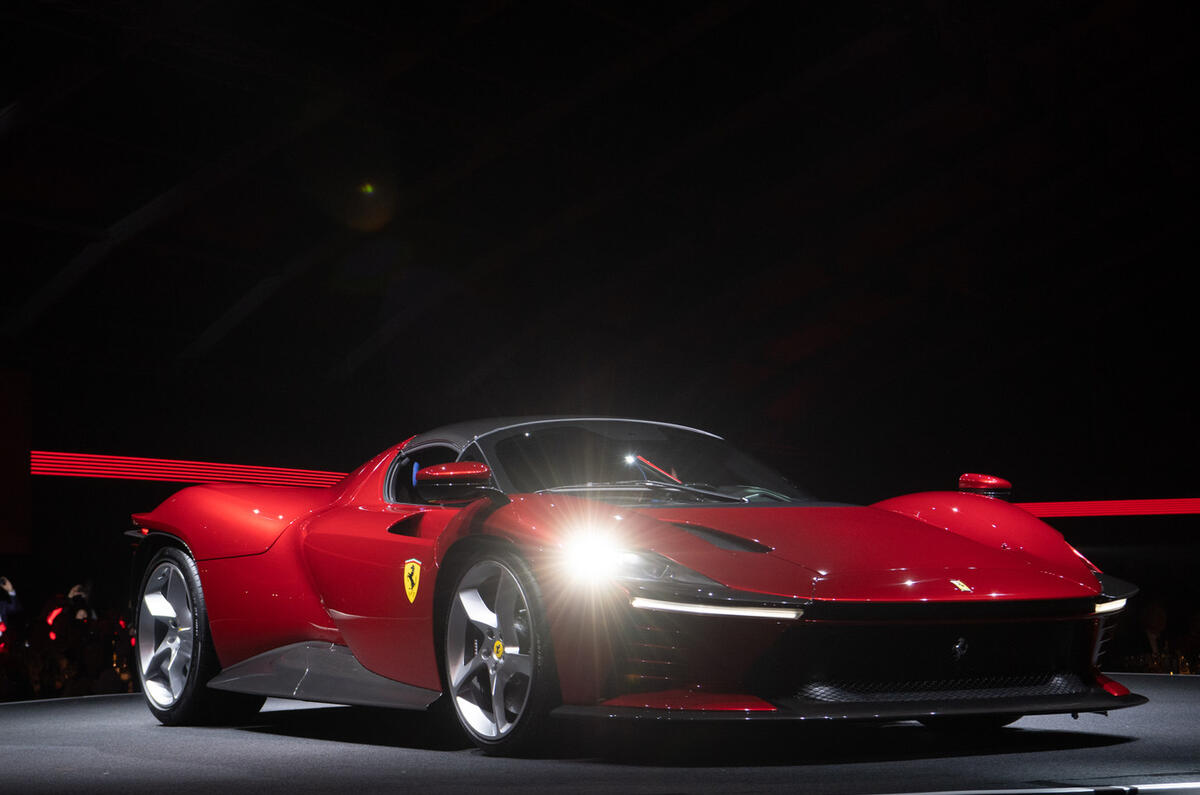
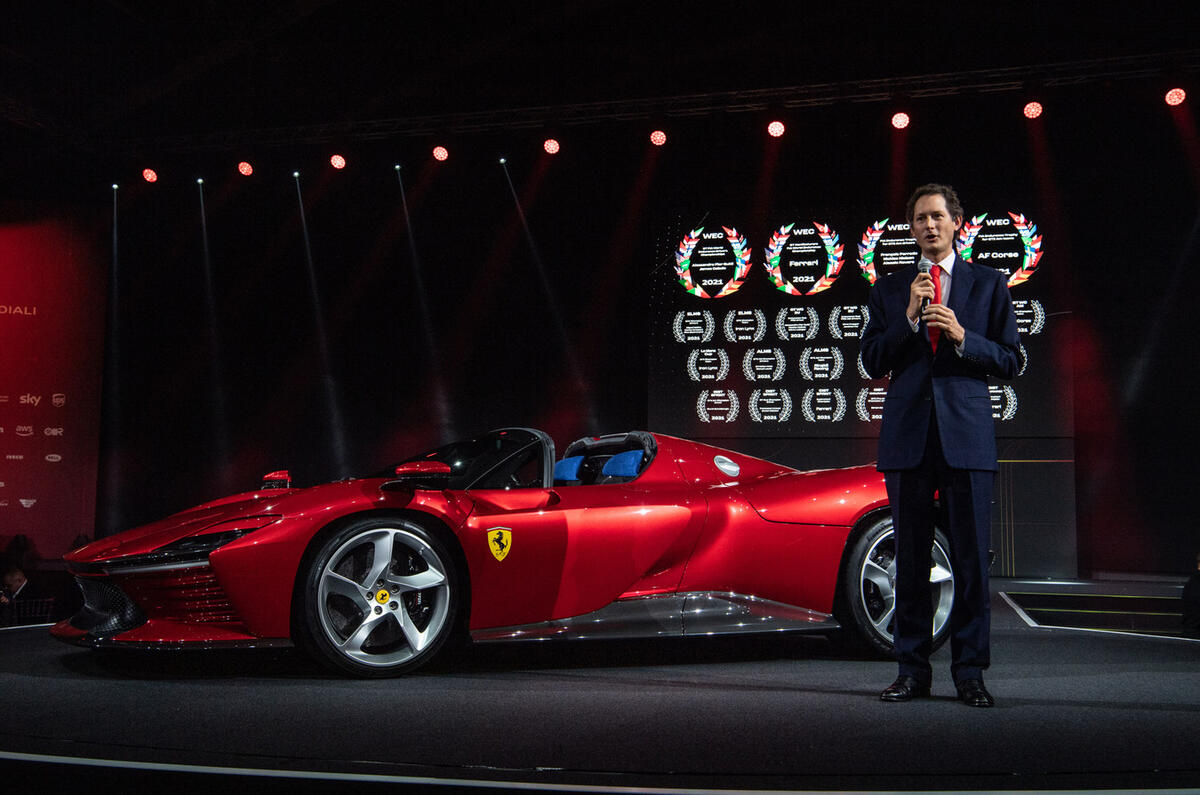
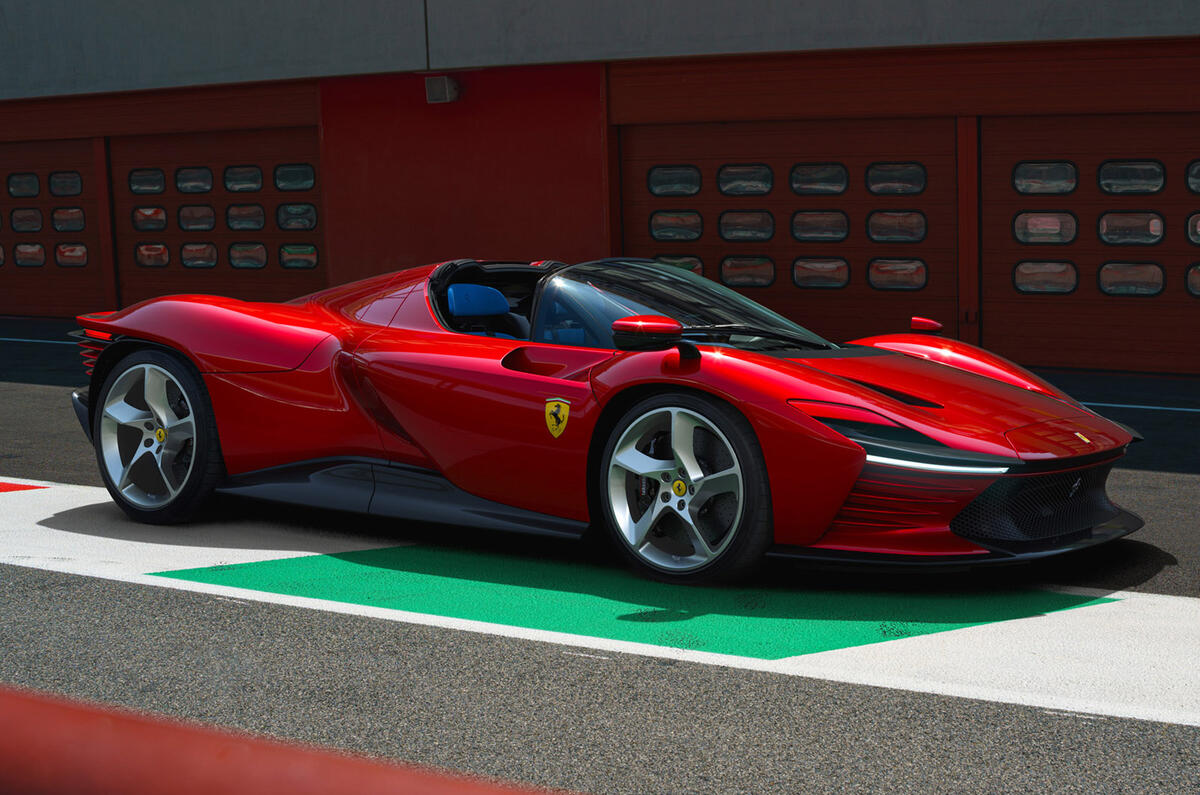
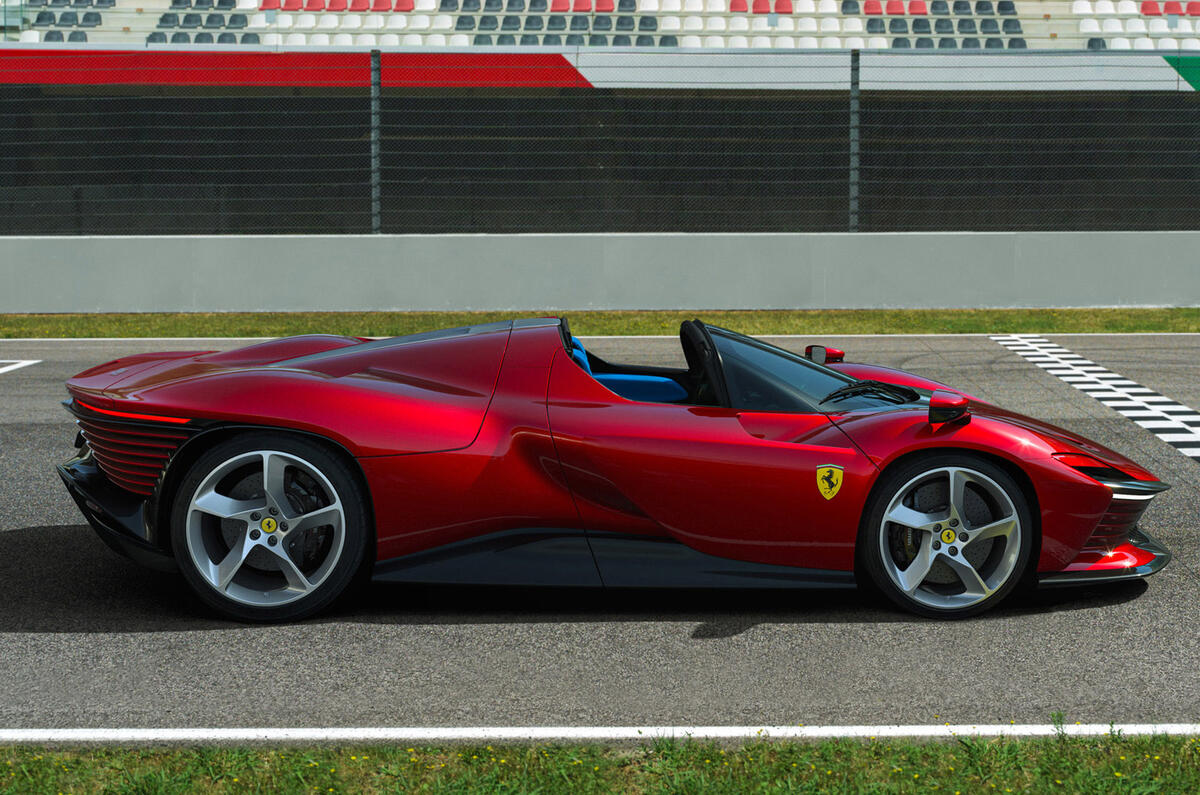
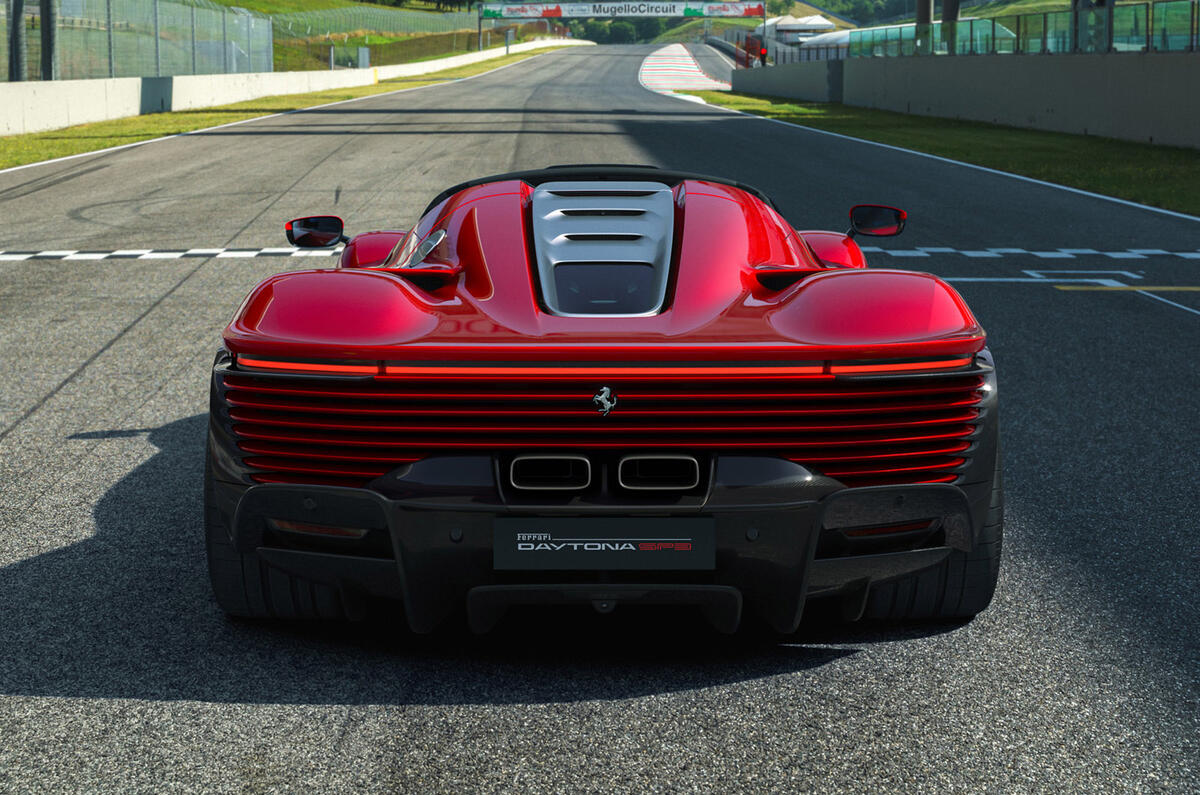
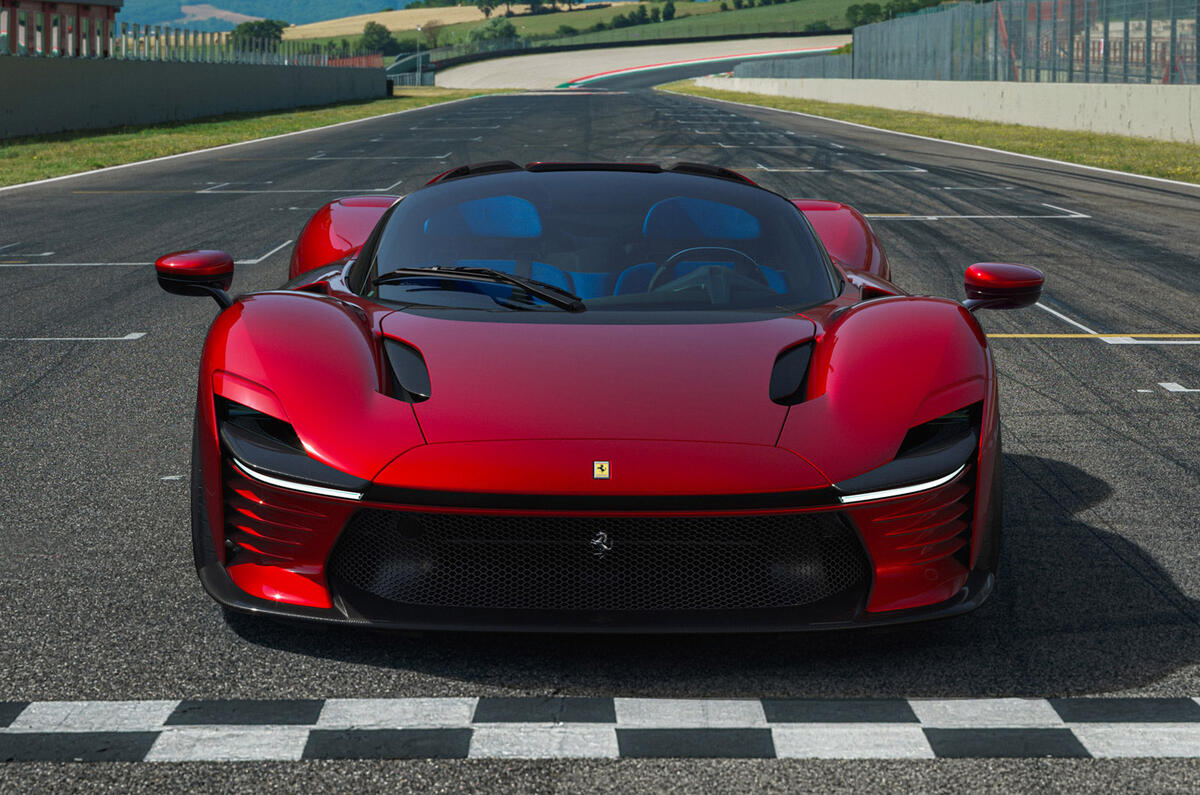
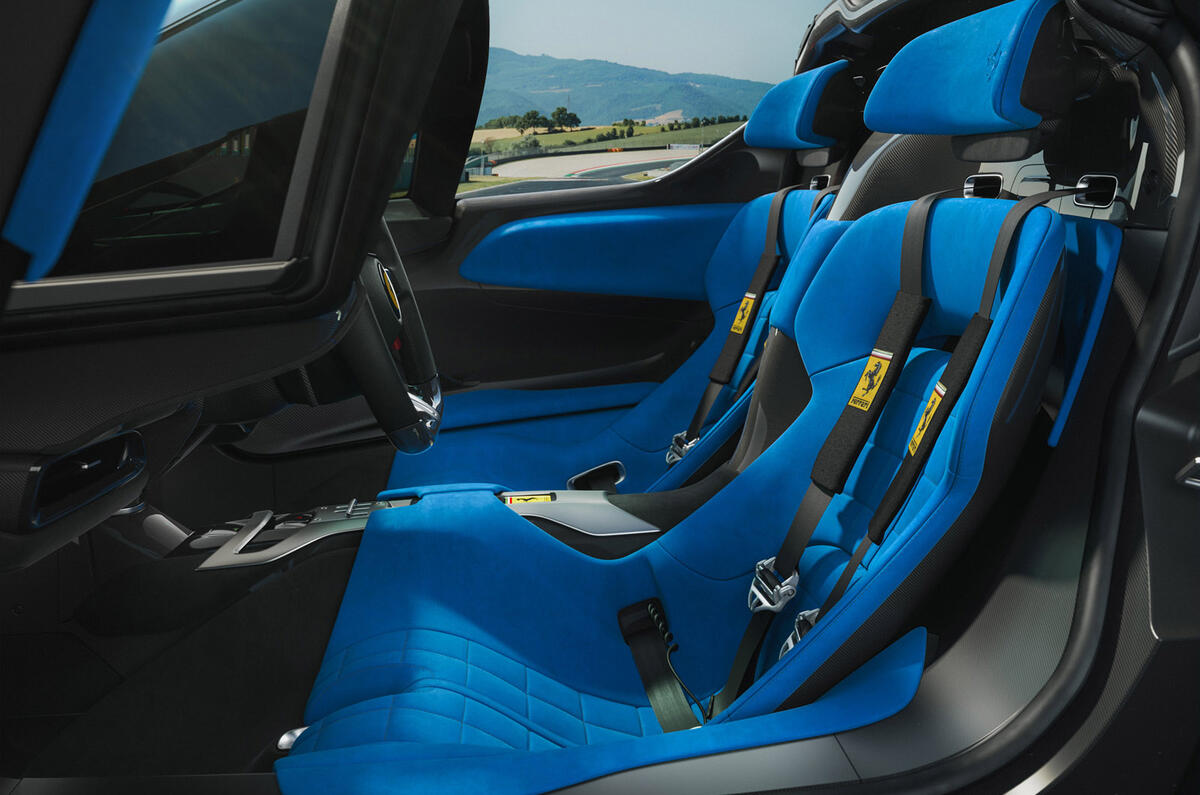
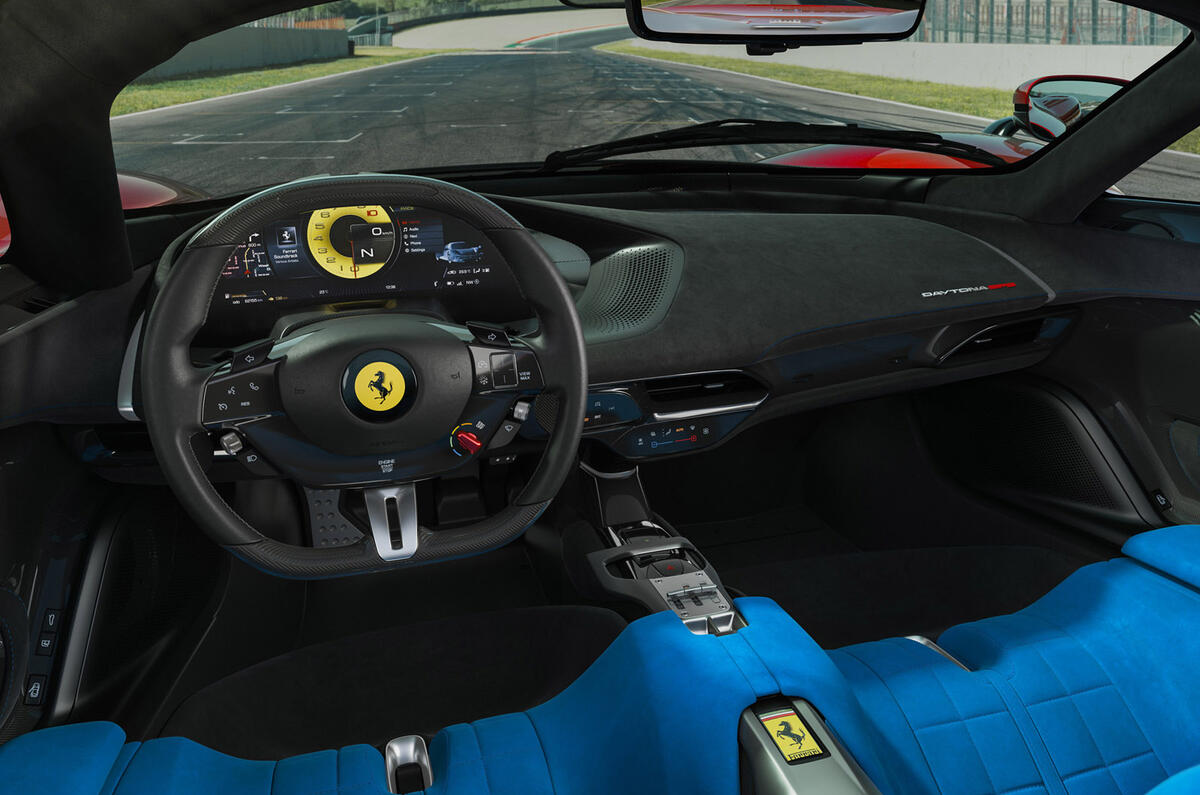
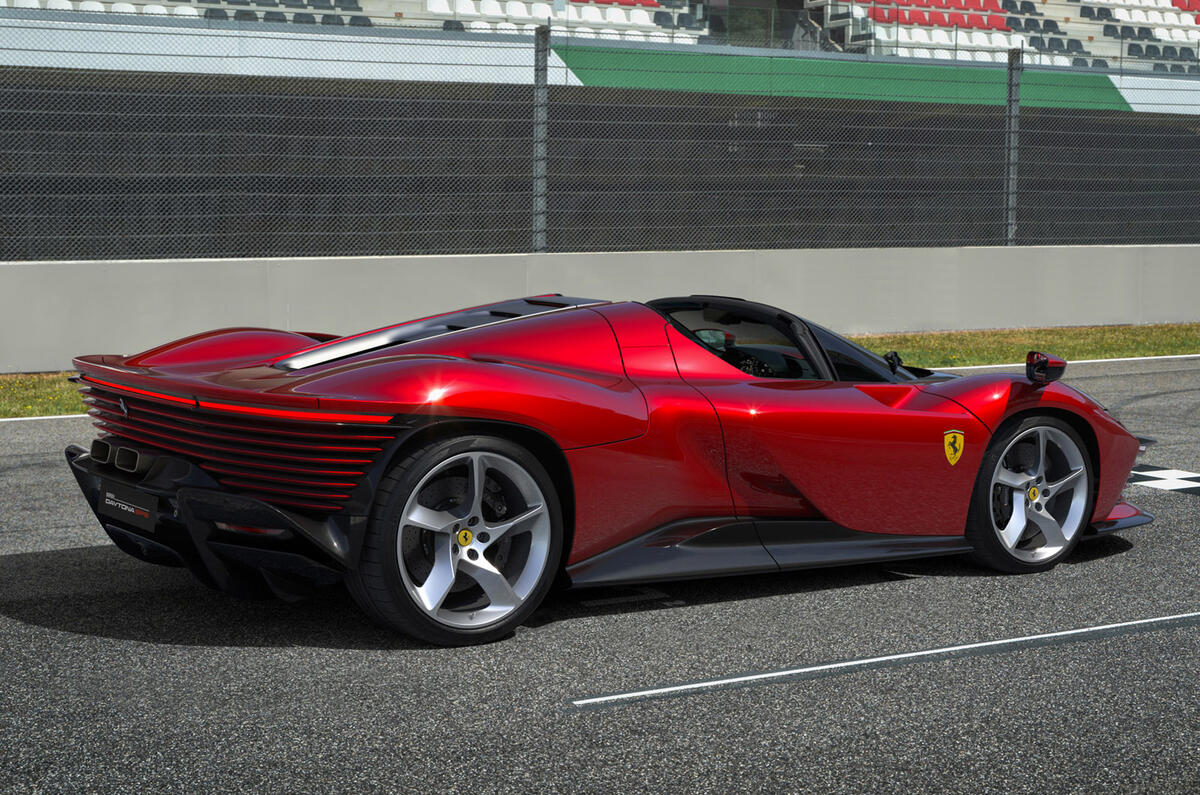
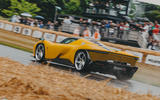
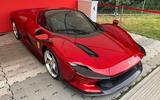
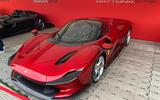
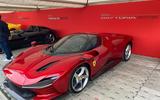
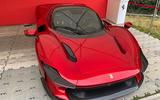
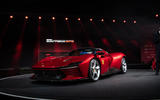
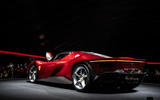
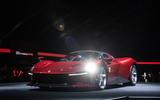
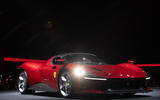
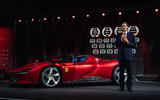
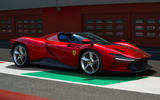
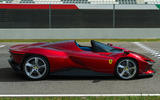
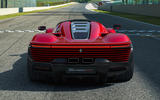
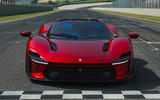
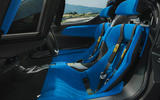
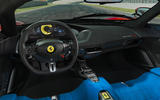

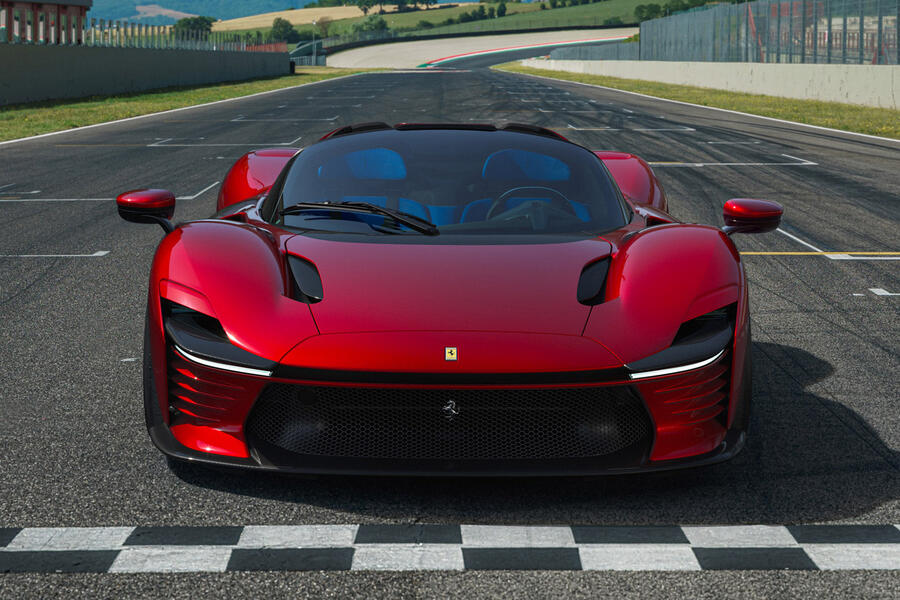
The latest entry into the ultra-exclusive Icona model series is the Ferrari Daytona SP3, a limited-run mid-engined V12 roadster that pays tribute to one of the company’s best-known motorsport victories.
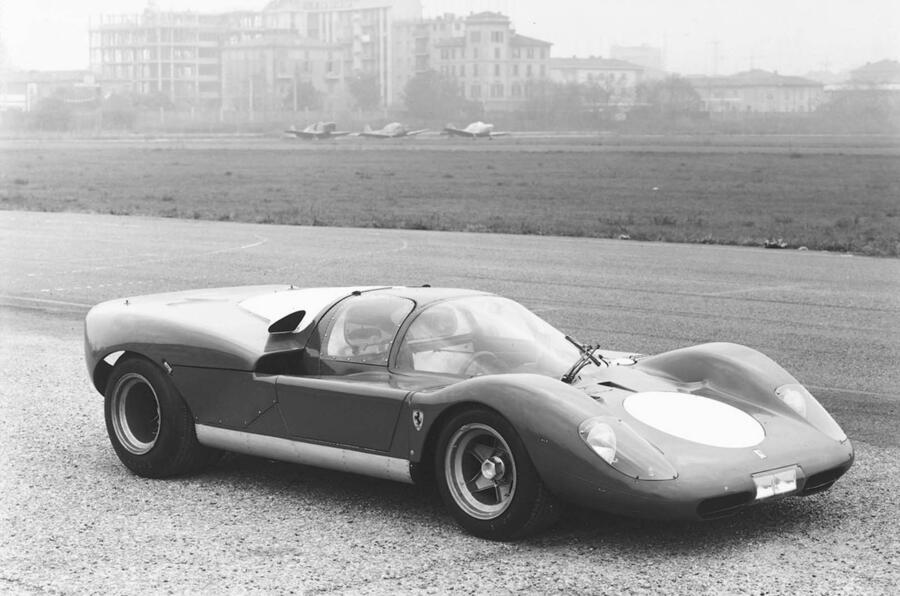
It’s named in reference to the 1967 24 Hours of Daytona, at which Ferrari achieved a one-two-three finish with its legendary 330 P3/4, 330 P4 and 412 P racers – a highlight of what Ferrari calls “the golden era of closed wheel racing and an enduring reference point for generations of engineers and designers”.
Ferrari will build 599 examples – 100 more units than the Monza duo – priced at €2 million (£1.68m) including taxes. Priority will go to owners of the SP1 and SP2, with deliveries getting underway in late 2022, and unlike those two speedster models – which are not road legal in certain regions due to the lack of a windscreen – Ferrari says the SP3 is street-legal everywhere.
The Daytona SP3 is the first road-going Ferrari to feature a mid-mounted 12-cylinder engine since the LaFerrari hybrid hypercar bowed out in 2018, and with the output of the 6.5-litre naturally aspirated V12 boosted to 829bhp and 514lb ft, it’s the most powerful non-electrified model that Maranello has yet produced.
Engine upgrades over the 812 Competizione extend to a modified intake and exhaust (for an “astonishing soundtrack”), lightweight titanium conrods, reduced-friction piston pins and a lighter, rebalanced crankshaft.
Mated to a quicker-shifting version of the 812 Competizione’s seven-speed automatic gearbox, the V12 promises a “torque curve that rises rapidly” all the way up to its 9500rpm redline, giving a 0-62mph time of 2.85sec and a top speed of 211mph making the Daytona SP3 the joint-fastest Ferrari road car yet.
The references to 1960s race cars extend beyond the mechanicals, with the Daytona SP3 having a characteristically aerodynamically optimised design that blends elements of Ferrari’s historic designs with cues from current models.
The low-set wraparound windscreen, for example, draws an obvious link to the P3/4, while the “double-crested” front wings nod to sports prototypes like the 512 S, 712 Can-Am and 312 P.
Meanwhile, moving panels above the headlights serve as a tribute to the pop-up headlights that were once popular on supercars.
The side mirrors sit atop the front wings in another retro-inspired flourish that improves both airflow and visibility, while airboxes integrated into the butterfly doors channel air to the side-mounted radiators.