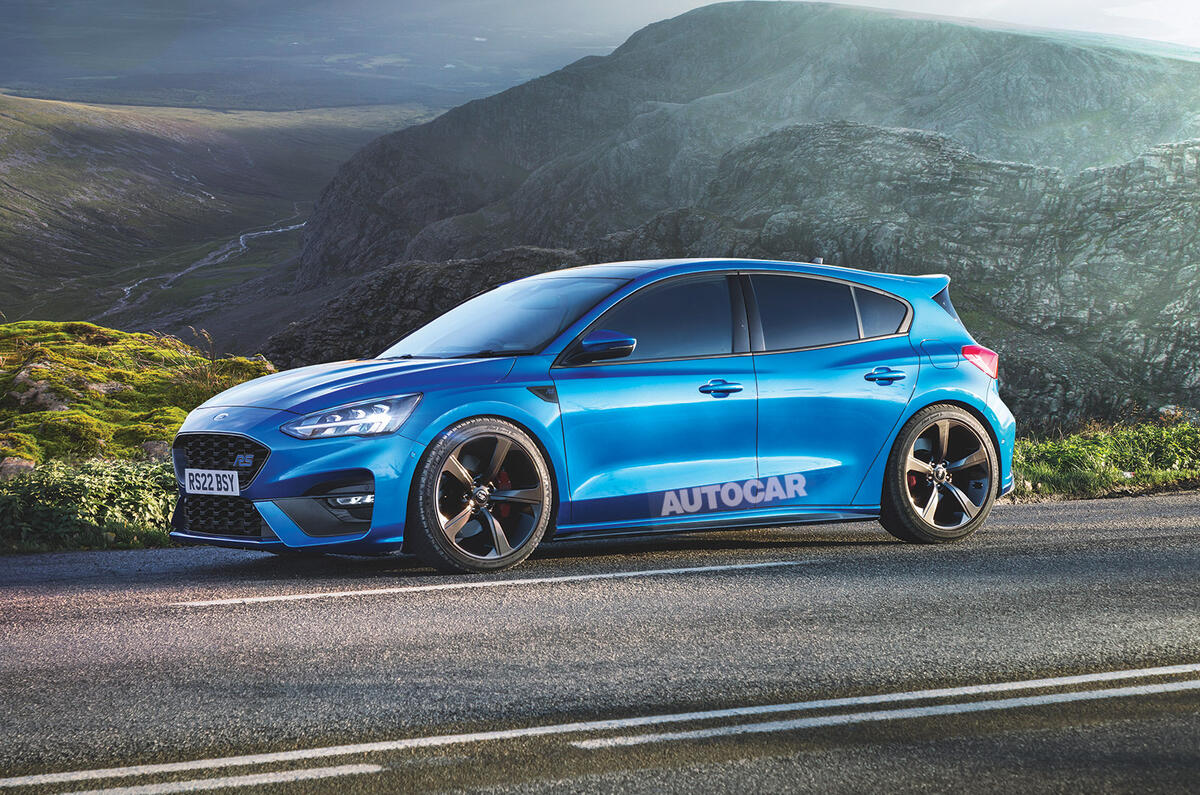
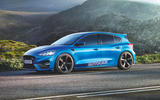



The future of a new Ford Focus RS hinges on its engineers creating a high-output, full-hybrid powertrain that fits in with the new EU regime for average fleet CO2 emissions – a challenge that Ford bosses describe as “waiting for a solution”.
A senior Ford executive told Autocar: “We are waiting for our engineering team to come up with a solution on the powertrain and that is not easy given the new fleet CO2 regulations.”
Eighteen months ago, Ford was understood to be looking at a mild-hybrid 48V powertrain. To minimise CO2 figures, the firm now believes the engine has to be a full hybrid. “The mild hybrid is not enough,” said our source.
The challenge of the new fleet average figure – set industry-wide at 95g/km, but varying according to a car company’s mix of vehicles and their kerb weights – now means the Focus RS won’t be seen in 2020 as rumoured. Instead, it is more likely to be launched in 2022/23.
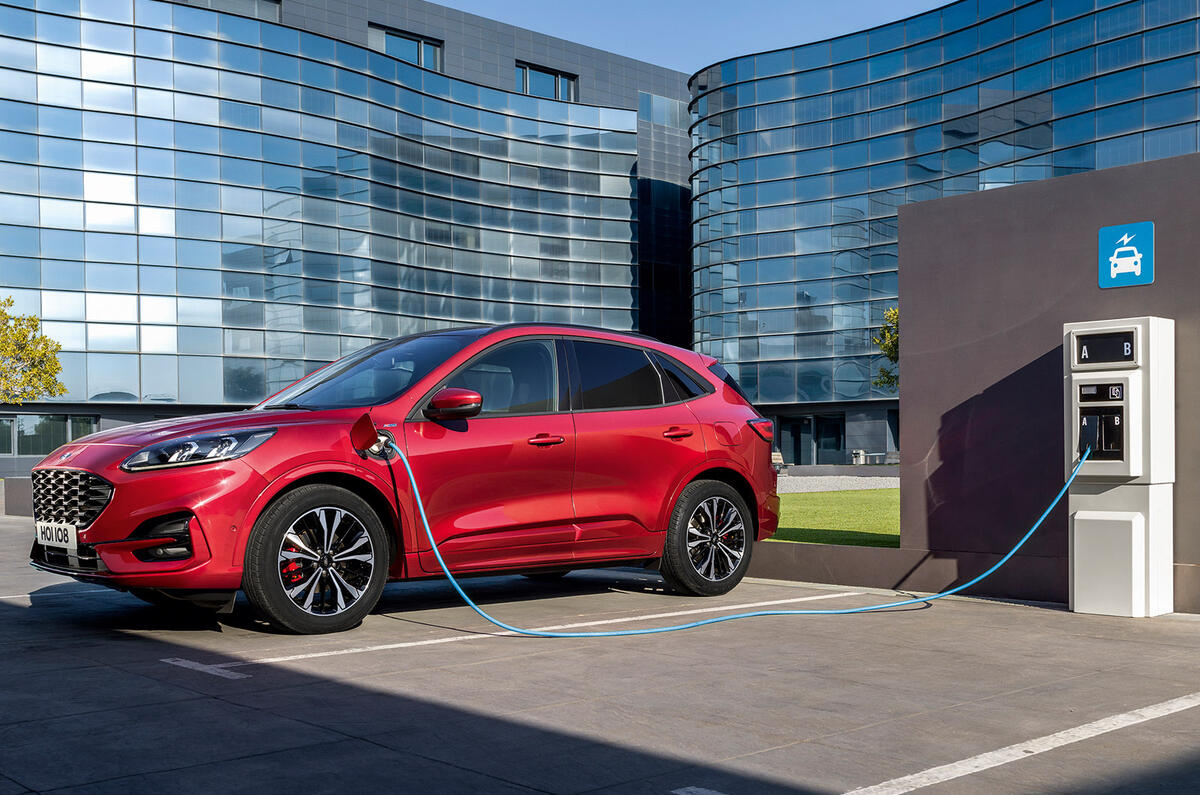
In order to achieve both high performance and low emissions, Autocar understands that Ford has switched its attention to an RS version of the full-hybrid 2.5-litre petrol unit that will power range-topping models of the new Kuga this year. In that application, the Atkinson-cycle 2.5-litre four-cylinder engine and motor deliver 222bhp, with drive through a CVT auto and optional four-wheel drive.
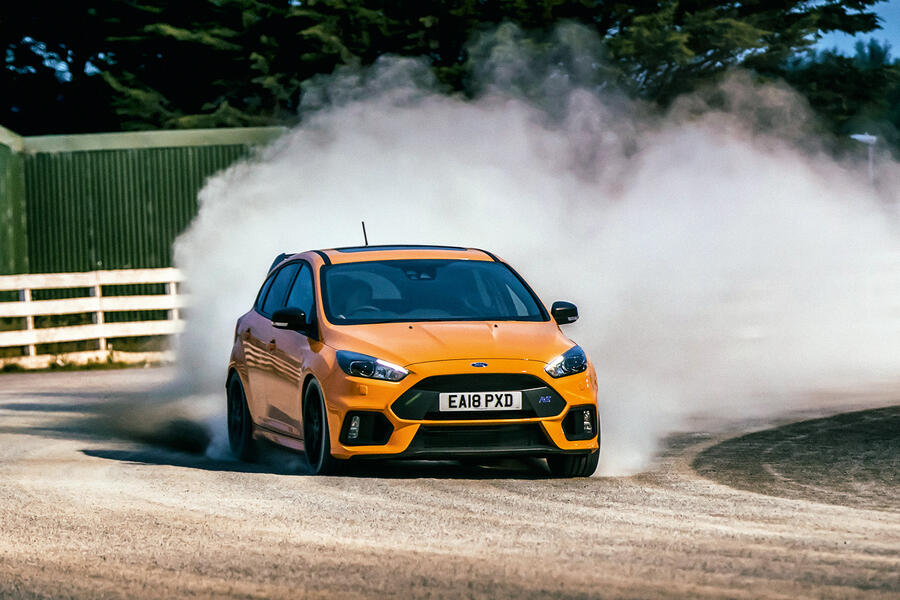
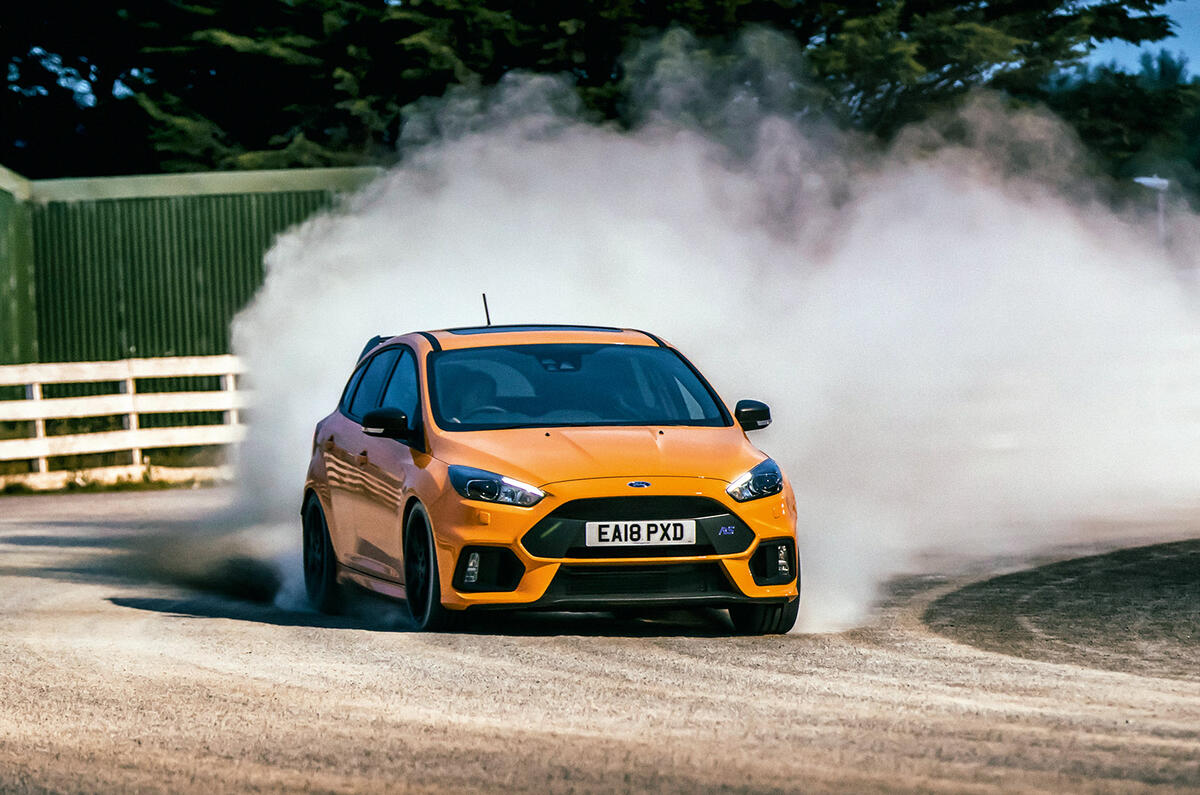
All-wheel drive will be vital to harness the Focus RS’s required power, which is likely to approach 400bhp. The last Focus RS was all-wheel drive and delivered 345bhp and 376lb ft from a 2.3-litre turbo four but equivalent models from Audi and Mercedes have since hiked outputs to nearer 400bhp and beyond.
To achieve a similar output would require a blend of combustion and electrical power – possibly 300bhp from a turbocharged 2.5-litre engine and 100bhp from the electric motor.
Another engineering issue to be resolved is whether or not the project’s goal can be achieved at a sensible cost, with a performance-oriented gearbox and four-wheel drive system to deliver the much-loved Drift mode that was programmed into a clever GKN differential – key to the old RS’s unique driving characteristics. Integrating that into a hybrid system without escalating project costs would be a challenge.
“The story of all the previous RSs is of the engineers working on the project in their spare time and weekends and coming up with the ideas and concept. On the new one, we’re still waiting for the right concept, especially on the powertrain,” said the source.