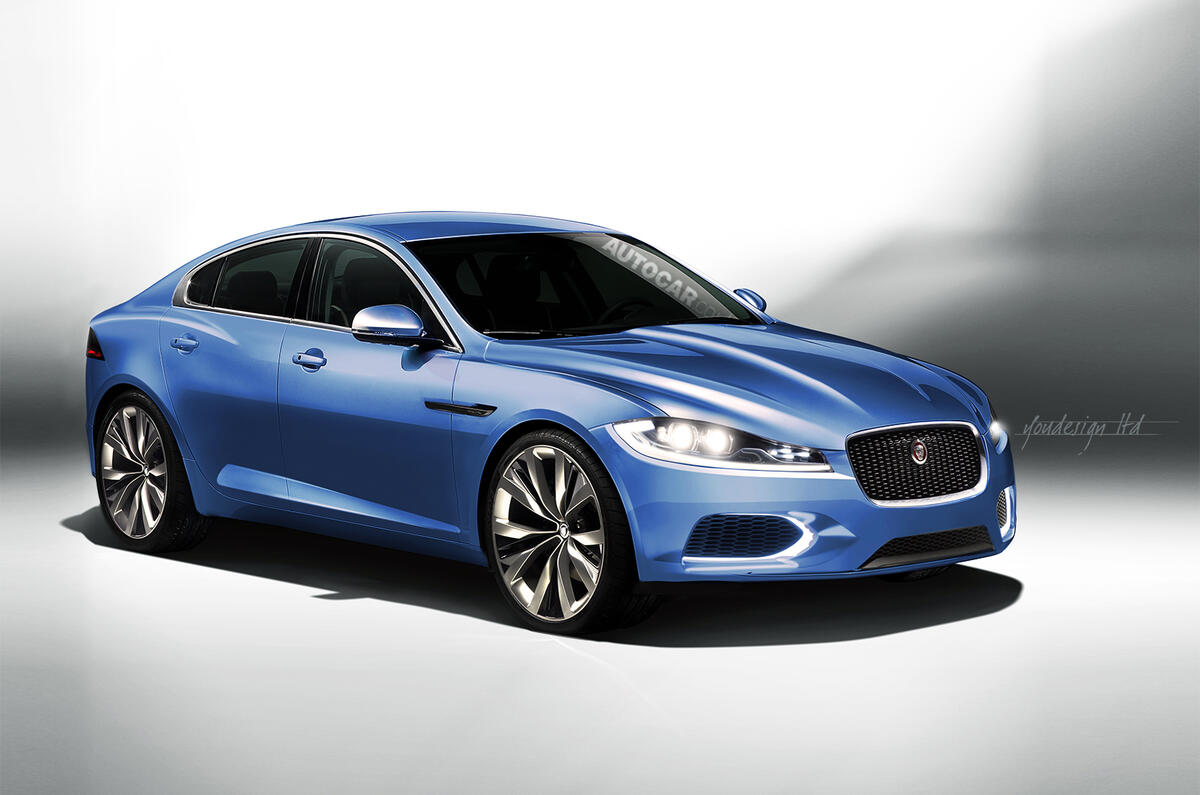
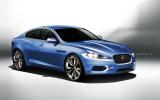




Jaguar plans to beat Audi, BMW and Mercedes-Benz at their own game by launching a new offensive which will result in four new models by 2018, says JLR's new strategy boss.
Speaking to Autocar, Adrian Hallmark promised that Jaguar would break out of its also-ran status in the global premium car market when it launches its new compact saloon in 2015, and will “build the most advanced, most efficient, most refined car in that segment. Not almost as good as, but better than the best in the world”.
He added: “It will look and drive like a Jaguar, be filled with the highest technology that anyone has ever brought to that segment, and have the most efficient engines and the most refined feel in its class.”
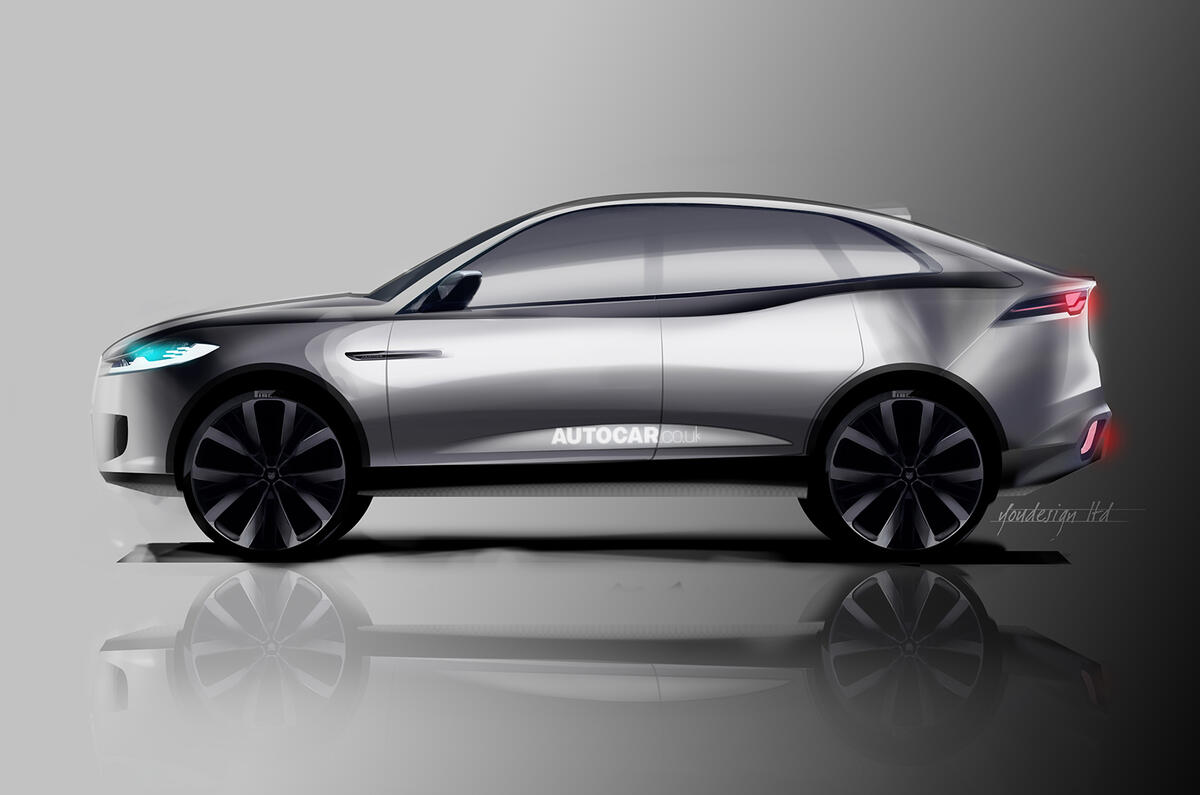
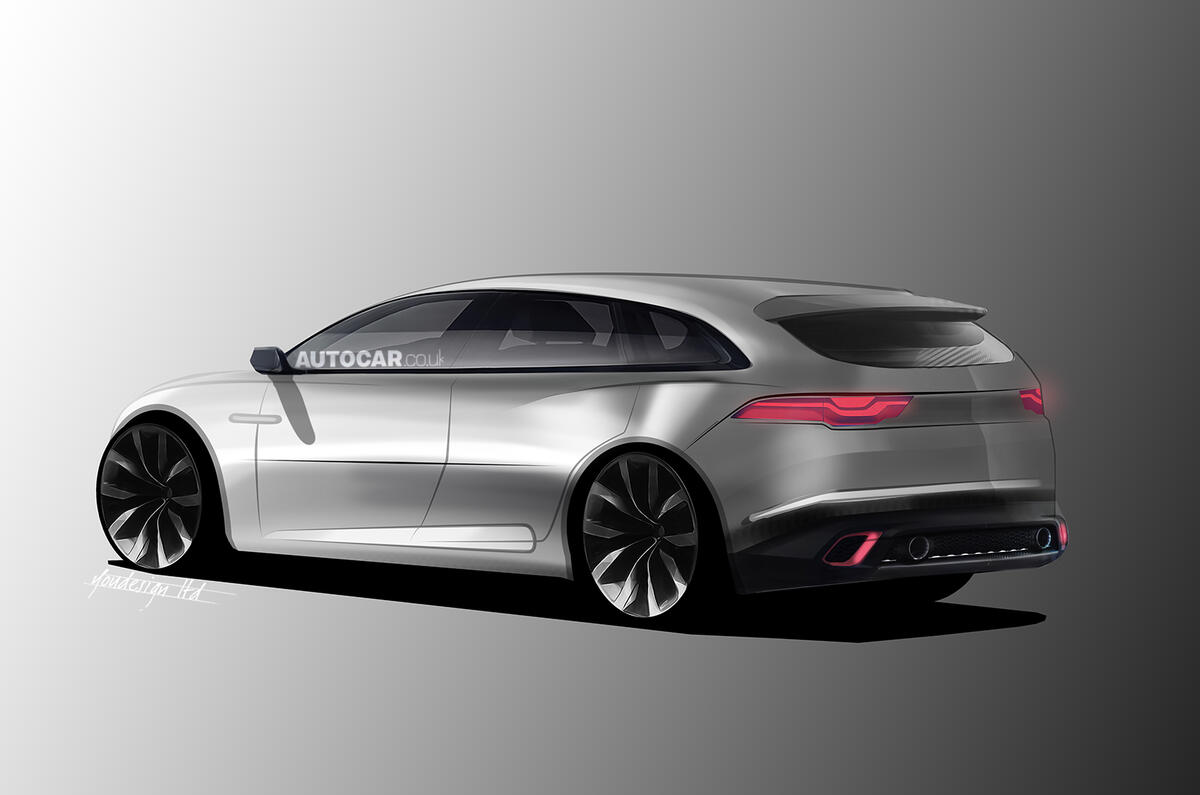
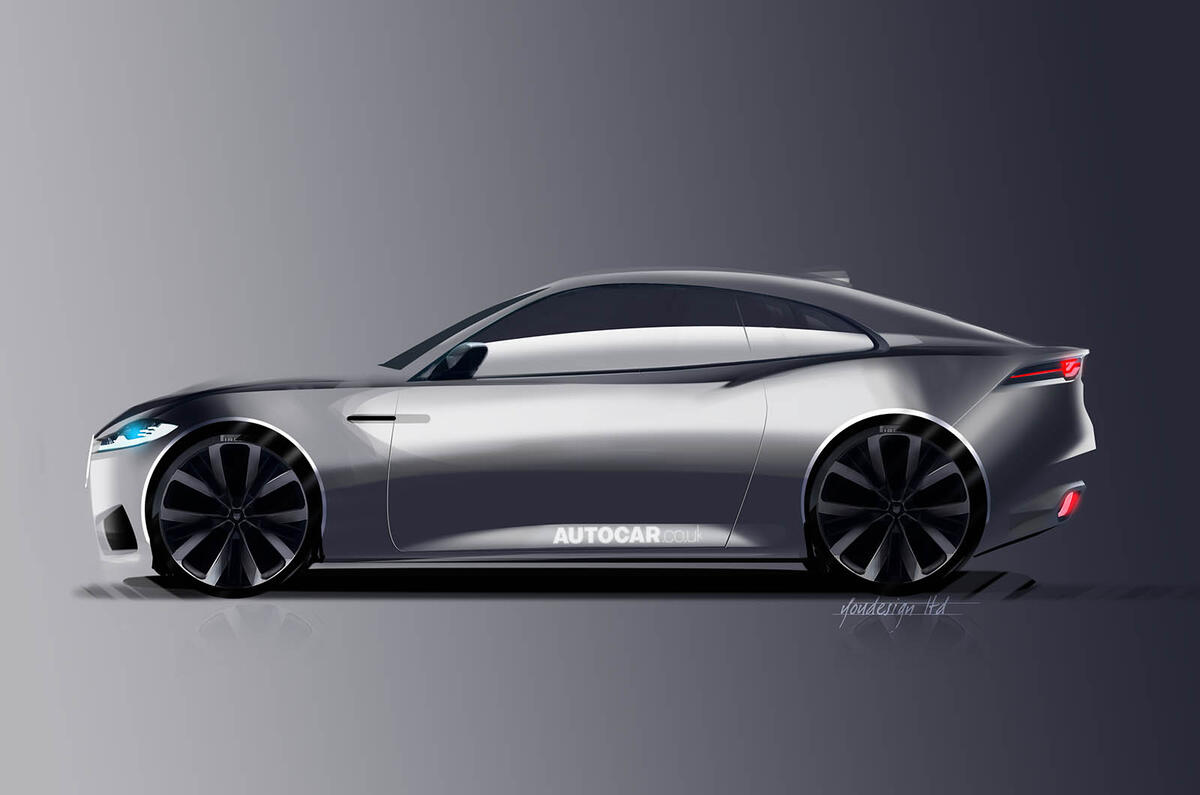
Codenamed X760, the new all-aluminium saloon will be joined by an estate and an SUV (smaller than the recently unveiled C-X17 concept). It’s thought that there are also outline plans for a coupé variant and possibly a hatchback in the style of BMW’s GT models.
According to a JLR executive quoted by automotive analysts in a recent Bernstein Research report, the new baby Jaguar project is the brand’s last chance. “This is the only choice as Jaguar is not viable at 60,000 units [per year]. If the X760 fails, it will be probably be the end for the brand.”
However, all the signs are that the baby Jaguar project will not be a failure, especially as its financial viability will be propped up by the production of a new Range Rover Evoque XL, based on the same aluminium architecture as the Jaguar models. The Evoque XL will add much-needed volume and healthy profit margins.
The compact premium segment that Jaguar wants to break into is set to grow by another half a million sales by the end of the decade.
According to figures from London-based analyst ISI Auto, the global market for compact premium cars is currently dominated by the three German premium brands. Between them, the BMW 3-series family, Mercedes-Benz C-Class and Audi A4 are expected to sell 1.15 million units next year, the majority of the total market segment sales of 1.3 million.
These figures show the huge uphill struggle that has faced Japanese premium brands Lexus and Infiniti, but they also provide hope for Jaguar. While Japanese brands and Cadillac could account for just 147,000 sales globally next year in this segment, Jaguar’s arrival in 2015 could finally shake it up.
If Jaguar could steal just five per cent of sales, it would hit 80,000 units for the new saloon and estate. In the medium term, Jaguar could also launch a compact coupé, which could edge the road car family towards six-figure sales. Of course, X761, the Jaguar SUV — which, in production form, will be sized to compete with the BMW X3 and X4 — will add further volume.
Bernstein analysts think that X761 should achieve sales of about 50,000 units per year. That would mean total production volumes of 130,000 for small Jaguars in the medium term. Adding the Evoque XL, at 80,000 units, would give the new Solihull production line healthy annual output of over 200,000 units.
The longer-term aims for the small Jaguar are enhanced by ISI Auto estimates, which suggest that the global compact premium market will increase by another 400,000 units by 2020 to 1.7 million units, a 30 per cent rise on the expected 2014 total.