








Aston Martin is setting up its new SUV and electric car plant in Wales with a production line running at twice the speed of its Gaydon HQ factory, as it searches for greater manufacturing efficiency.
Workers at the new St Athan plant will have half the time to fit components compared with those at Gaydon, where the Vantage, Aston Martin Rapide, Aston Martin DB11 and DBS Superleggera are built. The assembly stations at St Athan are planned around a 20-minute ‘Takt’ time – the industry standard for organising production lines – compared with Gaydon’s 39 minutes.
“St Athan will be more efficient because it’s a new plant being set up with the benefit of 15 years of experience of operations at Gaydon," said Aston Martin.
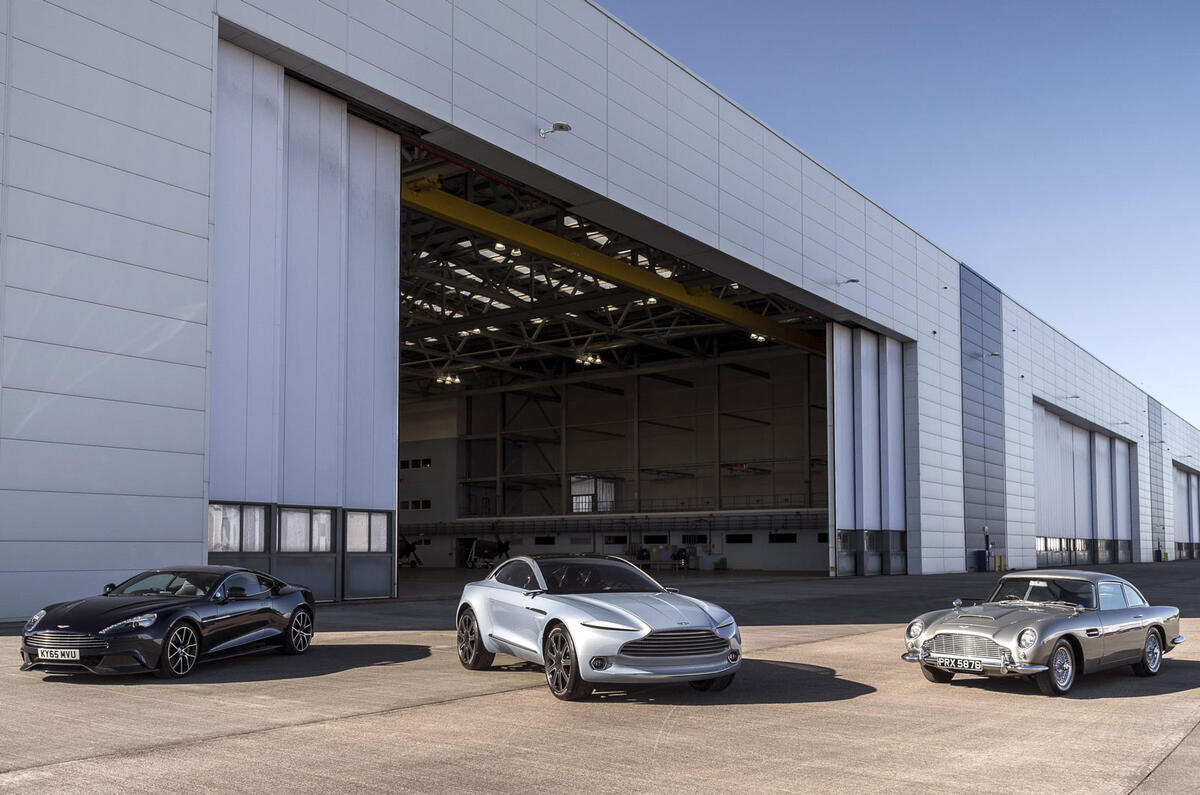
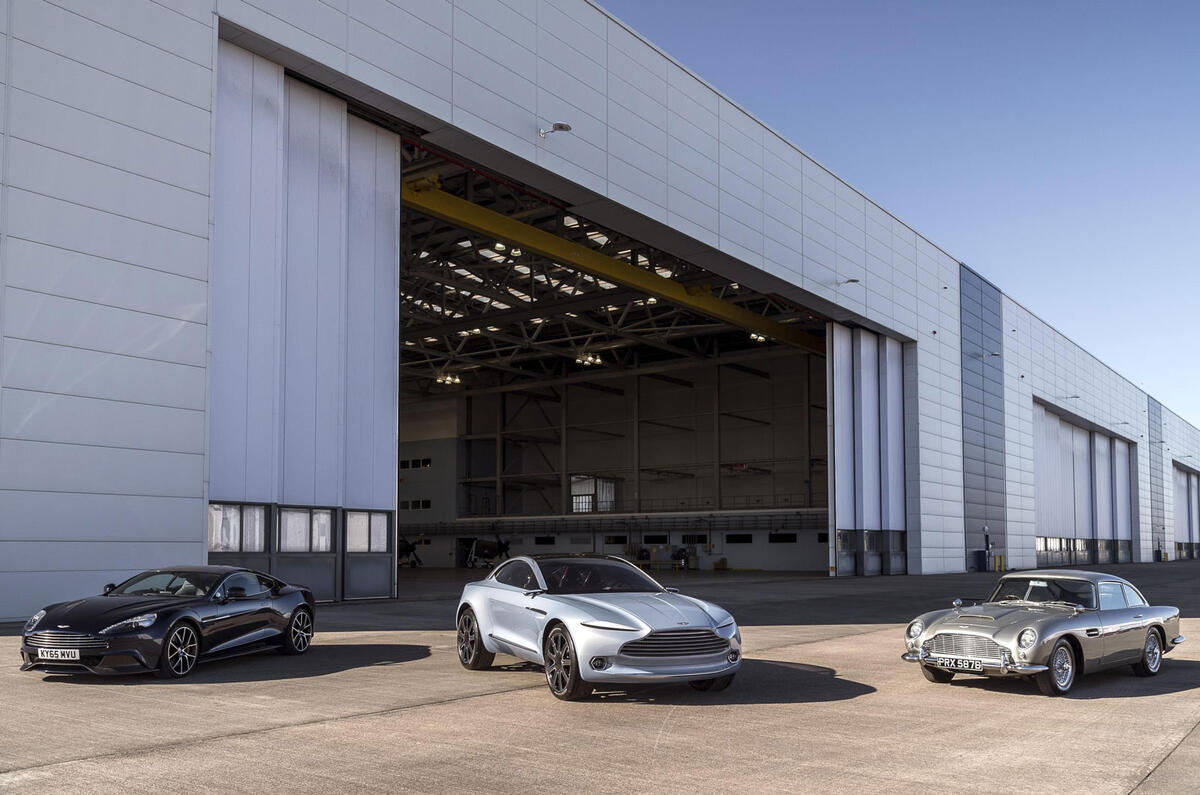
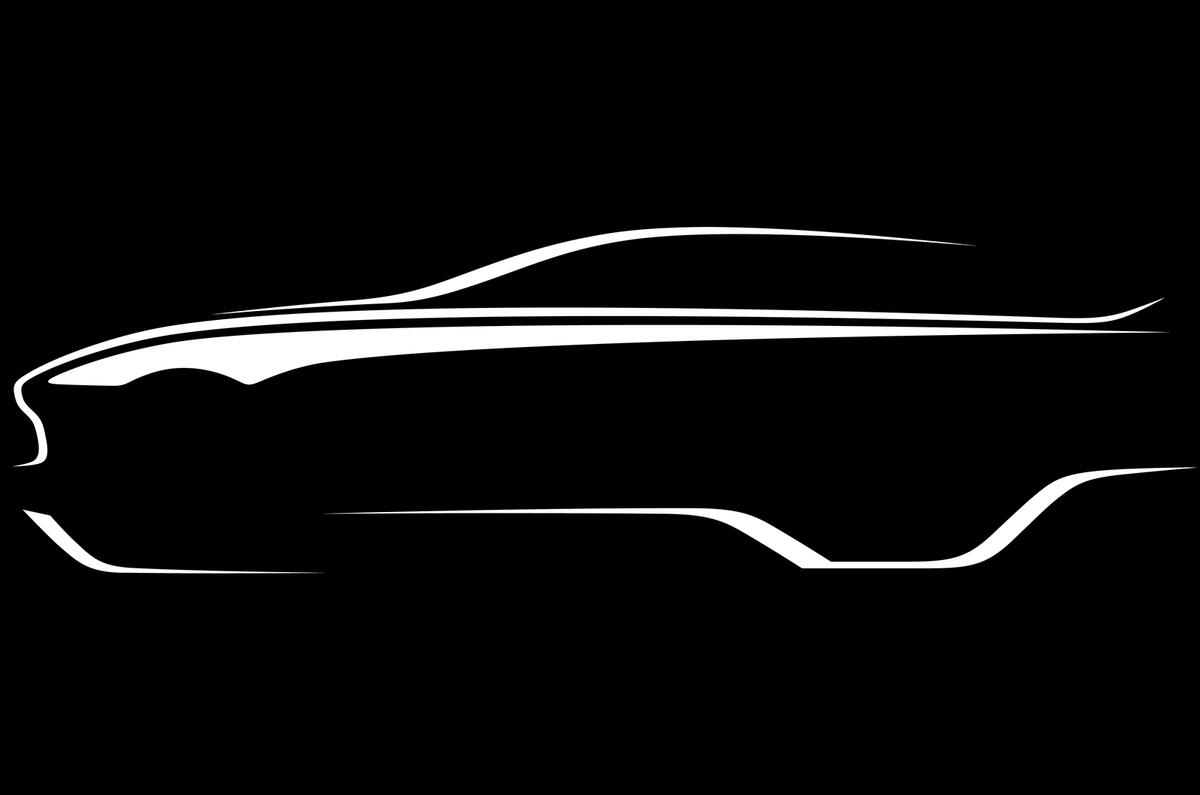
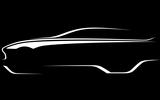
Aston Martin DBX shown in near production form before 2019 reveal
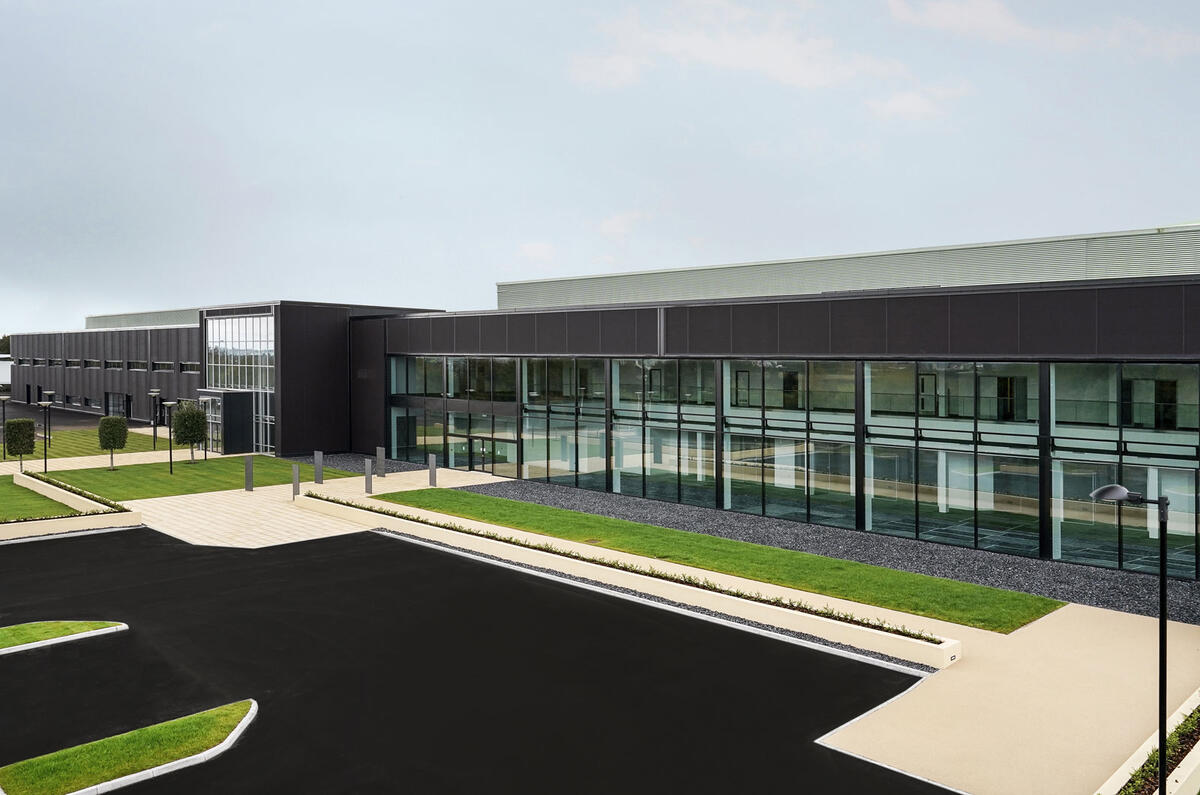
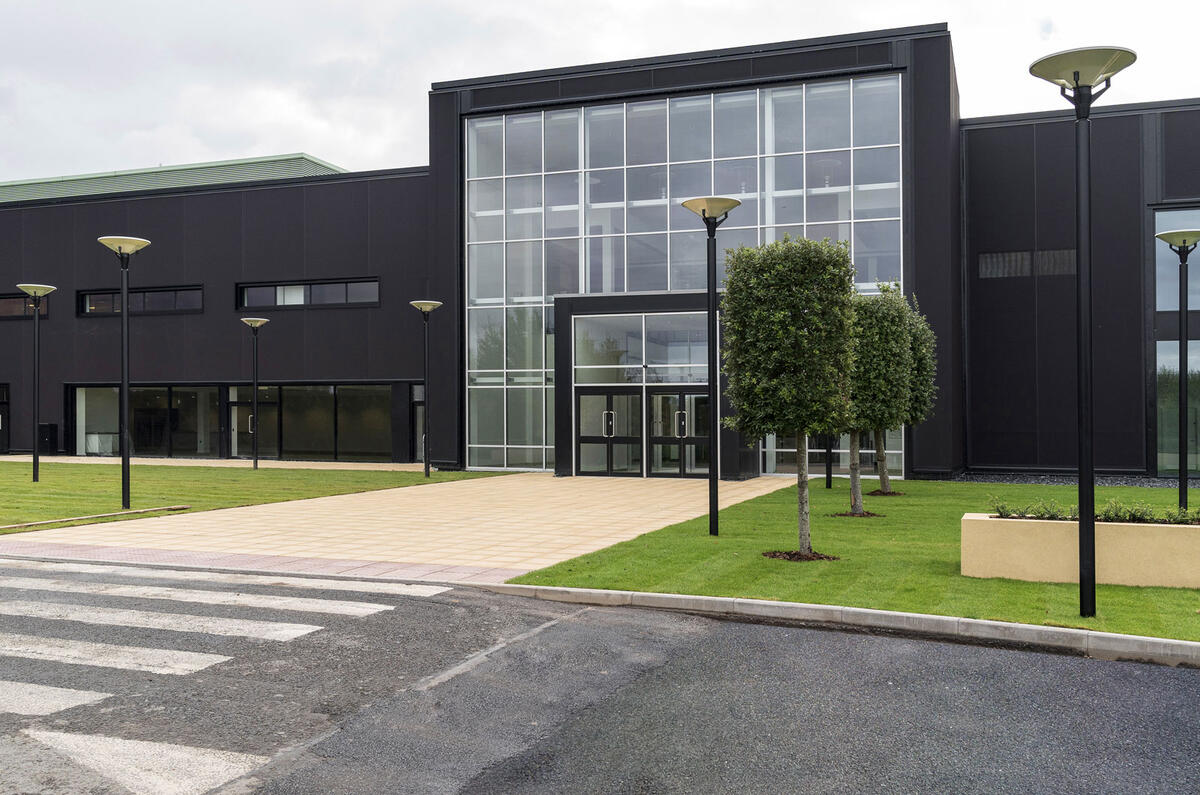
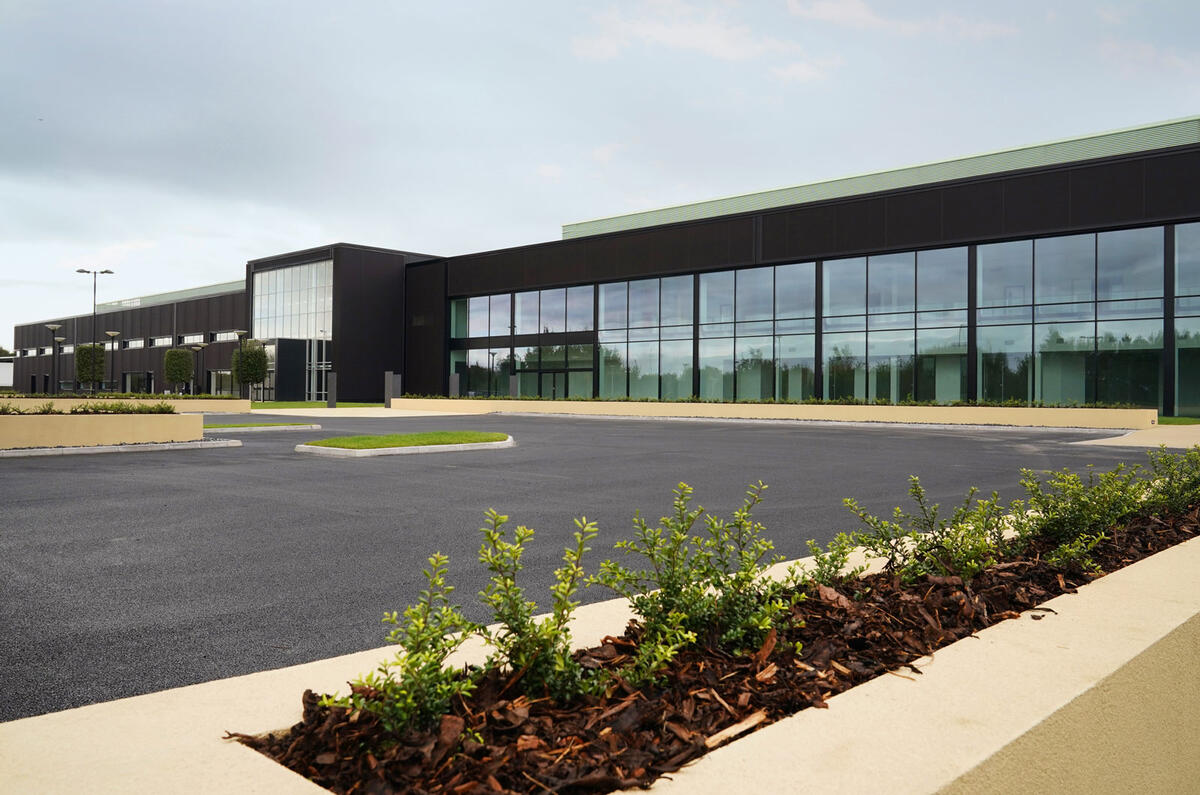
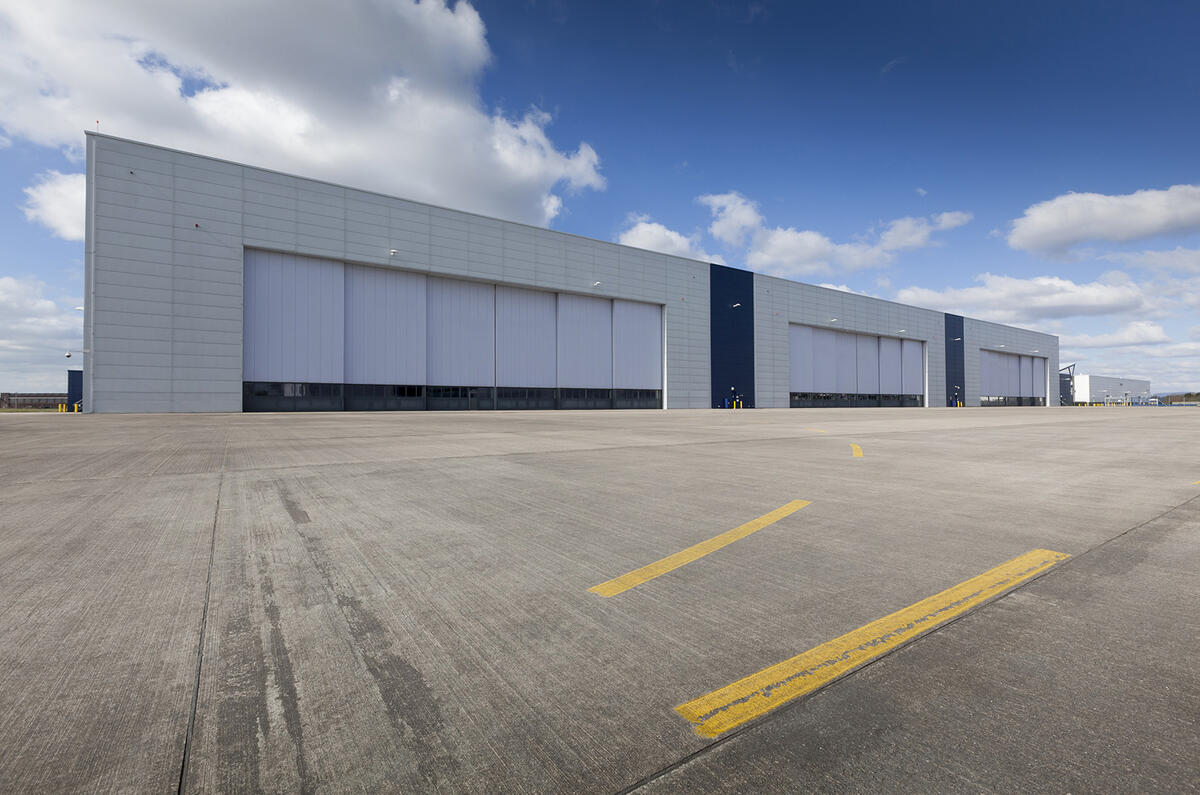
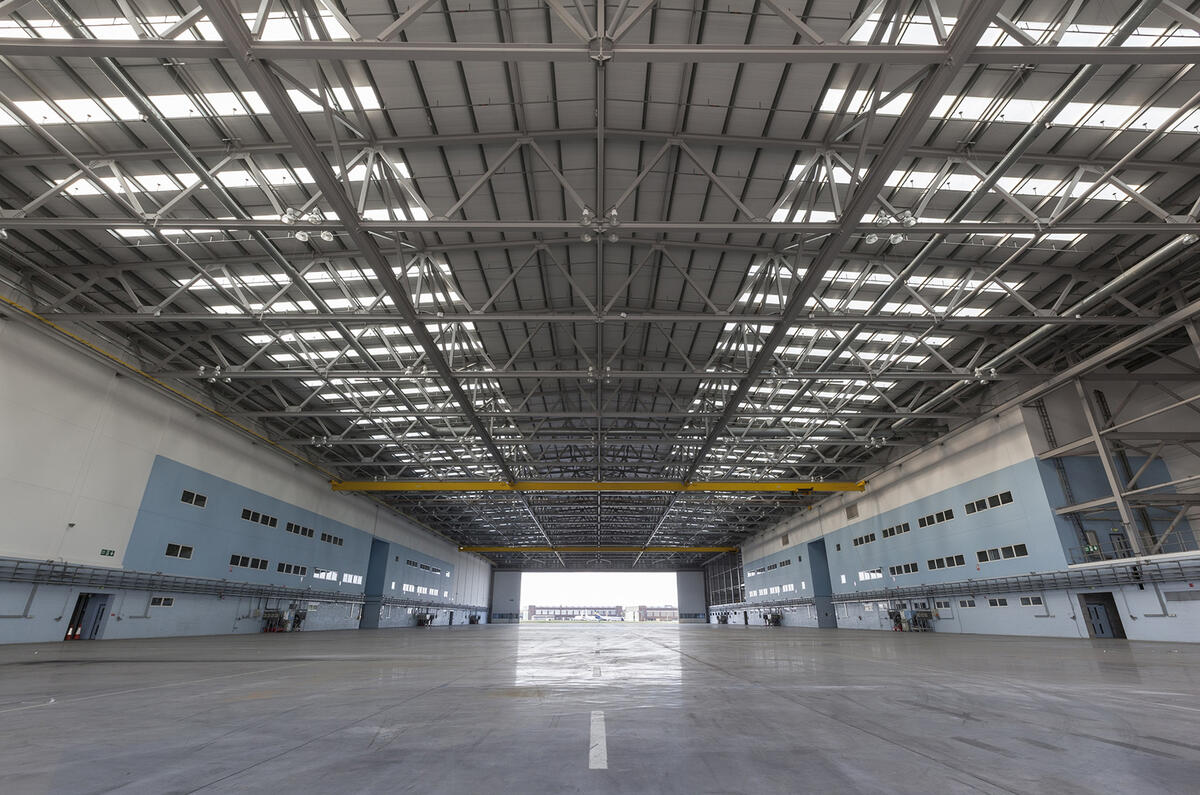
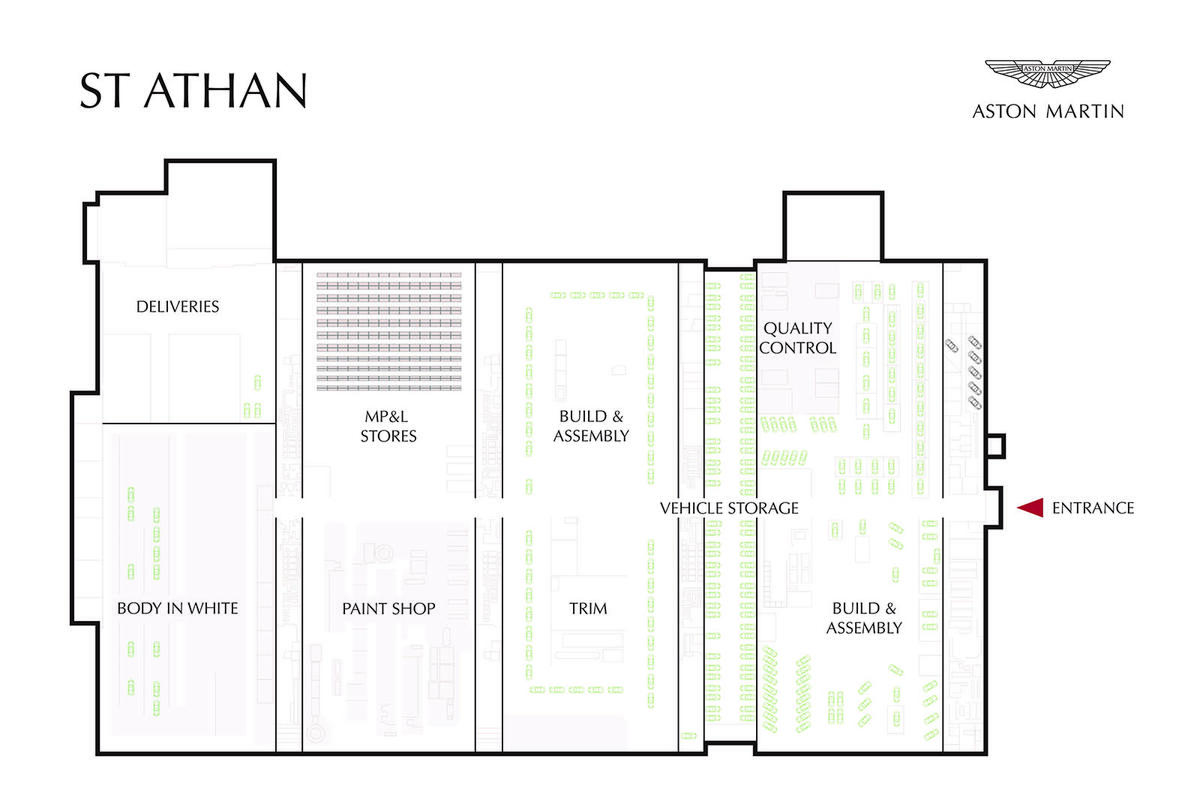
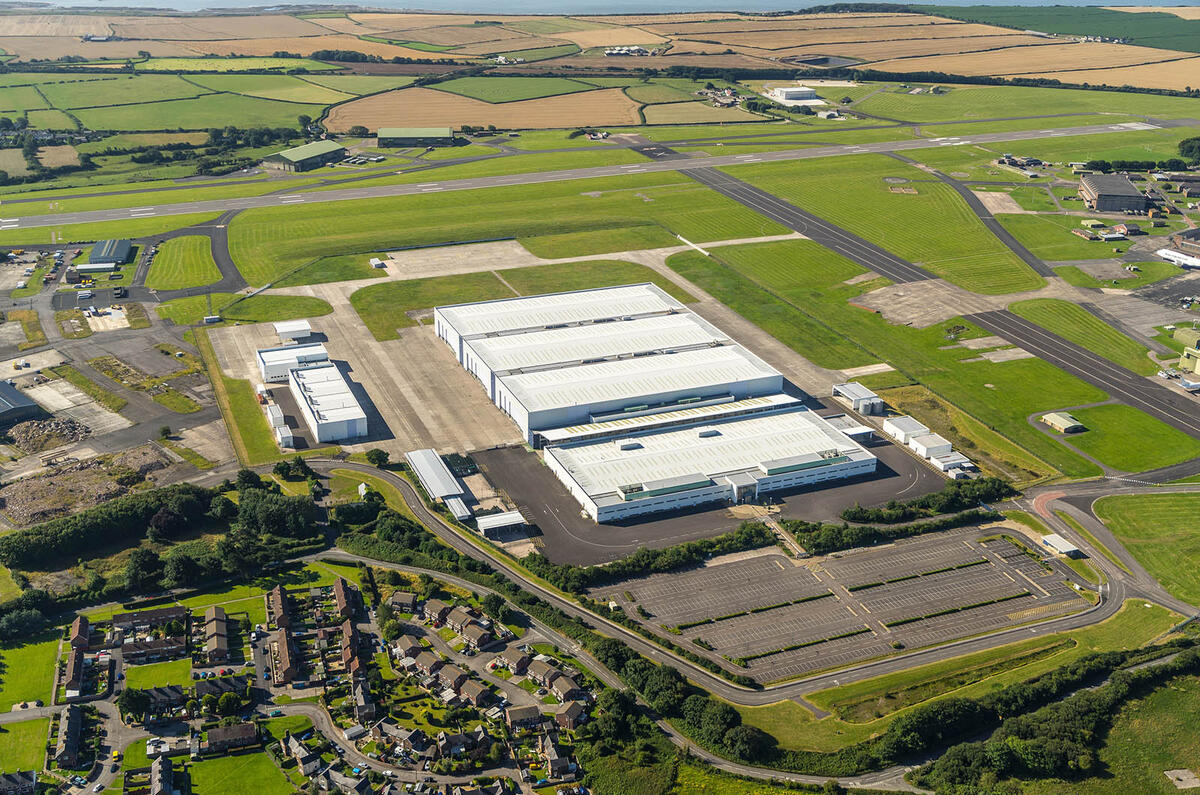
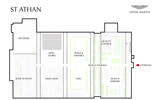
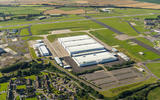
The Welsh plant will make 7000 cars per year, the same number as Gaydon but on one instead of two lines. St Athan consists of three converted RAF hangars – the first a body-in-white plant, the second a paint shop and the third a final assembly hall.
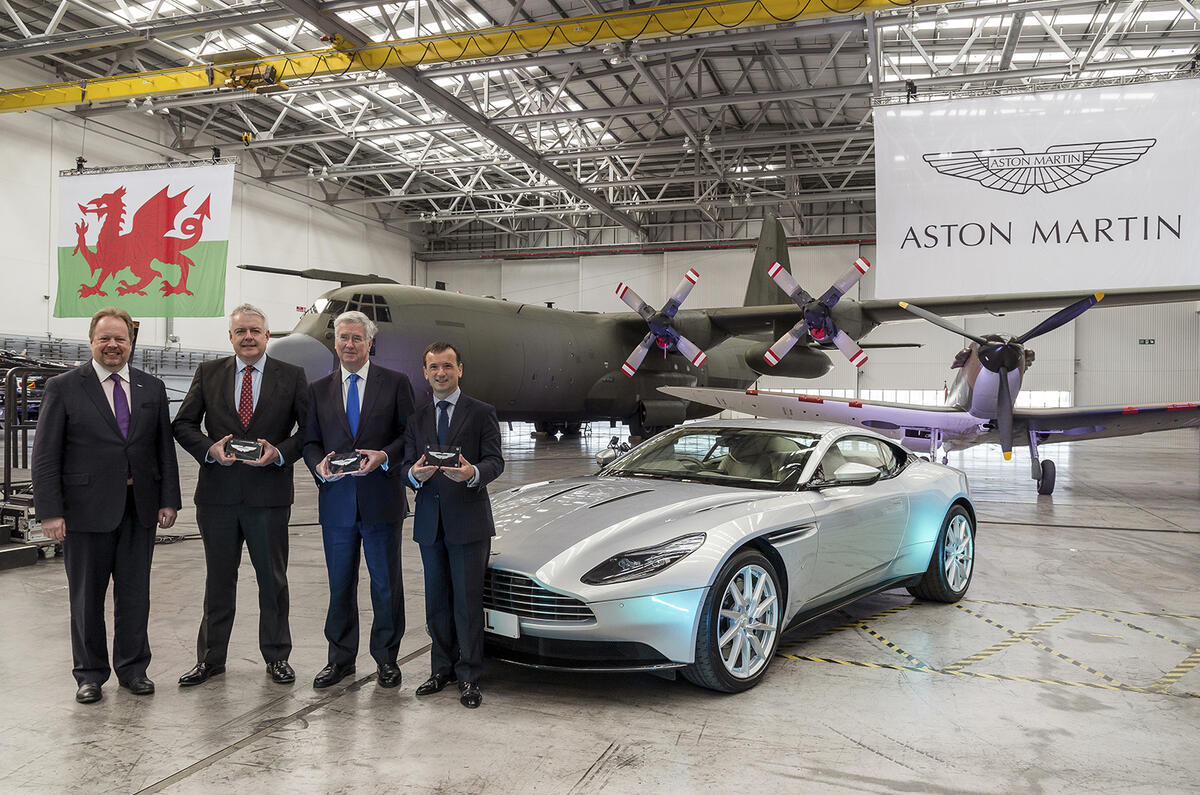
The factory will launch pilot production of the new DBX SUV next spring, with a series of models known internally as PT2 (for Production Trial 2). Spearheading the electric push at Aston Martin, the Rapide E will also be produced at the site in 2019, when doors officially open. In 2021, the Aston Martin Lagonda luxury brand's first car will enter production, as part of an all-EV line-up of Rolls-Royce rivals.
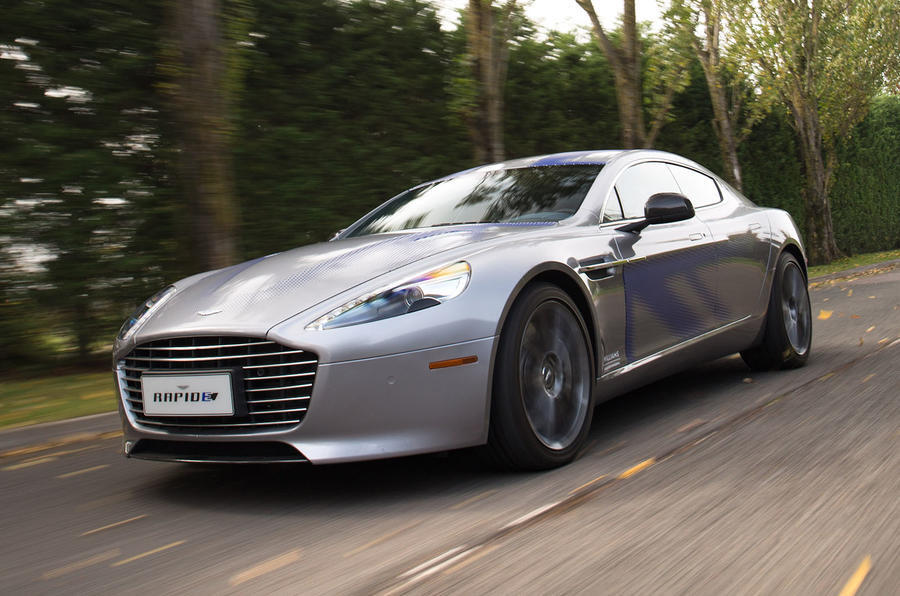
Based on the Rapide four-door and powered by an 800V, 65kWh battery pack and two rear-mounted motors with a total of 602bhp, the Rapide E will be built in a former warplane paint facility on the St Athan site. Once the limited run is complete, the unit will be converted to a pilot production plant where Aston engineers can trial new production methods for future models.
The plant's construction is now in its third and final phase, with the production lines on the way to completion, laying the groundwork for the manufacturer to launch its new DBX crossover in 2019. Although not every car produced at St Athan will be electrified, the brand aims for every car in its line-up to have an electrified option by the mid 2020s.
Entering the world's fastest growing segment, the DBX has massive potential to expand Aston Martin's sales and enable it to tap into new markets. It will be the first of Aston Martin’s seven planned new models, which are being developed to build on the British firm's recent sales success that hit a nine-year high in 2017.
As such, the St Athan site will play a significant role in growing Aston Martin production numbers. It will also be a key location in developing Aston Martin's electric and hybrid models, the first of which, the Rapide E, is also due in 2019.

Read more: Production Aston Martin DBX previewed in new image
St Athan will employ 700 workers, who were selected from 3000 applicants at a recruitment event in 2016. The existing workforce at St Athan is set to double in size from early-2019, when the newly-commissioned production line will begin to roll out prototypes of the DBX SUV.
Seventy Welsh employees, having spent two and a half years in training at Aston Martin’s existing facility in Gaydon, will be charged with educating all new employees as production of the company’s new model ramps up. The full workforce is scheduled to be employed by early-2020 as the DBX nears completion.

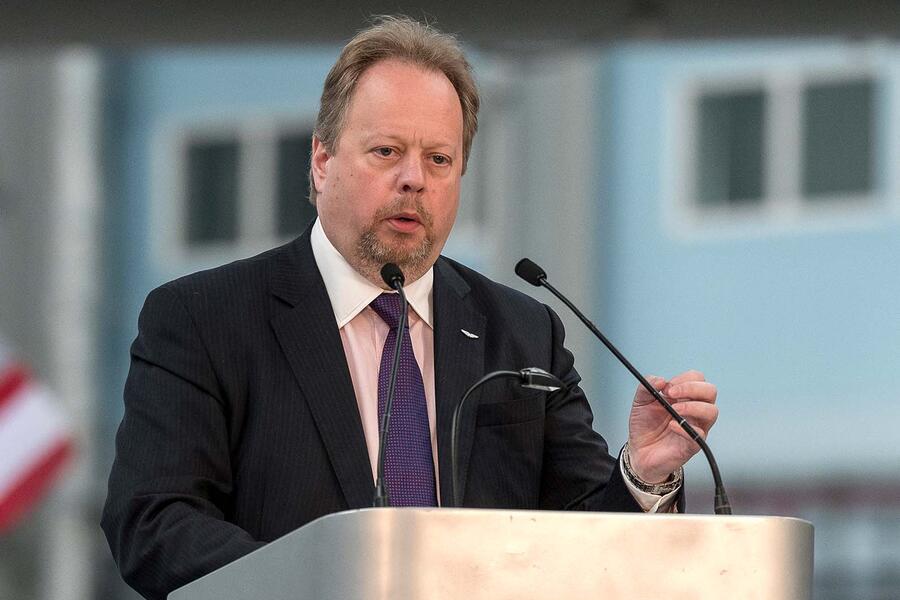
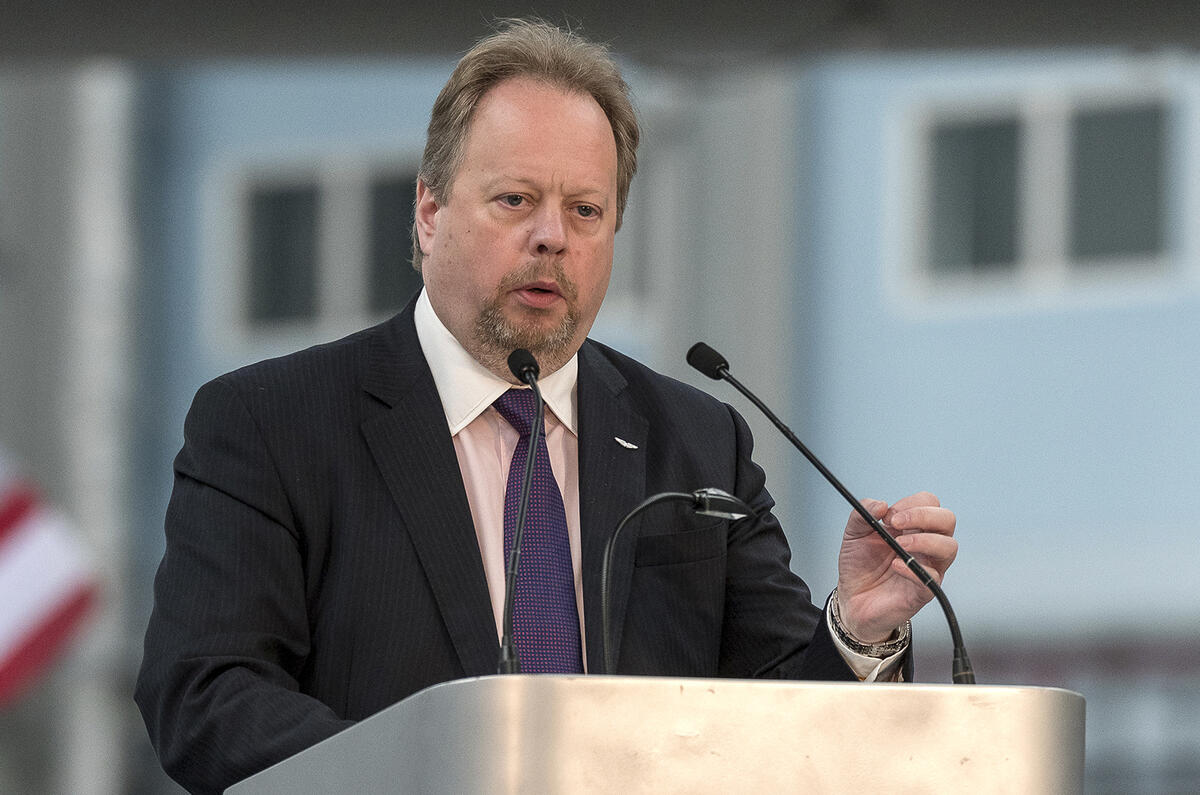
Aston CEO Andy Palmer previously said that there will be some overlap between activities at the company's sites: "If we’re already making components in Gaydon that are needed in St Athan there seems little point tooling up all over again. Likewise, work done in St Athan, particularly in areas such as electrification, will clearly have its applications in Gaydon.
"But, in principle, I like the idea of having two competing plants, particularly as one is in England and the other in Wales. It promotes healthy competition and each will drag the other up."
In August 2017 Aston Martin hired ex-Maserati and Ferrari engine boss Joerg Ross to be its new chief engineer for powertrains - a move which came as part of its push towards electrification.

"We will have an engineering centre [at St Athan], it is also likely to be where we do the bulk of our electrification work," said Palmer following Ross's arrival. "Also, we will have our cyber security department here. All the talk these days is of autonomous drive but very few people are talking about how to make sure these cars cannot be hacked, and in many ways that’s a more difficult challenge than autonomy. But until the cars are secure, they cannot be autonomous."
Another 250 jobs are being created at Gaydon. Aston claims that 1000 jobs in total will be created from its current expansion plan.
Palmer said: “Due to its sheer size and scale, the St Athan super hangars represented an excellent opportunity for us to build our second manufacturing facility, within the envelope of an existing structure. It is perhaps fitting that St Athan is, like our headquarters and sports car factory at Gaydon, a former RAF base. We have three hangars; one will handle the body in white, one will be the paint shop and one will look after trim and final assembly."
Read more:
Aston Martin DBX crossover - new pictures
Aston Martin DBX to be built in Wales

Join the debate
Add your comment
"The assembly stations at St
Do they know what the rate of demand for this vehicle is or will be yet? Is it even on sale?
Totally agree with Aussie Rob
I wonder if the world had started with SUVs, these same purists would be hoping that the manufacturers stayed true to their heritage and didn't make cars.
You move with the times or become obsolete.
well said..
my thoughts exactly
Didn't do Porsche any harm, building SUV's
Sound move for AM. Good luck to them - this is the sort of enterprising spirit Britain needs now.
Robbo
I disagree -- it did Porsche
Speedraser wrote:
I don't agree on the matter of platform sharing, given what everything costs nowadays it makes sense for manufacturers to spread the burden and maximize usage of each design. Same for engines.
As regards jeeps, however, I'm right with you. They are a blight on our roads second only to the electric/autonomous fad, but sadly they don't seemed destined to die out so quickly as the electric cars will. It's especially repugnant to see badges like Lotus, Aston Martin and Volvo stuck onto hideous jeep monstrosities. They are not only inherently more dangerous than cars, and driven by the worst kinds of driver on top of that, but they are wasteful of valuable resources and environmentally improvident compared to cars.
???
"Jeeps" are a monstrosity? We live in a democracy that chooses these vehicles whilst they still have free will. Don't like them? Well don't buy them. Various factors will change the vehicles we drive, most notably petty-minded establishment regulation that will drive demand via punitive taxation and ill-concieved legislation. Witness the drive to diesel swiftly followed by the drive against diesel! Now we have the situation whereby the less well off are driving ten year "smokers" and the more financially capable are running around in tax friendly EVs and PHEVs.
I was going to rant on about how the whole system is geared towards revenue for the establishment as opposed to a government for the people but remembered that this is a site for people who love cars and all things car. Sorry for going off topic
out of interest..
How Porsches do you own and how many less will you buy from now on
About the wedge Lagonda, it
and yet..
It sold in insignificant quantities (as much as I love it and would lose a limb to own one)
Hear, Hear....
Well said, if rebading a VW keeps the 911 going then jacking up a DB11 is going make sure there is a DB12!