Currently reading: VW Dieselgate damages: civil case to begin today

Critical first hearing in civil case will rule if firm fitted two-litre diesel engines with emission-cheating devices

The critical first High Court hearing in the class-action lawsuit being brought against Volkswagen for its actions in the Dieselgate scandal will kick off today (Monday) with a hearing over whether the company’s two-litre diesel engine was fitted with a defeat device.

Lawyers will argue the case over two weeks, with a judgement expected in spring 2020. Ahead of the trial, Slater and Gordon, leading the class-action lawsuit, described the hearings as “a decisive point”.

“VW has had plenty of opportunity to come clean, make amends and move on from this highly damaging episode,” said Gareth Pope, head of group litigation. “But instead it’s chosen to spend millions of pounds denying the claims our clients have been forced to bring,” he added.

Volkswagen said that it will continue to “defend robustly our position in the High Court”. In a statement to Autocar it added: “Volkswagen Group maintains that there has never been a defeat device installed in any of its vehicles in the UK."

The company said the specific legal point under consideration is “whether the legal definition of a defeat device is met in certain circumstances.”

If Volkswagen's lawyers win, the case is unlikely to progress further. If the ruling goes against them, the case will move to a second phase that is unlikely to play out until late 2020 or 2021. If VW is ultimately found guilty, it could be ordered to pay hundreds of millions in compensation.

It has also emerged that there is a dispute over how many owners are represented in the lawsuit. Slater and Gordon claims '100,000 motorists', but VW argues that the number is 86,000.
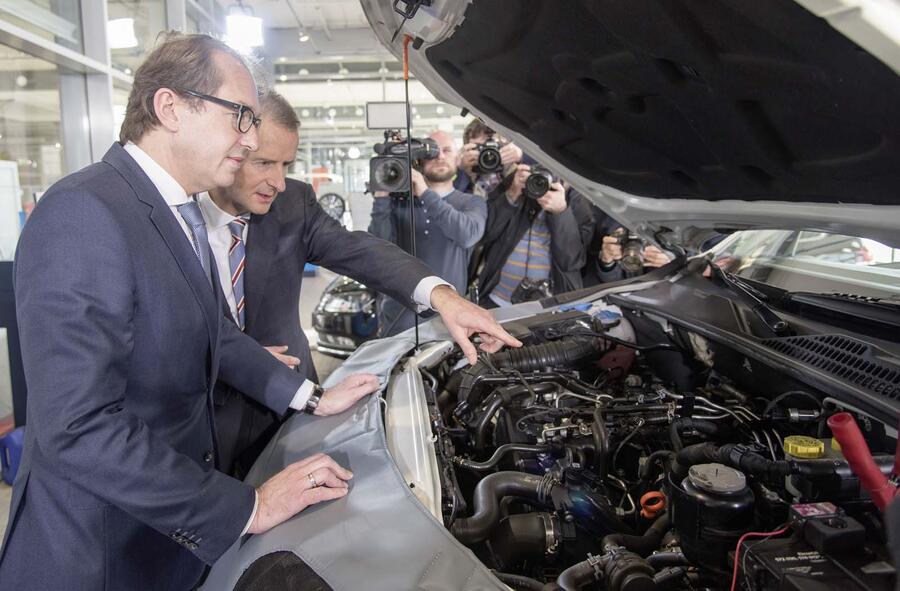
Db2015al04217 large

The number of motorists represented has fluctuated and gone down in recent months as duplicate and irrelevant claims are weeded out. Some Jeep and Jaguar owners had to be taken off the list, Autocar has been told. 

The trial will be held under civil rather than criminal law – it is about compensating motorists rather than punishing any wrongdoer. As such, the legal arguments will centre on three points under the so-called ‘threefold test’. 

Slater and Gordon will have to win all three for motorists to gain any compensation from Volkswagen in a trial tipped to take eight or nine months, with both sides expected to deploy an army of technical experts to help argue their case. 

Back to top

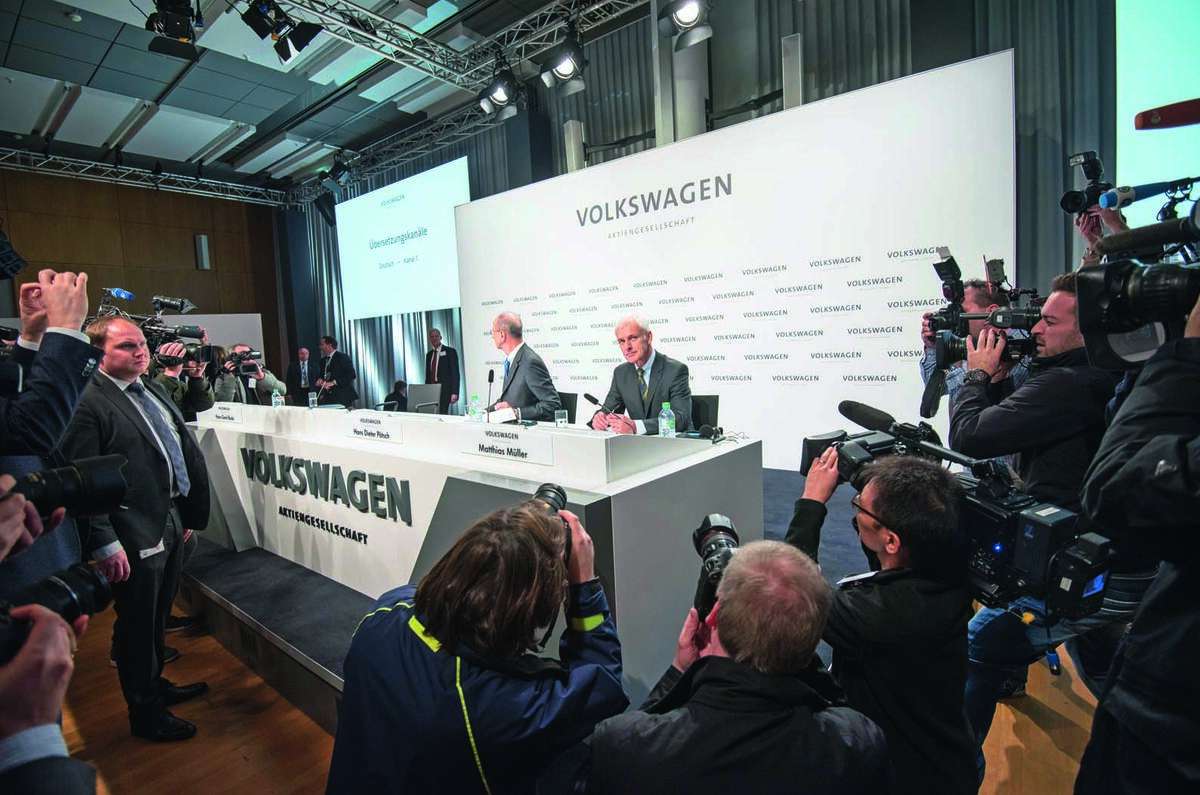
Db2015au01438 large

The first legal point will be to determine whether Volkswagen has breached its ‘duty of care’ and will hinge on whether the firm fitted a ‘defeat device’ to cars equipped with the EA189 diesel engine in 1.2, 1.6 and 2.0-litre capacities. 

“It remains Volkswagen Group’s case that the affected vehicles did not contain a prohibited defeat device and that any findings by foreign authorities on that point is not binding on the English Court,” the firm told Autocar in a statement. 

“Our consistent position has been that the instigation of legal proceedings in the high court in London is unfounded.” 

This defence is disputed by Slater and Gordon, since Volkswagen has admitted in the US to having fitted a defeat device that detected a rolling-road test and temporarily modified the combustion to reduce NOx emissions. This admission carries no legal weight in the UK. 

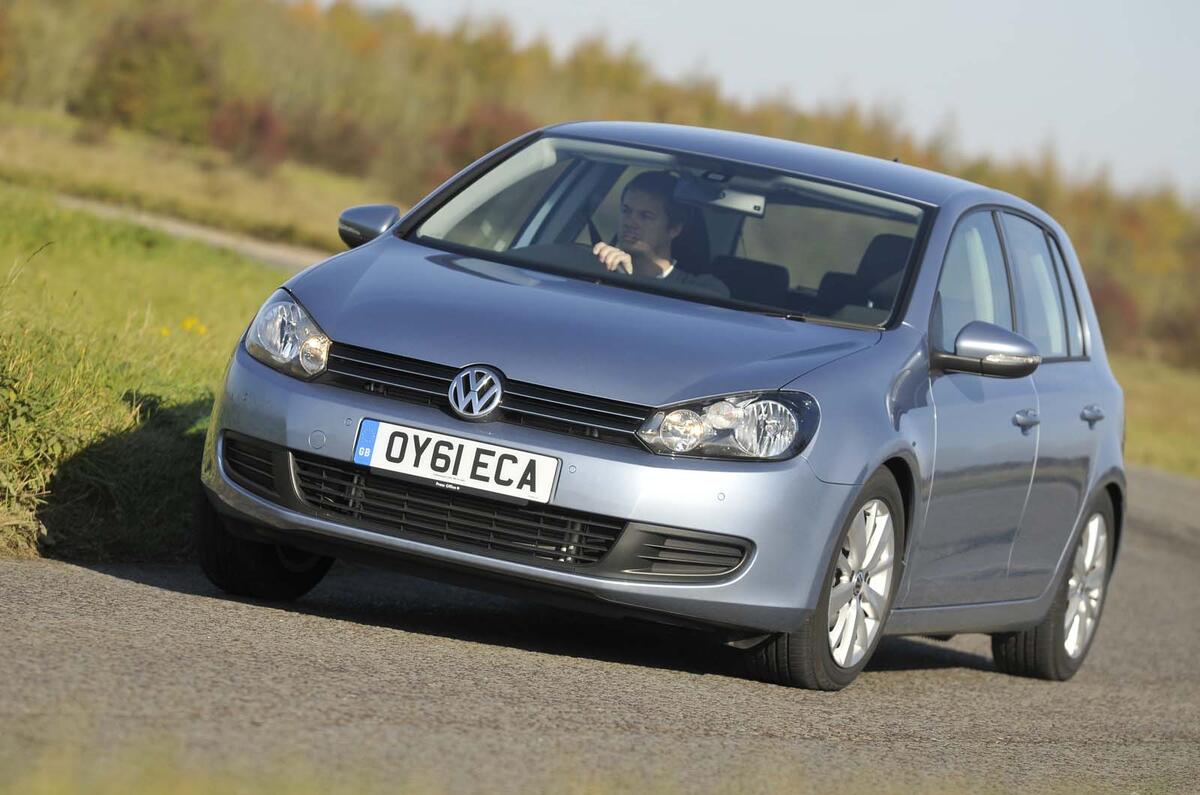
Golf fcorn 03 jan12

Back to top

“VW has already admitted it programmed the vehicles to operate in two modes (test and road). But have failed to explain why they did this. The judge has now ordered them to explain,” said Slater and Gordon in its statement to Autocar. 

In the pre-trial hearing, Slater and Gordon will argue that the English high court is bound by a finding by the KBA, the German type approval body, that Volkswagen’s software includes a defeat device. Volkswagen will counter that it believes the “switching function” between test and road modes “used in the UK and the EU is legal”. 

If Slater and Gordon argues this point successfully, it then has to establish ‘causation’ and prove a link between damage or harm to the car and the defeat device software. It may be more difficult to convince the judge of this. 

Volkswagen is firm that “our UK customers have not suffered any loss or damage as a result of the NOx issue. The affected vehicles are safe and roadworthy and perform as advertised.” 

Slater and Gordon argues that the cars were sold “deceitfully” and could not be lawfully sold, but once the Dieselgate scandal was exposed and Volkswagen recalled cars for a technical fix, owners suffered poorer mpg, CO2 and drivability

The headline-grabbing final point will be the size of any multimillion-pound payout, based on the losses suffered by motorists. Slater and Gordon is aiming to prove that owners have lost out on residual value owing to the defeat device and in terms of issues caused by the fix. 

Db2016al00132 large

Back to top

“Our clients tell us the fix has made vehicles less fuel efficient, has impacted performance and resulted in instances of vehicles going into limp-home mode in dangerous circumstances,” said Slater and Gordon. 

Finally, it is pushing for “exemplary damages” to punish Volkswagen for its alleged deceit. 

Volkswagen, of course, will attempt to demonstrate evidence to the contrary – that there has been no adverse impact on residual value, CO2, mpg or engine performance. And it stresses that the “fix” resolved “the vast majority of complaints to our customers’ satisfaction”. 

If it looks as though the damages might fall short of expectations and won’t cover the legal costs, the case could be settled out of court. 

More twists and turns are to be expected as the case meanders its way into court later this year, but affected motorists and Volkswagen can at least look forward to the protracted process finally being resolved by the end of 2020.

How will damages be decided?

Behind the scenes, Volkswagen is understood to have undertaken a research project into the effects on residual values – which is where the biggest losses might be crystallised. 

Dealer

Back to top

Of course, Slater and Gordon has a big incentive to win as large a payout as possible to satisfy motorists attracted by adverts taken out by the law firm as it built the group litigation. It estimates damages at more than £2000 per car – made up of losses on residual values, breach of contract and unfair trading regulations related to finance agreements – although legal costs will absorb at least 30% of that. 

But a different estimate suggested to Autocar was a “few hundreds of pounds” to a maximum of £1000 per car. If damages are expected to average £1000 per claim, that will be £97 million in total and well short of Slater and Gordon’s “hundreds of millions” estimate. 

That’s important because the law firm has financial backing from Therium Capital, which is expecting a payback on its investment. 

If the damages fall short of expectations, the motorists’ side might be better off settling out of court, because £97m might only just cover legal costs.

READ MORE

Dieselgate: VW admits to 28,600 UK complaints after software fix​

VW Dieselgate woes continue after German court decision​

Dieselgate: recordings of former VW engine chief emerge​

Join our WhatsApp community and be the first to read about the latest news and reviews wowing the car world. Our community is the best, easiest and most direct place to tap into the minds of Autocar, and if you join you’ll also be treated to unique WhatsApp content. You can leave at any time after joining - check our full privacy policy here.