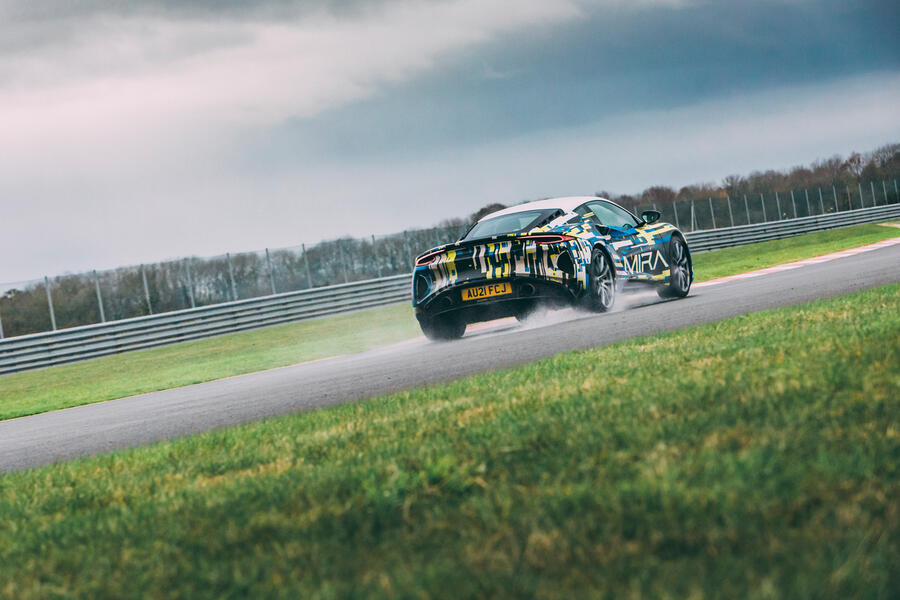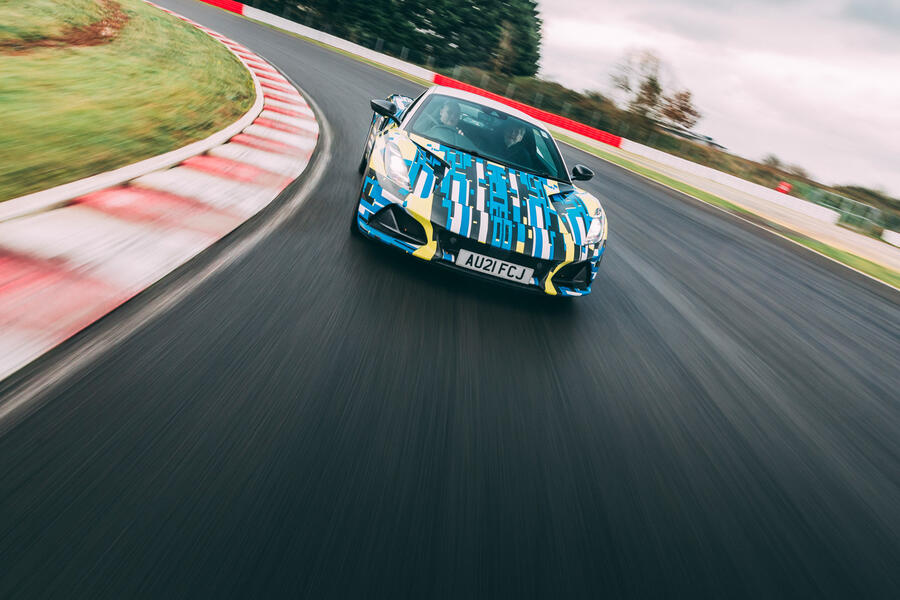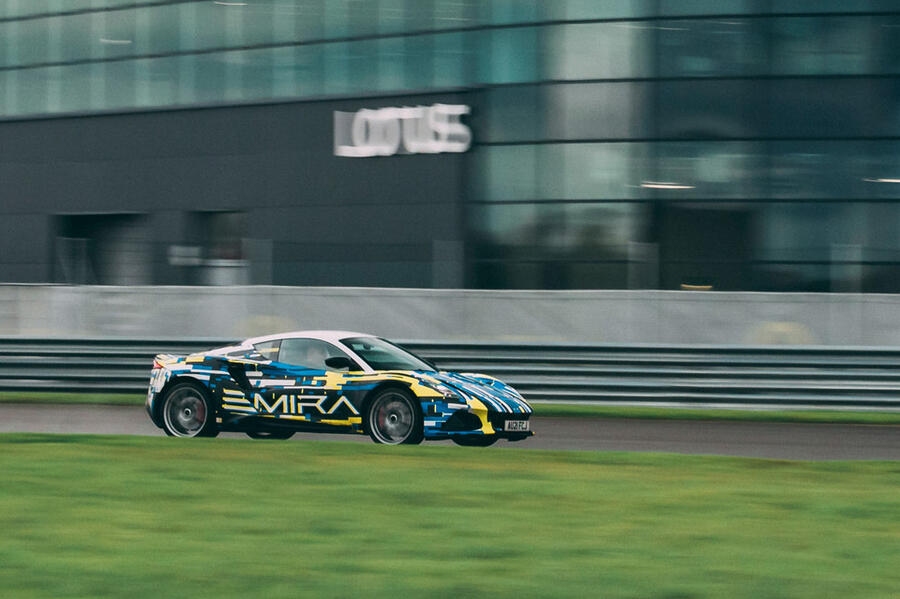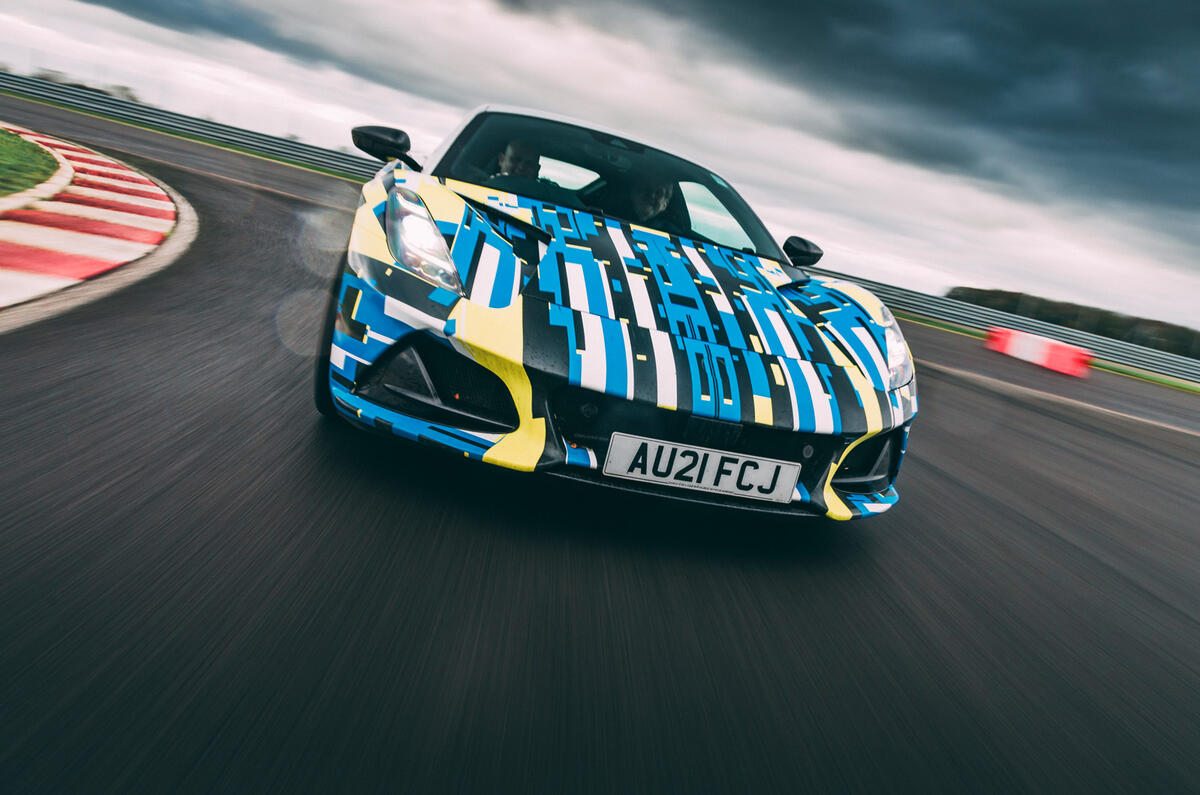
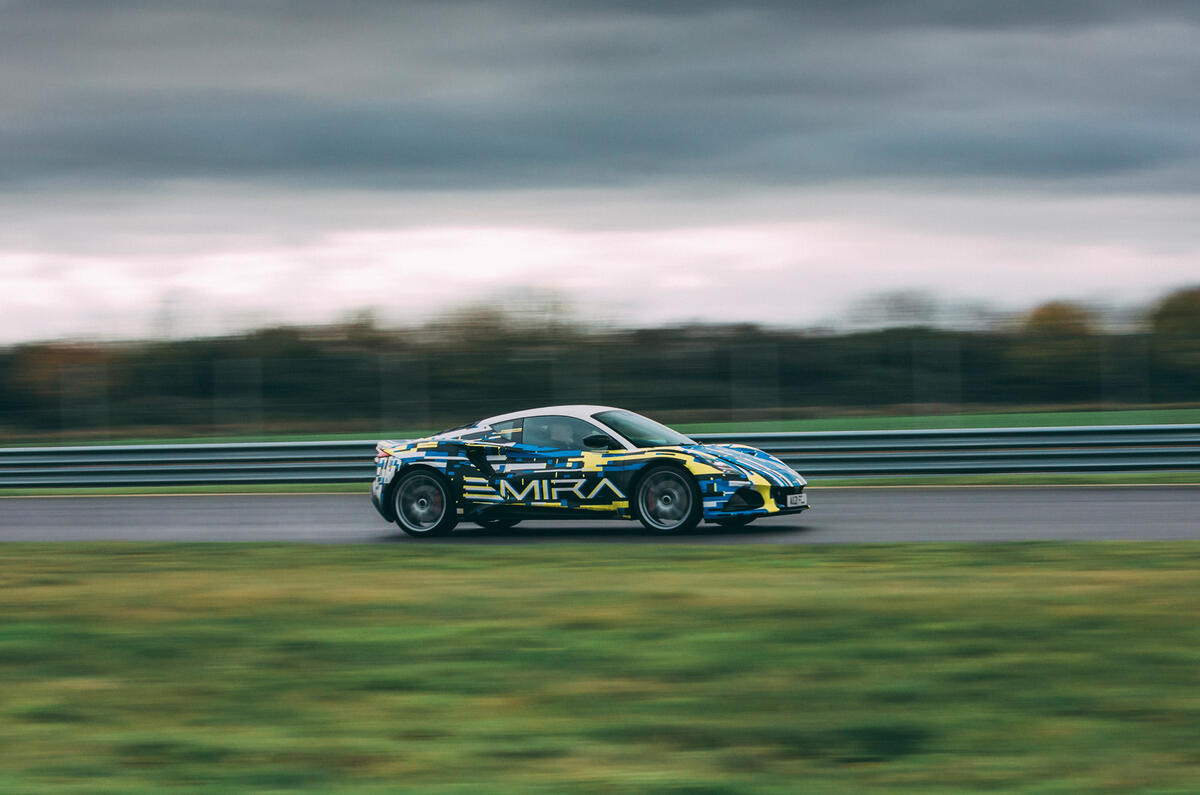
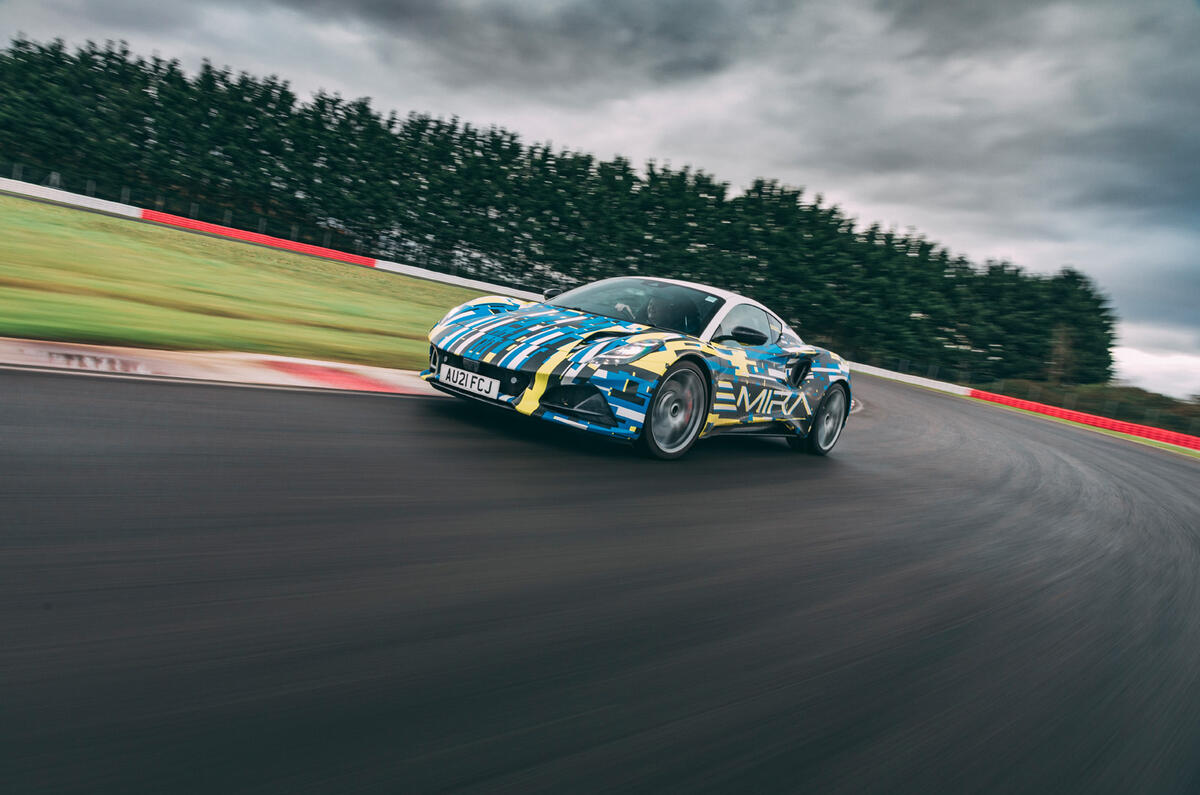
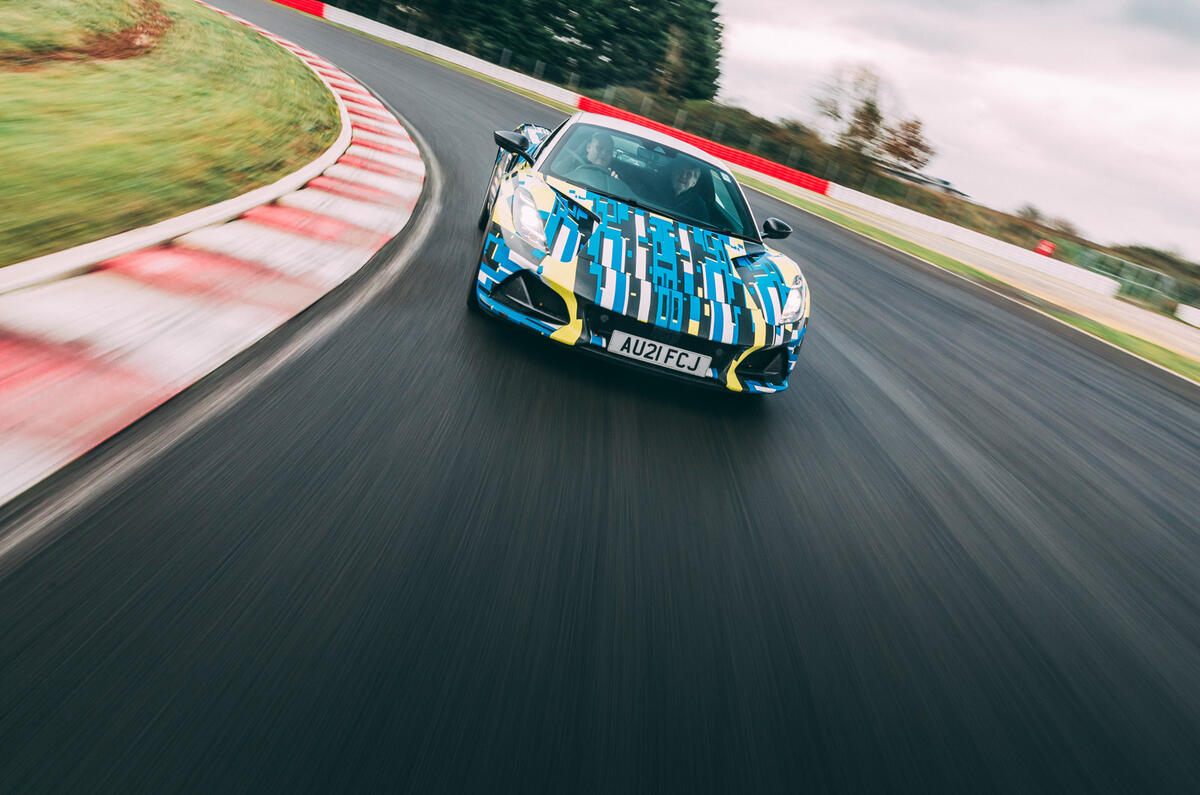
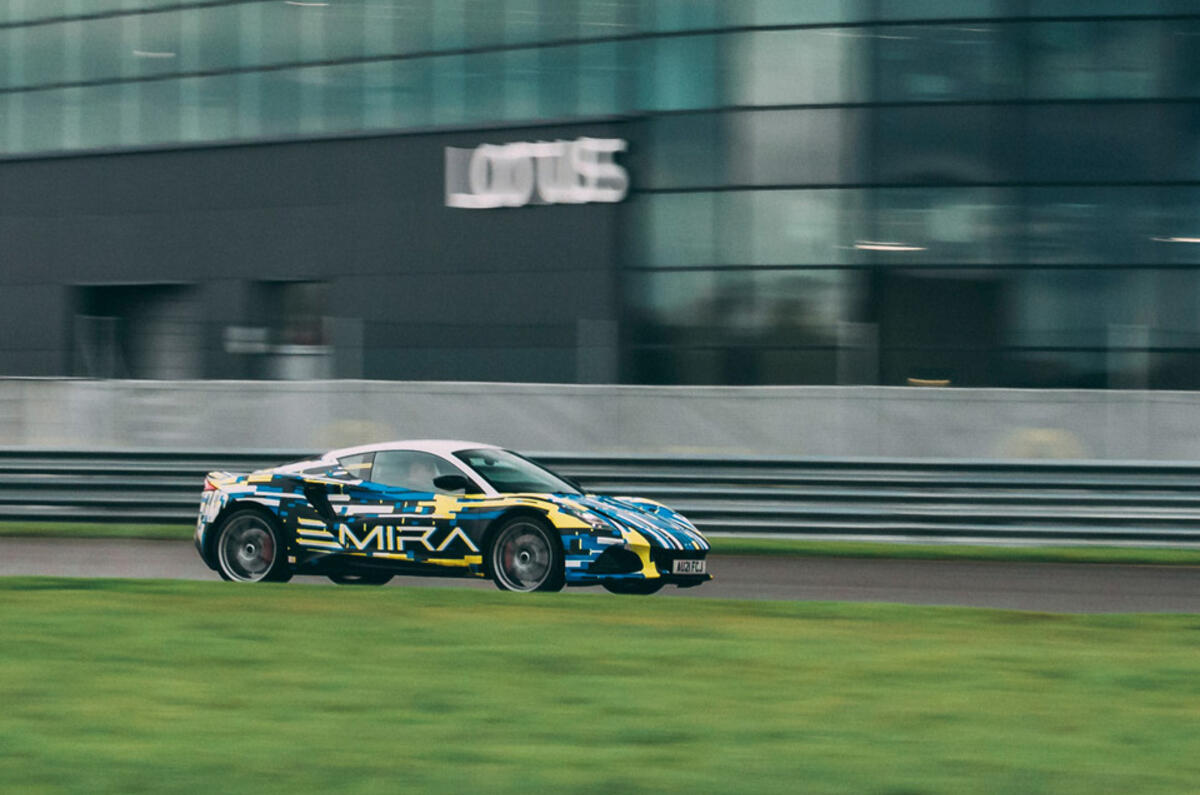











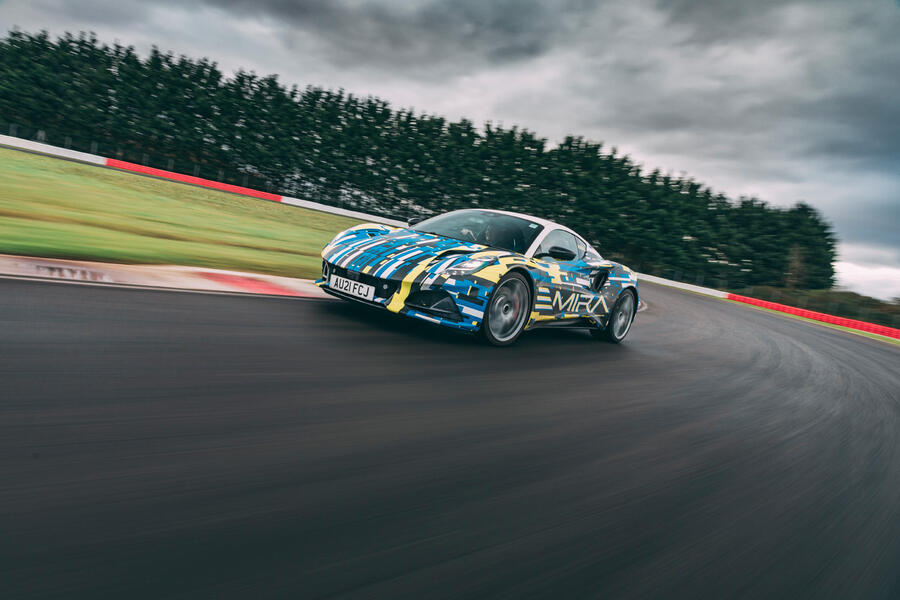
“We’ll do a few laps in the electrical car,” says Gavan Kershaw, standing beside a Lotus Emira prototype outside Lotus’s impressive new Hethel HQ.
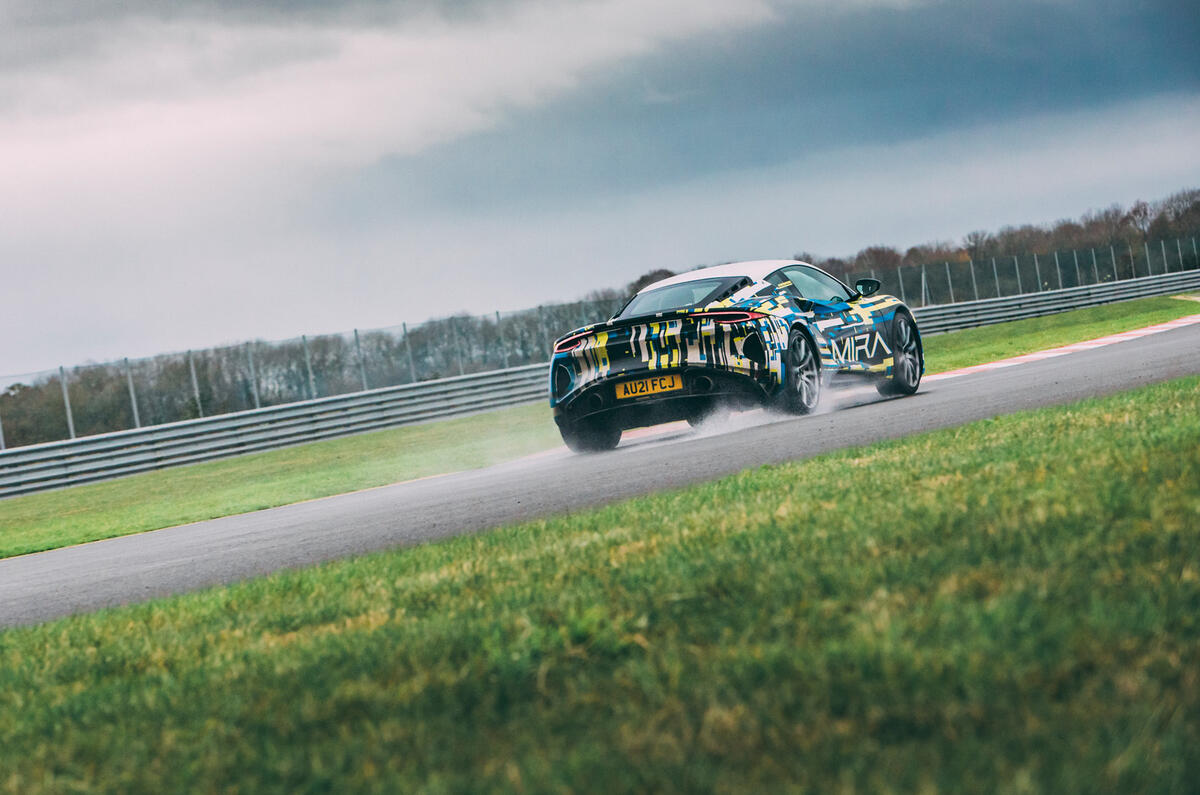
It’s an odd-looking machine – familiar in shape and basically white, but covered in random colour flashes as if it recently lost a high-speed argument with a random salvo of paintballs.
This word ‘electrical’ is unexpected. Every shred of Emira publicity has so far made it clear that while Lotus is indeed readying an all-new pure-electric sports car for launch in the mid-2020s, this Emira is very much Hethel’s last tilt at “celebrating the glories of combustion”. It isn’t even a hybrid.
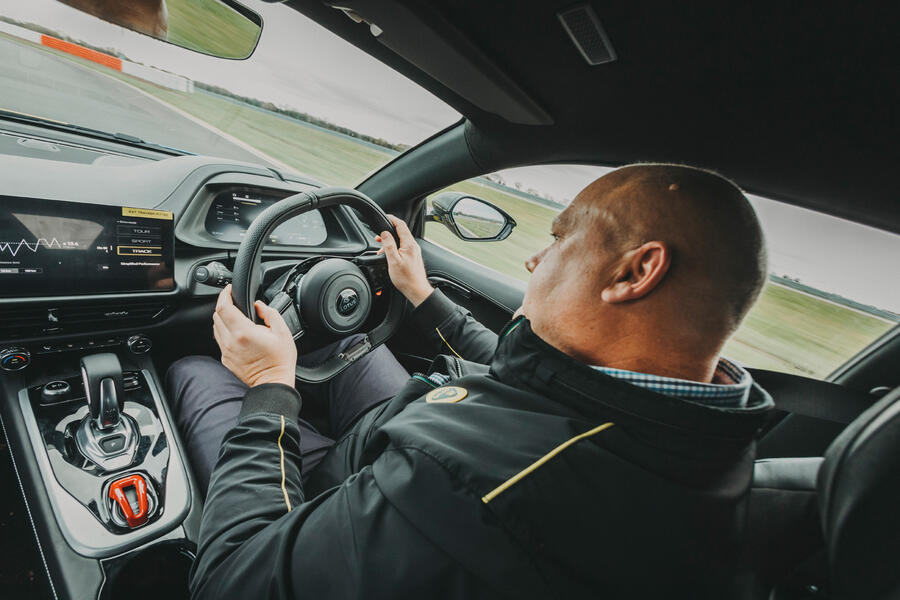
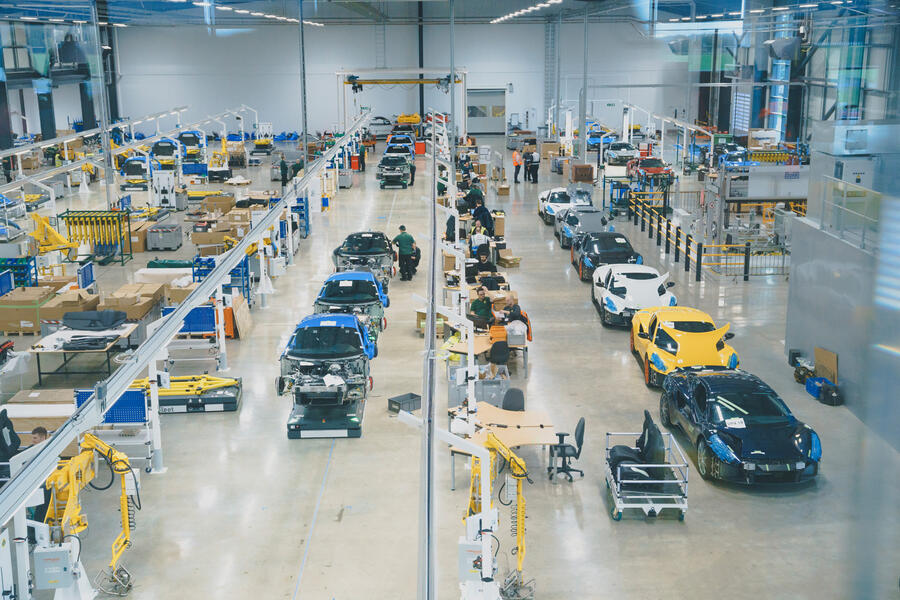
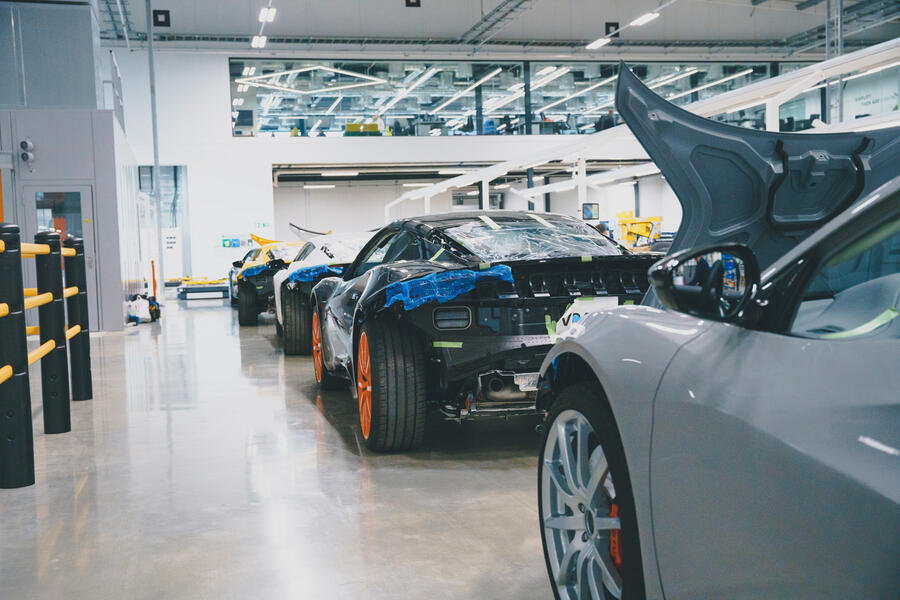
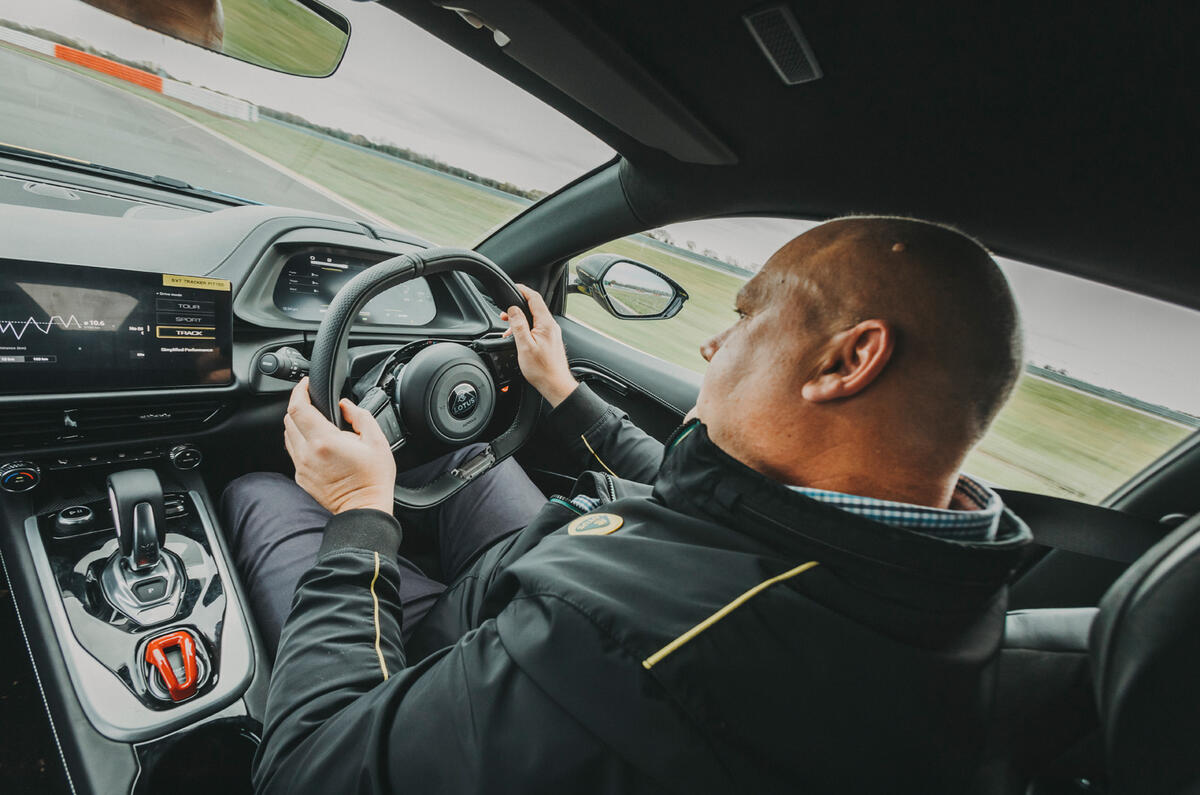
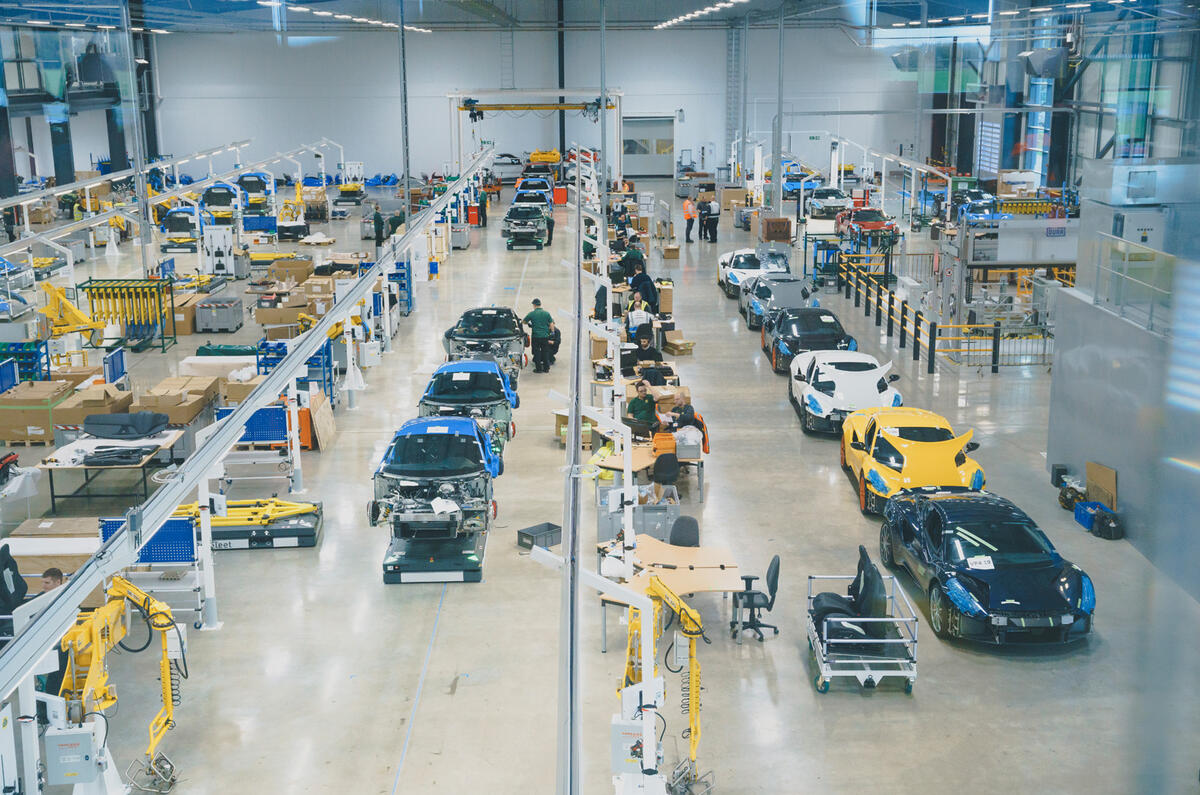
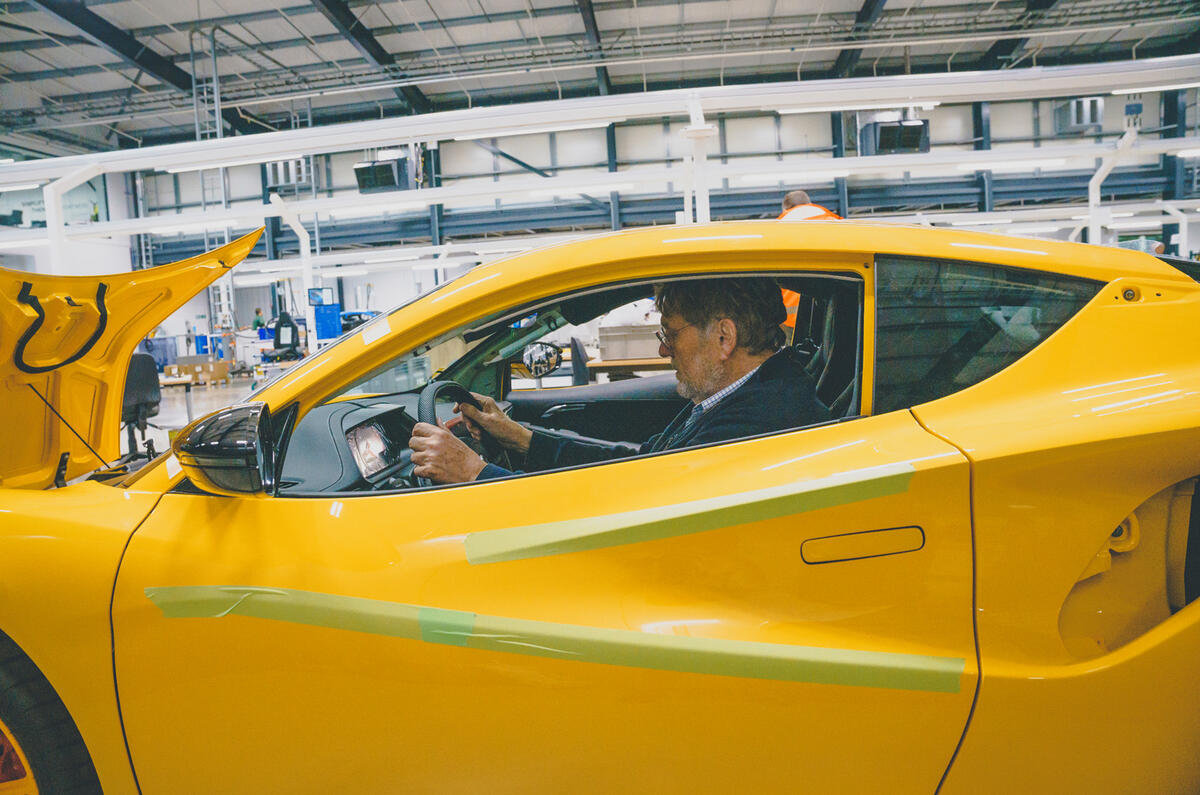
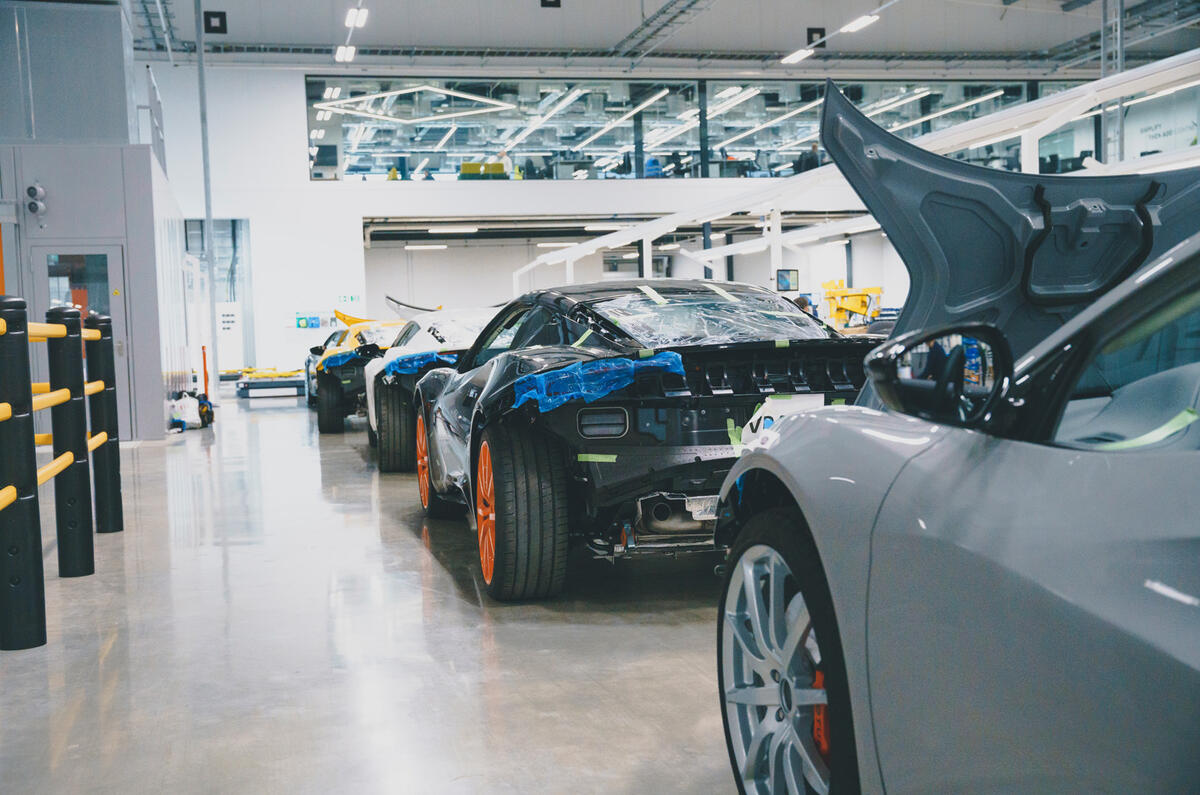
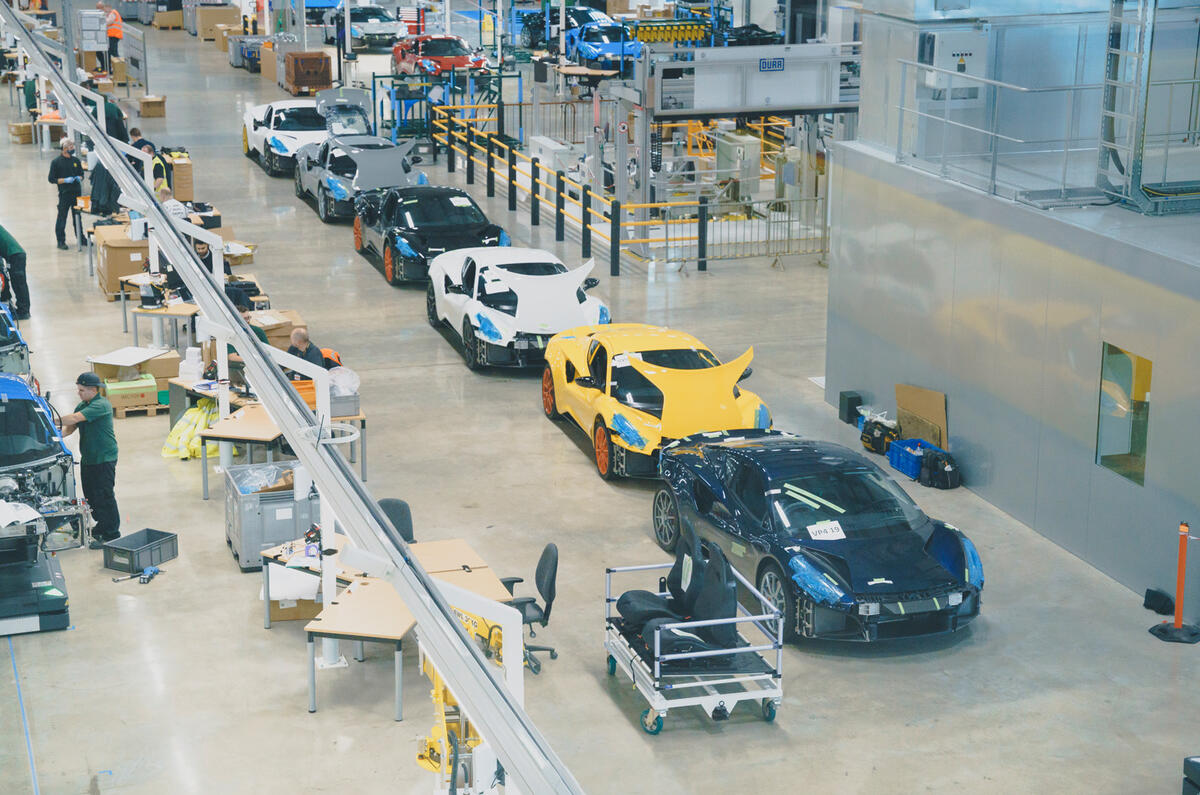
The electrical explanation turns out to be undramatic. Lotus currently has around 35 Emira prototypes engaged in final testing in locations all over the world, before production cars start flowing in time for launch. This one belongs to the team in charge of electrical architecture, but Kershaw, the company’s pre-eminent driver and guardian of ‘Lotusness’ (official title: director of vehicle attributes and product integrity) has commandeered it for an hour to show us how it goes on the Hethel test track. There’s no question of a test drive just yet, but I know riding with Kershaw will in some ways be even more instructive.
Doing quick passenger laps with visitors is an ancient Lotus tradition that goes back to Colin Chapman himself. Mike Kimberley, the first post-Chapman MD, did it and so did Roger Becker, Alistair McQueen, John Miles and many other great engineer-drivers since Lotus moved to Norfolk in 1966. Kershaw is very much a bona fide member of that team, having been brought up by a successful motorsport dad before moving as an apprentice into the orbit of McQueen, Miles, Becker and the rest of them. As we prepare to move, his definition of the Emira – which is tilting at 4500 sales a year against a previous total Lotus sports car volume of fewer than 2000 – could hardly be more apposite.
“To sell more cars we’ve got to steal customers from the others,” he says, “which means we have to provide the stuff modern owners need: usability, durability, stowage, a connected screen, modern infotainment. But at the same time we must maintain all the Lotus dynamic properties that can’t be traded. You have to feel completely connected to a Lotus, and that it rewards you. It must never feel aggressive or edgy.”
Who will buy an Emira? Traditional Lotus types, of course, but the new model needs a much wider bandwidth. Kershaw cites two disparate new types seeking pure driving enjoyment: people who’ve had supercars or aggressive sports cars but no longer need the drama or ownership difficulties, and people who are new to cars like this and don’t want to be “beaten up” for their pleasure. The Emira will deliver day-to-day capability, he says, without ever losing the circuit speed and delicacy built into every Lotus.