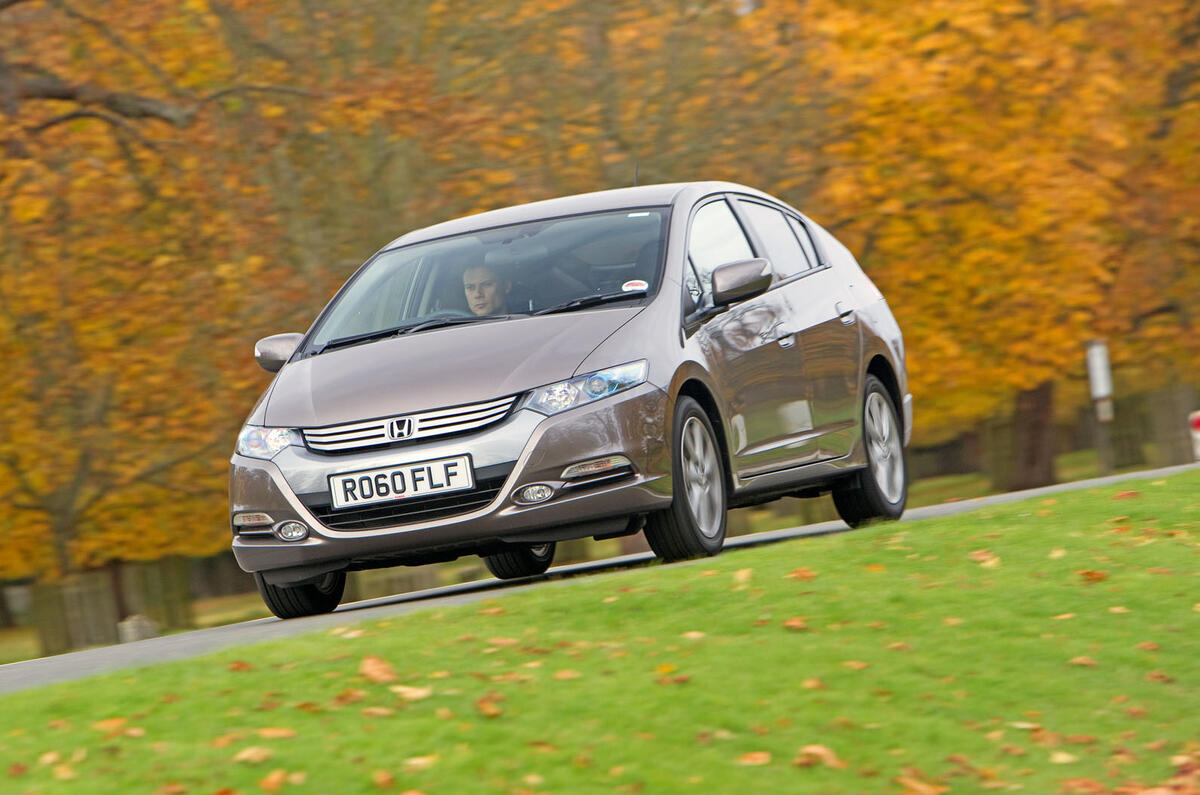
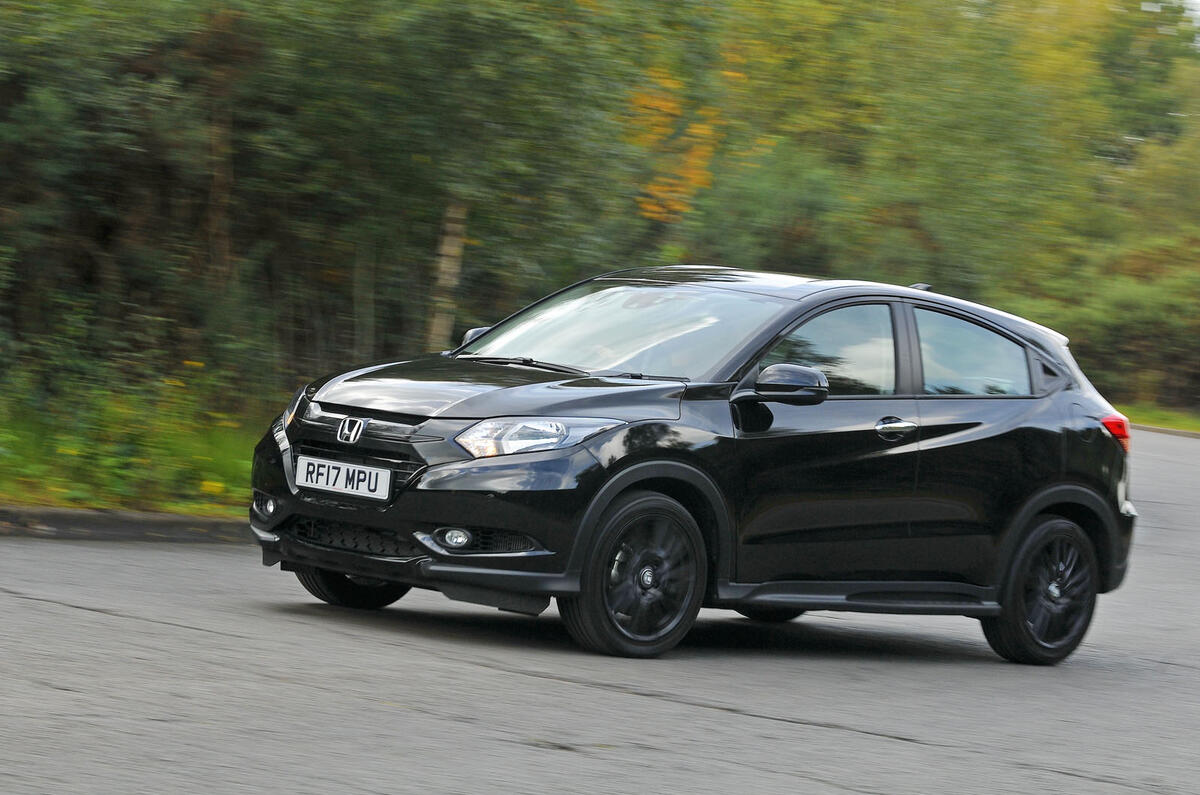
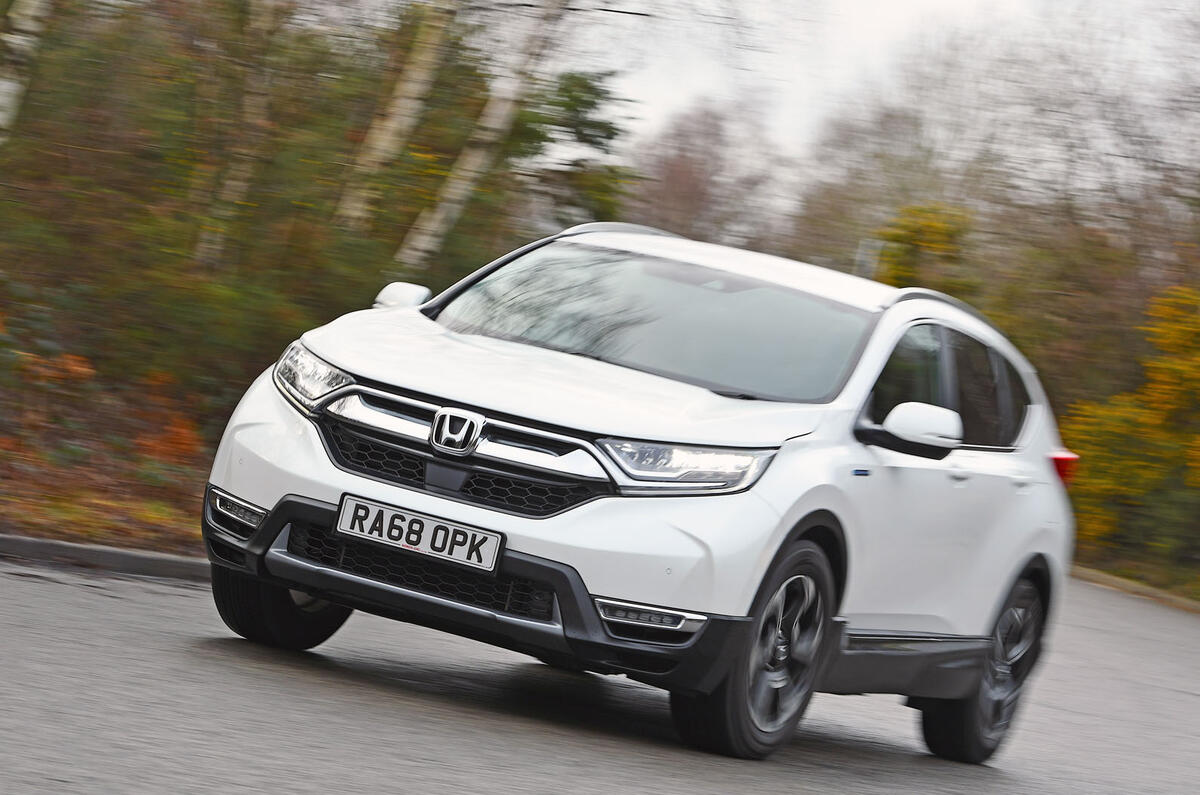
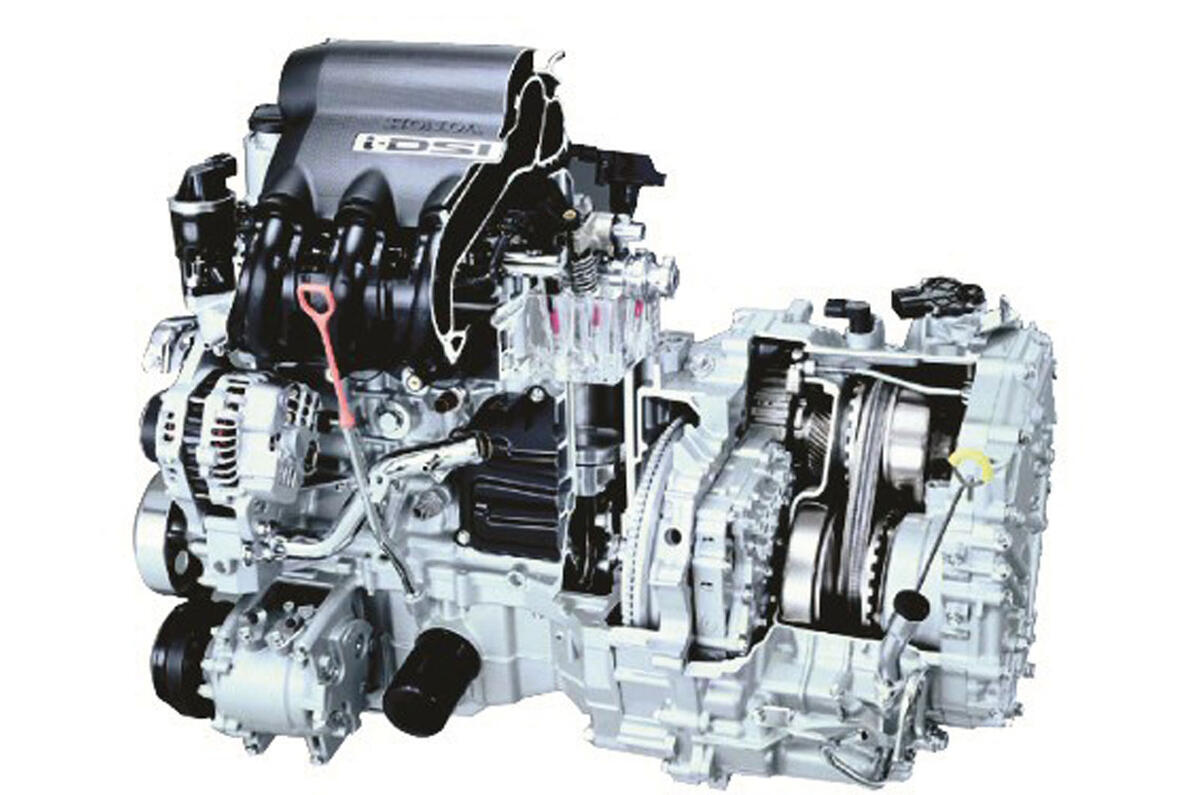












The tale of Honda’s rise and fall in the UK and Europe is a chastening one. At one time, the firm was viewed as a genuine alternative to BMW, led by engineers making cars with cutting-edge petrol engines and sharp design.
In the 1970s sales success with the Honda Civic in the US was pioneering, while a joint venture with Rover in the 1980s broke new strategic ground.
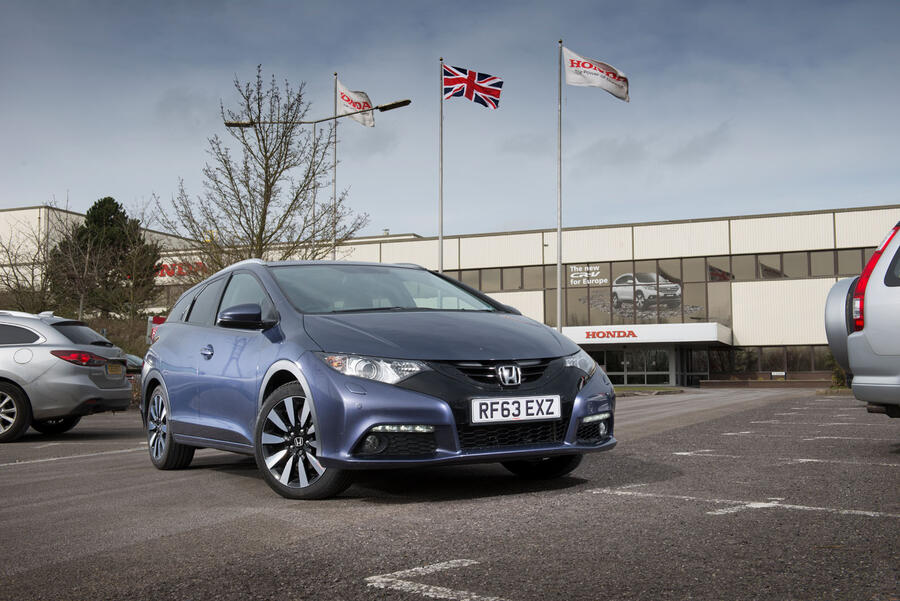
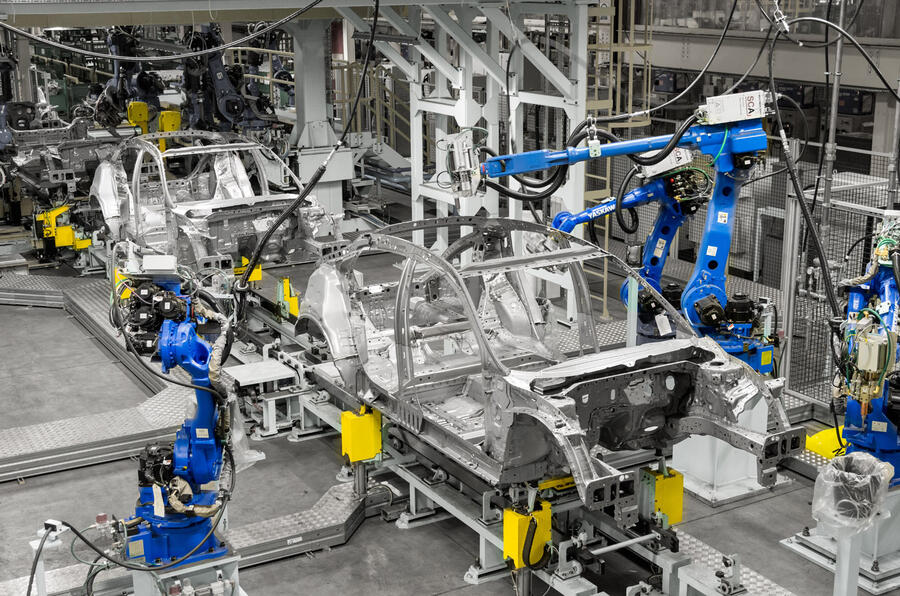
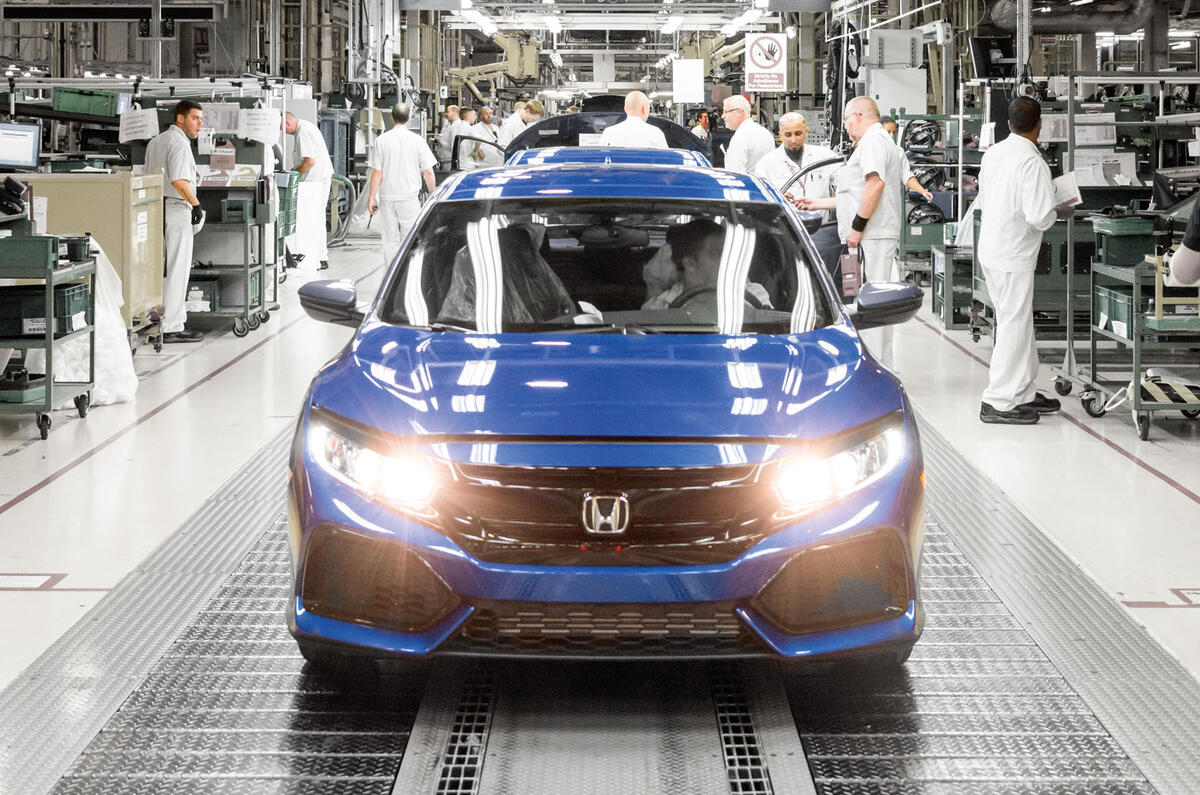
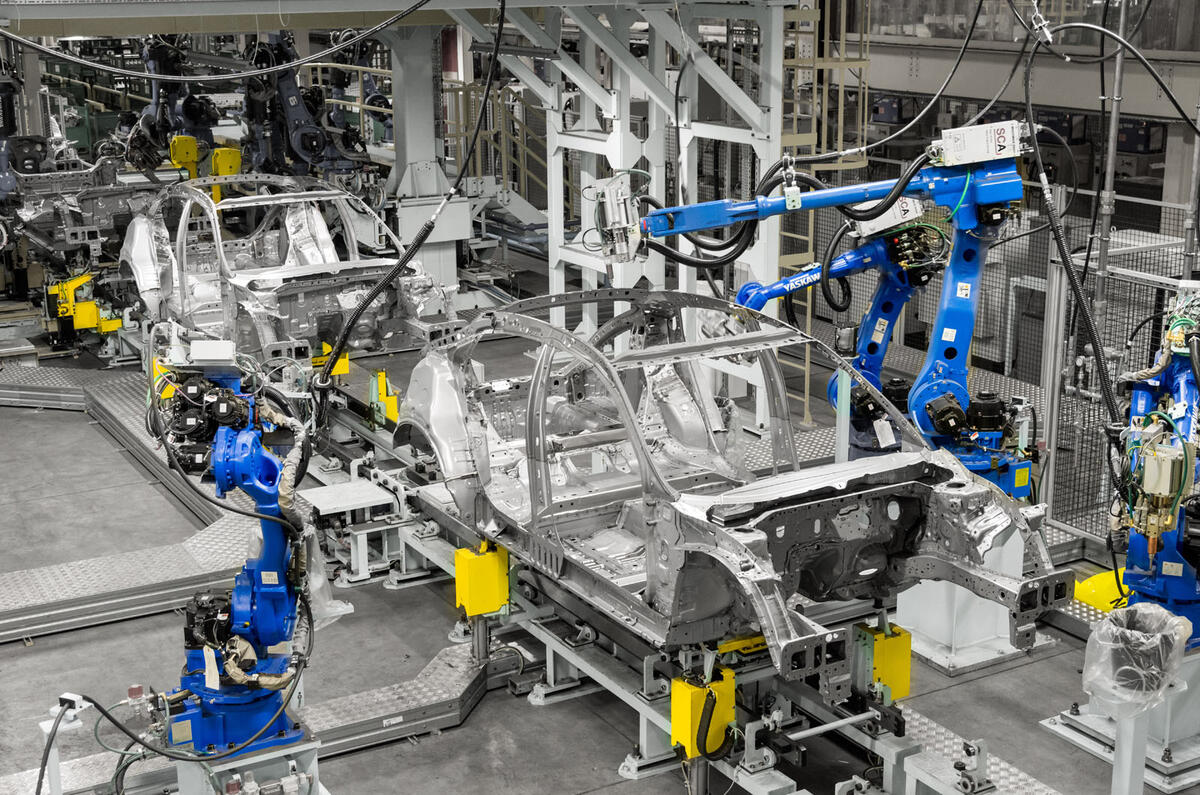
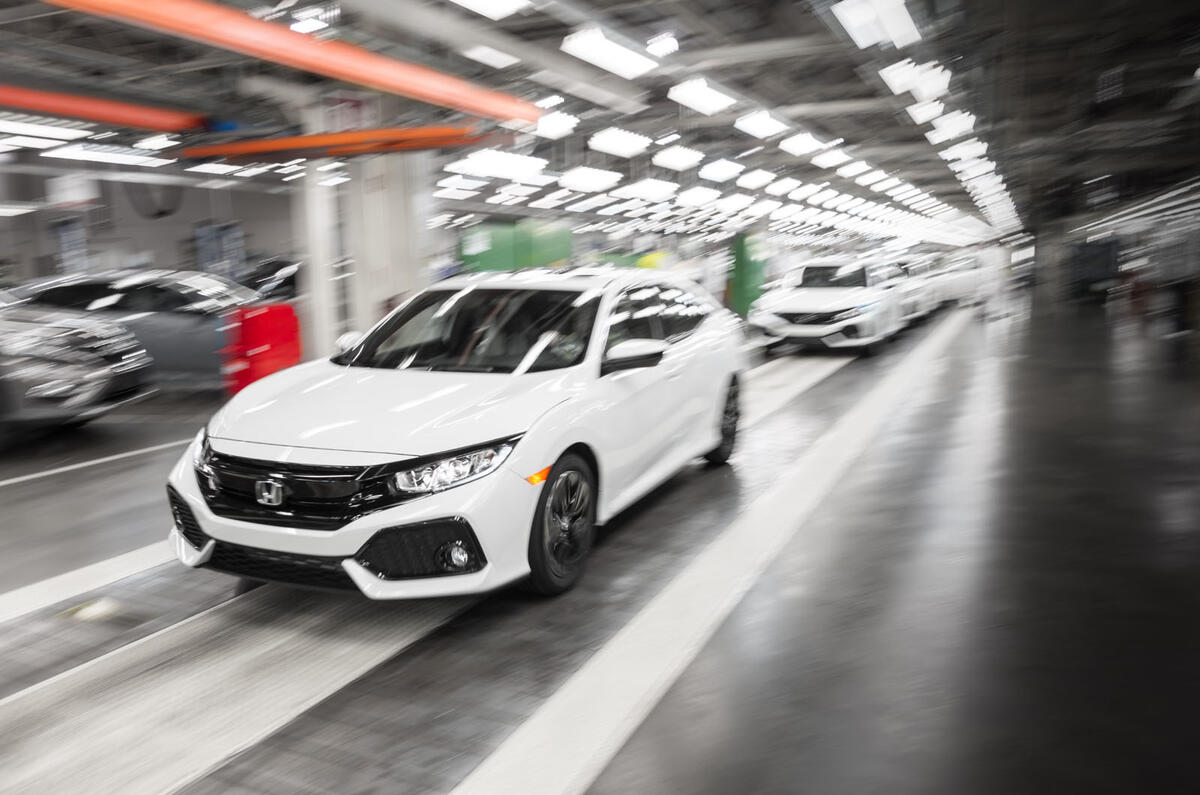
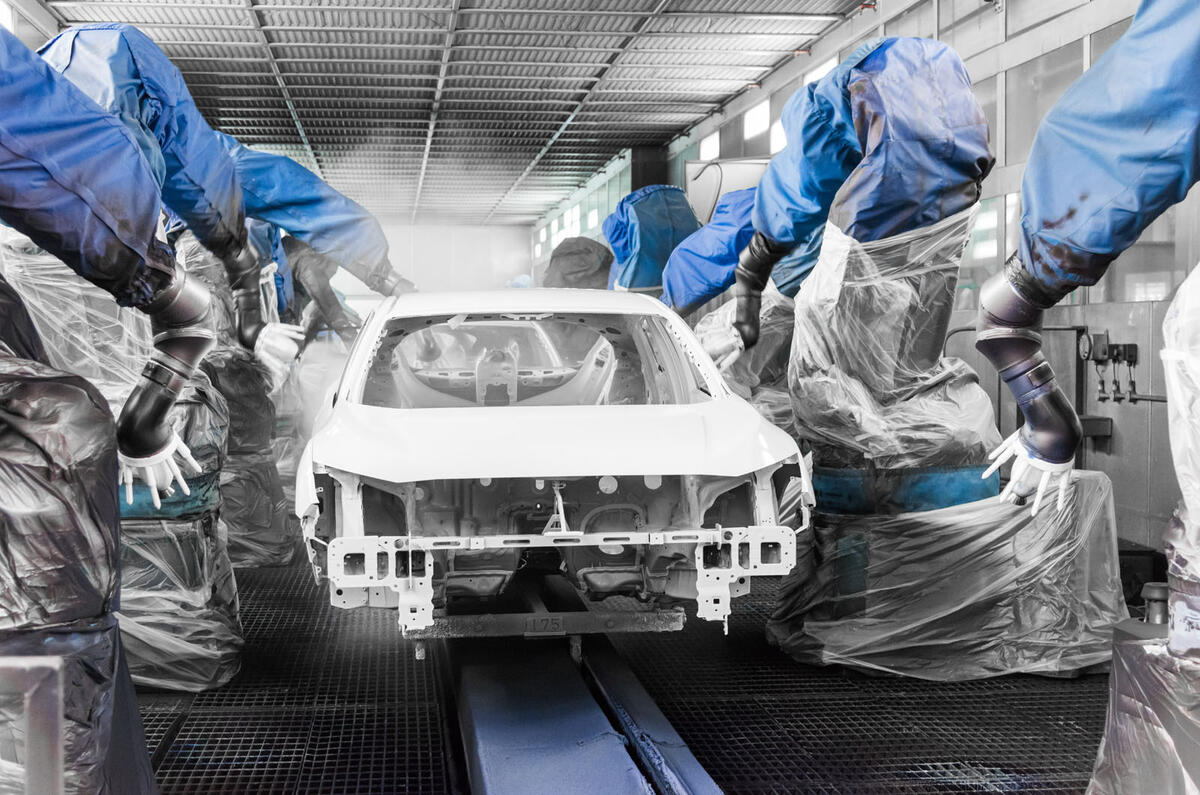
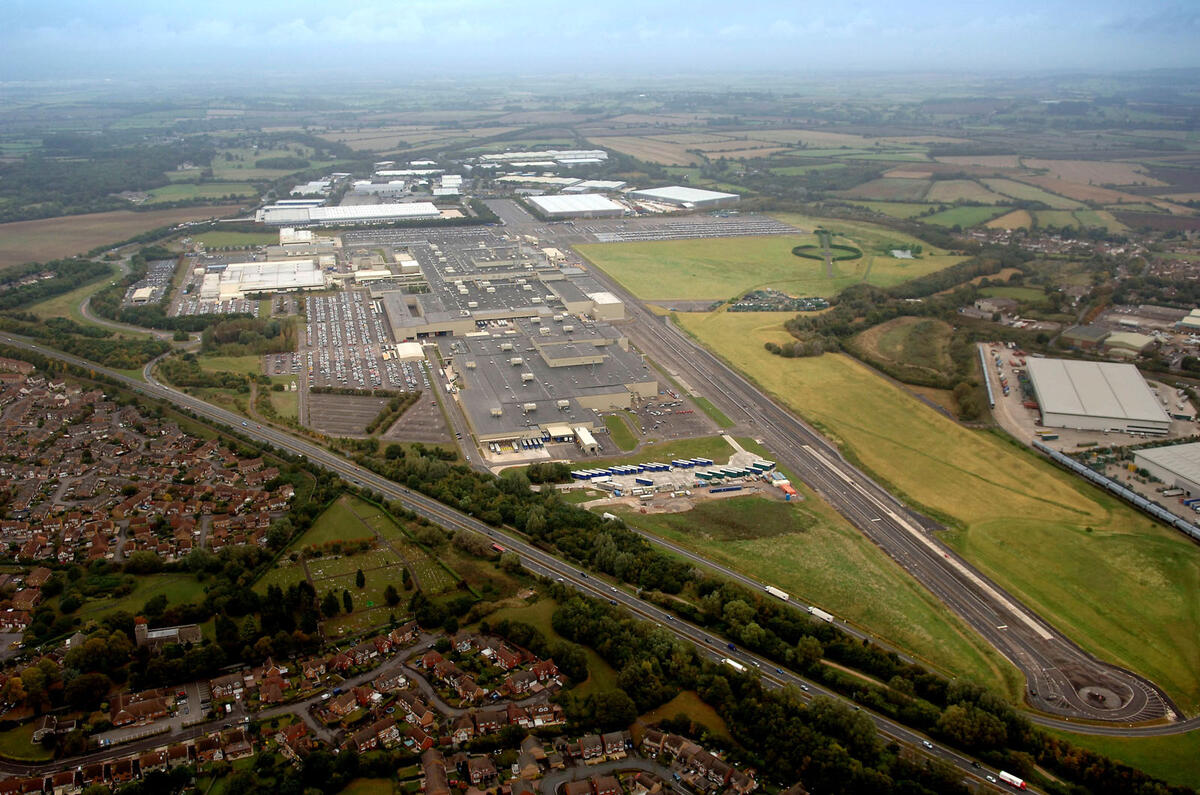
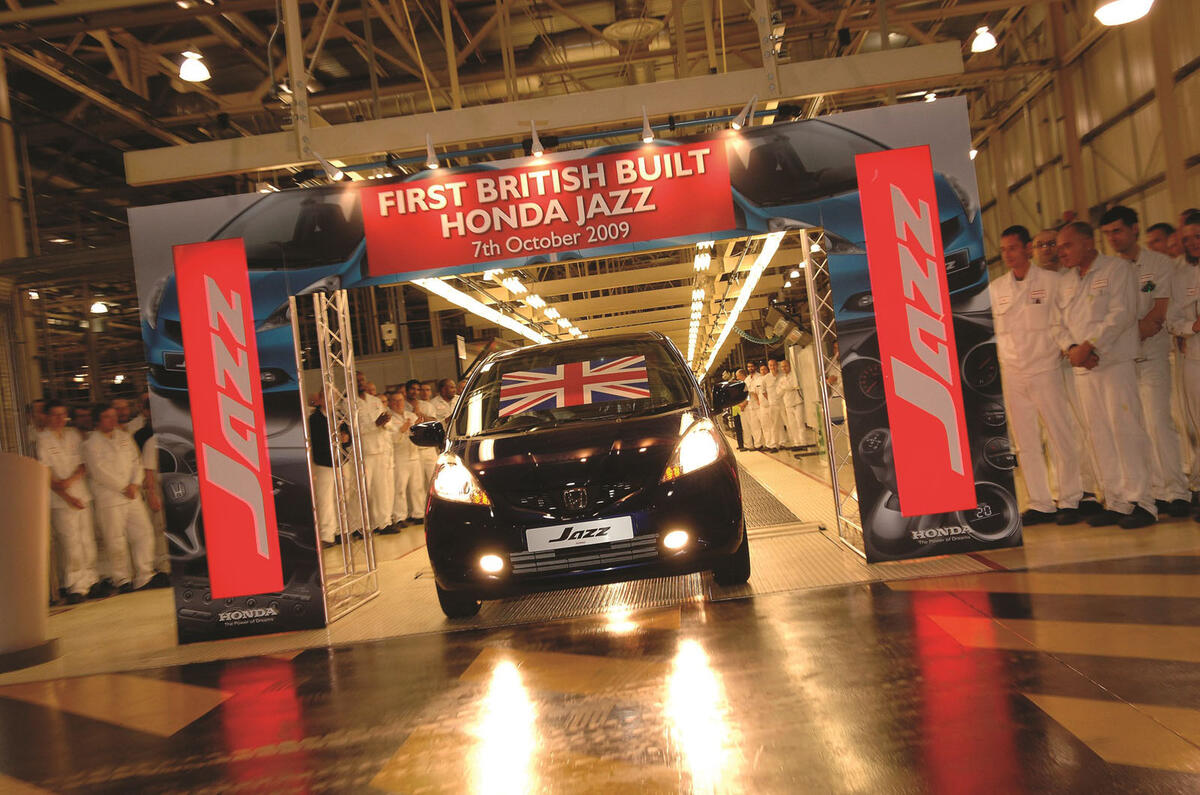
So when the Swindon plant opened in 1992 with the capacity to build 150,000 cars a year, just as Europe’s single market was launched, Honda looked set to conquer the continent.
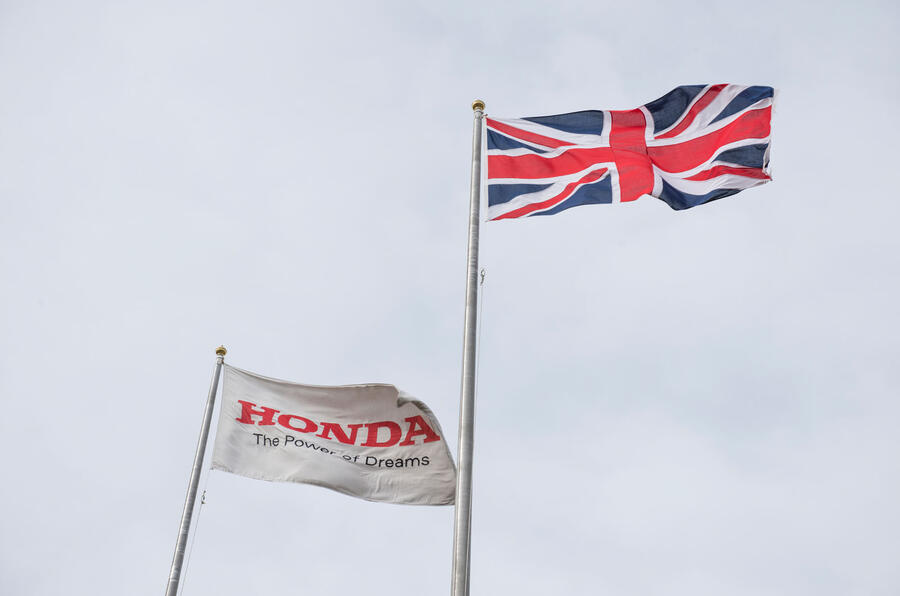
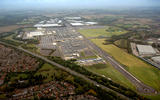
Yet 27 years on, the relationship with Europe has soured: sales are in the doldrums, with just 150,000 cars shifted last year, and the £2 billion Swindon factory will close in 2021. Civic production will also stop at its Turkish plant, although “business operations” will be maintained.
So how did it all come to this?
Sales
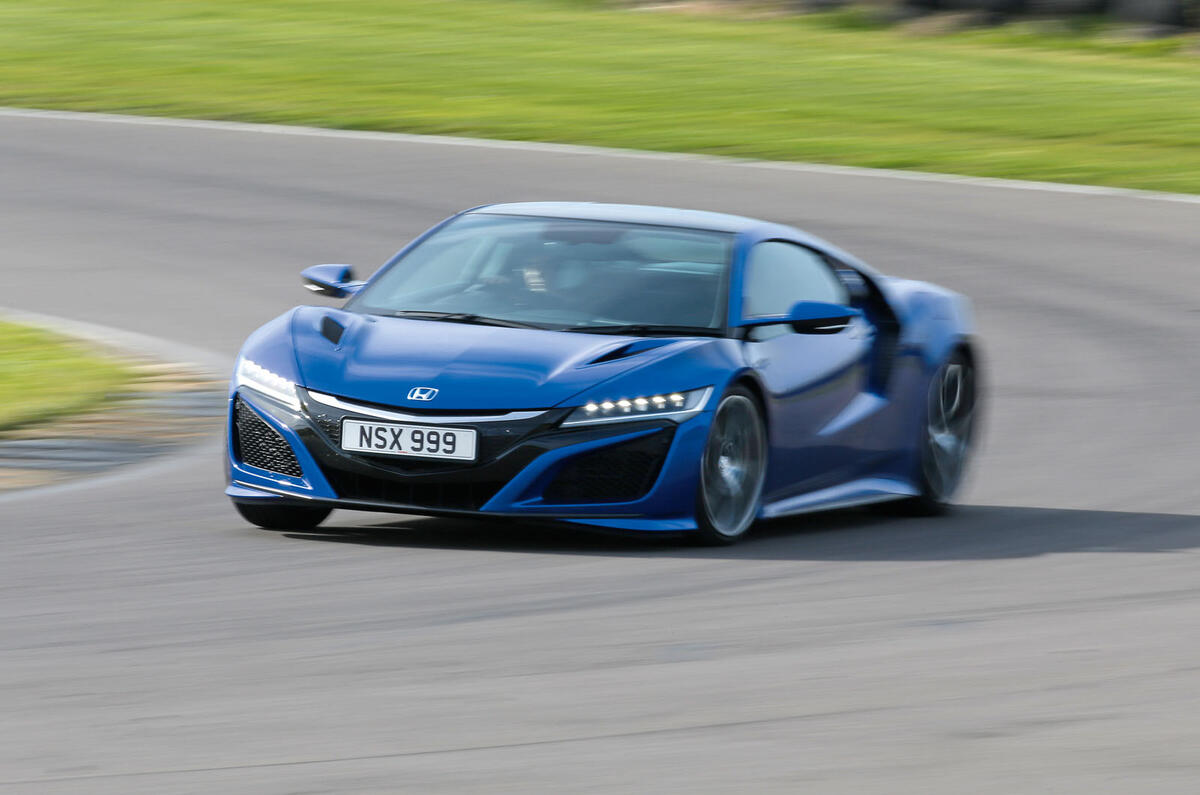
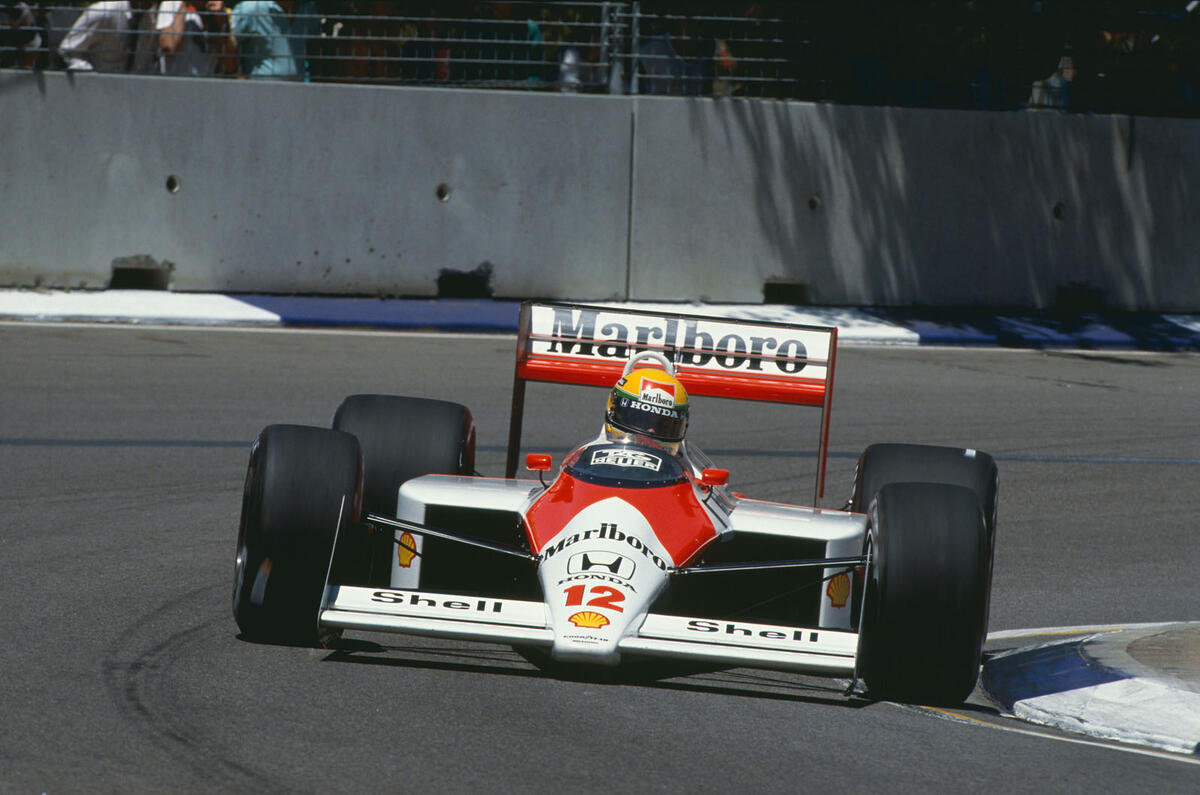
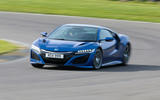
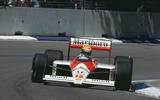
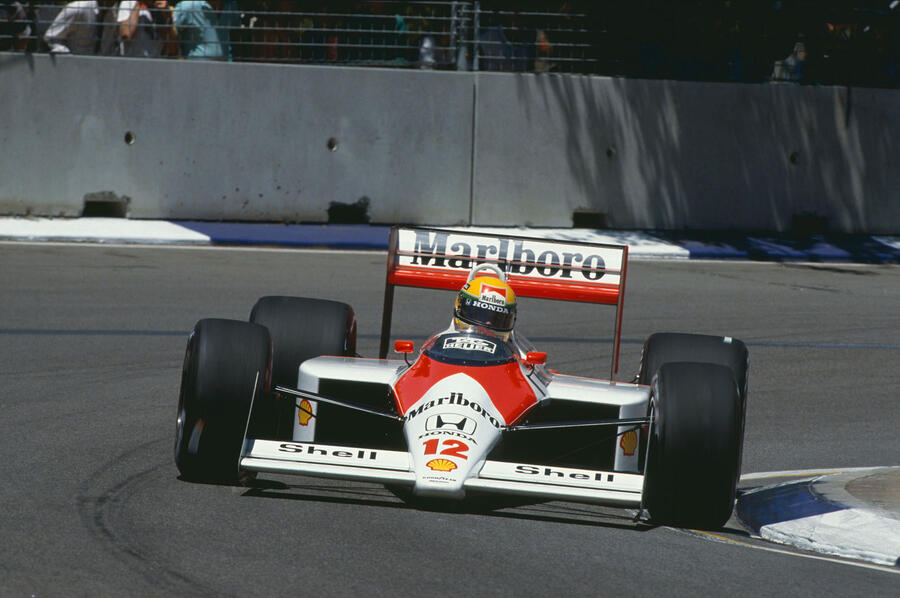
Remember how well-loved Honda was in the late 1980s and early 1990s? There was the amazing Honda NSX sports car, the McLaren-Hondas that won everything in Formula 1 thanks to their turbo V6 and normally aspirated V12 engines, and the joint venture with Rover, all contributing to a solid toehold in Europe.
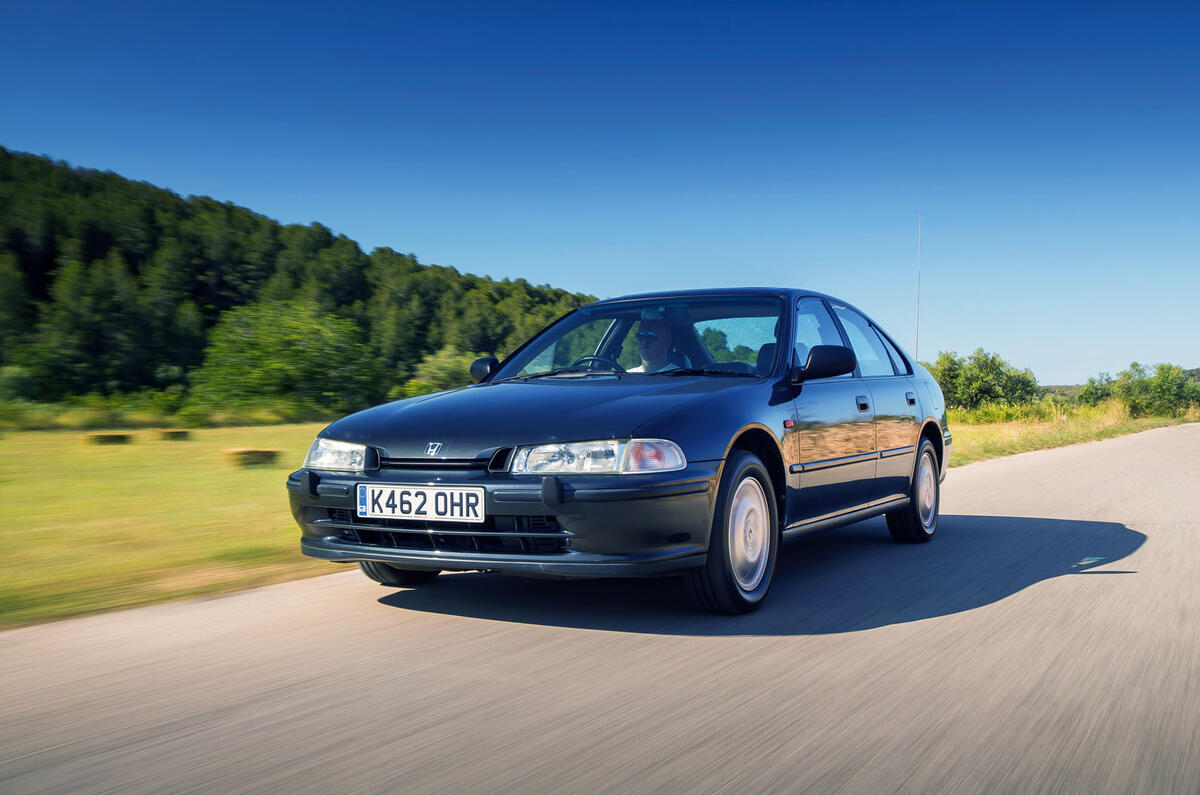
Back in 1990 Honda was selling 155,000 cars in Europe, compared with Nissan’s 371,000, Toyota’s 340,000 and Hyundai’s 18,000. After opening in 1992 with the Accord, the Swindon factory steadily boosted sales, rising to 225,000 in 1998.
These were not easy years, however. BMW acquired Rover, rivals such as Hyundai were moving faster and Honda’s own diesel engine was a decade from production. In the meantime, it bought in its oil-burners from Rover.