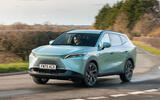
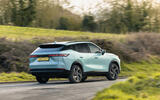
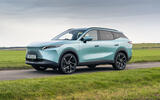
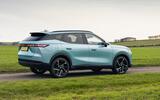
Latest temptingly priced SUV from Chinese giant Chery is a 4.7m-long plug-in hybrid

Think of Chinese newcomers to the UK market and you will probably think of electric cars, but the ranges of BYD, MG and those in the Chery stable of brands have been rapidly filling up with plug-in hybrids as well.

The latest is the Omoda 7, and while it may look like another brand-new yet familiar-looking family crossover, Chery is making great strides with its products while keeping them cheap. It’s one to watch.

Advertisement

DESIGN & STYLING

Omoda 7 review 2026 002

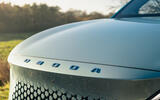
It's hard to keep track of all the Chinese brands, but Omoda is an upper-mainstream brand of Chery, alongside Jaecoo, Chery itself and Lepas.

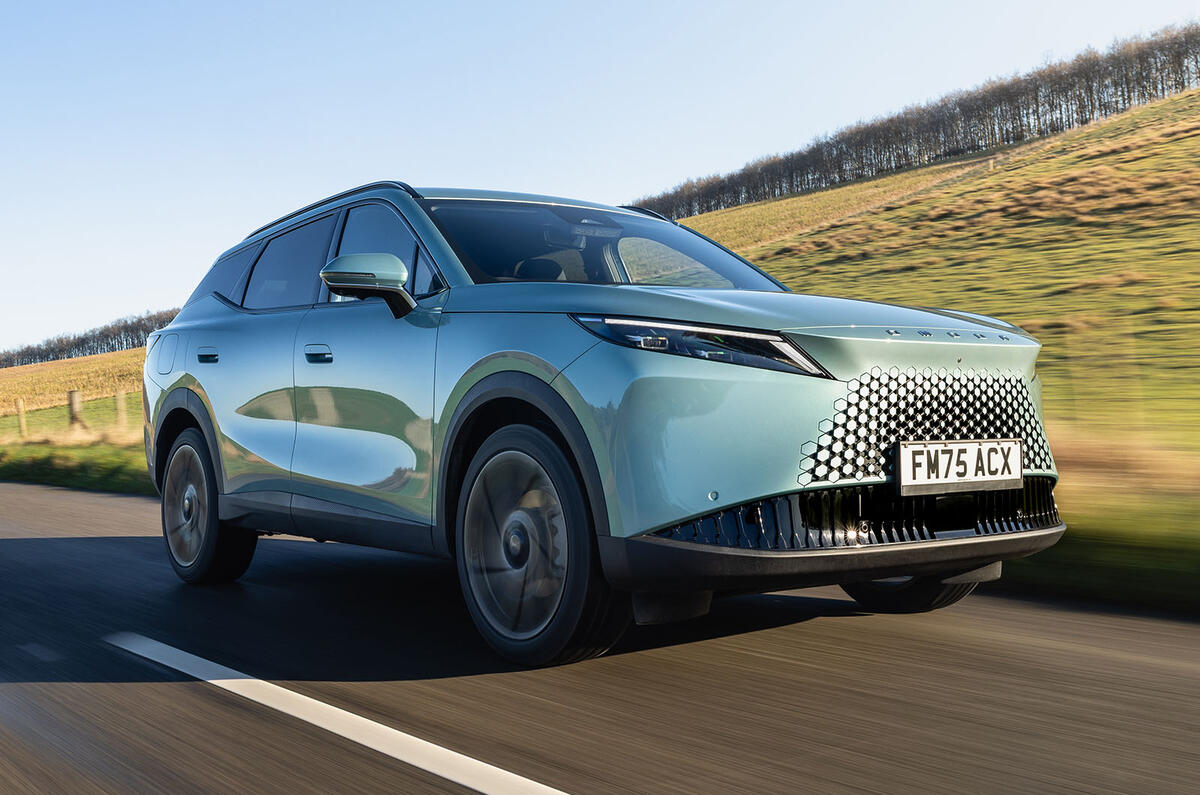
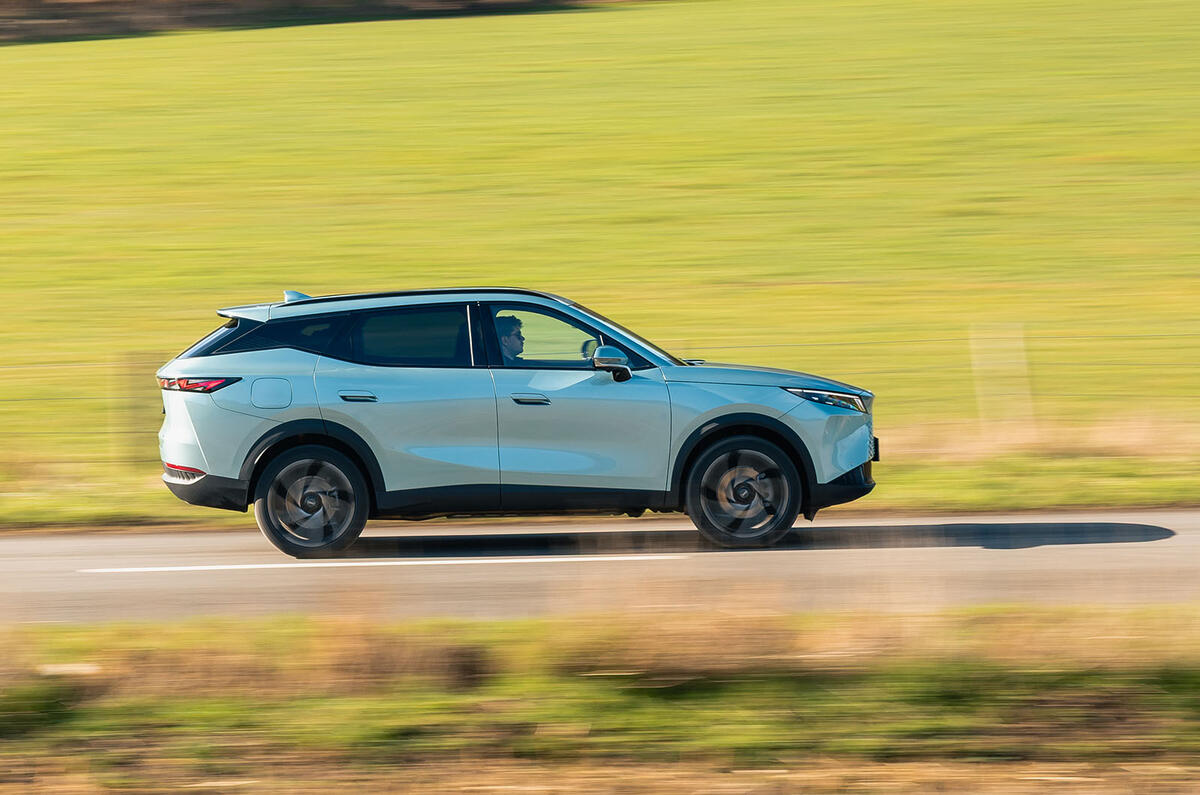
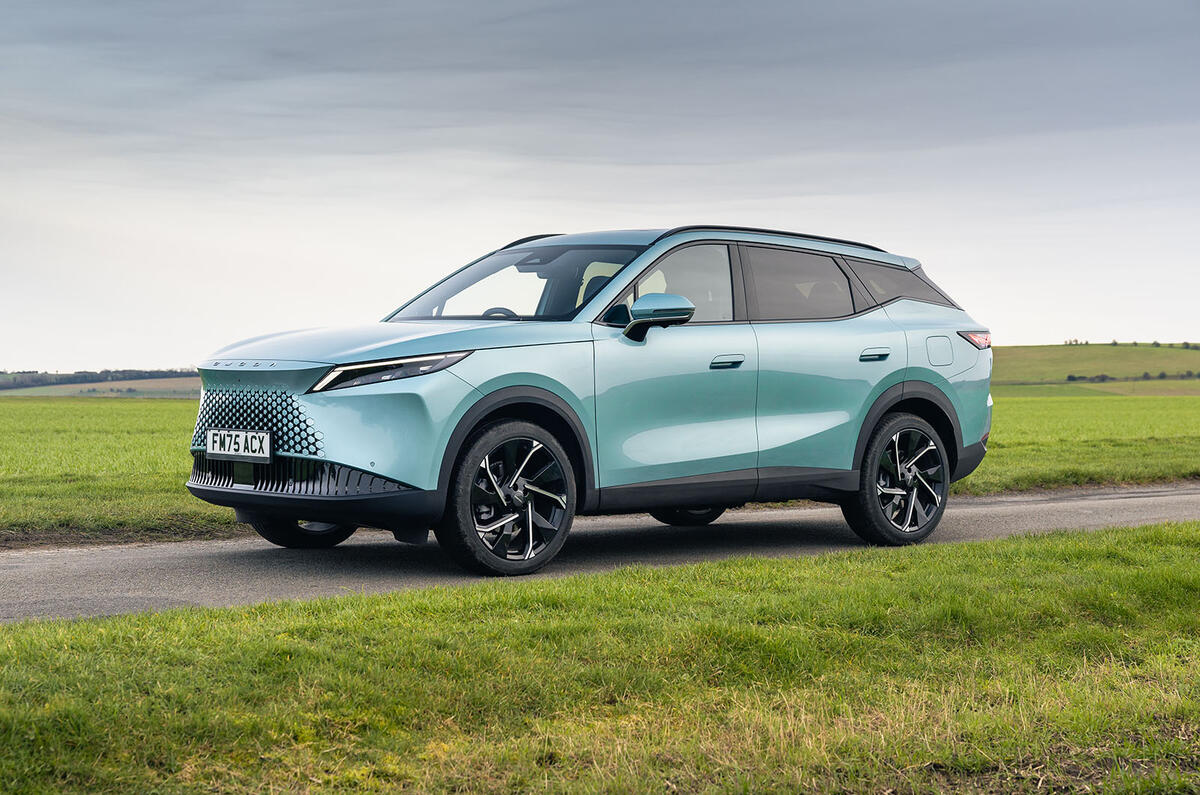
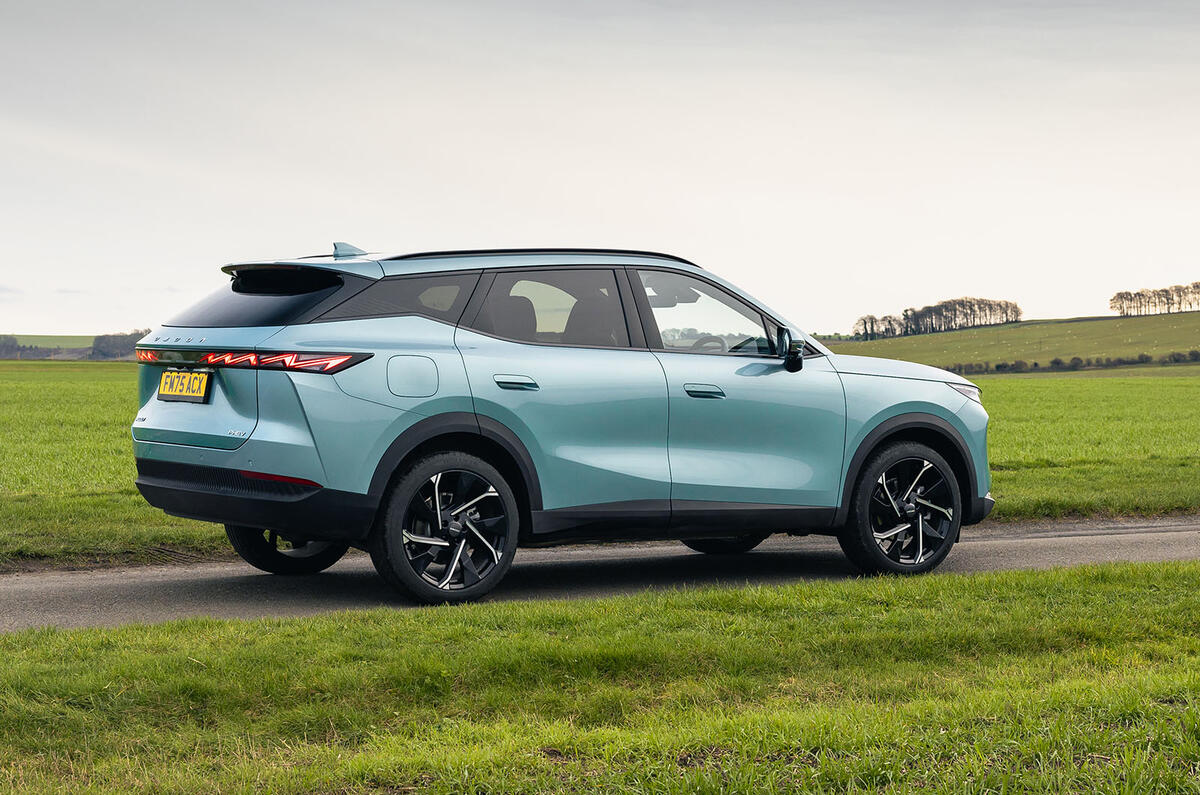
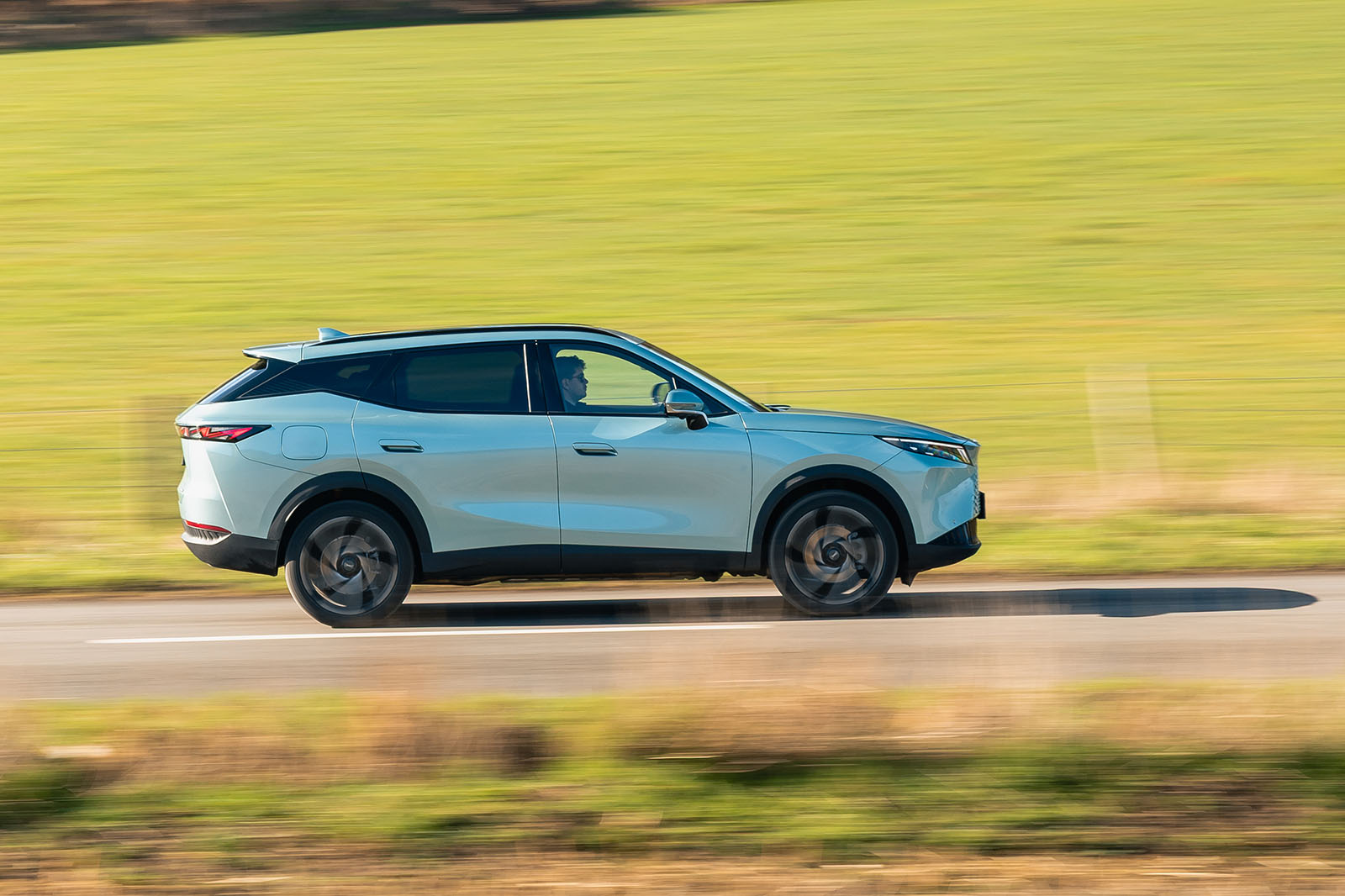
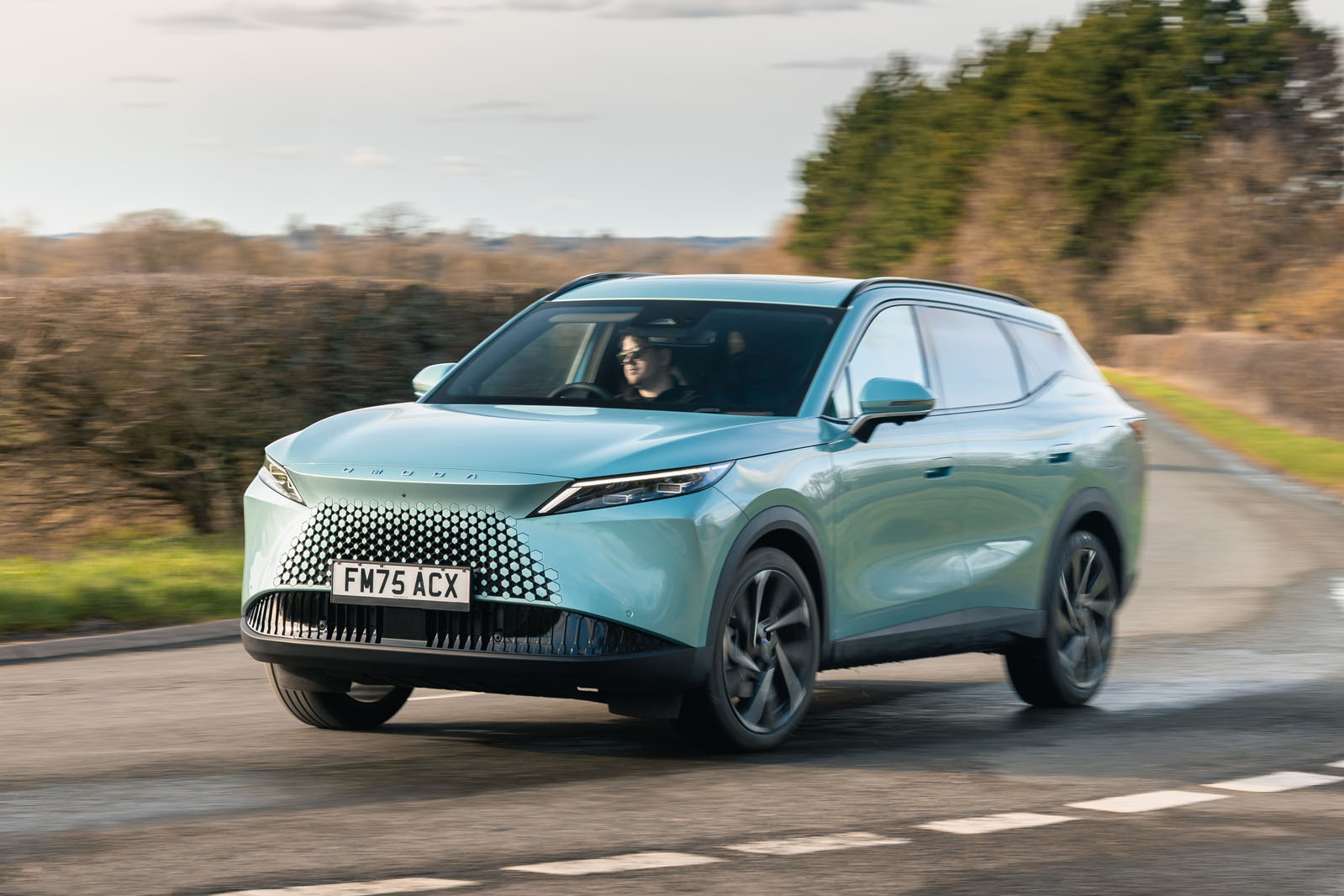
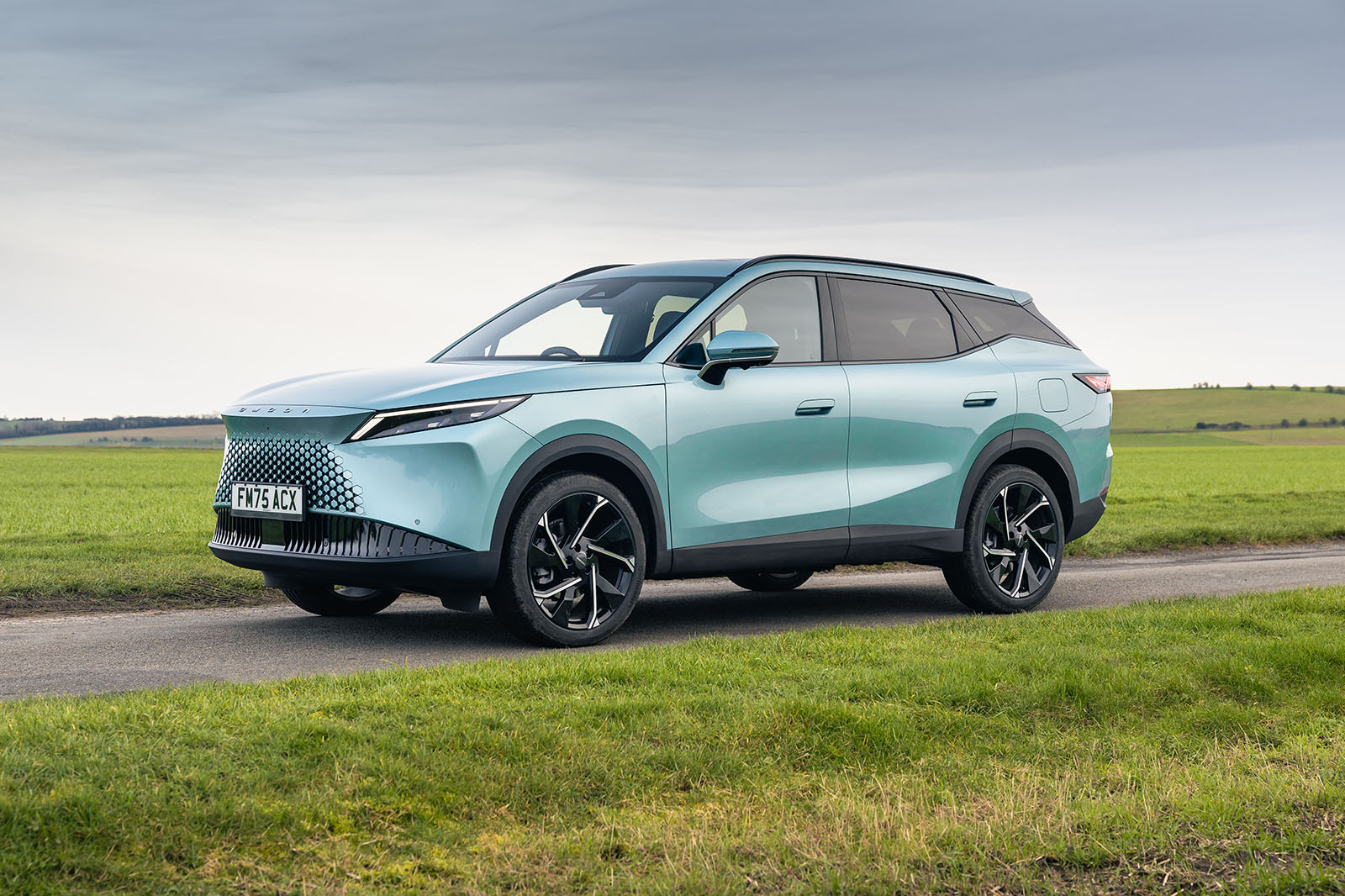
It’s all much of a muchness, but in short, the Omoda 7 is a 4.66m-long family SUV in the mould of the Hyundai Tucson, Volkswagen Tiguan and Renault Austral.

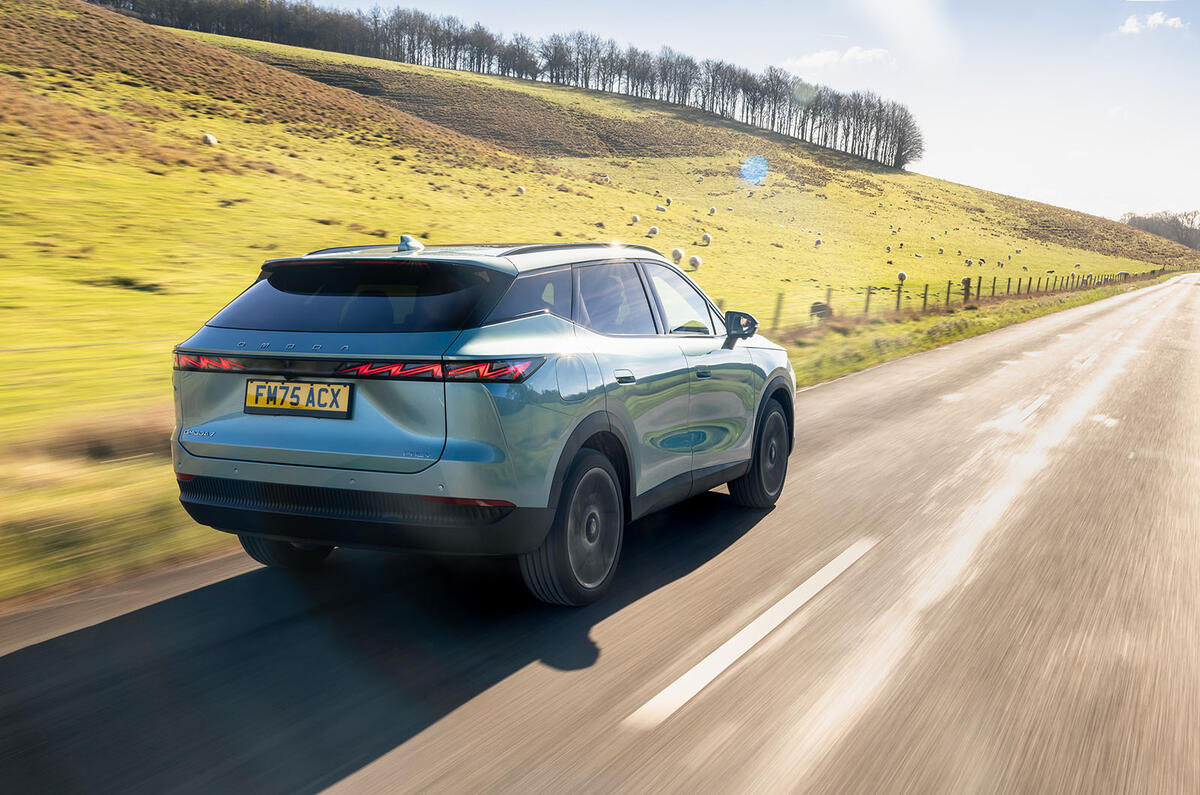
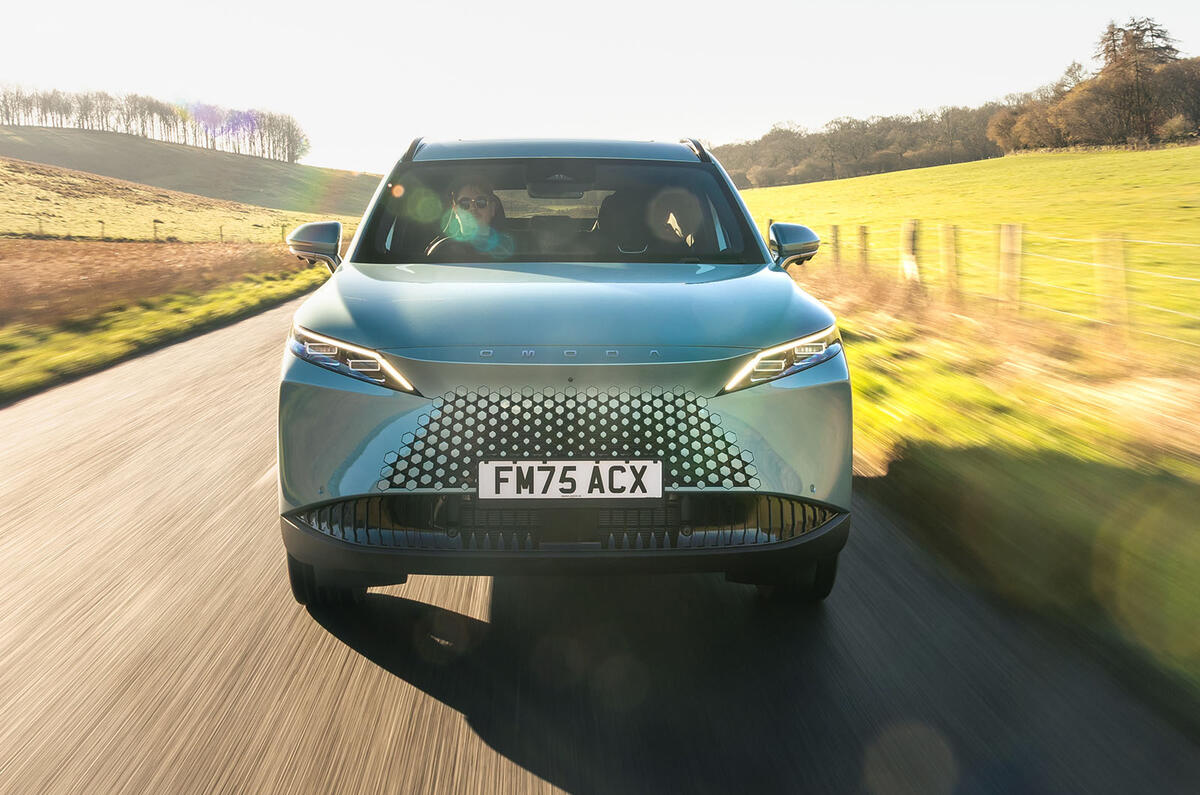
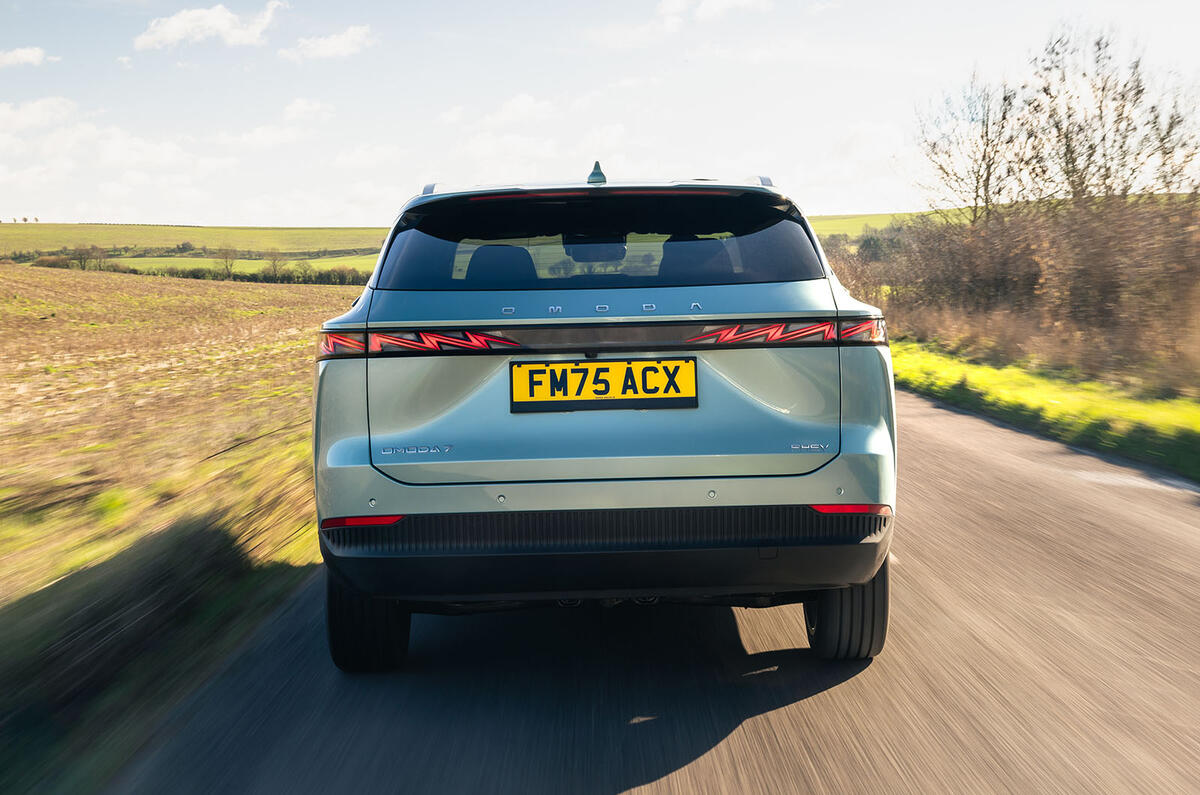
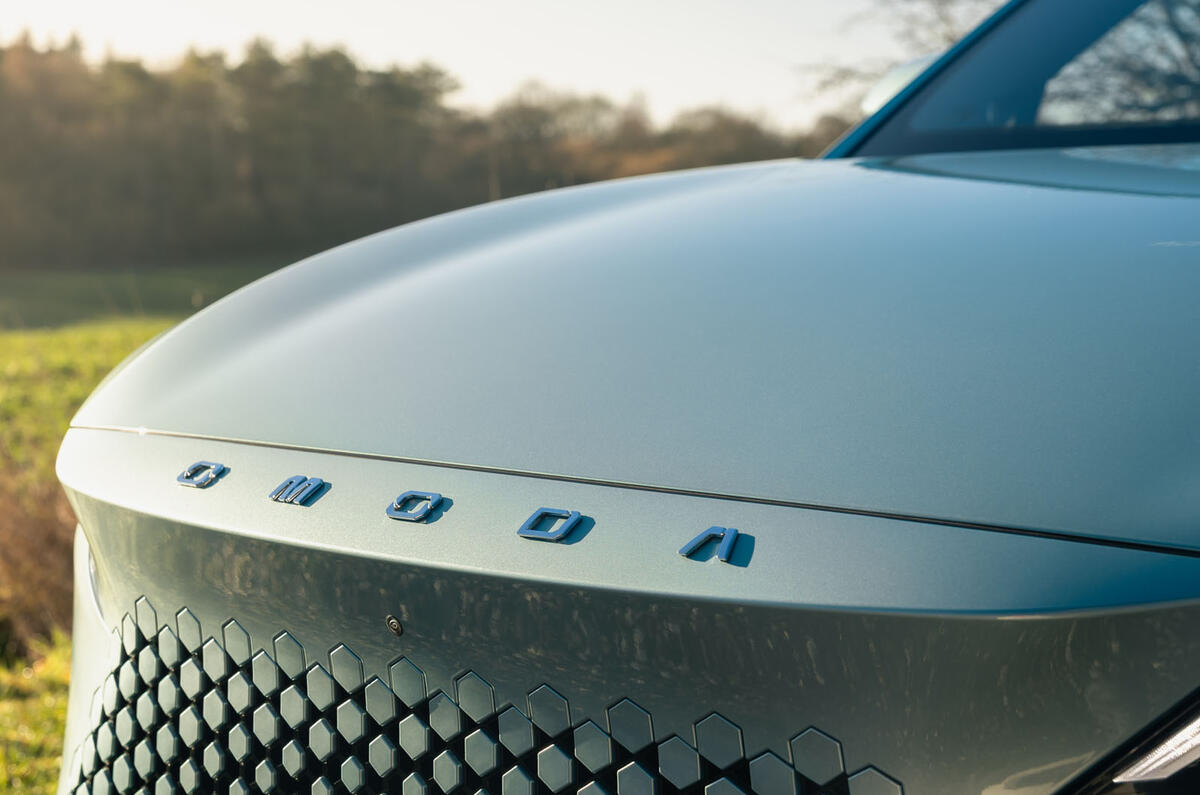
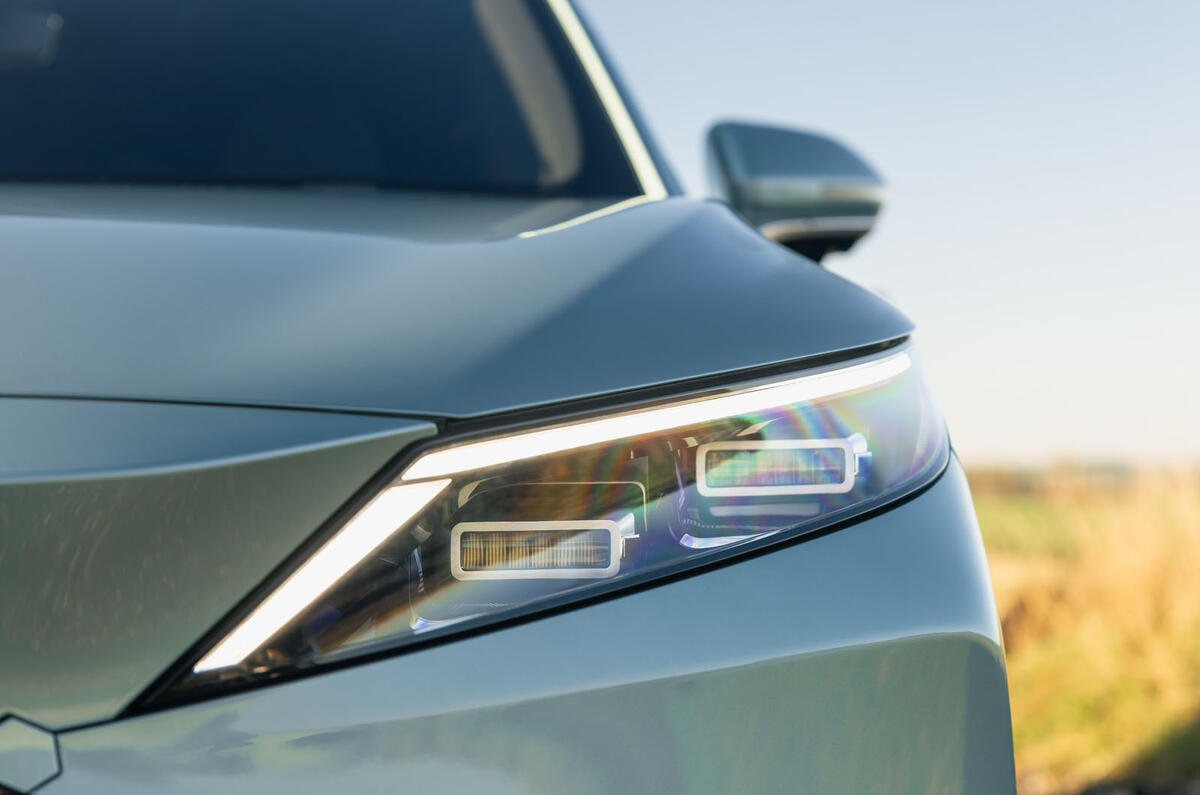
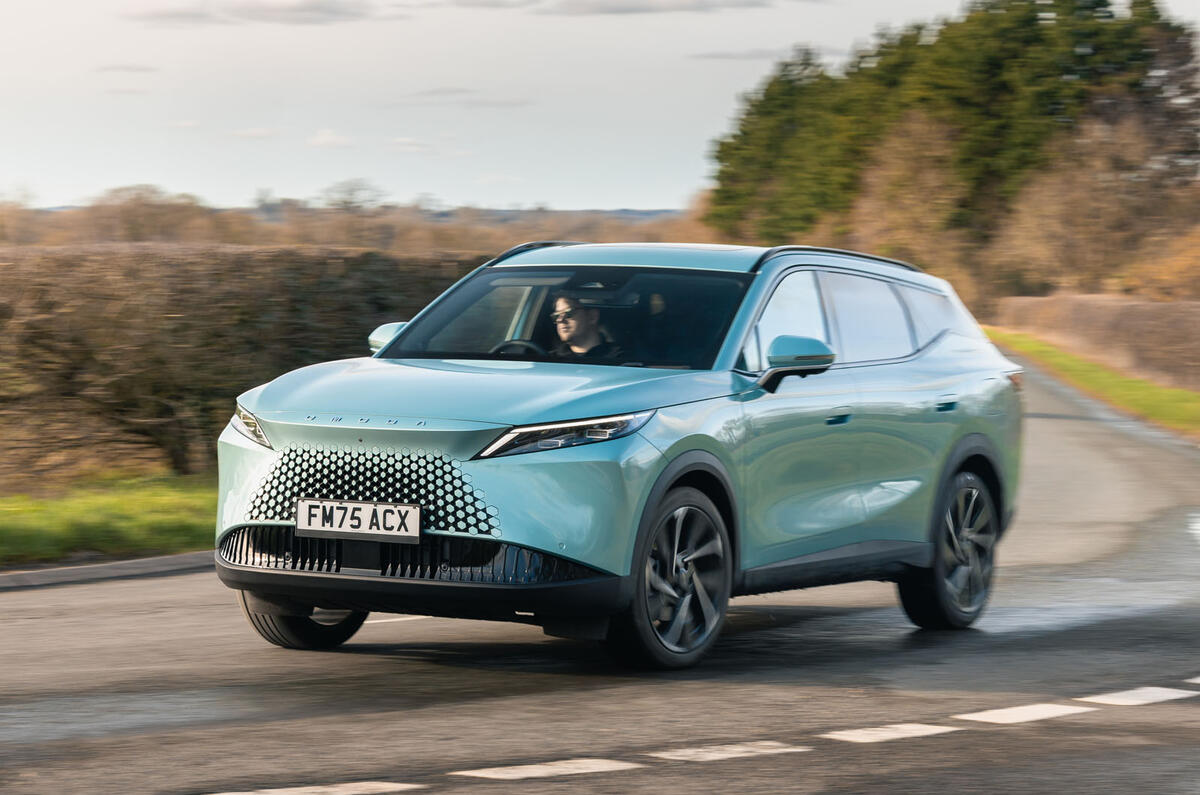
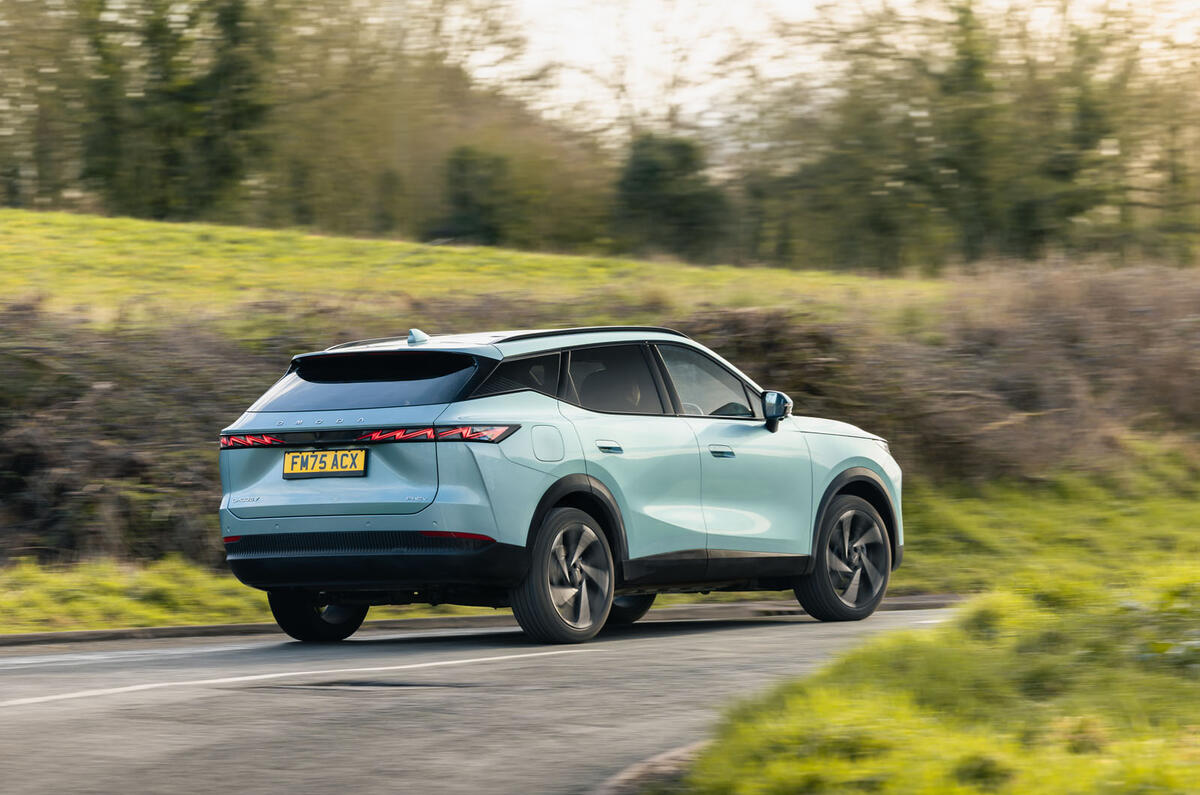
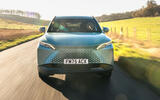
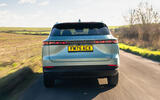
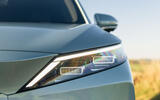
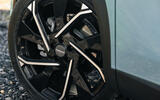
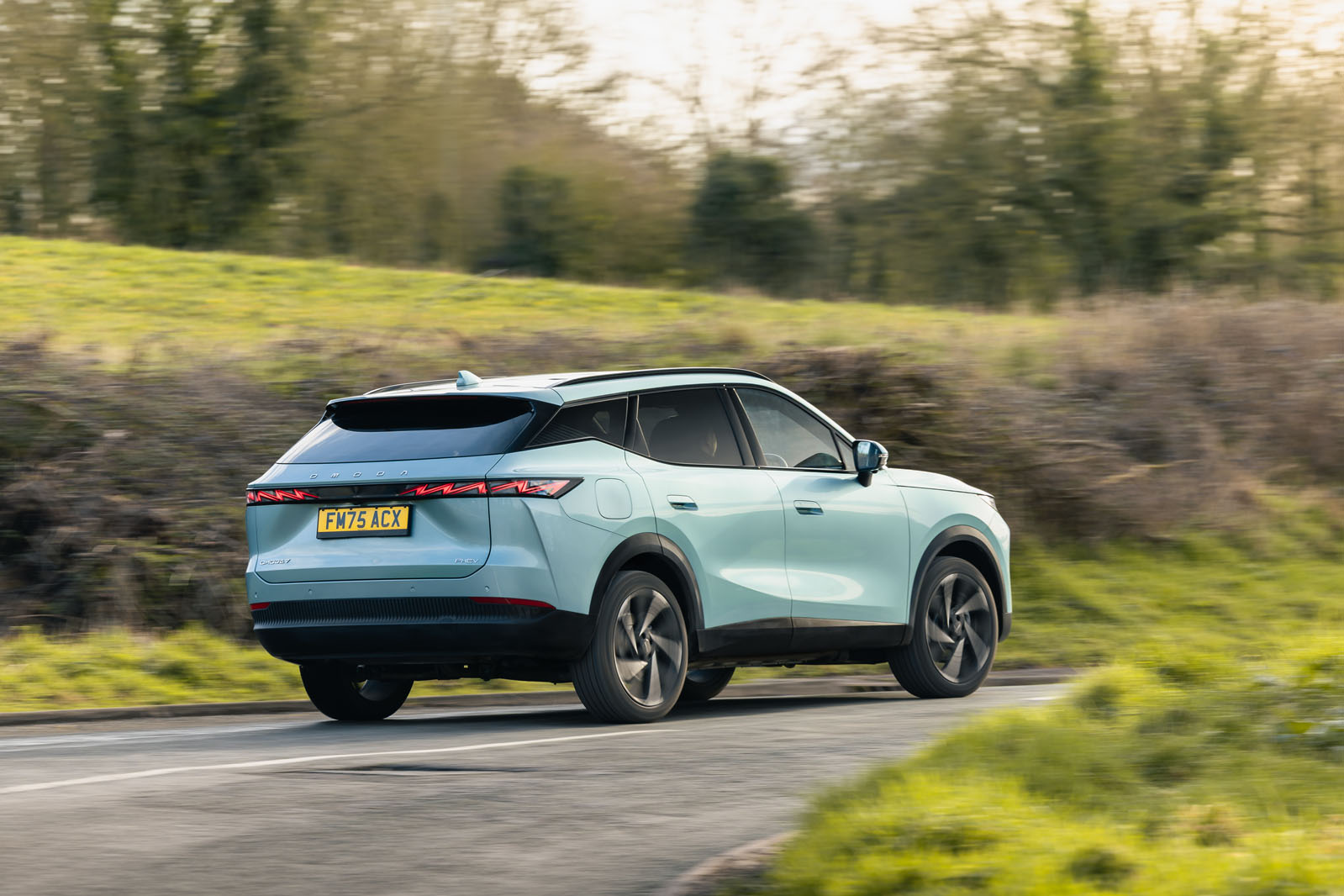
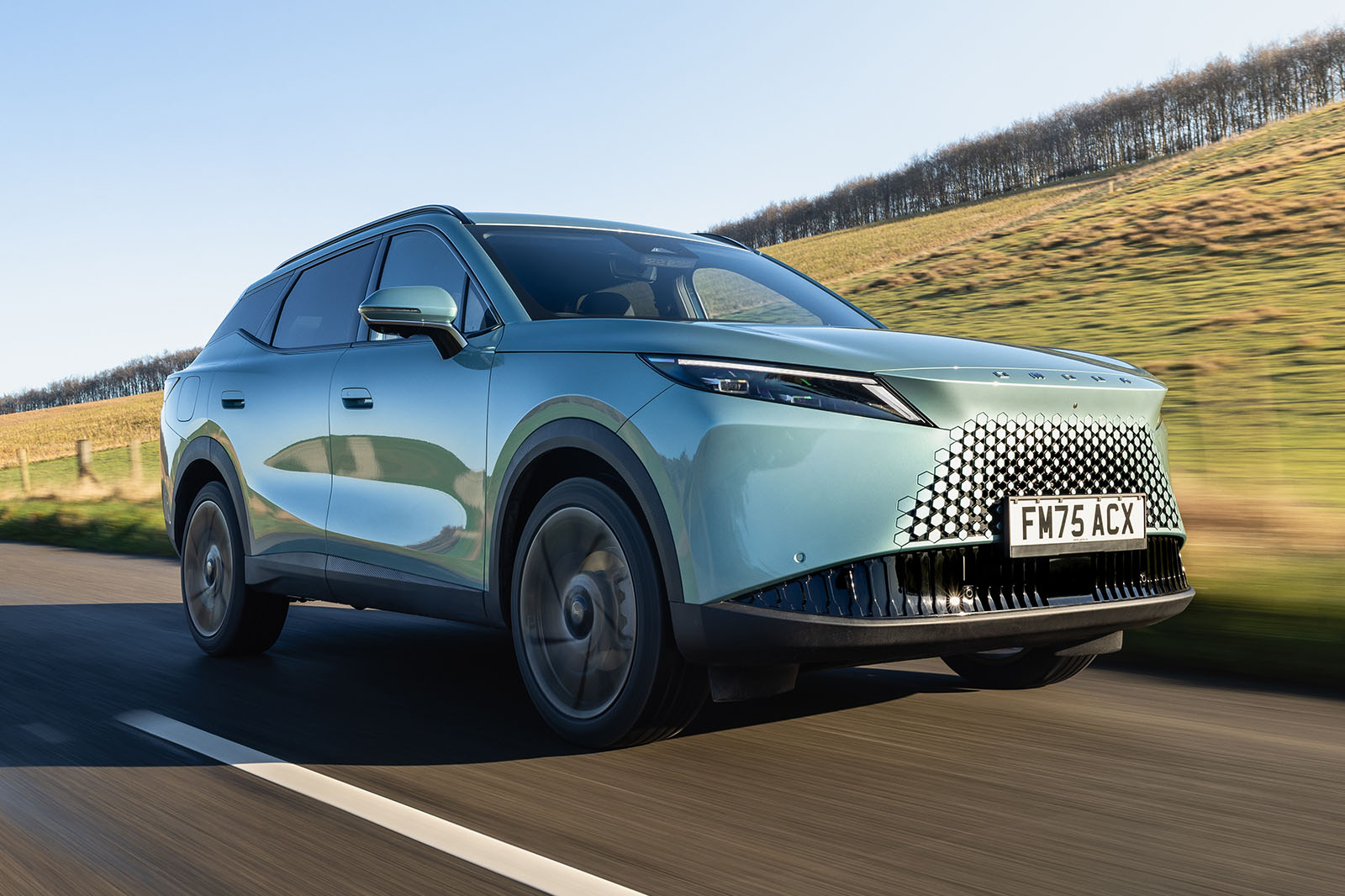
Okay, it doesn’t look particularly distinctive, despite supposed input from Chery’s German design studio. There’s a lot of Lexus RX in that busy side profile and ‘borderless’ front grille and the rear looks a lot like a Range Rover Velar with some squiggles in the lights.

But look, it’s a PHEV with 56 miles of electric range from £32k. Hyundai wants £39k for a Tucson PHEV with far less range, while the Tiguan eHybrid offers 75 miles but costs £43k. It’s hard not to take notice.

The Super Hybrid System (SHS) is a Honda e:HEV-stlye transmission concept, where the turbocharged 1.5-litre four-cylinder petrol engine mostly just drives a generator but can clutch in for high-speed cruising.

There’s also a £29,915 petrol version of the 7, with a 145bhp 1.6-litre four-cylinder engine driving the front wheels through a seven-speed dual-clutch automatic gearbox.

INTERIOR

Omoda 7 review 2026 010

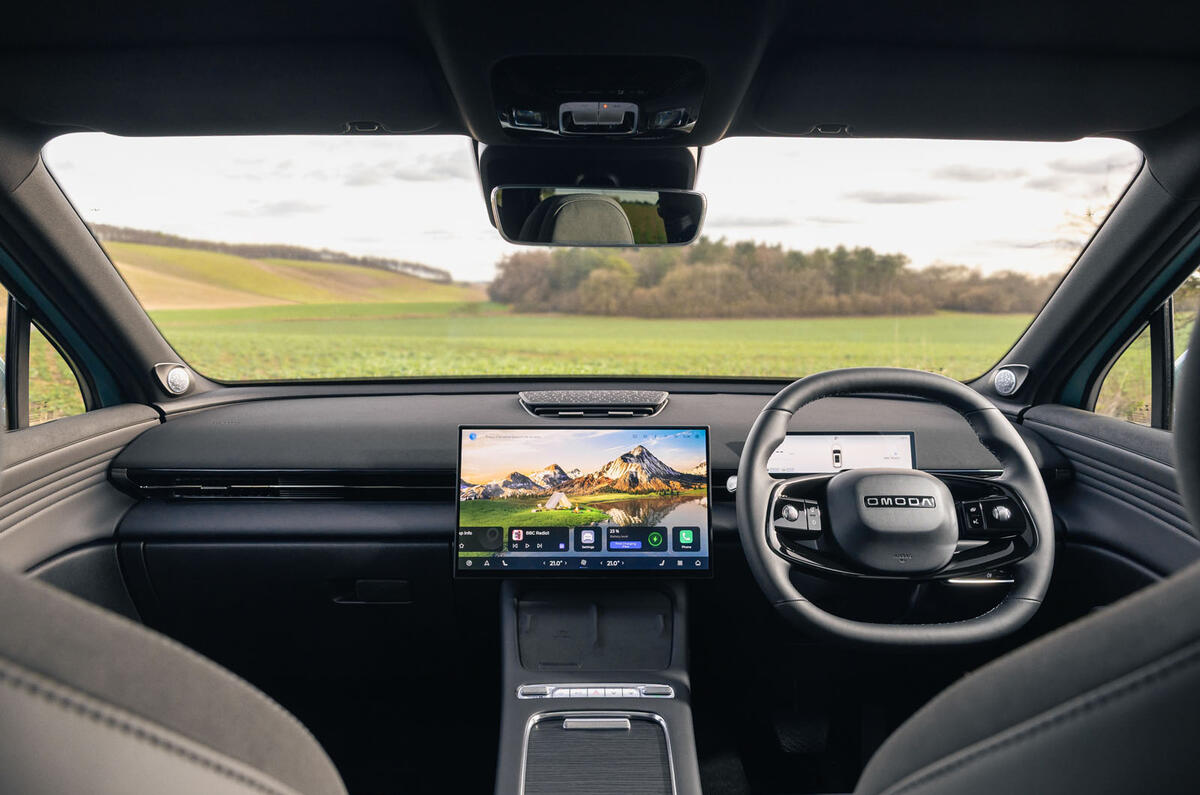
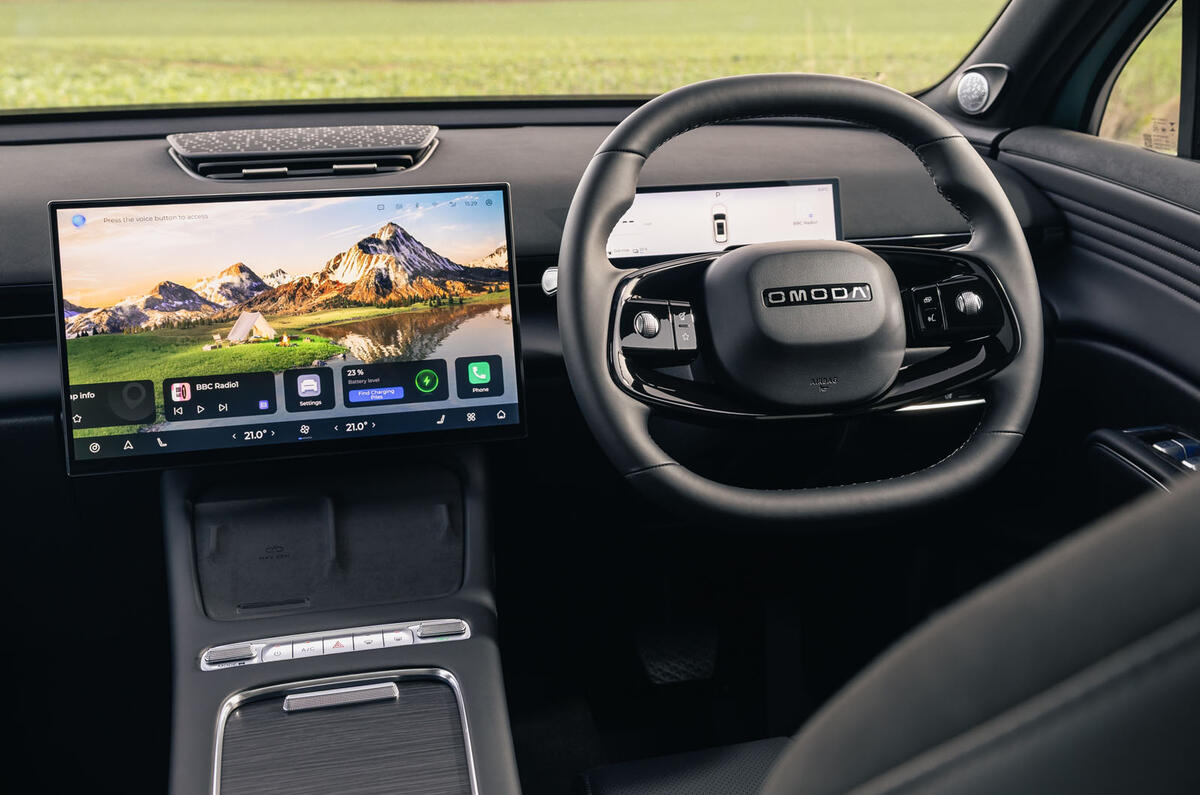
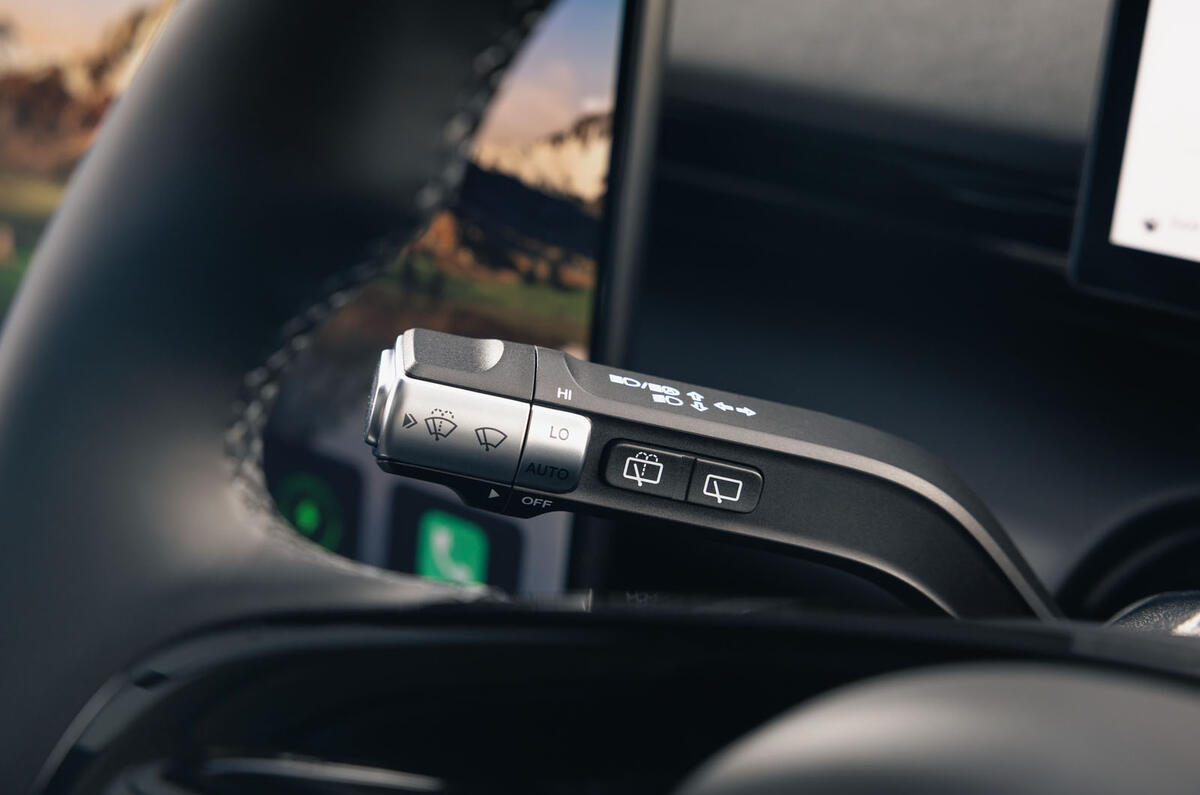
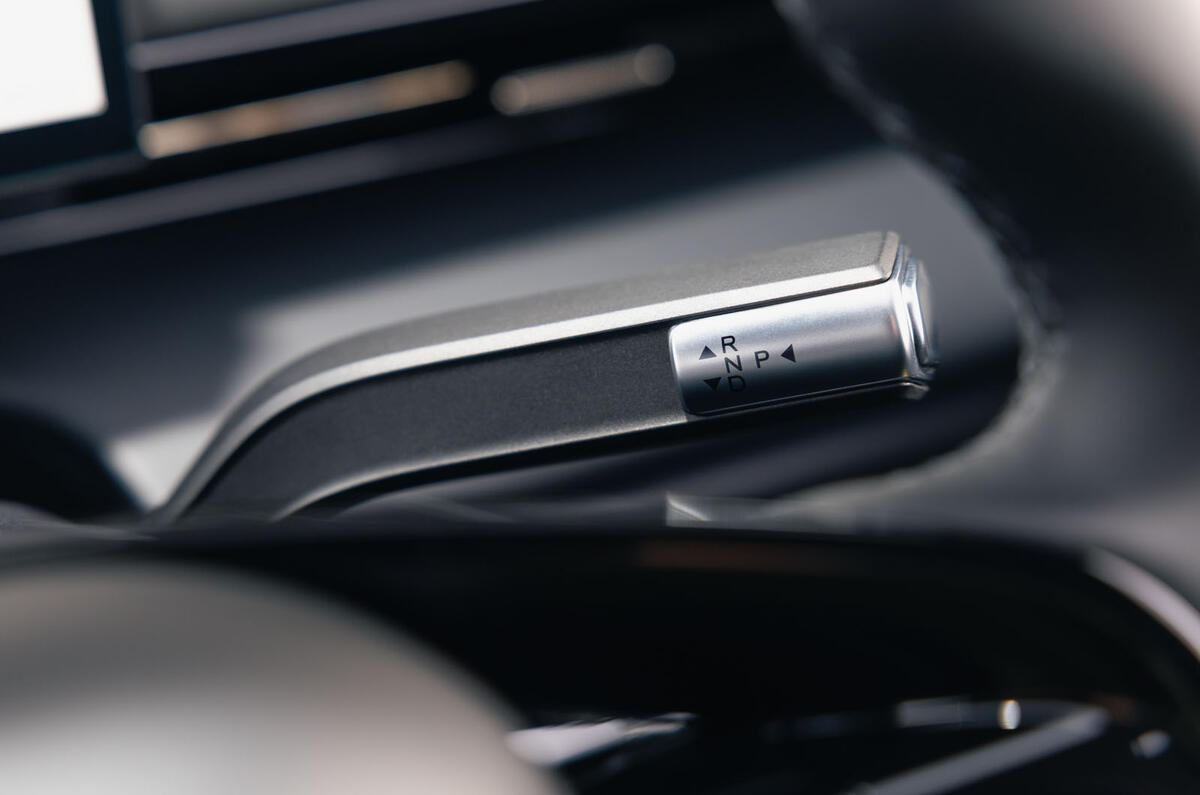
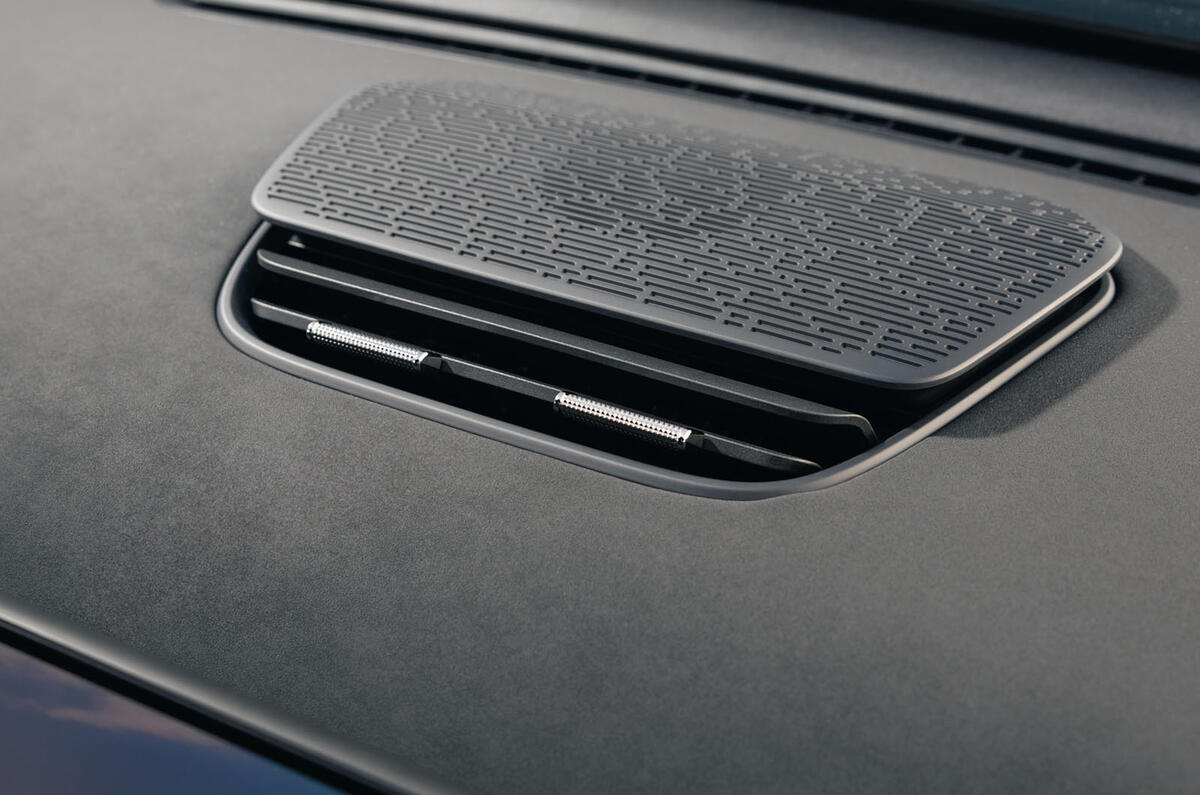
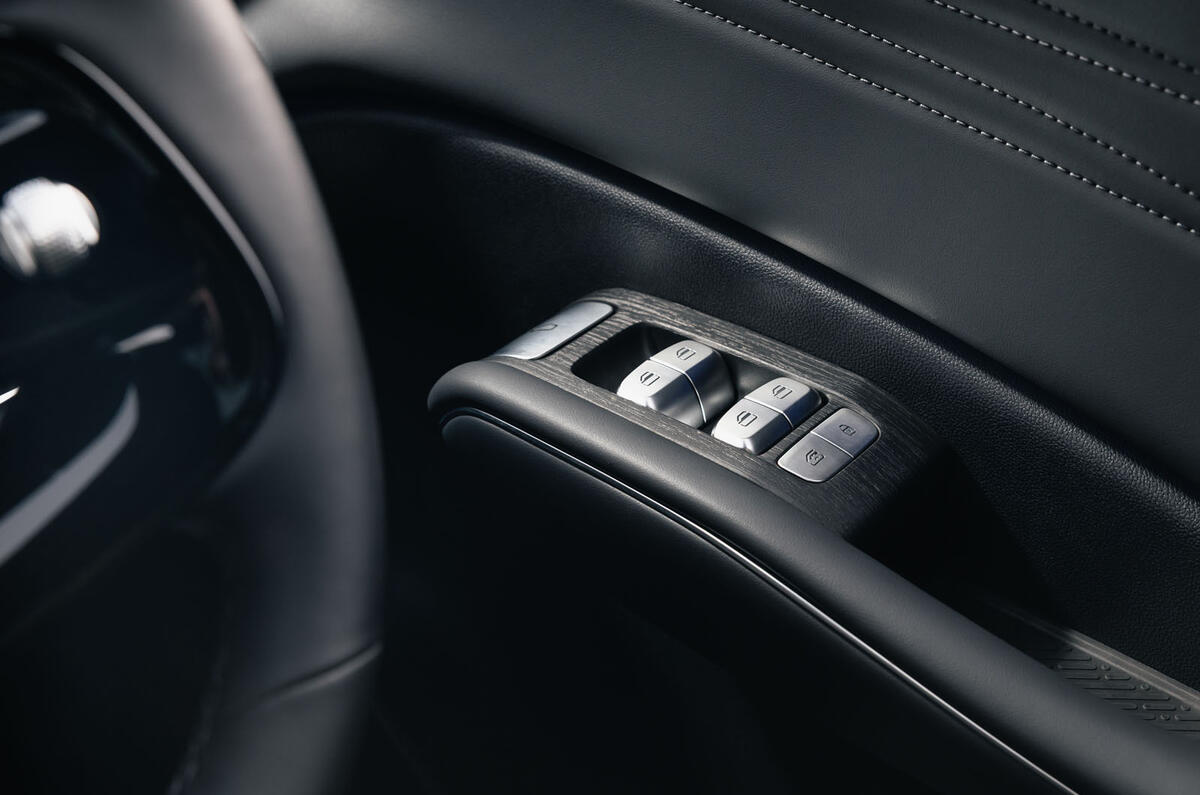
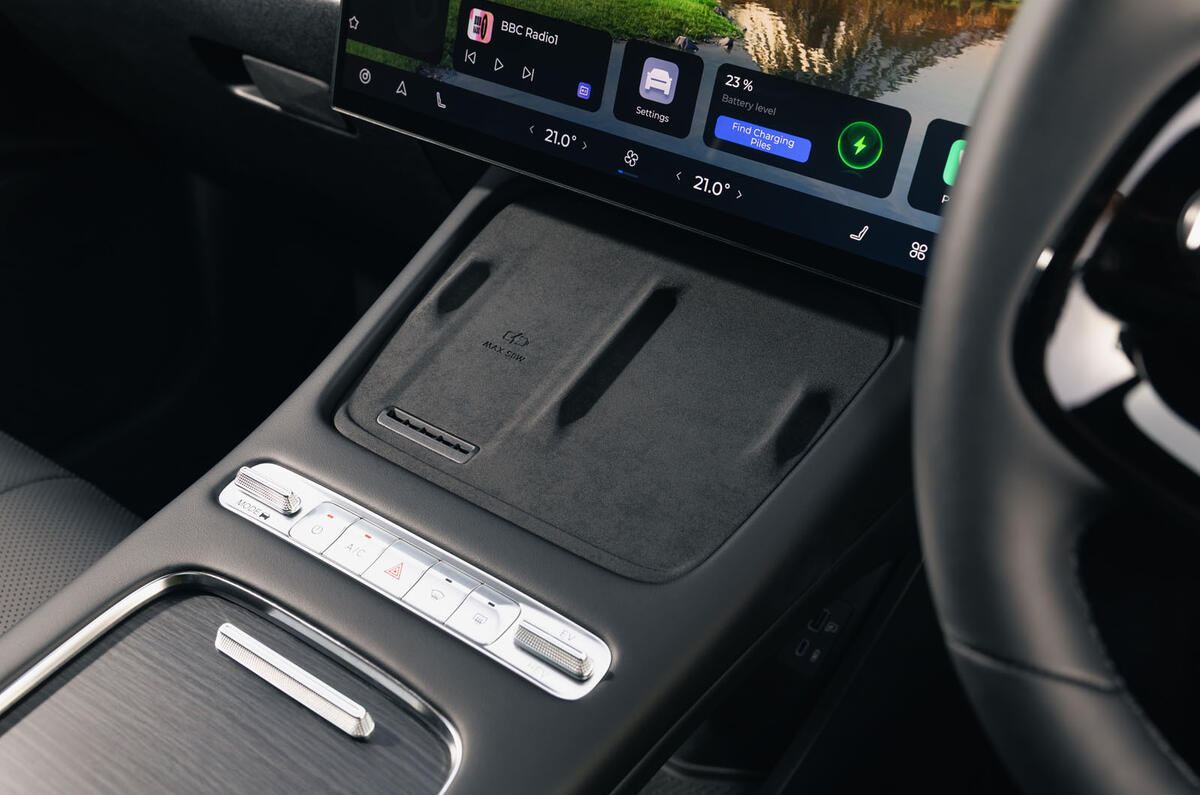
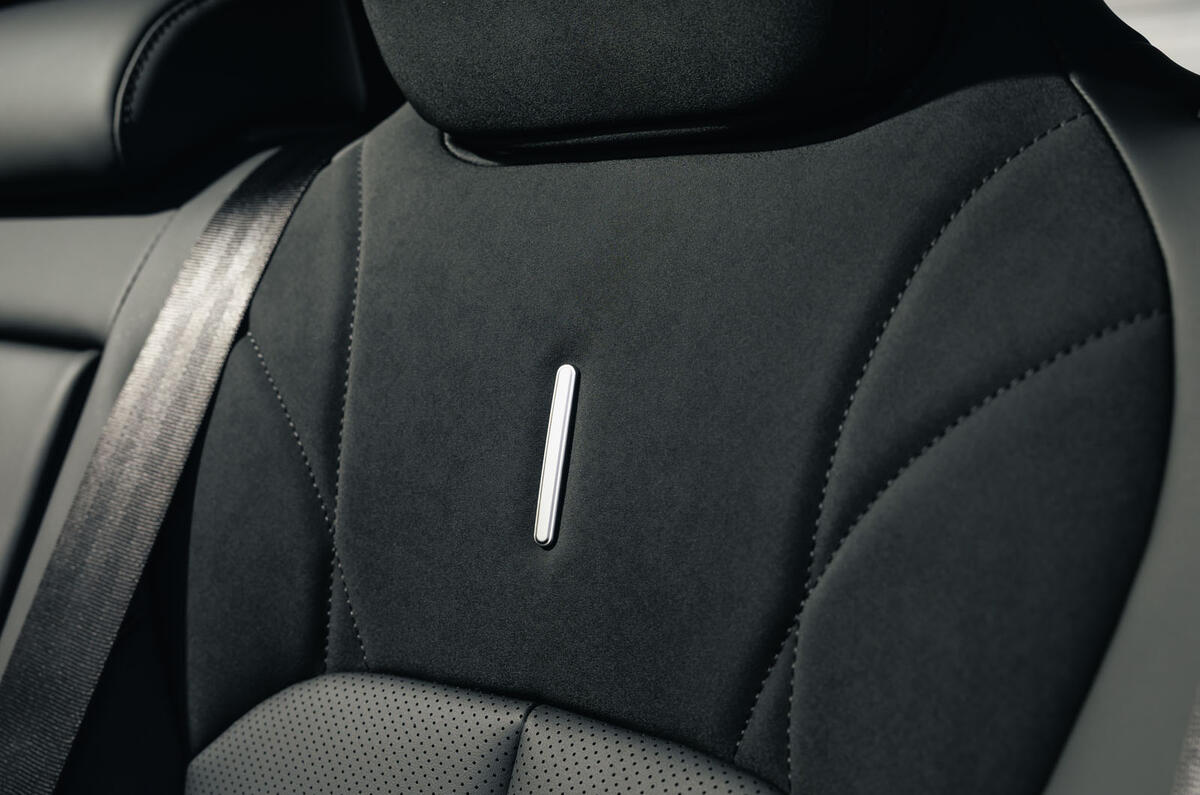
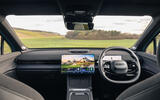
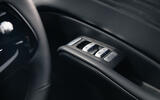
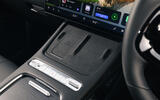
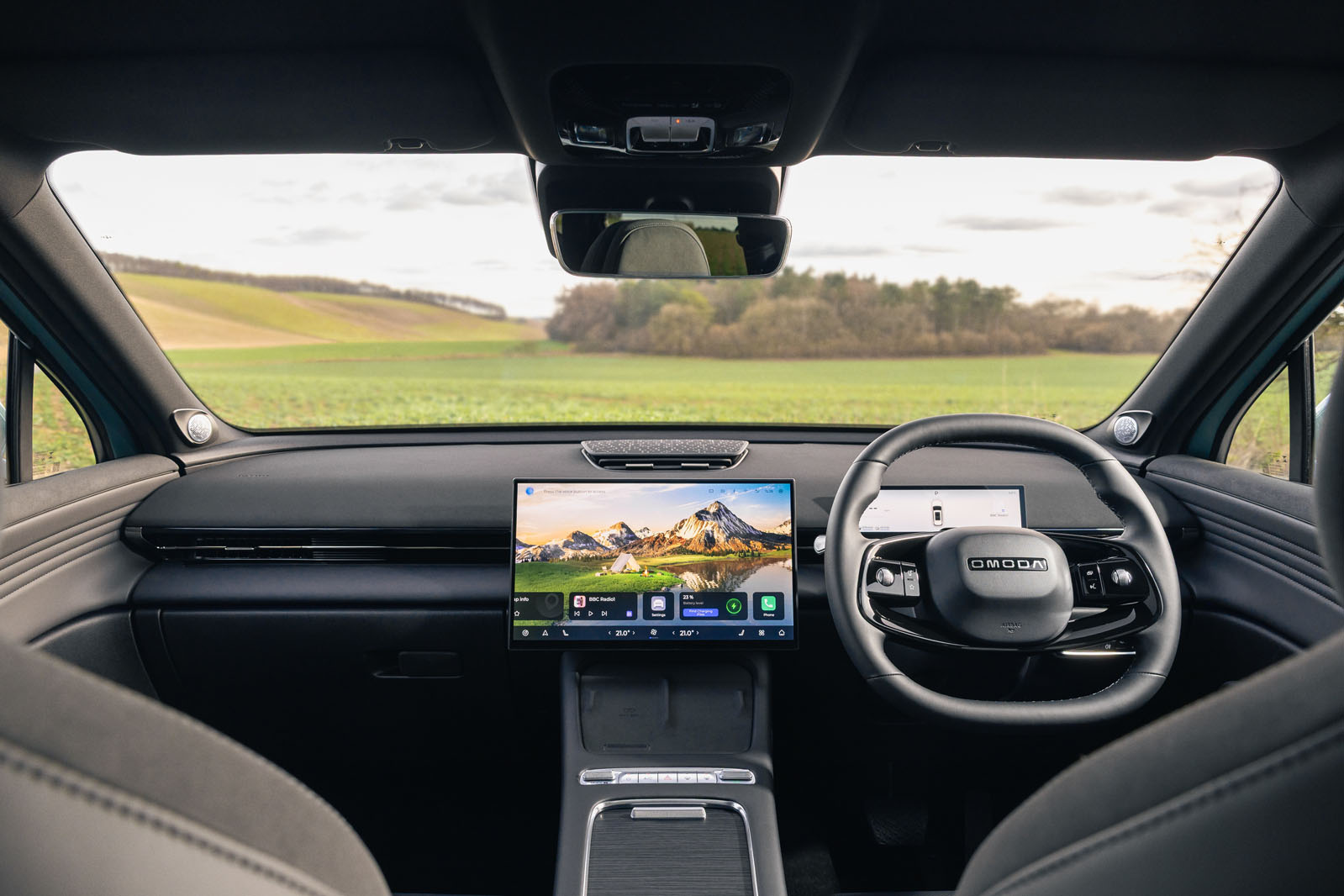
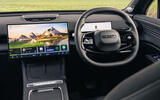
Inside, the 7 follows the Chinese-car playbook, with next to no physical controls, a big central touchscreen and lots of faux leather. It adds a bit of visual and tactile interest with some ridges and feature speakers, some fake wood and some suede-like material, but overall it’s pretty forgettable.

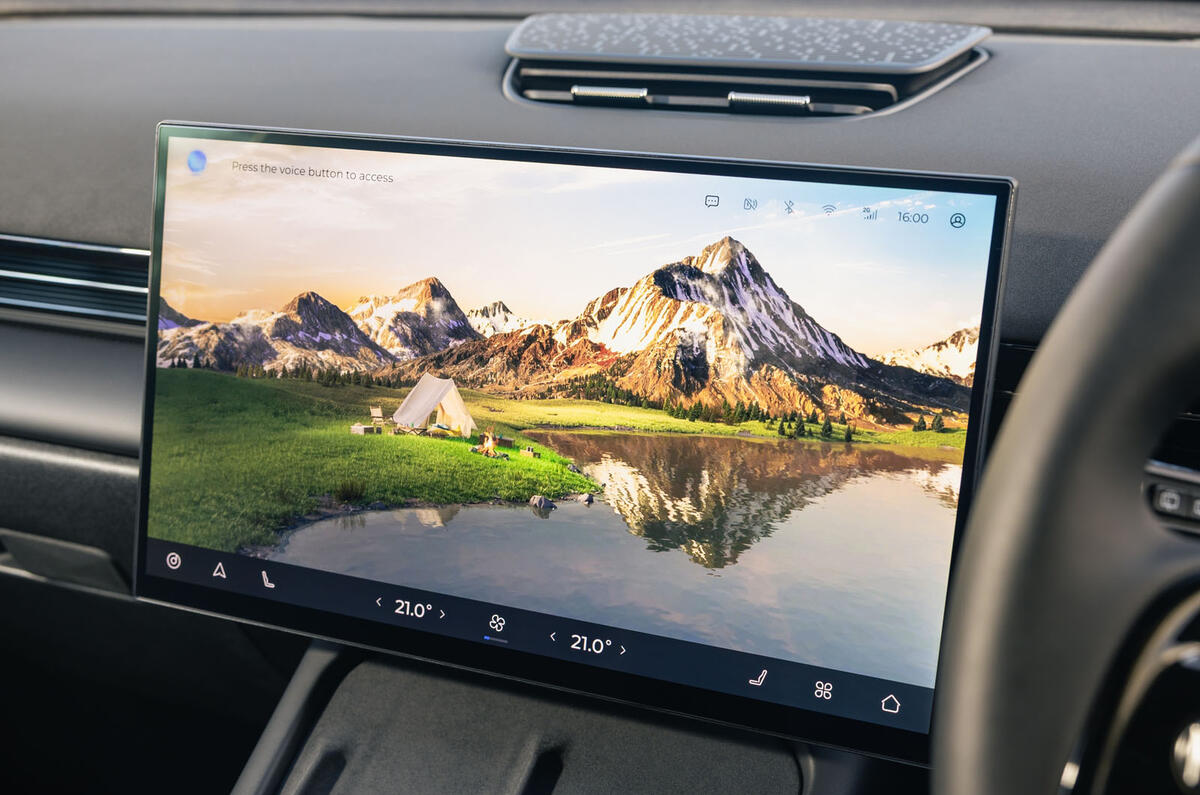
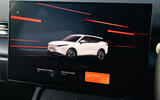
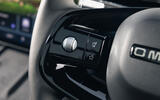
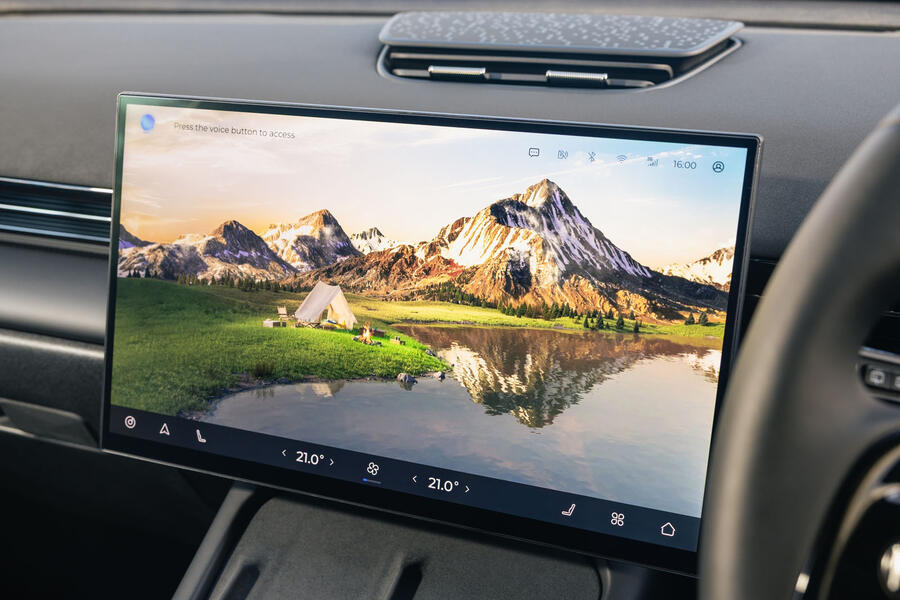
It’s slightly annoying to use, if not the worst we’ve tried. Adjusting the mirrors using the steering wheel buttons is still a silly idea and the touchscreen interface suffers from the usual lack of hierarchy that we’ve observed in many Chinese cars. But there’s wireless smartphone mirroring, the lower control bar for the climate control and essential features is permanent and there’s a pull-down menu that offers some customisable shortcuts.

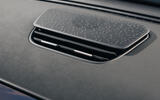
The Omoda 7 has a fragrance-dispensing system, like some Mercedes. You can pick between three moods, but all of them are more Febreze than Chanel. Still, better than the plasticky vinyl smell you get in the smaller Omoda 5.

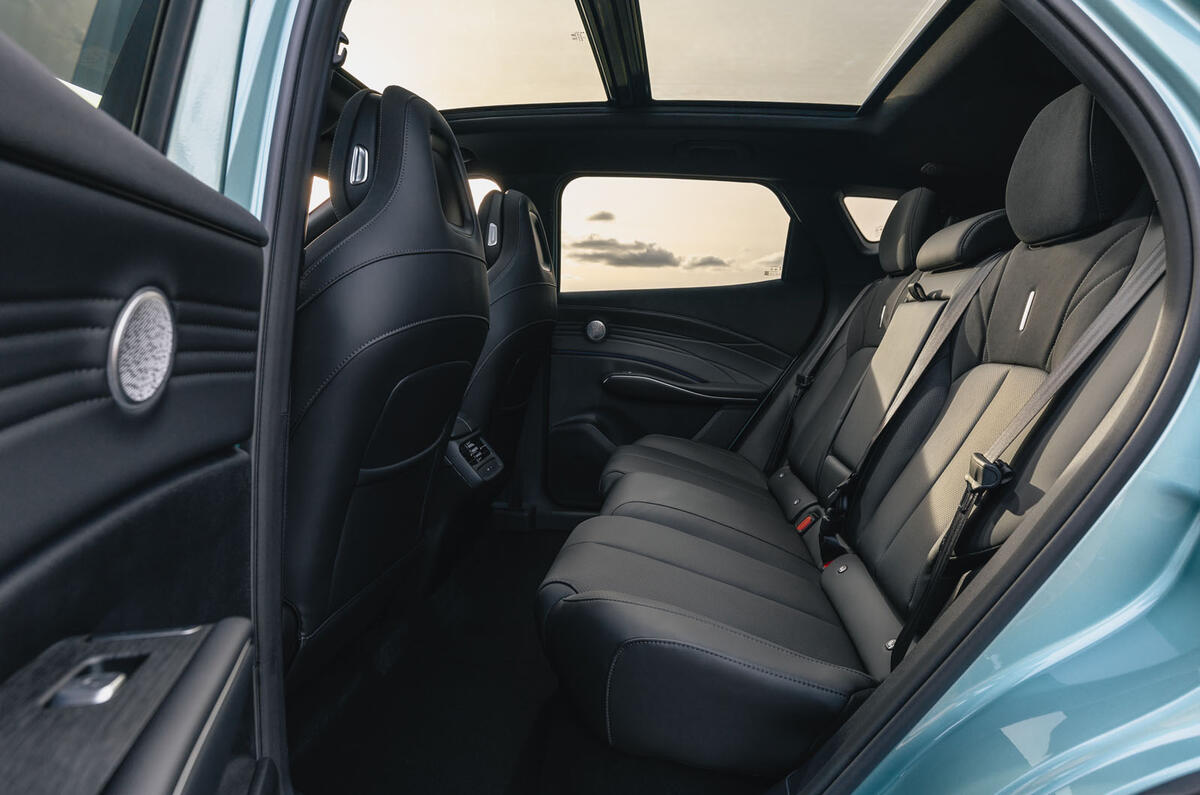
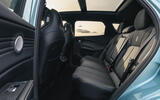
The 7 offers class-competitive space in the back and in the boot. We suspect Omoda’s 590-litre claim for the boot might use an optimistic measurement method, because to us it looks smaller than the 580-litre one in the Citroën C5 Aircross. It’s still spacious, though.

If you choose the slightly more expensive Noble trim, you won’t be short of equipment, since it adds ventilated seats, lumbar support, an opening panoramic sunroof and a 12-speaker sound system.

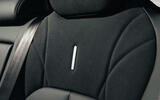
However, it won’t change anything about the seats, which are plain uncomfortable: they’re set very high and have a short and flat cushion that can’t be adjusted.

ENGINES & PERFORMANCE

Omoda 7 review 2026 023

Clearly Chery is not to be underestimated as a maker of PHEVs, because the powertrain in the 7 is quite impressive. Two hundred horsepower and a 56-mile electric range aren't game-changing numbers, but the seamless way it delivers its power is up there with the best.

The 1.5-litre engine is all but inaudible, even if the battery is flat and you floor it to get up to motorway speed. Because there are no gears, there’s no hesitation but plenty of performance. By and large it feels like an EV.

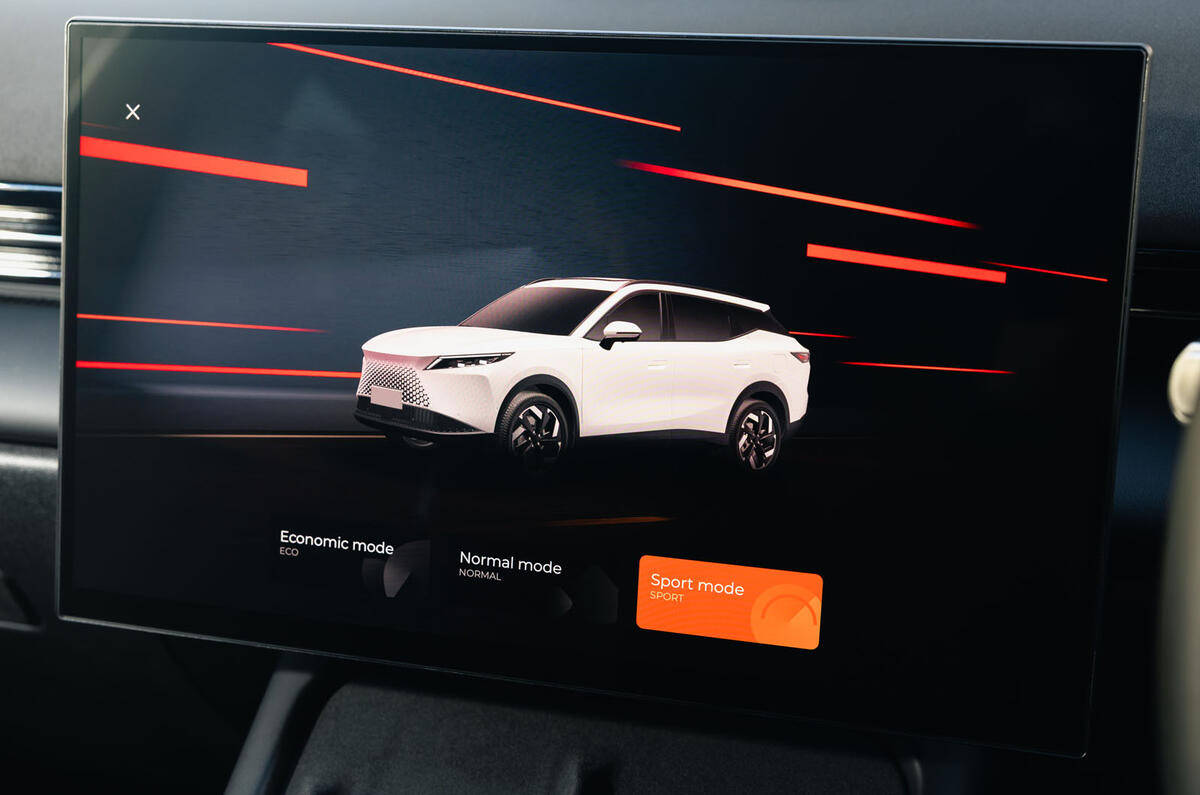
It’s possible to set the level of regenerative braking in the touchscreen, but we kept it in the gentlest, free-wheeling mode, because it still regens on the brake pedal and this is the only way to drive this car smoothly. The heavier regen settings kick in with a delay, making the deceleration difficult to control. We’ve no particular complaints about the brake pedal feel, though.

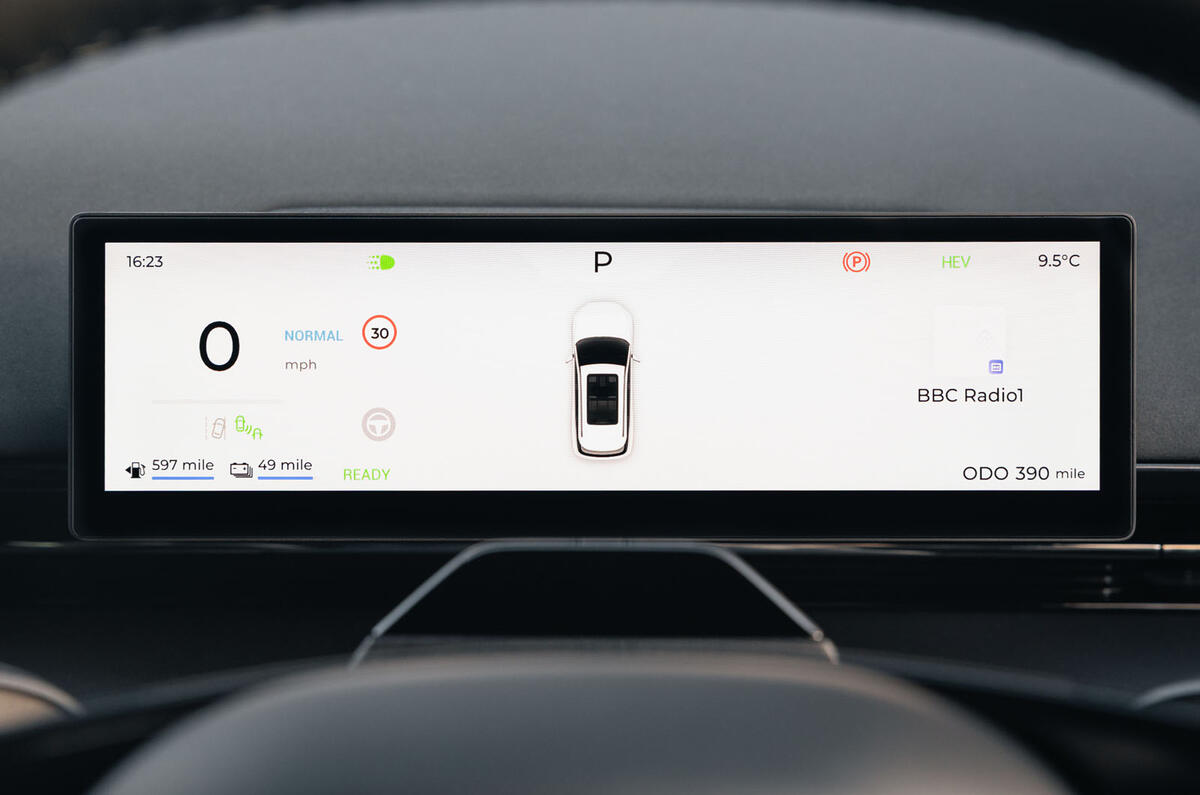
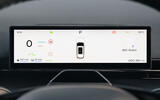
One annoyance that we’ve observed in other Chery PHEVs is that the range readout in the driver's display is nonsense. When the battery is depleted to the point where the engine kicks in and car refuses to go into EV mode, the readout will still display nine miles. It's normal for PHEVs to reserve some battery capacity as a safety buffer and to allow them to still operate as a normal hybrid, but if that capacity isn't usable in EV mode, it shouldn’t be displayed as range.

We’ve not had the opportunity to try the petrol 7 yet, but when we tried this powertrain in other cars, it was rather coarse and clunky. Of course, given Chery's rapid development, that might have changed by now.

RIDE & HANDLING

Omoda 7 review 2026 024

Omoda’s representatives were quite proud of the 7, saying it’s the best one yet. That might be the case, but then it’s also not a particularly high bar. In truth, the 7 comports itself on the road in an entirely acceptable fashion, just not one that remotely challenges the best in the class.
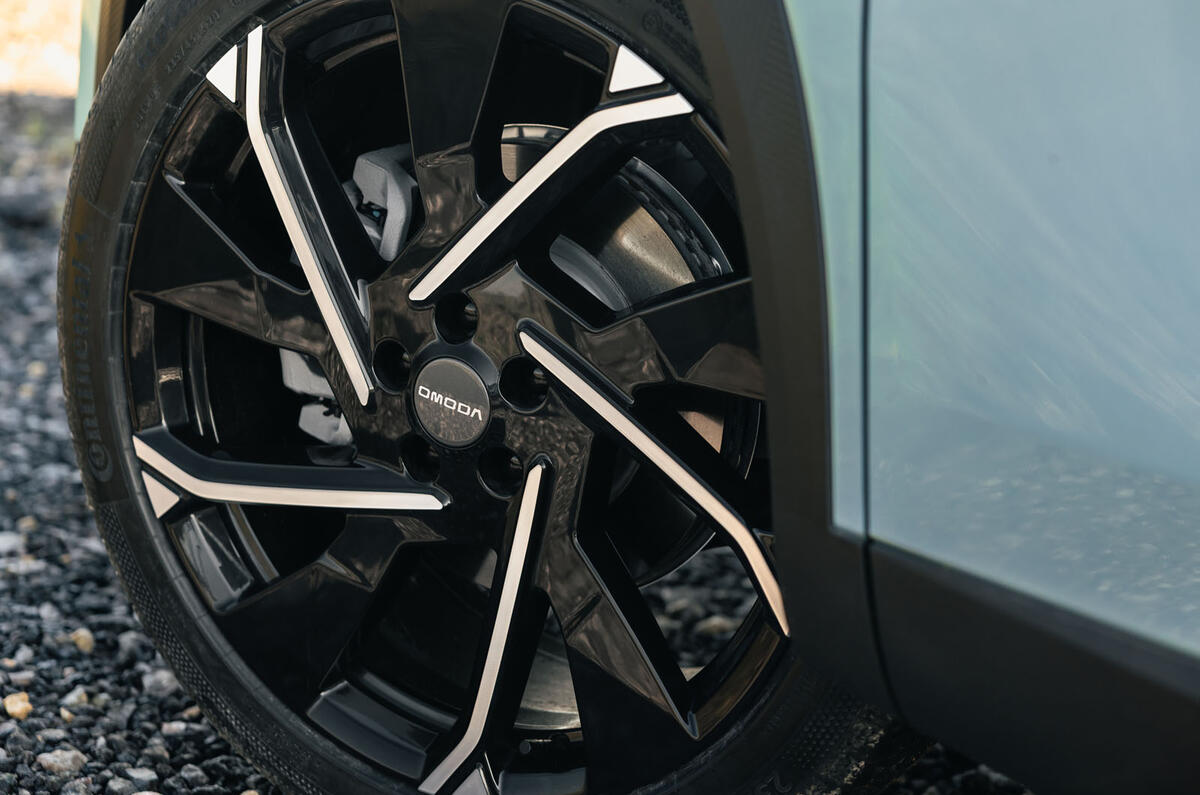
On the Continental tyres, there's plenty of grip and the steering is precise enough. The ride is soft yet easily upset by sharp intrusions, although not egregiously so.

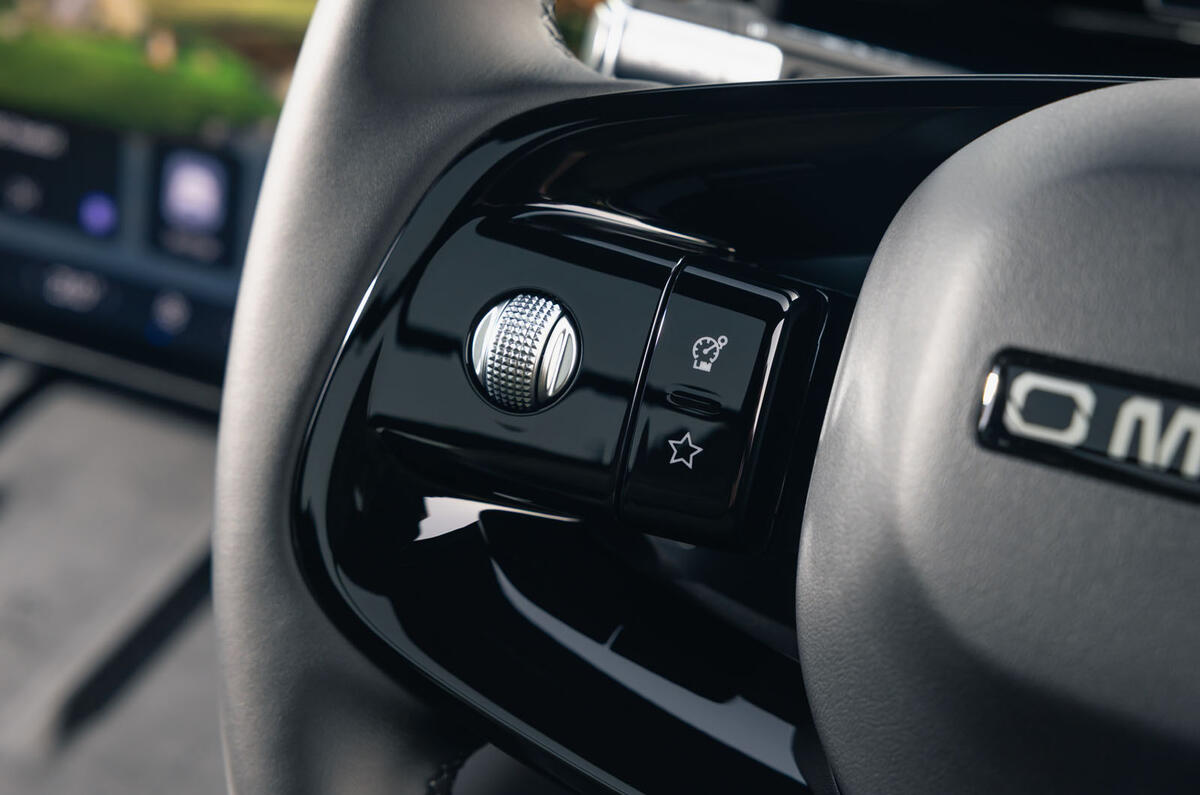
You adjust the cruise control speed using a roller on the steering wheel, but it adjusts only in increments of 5mph and there's no 'resume' function, which is quite irritating

Despite Omoda making a big deal about the 7’s noise-quelling laminated side glass, acoustic refinement is only average.

One positive surprise is that the various ADAS features are surprisingly unintrusive. It's possible to complete a journey with them left on and maintain your sanity by the end of it. Even the adaptive cruise control is passably responsive.

You might still want to turn some of the warning bongs off, which is more laborious than it should be, but an over-the-air software update will supposedly fix that very soon.

MPG & RUNNING COSTS

Omoda 7 review 2026 001

As is the case with the related Jaecoo and Chery cars, this Omoda's big USP is its price.

The petrol version comes only in Knight trim and costs £29,915, whereas the entry-level Tucson costs £33,100 and the equivalent Tiguan £38,900. The cheapest Austral costs £34,695 but is always a 197bhp full hybrid.

The real killer is the PHEV version, which costs £32k in Knight trim or £35k in Noble trim. It's rated for 56 miles of electric range and 23g/km of CO2, which means it qualifies for cheap company car tax. Compare that with £39k for a Tucson PHEV with not enough range to be particularly cheap as a company car, while the Tiguan eHybrid offers 75 miles but costs £43k.

We only spent a few hours with the PHEV in the UK, so judging real-world range and fuel economy is difficult, particularly since the car doesn’t have a conventional trip computer that can be reset. Still, it looks like well over 40mpg is doable on a flat battery, which is commendable.

VERDICT

Omoda 7 review 2026 025

There’s nothing here for the enthusiast, but it’s easy to see why someone would be tempted by the 7. The PHEV system is genuinely impressive and the rest of the car is slightly joyless but mostly solid.

The C5 Aircross and Tiguan are more interesting to look at, more interesting to drive and easier to use but, like all European, Korean and Japanese alternatives, also a lot more expensive.

On balance, the premium they charge is worth it, but the 7 is a worthy value option.

Illya Verpraet

Illya Verpraet Road Tester Autocar
Title: Road Tester

As a road tester, Illya drives everything from superminis to supercars, and writes reviews and comparison tests, while also managing the magazine’s Drives section. Much of his time is spent wrangling the data logger and wielding the tape measure to gather the data for Autocar’s in-depth instrumented road tests.

He loves cars that are fun and usable on the road – whether piston-powered or electric – or just cars that are very fit for purpose. When not in test cars, he drives an R53-generation Mini Cooper S or a 1990 BMW 325i Touring.