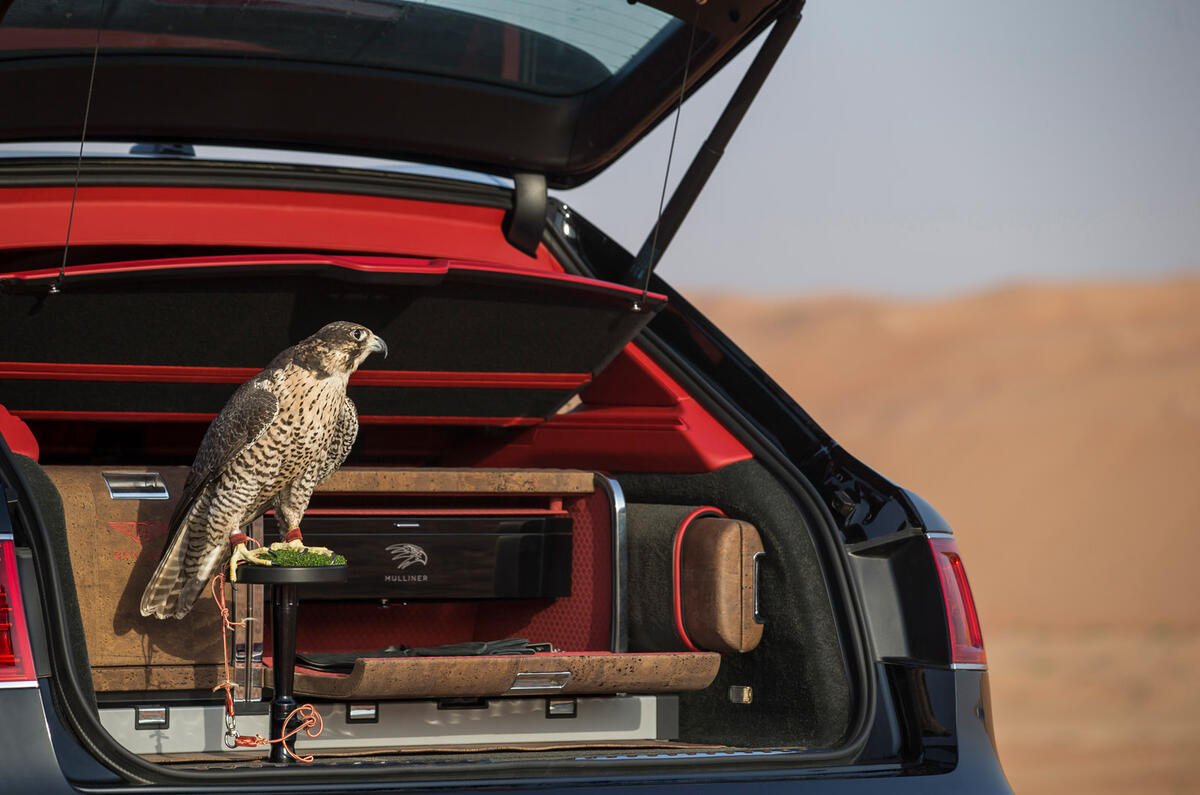

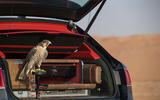

Thanks to the efforts of its customisation arm producing various special editions, well-heeled nature fans are well catered for by Bentley. There’s the Bentayga Falconry by Mulliner, which offers saker falcon owners a built-in flight station and accessories including binoculars and a Bentley-branded bird hood. Or there’s the Bentayga Fly Fishing by Mulliner, with its customised tackle box and waterproof storage trunk to house your soggy waders.
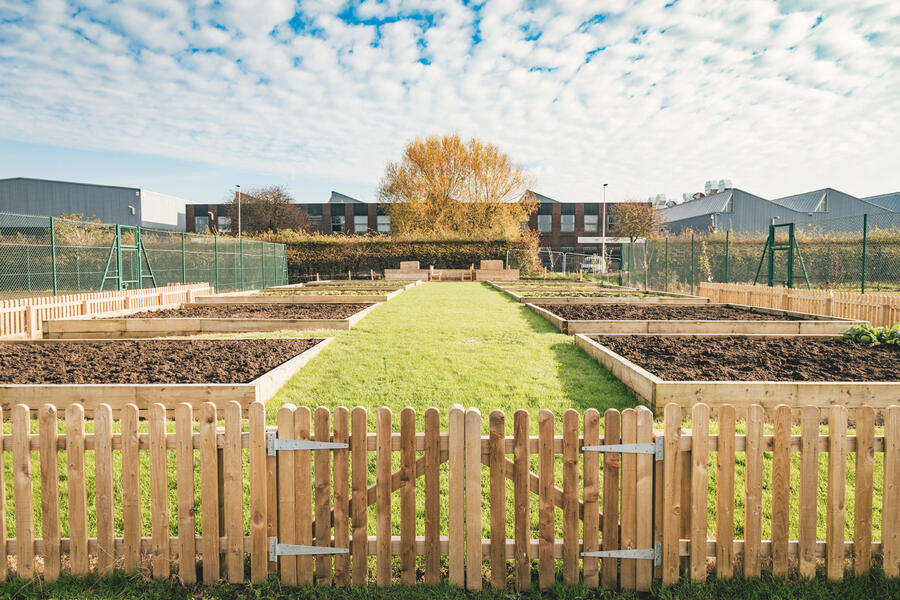
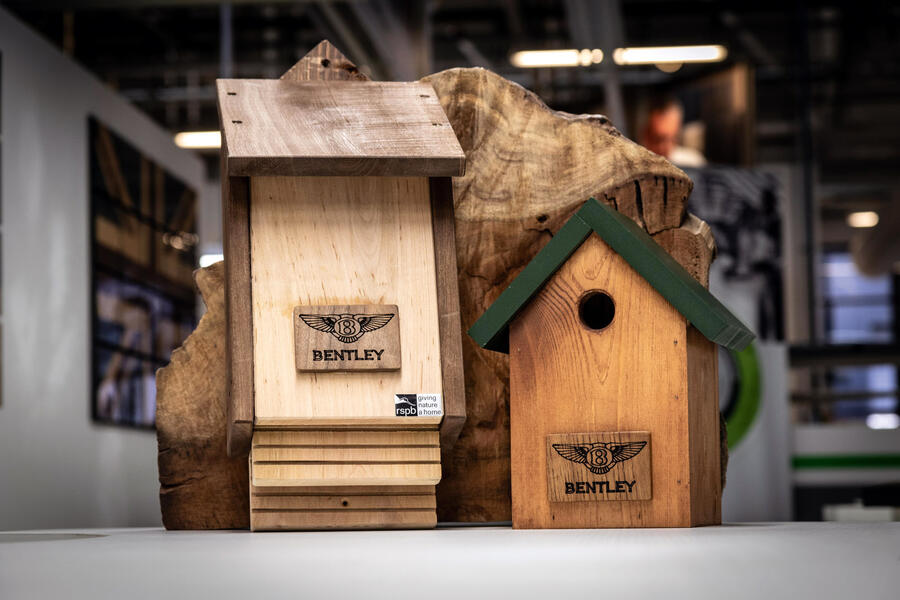
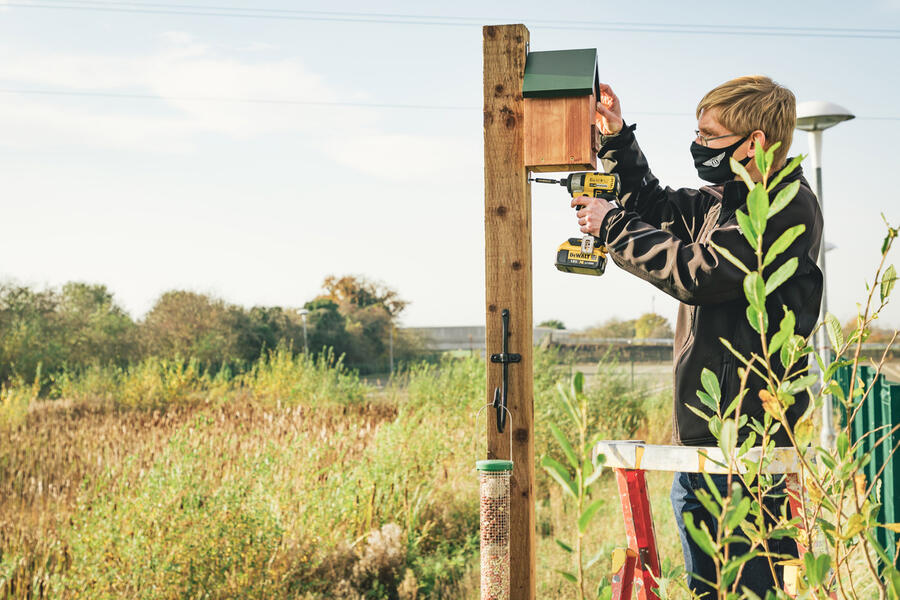
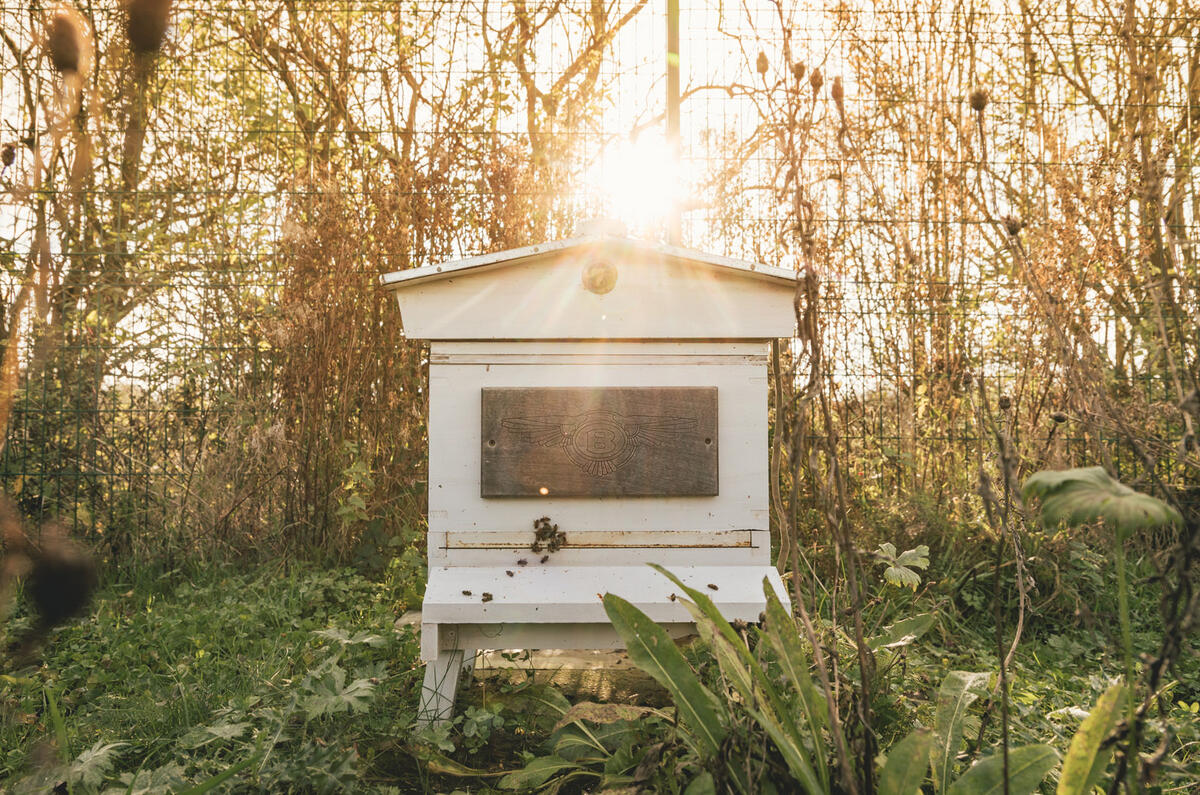
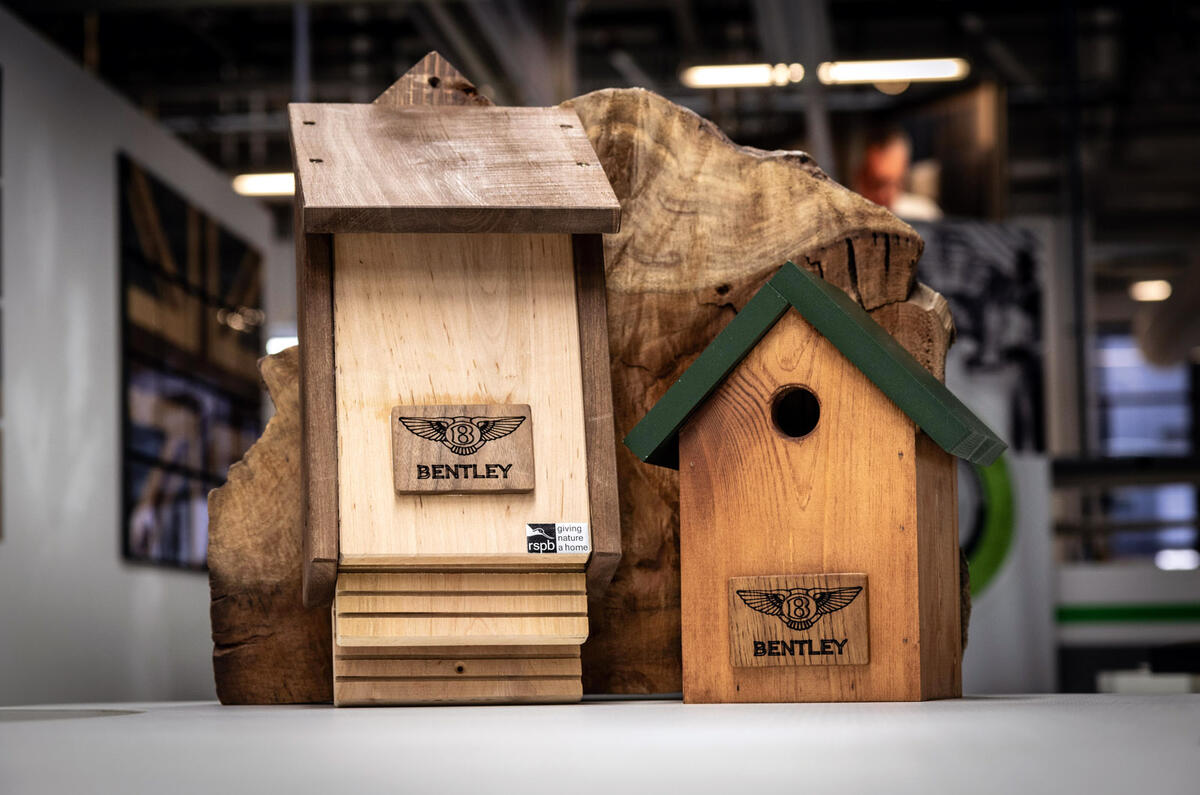
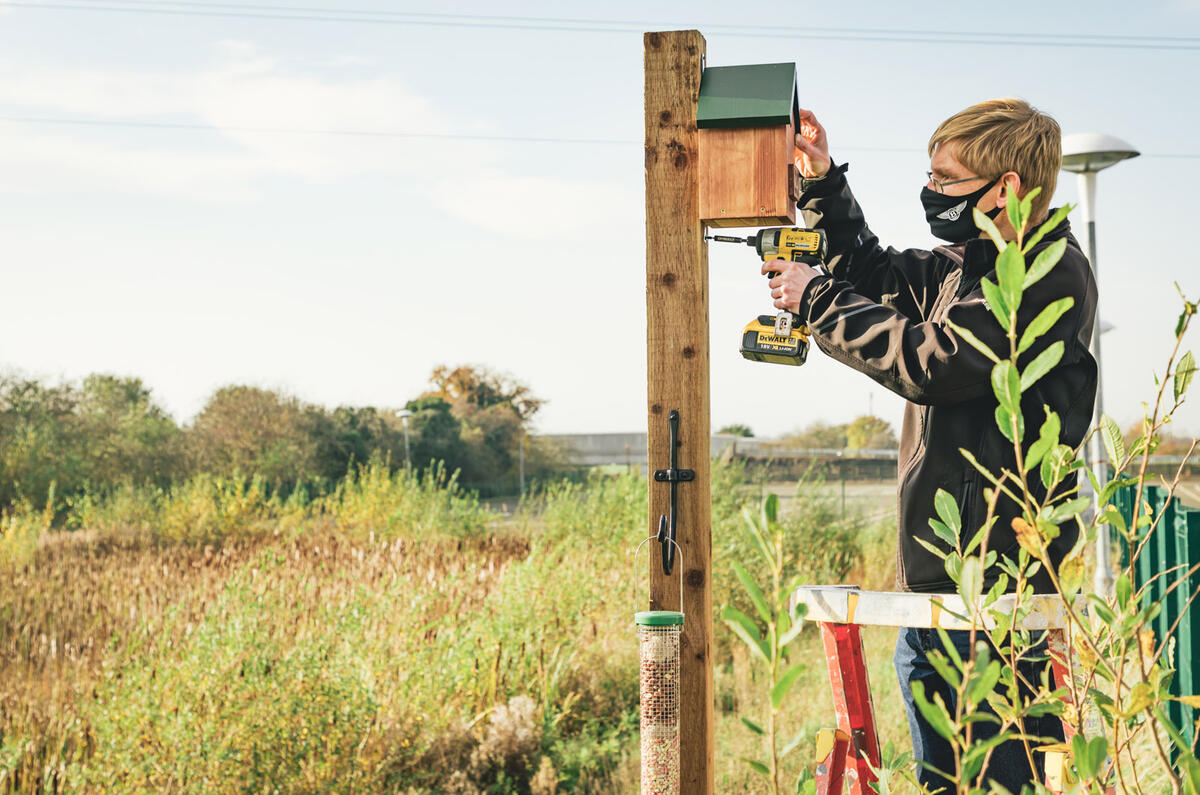
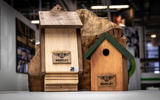
But even the most pampered bird of prey would likely cast an envious eye at Bentley’s newest creations, designed for the humble pippistrelle bat and blue tit. While a certain crime-fighting superhero might enjoy a Bentayga Batmobile by Mulliner for a spot of luxury, instead of a customised SUV, Bentley is installing bird and bat boxes for these crucial residents of the British countryside to live in around the fringes of its Crewe factory.
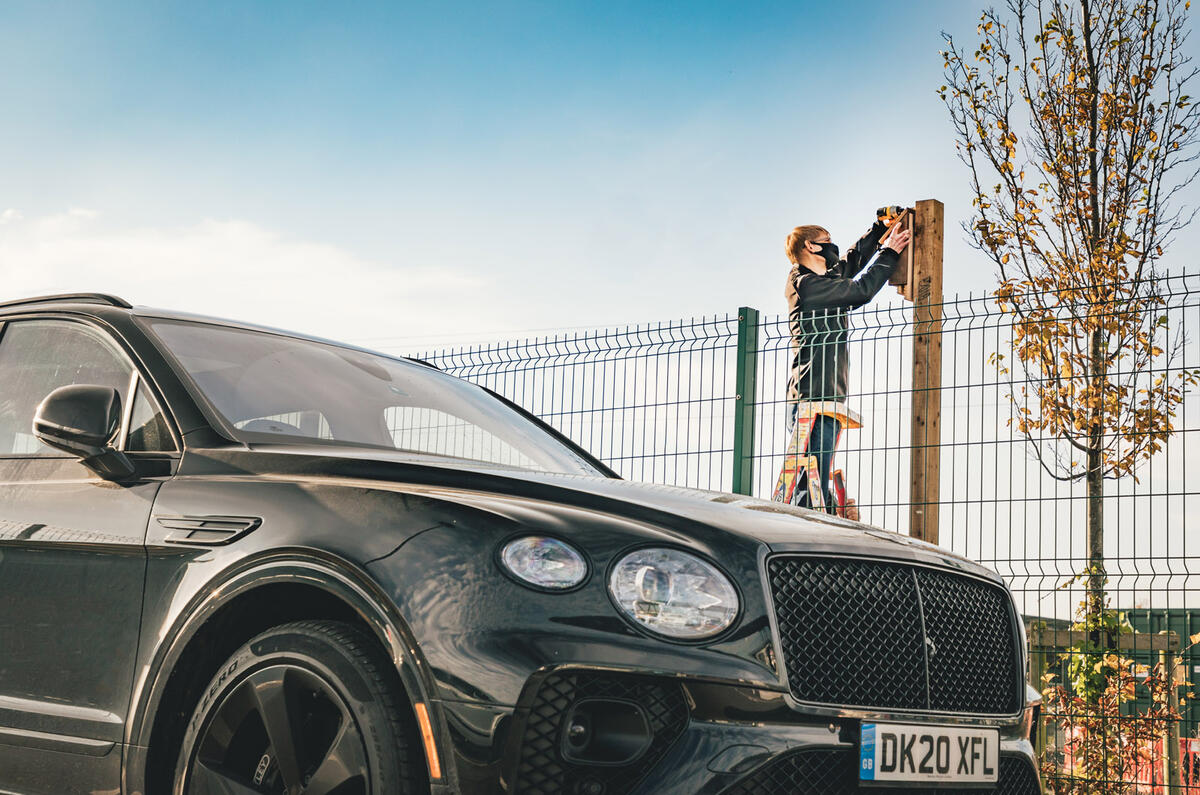
Since Autocar figured building a bat box would prove marginally easier than making a luxury grand tourer, and to find out why a car firm was branching out into wildlife accommodation, we headed to the factory to help out. Spoiler alert: we weren’t much help.
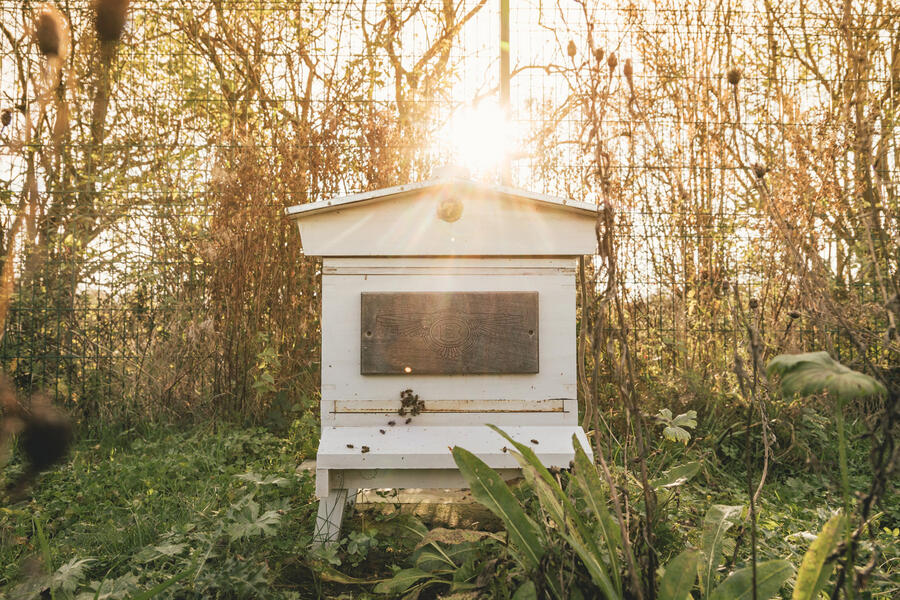
The idea for the bird and bat boxes came from Andrew Robertson, Bentley’s long-time head of site planning. A motor industry veteran, Robertson has driven Bentley’s push to increase sustainability and reduce the environmental impact of its Crewe plant. But while it seems every car firm is trumpeting just that in 2020, it’s something he’s been pursuing for more than two decades.
That’s demonstrated by the certificates hanging on the factory walls to show the plant has achieved catchily titled ISO 14001 and 50001 environmental standards and a PAS 2060 carbon-neutral certification (for those without an intimate knowledge of such things, these two are pretty good, apparently), and by the various measures around the site designed to make building luxury cars as green as it can realistically be.
Bentley has made Crewe CO2-neutral – meaning any CO2 produced is reduced and offset – thanks to the efforts of Robertson and his team. These include switching the factory to a green energy mix, the use of biogas and the installation of 30,000 solar panels – 20,000 on the factory roof and 10,000 in the car park, giving a capacity of 7.7MW. He’s recently started rainwater harvesting and is finding ways to use food waste from the staff canteen.
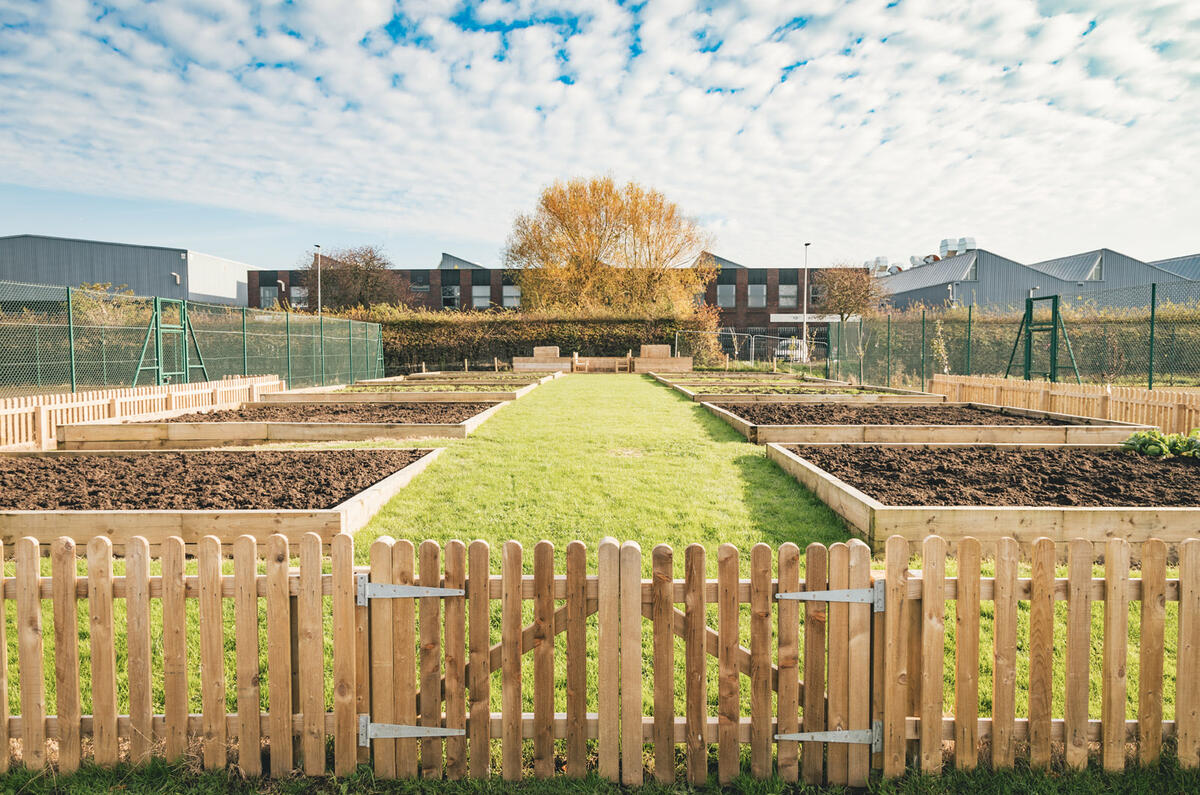
Even so, Robertson wanted to do more. “We started looking into biodiversity,” he says. “We’re a semi-industrial site, and there’s a limit to what we can do, but we felt supporting wildlife was important.”