
Fiat Chrysler Automobiles is holding merger talks with the PSA Group that would create one of the world’s biggest car groups, and reports suggest it will be detailed tomorrow.
A source apparently close to the tie-up told news agency Reuters that a deal would be announced this Thursday. Both companies confirmed the talks were taking place, with the Financial TImes reporting they have been ongoing since a proposed FCA-Renault merger went south earlier this year.
PSA issued a statement that said: “Following recent reports on a possible business combination between Groupe PSA and FCA Group, Groupe PSA confirms there are ongoing discussions aimed at creating one of the world’s leading automotive groups.”
A similar statement from FCA read: “Following recent reports on a possible business combination between Groupe PSA and FCA Group, Fiat Chrysler Automobiles NV confirms there are ongoing discussions aimed at creating one of the world’s leading mobility groups.
“FCA has nothing further to add at this time.”
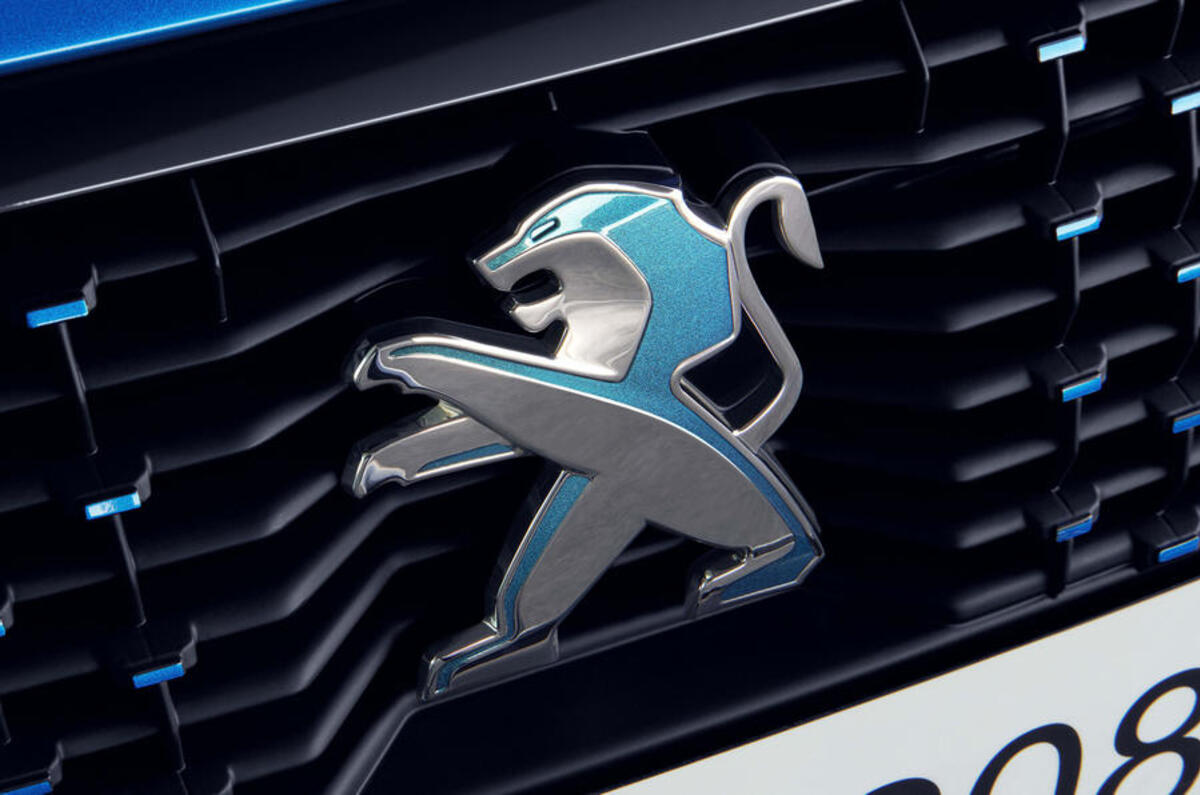
The potential merger would create a car giant worth around £40 billion and encompassing some of the world’s biggest car brands. FCA owns Fiat, Jeep, Alfa Romeo, Maserati, Ram, Lancia and Chrysler, while the PSA stable includes Peugeot, Citroën, DS and Vauxhall-Opel. The deal would ensure the massive investments in autonomy and electrification could be shared via greater economies of scale and development clout.
FCA has been looking for a partner for some time, and earlier this year held extended talks with Group Renault over a possible partnership. But those talks broke down after the two firms could not reach an agreement.
PSA boss Carlos Tavares led the purchase of Vauxhall-Opel and has been keen to expand the firm for some time, either through partnership or further acquisition. PSA is understood to have previously looked at buying Jaguar Land Rover, and has previously held talks with FCA.
Read more
Analysis: The risks of a Renault-FCA partnership
PSA Group: EVs threaten the car industry
Profit jump for PSA Group in 2019 despite “regulatory chaos”