





The car industry has always looked ahead, but it has never been more focused on the future than it is right now. It is a time of unprecedented change, with electrification, legislation, autonomy and other new technology set to profoundly affect the way cars are built, powered, driven and sold.
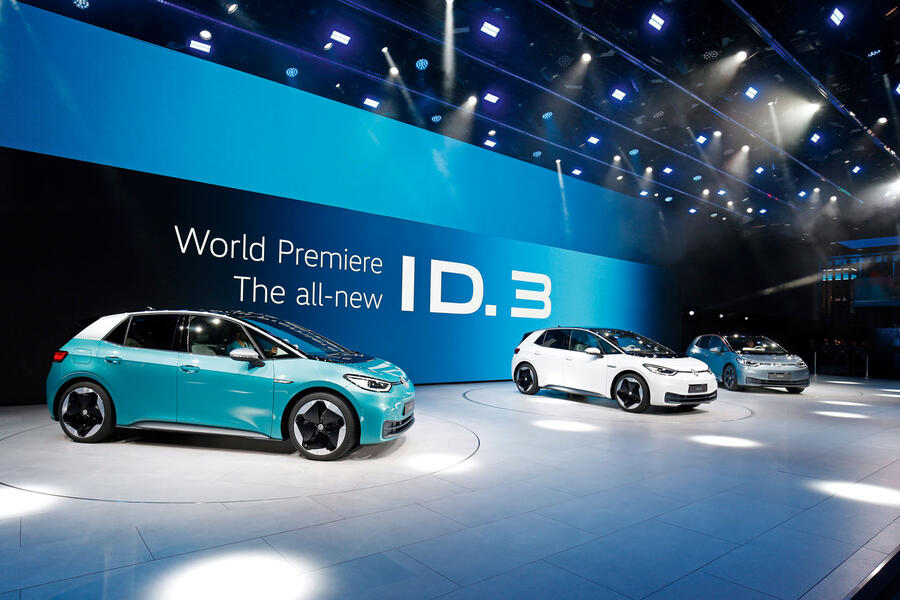
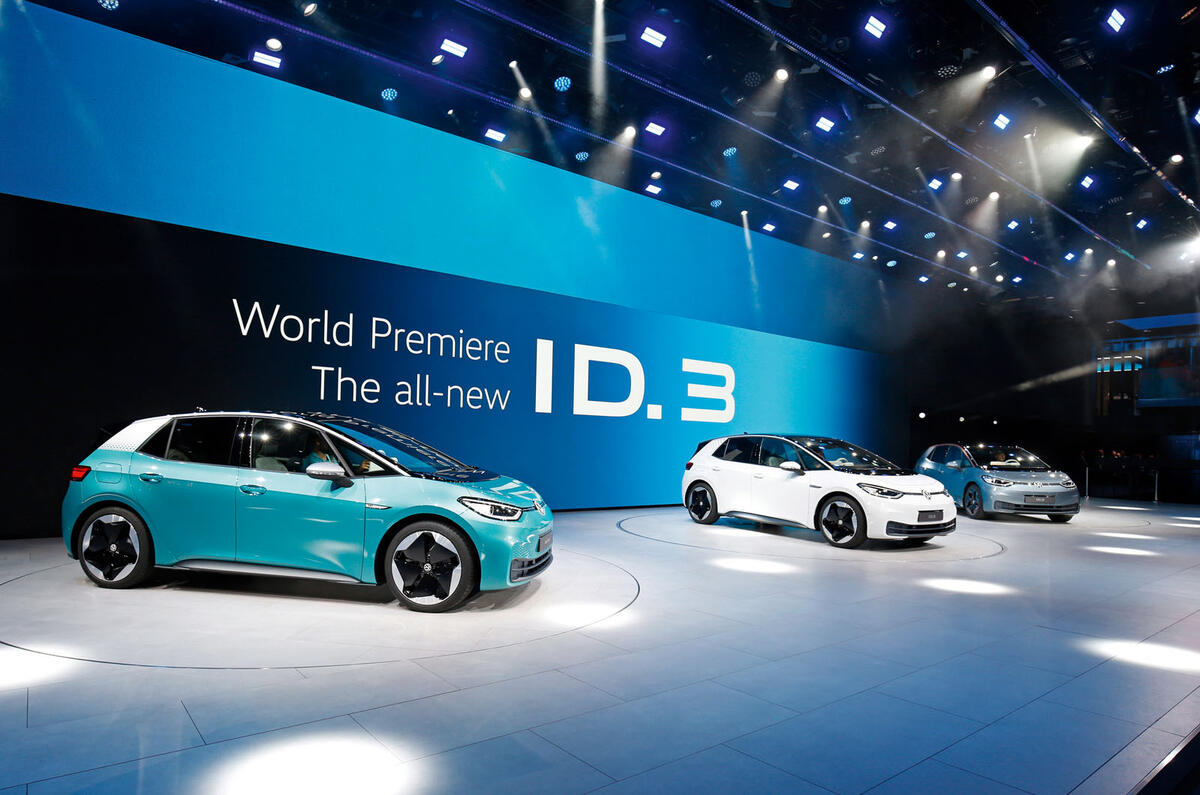
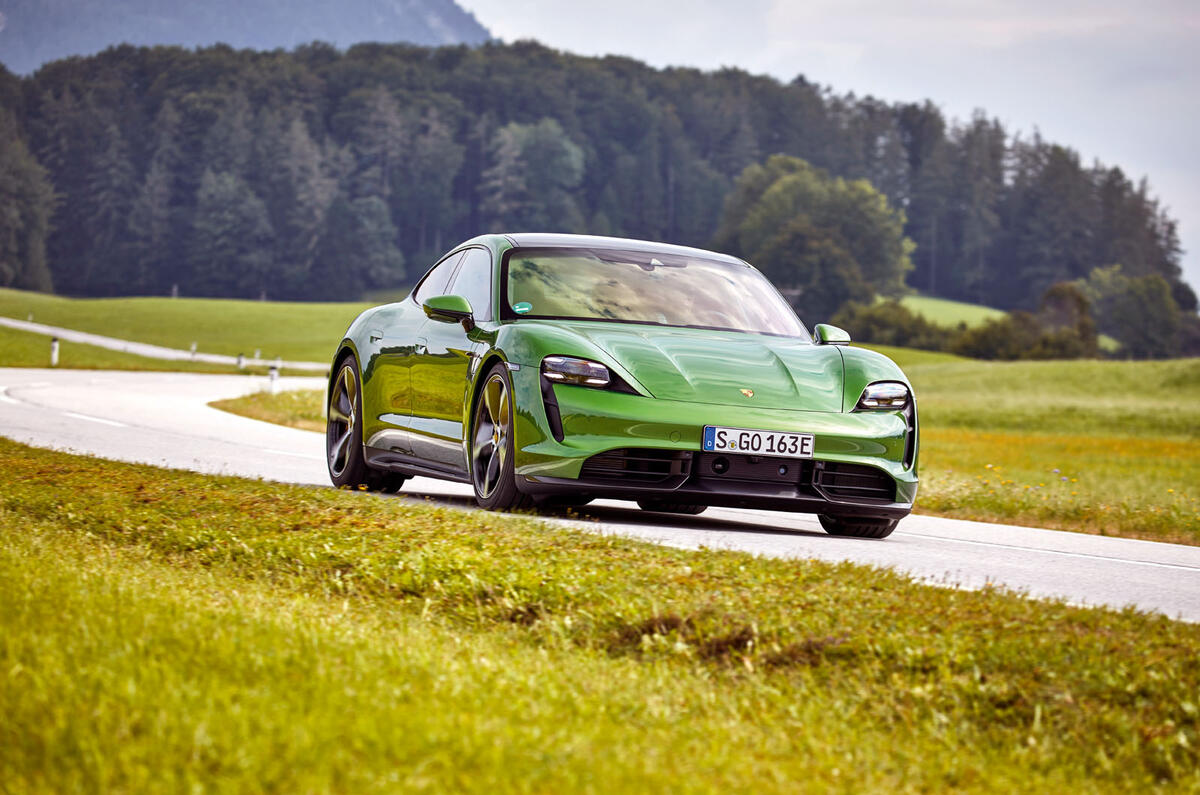
During 2019, we’ve had glimpses of that future, with the launch of models such as the Porsche Taycan, Volkswagen ID 3 and Peugeot e-208 and the arrival in Europe of the Tesla Model 3.
Those machines show the future is bright: the problem is that it’s not here yet. But the disruption being caused by all that change – and several other factors – is and was reflected in the turbulent state of the car industry in 2019.
Here are the big issues that dominated the motor industry this year.
Uncertainty hits car sales
Analysts expect more than three million fewer new cars will be sold globally this year than in 2018. In the UK, year-on-year sales were down 2.7% at the end of November. There are multiple reasons for the decline, with the economic slowdown and consumer uncertainty playing key roles, exacerbated in the UK by the ongoing drama over Brexit.
The continued decline of diesel, accelerated by the increasing prospect of anti-diesel legislation, was also a major reason for the fall. Sales of diesels fell more than 22% year on year in the UK – hitting firms with a heavy reliance on those engines, such as Jaguar Land Rover (JLR).
Another key concern was the continued struggle of China: sales in the world’s biggest car market were down more than 12% year on year, not helped by trade tensions between China and the US.
Emissions testing and targets
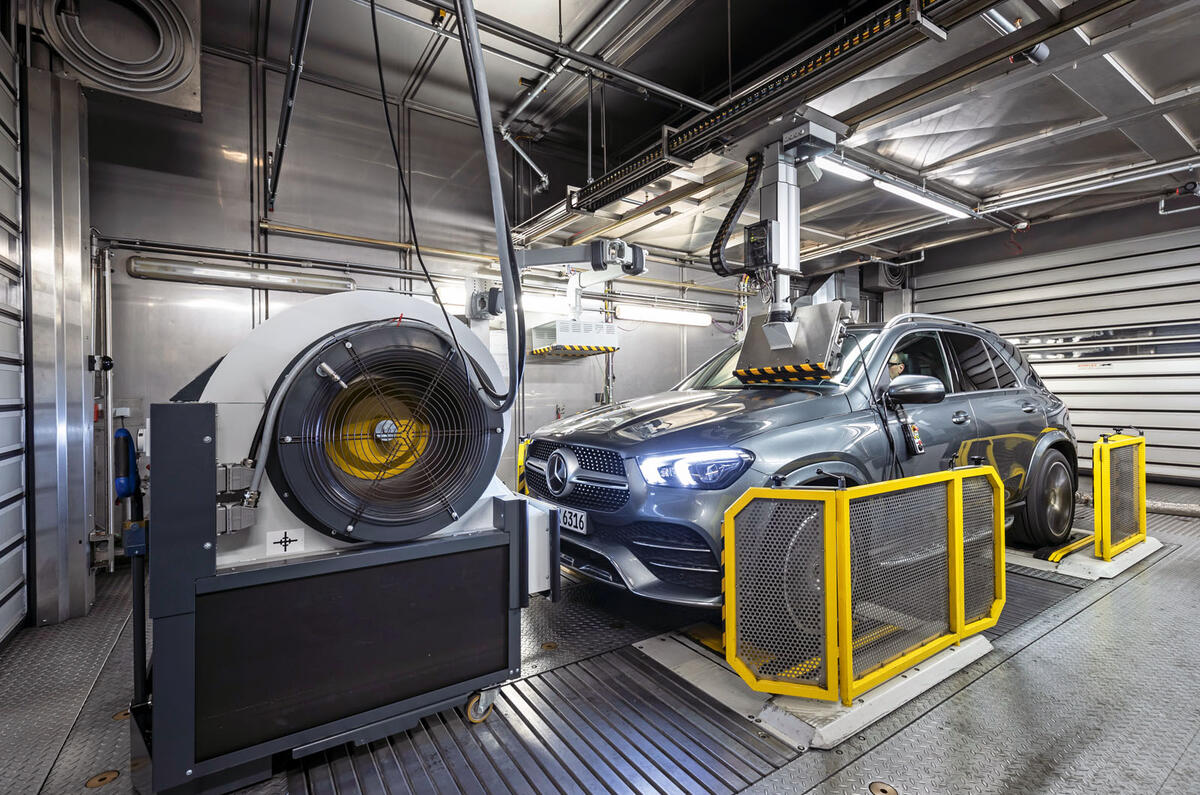
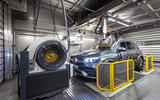
The impact of tougher WLTP emissions tests introduced in late 2018 carried into this year and several firms had to temporarily pull certain cars from sale due to backlogs in getting cars certified under the new system.
The bigger challenge the industry had to face up to this year was preparing for the introduction of the EU’s 95g/km CO2 fleet emissions target in 2020. Those targets will be impossible to hit using purely combustion-engined cars and, with sales of fully electric vehicles yet to pick up, that led to a huge push of hybrid cars.

There will be massive fines for missing those targets, so expect disruption in the availability of certain models as firms take action to adjust the average CO2 emissions of their fleet during 2020.