


Jaguar Land Rover (JLR) has embarked on a two-year programme of new vehicle launches and massive industrial investments designed to transform the company’s financial fortunes and put it on a long-term, stable footing.
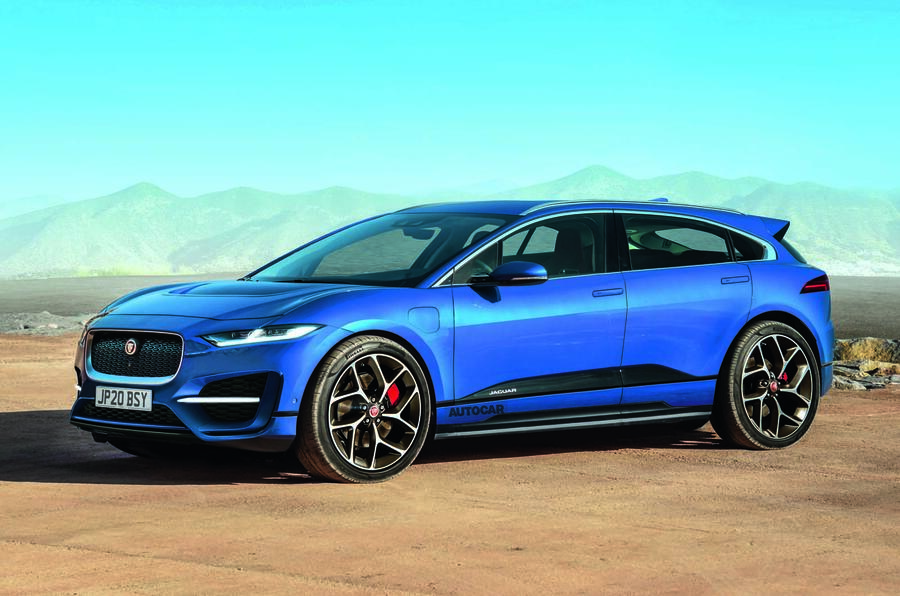
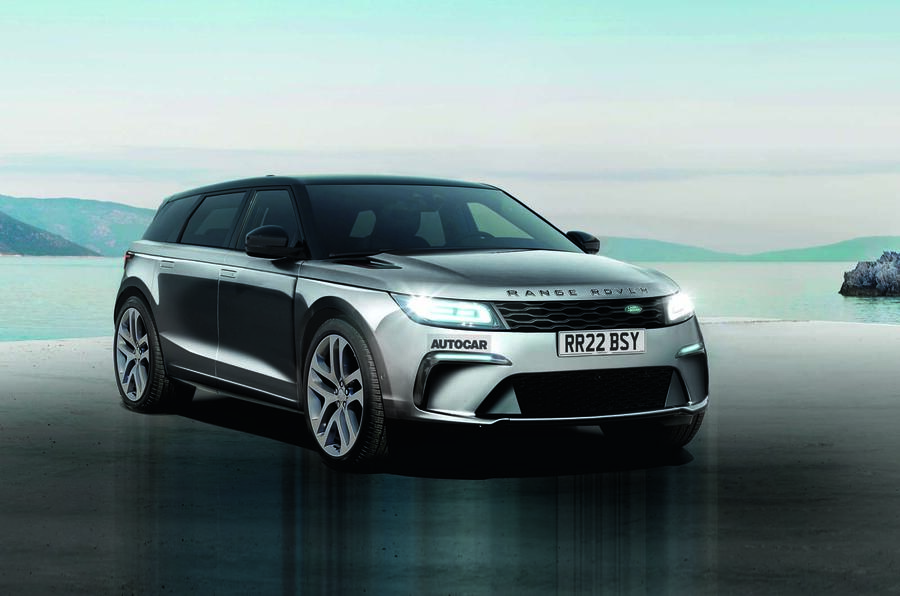
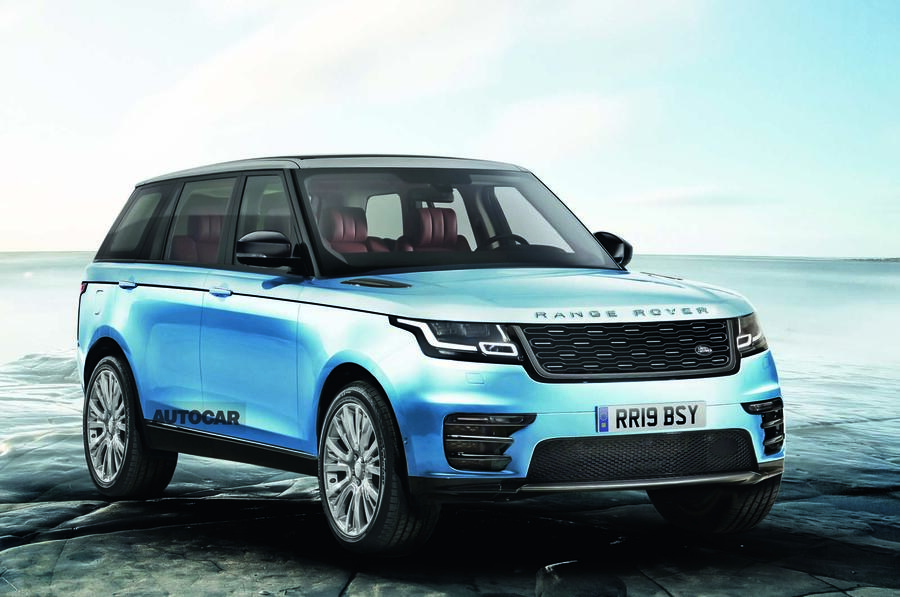
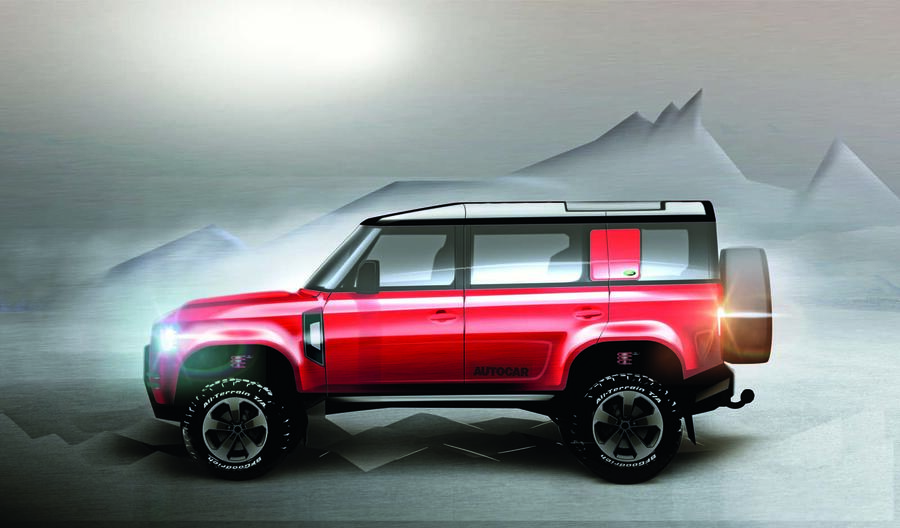
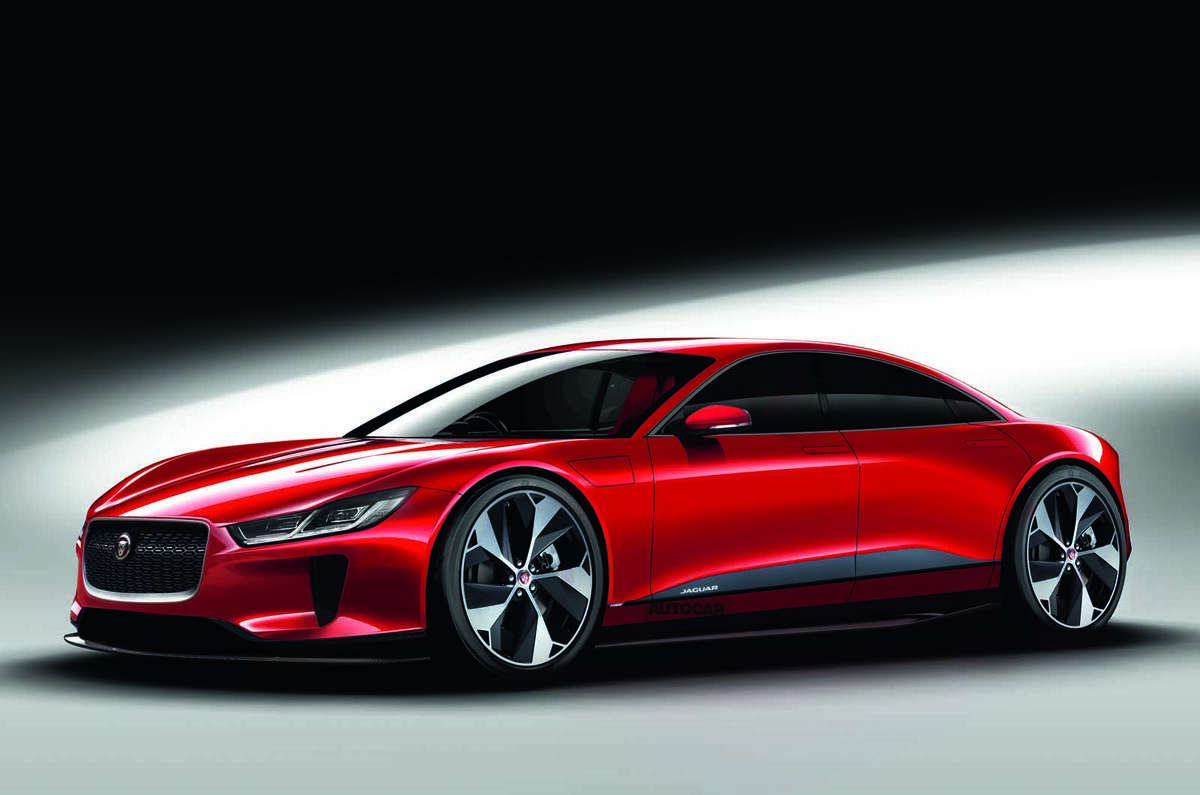
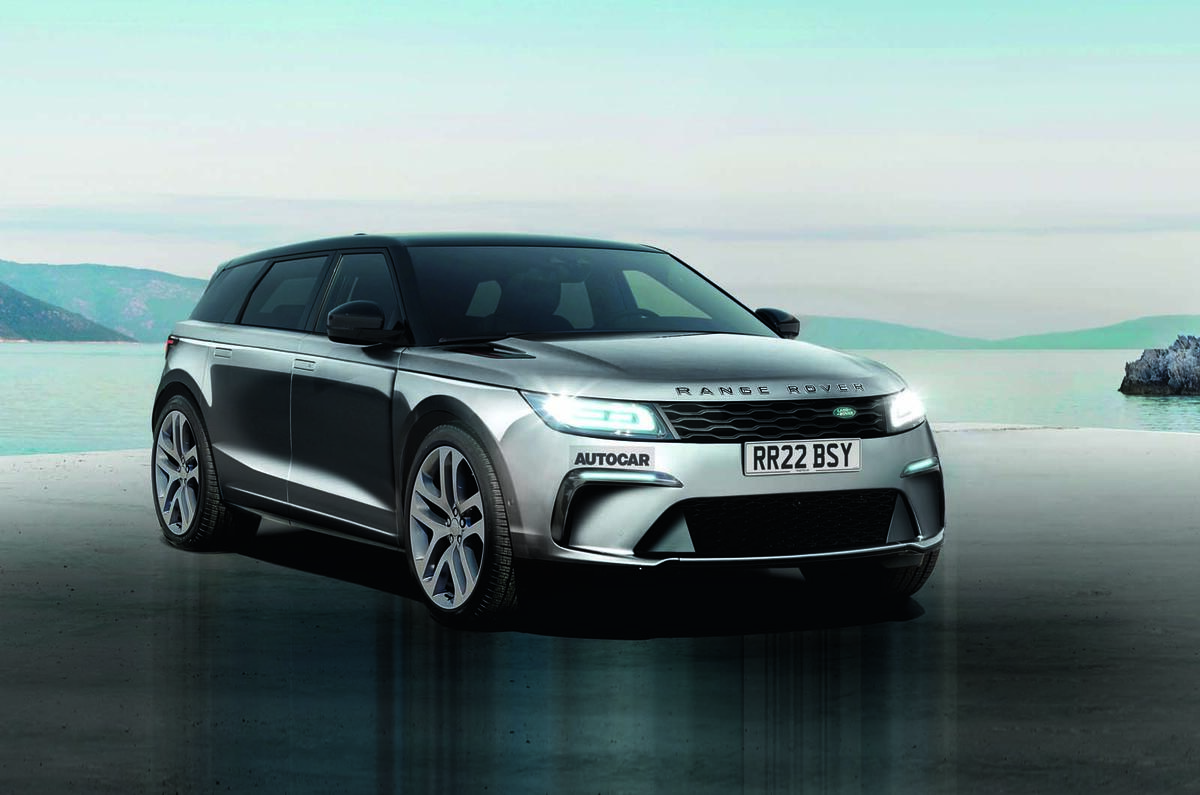
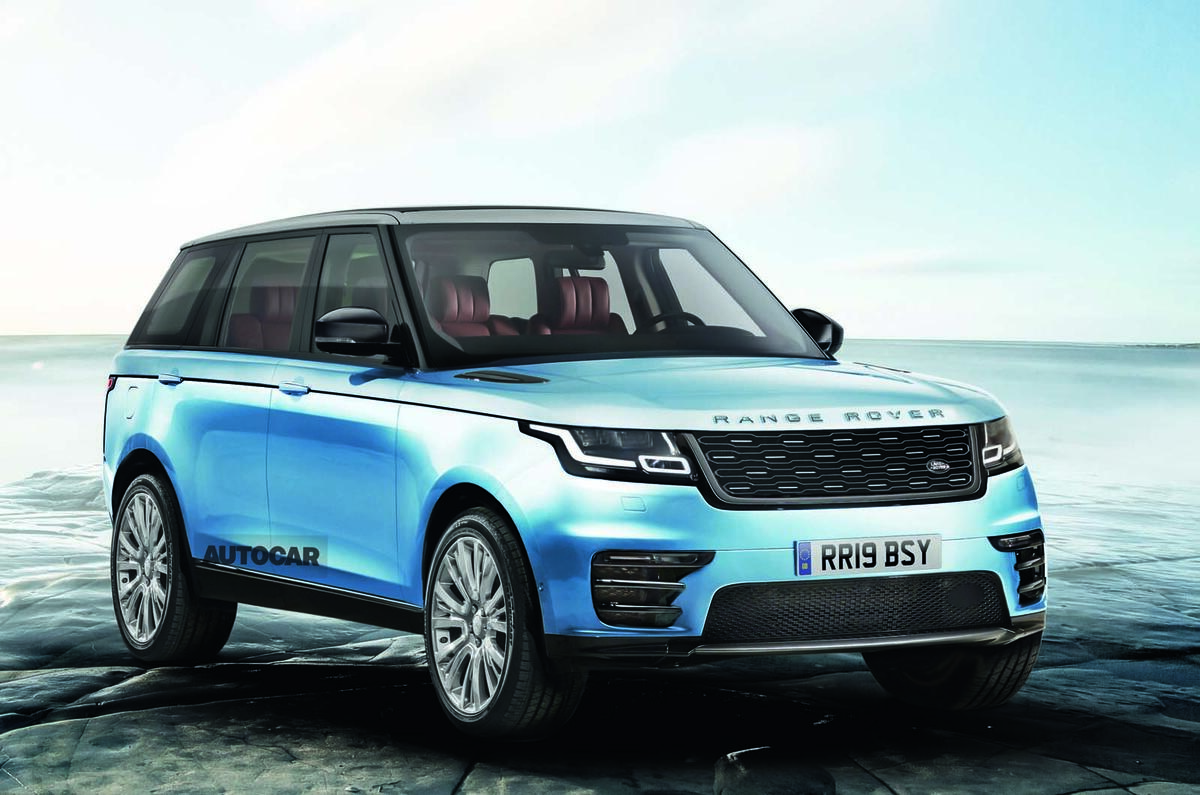
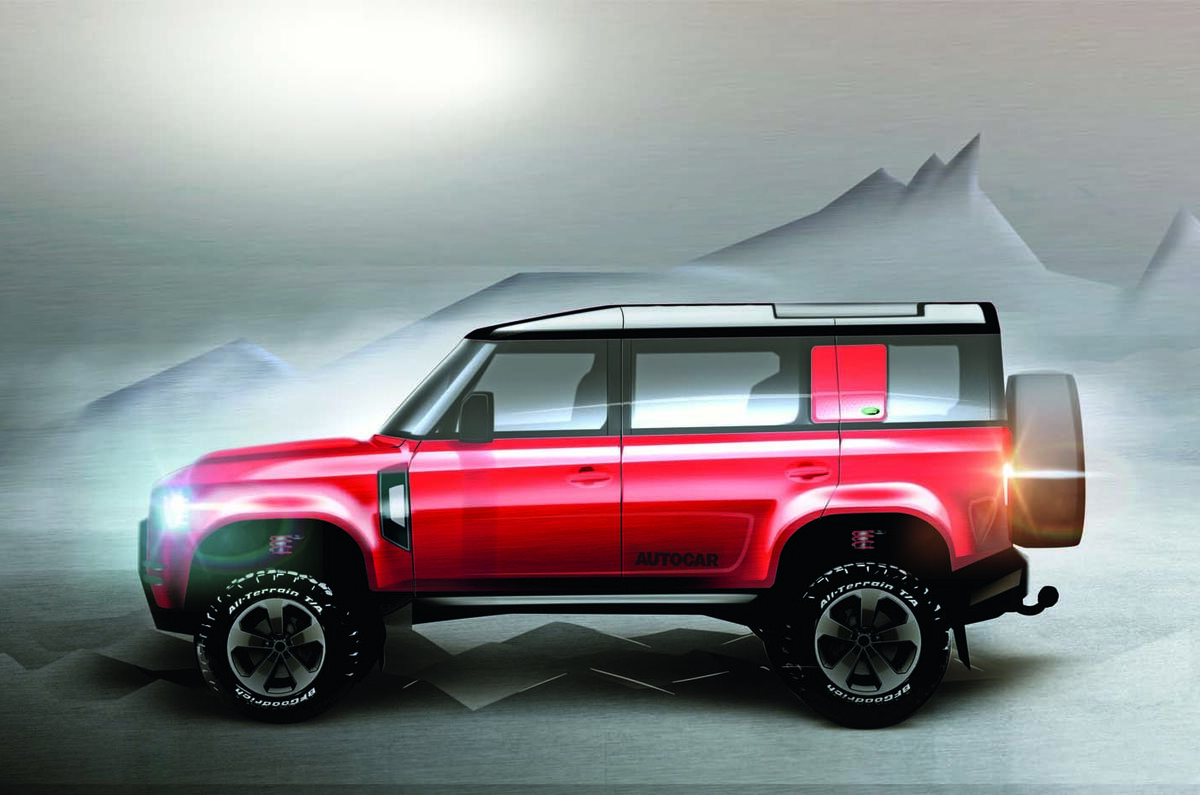
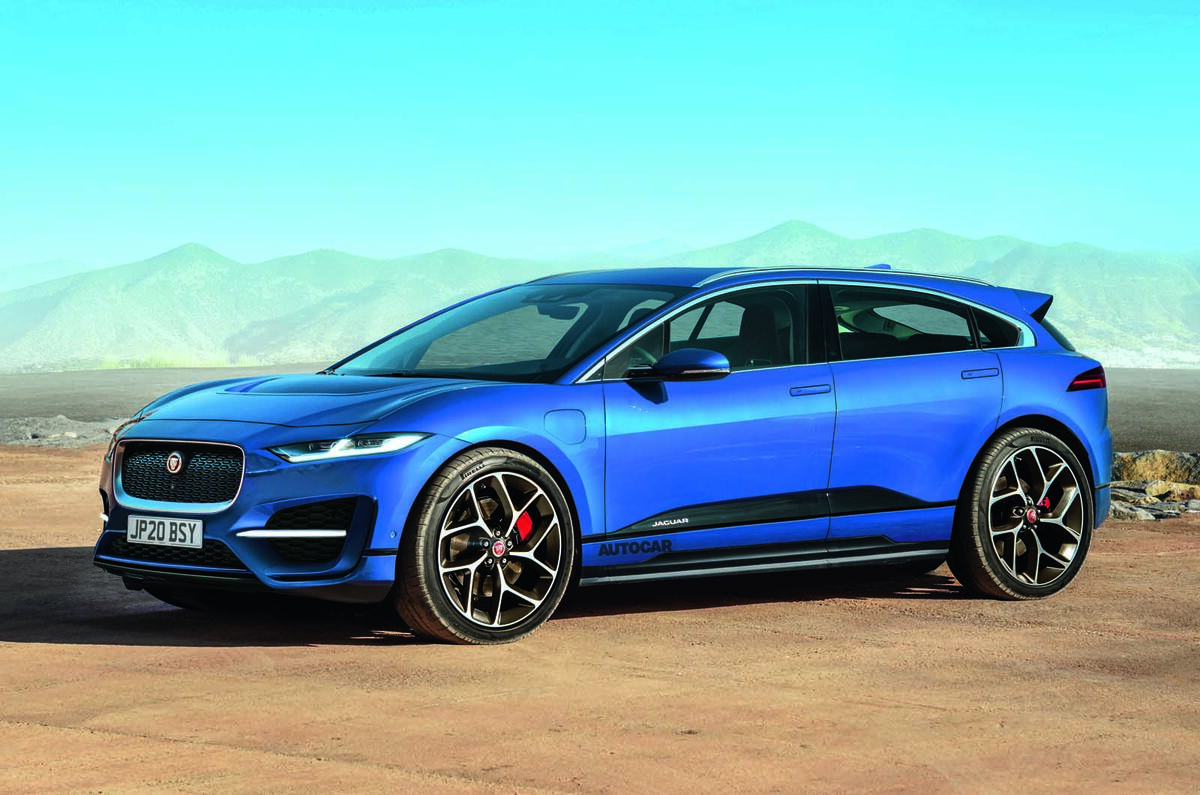
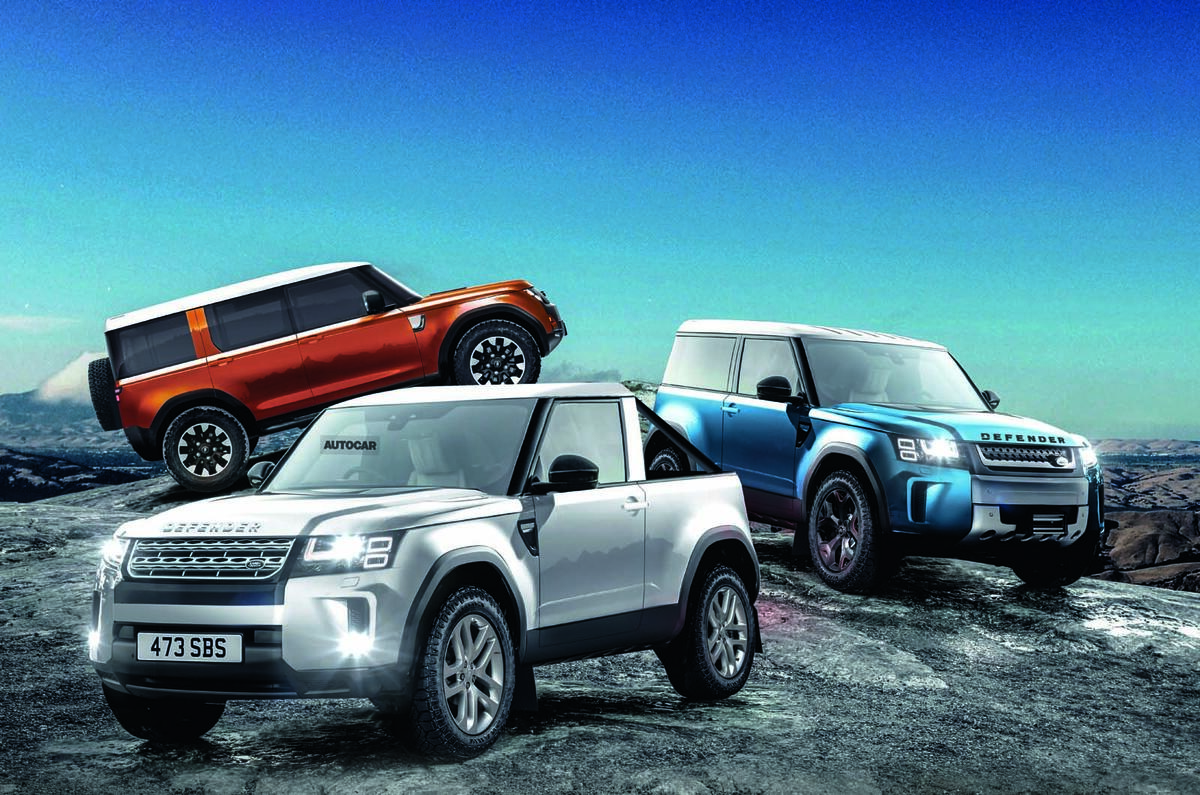
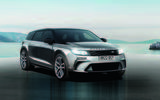
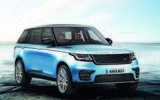
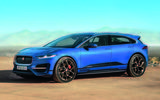
As well as three entirely new model lines – the new Defender family, the luxury Jaguar J-Pace SUV and a new Range Rover crossover – JLR engineers are replacing the XJ with an electric super-saloon next year and creating a new version of the evergreen Range Rover by 2022.
All of these new models will be built on JLR’s brand-new ‘flex’ MLA architecture, which offers mild- and plug-in hybrid drivetrains as well as a pure-electric option.
According to official company documents, there will also be an all-electric Range Rover model and an all-electric Land Rover Discovery model before 2025. There are no plans for an all-electric Defender spin-off, though.
The internal-combustion models sold by all of Land Rover’s three so-called ‘brand pillars’ – Range Rover, Discovery and Defender – will be available in only mild-hybrid and plug-in hybrid forms by 2025.
Autocar can also reveal the MLA-based models will have a new SOTA (software over the air) capability, with 14 ‘modules’ in the vehicle’s electrical architecture that are connected to the internet.
JLR says the new SOTA set-up will allow it to reduce warranty claims, avoid the need for some recalls, offer predictive servicing and even user-based insurance. Over-the-air feature upgrades for MLA models are also being planned, as well as “in-vehicle rewards and payments”. JLR is hoping to use data generated by real-world use of the new vehicles to inform future model development, too.
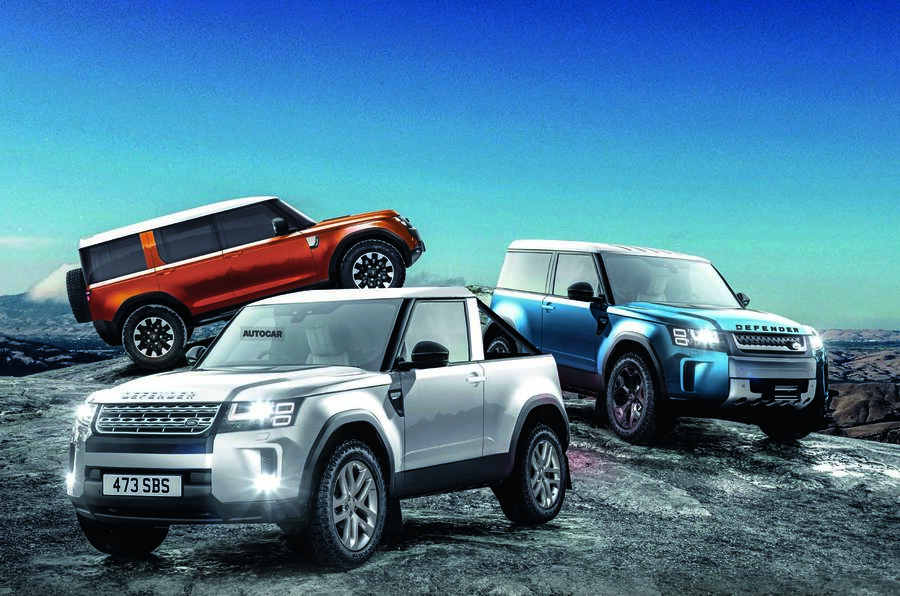
The first all-new JLR model is the Defender, which will arrive later this year and be made at the new Nitra plant in Slovakia. This is a challenging project for the British car maker because it is a new model, based on a new architecture and built in a new factory with a relatively new workforce. But as Autocar’s scoops have revealed, the new three-model Defender range has huge potential in the lucrative market for premium family SUVs.
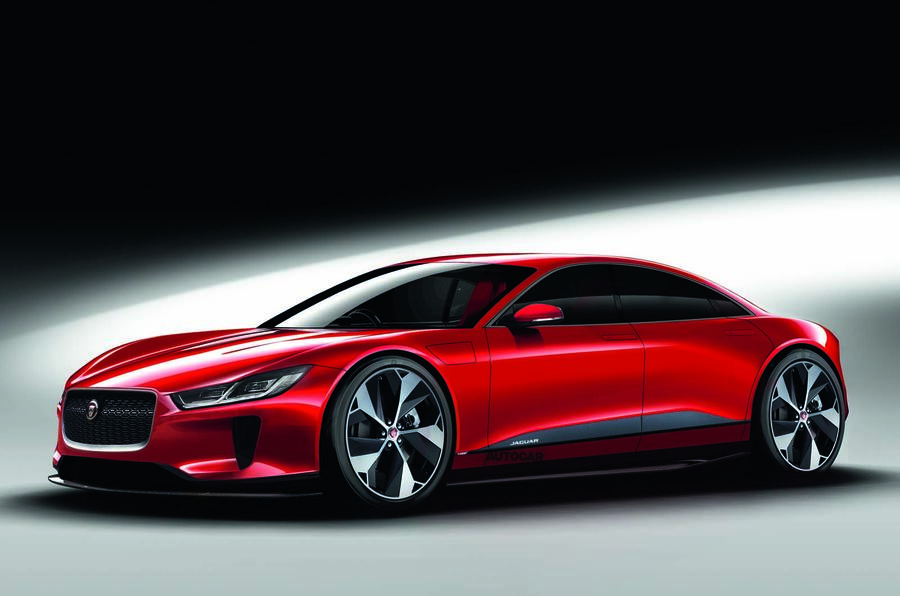
The electric XJ, first reported by Autocar in 2015, replacesJaguar the outgoing XJ saloon, which has just ended a decade-long production run at the Castle Bromwich plant near Birmingham.
The new model – due in around 12 months – is expected to be an unashamed super-luxury car in the mould of more expensive Mercedes-Benz S-Class variants (setting it well apart from the ageing Tesla Model S), while also being more driver orientated.