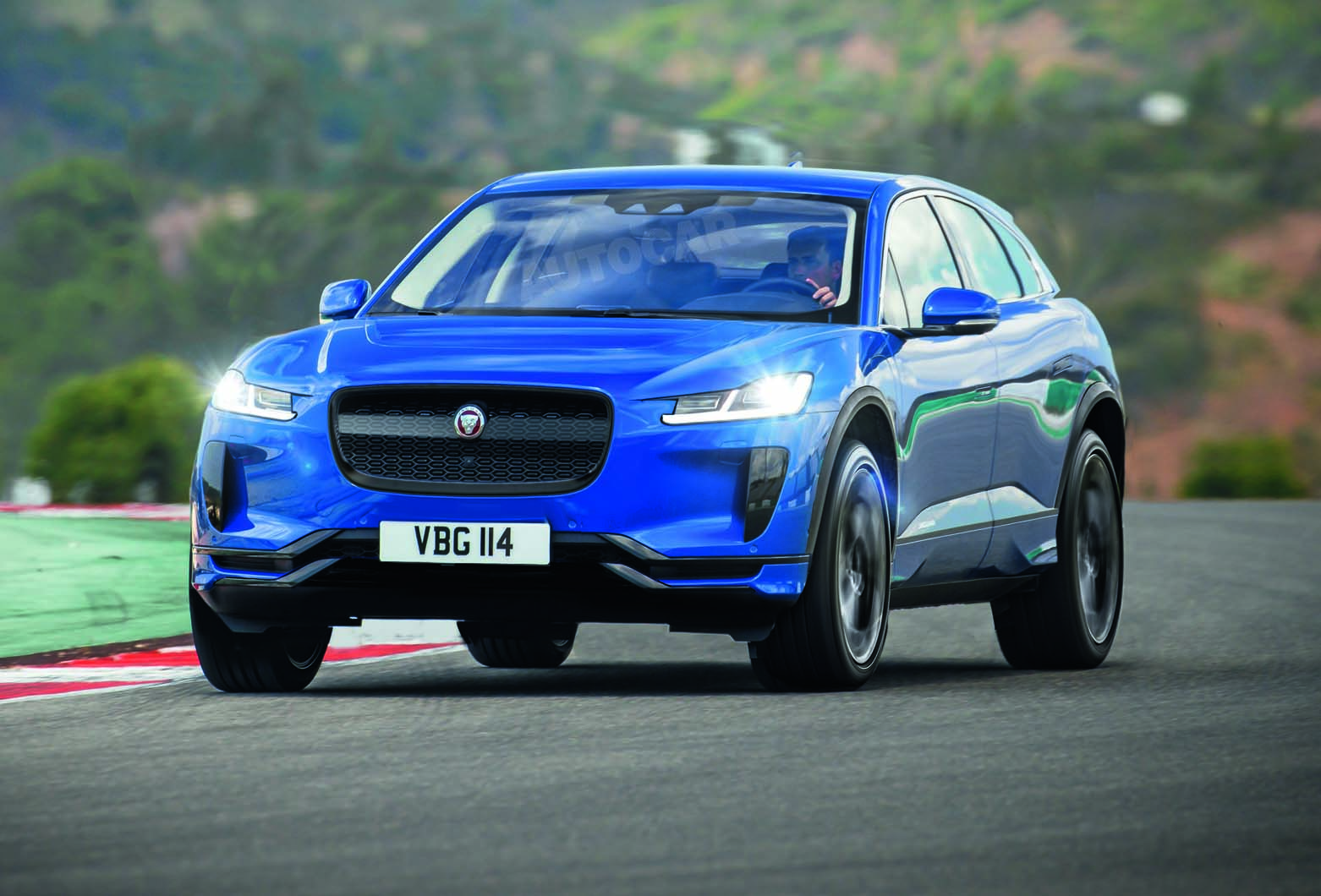


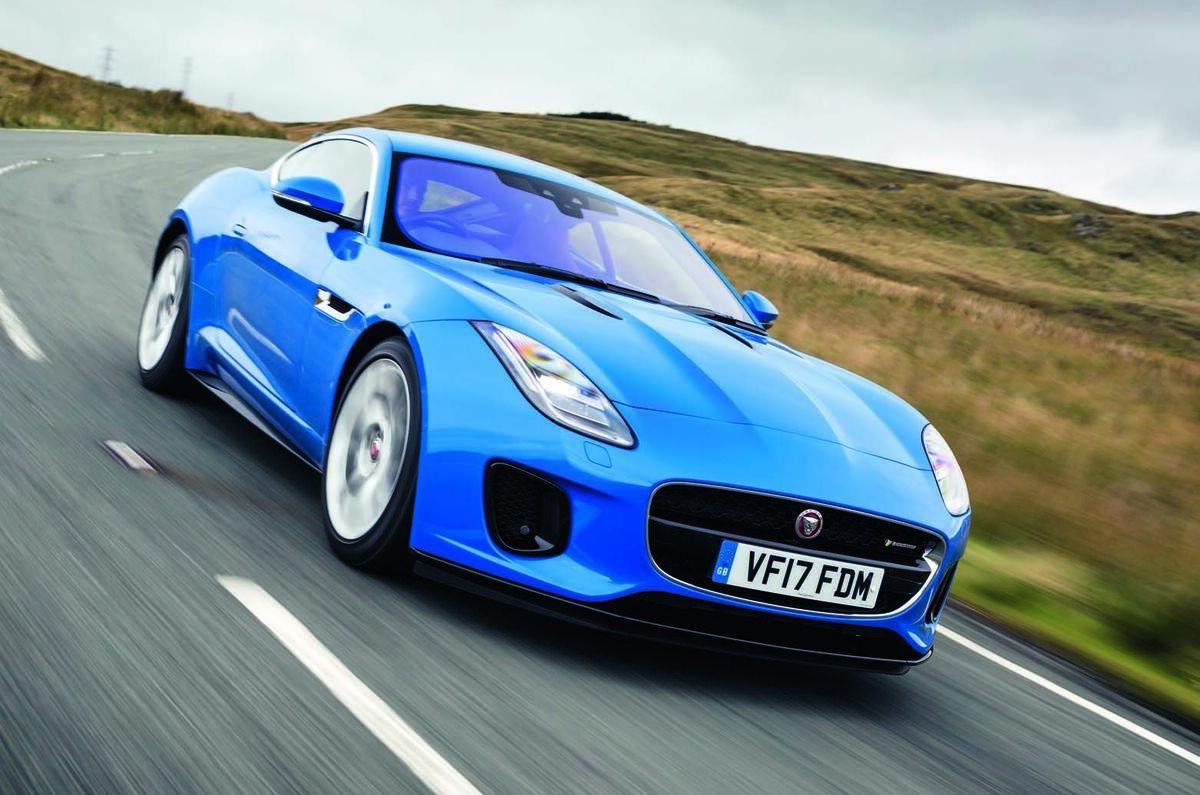
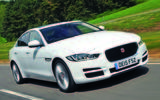
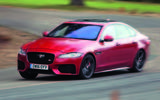
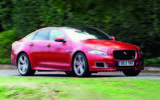

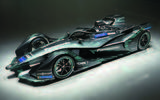


Jaguar Land Rover bosses are considering a plan to turn Jaguar into an EV-only brand within the next decade, Autocar has learned.
It is understood that company product planners have produced an outline strategy under which Jaguar’s conventional vehicle range would be phased out over the next five to seven years, to be replaced by fully electric vehicles.
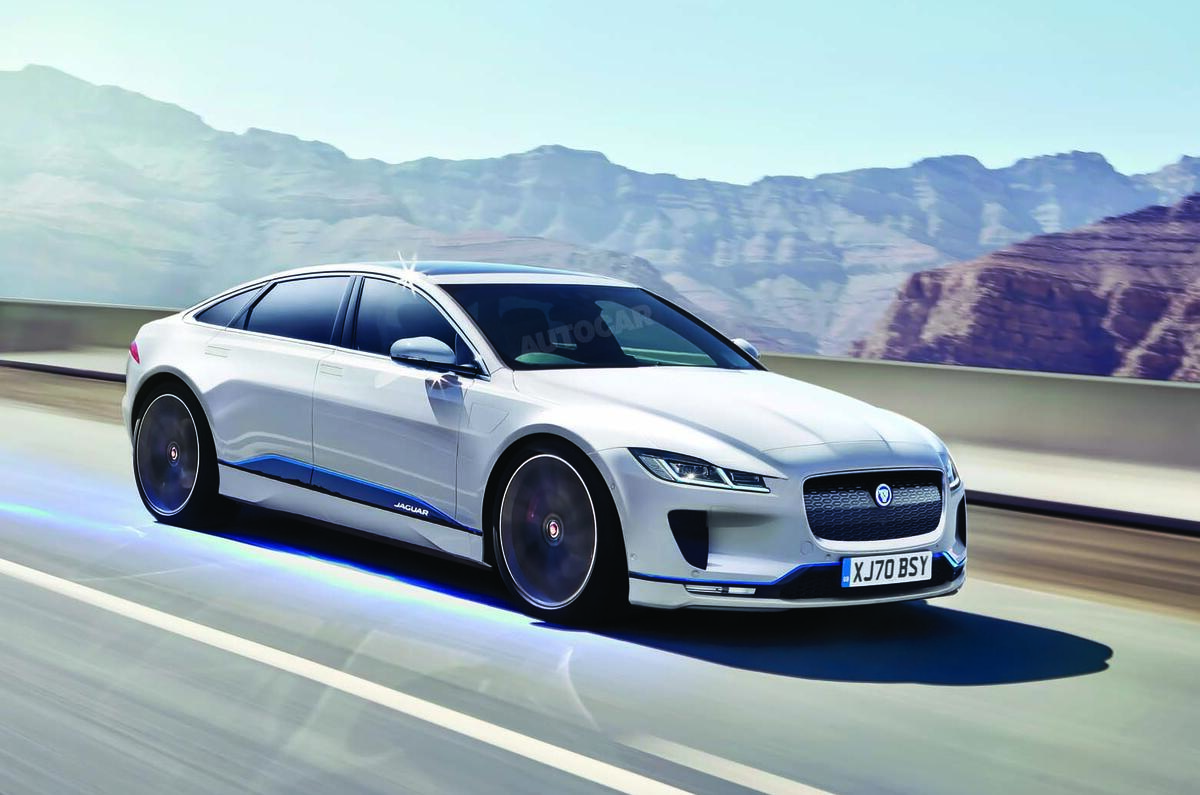
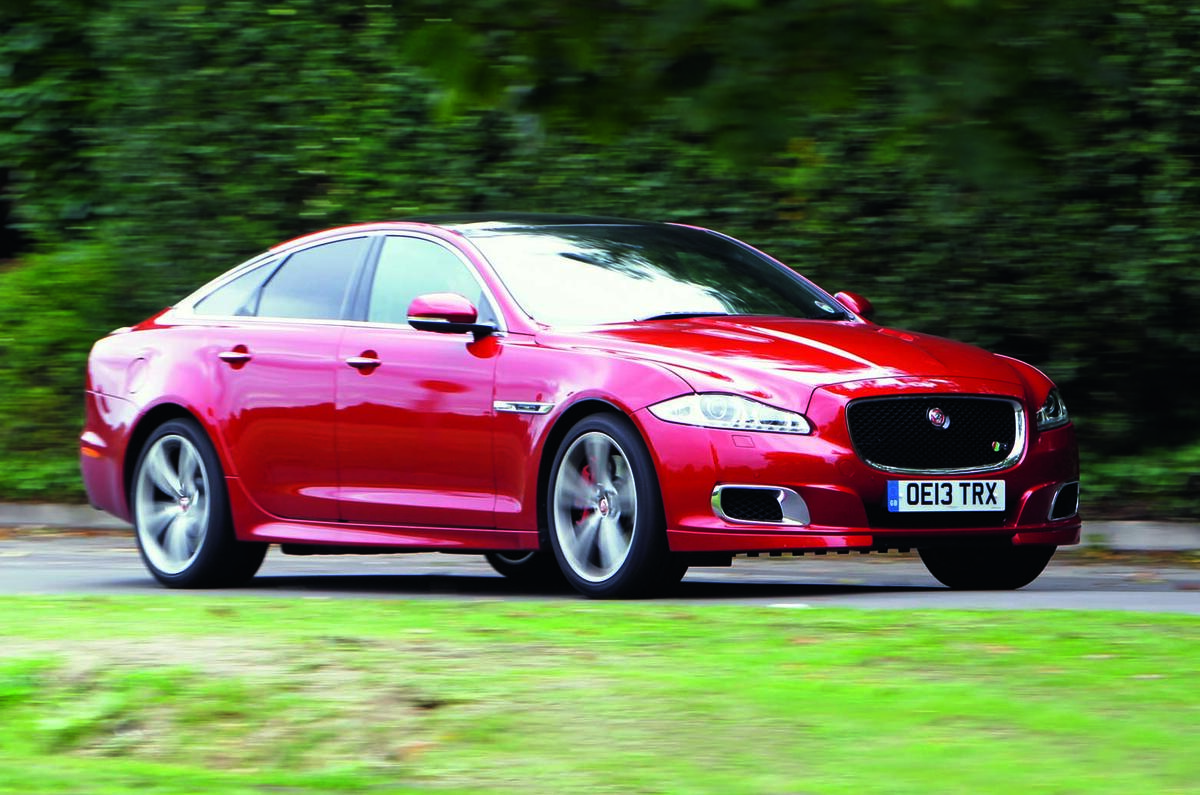
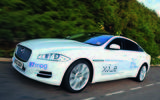
Under the plans being considered, a full-on luxury electric saloon, Jaguar replacing the unloved XJ, is expected within two years. It will be a direct competitor for Porsche’s upcoming Taycan, alongside strong-selling cars such as the Tesla Model S.
Rethought as an electric vehicle, the new XJ will both play to the strengths of the 1967 original by offering segment-leading refinement and ride and look to the future by completely reinventing the classic Jaguar interior.
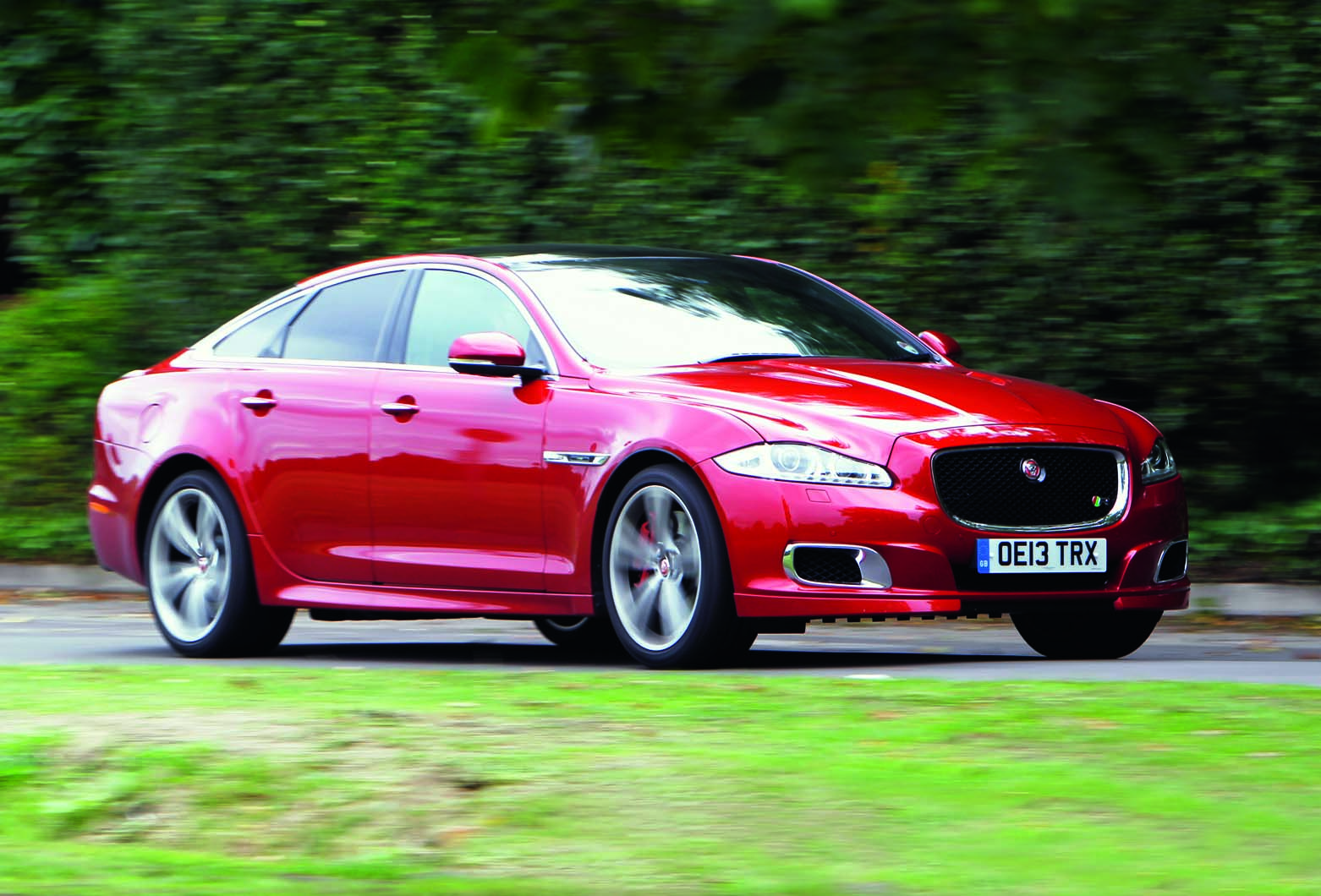
It is understood that the new XJ will be a no-holds-barred luxury car in every sense, offering customers a zero-pollution alternative to a Mercedes-Benz S-Class or even a Bentley Flying Spur.
The thinking is that Jaguar will steal a march on rivals by building a true luxury EV in a segment that is probably the most environmentally minded and offers greater profitability per car than lower segments. EVs also fit in perfectly with the brief of a modern-day chauffeur of private hire driver, with excellent mechanical refinement and the ability to enter low-emission zones in cities without financial penalties.
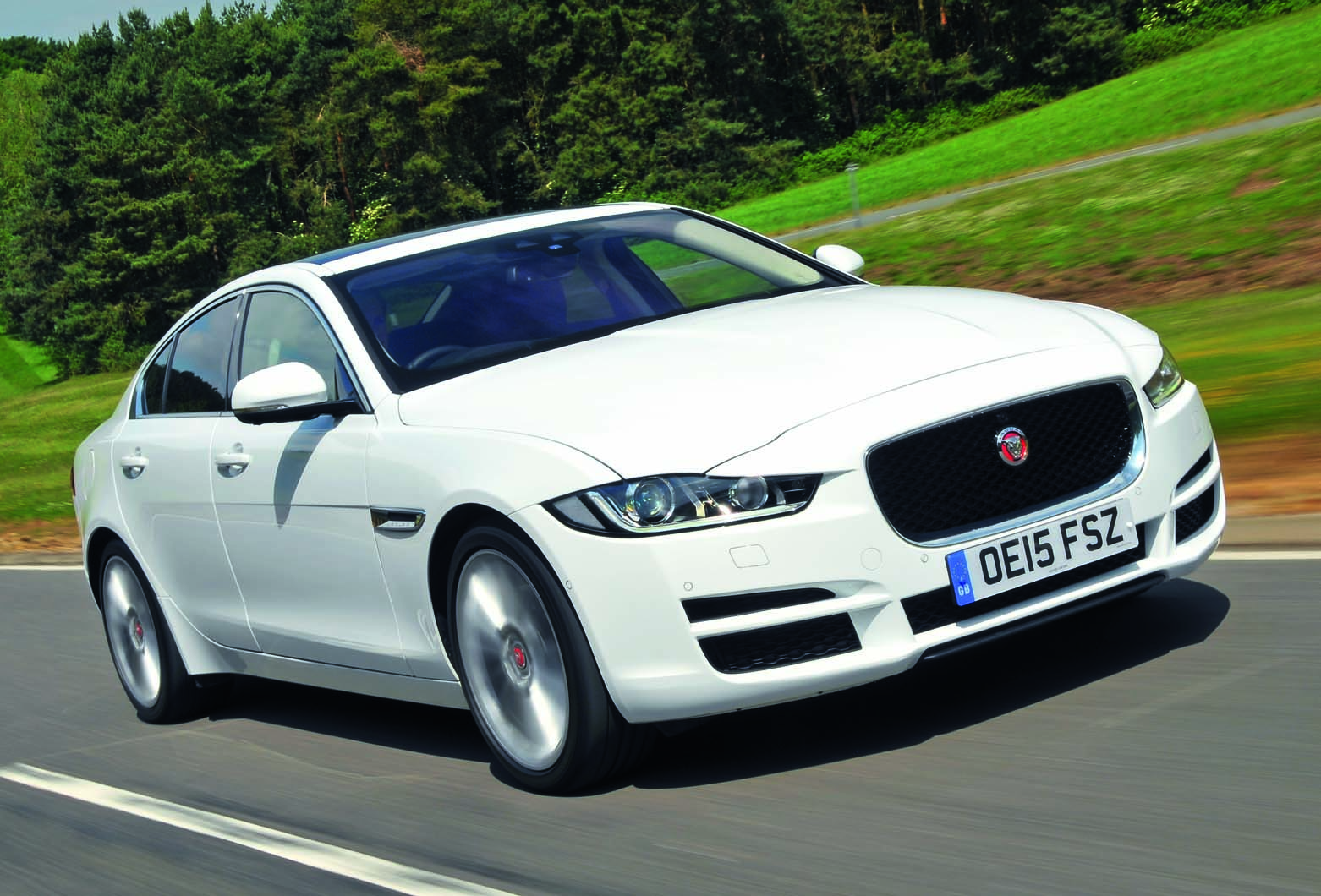
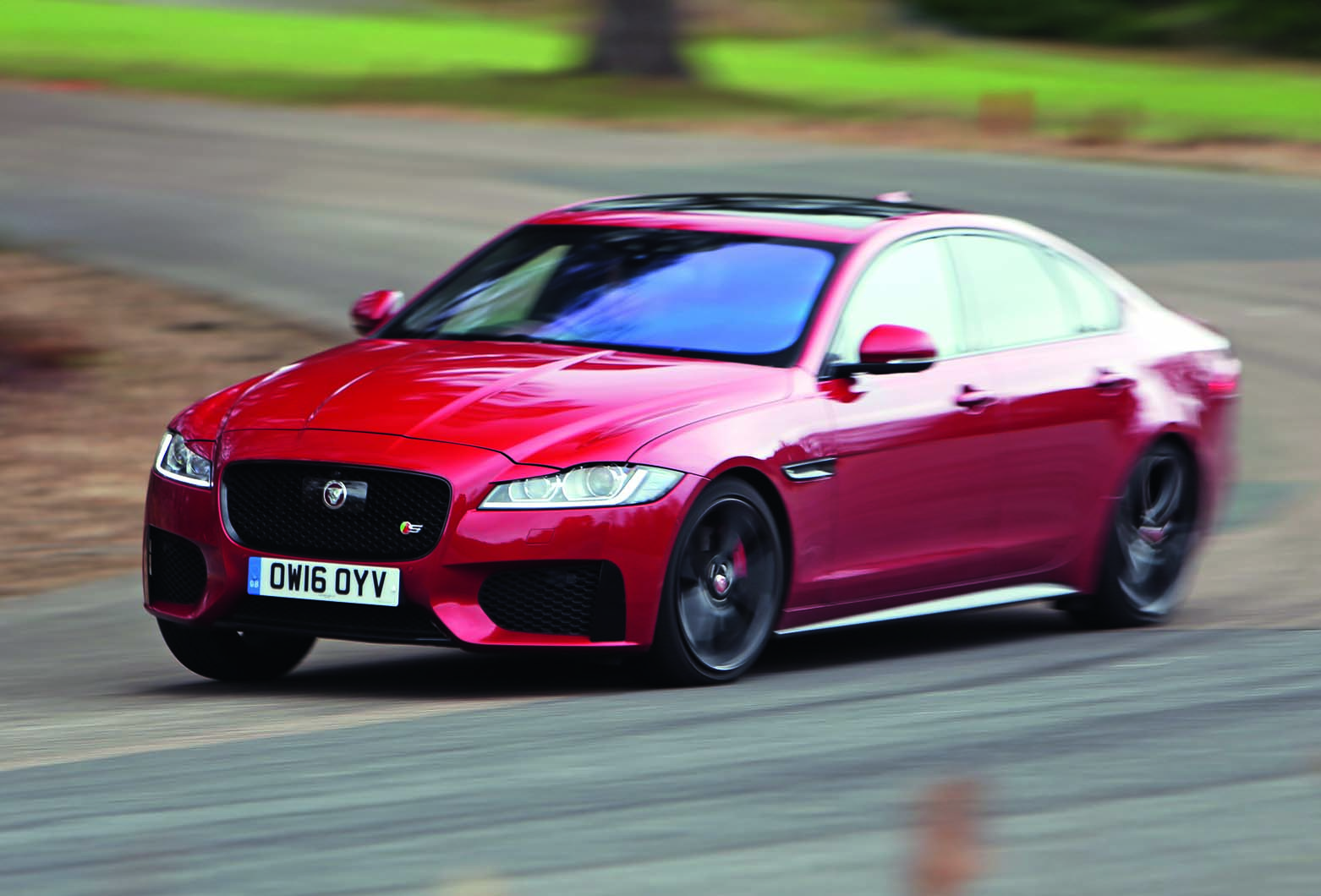
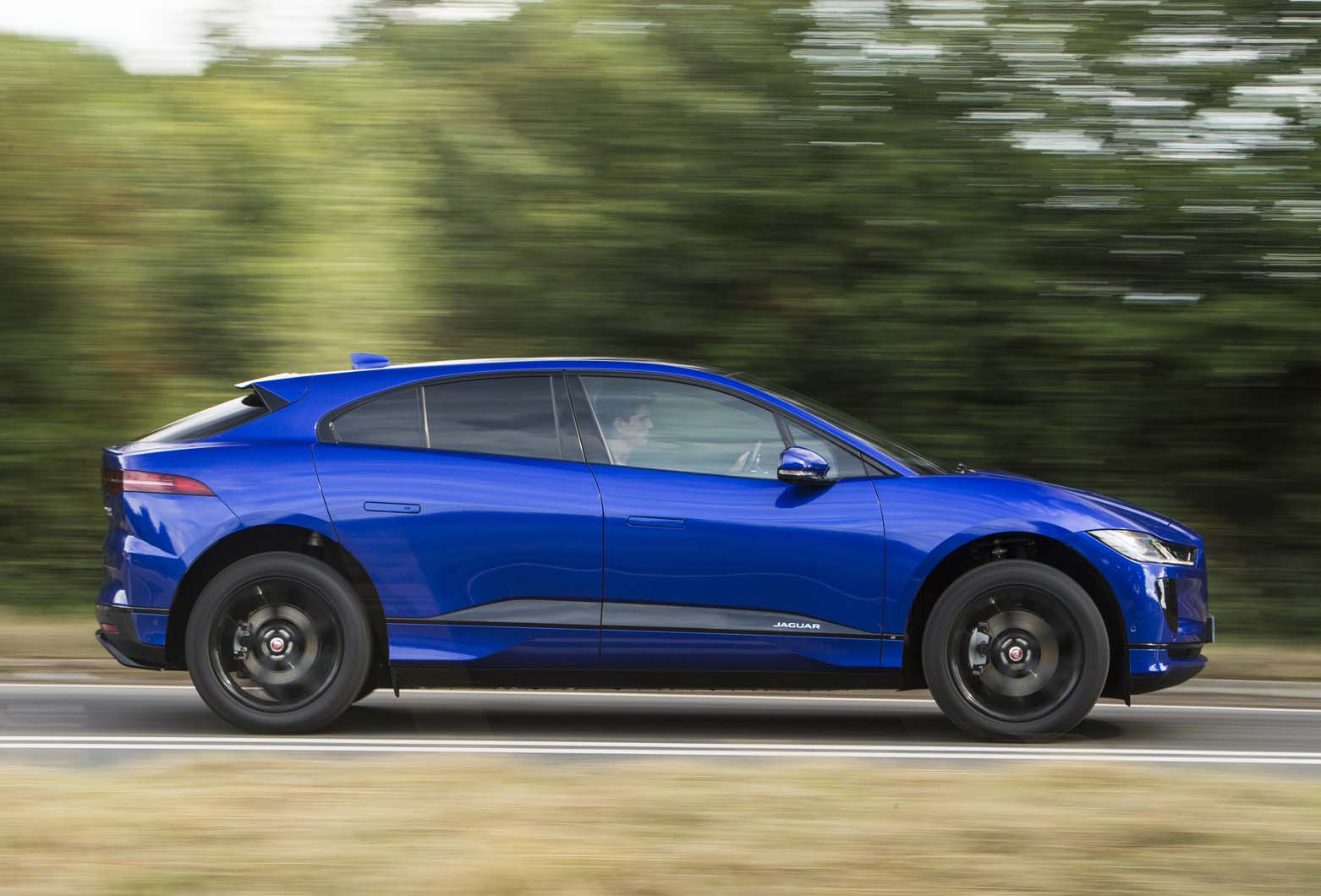
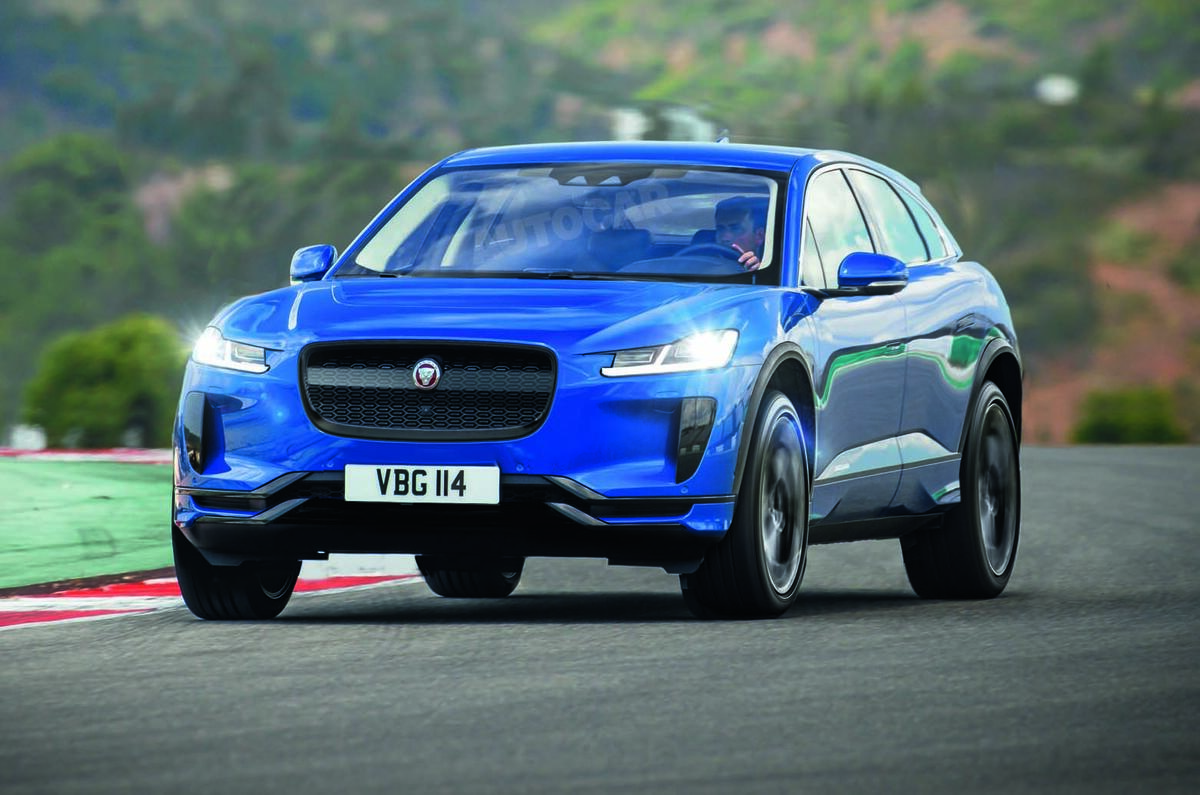
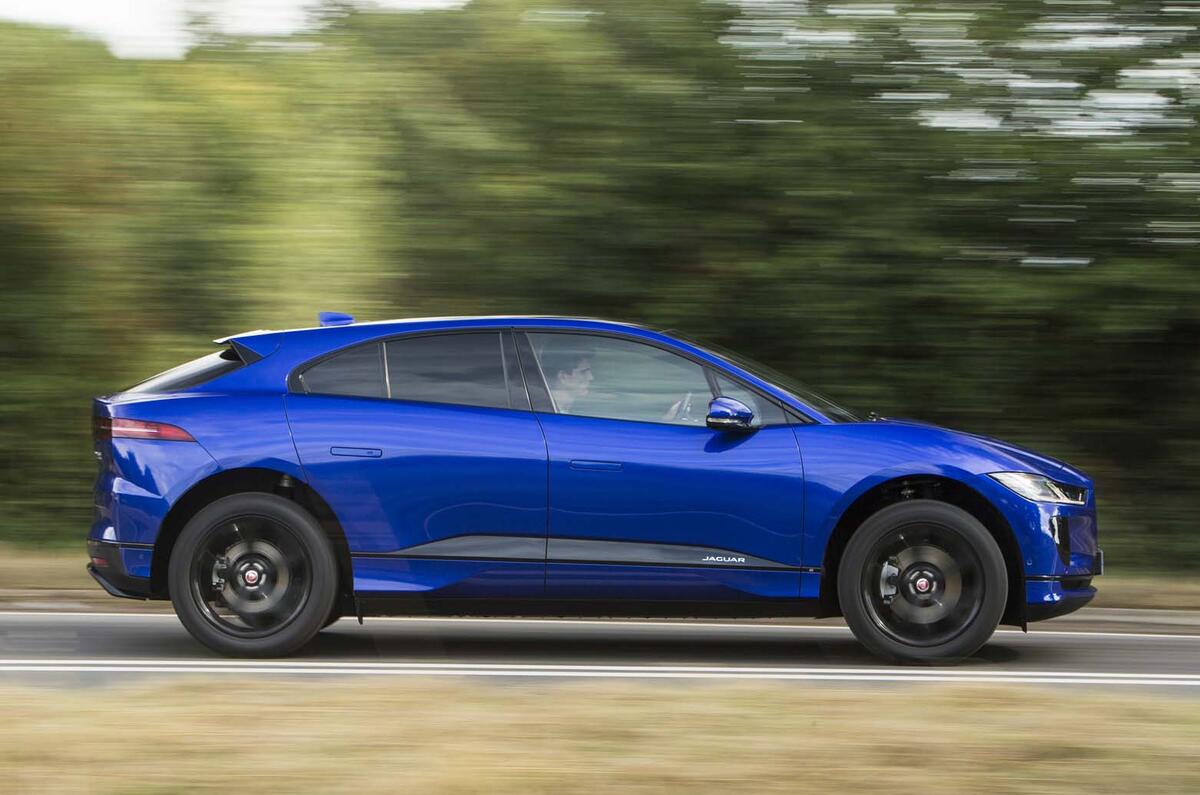
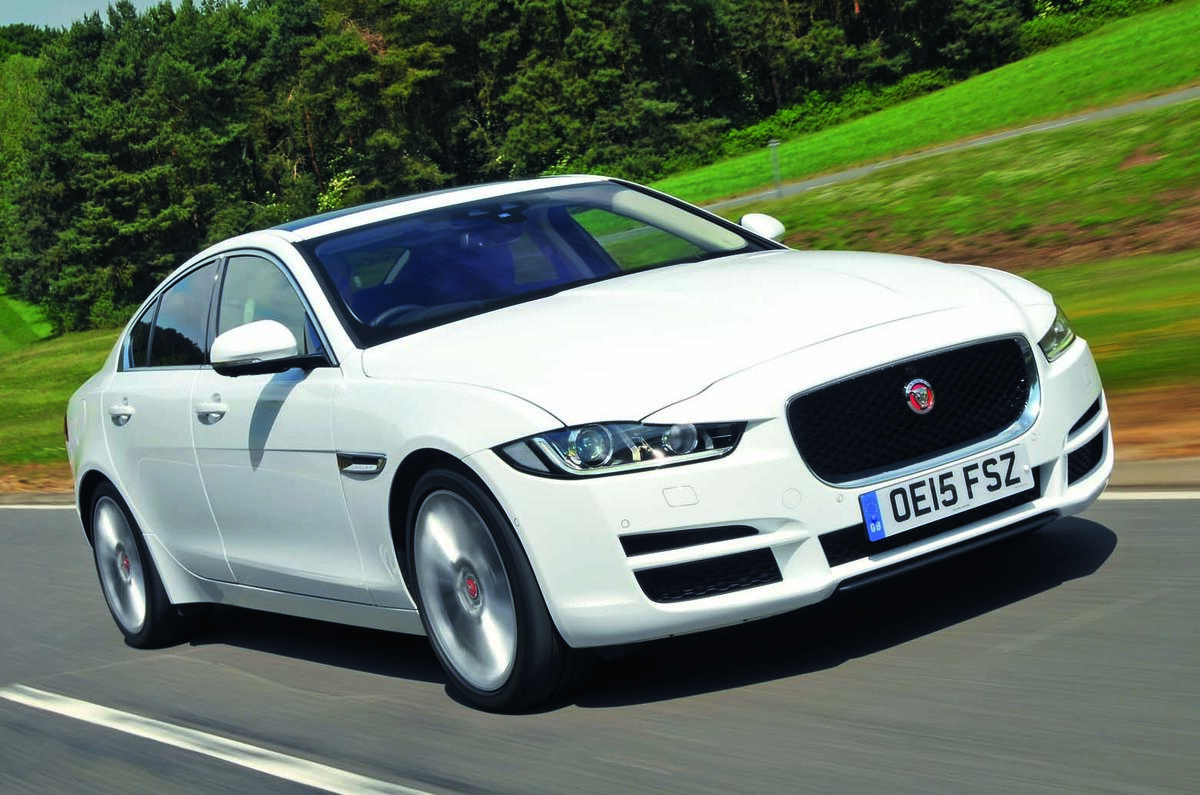
As the Jaguar XE and Jaguar XF reach the end of their lives in 2023, they could be replaced by an all-electric crossover slightly bigger than Audi’s E-tron. An all-new I-Pace would arrive in 2025 as the Jaguar E-Pace and Jaguar F-Pace models are phased out. Jaguar would be nearly all-electric by 2026, with only the flagship J-Pace luxury crossover surviving until 2027 or so. And with no replacement for the Jaguar F-Type in the works for when it dies in the first half of the 2020s, an electric Jaguar sports car is also a possibility.
Early internal estimates suggest that a four or five-model all-electric Jaguar line-up could sell as many as 300,000 units per year, benefiting from much higher retail prices and surfing a trend that is expected to see a sizeable chunk of the luxury vehicle market switching to battery power. Crucially, the move would also provide a big reduction in the average corporate fuel economy of JLR.