

If car ownership levels stay as they are now, the UK isn’t going to fulfil its climate change promises. That was the conclusion reached by MPs from the Science and Technology Committee last week.
Even electric cars aren’t seen as a panacea to the problem, mainly because factories would pump out too much CO2 to replace cars at the rate we currently buy them. The committee’s recommendations were pretty scary for any car owner. “In the long term, widespread personal vehicle ownership does not appear to be compatible with significant decarbonisation,” its report said.
However, not all motoring came under attack. Car-share schemes emerged from the report as the one long-term option that keeps a lid on CO2 output, mainly because they’re compatible with electric technology but also because, according to research from the BMW and Daimler Share Now service, a single shared car can replace about eight private cars.
The Society of Motor Manufacturers and Traders told the committee that “a clear shift from traditional vehicle ownership to usership has emerged in recent years”, pointing out that car makers are already exploring car-share programmes.
Car-share schemes (or car clubs) are increasing in popularity in the UK. The number of cars in such schemes has gone from 3188 in 2015 to 5385 this year and membership has climbed from under 200,000 to just over 350,000, according to research from CoMoUK.
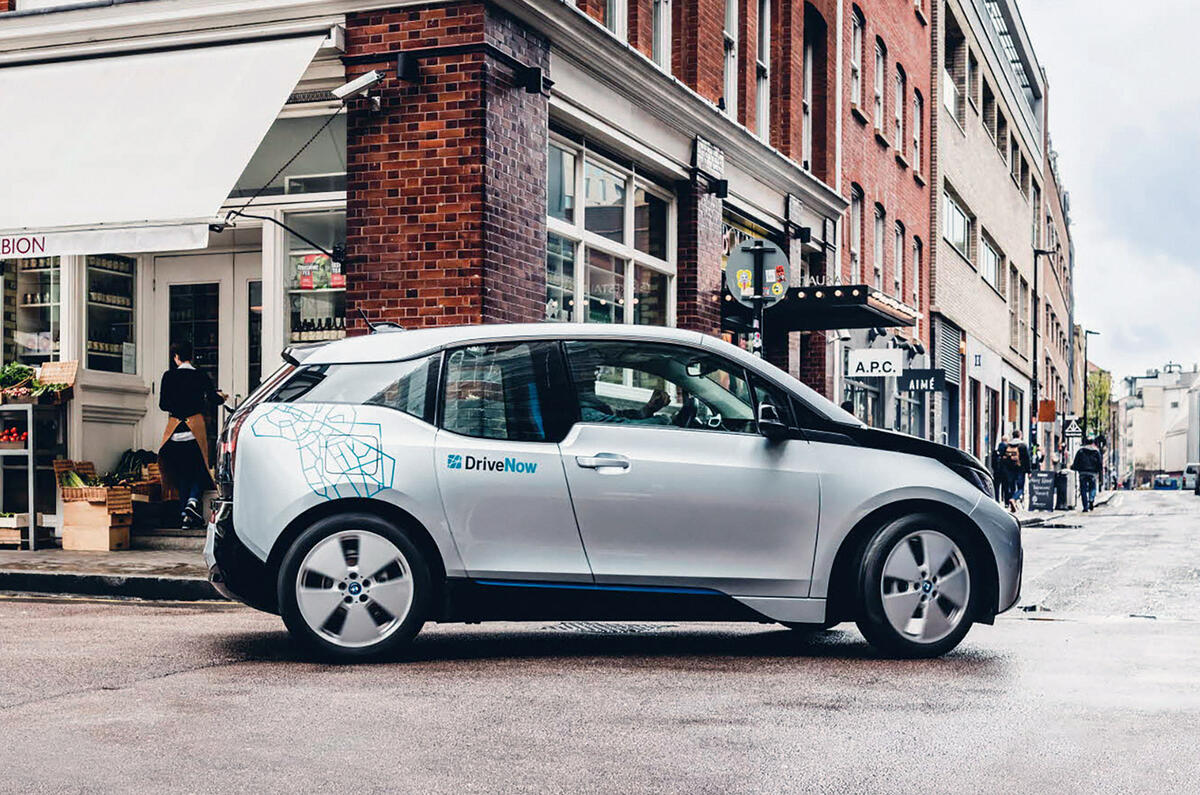
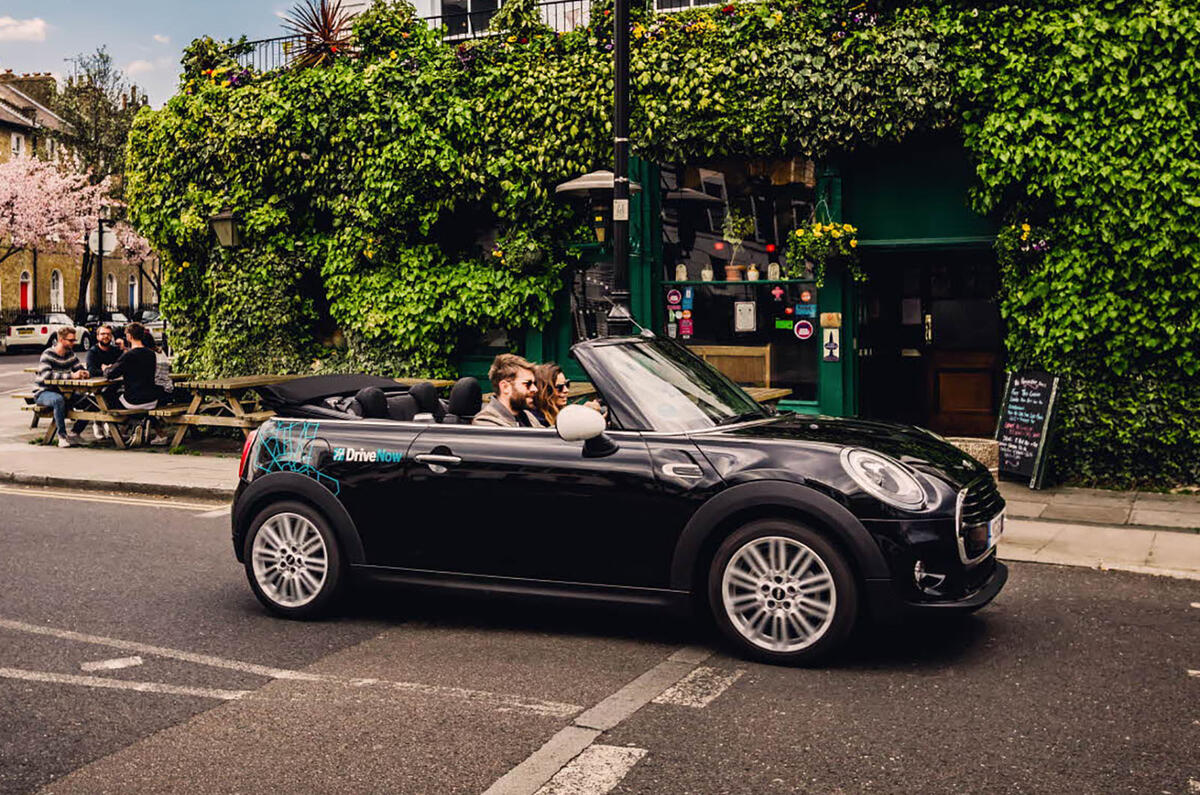
Of those cars, a whopping 60% are based in London, where the big players such as Avis Group’s Zipcar, Enterprise Car Club and BMW’s DriveNow operate. It makes sense. It’s more expensive and more hassle to own a car in a big city, where there are plenty of other transport options. Zipcar said it has 270,000 members in London, making it the USowned brand’s biggest market. Rates start at 29p per minute but various plans are available.
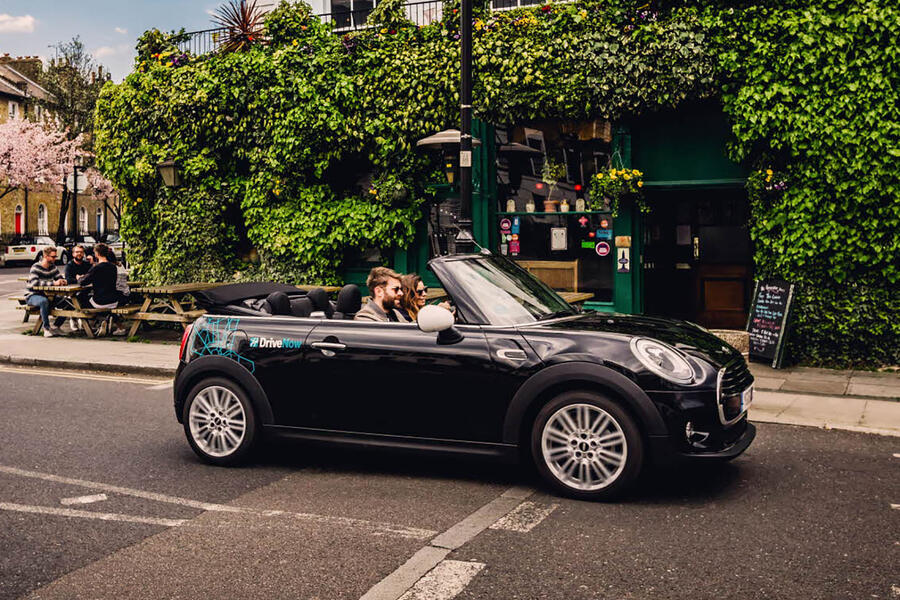
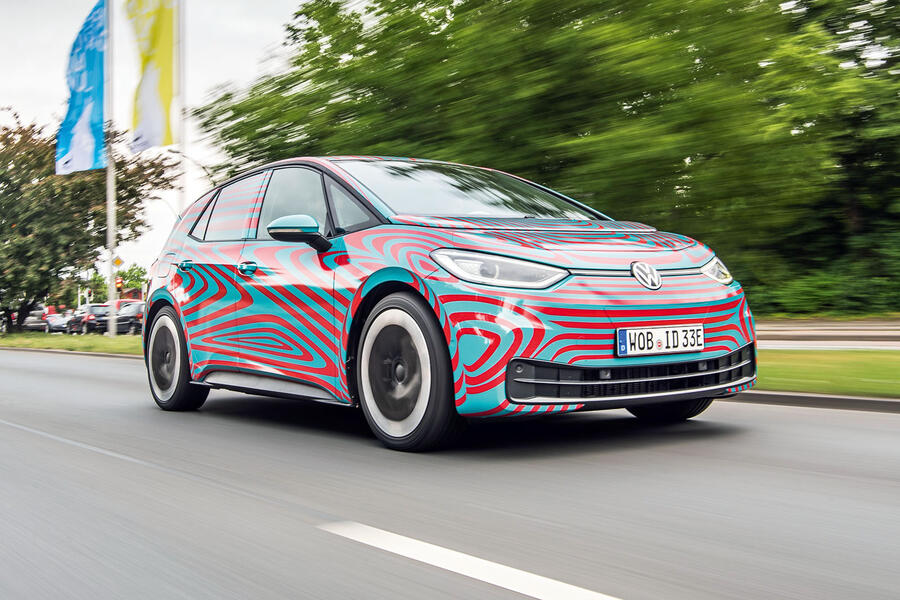
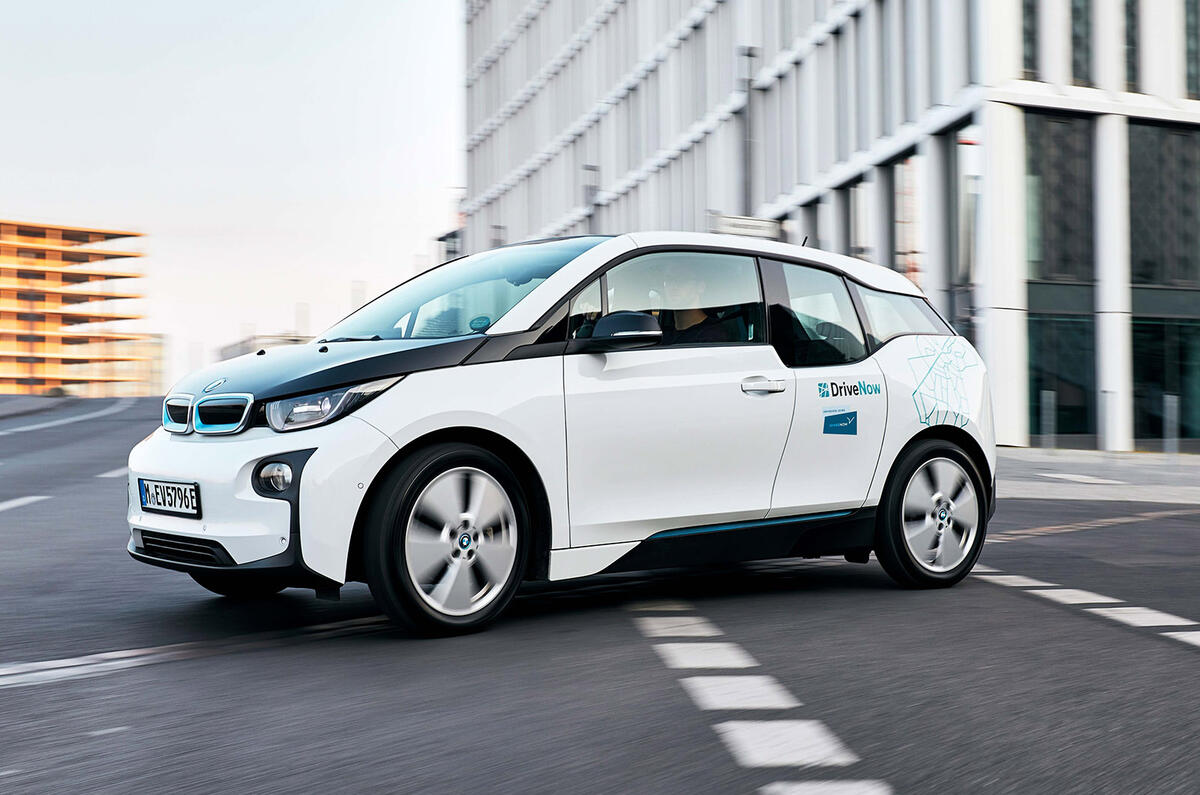
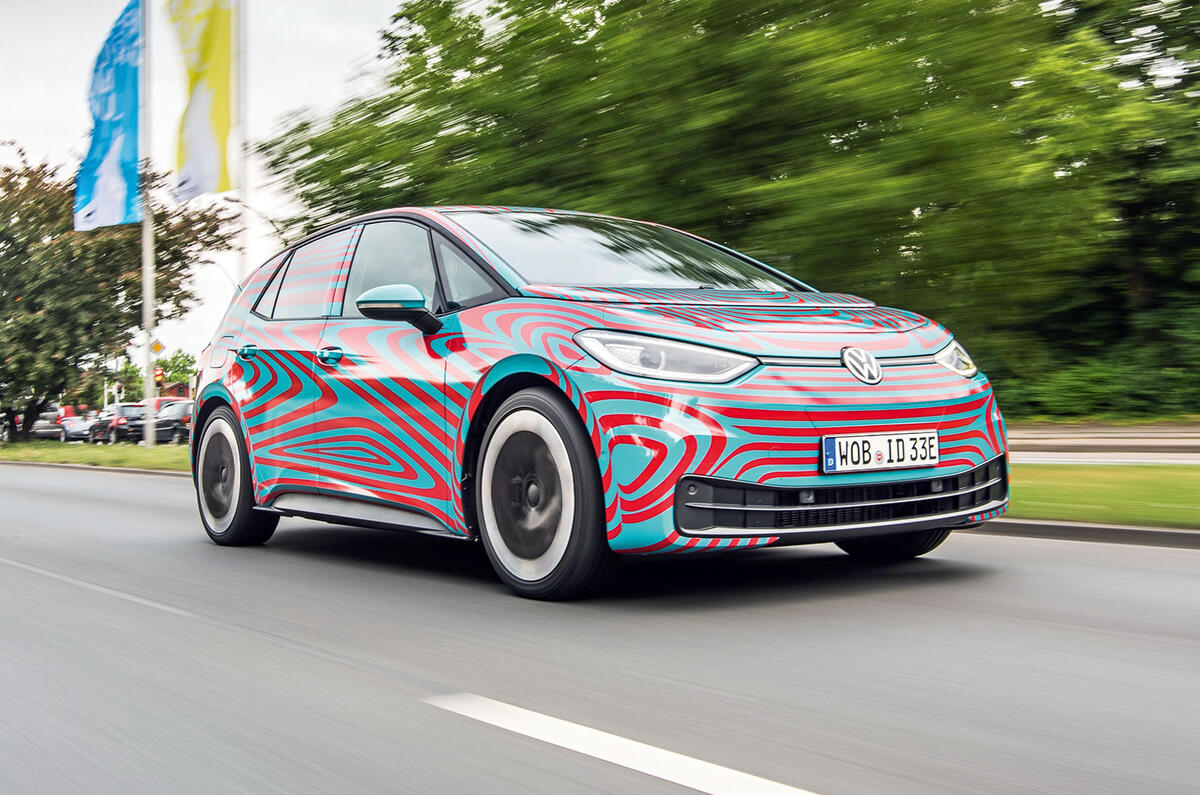
Manufacturers are also dipping a toe in the water. The two longest-standing operations – DriveNow from BMW and Car2Go from Daimler – are in the process of combining to create ShareNow. Volkswagen launched WeShare in June with an electric-only car fleet, starting in Berlin with 1500 Volkswagen e-Golfs. The PSA Group also offers car sharing under its Free2Move mobility brand, although in the UK it offers cars via business contract hire only.
The business of car sharing is hard work, though. BMW and Daimler are pooling resources partly because their global car-share operations weren’t consistently profitable.
The business is far more complicated than just selling cars because local conditions are so varied and the obstacles not immediately apparent. Despite coming to London in 2014, DriveNow even now operates in only nine of London’s 33 boroughs, mainly because it has to negotiate parking with each one. Daimler’s Car2Go quit London in 2014 and hasn’t returned. More recently, Zipcar left Brussels, citing the high rates of car ownership there.