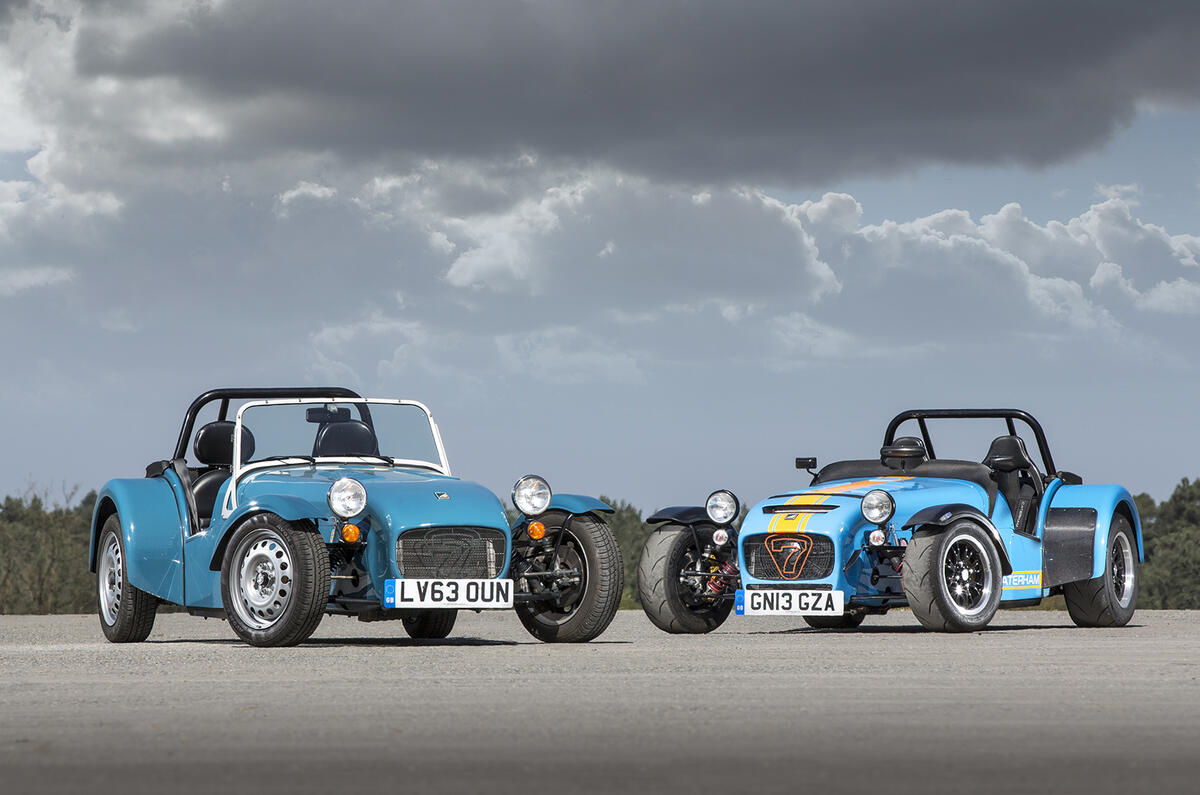
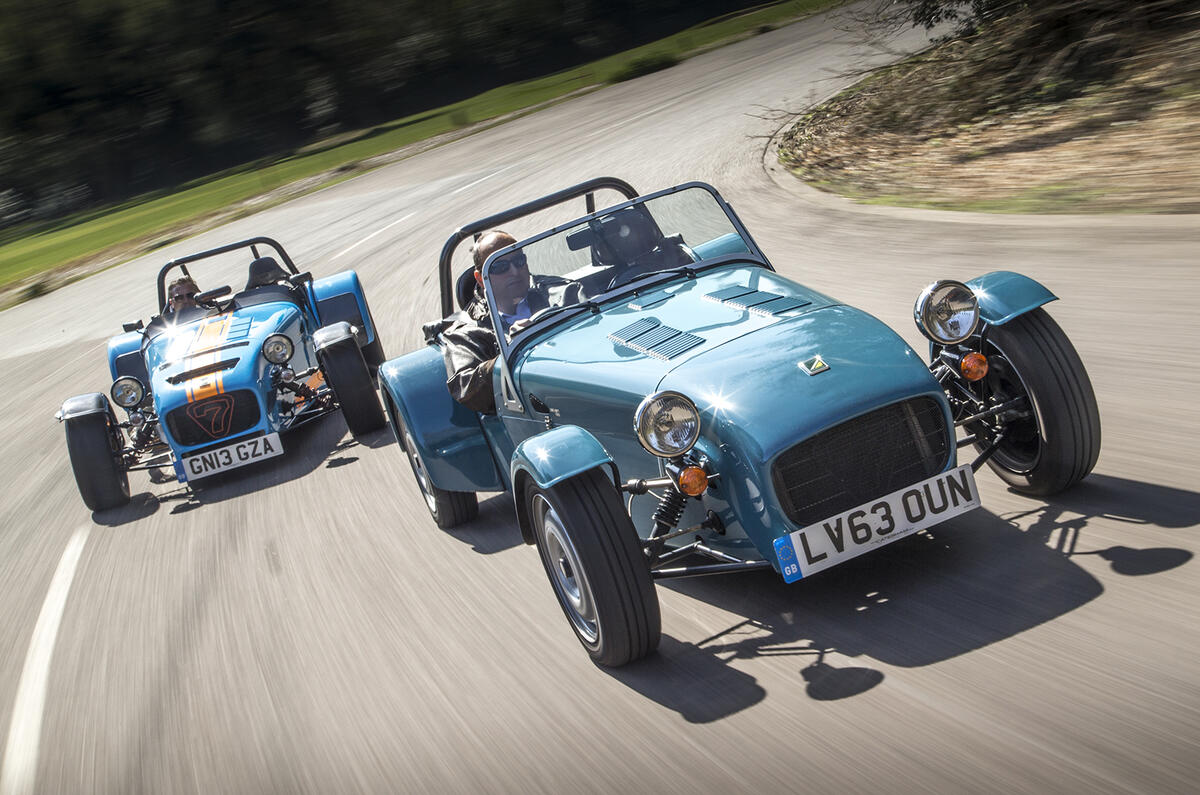
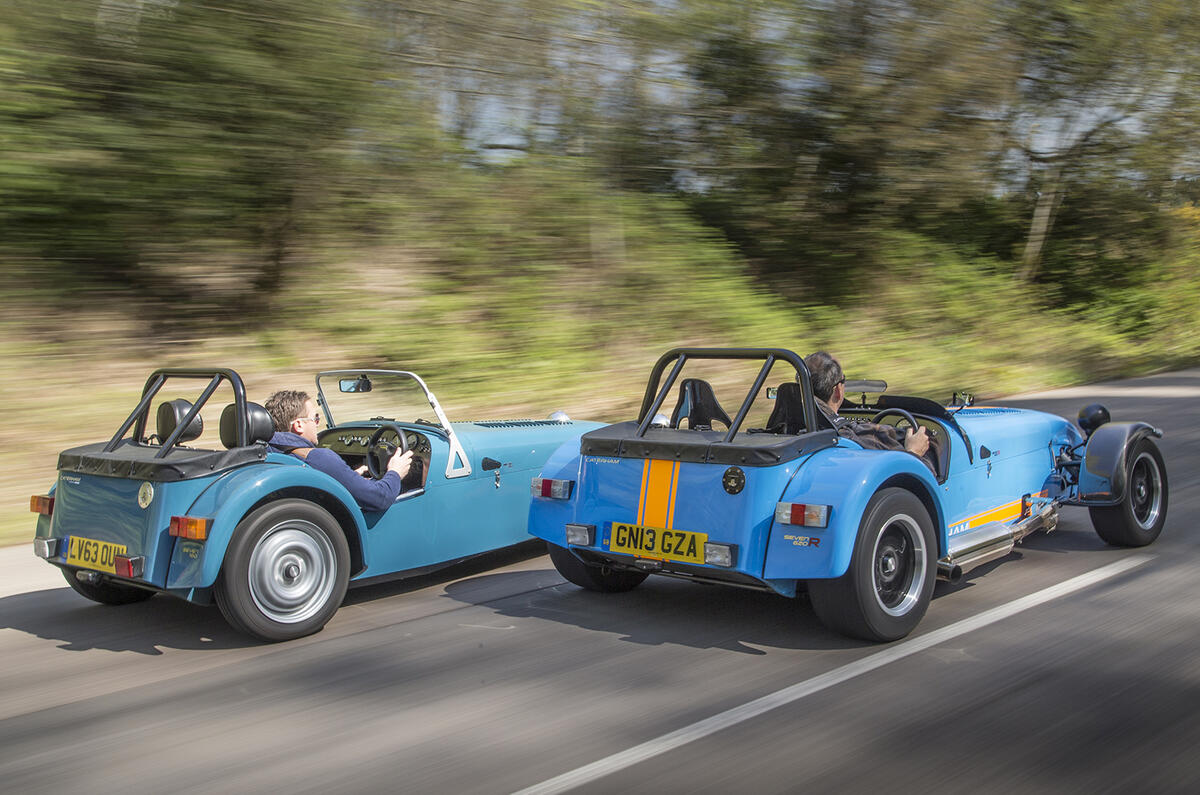
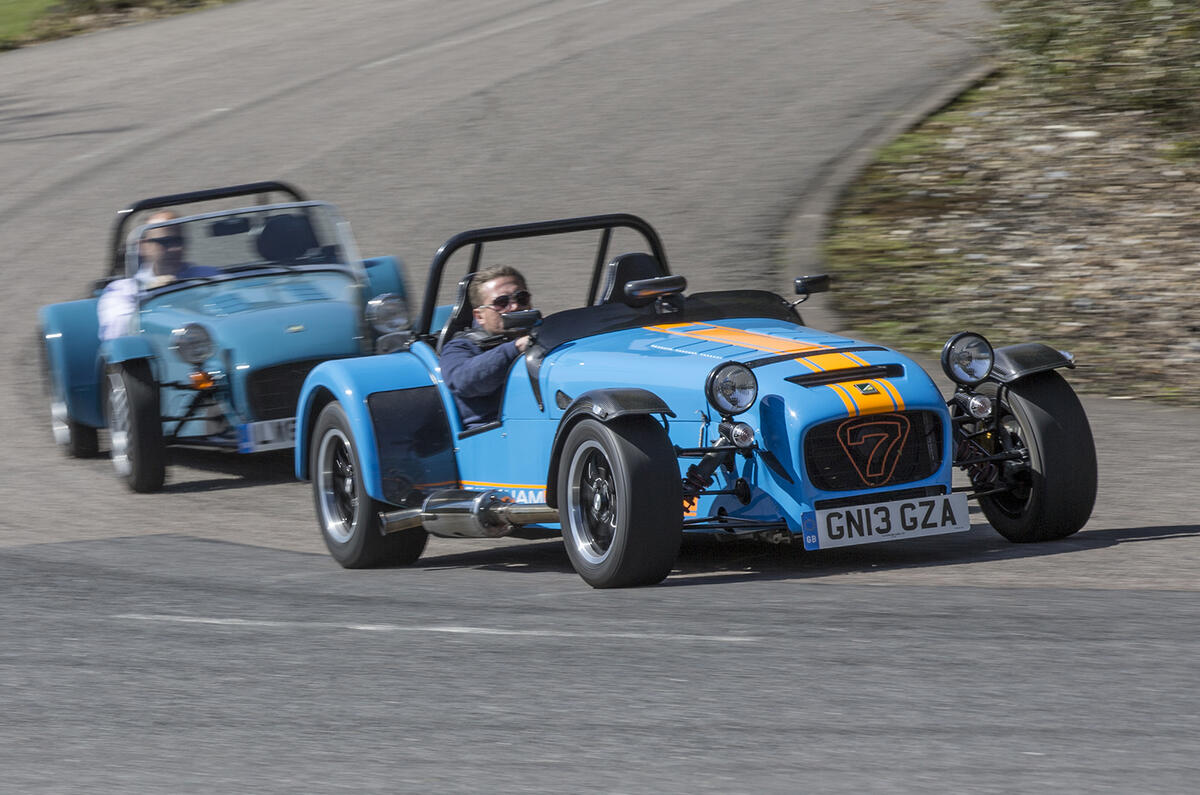
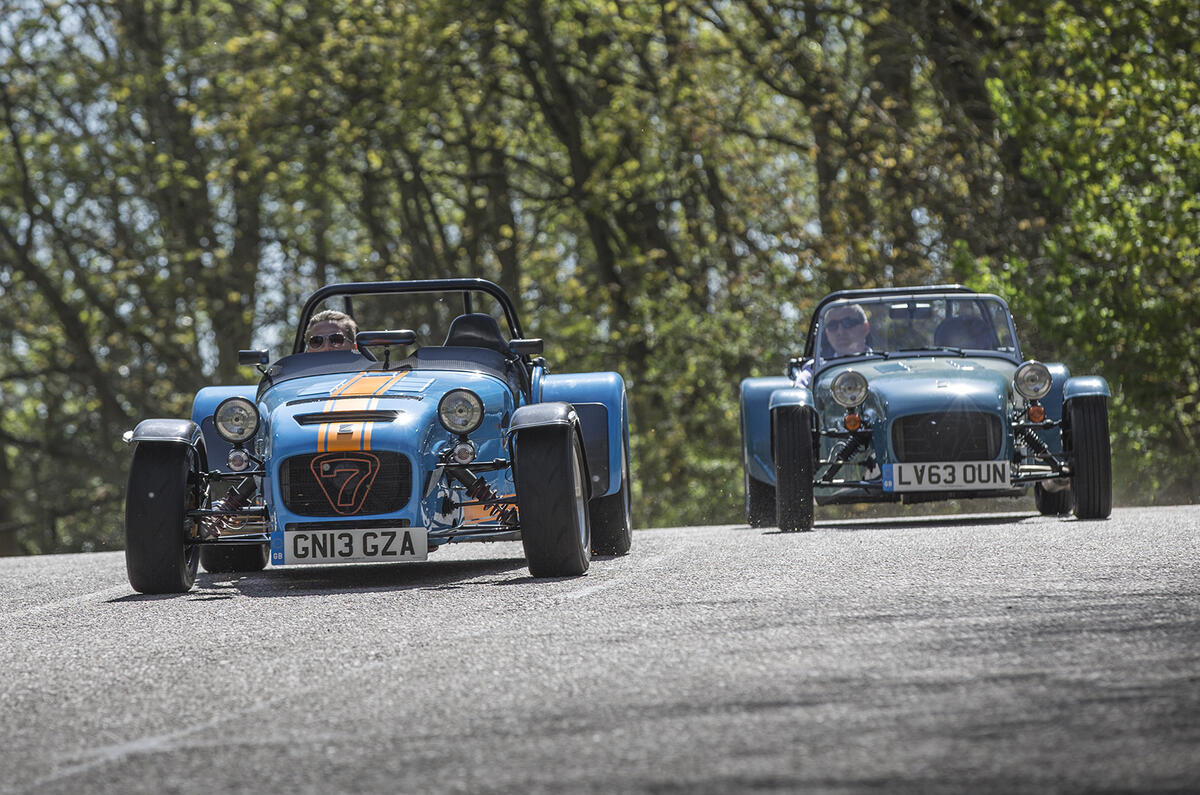
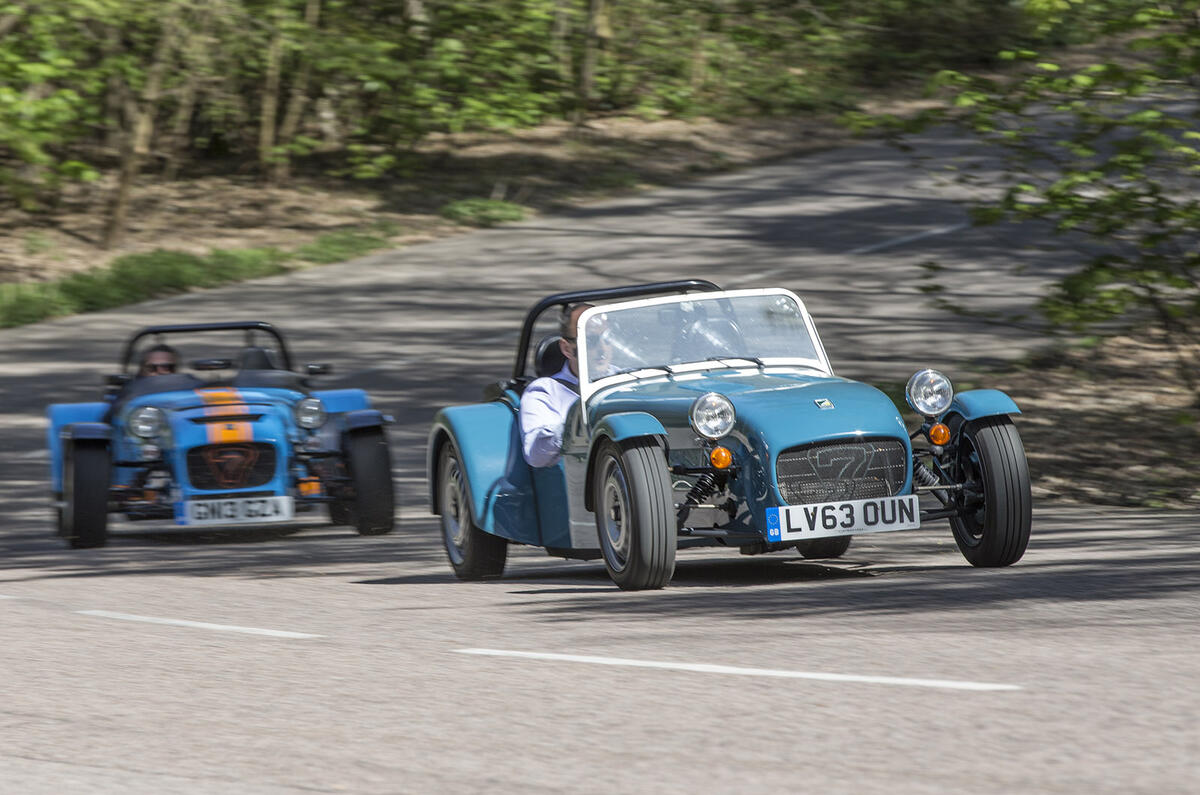
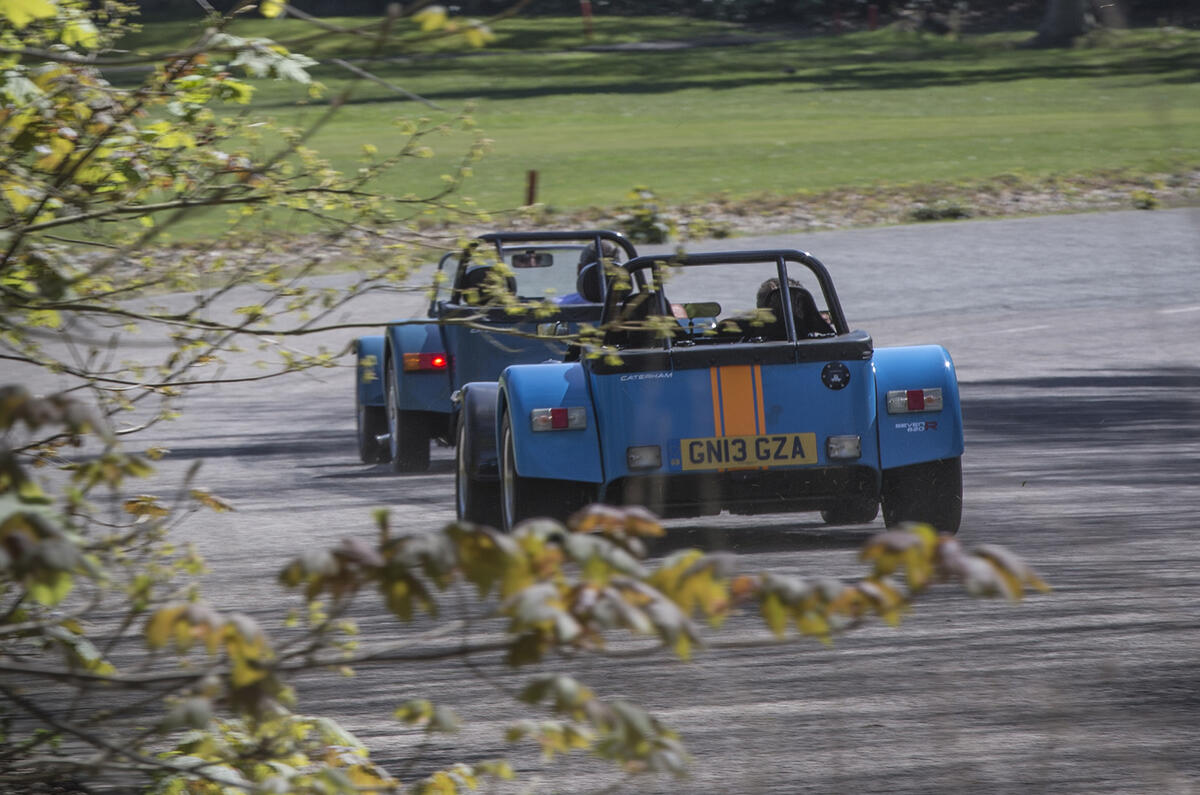
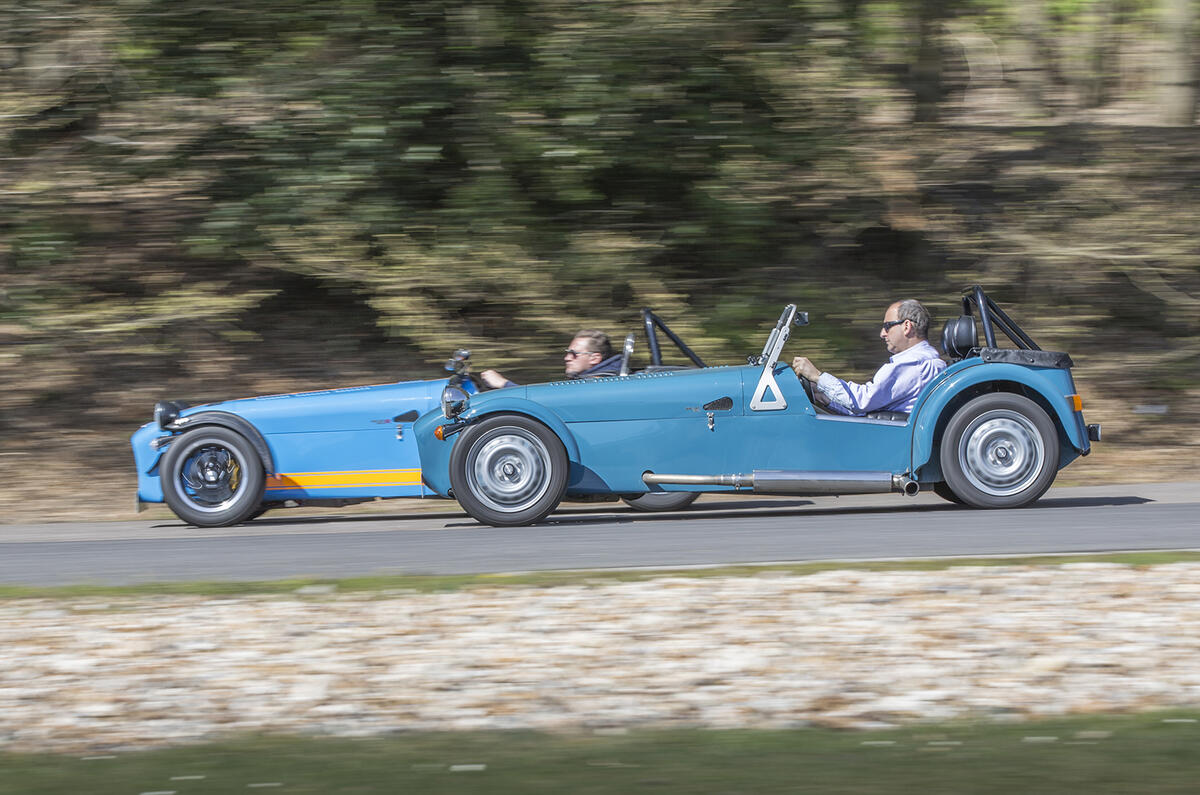
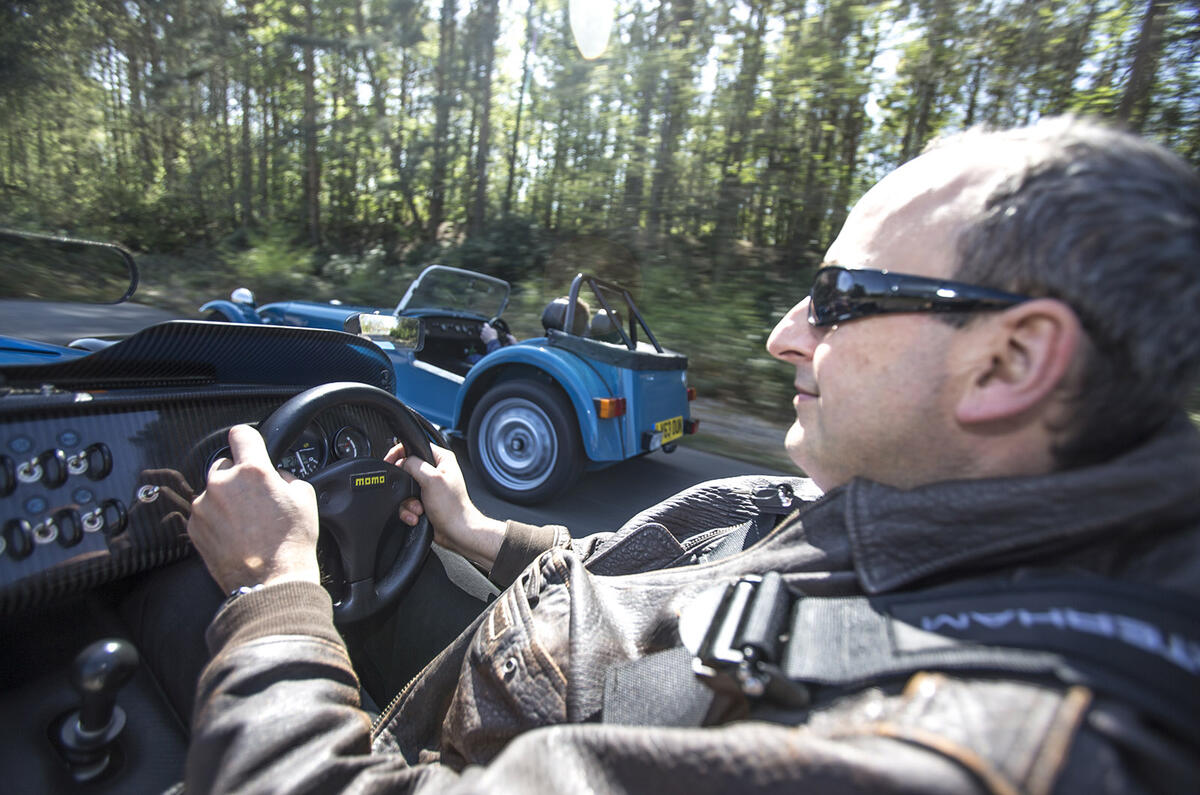














When we compare one car with another, we usually like to save the verdict for the end. It gives you something to read and us something to say. But there really doesn’t seem much point here.
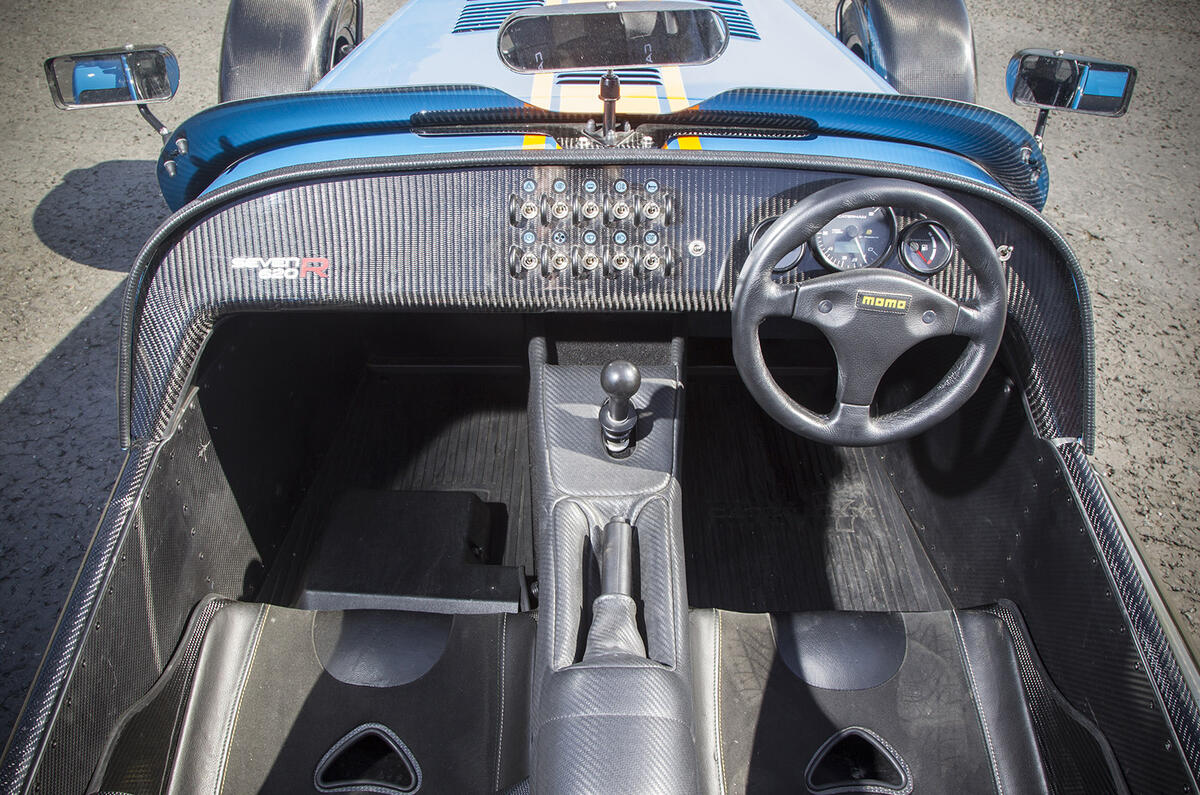
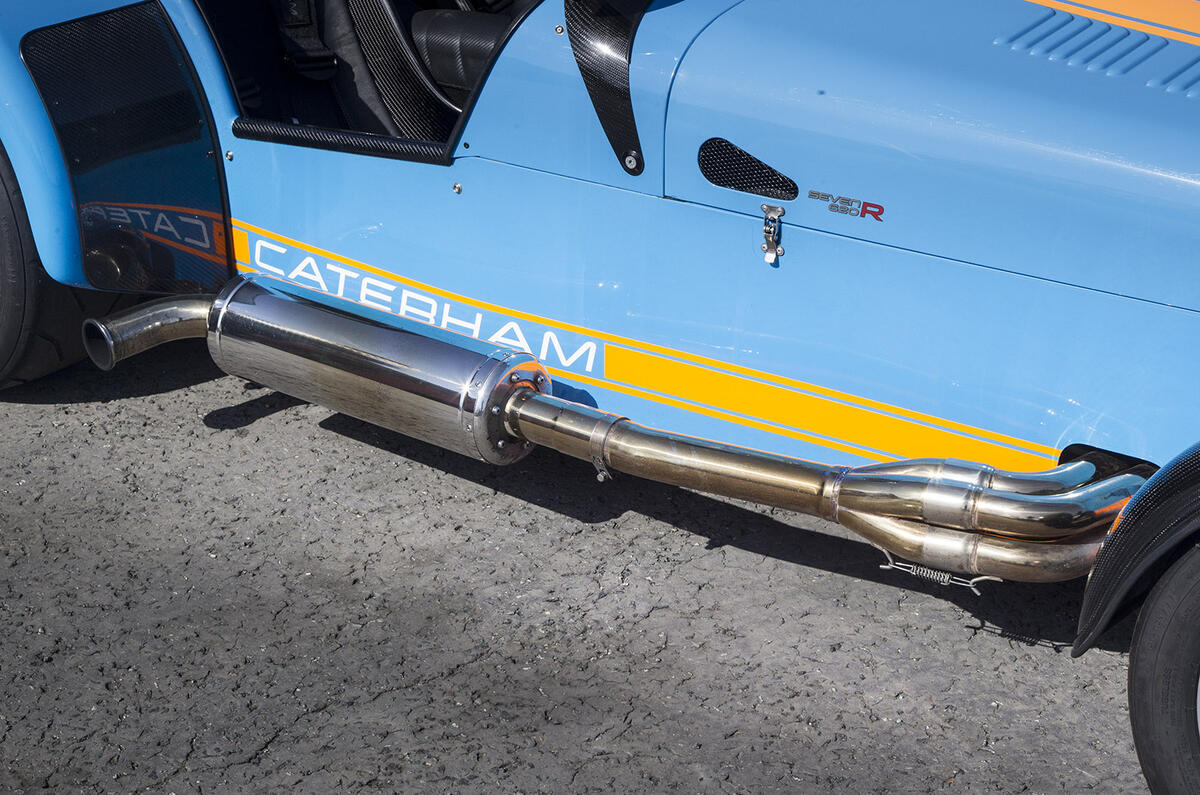
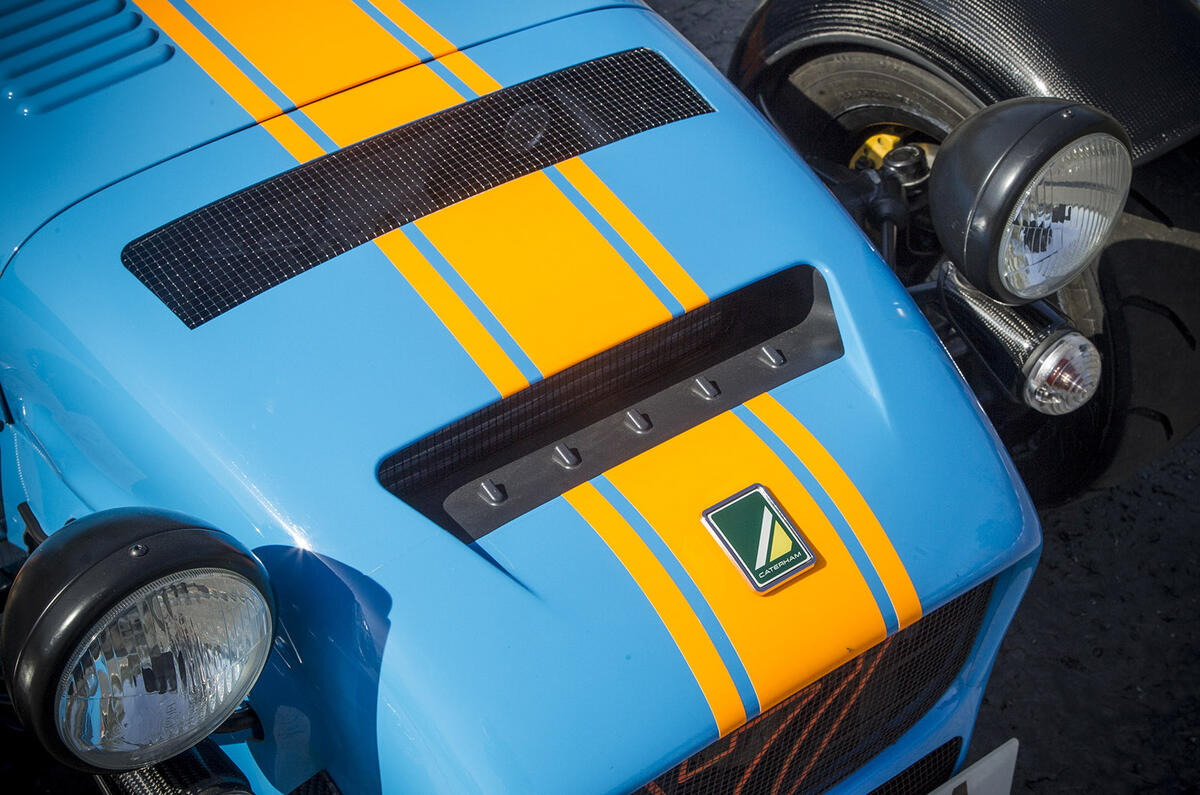
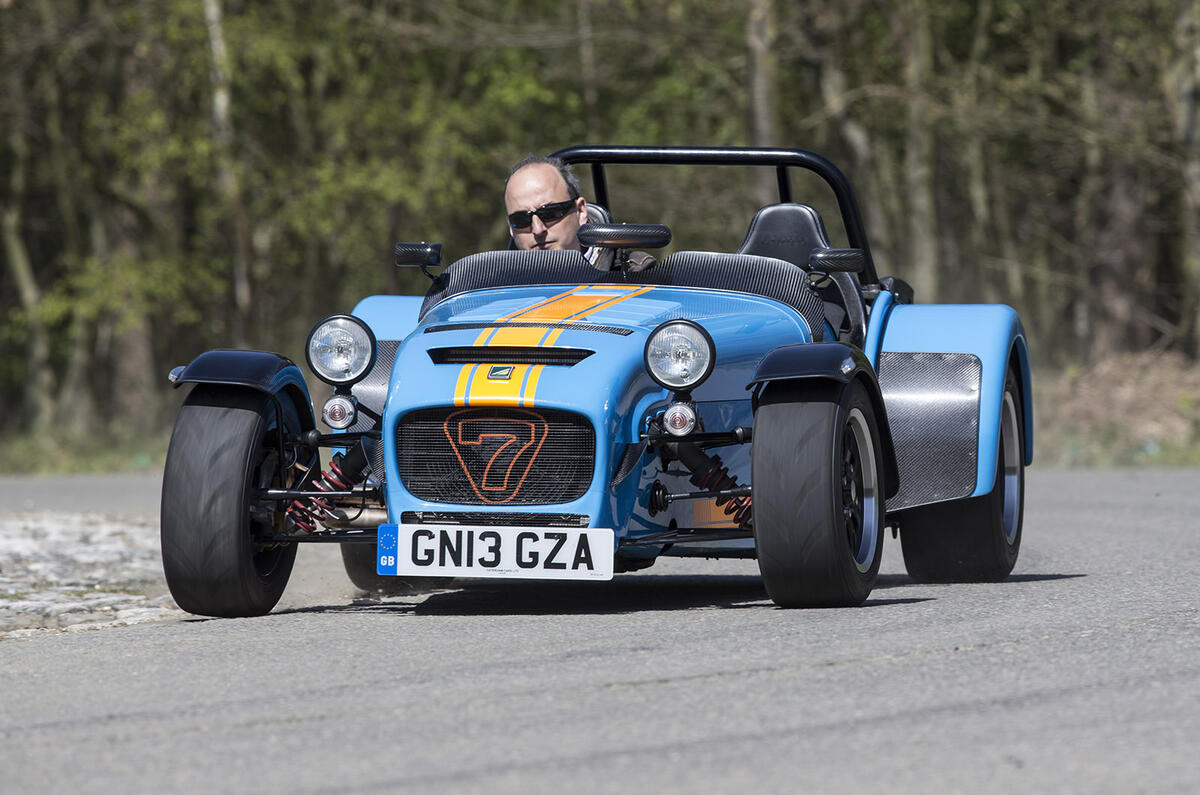
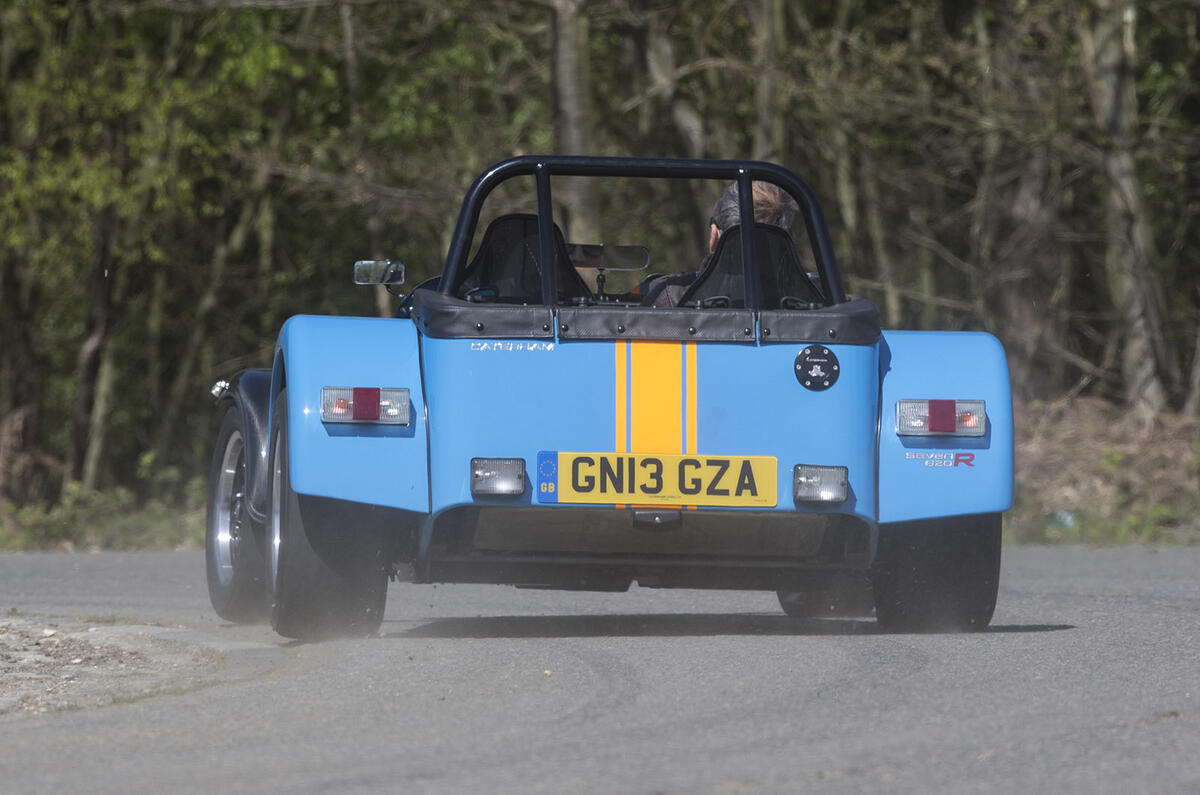
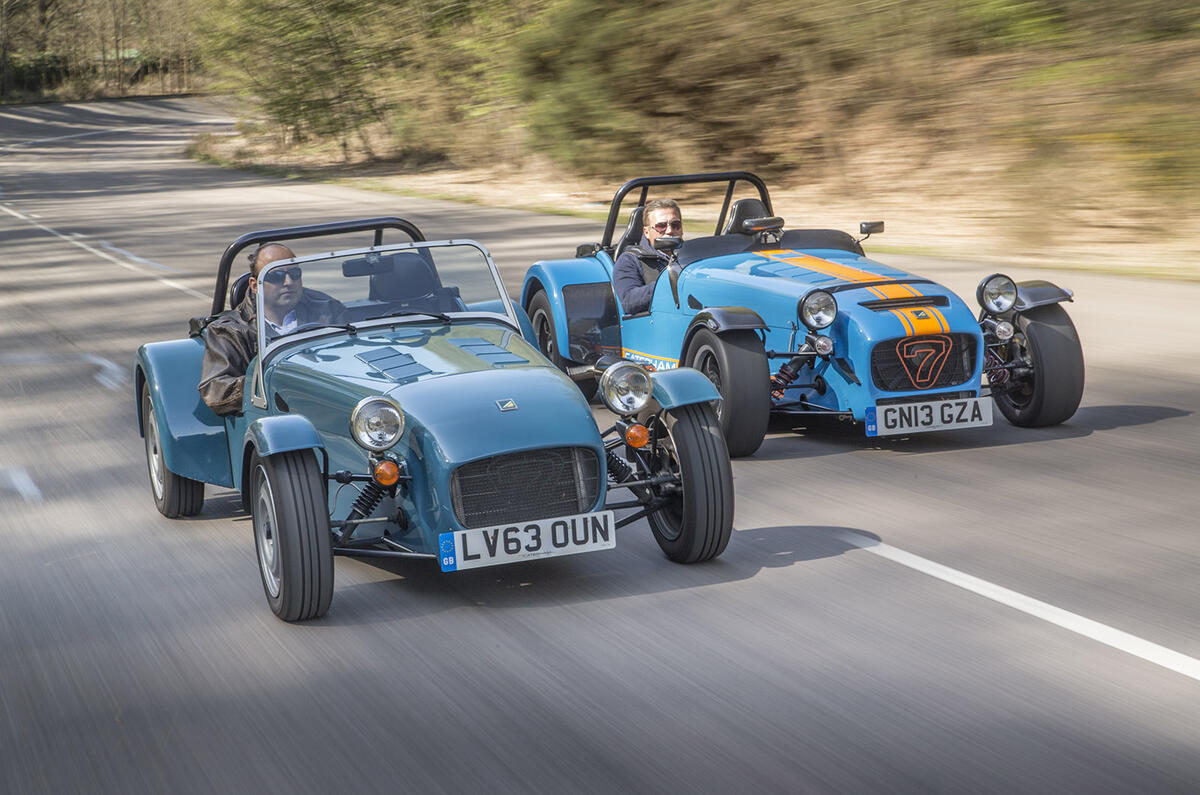
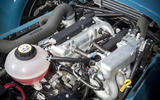
So if you’re ready, I’ll give it to you straight: a Caterham Seven 620R is more exciting to drive than the new Caterham Seven 160. Not much of a revelation, is it? One is powered by a 660cc engine from a Suzuki microvan; the other has the power-to-weight ratio of a McLaren P1. One would need to try hard to drop a Renaultsport Clio down a quick road; the other would make a Bugatti Veyron driver wonder which way it went.
So what are they doing here? We rarely compare cars from the same manufacturer, let alone the same model line, and given that the 620R has almost four times the power of the 160 and costs over three times as much, it is not as if anyone is ever going to agonise over which one to choose.
The method in this apparent madness comes from a gut feeling – my gut feeling, as you’re asking – that too often the concepts of fast and fun are assumed to have a far closer relationship than they actually do. There is a misguided notion that they are somehow inextricably linked by a length of elastic, so although there is some stretch between the two scales, broadly speaking the more you have of one, the more there’ll be of the other. And I just don’t believe it to be true.

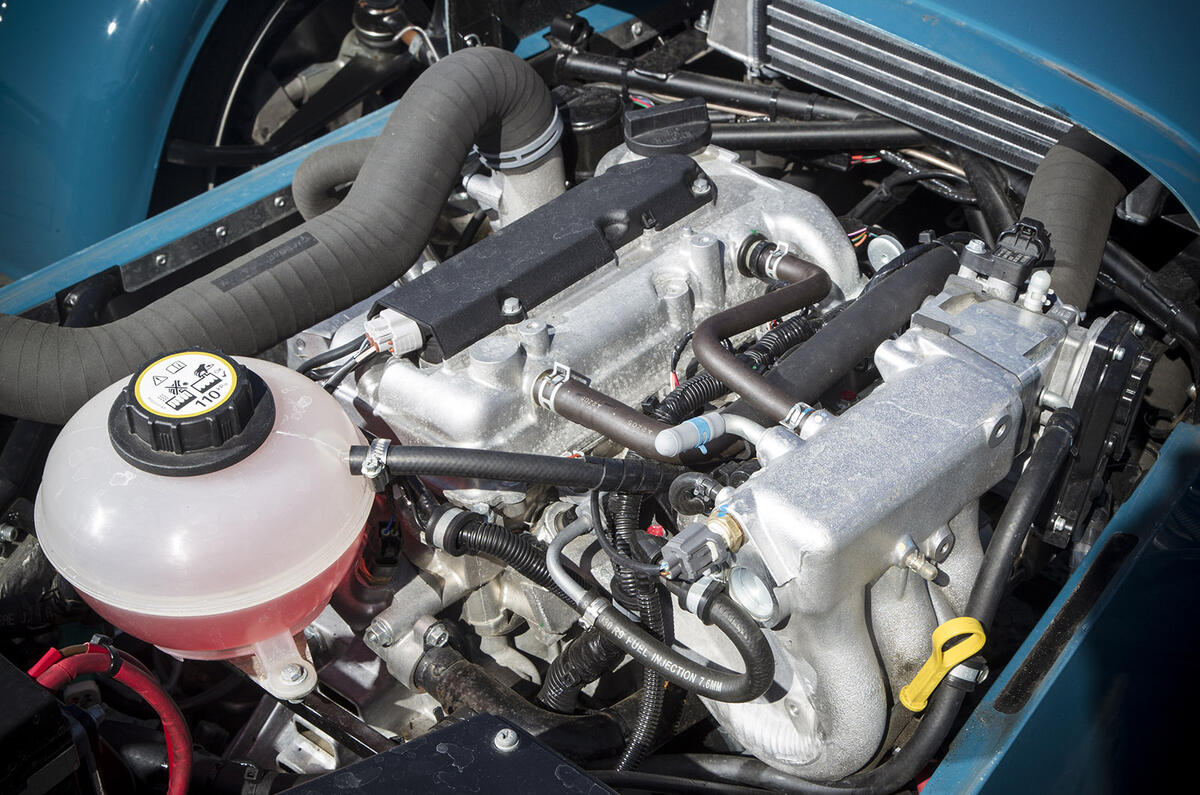
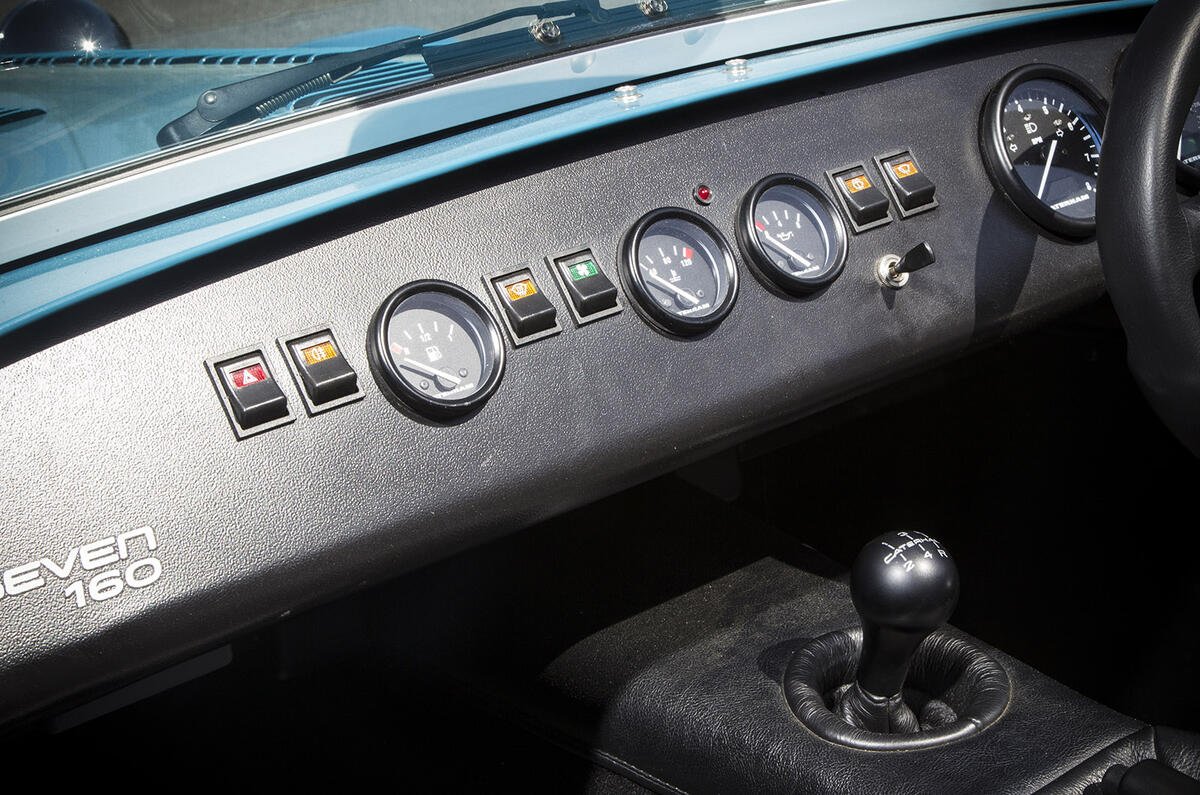
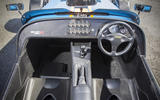
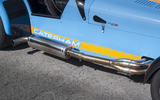
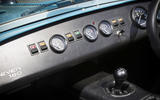
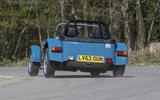
We’ll start with the junior of the pair, Caterham’s three-cylinder 160 with its headline-grabbing sub-£15k price. It may be the latest Seven, but in its modest 80bhp output, ultra-light weight and live rear axle, it’s far closer in concept to Colin Chapman’s original ideas for the Lotus Seven than any Caterham of the past 30 years.
Its appeal extends far beyond that list price, which turns out to be somewhat less attractive once you’ve forked out a further £2000 to get it built and £1150 for it to be painted.
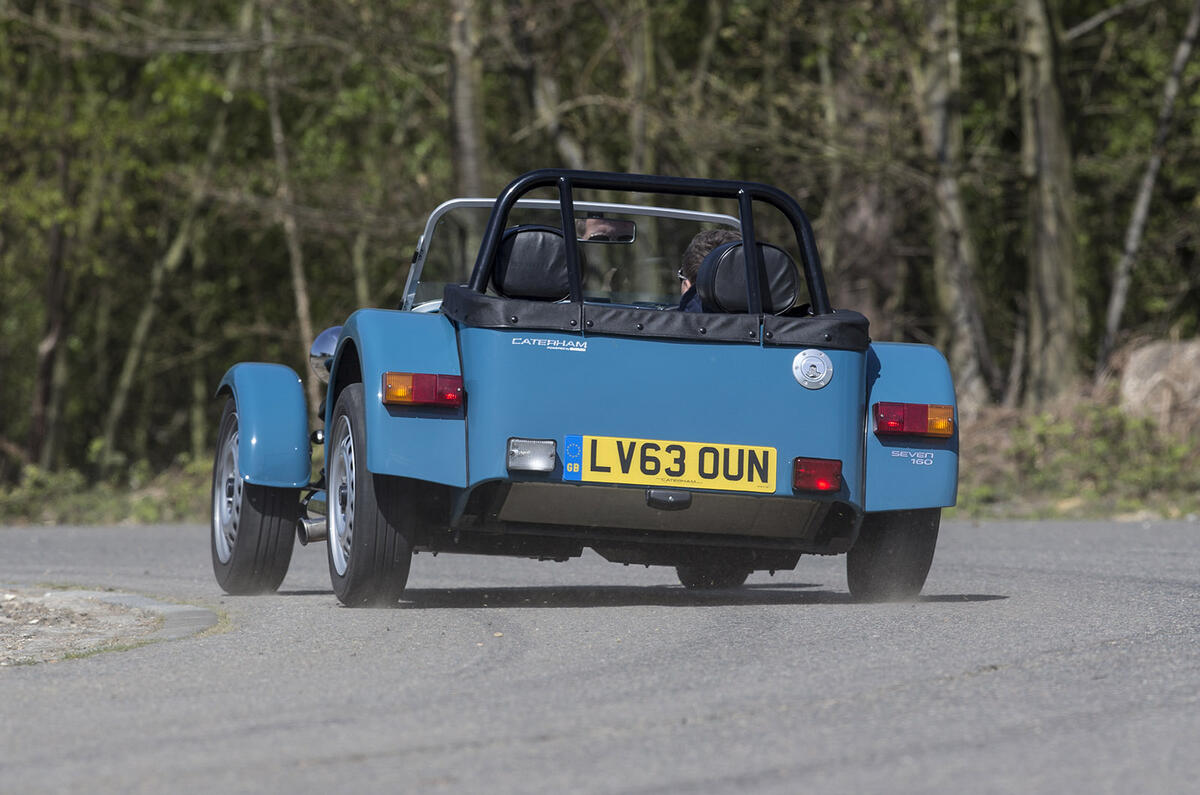
Its real unique selling point is that this is probably the most usable Caterham of all, the one you’re most likely to drive for reasons other than seeing how fast you can get around a track or from point A to point B on a great country road. Thanks to its shortage of power and the corresponding reduction in grip brought by hard, skinny tyres and live rear end, you don’t need to be on a circuit or up a mountain before it starts doing all those things we love Caterhams to do.
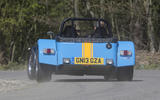
To the interesting accompaniment of the responsive little Suzuki engine, the 160 will slide and drift at remarkably modest and legal speeds. And because it has a sub-half-tonne mass to control and its chassis is so good-natured, it makes you feel like the superhero who can stay on the right side of the law, and do so on roads you use every day.