30 years ago, diesel cars were a bit rubbish.
They were loud, clattery, vibrating, smelly and usually appallingly slow. But politicians thought they were the bee's knees, because they were marginally lower emitters of greenhouse gases than petrols.
They were generating some genuine interest from the public too, because they had higher torque at lower revs, which made driving easier, and they could go much farther on a fill-up than was customary.
So, somewhat against the odds (and with some short-lived governmental backing), oil-burners took off in popularity, and the technology was nurtured and improved over generations to the extent that some of the best-rounded cars in recent memory supped from the black pump.
Nowadays diesels are fabulous things. Using fewer resources and carrying less weight, they can outperform the efficiency of the plug-in hybrids to which the taxman has switched his allegiance while bringing little in the way of compromise to refinement or performance all while costing less outright.
Some of them even sound pretty good. For many drivers who cover long distances regularly, a diesel simply can't be beat.
Yet the Dieselgate scandal turned buyers and governments against them, causing sales to slump.
They're now an endangered species and that won't change, due to low-emissions zones, unfavourable taxes and higher fuel prices. That's despite modern diesels complying with the exact same emissions standards as petrols and hybrids.
In fact, a few years ago, German motoring body ADAC found that a Mercedes-Benz C220d emitted no NOx whatsoever in real-world use, unlike any of the petrol cars it tested.

Nonetheless, the tide is well beyond turning in the UK, where diesels now hold less than 5% of the new car market and few manufacturers even bother offering them any more and in my view, that's a great shame.
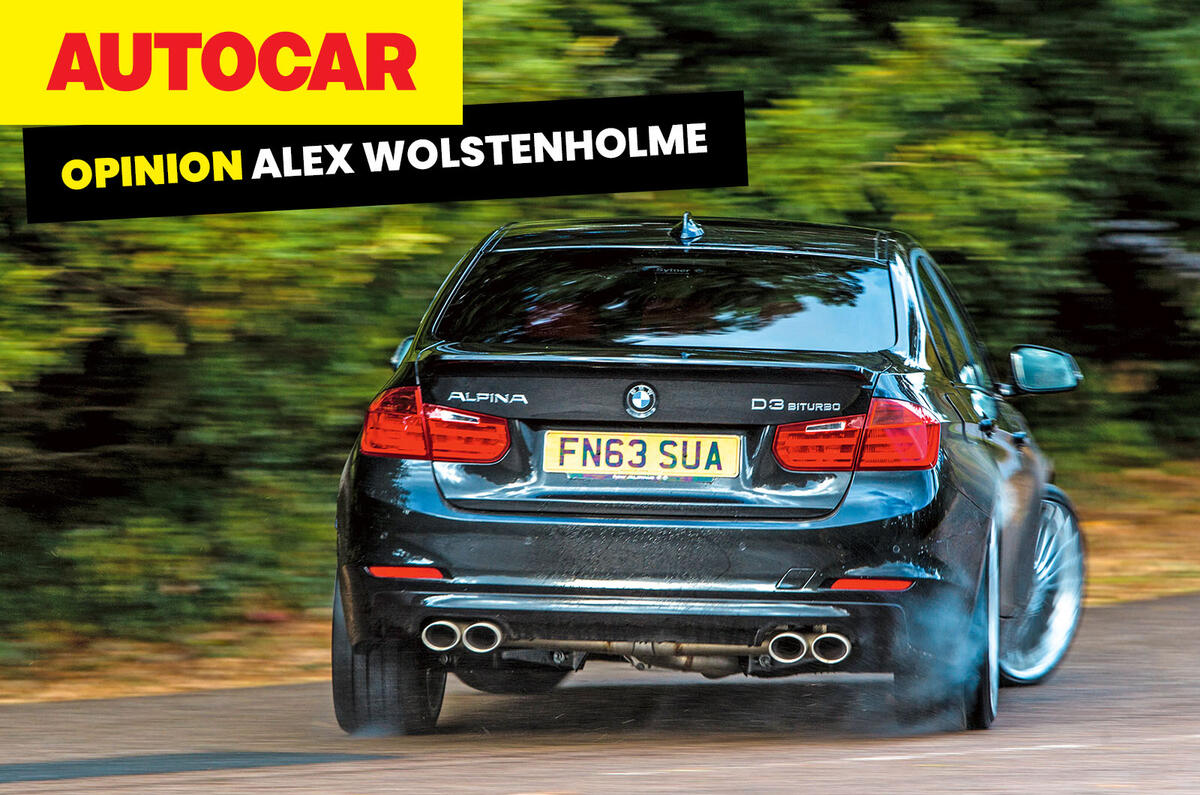
Diesel just makes so much sense. On a recent 500-mile journey from Kent up to Glasgow, via an overnight stop in Market Harborough and a scenic detour over the Derbyshire Dales, my 2007 Alpina D3 cracked a whopping 55mpg without even really trying.


Join the debate
Add your comment
Yeah, they were so brilliant that only the European manufacturers made them in large numbers the other countries having known about Nox for years limited their use to commercial trade had to start making them for European taxation reasons. If the government and manufactures been honest about what was required to use them it may have been different. Persevere with diesel if you want, but understand why they covered up it's bad points and why it took a maverick team of US students to 'uncover it', I put that in quotes because I believe the governmental scientists knew of the issue and turned a blind eye to it or were told not to include it an emissive.
The VW/Audi 1.9 TDIs I used to have were brilliant, but it turns out were chucking out a lot more nasties than they were supposed to sadly.
The tech to clean them up has made them unreliable and shorter lived -saw a teardown of a 2.0 Ingenium recently that illustrates this very well.
Until I can buy an electric estate car that can do 600-700 miles on a charge and doesn't weigh the best part of 3 tonnes or costs £80k+, I'm sticking with my diesel 5 series. Gobs of torque, exceptional fuel efficiency and is still very clean because it's a Euro 6 engine.
I mean a cla estate can do 480 miles for £43k and weighs 2 tonnes. Guessing you've never owned an electric car so the novelty of a full tank every morning means you'd be able to drive a good 7 hours without stopping so London to edinbourgh. I've never done that without a break.