

Renault Sport has six drivers on its Academy young driver scheme this season, competing at various levels ranging from the Formula Renault Eurocup right up to Formula 2. But unless something changes dramatically, none of them will be racing for the French firm in Formula 1 next year.
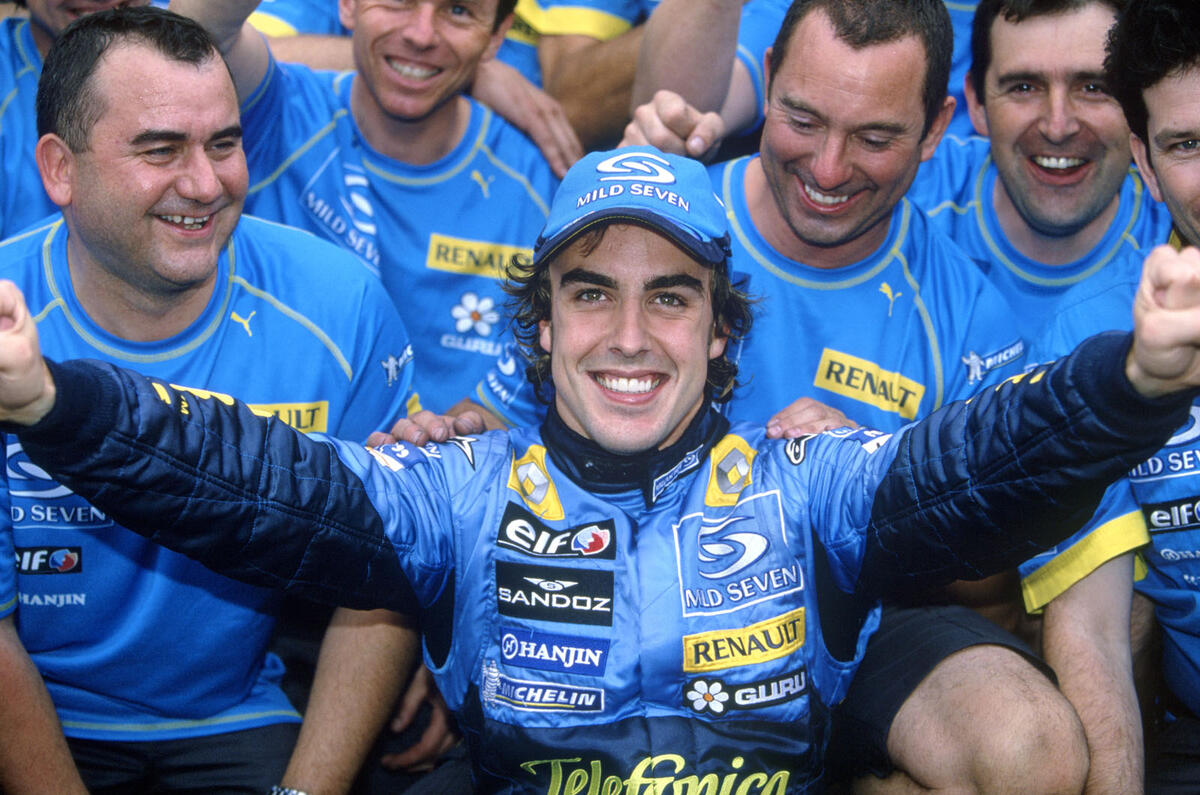
Instead, the race seat opened up by Daniel Ricciardo’s surprise switch to McLaren will be taken by Fernando Alonso. Clearly, the Spaniard has quite the CV: two F1 world titles, both secured driving for Renault, 32 race wins and 97 podiums. But he also will be 39 years old when next season starts, has spent two years out of F1 and last won a grand prix in 2013.
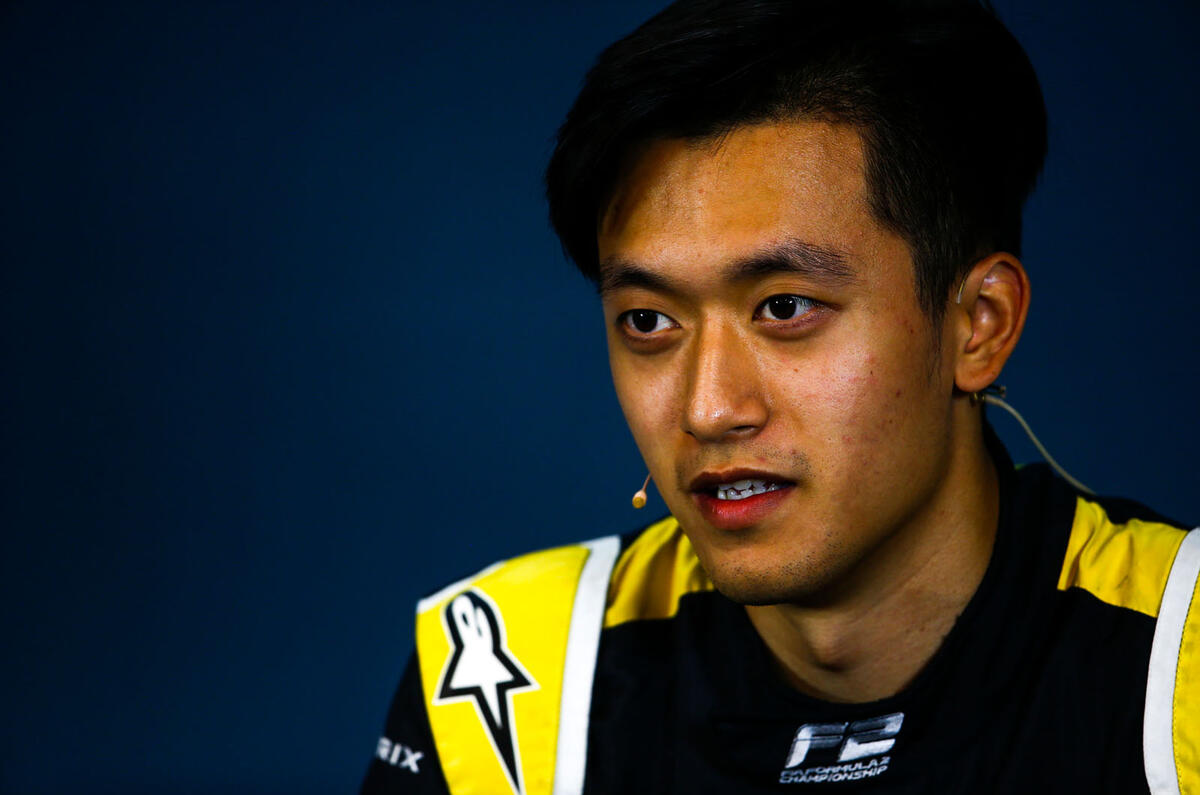
So why is Renault looking to the past with the return of Alonso, when Academy members Christian Lundgaard and Guanyu Zhou are both performing well in F2 this year – and team boss Cyril Abiteboul had hinted that both were under consideration for a promotion? This could be seen as a waste of the resources being ploughed into the Academy.
On one level, I agree. F1 has greatly benefited from a recent infusion of young talent. But it’s important to consider the decision in the wider context of Groupe Renault and the car industry. F1 is hugely expensive, which is hard to justify when you’re not winning and you’re in the midst of a major financial struggle exacerbated by an unprecedented global crisis.
Renault bought back the Enstone-based team in 2016, and its various attempts to move up the grid have largely failed. It absolutely needs to start winning soon. So why not turn to Alonso? This is the talismanic driver who lifted the Benetton/Renault squad out of the doldrums post-Michael Schumacher and who returned after a year away in 2007 to provide another lift. And even if the results aren’t as desired, Alonso is a champion: he will attract publicity and headlines in a way that a rookie can’t.

For manufacturers, the cost of driver development schemes is a mere fraction of what they spend on F1. And it’s largely an exercise in casting a wide net and hoping to haul in a prize catch. Ferrari’s academy unearthed Charles Leclerc, who has made four-time champion Sebastian Vettel disposable, but to find him, it also invested time and money in plenty of drivers who didn’t work out for it.
If Renault truly believed one of its Academy drivers were ready, he would be racing in F1 next year. Instead, it has a publicity-friendly team leader in Alonso, a rising French star in Esteban Ocon (ironically a former Mercedes-AMG junior) and more time to evaluate the talent in its Academy. It might not be rewarding youth but, for Renault, it’s an ideal solution.
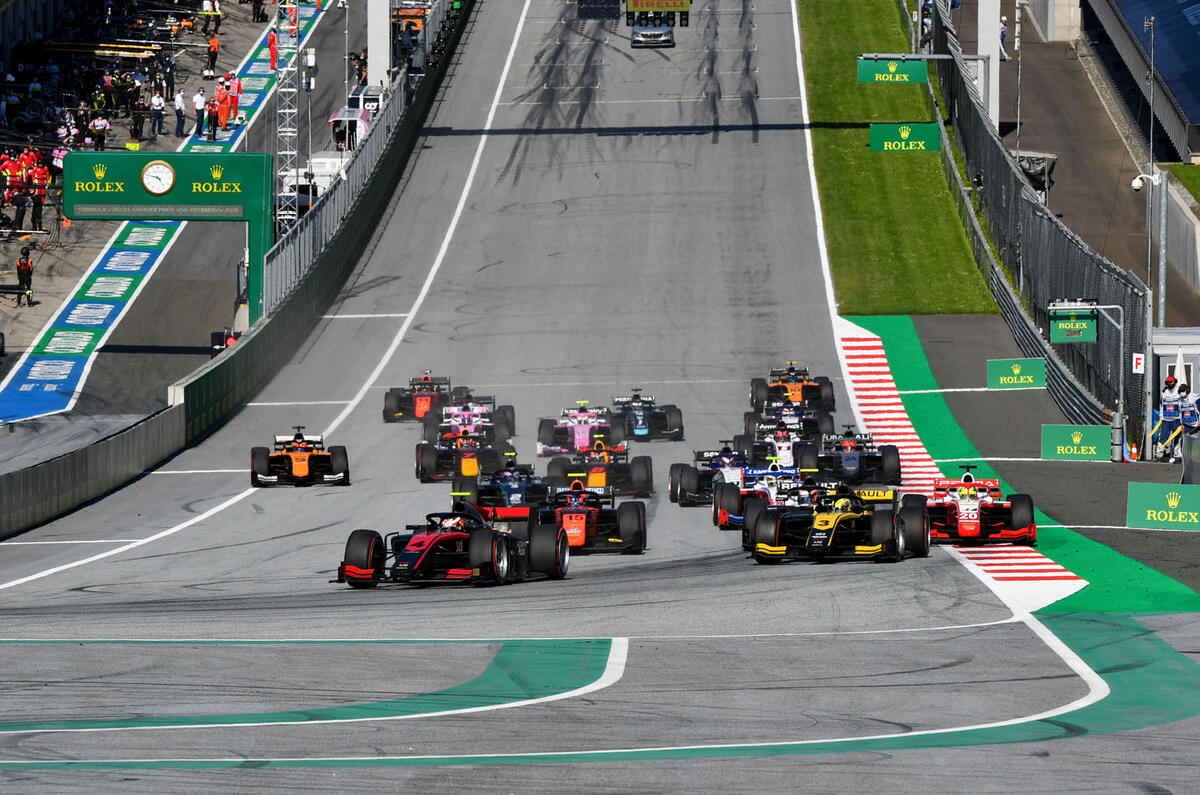
How it works: Formula One race starts
Motor races used to be started by a man dropping a national flag, before green lights ushered in the electronic era. Now it’s not what comes on but what goes out that counts. Racing drivers have always been taught to go when the red lights extinguish rather than when they see green anyway.
Once every car is lined up in its grid position following the final formation lap, a marshal positioned at the back waves a green flag, and that’s the signal for the race director to push the button that triggers the automatic start sequence.
Five red lights come on individually at one-second intervals, there’s a pause of random duration and, as the lights all go out at the same time, the race begins. With launch control banned in F1, it’s still all down to the drivers’ reactions.
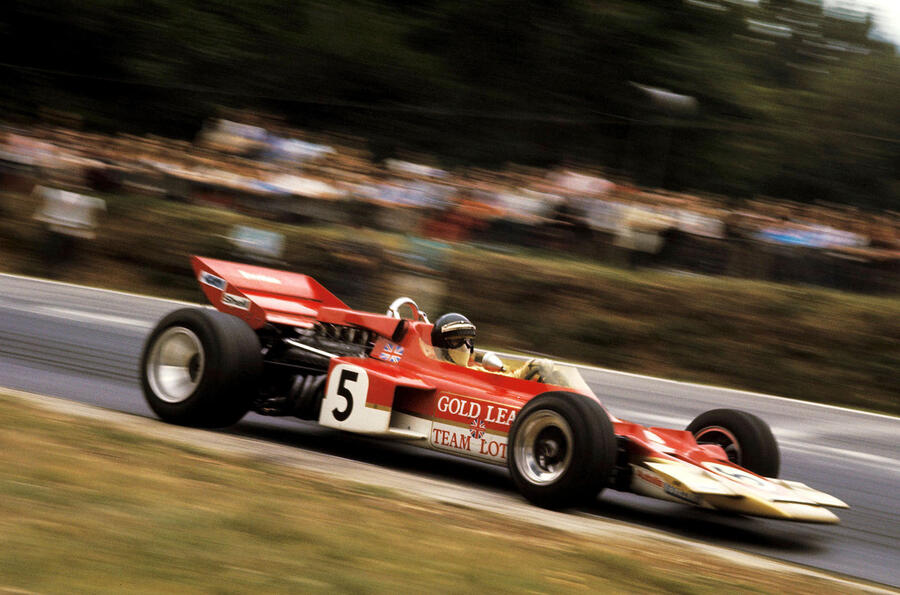
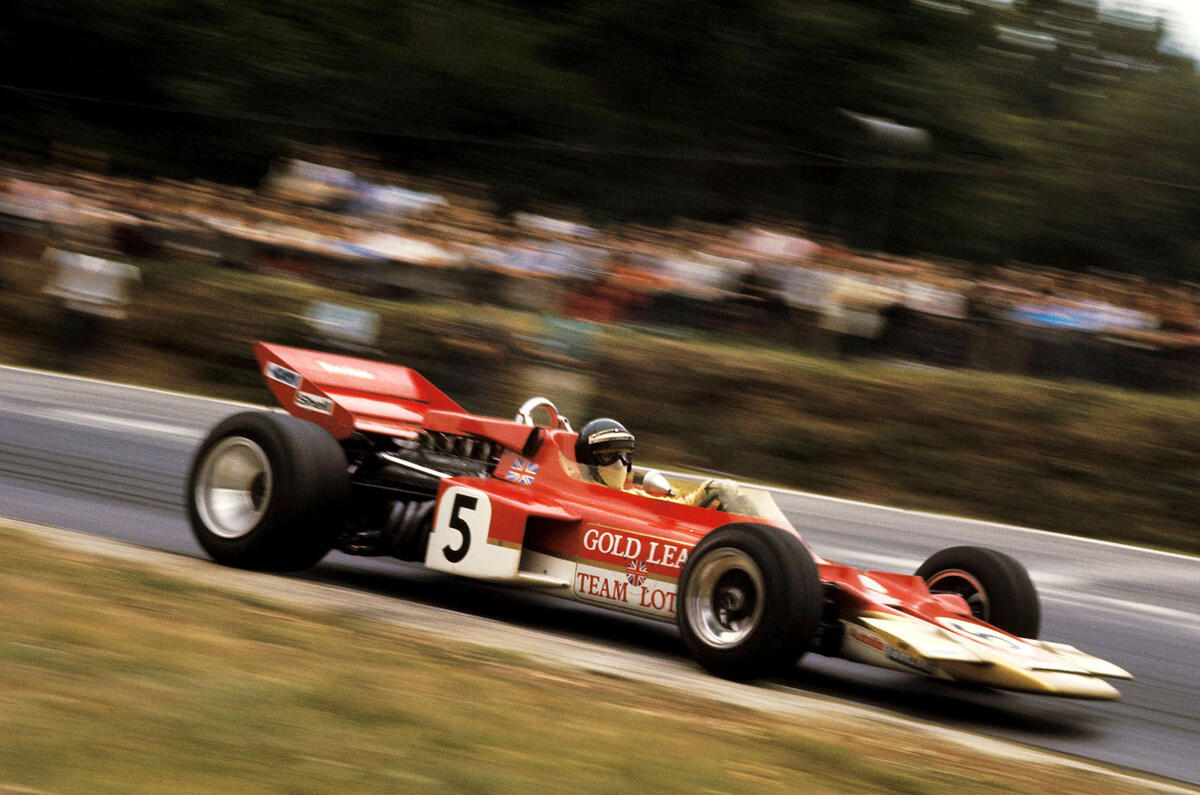
Motorsport greats: Jochen Rindt

Fifty years ago, in July 1970, this swashbuckling Austrian won F1’s British Grand Prix at Brands Hatch in his Lotus 72 after Jack Brabham ran out of fuel on the last lap. It would prove to be the penultimate win of his life. At Monza in September, he was killed in a crash during practice. Three races were still to run, but with five wins on the board for the season, Rindt’s points tally was such that no one managed to surpass it, and he became F1’s only posthumous world champion.
READ MORE
F1 2020: everything you need to know as the season restarts
How McLaren is making a comeback in F1
Exclusive: Williams F1 team outlines bold recovery plan

Join the debate
Add your comment
Re: 2 reasons
I, for one, welcome the return of Alonso, as he is a character, and they are distinctly lacking in F1 at the moment.
Secondly, i do not think he is past it. I reckon only Hamilton & Verstappen are as good even now. For Renualt, Alonso, more than any driver is very adaptable and will probably get the car higher up the grid than any other, he is a master at getting the most out of a car, especially, one that isnt the best! This may help Renault with prize money, and probably Alonso brings considerable sponsorship benefits with him, which young drivers cannot.
What's the difference?
It's not like F1 could be any more boring, pointless or irrelevant.
F1
You could say that about any over broadcast sport, Football, Baseball, Rugby(both) American football, Cricket to name a few, but, if we didn't have an interest in them, what the hell would we watch or do?, we've all become a nation of armchair critics, it's a topic in any Pub, Bar on the Planet.
No. Sport is neither boring,
No. Sport is neither boring, pointless or irrlevent. Only somebody who had never played a sport, and never had a child who played a sport, would suggest as much.
F1, on the other hand, is boring, pointless and irrelevant.
A third reason...
... is the lack of testing allowed in F1. An established team like Renault can't afford the uncertainty of putting a novice in the car while the driver gains experience. Far better to hire a driver like Ocon who is still young, but with proven skills. It's a strategy that worked well for Ferrari (Leclerc) and Red Bull (Verstappen). Drivers like Hamilton, Vettel, Schumacher and Alonso were all quick from the off - but those were in the days of unlimited testing...