
Shortly before Volvo revealed the XC40 Recharge, its first fully electric vehicle, it showed a series of vox-pop interviews with young people talking about climate change – in stark terms.
They referred to the “climate crisis”, about the damage being done to the environment by the automotive industry. That the actions of car firms have significantly damaged the earth. That car firms care more about profits than the planet.
And when Volvo boss Håkan Samuelsson took the stage at the event, he didn’t shy from the criticism levelled at the industry, calling climate change and CO2 emissions “a real threat to our future”. And he was honest about the gravity of the situation.
“Despite decades of political climate summits and very bold emission targets, CO2 levels are still increasing,” added Samuelsson. “Something else is needed to turn this tide – and we believe the answer must be action from the business community.”
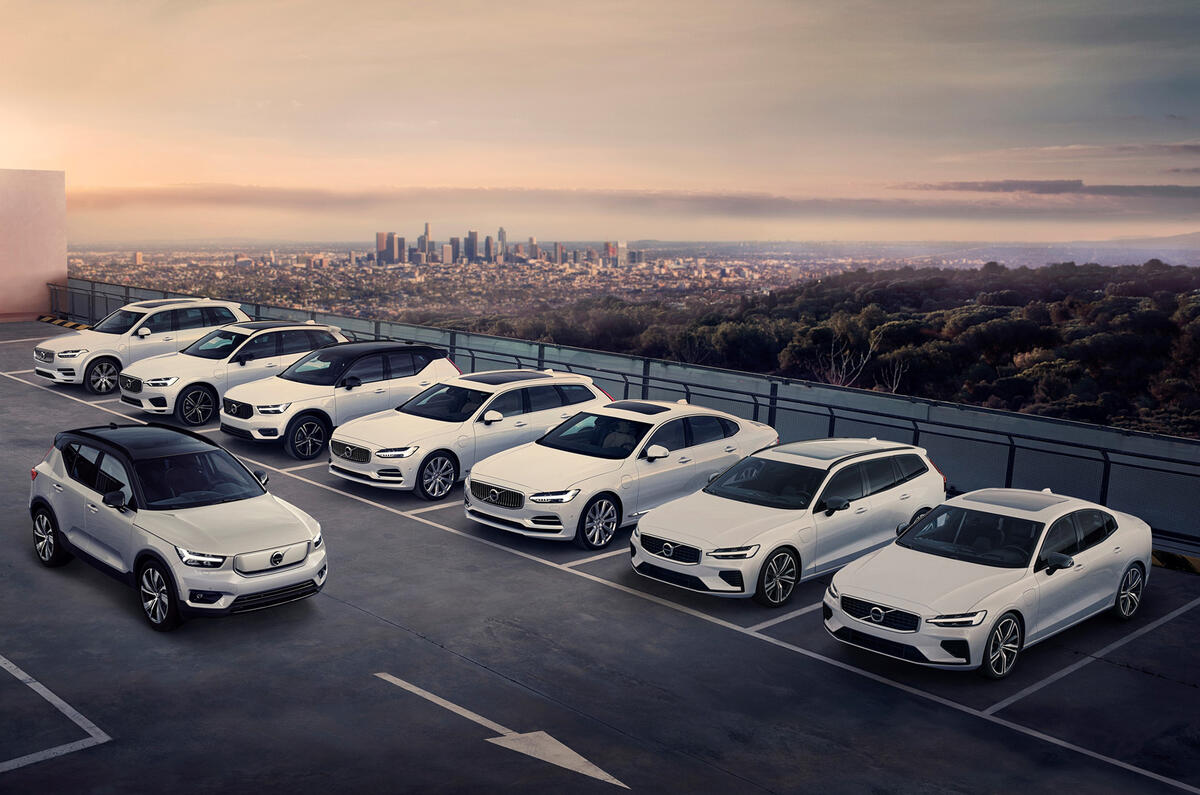
Volvo’s solution is a series of bold targets to electrify its range – with the aim of half of its sales to be fully electric cars by 2025 – and to dramatically reduce its carbon emissions. Ultimately, Volvo’s goal is to be carbon neutral by 2040 – in doing so becoming a purely electric car brand.
By those actions, Samuelsson believes that Volvo can lead and succeed where governments and the international community have failed. The first step was reflected in the video: to hear the criticism of the car industry, and react to it by showing that they can be part of the solution.
“Economic growth, new technology and competition is not necessarily bad - it should not be seen as part of the problem, but as part of the solution for a really sustainable future,” added Samuelsson.
“We also believe that travel and the ability for people to move should not be seen as a negative: it should be seen as a positive. It increases people’s quality of life. We should be careful about restricting freedom to move – but we should make it sustainable.”
Samuelsson likened Volvo’s push towards sustainability to its similar decision in the past to take a lead on safety, saying that “we made safety a part of our company, and we should do the same with sustainability”.
For Samuelsson, that means pursuing sustainability “not as some add-on, because it’s good or expected from us, but because we think it’s really good for our business. It’s about concrete actions more than symbolic pledges.”
Volvo isn’t the only car firm investing heavily in electrified vehicles, or taking steps to reduce carbon emissions throughout both its manufacturing process and supply chain. And its relatively small size makes it easier for Volvo to take actions than some firms.