
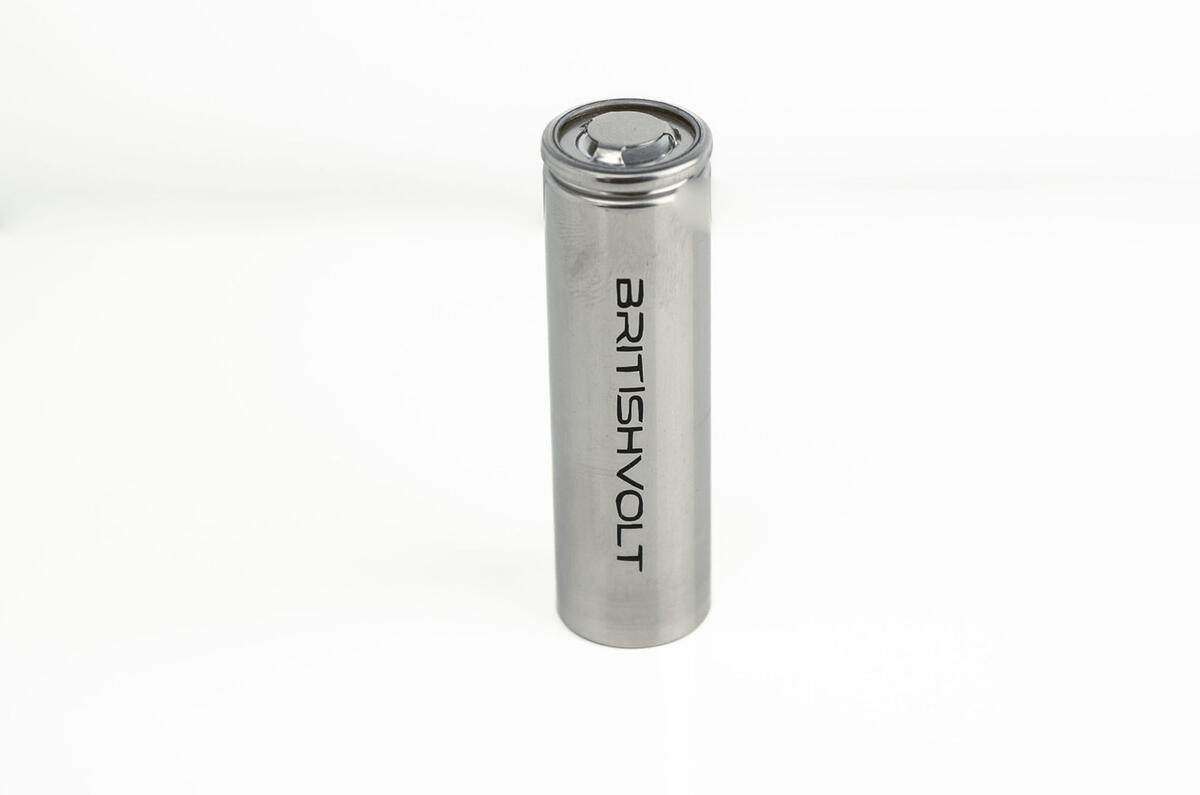
The collapse of Britishvolt, with the loss of nearly 300 jobs, is the bitter end of an inglorious effort by both the company and the UK government to establish a homegrown automotive battery maker.
Created at the end of 2019, Britishvolt hoped to mirror the success of Sweden’s Northvolt. What followed was a series of false starts and unfulfilled promises that slowly exposed the unedifying truth at the heart of the Britishvolt enterprise: it lacked production-ready battery technologies or mainstream automotive customers.

Join the debate
Add your comment
The problem here is that it's much more significant than a blow for the UK's battery plan. Without domestic battery production, rules of origin laws mean that any cars produced here for export will be unable to be "British" as a great proportion of the value is in the battery. This drives the demand for British domestic battery manufacture, without it, future car manufacturing in this country is at risk as EVs are key to all future production especially from 2035 onwards when ICE bans start to bite.
Exactly, this is why such a home-grown factory using APC/WMG battery developments was and is still so essential. The gov't should have backed this up more, as the sharp rise in costs for the factory was due to war-related increases in costs for heavy construction work and the subsequent production line facilities. A bridging loan or other such backing would have helped in the interim. Johnson would have done so, tax-heavy Sunak doesn't seem to care about growth and supporting UK PLC on the world stage...