
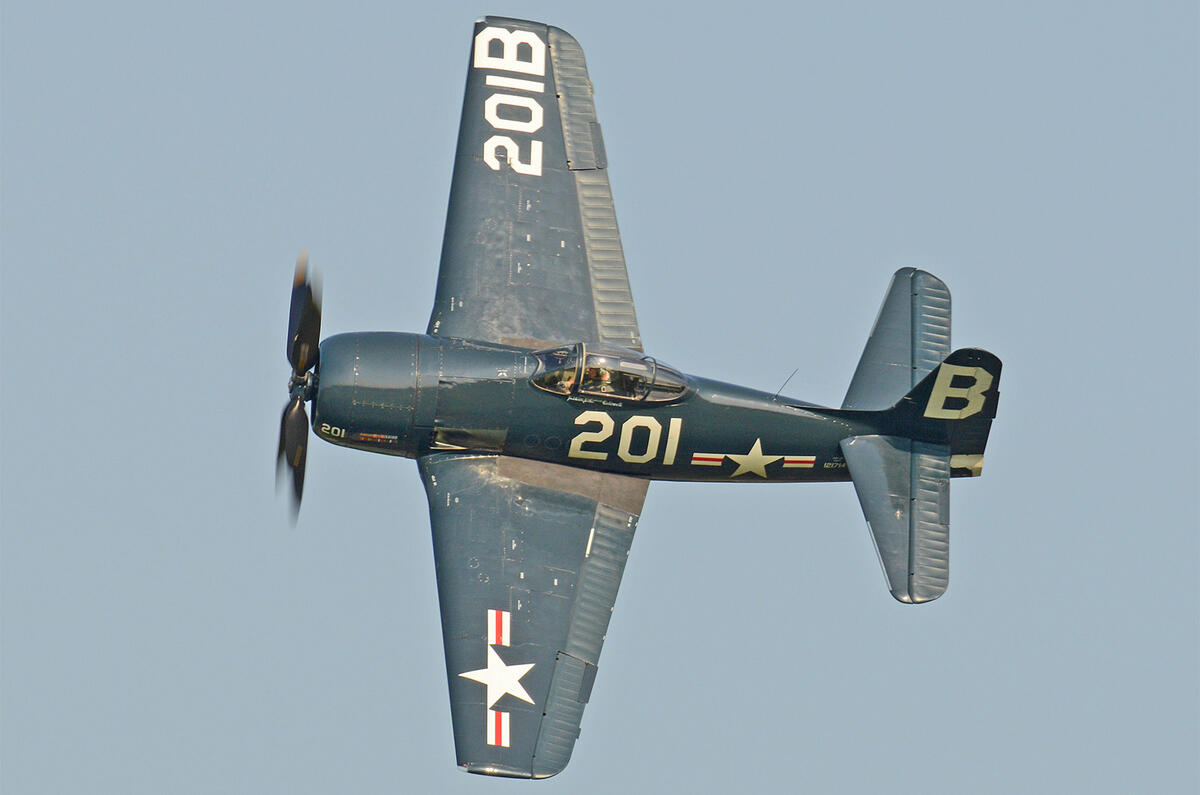

Piston-engined fighters ruled the roost for thirty years.
A brutal survival of the fittest ensured a rapid evolution of these characterful machines; the final fighters were over six times faster and around ten times heavier than the first generation.
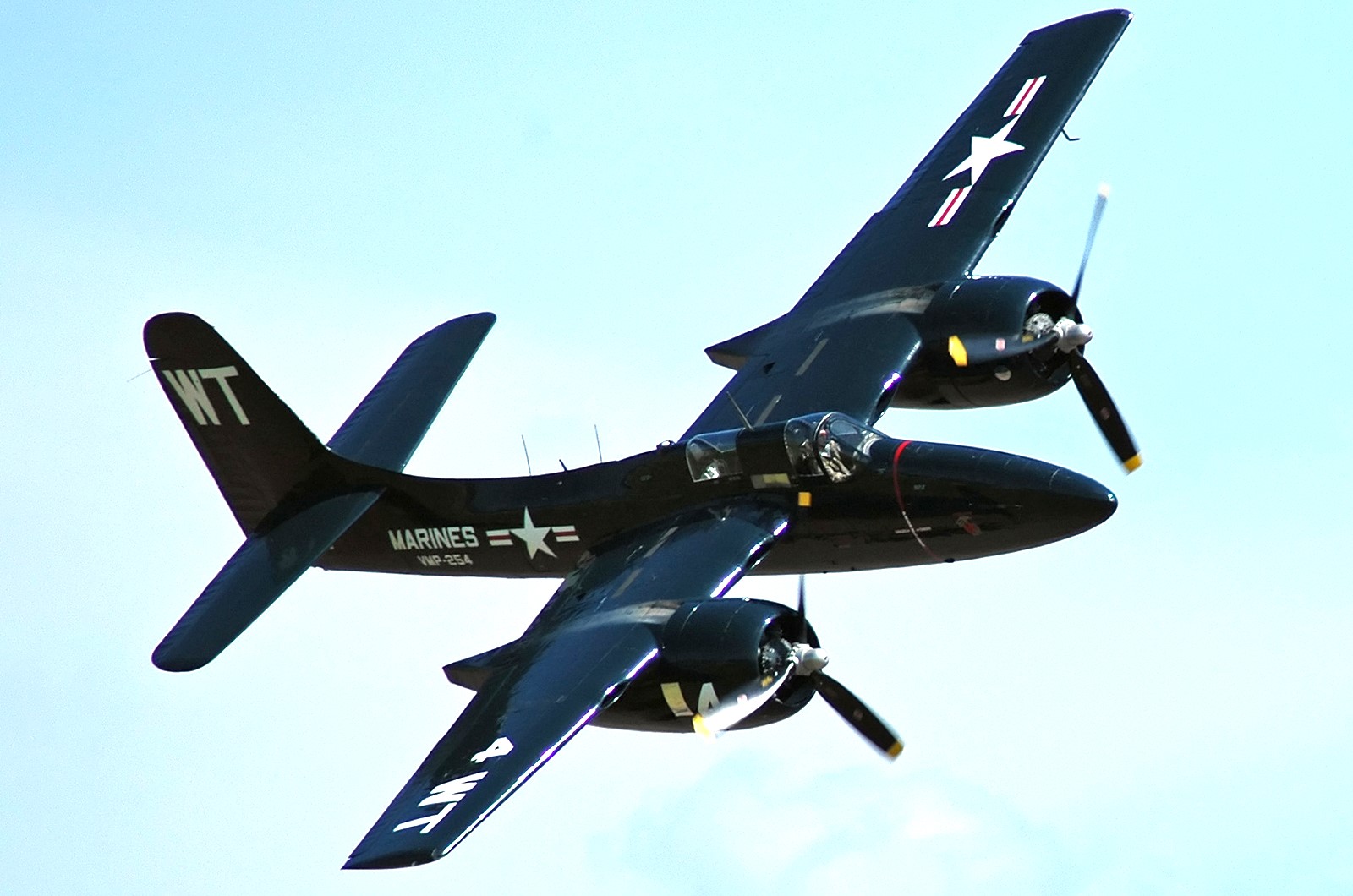
Whereas the first fighters had only a single rifle-calibre weapon, the Tigercat of 1943 had an awe-inspiring arsenal of four ‘.50 Cals’ and four 20-mm cannon. The Tigercat also had forty times more horsepower than a World War I fighter. The era of classic fighter planes ended on a high with huge, powerful masterpieces. We look at the zenith of ‘prop’ fighter design and choose the ten most formidable machines.
10: Focke-Wulf Ta 152H
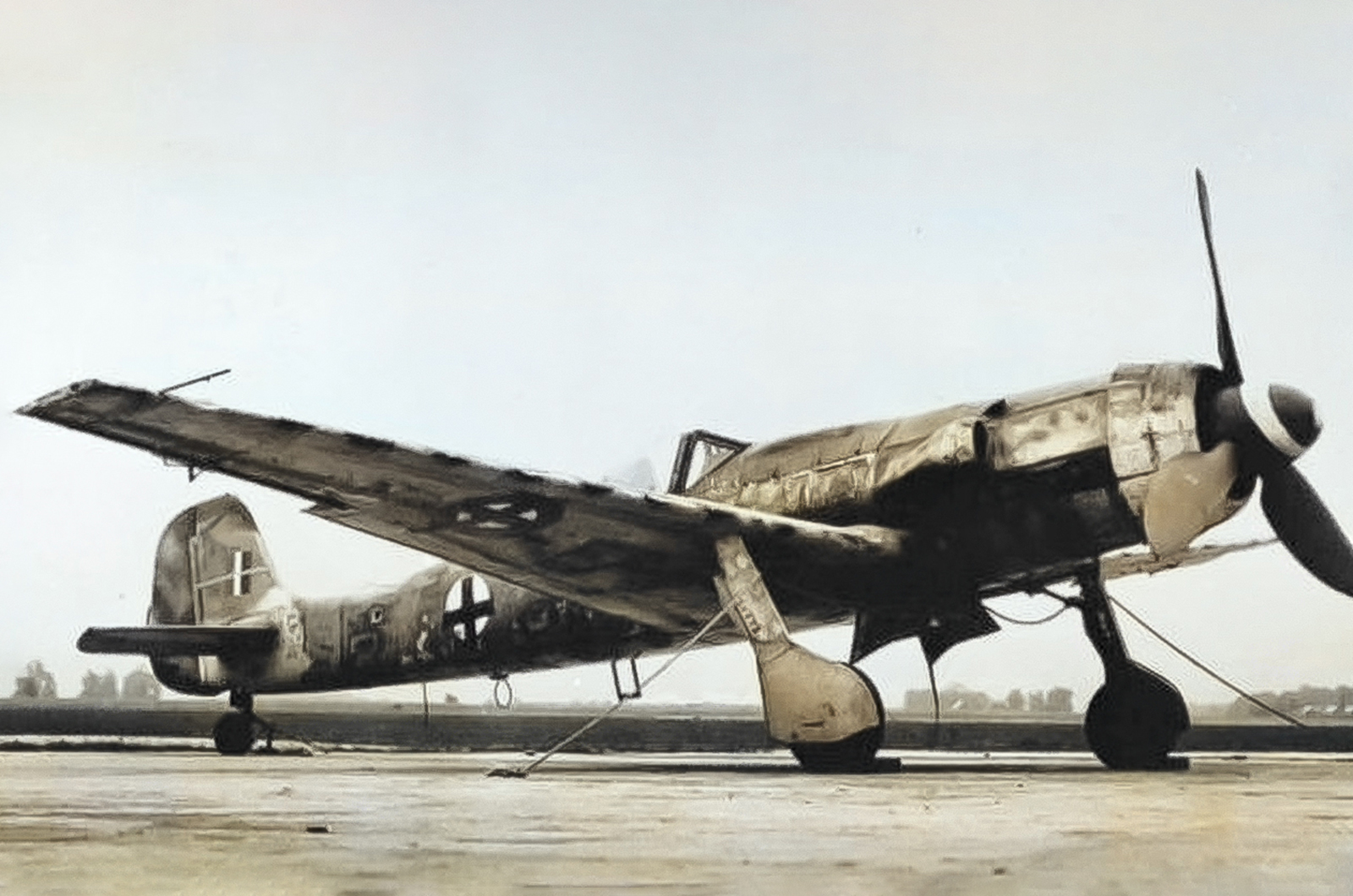
Faster and possessed of greater range than the Spitfire Mk XIX, the German Focke-Wulf Ta 152H was possibly the finest piston-engined fighter in the world at high altitude. The Ta 152H was an evolution of the Fw 190, which had been the best fighter in the world when it entered service in 1941. Had the war lasted and the high-flying Boeing B-29 Superfortresses of the US been committed to Europe then the Ta 152H would have been its nemesis. The Ta 152H’s 30mm automatic cannon was hugely destructive and backed up with two formidable 20mm autocannons.
10: Focke-Wulf Ta 152H

Key to its remarkable high-altitude performance was the use of the GM-1 nitrous oxide (laughing gas) injection system, this could take it to a breath-taking 472mph. At low level its speed was aided by MW 50 (Methanol-Wasser 50) - a 50-50 mixture of methanol and water sprayed into the supercharger.
Other features that lent the type its immaculate high altitude performance was a pressurised cockpit (never quite perfected) and a longer span wing than other fighters to help generate more lift in the thin air of high altitude. Luckily for the Allies, the type first flew in January 1945 so was too late to be used to great effect. Only 69 were built.
9: Lavochkin La-11
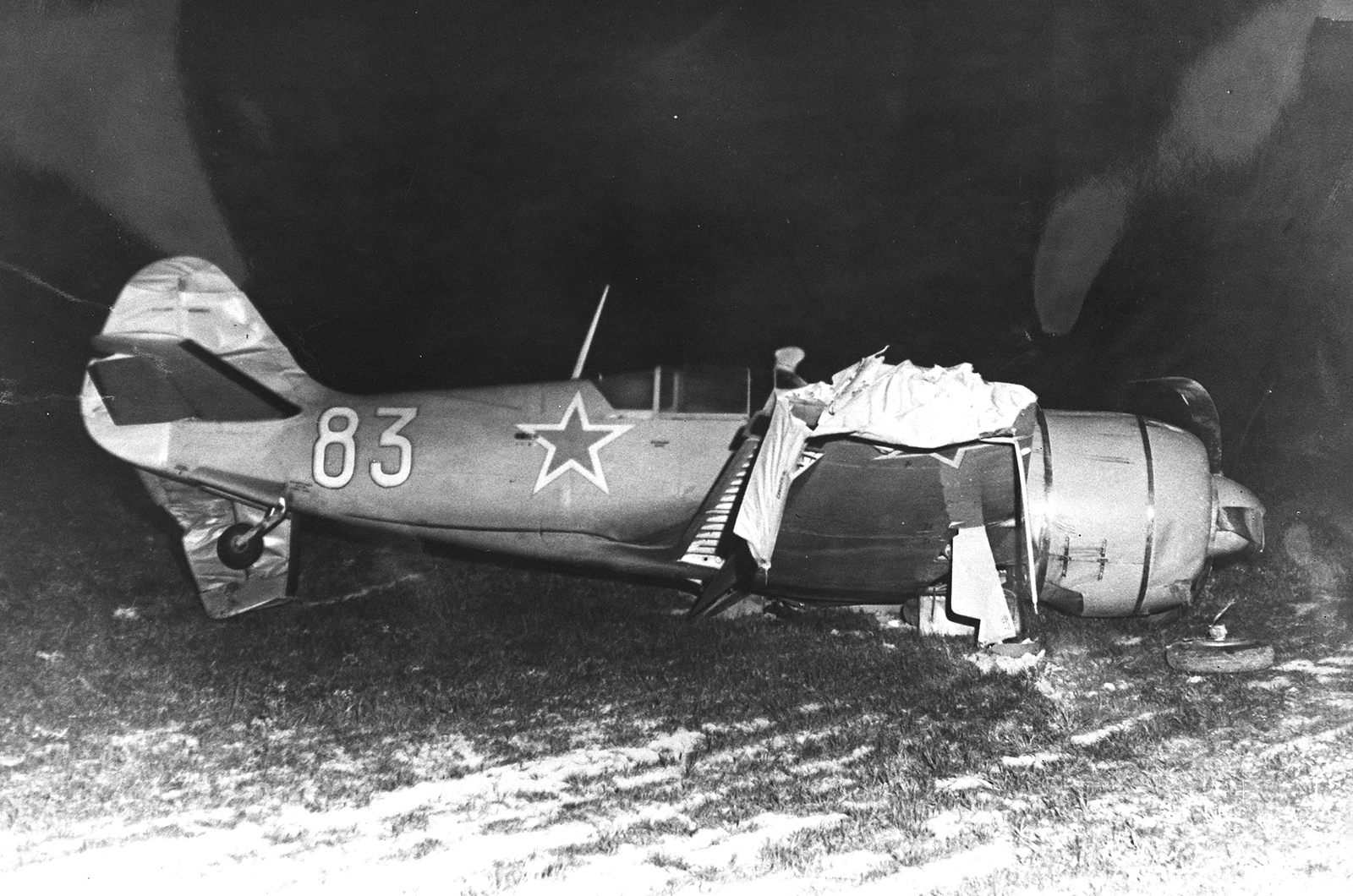
The ultimate operational Soviet piston-engined fighter and the go-to aircraft for low and medium altitude operations, the La-11 represented the zenith of the superlative Lavochkin series of combat aircraft. The La-11 is one of the few aircraft on this list to have seen a serious amount of use on combat operations.
Last of an illustrious line, it scored a hat-full of Cold War air-to-air kills, including at least two P-51 Mustangs. The La-9 may have been more pleasant to fly, but the La-11 marked the apogee of the Soviet piston-engined fighter.
9: Lavochkin La-11
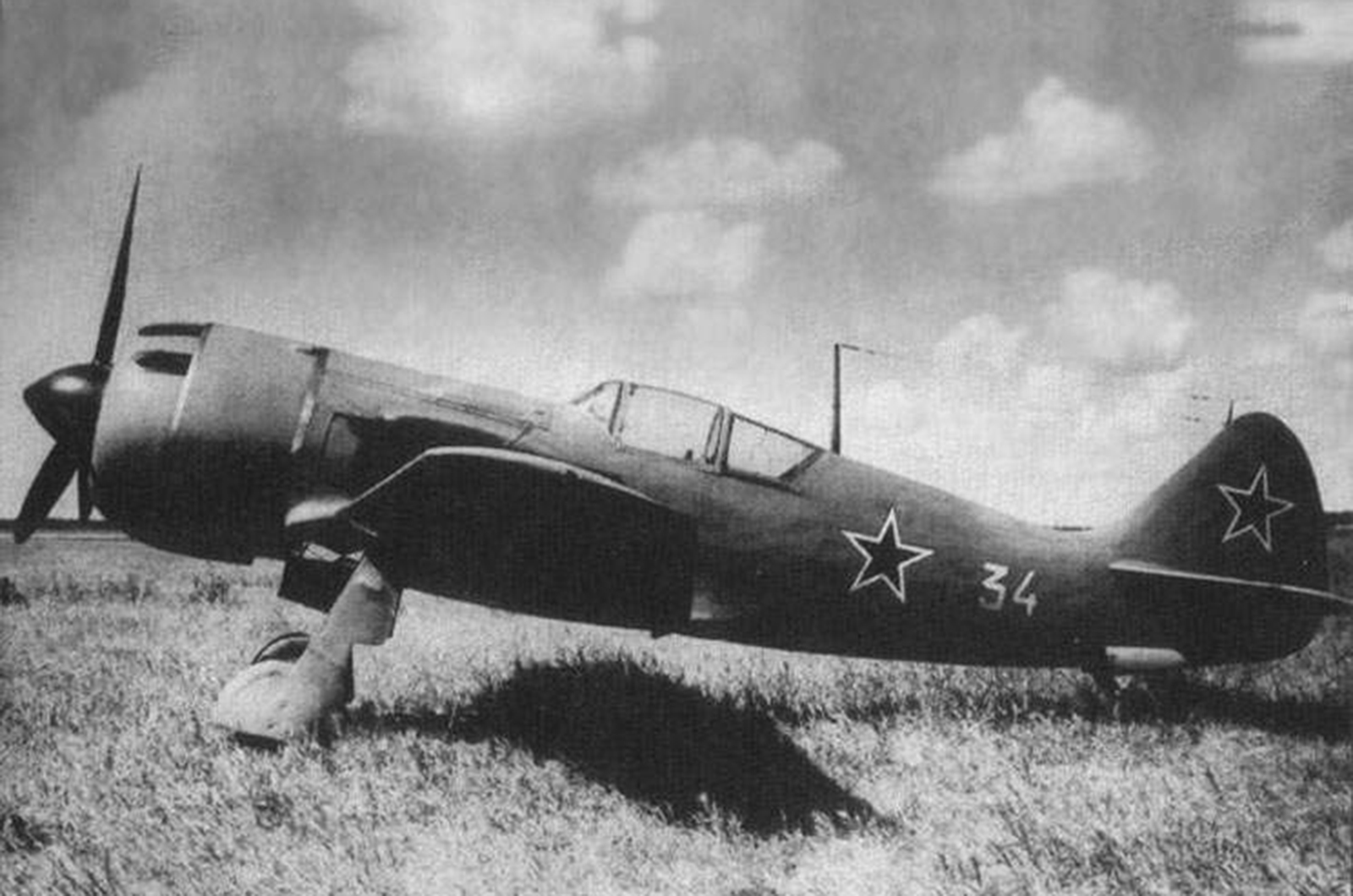
With an impressive top speed of 419mph and a three-cannon armament, the La-11 eked performance out of rugged basic design dated back to 1940. This was unlike the agile Yak fighter series, made by the rival Yakovlev bureau, which came to an end with the wartime Yak-3.
The Lavochkin La-11’s success came despite the fact it arrived as late as 1947, and was a piston-engined fighter in the jet era.
8: Dornier Do 335 ‘Pfeil’
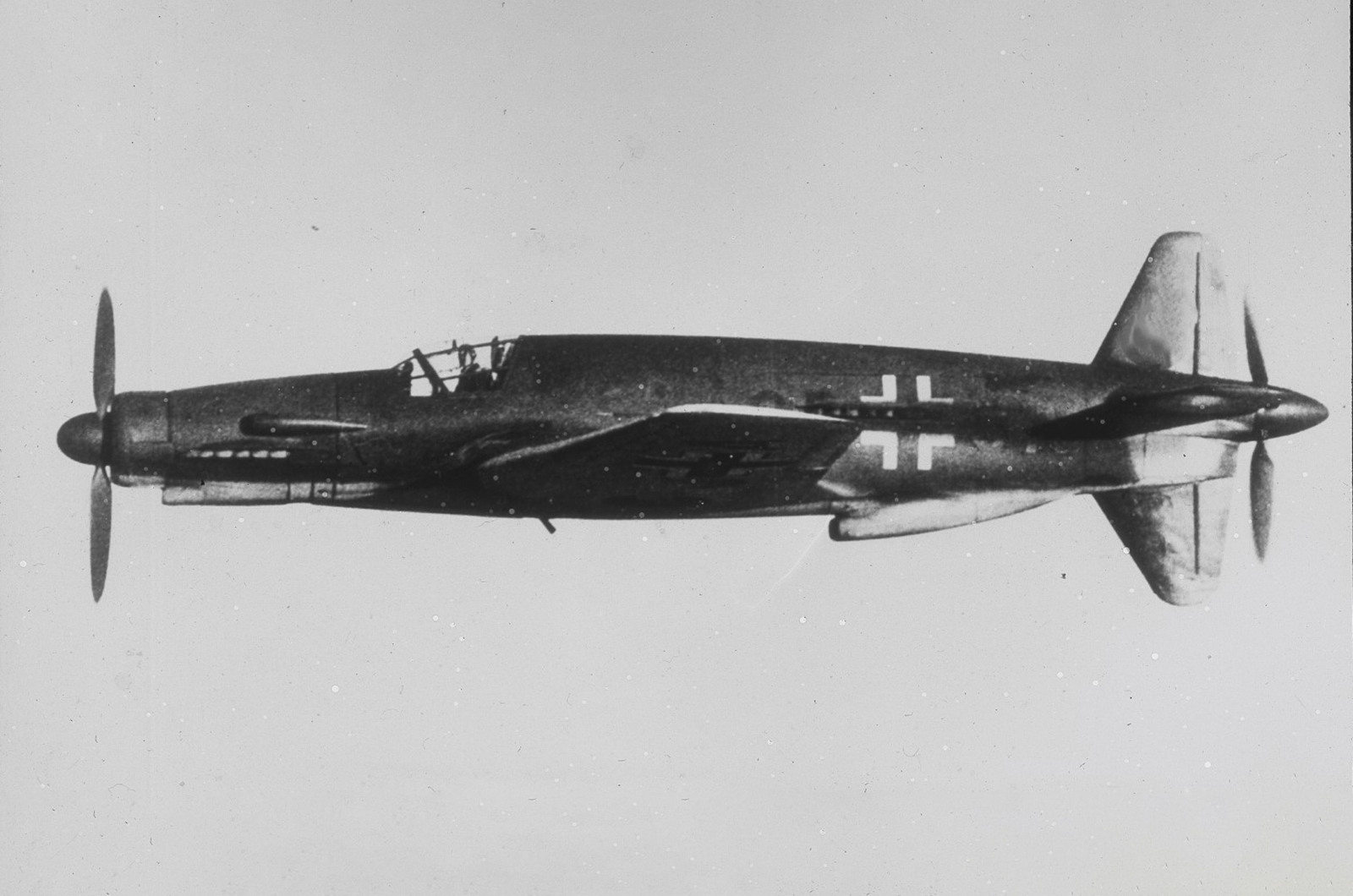
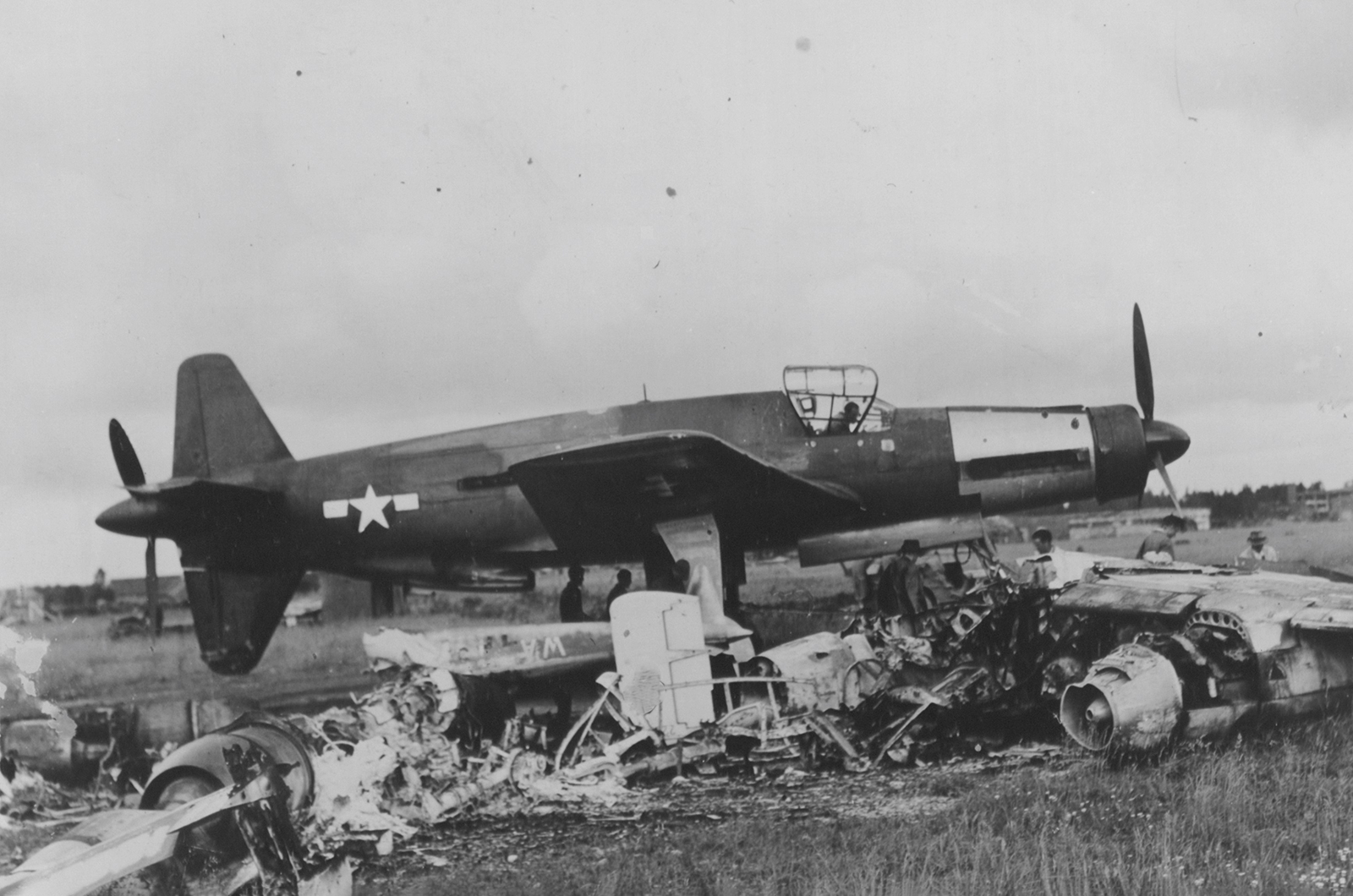
The German Dornier Do 335 was very unorthodox. It featured two tandem engines in the fuselage and a unique ‘push-me/pull-you’ propeller arrangement with a propeller at the front and one at the rear. The power of a two-engined aircraft combined with the small frontal area of a single-engined aircraft resulted in an insanely fast aeroplane, with the remarkable top speed of 474 mph.










Add your comment