

France is a nation of contradictions, its engineering trends being simultaneously ultra-conservative yet radically inventive to the point of absurdity.
The forces of conformity and eccentricity have long been at odds in this great European nation. The ‘looks’ of France’s aircraft designs have been equally contradictory, swinging wildly from extremely beautiful to utterly gross. Today, we look at the latter:
10: Bréguet 1050 Alizé
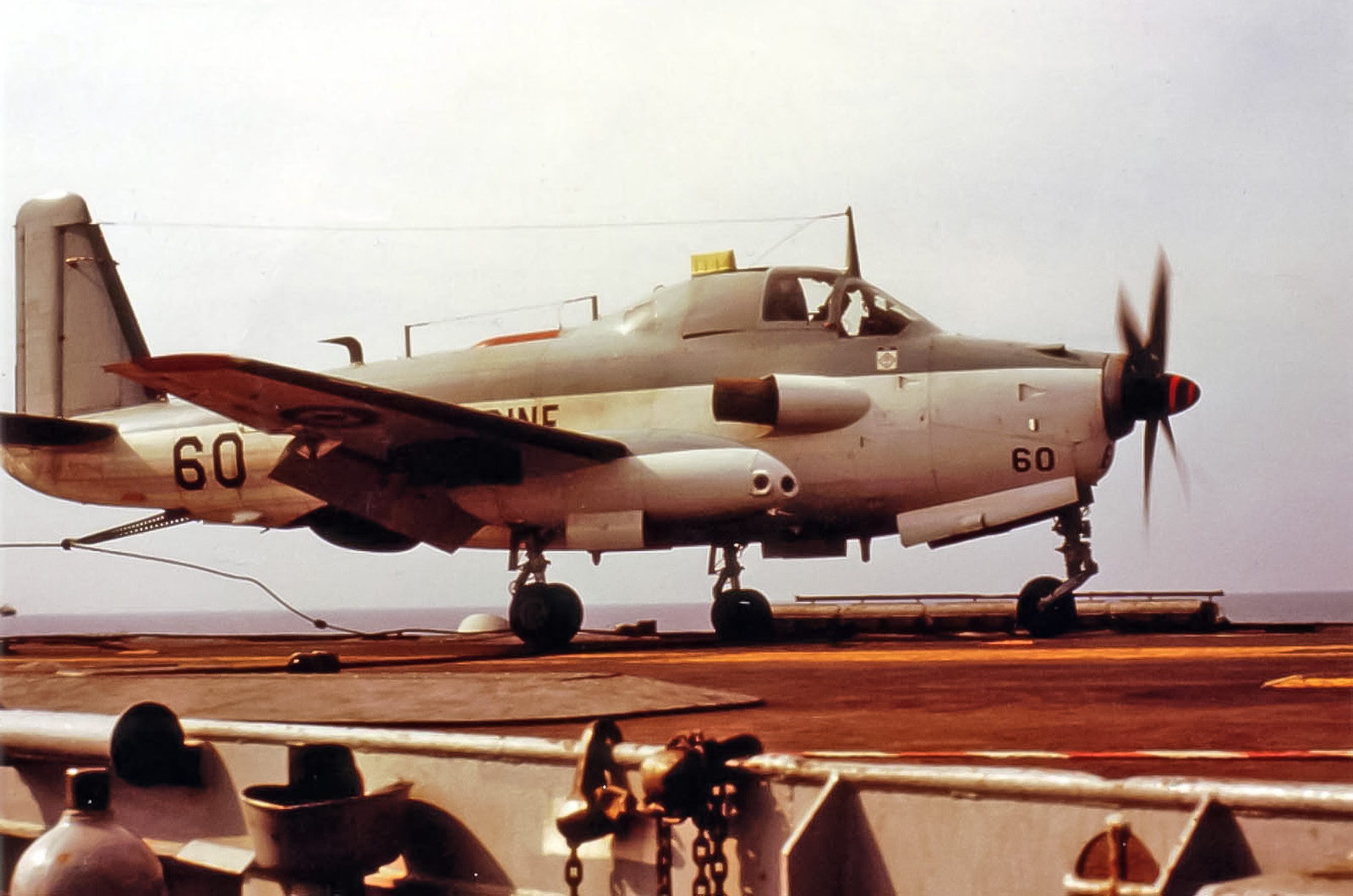
Arguably, the Bréguet Br.1050 Alizé (French: “Tradewind”) does not match the spectacularly appealing ugliness of its British counterpart, the Fairey Gannet, but it is still a monster. This carrier-based anti-submarine warfare aircraft flew in 1956 and was introduced into the French Navy in 1959.
Powered by a single Rolls-Royce RDa.7 Dart Mk 21 turboprop engine putting out up to 2099 horsepower, the Alizé could reach 322 mph. Armament options included torpedo or depth charges in the internal bay. Bombs, depth charges, rockets, or missiles could be carried underwing.
The Indian Navy operated 14 Alizé aircraft from shore bases and the INS Vikrant. These planes played key roles in Goa’s 1961 liberation and the 1971 Indo-Pakistani War, sinking three gunboats. One Alizé was lost to a Pakistani F-104 Starfighter while conducting anti-submarine warfare patrols.
Visually, the aircraft was an incoherent mess. The already cluttered lines were further muddled by a mass of aerials, radio antennae wires, a pipe-like exhaust and other bulges and protrusions. But looks aside, the Alizé was an effective aircraft that served from 1959 until 2000.
9: Breguet 763 ‘Deux-Ponts’
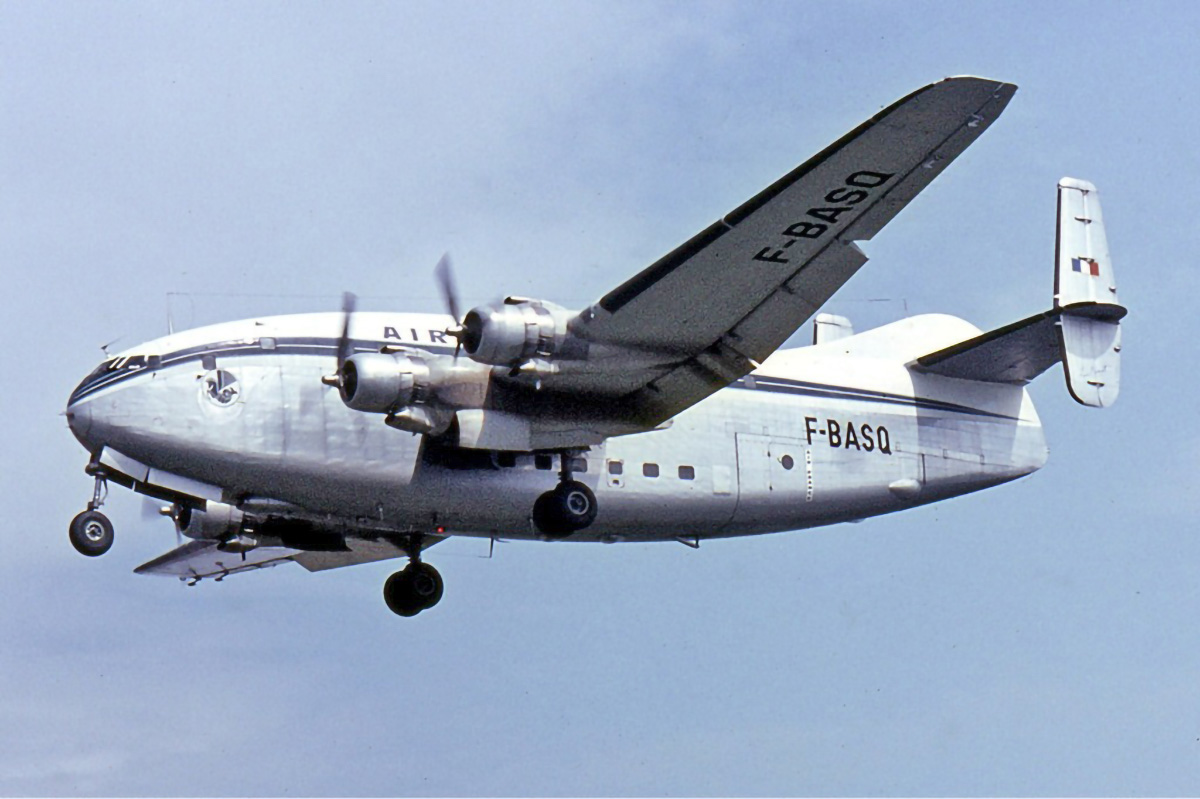
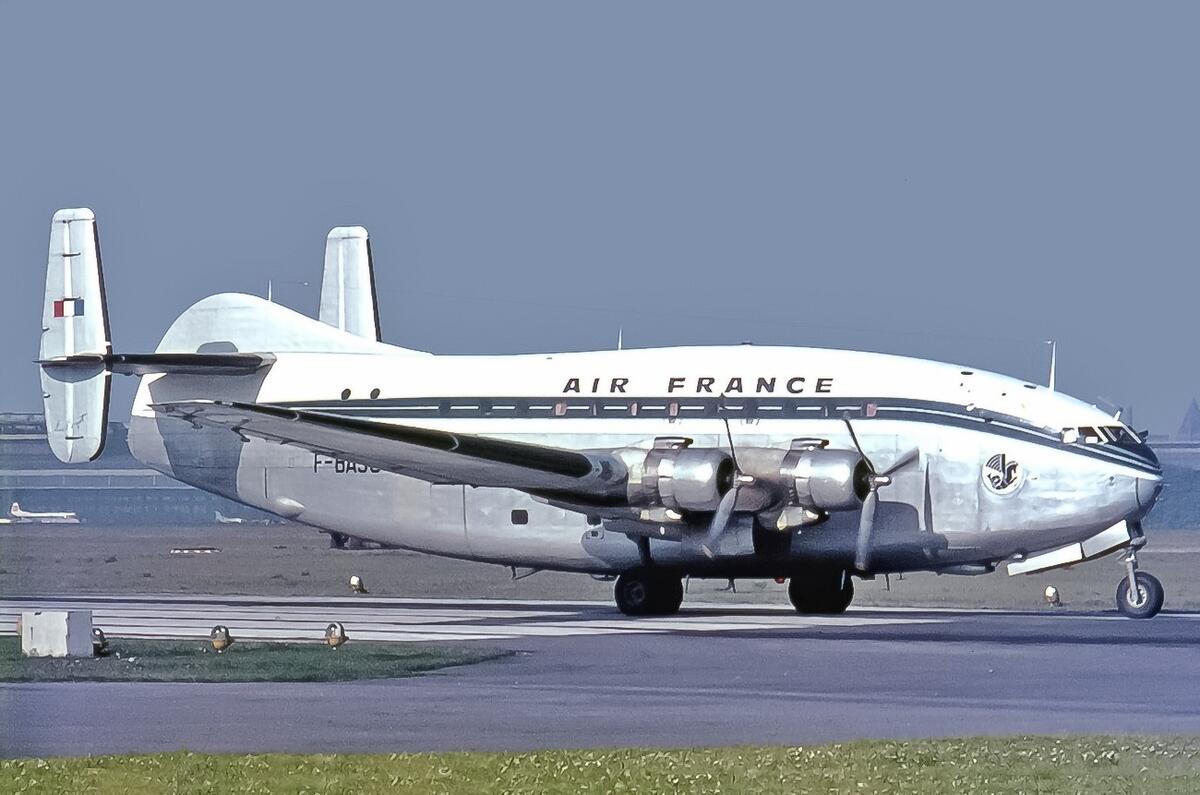
With all the elegance of a python digesting an elephant or a Lockheed Constellation that has committed carbocide, the Bréguet 763 was a French four-engine aircraft that first flew in 1949. It was known informally, but almost universally, as Deux-Ponts, meaning ‘double-decker’.
Design work on the aircraft began during the war, in 1944, with the intention of creating a 100-passenger airliner that utilised readily available engines, which could be quickly developed for the new era of peace. It was powered by four Pratt & Whitney R-2800-CA18 eighteen-cylinder radial engines rated at 2400 horsepower.
The aircraft faced twin commercial threats: a glut of surplus wartime piston-engine transports and a new generation of far faster jet aircraft. Against such competition, the unlucky lumpen Deux-Ponts didn’t stand a chance. Production of the series was halted after a mere 20 were made.
Its double-deck configuration foreshadowed the Boeing 747 and A380. Air France aircraft had room for 59 passengers on the top deck and 48 on the lower deck. In a higher-density configuration, 135 passengers could be carried. A military variant, the Bréguet 765 Sahara, served in small numbers with the French Air Force.
8: Amiot 143
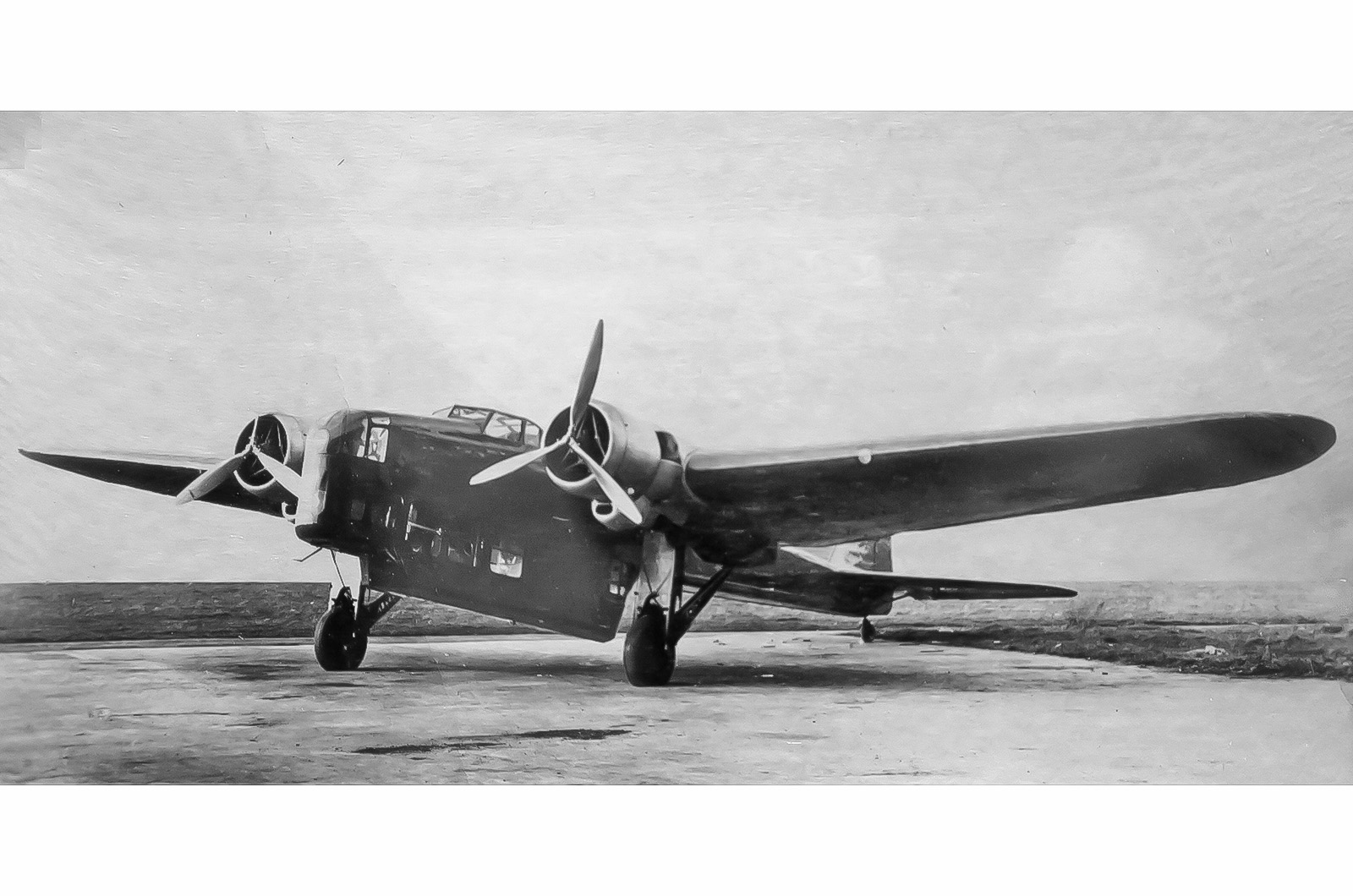
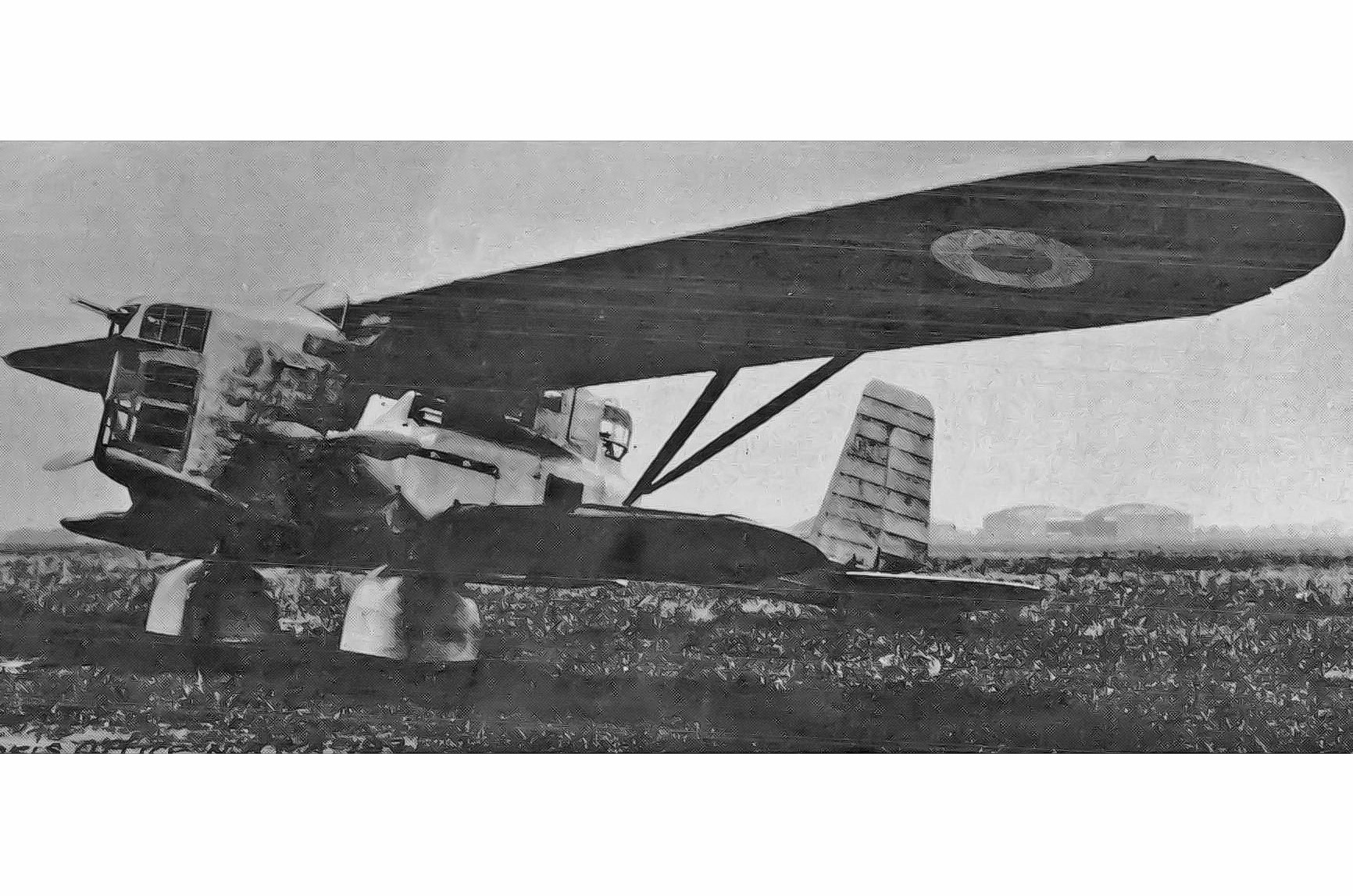
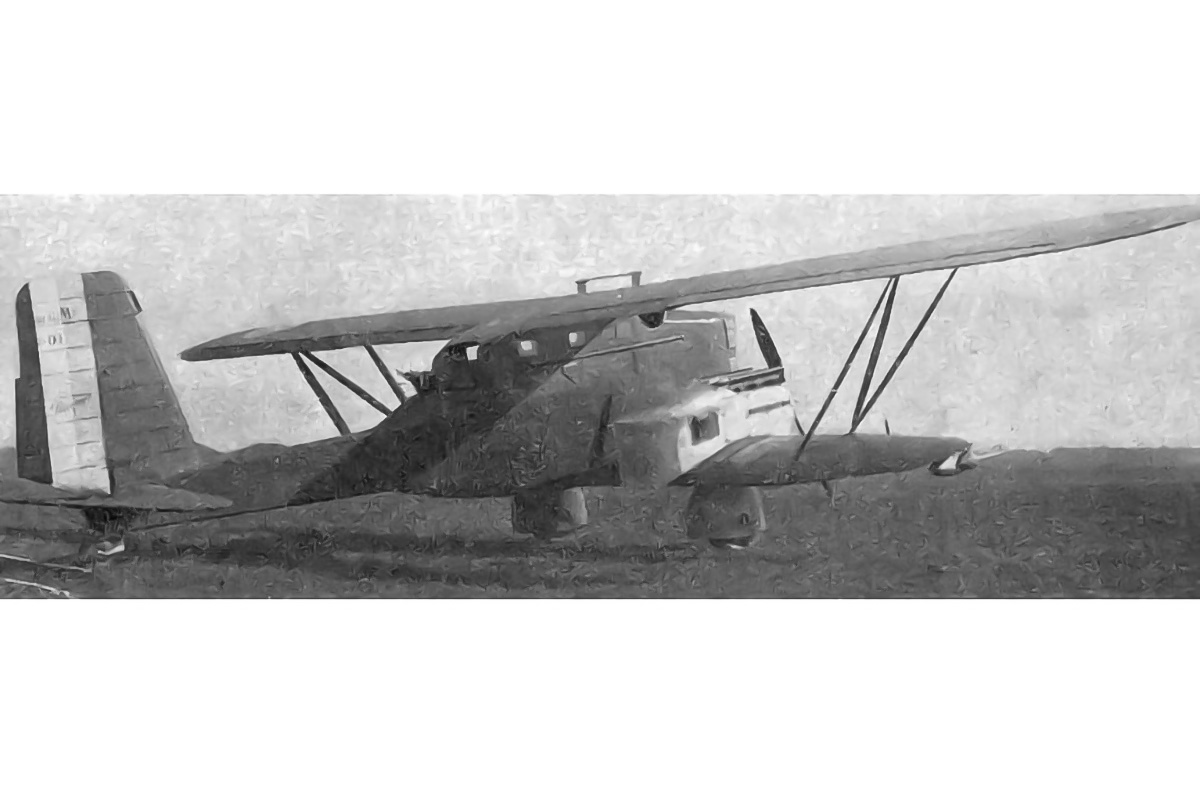
Looking as awkward and unlikely as a flying cable car cabin held aloft by a giant mechanical bison, seemingly nobody told Amiot that the 1930s was supposed to be an era of beautiful aeroplanes. Where to begin in describing this visual horror story is hard, but the wing must be mentioned.




Add your comment