Currently reading: Disasters: 10 planes that crashed on their first flight

Disasters: 10 planes that crashed on their first flight

There is a reason test pilots have a reputation for cool-headed bravery.

Historically, it has been a dangerous occupation, with many planes ending testing in fiery explosions or on the seafloor. Some planes didn’t even make it past their maiden flights. Here are 10 aircraft that Crashed on their First Flight:


10: Northrop XP-79B
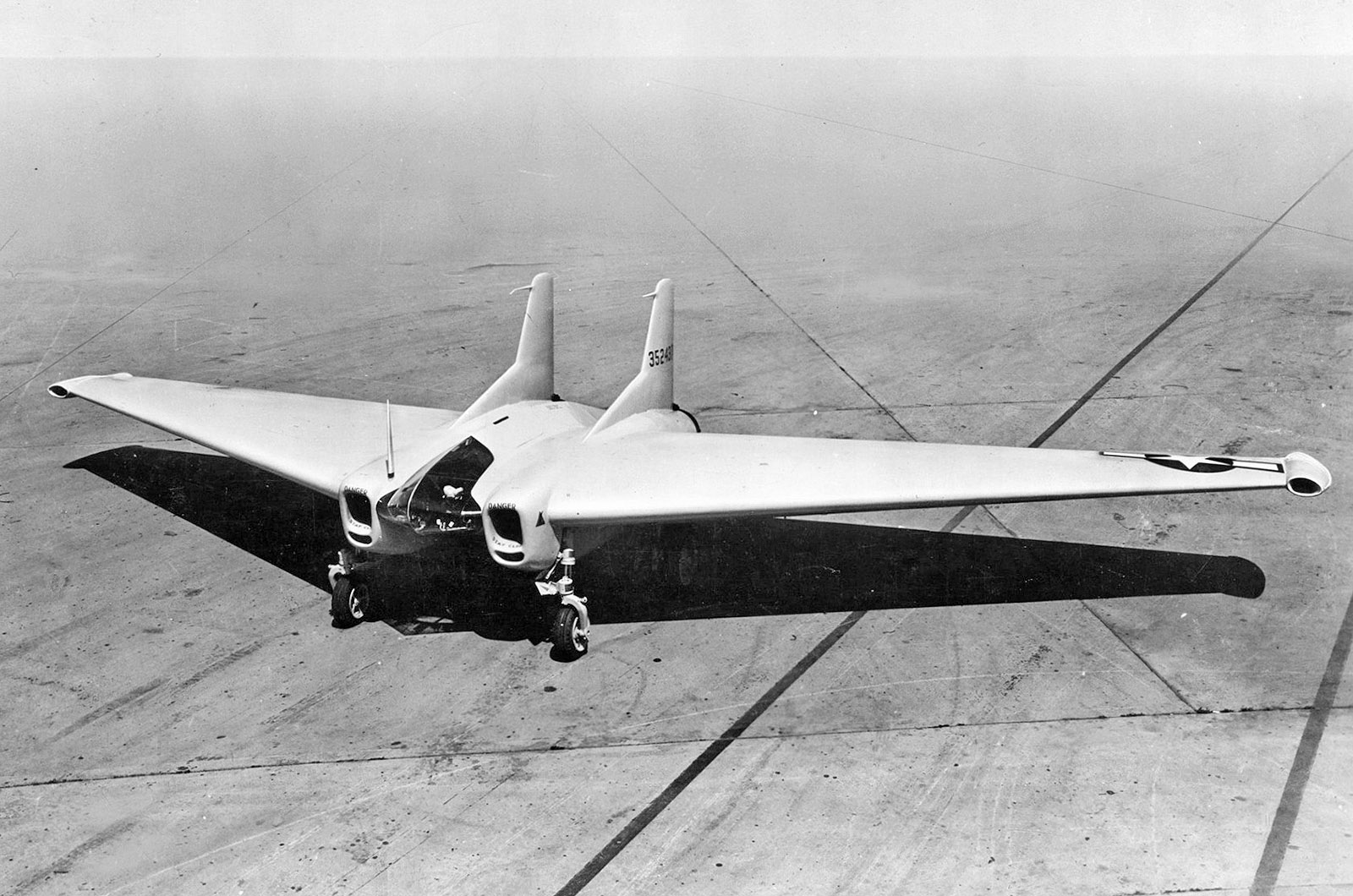
 Northrop XP-79B

Most aircraft manufacturers used aluminium as their primary material, but some of the more maverick aircraft designers saw the potential of magnesium. These non-conformists also tended to put the propeller at the back in the ‘pusher configuration’. In 1943, Northrop flew the XP-56 ‘Black Bullet’, an aircraft that had seemingly flown in from a parallel universe.

This bat-winged fighter had an extremely unconventional design, and like the later Planet Satellite, it was a ‘Magnesium pusher’. The XP-56 proved dangerous to fly, and delays in its testing meant it was still unready at a time when piston-engine fighters were yesterday’s technology.


10: Northrop XP-79B
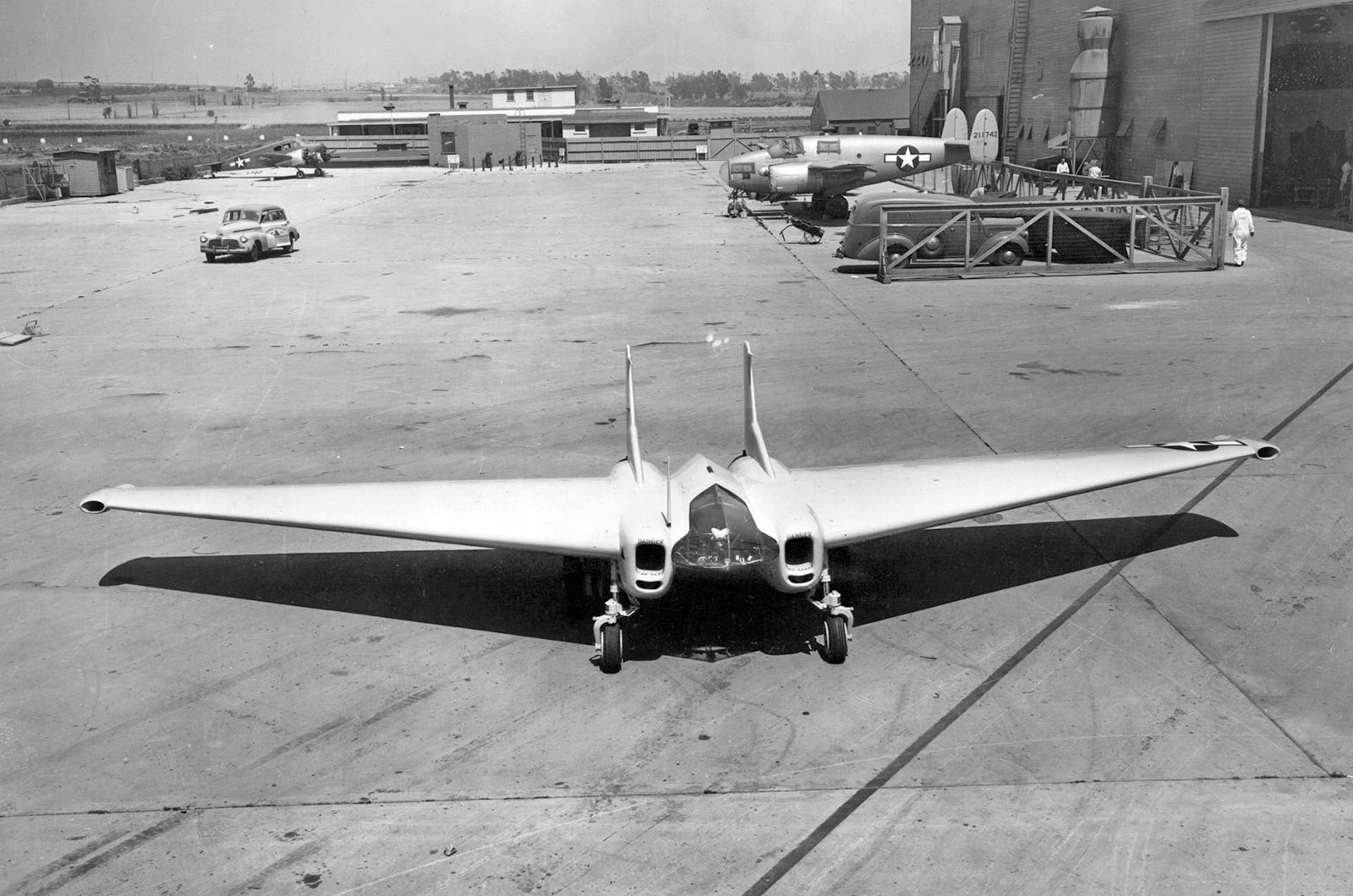
 Northrop XP-79B

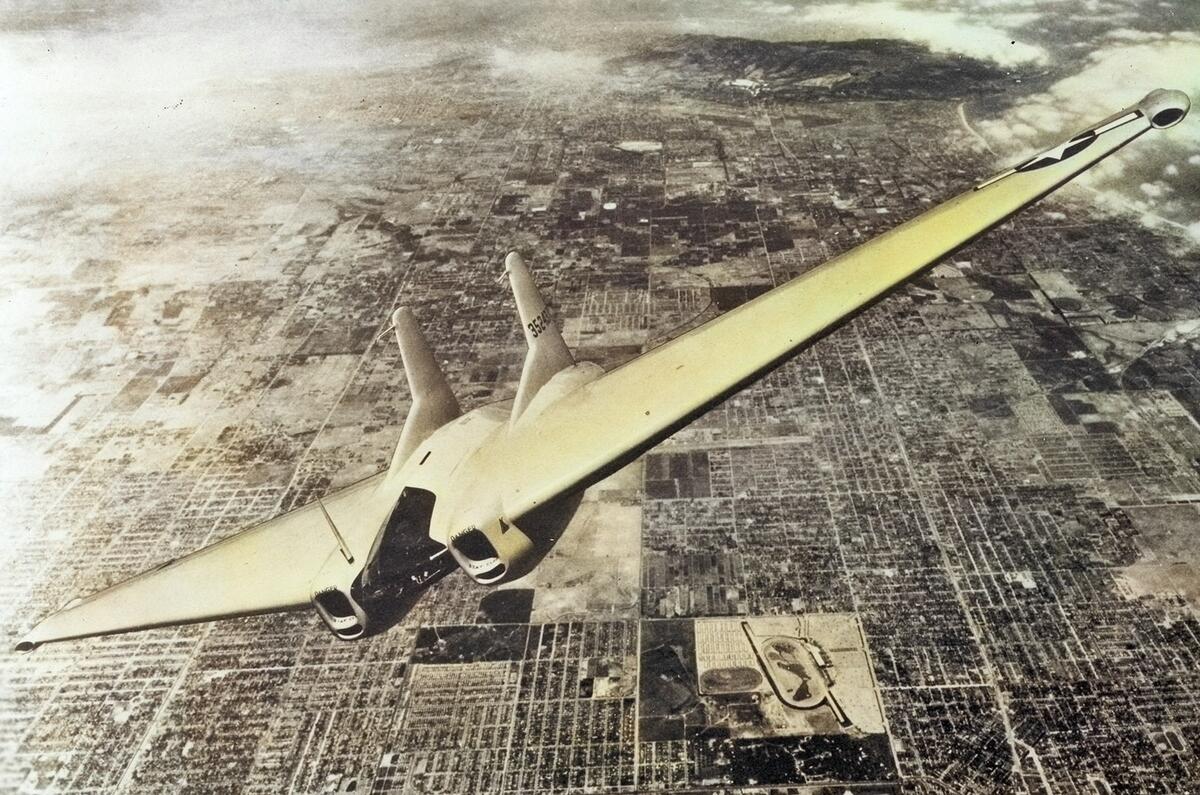
Somebody at Northrop clearly thought the XP-56 was not radical enough and began work on the exceptionally unusual XP-79, in which the unlucky pilot would have to lie down as he controlled a rocket-propelled flying wing while manoeuvring his aircraft to slice enemy aircraft in half with its leading edges.

Despite the benefits of magnesium (exceptionally light and strong), it has a reputation for bursting into flames and, if impure, corroding easily. On its maiden flight on September 12, 1945, the XP-79B spun out of control after seven minutes. Test pilot Harry Crosby bailed out but was struck by the aircraft and was killed. Shortly afterwards, the project was binned.


9: De Bruyère C 1
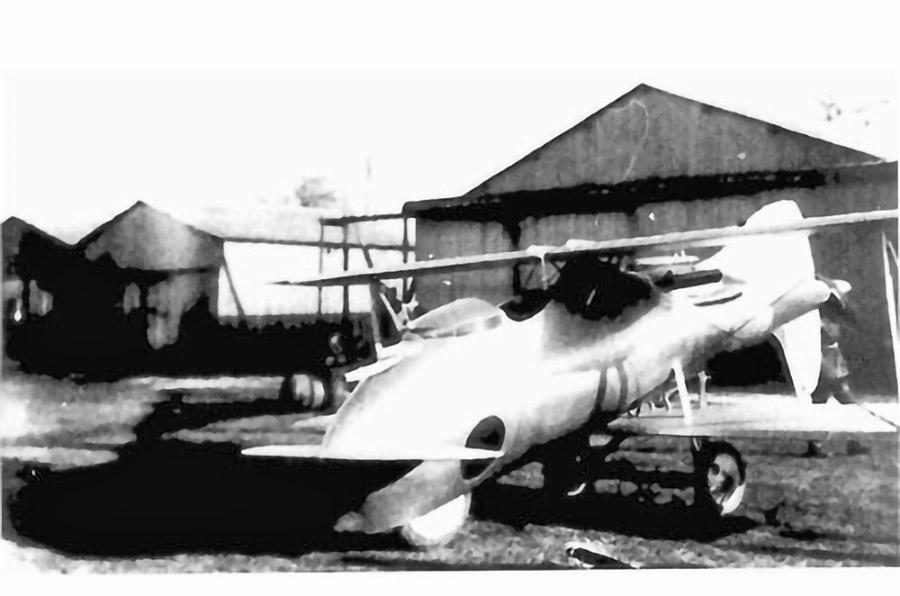
 De Bruyère C 1

The de Bruyère C 1 was a prototype for a French fighter aircraft developed during World War I. Conceived by Marcel de Bruyère, it featured an unconventional single-seat, pusher canard design. Only one example was ever constructed, and it crashed on its maiden flight in 1917, ending the project entirely.

The C 1 was a biplane with equal-span, staggered wings supported by inverted V-struts. Pitch control came from a one-piece, all-moving canard foreplane, while roll was managed by full chord tip ailerons managed roll on the upper wing—an unusual solution. The 150-horsepower Hispano-Suiza 8Aa engine was placed behind the wings.


9: De Bruyère C 1
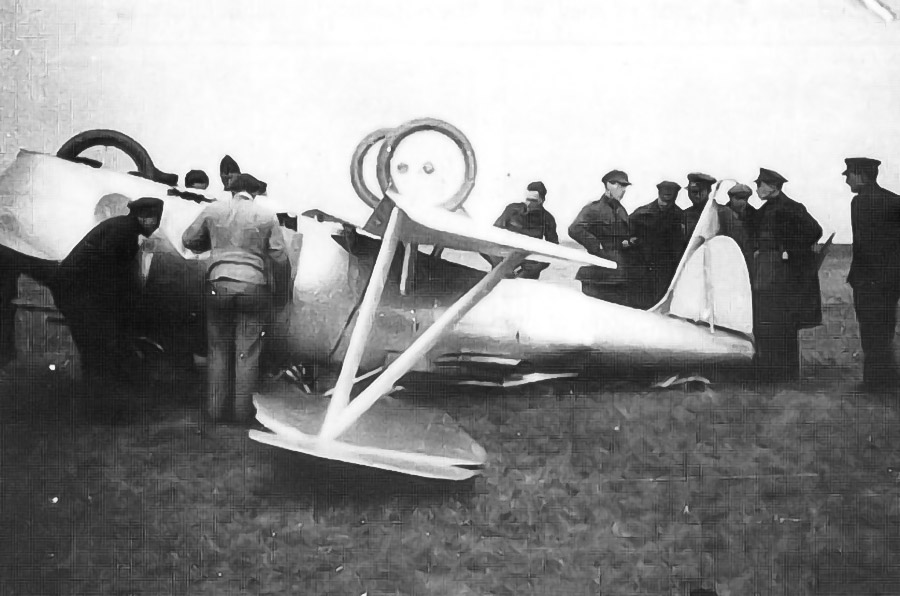
 De Bruyère C 1

Back to top

A long shaft connected the engine to a pusher propeller mounted at the tail. The aircraft lacked a fixed horizontal stabiliser but had a short vertical fin and long tail skid to protect the rear-mounted propeller. Its tricycle landing gear and metal fuselage were extremely advanced for the time.

Large circular side windows gave reasonable downward visibility, and it was armed with a single ferocious 37mm cannon. During testing at Étampes in April 1917, the aircraft reached around 25 feet before rolling uncontrollably and crashing inverted. The pilot survived, but the C 1’s poor performance led to its immediate abandonment. Years later the canard configuration would dominate European combat aircraft design.


8: Tarrant Tabor
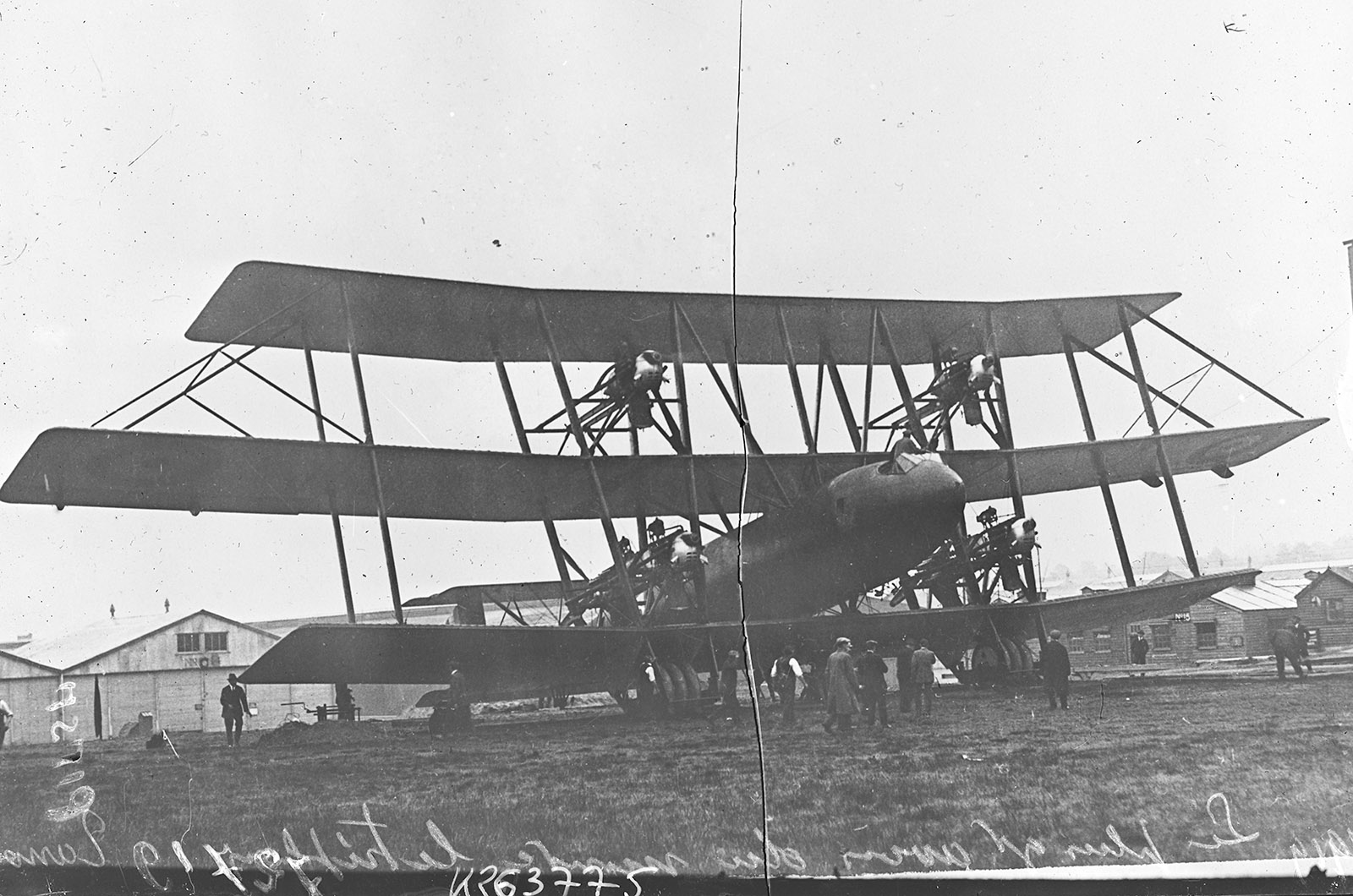
 Tarrant Tabor

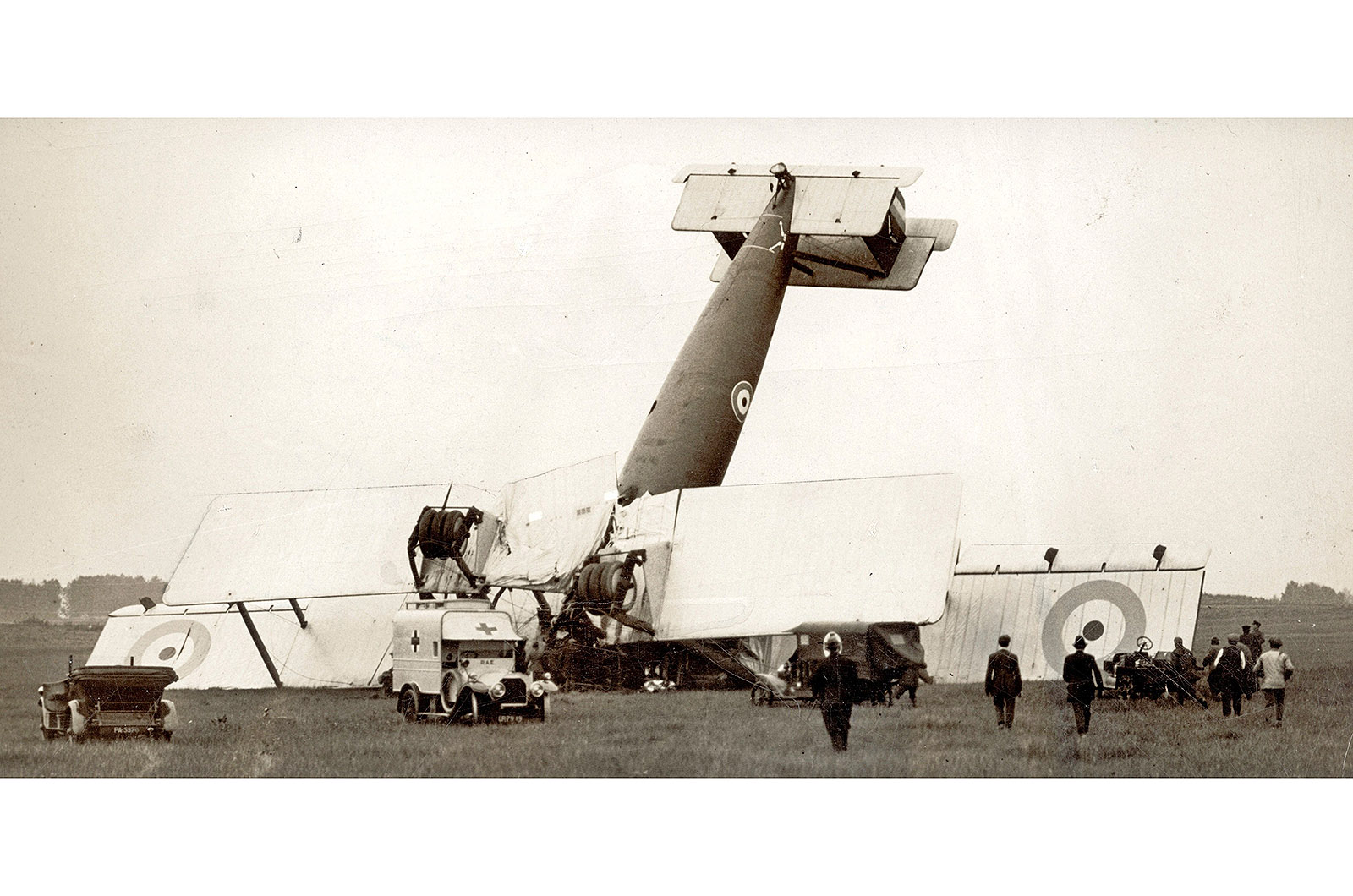
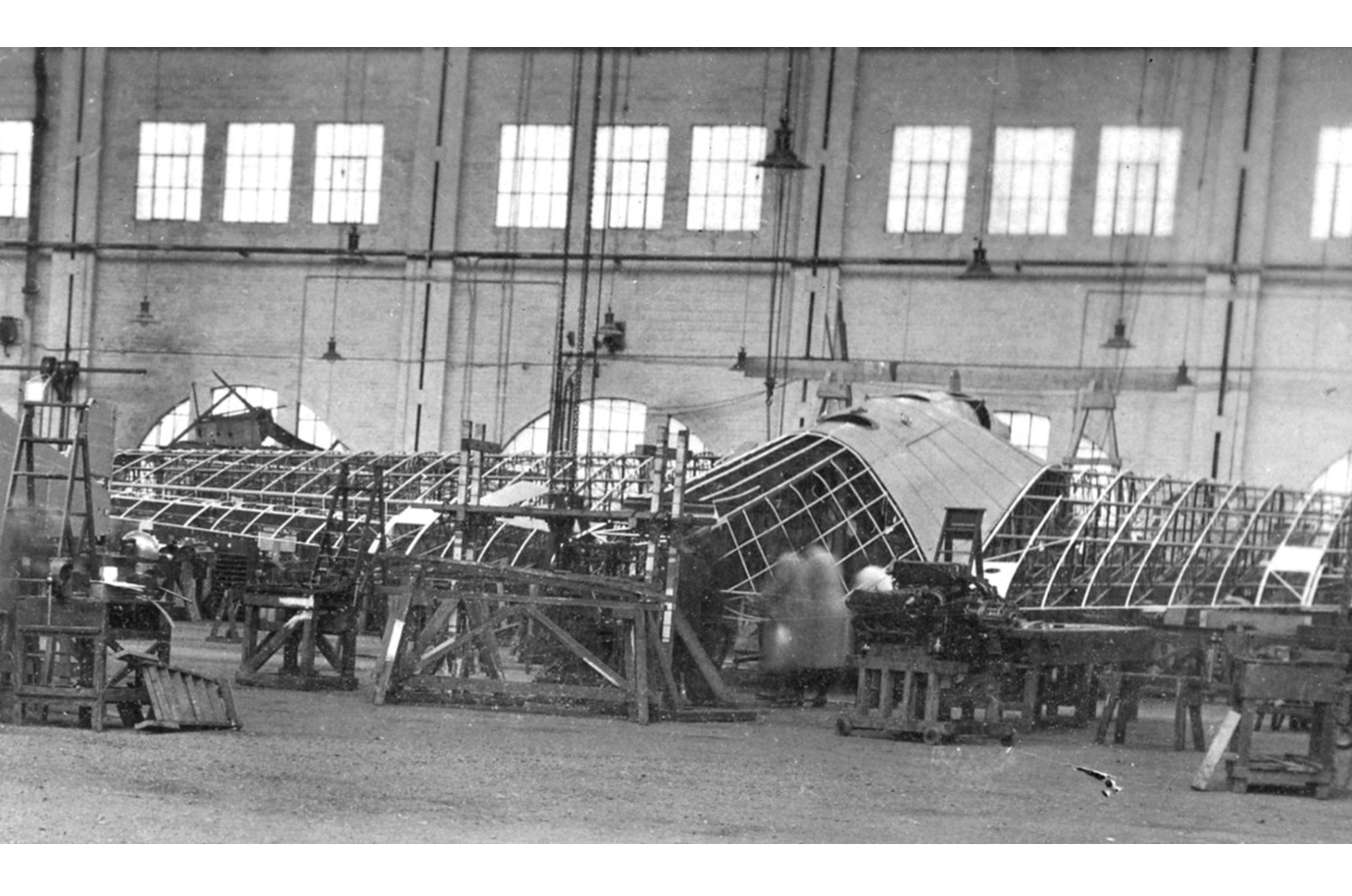
On completion, the Tabor was the world’s largest aeroplane and was intended to fly from British bases to bomb Berlin. Designed by Walter Barling and Marcel Lobelle, who would later be responsible for the highly successful Fairey Swordfish, the Tabor featured a vast and beautifully crafted lightweight wooden monocoque fuselage built from layered plywood veneers that possessed great strength and an excellent aerodynamic shape.

As originally designed, it was to be a biplane featuring four 600 hp Siddeley Tiger engines mounted in push/pull pairs. Unfortunately, production of the engines was delayed, and the decision was made to use six 450 hp Napier Lions instead and add a third wing above the existing two. Four of the Lion engines were mounted in pairs as before but with the further two added between the upper two wings, a decision that was to have calamitous results.


8: Tarrant Tabor

 Tarrant Tabor

The war for which the Tabor was designed came to an end before the aircraft was complete, but construction continued as it was thought that it might make an excellent transport aircraft. Completed in May 1919, the Tabor was wondrous to behold, with a wingspan 6 metres (20ft) greater than an Avro Lancaster; this was an aircraft that was vast by the standards of the day, but its 11.36 metre (37ft 3in) height was utterly unprecedented.

The first take-off was attempted on May 26 1919 after taxiing in a mile-wide circle to check ground handling. Pilots Dunn and Rawlings accelerated the giant machine across the field. The two upper engines were throttled up, the Tabor pitched forward and buried its nose expensively in the ground, and all five of the crew on board were seriously injured (sadly, Dunn and Rawlings both died later of their injuries).

Back to top

7: Blackburn Pellet

 Blackburn Pellet

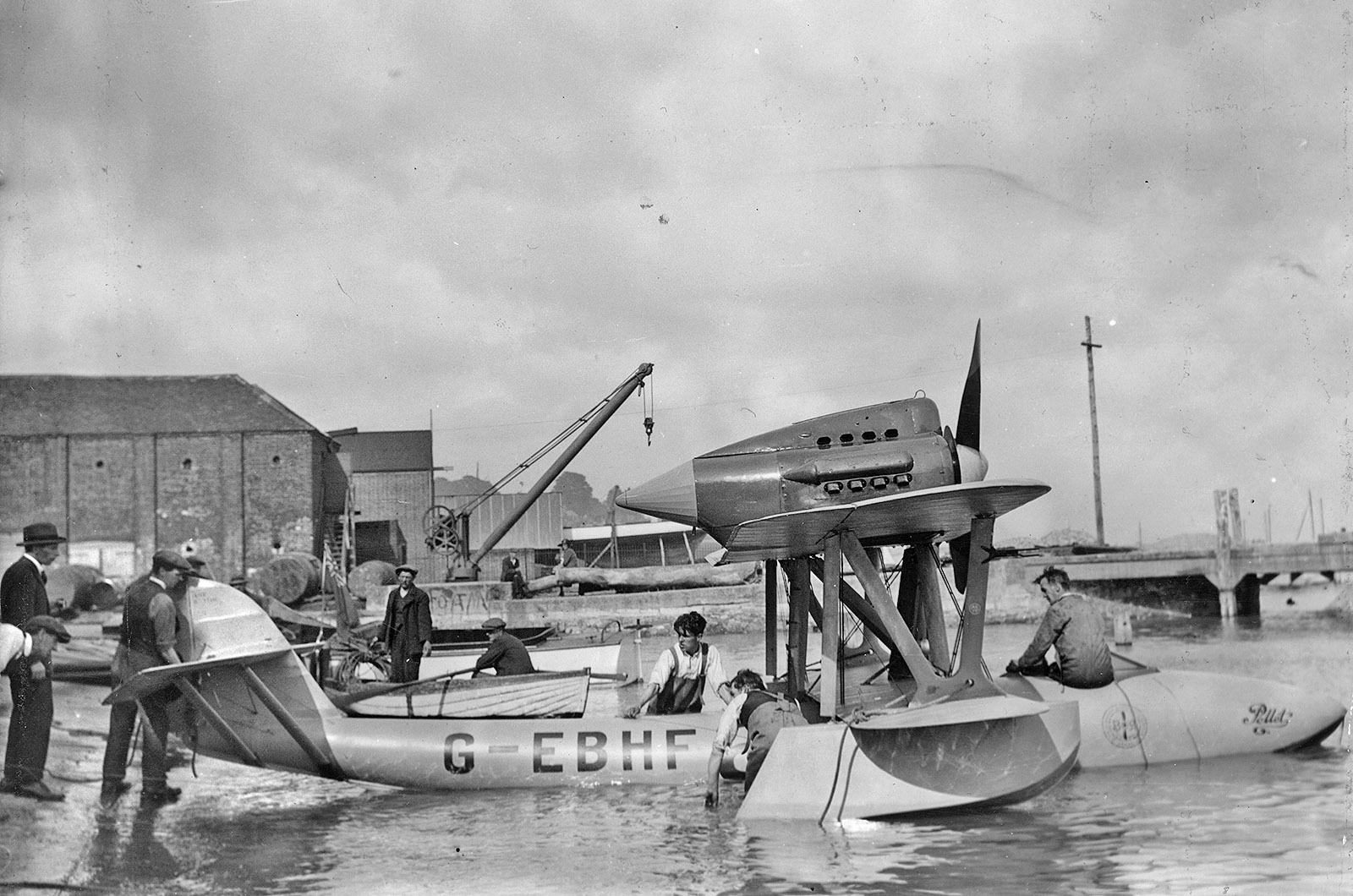
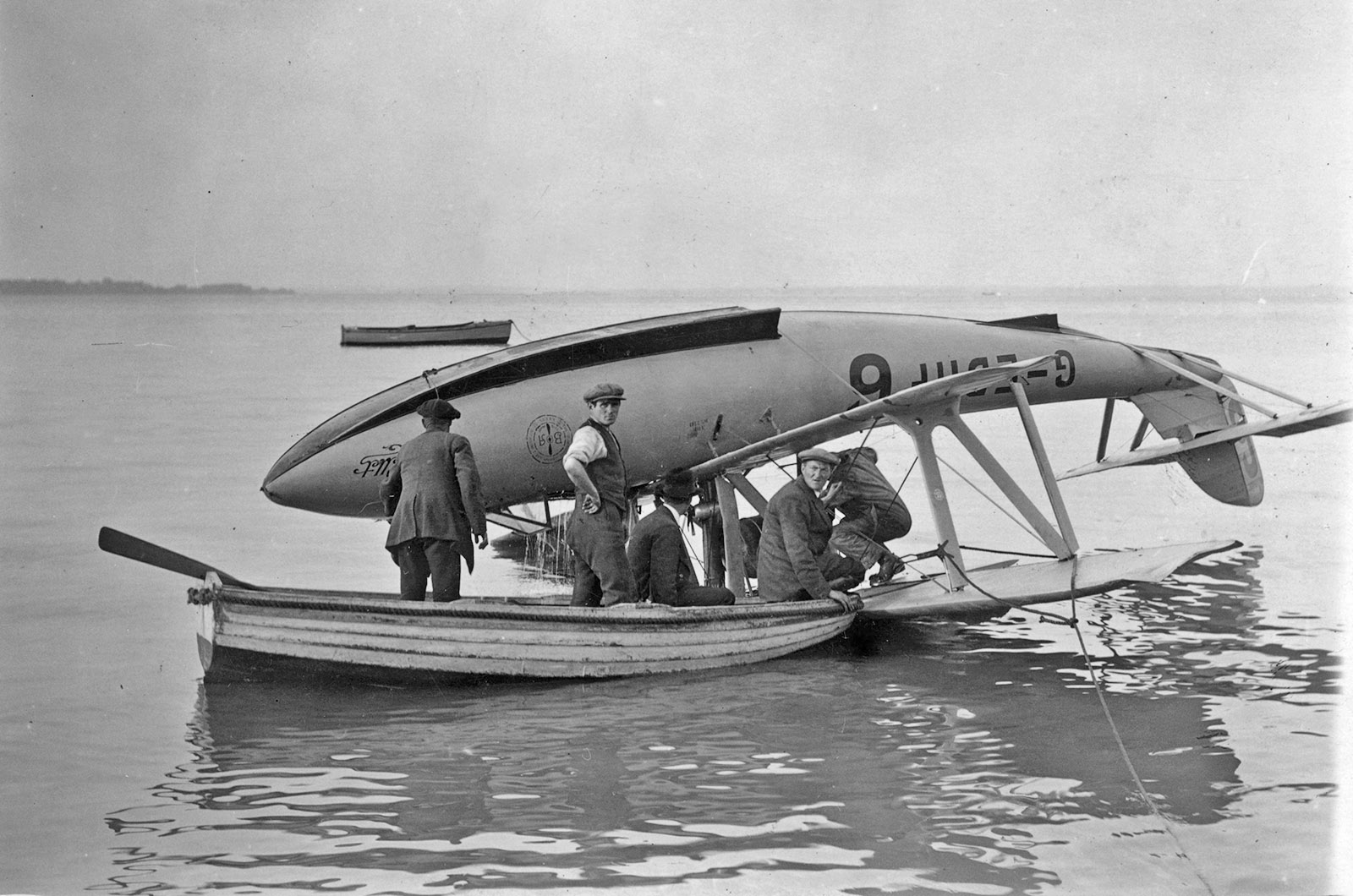
Of all British aircraft manufacturers, Blackburn Aircraft Limited have the worst reputation, and the Pellet was one of many of its inglorious aeroplanes. In 1923, Blackburn set its sights on the prestigious Schneider Trophy with a single-engine biplane flying boat—the rather unglamorously named Pellet.

The Pellet’s hull, adapted from the abandoned N.1B fleet escort bomber, featured Linton Hope’s smooth, two-step mahogany construction. The aircraft had a compact biplane layout with a Napier Lion engine perched above the top wing. Flush radiators cooled it, and the pilot sat precariously ahead of the propeller.


7: Blackburn Pellet

 Blackburn Pellet

Plagued by delays, the Pellet missed its planned July launch, first flying only on September 26 1923 - just one day before the race. Initial flight tests exposed critical issues in trim and cooling. Overnight, engineers replaced the propeller and radiator, scrambling to make the aircraft competition-ready in time for its first flight as a racer (ok, so it wasn’t strictly speaking its first flight, but we want to include it).

On race day, disaster struck. While attempting take-off for the final trials, the Pellet encountered a small boat in its path. The flying boat began porpoising—bouncing dangerously on the water—before breaking apart. The aircraft was destroyed, but remarkably, the pilot (R.W. Kenworthy) escaped the wreckage without injury.


6: Westland Dreadnought

 Westland Dreadnought

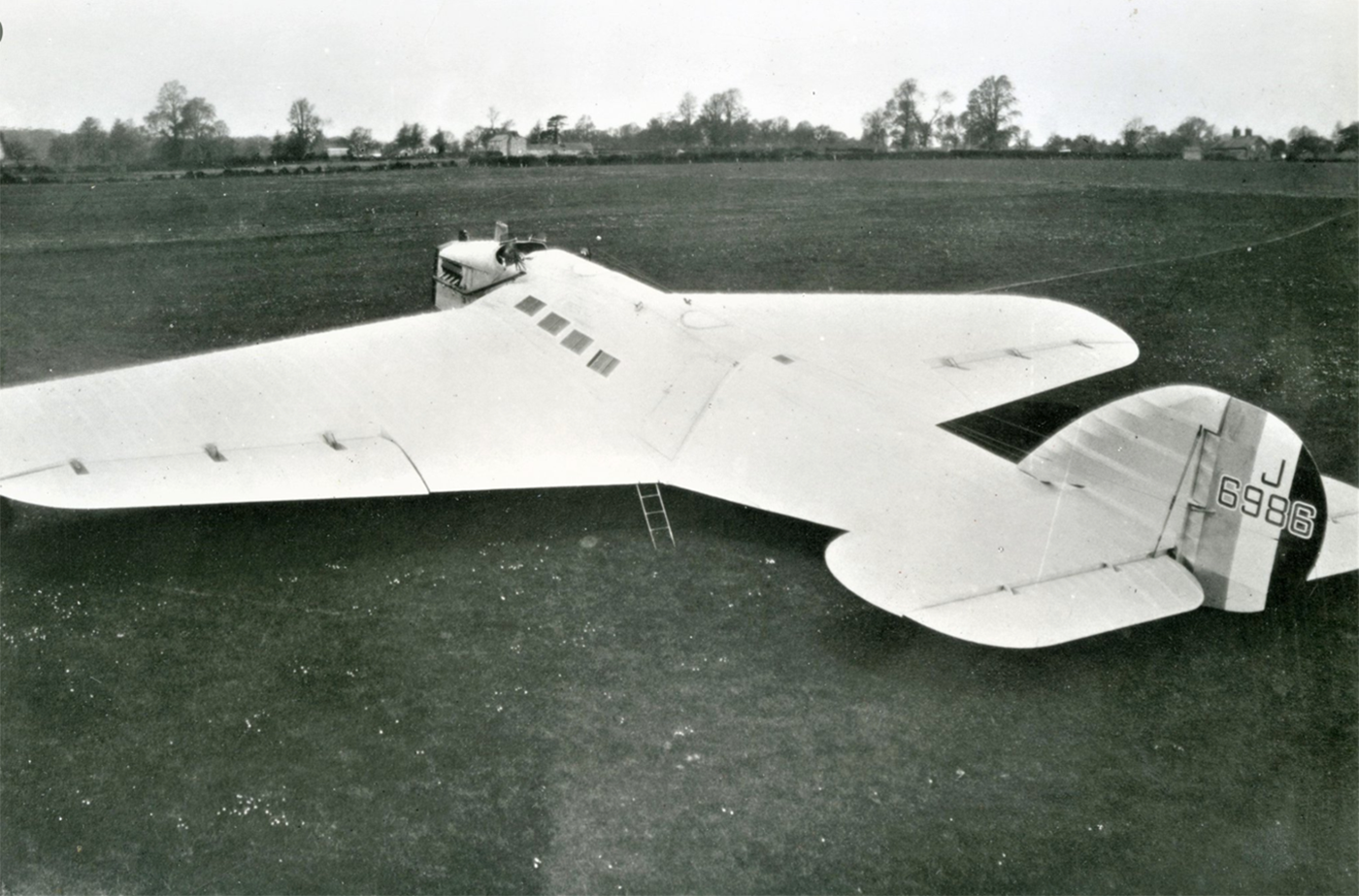
Westland aimed to refine German-Dutch metal aircraft technology and explore a unified aerofoil design. Airco’s chairman sent William Wilkins to Russia, returning with inventor Nikolai Voevodsky. His monocoque wing ideas intrigued British researchers eager to match foreign progress. Civil war halted Russian collaboration, but Voevodsky’s concepts of making the entire aircraft of aerofoil cross-section and thus contributing to lift impressed the Aeronautical Research Committee.

Westland built a 70-foot wingspan aircraft from Voevodsky’s concepts, but this extremely advanced design was deeply flawed. Aviation writer Bill Gunston later described it as “the worst form of all metal construction,” with an overly complex structure and a skin too weak to help support the aircraft’s weight.

Back to top

6: Westland Dreadnought

 Westland Dreadnought

After the Dreadnought was completed, pilot Arthur Keep performed taxi tests and brief airborne hops. On May 9 1924, he undertook his first official flight. Initially stable, the aircraft soon became uncontrollable. At around 100 feet, it stalled and crashed. Keep was thrown out, seriously injured, and later had both legs amputated.

Despite his injuries, Keep stayed with the company until retiring in 1935. The Dreadnought was never flown again, and the project was abandoned. However, its innovative concepts marked a significant advancement in aviation design. Though a failure in its time, the Dreadnought’s legacy remains alive today, via XP-67 and the SR-71 Blackbird, in many blended-wing designs, including the B-1 bomber.


5: Renard R.35

 Renard R.35

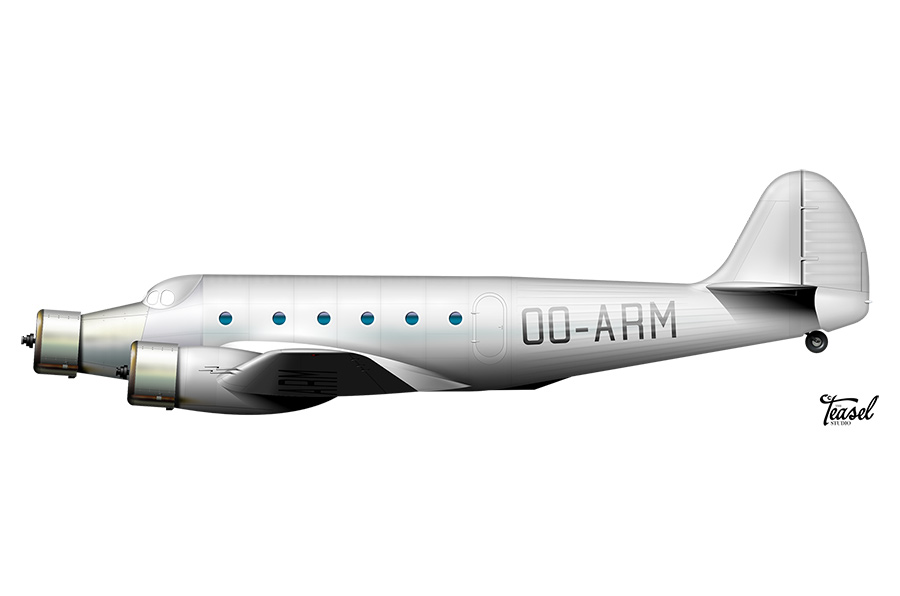
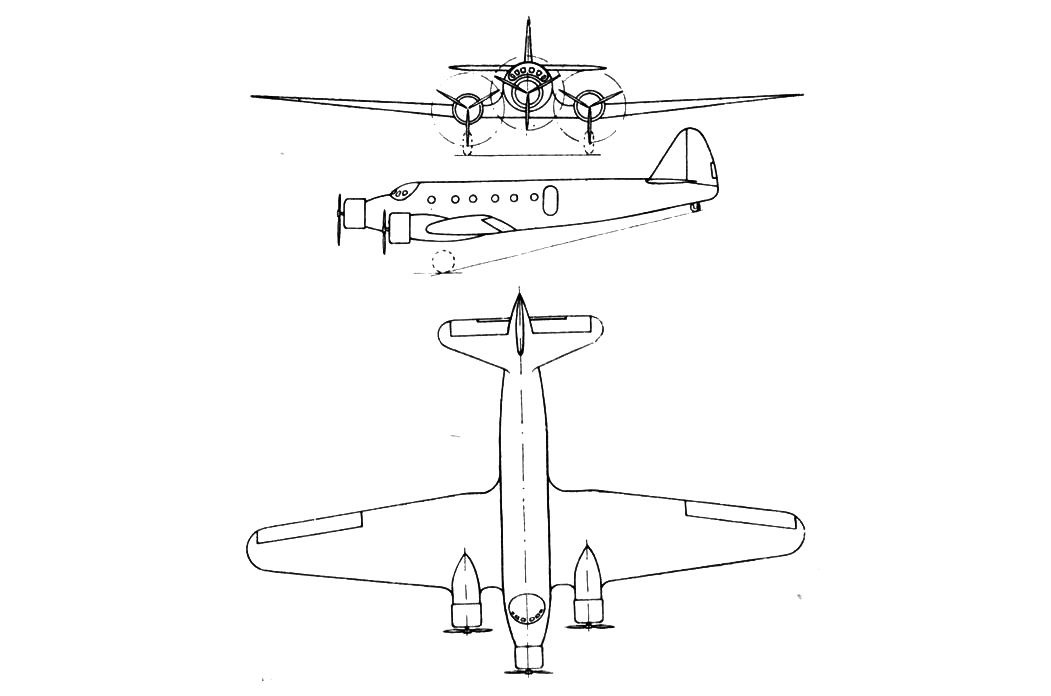
In the late 1930s, Belgian aircraft maker Constructions Aéronautiques G. Renard developed the R.35, a sleek, pressurised airliner built for long-distance travel. Designed to serve SABENA’s route to the Belgian Congo, the R.35 featured a low-wing monoplane layout with three engines and retractable landing gear.

Alfred Renard, the visionary behind the project, initiated the design in 1935. SABENA requested a three-engine configuration, prompting a metal monoplane that could seat 20 passengers in a pressurised cabin. On April 3, 1936, an order for a single prototype was confirmed. Though compatible with more powerful engines, the prototype used less powerful Gnome-Rhône 9Ks.


5: Renard R.35

 Renard R.35

By early 1938, the R.35 was ready for testing. On April 1, it stood on Evere airfield, poised for high-speed taxi trials before a crowd of VIPs and journalists. After one ground run, it unexpectedly lifted off during the second. The pilot, Georges Van Damme, tried to complete a circuit, but the aircraft dove suddenly and crashed, killing Van Damme.

With the cause undetermined, SABENA withdrew its support, and the R.35 project was abandoned. What might have been a pioneering leap in pressurised air travel ended in a single, tragic flight—marking both the end of the R.35 and a sobering moment in aviation history.

Back to top

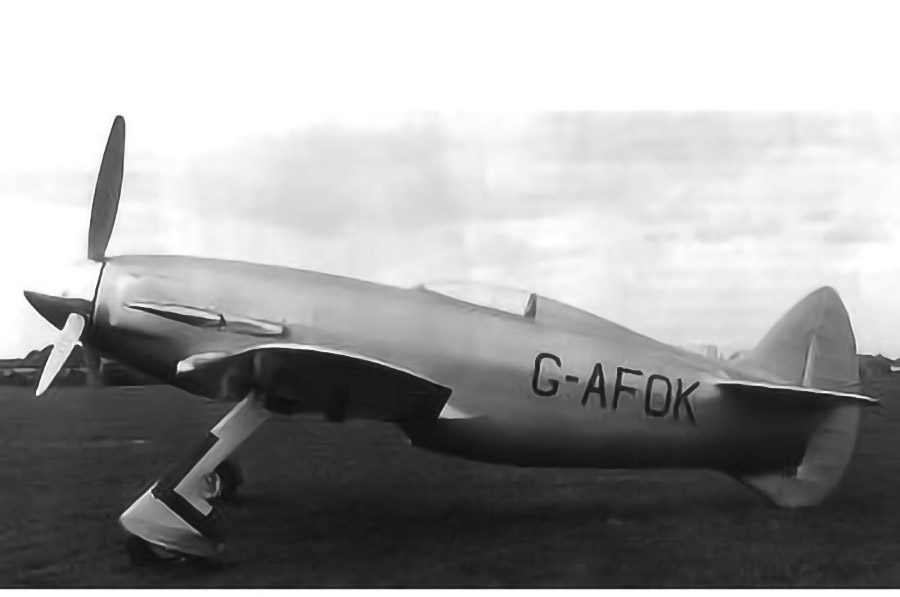
4: Napier-Heston Racer

 Napier-Heston Racer

The Sabre aircraft engine, developed by Napier & Son, was a powerful British aero engine used primarily in the Hawker Typhoon and Tempest during World War II. A 24-cylinder, liquid-cooled H-block design delivered up to 2400 horsepower, driving high-performance fighters despite early reliability issues. Its complex engineering marked a significant wartime innovation.

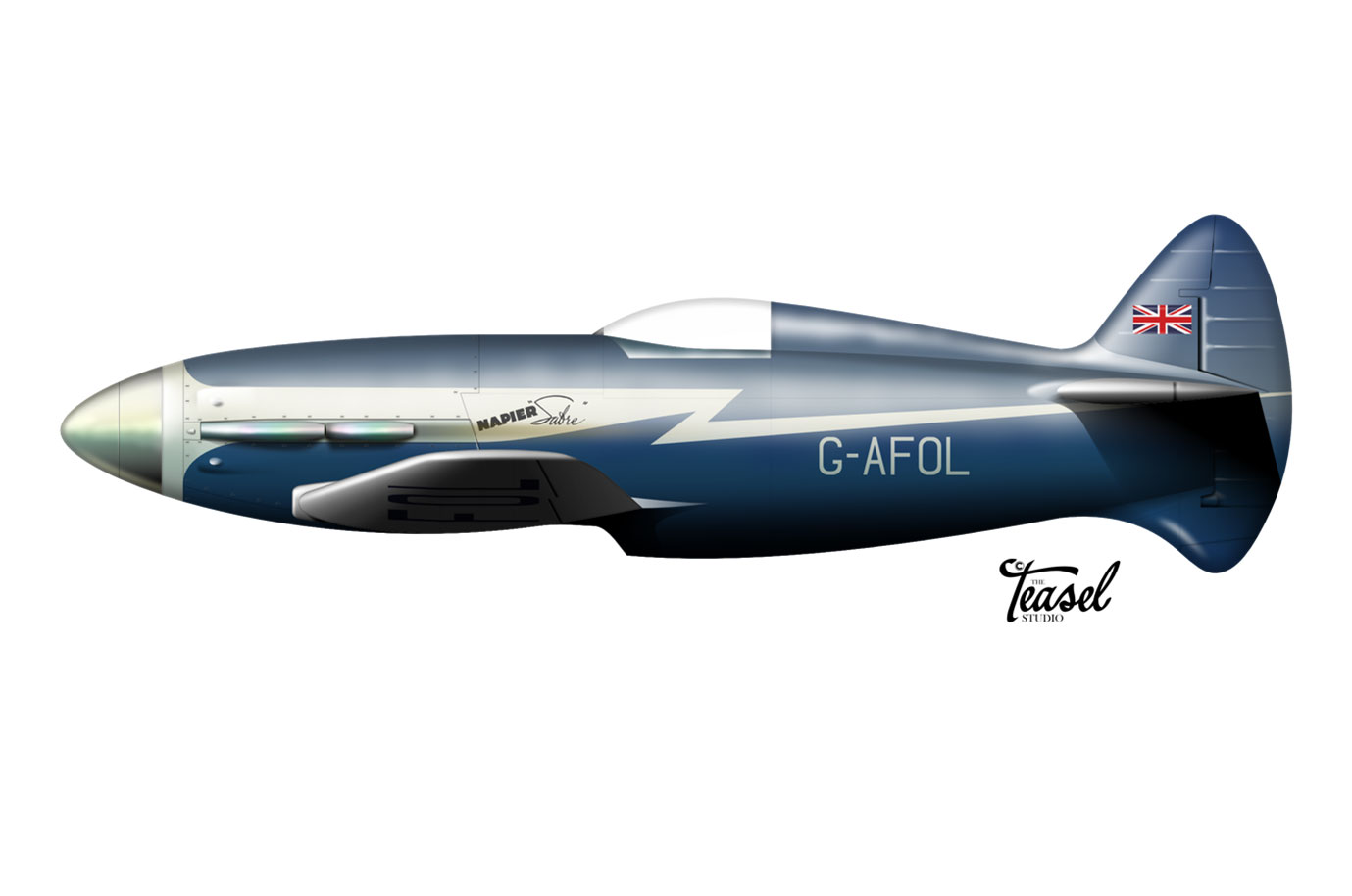
The first aircraft designed around the Sabre engine was the Napier-Heston Racer. It was intended to snatch the World Air Speed Record. It was hoped it would be able to reach 480mph. The project was funded privately by William Morris, the car tycoon. The Air Ministry had mixed feelings about the project, though at times, thought it could aid the development of the Sabre engine.


4: Napier-Heston Racer

 Napier-Heston Racer

On June 12, 1940, the first aircraft for the record attempt, G-AFOK (Fox Oboe King), made its maiden flight at Heston Aerodrome, piloted by Squadron Leader G.L.G. Richmond, Heston Aircraft’s Chief Test Pilot. A heavy bump during the high-speed take-off run, with the canopy off, caused an unexpected early liftoff.

After an abrupt take-off, Richmond conducted a brief test flight with gear extended, but inadequate elevator control and engine overheating forced an emergency landing. Scalded by steam or coolant, he stalled the aircraft at 30 feet, crashing heavily. The undercarriage pierced the wings, and the tail detached. Richmond survived with minor burns.


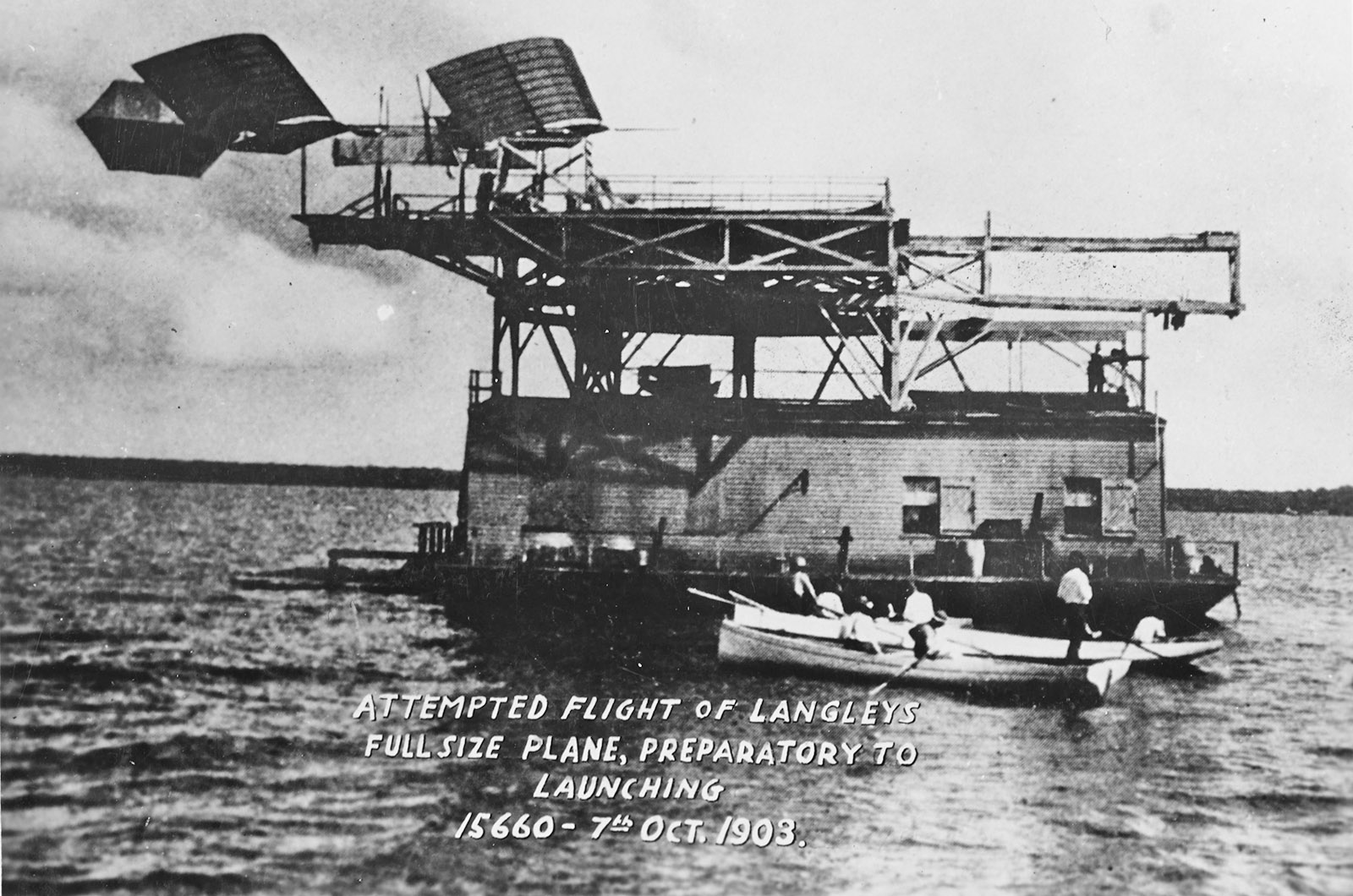
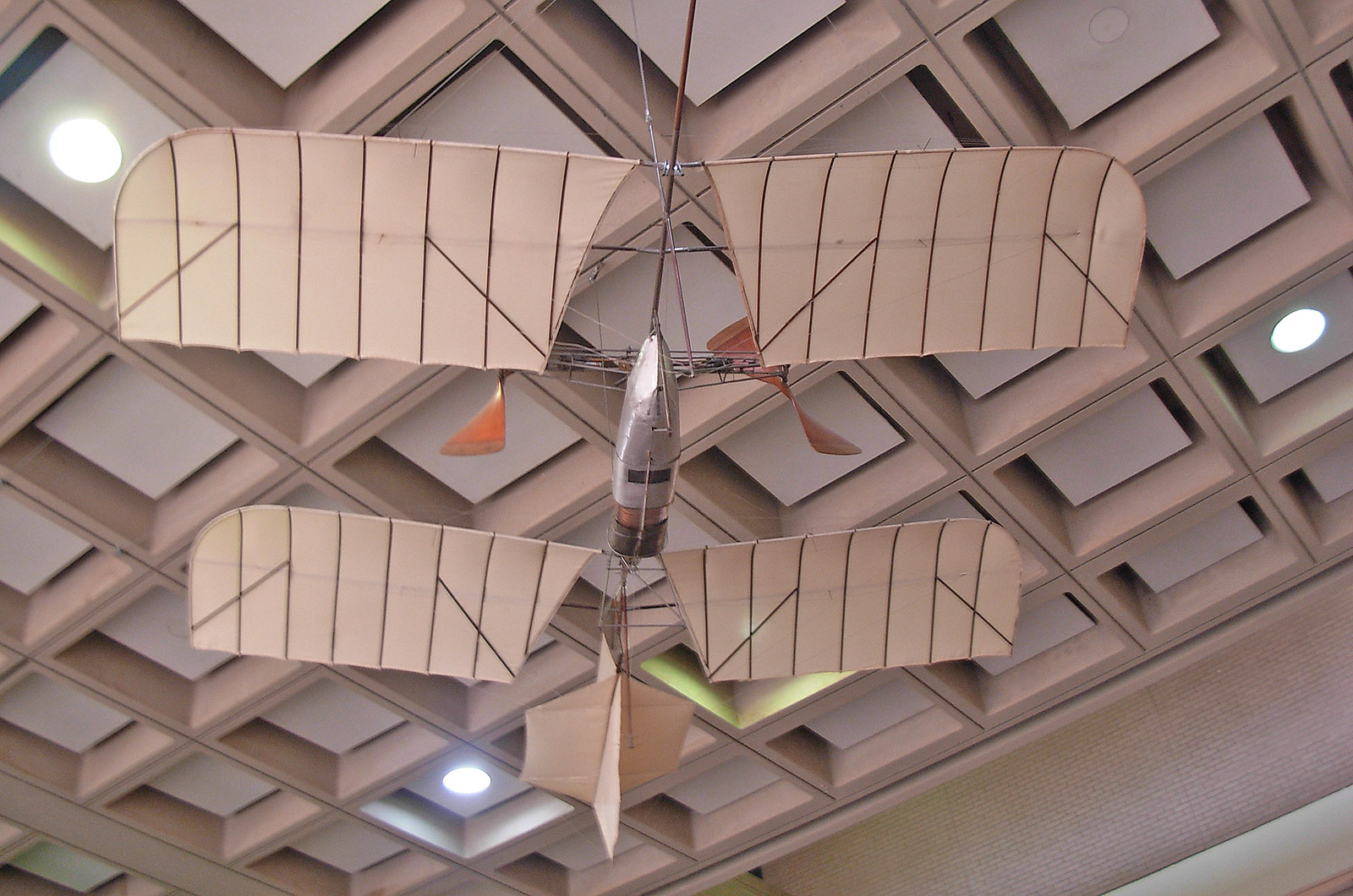
3: The Langley Aerodrome

 The Langley Aerodrome

Samuel Pierpont Langley was a brilliant inventor, astronomer and scientist who happened to be secretary of the Smithsonian Institution. He had built an excellent model aircraft that flew over a mile in 1901 and, reasonably, decided to scale it up and make the world’s first manned, powered flight.

The Aerodrome was beautifully made, and its 52hp radial had the best power-to-weight ratio of any engine (a record held until 1919) but it couldn’t fly. Twice, the Aerodrome was flung off its catapult and plunged into the Potomac River. Nine days later, the Wright brothers flew their aircraft into the history books. Langley died in 1906, and that should really have been that for the Aerodrome, but fate decreed its story was not yet over.

Back to top

3: The Langley Aerodrome

 The Langley Aerodrome

The Wrights were as litigious as they were diligent and busily sued anyone who built a successful aircraft. In 1914, this included the talented pioneer Glenn Curtiss, allegedly devised a brilliant scheme to flip the litigation on its head. If he could prove that the Aerodrome was capable of flight then the Wright’s patent would be invalid, and he wouldn’t let a little thing like the fact that it wasn’t stand in his way.

After extensive modification, including a new V8 engine, Curtiss coaxed it aloft for an awe-inspiring five seconds. Modifications removed, the Aerodrome was placed on show with the claim that it was ‘the first man-carrying aeroplane in the history of the world capable of sustained free flight’.


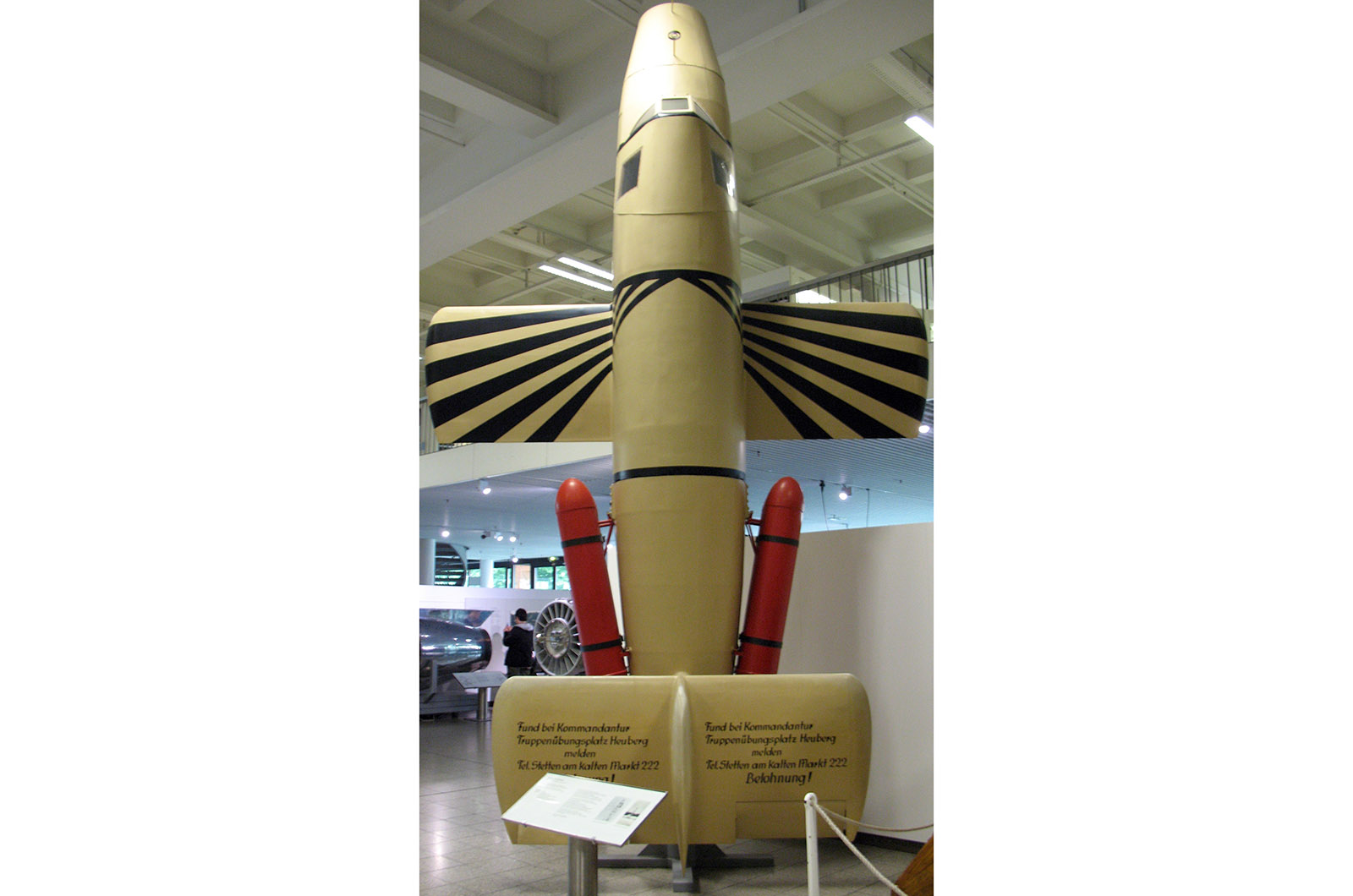
2: Bachem Ba 349 Natter

 Bachem Ba 349 Natter

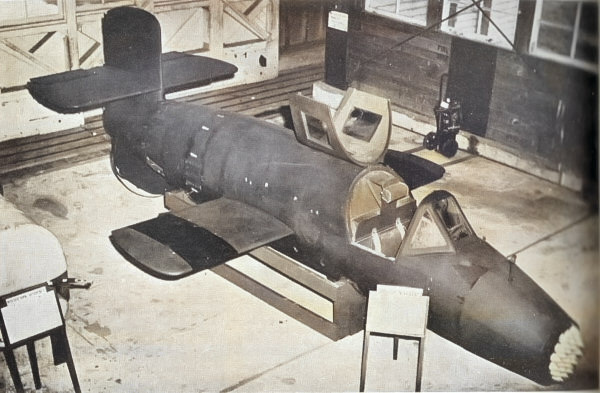
Born in the chaotic last days of the Third Reich, the Bachem Ba 349 Natter was a tail-sitting Vertical Take-Off rocket interceptor. The Bachem Ba 349 Natter, meaning “Colubrid” or “grass-snake,” was a German World War II aircraft designed for point-defence. It launched vertically like a crewed missile, requiring no airfields. In combat, it was hoped that most of the flight would be controlled by autopilot, minimising the need for highly trained pilots.

The pilot’s main job was to aim at the target bomber and fire the nose-mounted unguided rocket armament. After the attack, the rocket-powered fuselage and pilot would separate and descend with individual parachutes. The nose section was discarded. This innovative yet desperate design reflected Germany’s last-ditch efforts to counter Allied bombing raids.


2: Bachem Ba 349 Natter

 Bachem Ba 349 Natter

On March 1 1945, the Natter took its first and only crewed vertical take-off flight. The doomed flight ended in the death of test pilot Lothar Sieber. Had it been developed, it could likely have been even faster than the Me 163, but this was not to be.

The pilot likely lost consciousness before impact. Bachem believed 3 G acceleration caused Sieber to pull back on the controls involuntarily. A bent canopy latch suggested it wasn’t fully secured. When it detached, the pilot’s head snapped back, hitting the cockpit bulkhead—possibly rendering him unconscious or breaking his neck instantly.

Back to top

1: Christmas Bullet

 Christmas Bullet

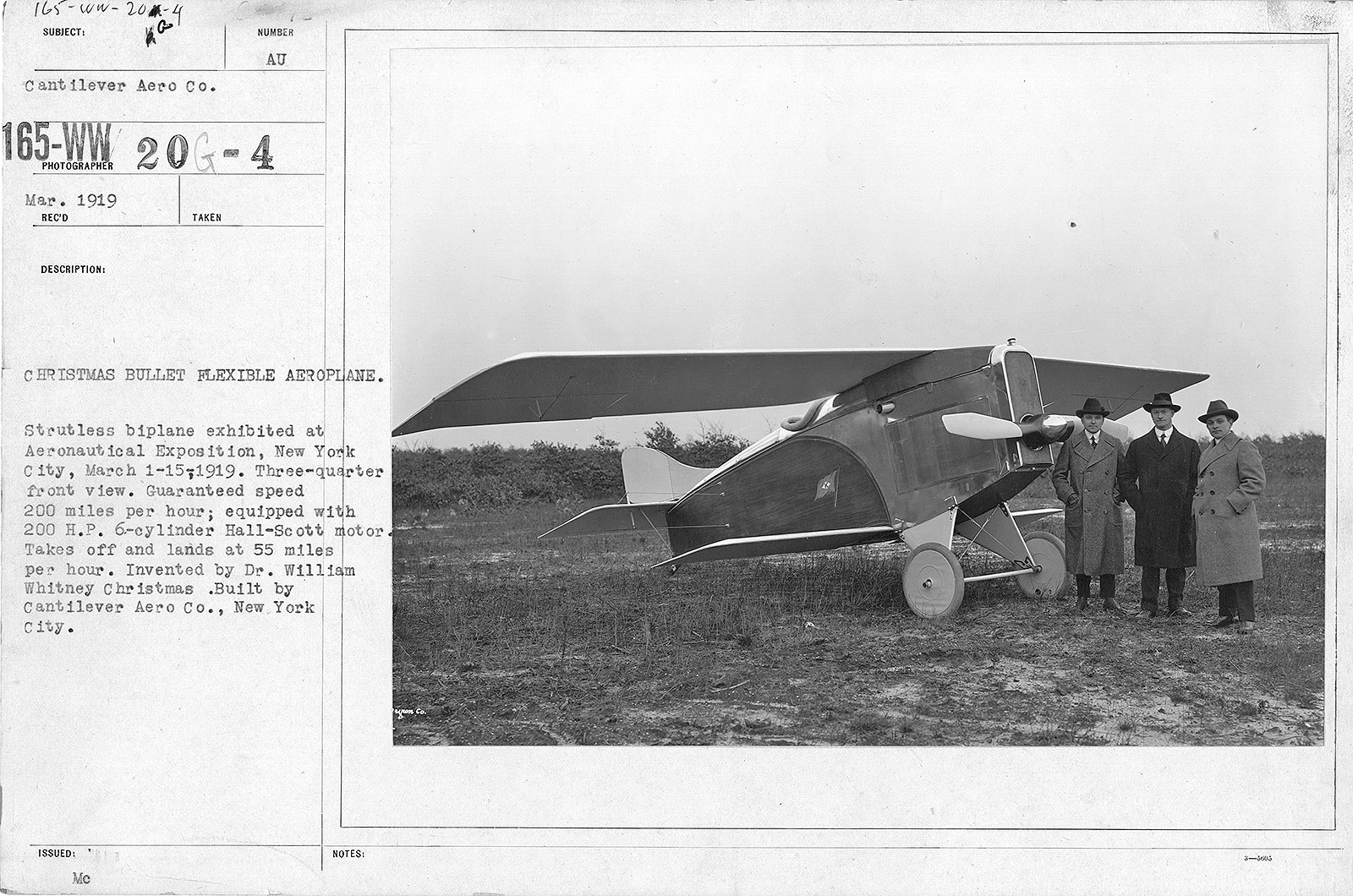
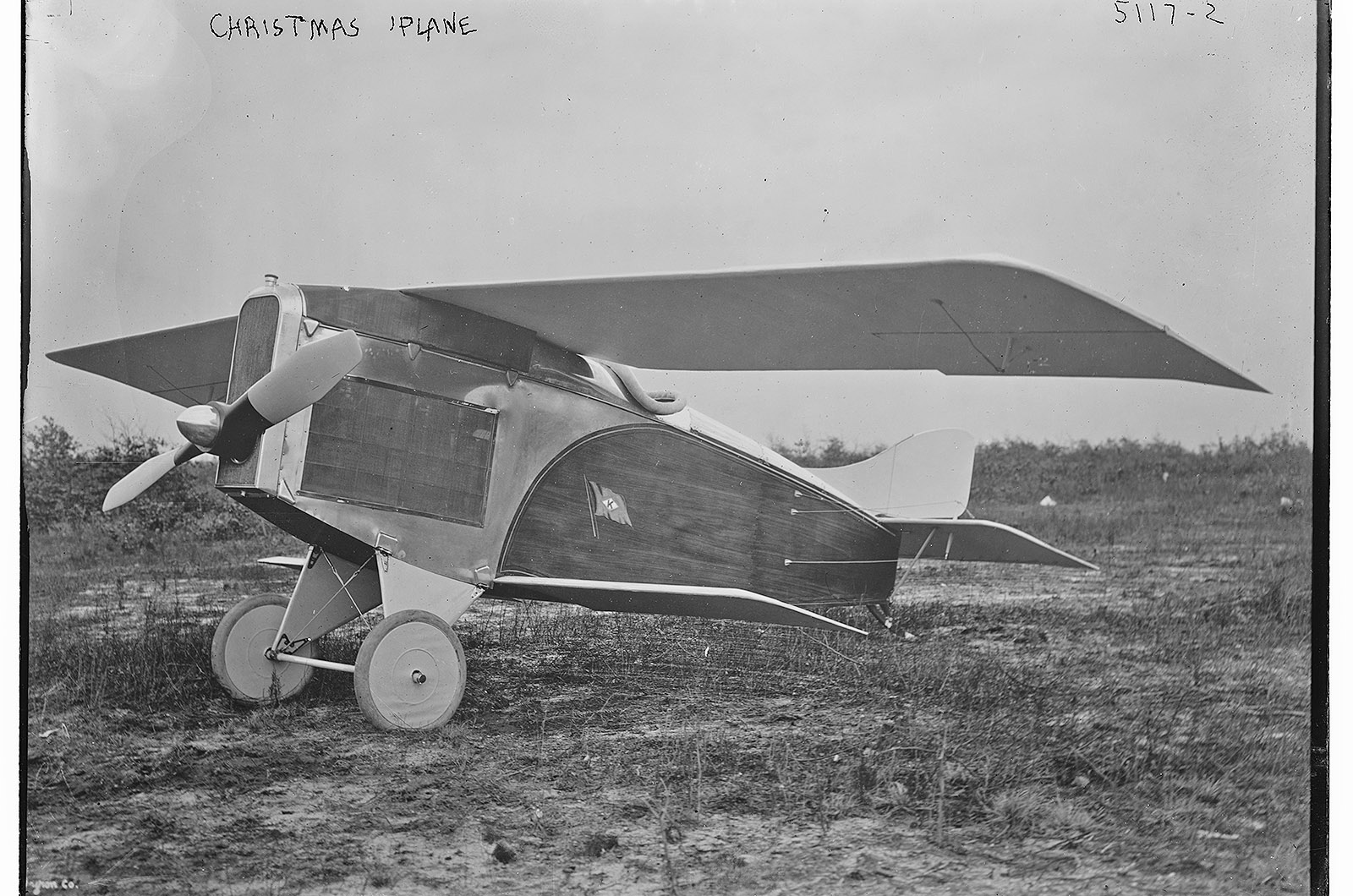
The designer of the 1919 Christmas Bullet, Dr William Whitney Christmas, was such a liar and fantasist that, in some respects, it’s a wonder that he actually went to the trouble of building an aeroplane rather than just telling people he had. Christmas seemed to have persuaded his backers to finance him based on two previous aircraft, for which no evidence ever existed.

The Bullet most definitely did, though most of the claims its owner made for it – that it was the world’s first cantilever-wing aeroplane, that it was the first with a plywood monocoque construction, that it was in any way airworthy – proved false. ‘Bullet’ was an apt name for a projectile that invariably harmed anyone it came into contact with.


1: Christmas Bullet

 Christmas Bullet

Christmas managed to find funding to build two ‘proof of concept’ aircraft to demonstrate his ‘ideas’ of a deliberately flexible wing inspired by those of birds, and tepid support from the US Army, which leant an engine for ground-testing and the services of a test-pilot, Cuthbert Mills. A flight was attempted in the first aircraft, whereupon the wings peeled off during take-off, and the aircraft crashed, killing Mills. Christmas claimed that the aircraft had reached a speed of 197mph.

A second aircraft was built, and a propeller issued by the Army, despite the loaned engine having been destroyed during the unauthorised flight as Christmas had kept this secret. The second aircraft also crashed, also fatally. Christmas was still trying to sue people for claiming the aircraft had killed its pilots as late as 1930 and insisted the aircraft had reached a speed of 222mph.

Follow Joe Coles on Substack, Twitter X  or Blue Sky. His superb Hush-Kit Book of Warplanes is available here.

If you enjoyed this story, please click the Follow button above to see more like it from Autocar

Photo Licence: https://creativecommons.org/licenses/by/4.0/deed.en


Join our WhatsApp community and be the first to read about the latest news and reviews wowing the car world. Our community is the best, easiest and most direct place to tap into the minds of Autocar, and if you join you’ll also be treated to unique WhatsApp content. You can leave at any time after joining - check our full privacy policy here.

Add a comment…