

There is a reason test pilots have a reputation for cool-headed bravery.
Historically, it has been a dangerous occupation, with many planes ending testing in fiery explosions or on the seafloor. Some planes didn’t even make it past their maiden flights. Here are 10 aircraft that Crashed on their First Flight:
10: Northrop XP-79B
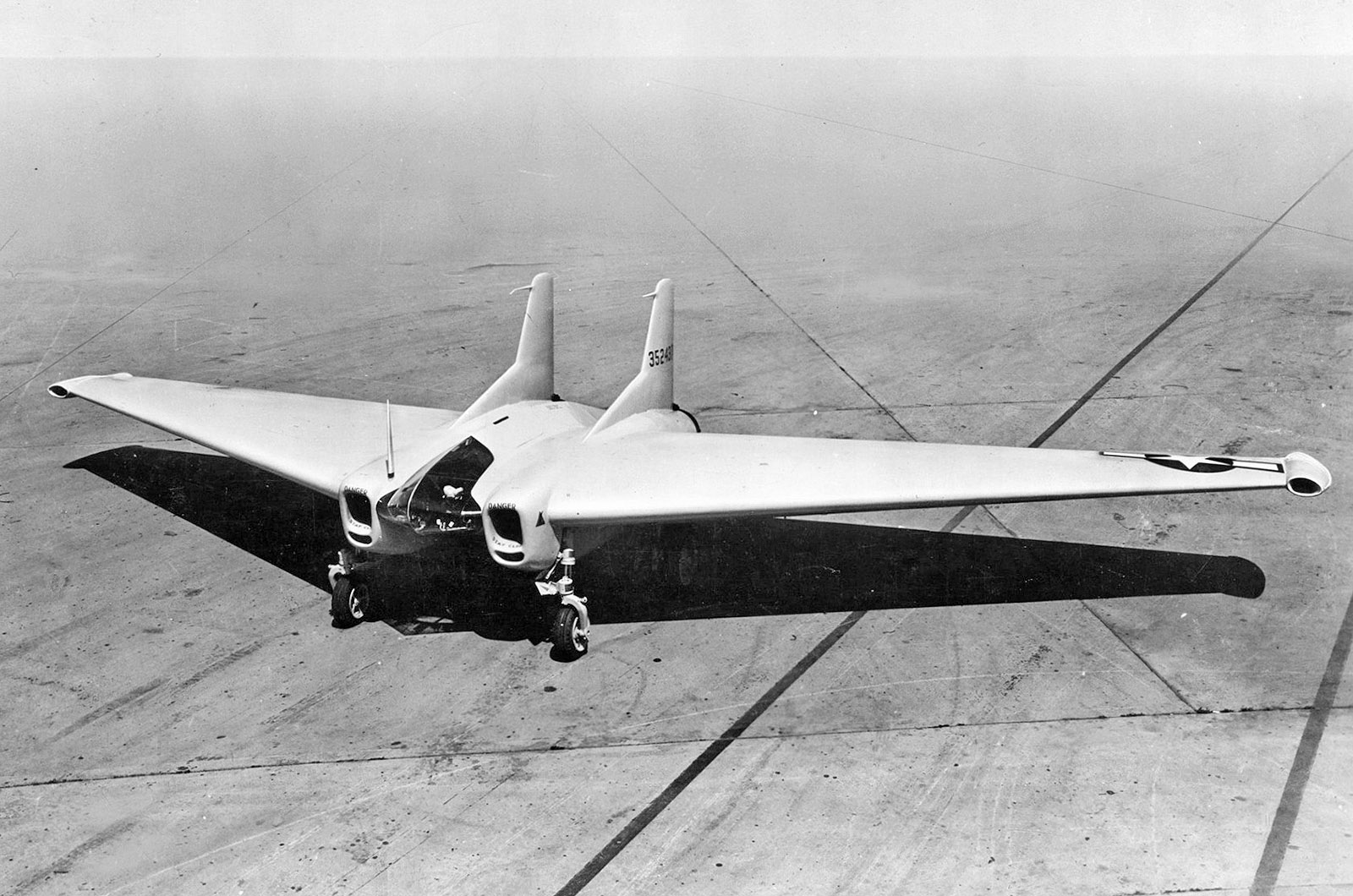
Most aircraft manufacturers used aluminium as their primary material, but some of the more maverick aircraft designers saw the potential of magnesium. These non-conformists also tended to put the propeller at the back in the ‘pusher configuration’. In 1943, Northrop flew the XP-56 ‘Black Bullet’, an aircraft that had seemingly flown in from a parallel universe.
This bat-winged fighter had an extremely unconventional design, and like the later Planet Satellite, it was a ‘Magnesium pusher’. The XP-56 proved dangerous to fly, and delays in its testing meant it was still unready at a time when piston-engine fighters were yesterday’s technology.
10: Northrop XP-79B
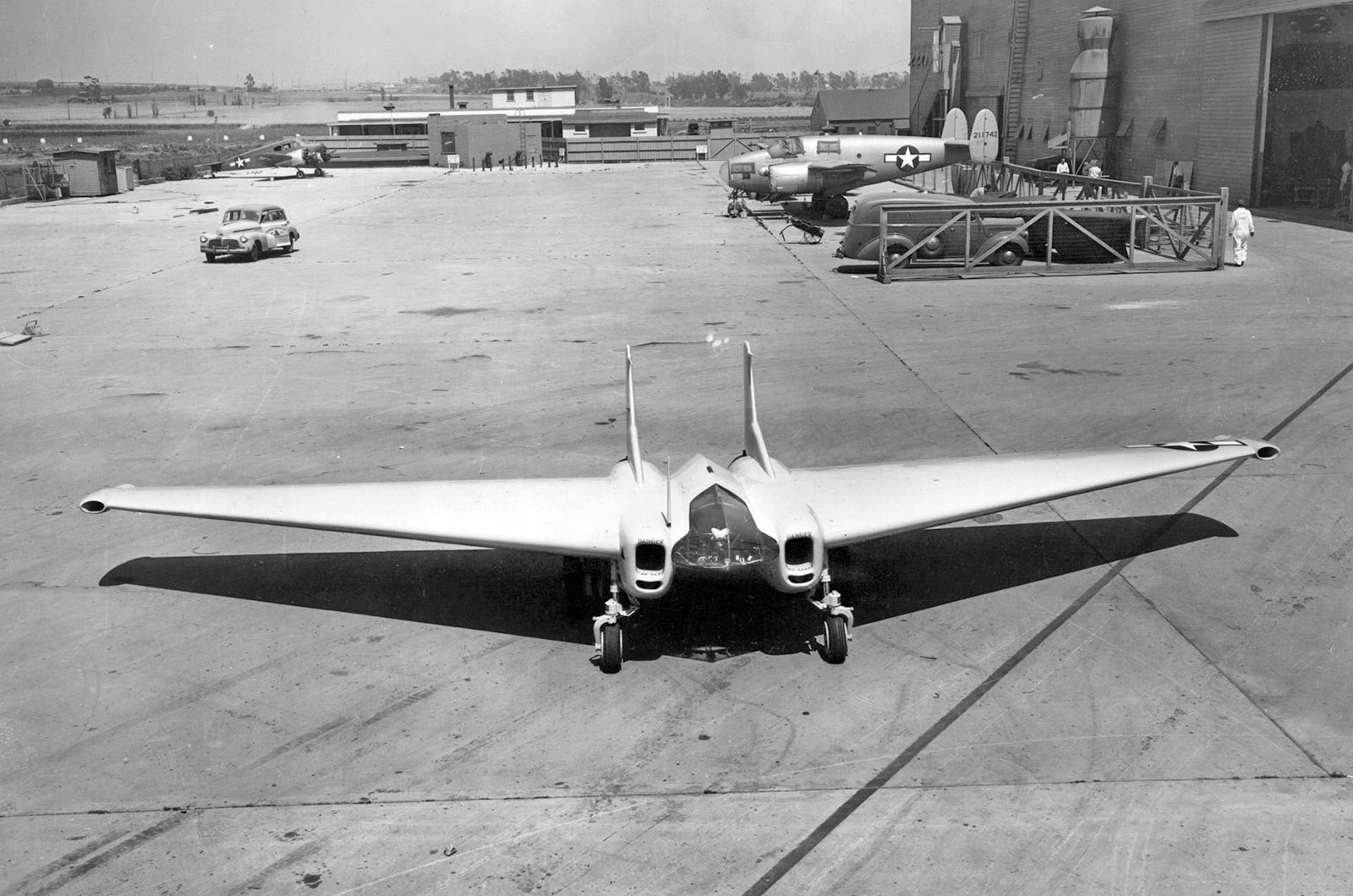
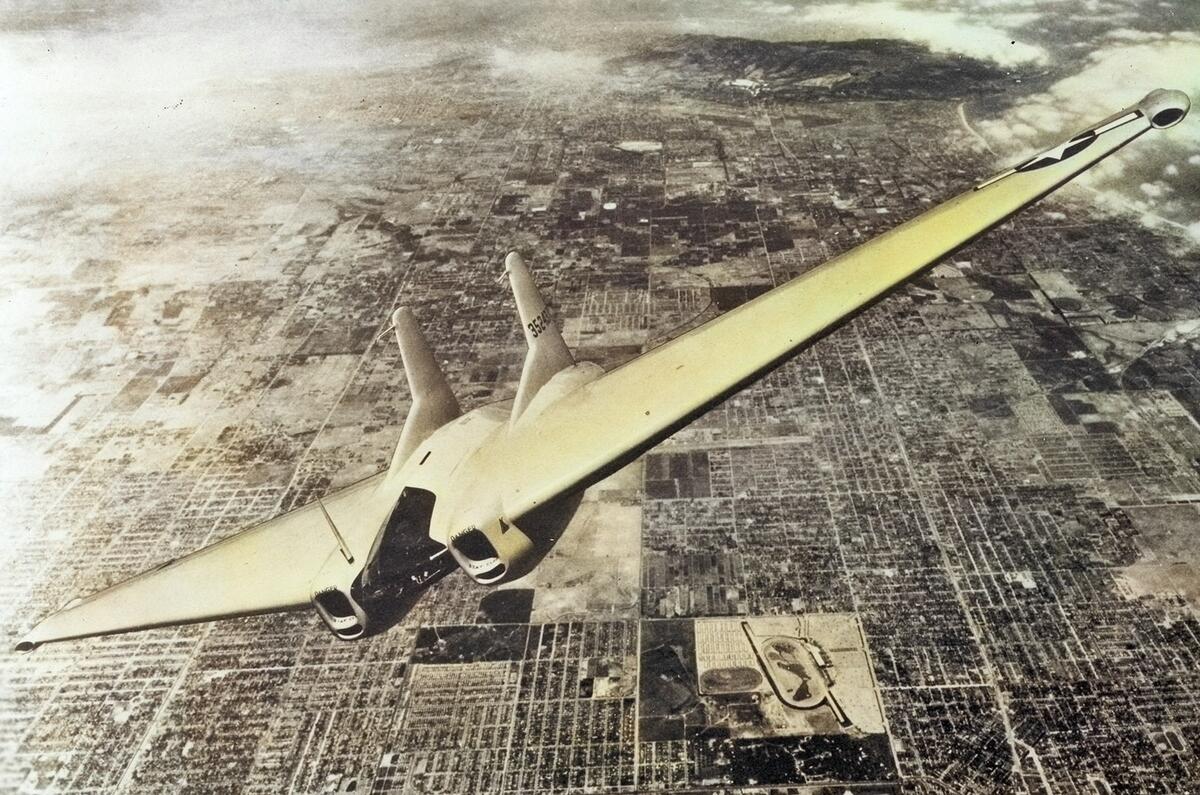
Somebody at Northrop clearly thought the XP-56 was not radical enough and began work on the exceptionally unusual XP-79, in which the unlucky pilot would have to lie down as he controlled a rocket-propelled flying wing while manoeuvring his aircraft to slice enemy aircraft in half with its leading edges.
Despite the benefits of magnesium (exceptionally light and strong), it has a reputation for bursting into flames and, if impure, corroding easily. On its maiden flight on September 12, 1945, the XP-79B spun out of control after seven minutes. Test pilot Harry Crosby bailed out but was struck by the aircraft and was killed. Shortly afterwards, the project was binned.
9: De Bruyère C 1
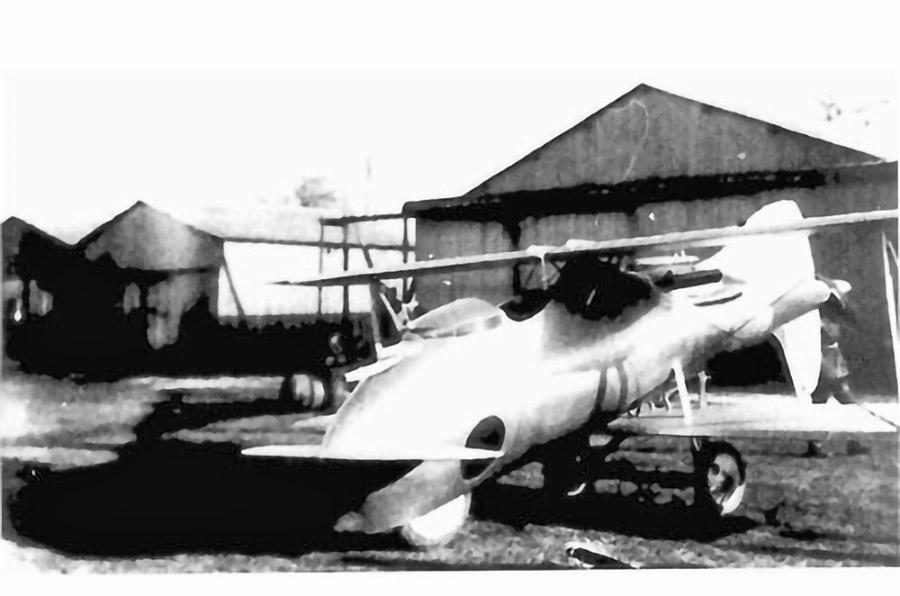
The de Bruyère C 1 was a prototype for a French fighter aircraft developed during World War I. Conceived by Marcel de Bruyère, it featured an unconventional single-seat, pusher canard design. Only one example was ever constructed, and it crashed on its maiden flight in 1917, ending the project entirely.
The C 1 was a biplane with equal-span, staggered wings supported by inverted V-struts. Pitch control came from a one-piece, all-moving canard foreplane, while roll was managed by full chord tip ailerons managed roll on the upper wing—an unusual solution. The 150-horsepower Hispano-Suiza 8Aa engine was placed behind the wings.
9: De Bruyère C 1
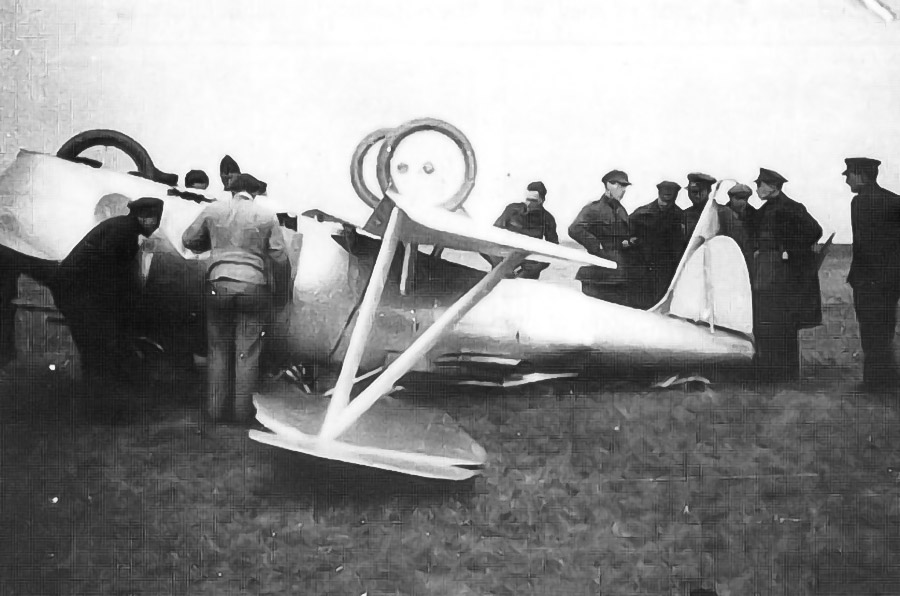
A long shaft connected the engine to a pusher propeller mounted at the tail. The aircraft lacked a fixed horizontal stabiliser but had a short vertical fin and long tail skid to protect the rear-mounted propeller. Its tricycle landing gear and metal fuselage were extremely advanced for the time.
Large circular side windows gave reasonable downward visibility, and it was armed with a single ferocious 37mm cannon. During testing at Étampes in April 1917, the aircraft reached around 25 feet before rolling uncontrollably and crashing inverted. The pilot survived, but the C 1’s poor performance led to its immediate abandonment. Years later the canard configuration would dominate European combat aircraft design.
8: Tarrant Tabor



Add your comment