
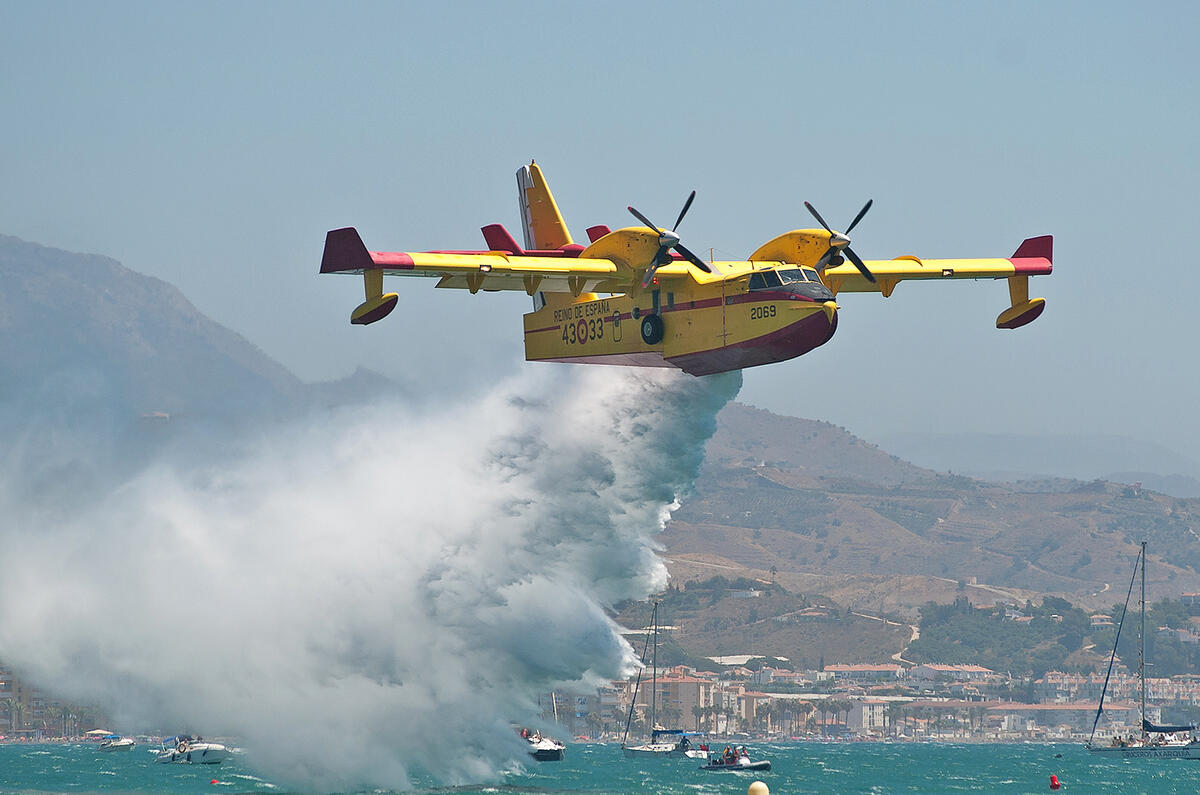

Canada, the world’s second-largest country, is a land of extremes, characterised by harsh weather, vast distances, and rugged terrain.
Here was the perfect breeding ground for the creation of tough, versatile aircraft. With quiet confidence, Canada has built some of the most remarkable aircraft in aviation history: a cutting-edge interceptor, firefighting kings, sleek business jets, rugged bush planes —even a real flying saucer. Here are 10 of its best.
10: Avro Canada VZ-9 Avrocar
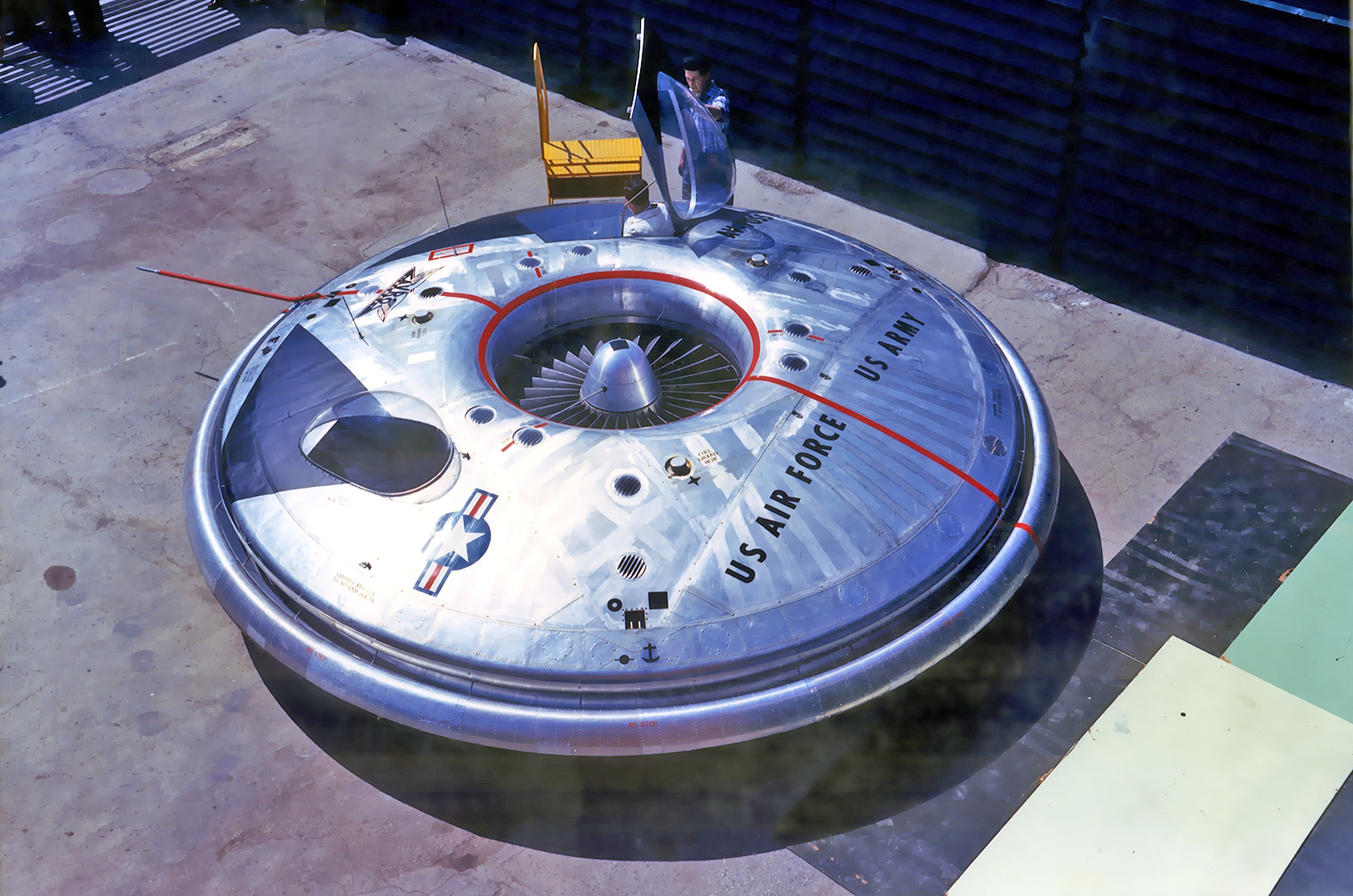
The Avrocar was beautifully bold and utterly flawed. Its flying saucer design embodied Cold War ambition, rivalled only by the equally implausible Couzinet CP-360. The idea? A supersonic, VTOL marvel. What emerged? A noisy, unstable disk that looked the part but never truly flew the part.
Backed initially by the US Air Force, the project envisioned Mach 3.5 speeds at 100,000 feet. Designed in Avro’s Special Projects Group, the Avrocar evolved into a proof-of-concept vehicle. It had to prove a new propulsion system—and also fulfil the Army’s dream of a “Flying Jeep” with range and payload far beyond requirements.
10: Avro Canada VZ-9 Avrocar
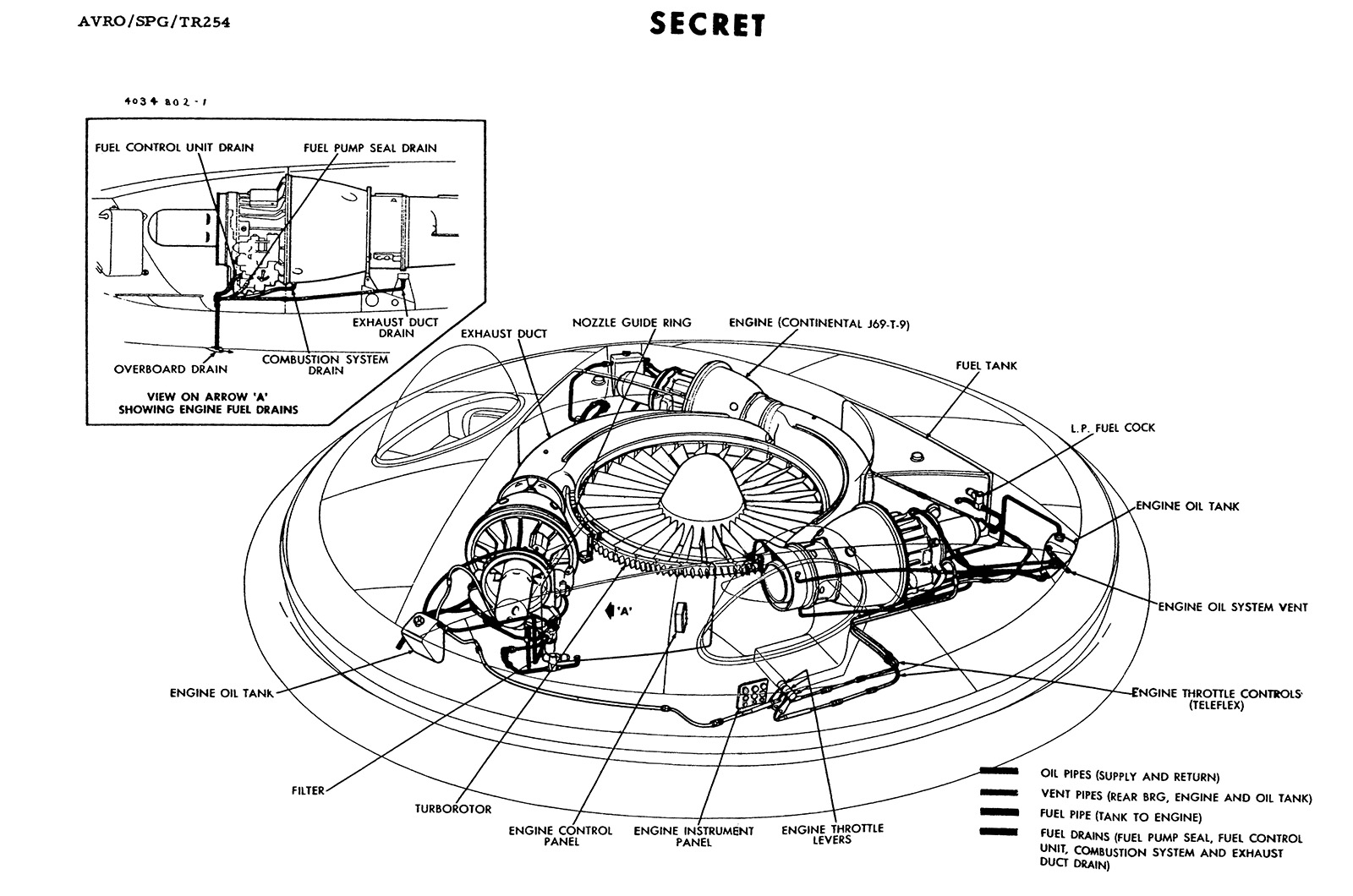
At the core was the Turborotor: three jet engines spun a 124-blade fan to push air down for lift and out for control. The radical design exploited the Coanda effect and gyroscopic forces to achieve some measure of stability. On paper, it was futuristic. In practice, not so much. “Hubcapping”—a destabilising pitch-roll wobble—plagued the craft.
Though two were built and tested, performance lagged. The Avrocar never flew free of ground effect and suffered from hot gas ingestion and inadequate control. Ironically, a rubber skirt might’ve turned it into a hovercraft, beating the SRN-1 to history’s punch. Instead, it remained a glorious failure.
9: Bombardier Challenger 600 Series
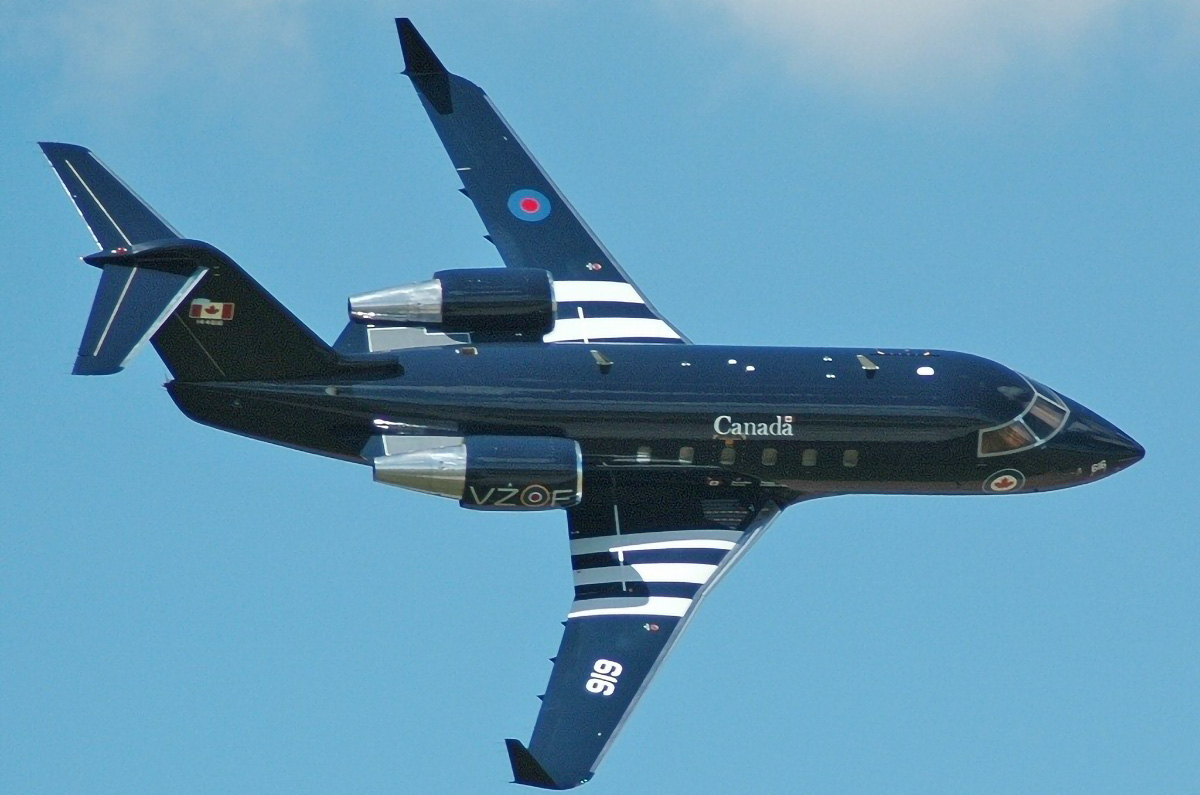
Luxury and Canada didn't often go hand in hand in aerospace. But the Challenger changed that. This sleek, wide-bodied business jet proved that Canadians could build not just tough aircraft, but beautiful ones—elegant, powerful, and capable of crossing continents with comfort and style to spare.
Developed in the late 1970s by Canadair (later Bombardier), the Challenger was a gamble. A large-cabin business jet was a new idea. Critics said it was too big, too ambitious. Then it flew—and the market responded. The jet offered range, speed, and space no rival could match at the time.
9: Bombardier Challenger 600 Series
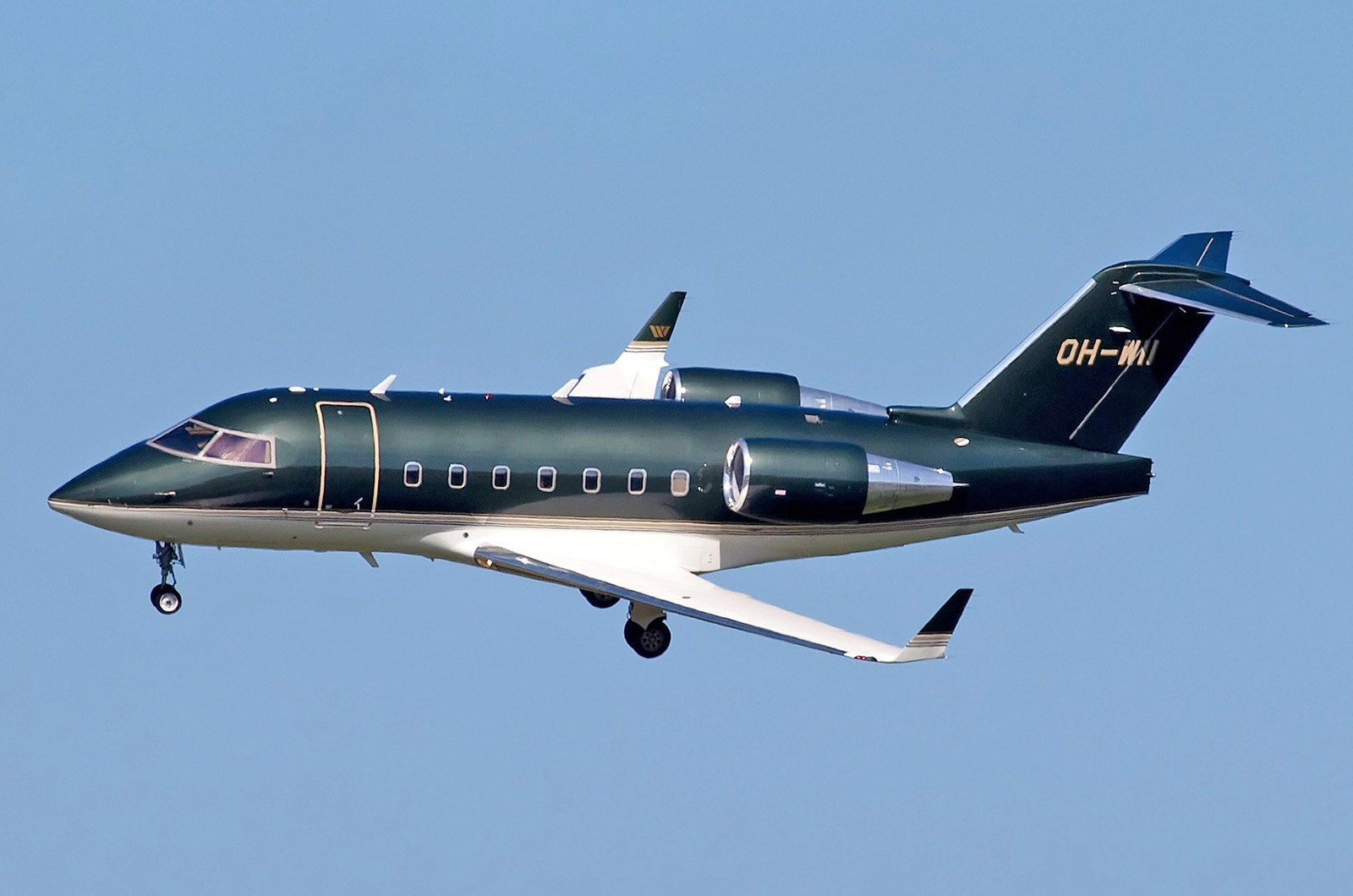
It redefined the business jet category, and more importantly, it gave Canada a global presence in the high-end aviation sector. Its platform also proved incredibly adaptable, becoming the basis for everything from medevac aircraft to maritime patrol variants, such as the CP-144 and the Global series derivatives. Fuel-efficient (it shares the same engines as the military A-10 and S-3), it serves the coast-to-coast North American role with aplomb.
Over 1066 have been built so far. From corporate fleets to government missions, the Challenger became a quiet staple of international airspace. It has class and competence. And in a field ruled by giants like Gulfstream, that was more than enough. For once, Canada didn’t follow: it led.



Add your comment