
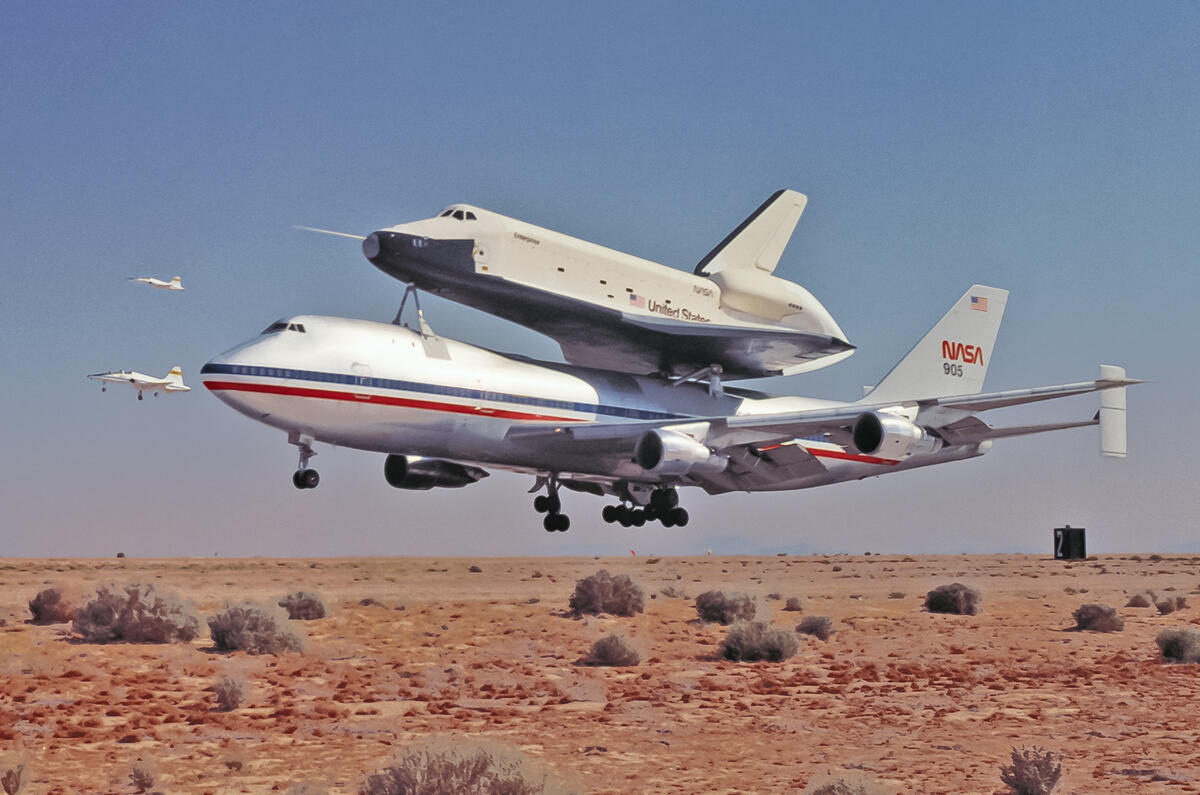

Air cargo usually brings to mind electronics or oranges - but the skies often carry far stranger freight.
From spacecraft to human organs and more, aircraft have moved some truly bizarre cargo. In this article, we explore some of the most surprising and unusual items that have been flown around the world. We’ll use the term cargo loosely so that we can share the most incredible stories. Here are the 10 Strange & Surprising Examples of Air Cargo:
10: Spacecraft
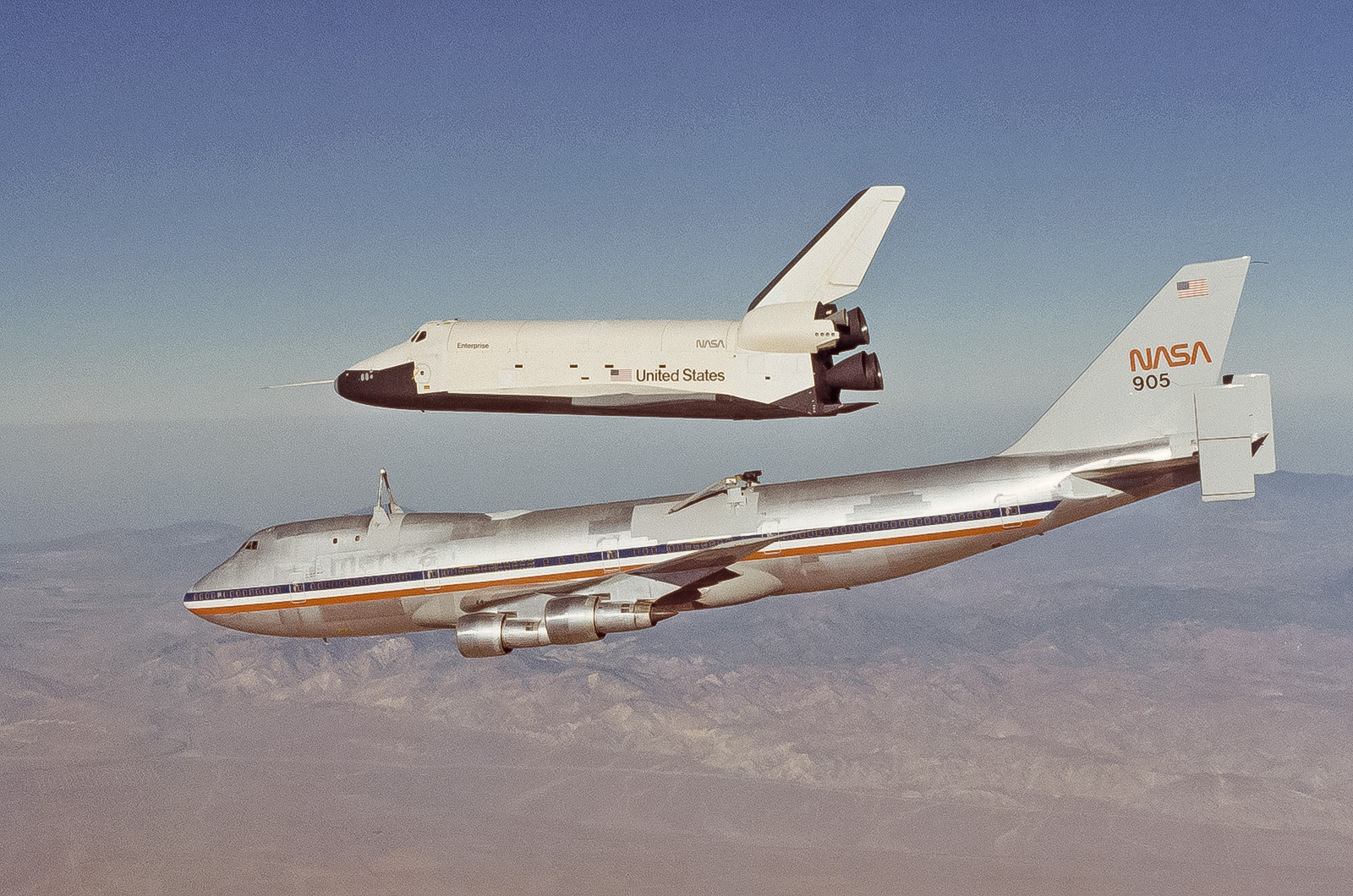
The Boeing 747 ‘Jumbo Jet’ is usually used as an airliner or freight carrier, but in the 1970s took on the interesting role of transporting Space Shuttles. NASA modified two 747s, known as Shuttle Carrier Aircraft, to carry the Space Shuttle orbiter atop their fuselage. This allowed transport between landing sites and the Kennedy Space Center for refurbishment and relaunch.
These 747s were heavily modified, with strengthened fuselages, radically modified tails, and mounting struts on top. The orbiter would be secured using these struts and flown piggyback-style. It looked incredible and was technically demanding, requiring particular weather conditions and precise flight planning due to the altered aerodynamics.
10: Spacecraft
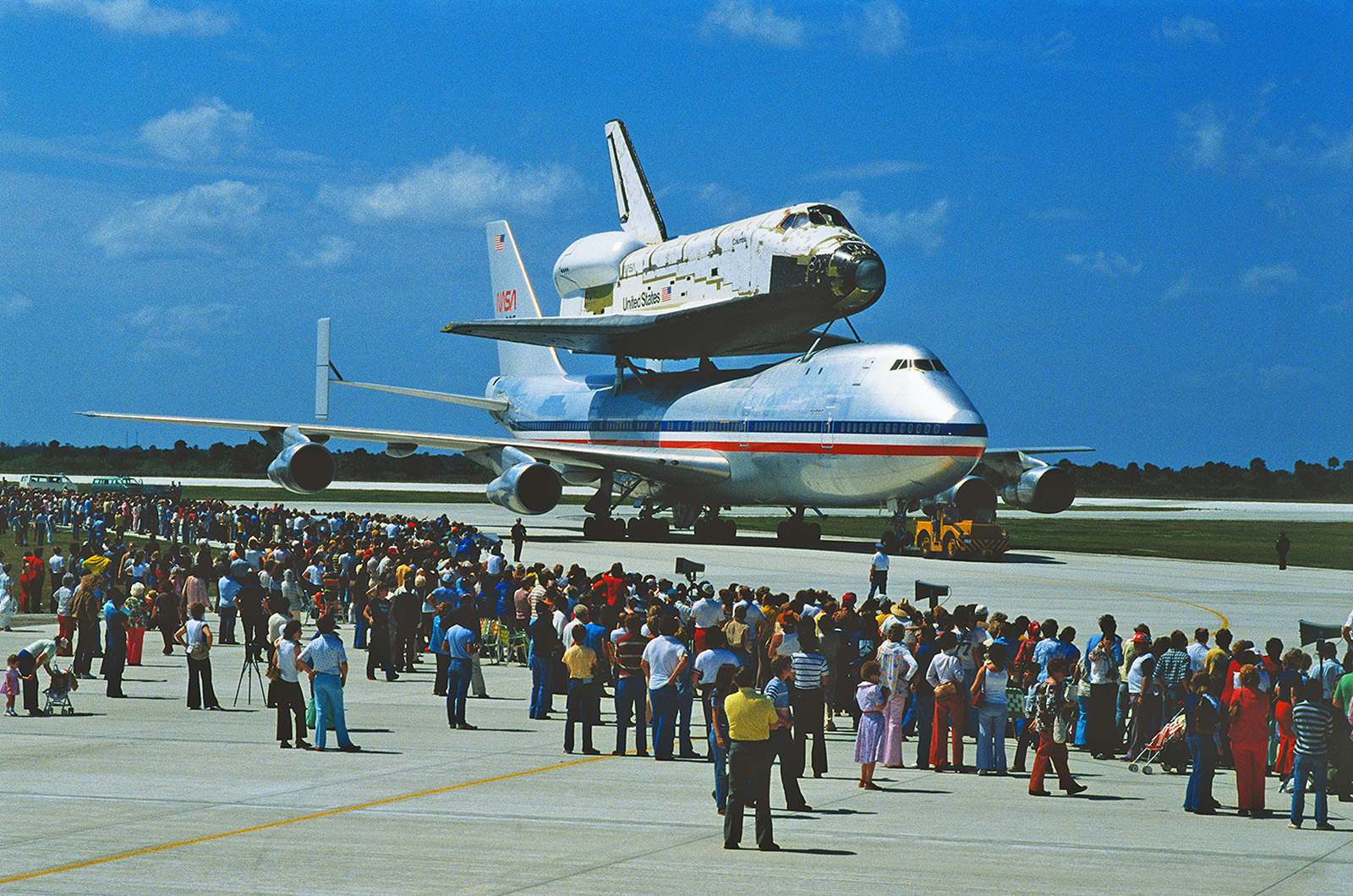
Such missions were typically short-range and required refuelling stops, especially when crossing the United States. The spectacle of a space shuttle flying atop a commercial airliner thrilled onlookers and demonstrated the adaptability of existing aviation technology in supporting space exploration efforts without needing purpose-built aircraft from scratch.
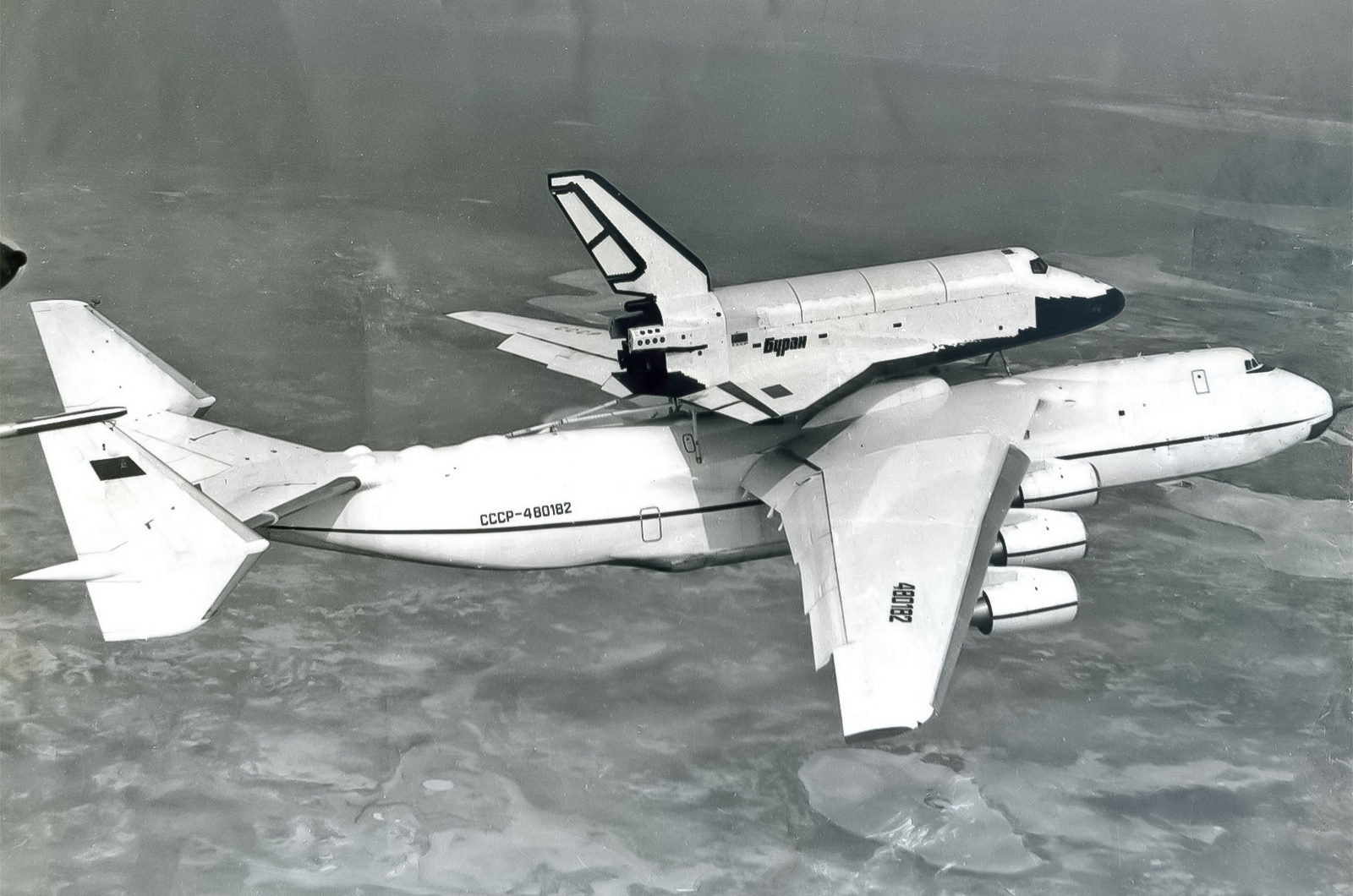
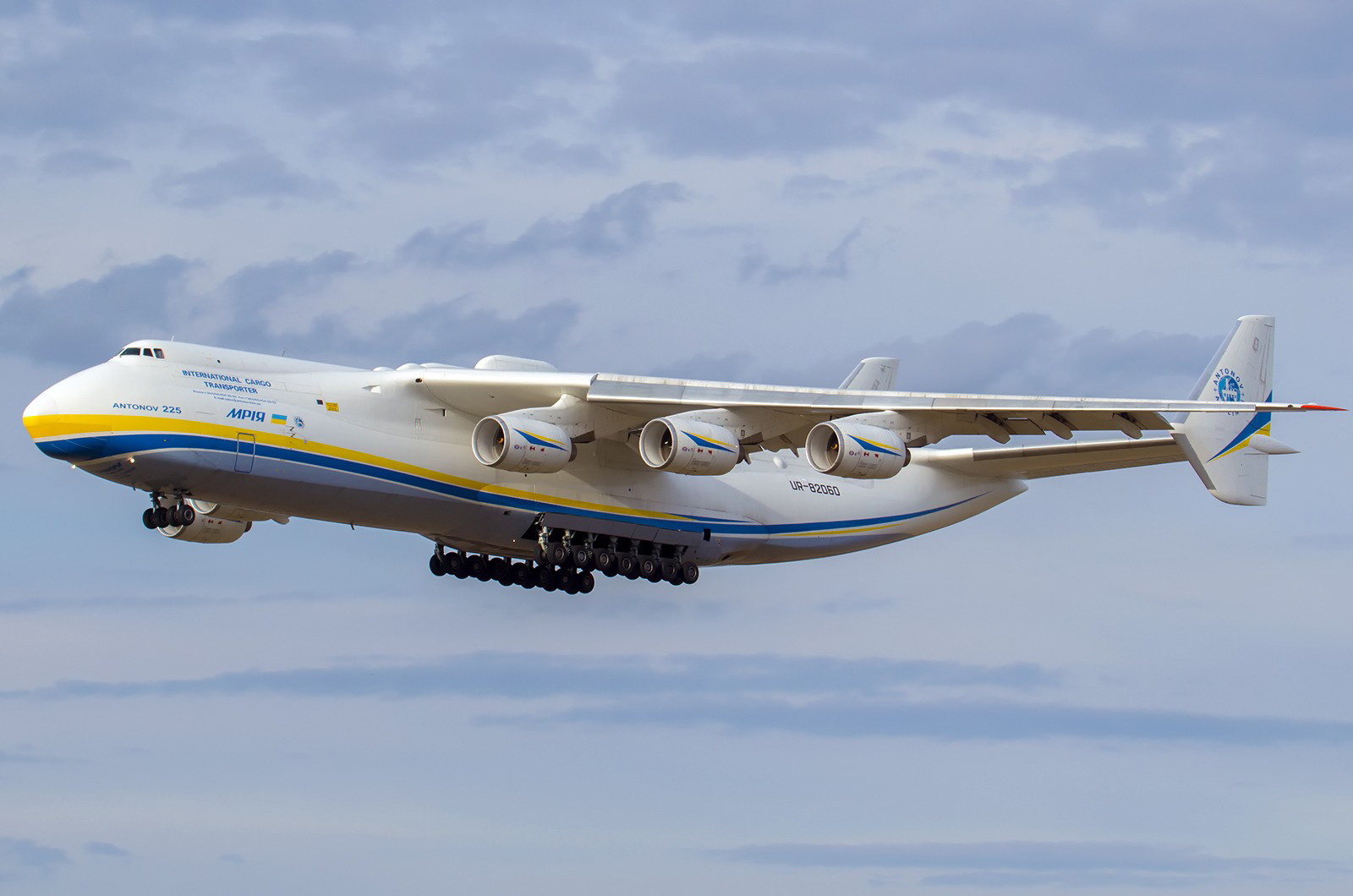
The Antonov An-225 (of which we’ll be hearing more in this article) was the Soviet equivalent of the Shuttle Carrier Aircraft and was even larger and more impressive. Like the transition of the 747 to SCA, it lost the single vertical tail of the An-124 it was based upon to make room for its piggybacked load.
9: The bomber that delivered a heart
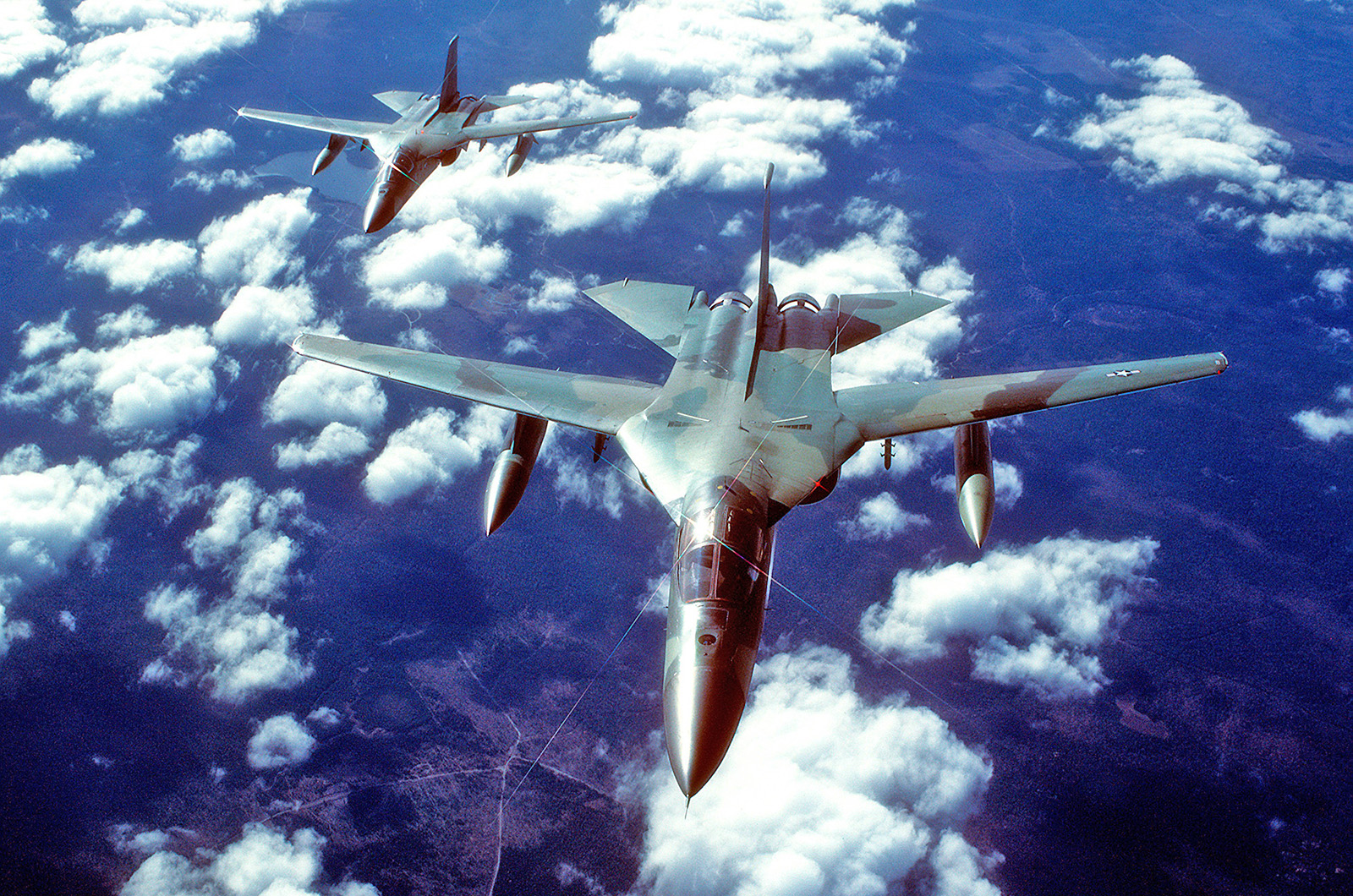
On Valentine’s Day 1986, Connecticut-resident Richard Reinhardt urgently needed a heart transplant. A donor heart became available in Oklahoma, but time was critical – there were only 3.5 hours to complete surgery. A private jet wasn’t fast enough, so the Air Force stepped in with an unconventional solution: two FB-111A supersonic bombers were reassigned.
These jets, built for nuclear strike missions, could easily exceed Mach 2.5; however, for this delicate mission, they cruised at around 700mph. Re-tasked from a training flight, they became the fastest medical service ever launched. One served as backup. Their afterburners lit the sky as they raced west, heading to Tinker Air Force Base.
9: The bomber that delivered a heart
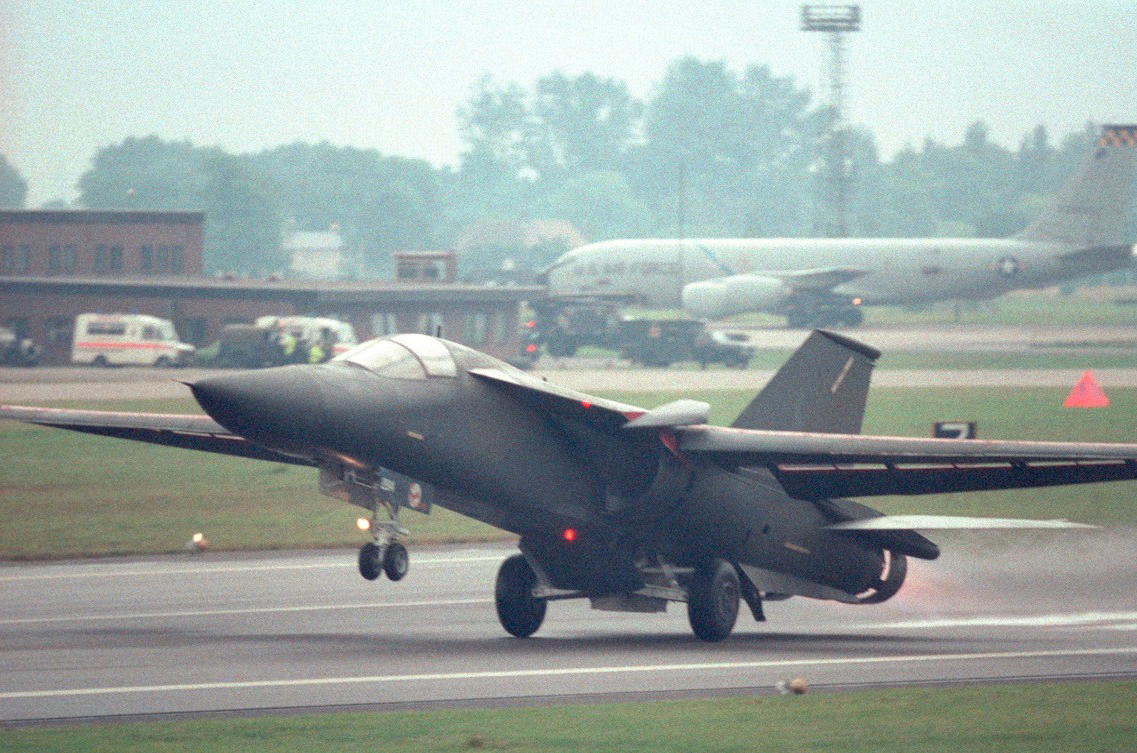
The heart was loaded and flown east at 0300 hours. A KC-135 tanker met the jets mid-air, refuelling them for the return sprint. These high-speed aircraft roared through the skies, crossing states in record time for a medical aircraft, pushing performance limits to deliver the most precious cargo - life - before the transplant window closed.
At 0500, the FB-111s landed at Bradley International. The heart was rushed to Hartford Hospital via helicopter, saving Reinhardt’s life; he lived for another 23 years. The mission was a complete success. The Air Force crews, trained for wartime speed, delivered hope instead. That day, the jets weren’t weapons—they were swing-wings of mercy.






Add your comment