


Germany has created some of the most iconic and innovative aircraft in history.
The ten we have selected are a good mix of some of the highlights of German aviation, though the selection involved the ruthless pruning of some very worthy types (we have focused mainly on aeroplanes, so no airships).
Among other omissions, there are several Fokker designs (Fokker was a German company for a period) we could have happily included but spurned to make room for a couple of rather more obscure types that are certainly worthy of our attention. We may need to do a part 2… In the meantime, here are ten excellent German aircraft.
10: Focke-Wulf Fw 187
The American P-38 Lightning was a single-seat twin-engined fighter and it proved a great success, but the idea was novel for its time. By keeping the frontal cross-section to the absolute minimum, this class of aircraft could be as fast as a single-engined fighter but with far greater range and, if required, firepower.
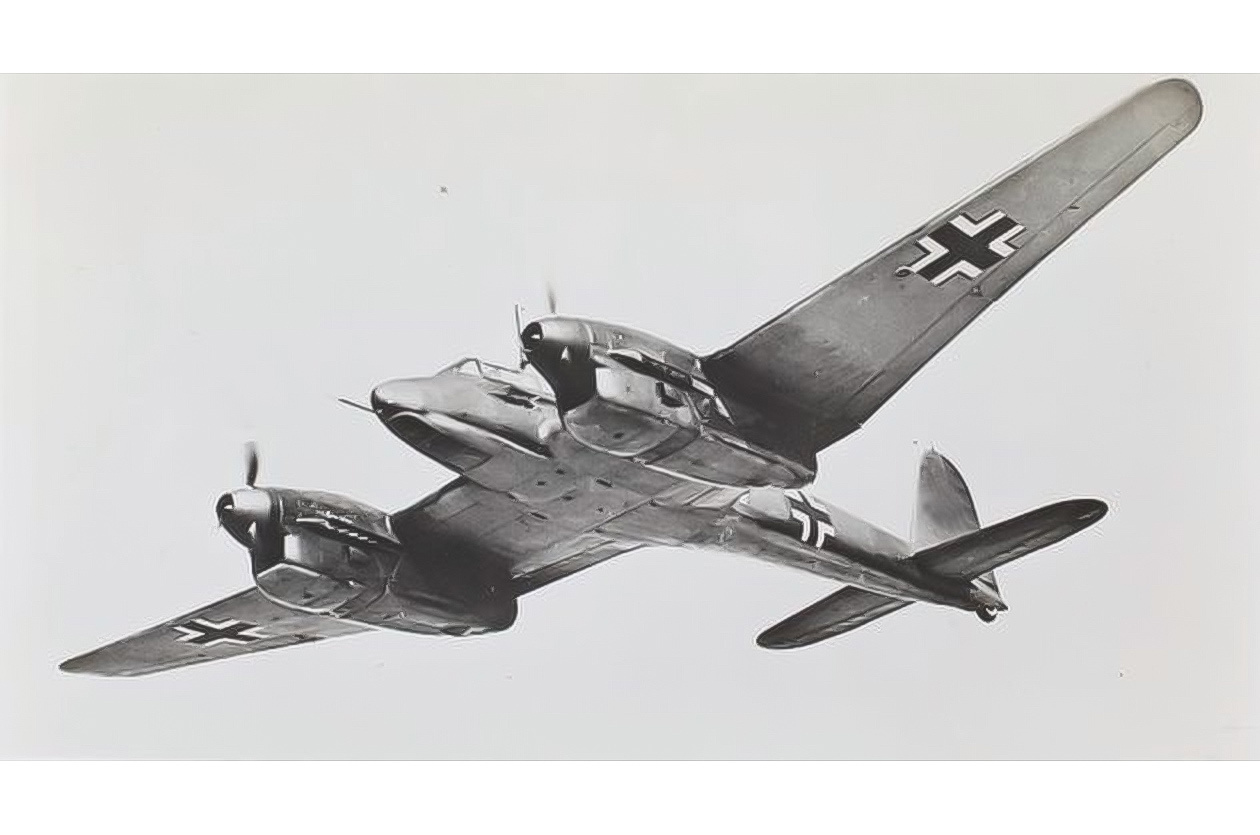
The German company Focke-Wulf also tried this idea, and the result was the superb Fw 187. The Fw 187 was an extremely clean design aerodynamically, everything being done to keep the frontal cross-section to the absolute minimum; the cockpit was tiny (even by German standards), the dashboard of which was so small that some of the instruments had to be mounted externally on the engine nacelles.
10: Focke-Wulf Fw 187
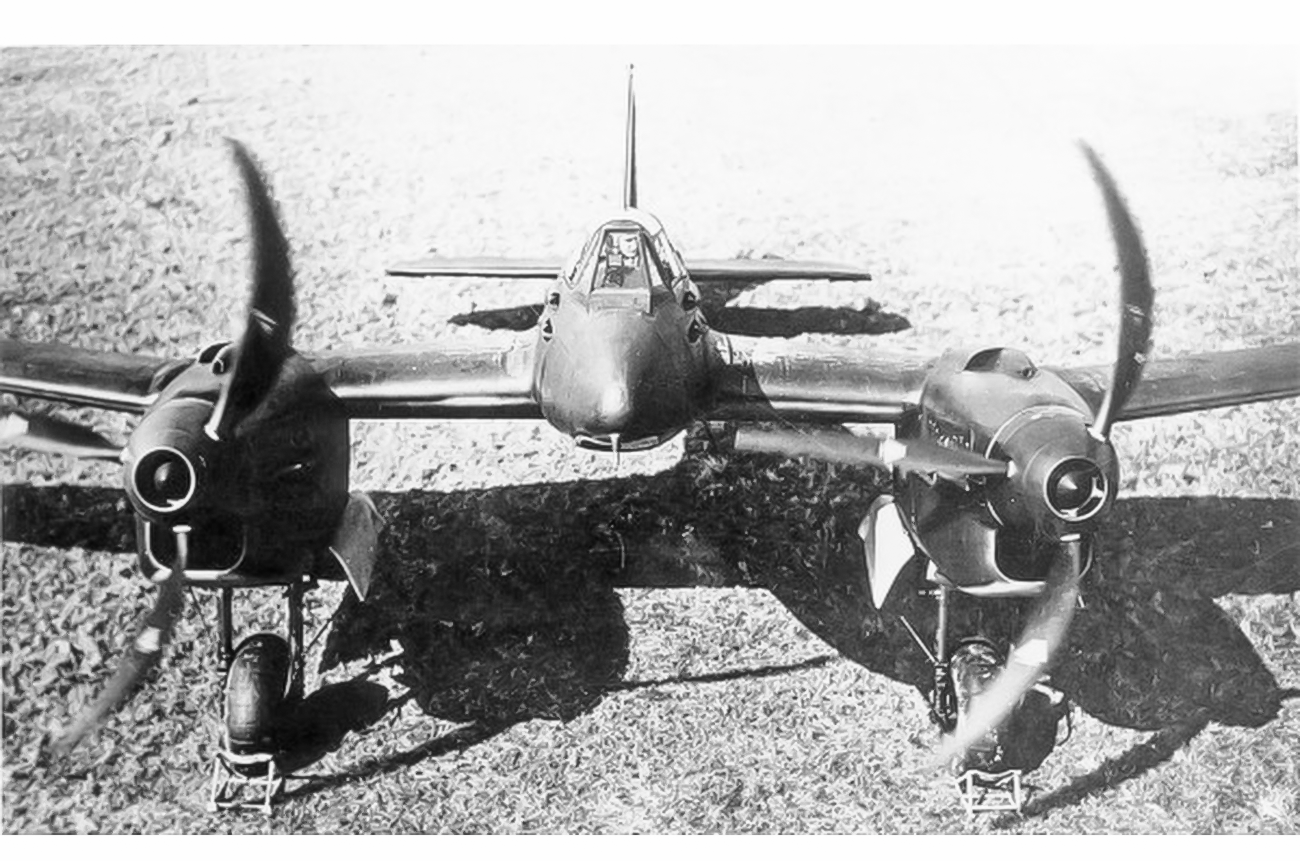
The result of this strict adherence to aerodynamic slickness was an extremely fast and manoeuvrable fighter with an impressive range. With the original Jumo 210Da engines, a compromise unwanted by the designer, the prototype clocked 326 mph, which was 50mph faster than the much-hyped Messerschmitt 210.
When DB 600As engines were added in 1939, the Fw 187 hit a level flight speed of 394mph, an astonishing figure for the time. Armed with two cannon and four machine-guns, the type would have proved a huge thorn in the side for the RAF’s Fighter Command if employed as an escort fighter in the Battle of Britain. Despite a small operational evaluation, the type never entered series production. The Me 210 lobby had greater political clout than the exponents of the Fw 187, and Focke-Wulf instead devoted its resources to the development of the Fw 190.
9: Dornier Do X
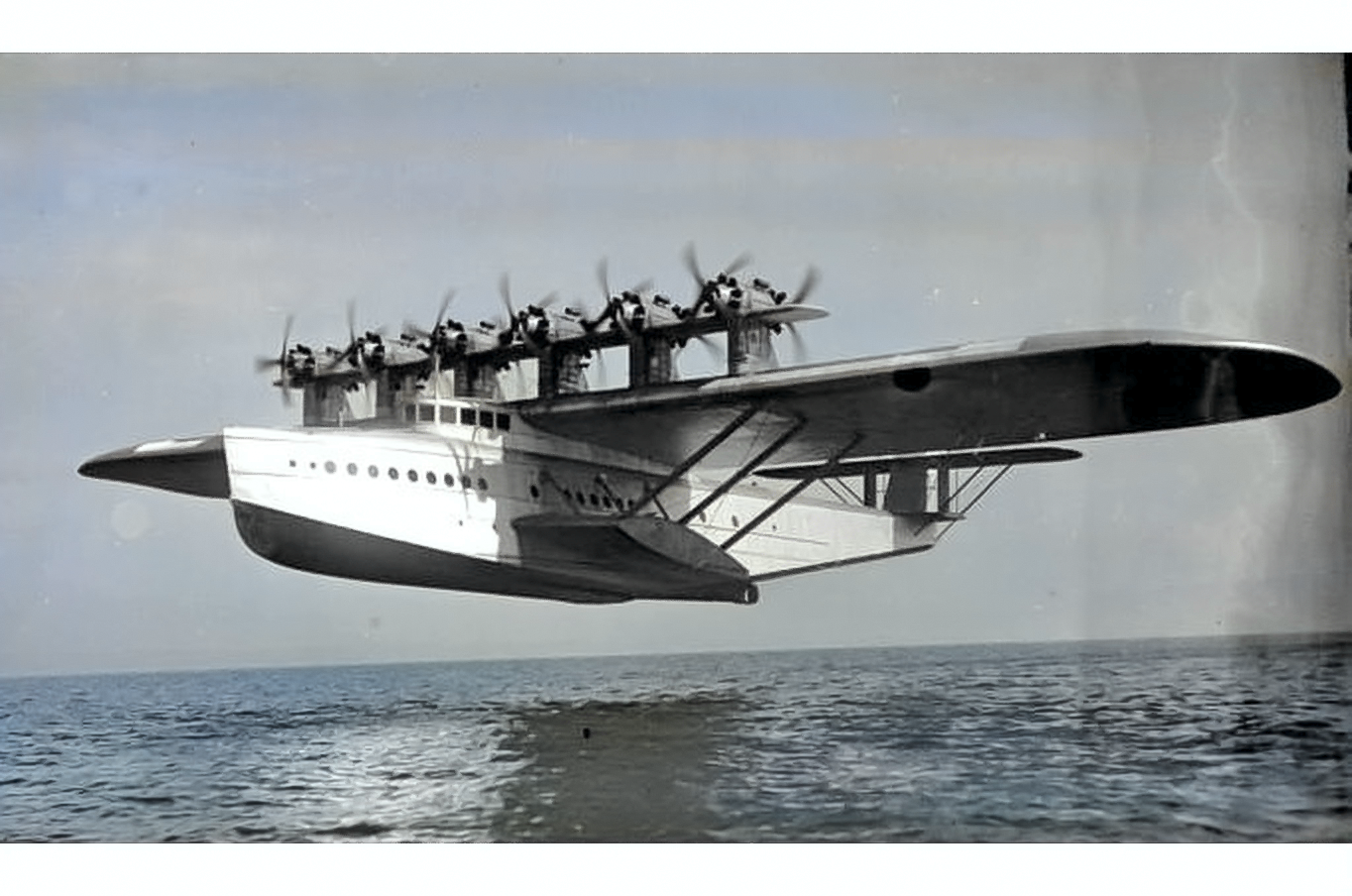
Despite its ultimate failure, the Dornier Do X was a spectacular aeroplane of remarkable ambition and scale. First flying in 1929, it was then the largest and heaviest flying boat in the world. This leviathan had a wingspan of 47.8 metres (156 ft 10 in), a length of 40.05 metres (131 ft 5 in) and a height of 10.25 metres (33 ft 8 in).




Add your comment