
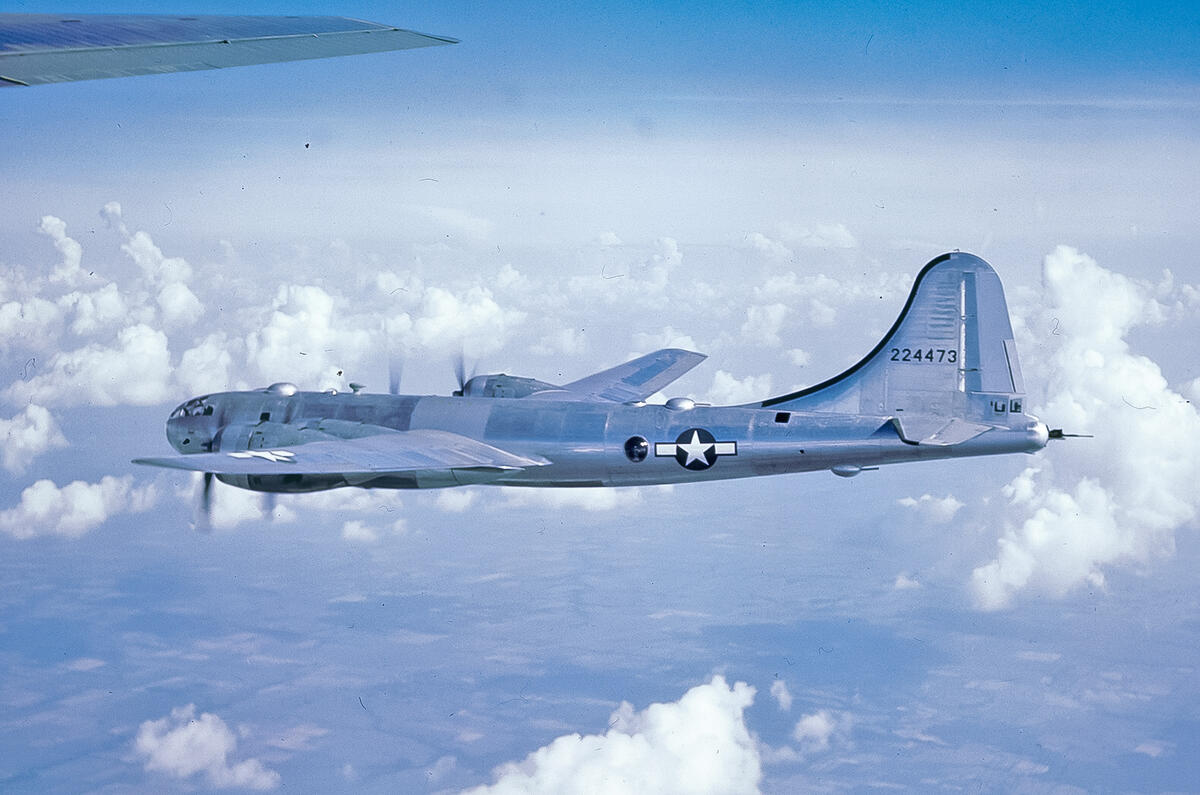

The history of aviation is wild.
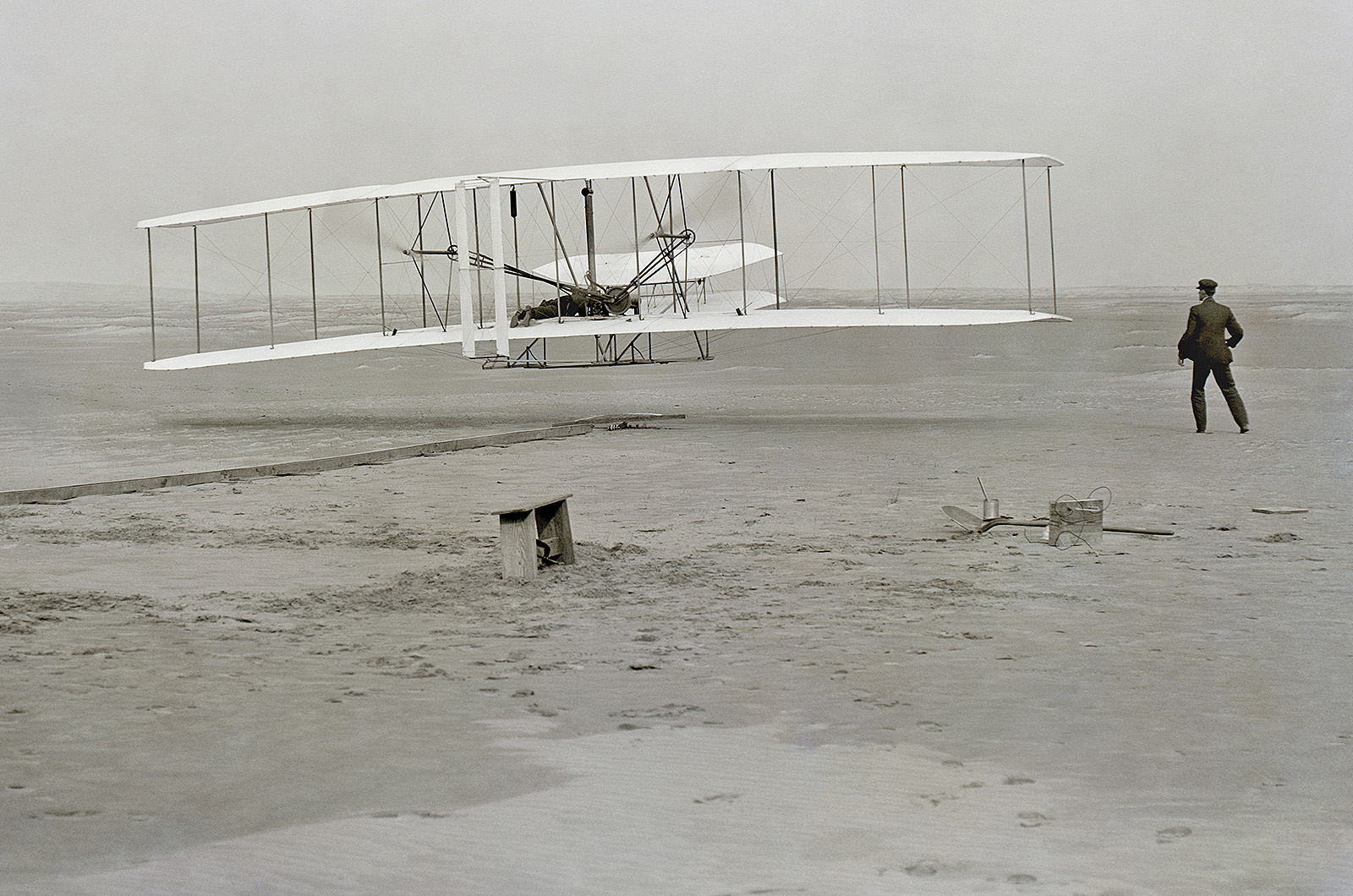
The world went from the first powered flight in 1903 to the Moon just 66 years later.
We can now travel (almost) anywhere we wish at enormous speeds and with considerable luxury, something humans from the rest of history could only dream of. The dark side is we have ever more efficient ways to kill, by ever less vulnerable warplanes. Here are 10 Incredible Aircraft That Changed Aviation Forever, we could easily have added another fifty, but we start here.
10: Lockheed Martin F-22 Raptor
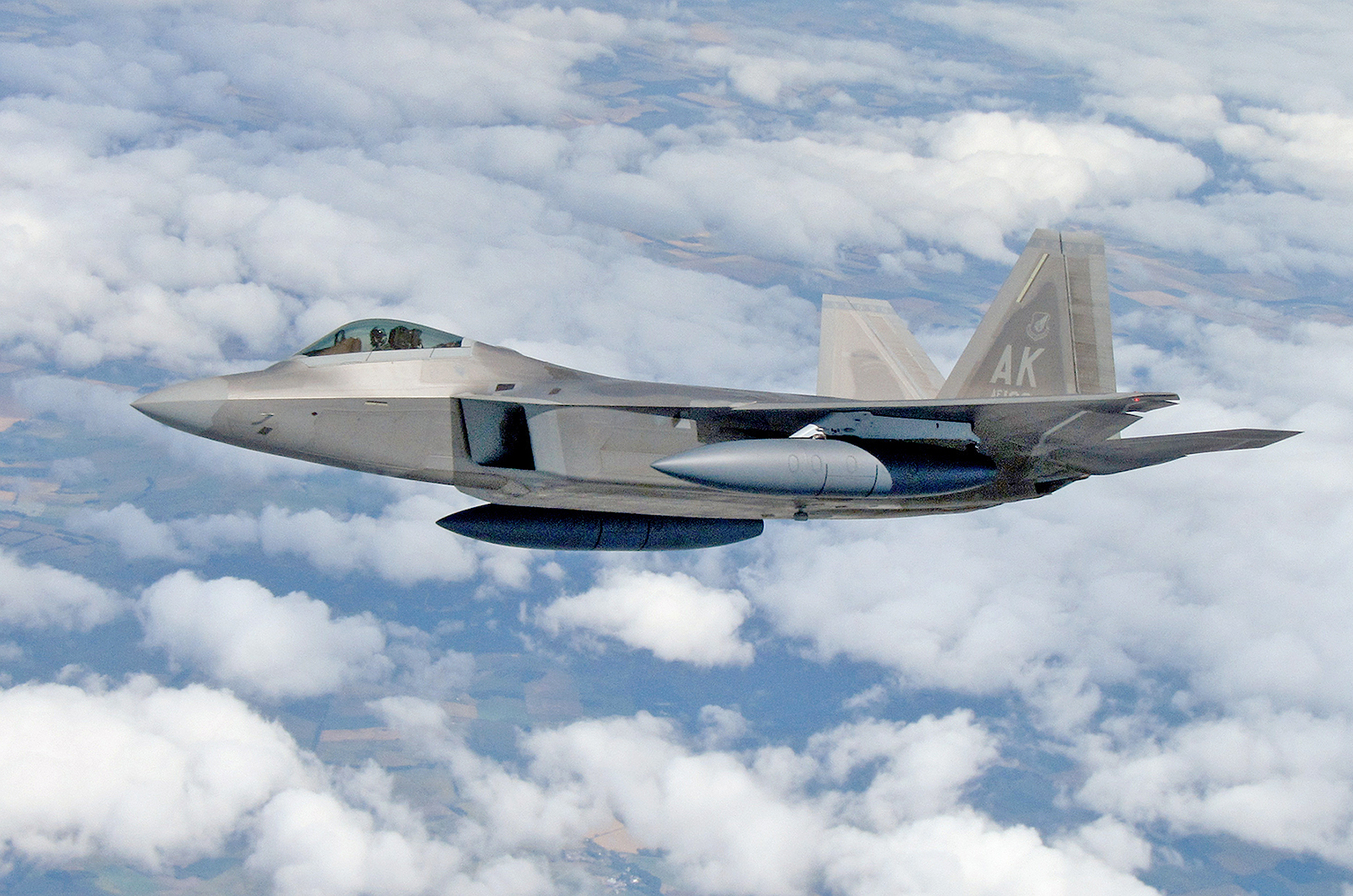
The US F-22 Raptor was not the first Stealth aircraft, but it was the first stealth fighter; the earlier F-117, commonly known as the ‘stealth fighter’, was not a fighter as such, but an attack aircraft. The F-22 Raptor does not fight fair, preferring to kill an opposing aircraft from a long distance before it is even aware of the Raptor.
Surprise attacks were also desirable, but stealth brought this to a whole new level. The concept of Stealth is about minimising the chance of an aircraft being detected. There are many ways this can be done, by reducing or controlling the acoustic, infra-red, visual signature of an aircraft. It is radar stealth that the F-22 design prioritises.
10: Lockheed Martin F-22 Raptor
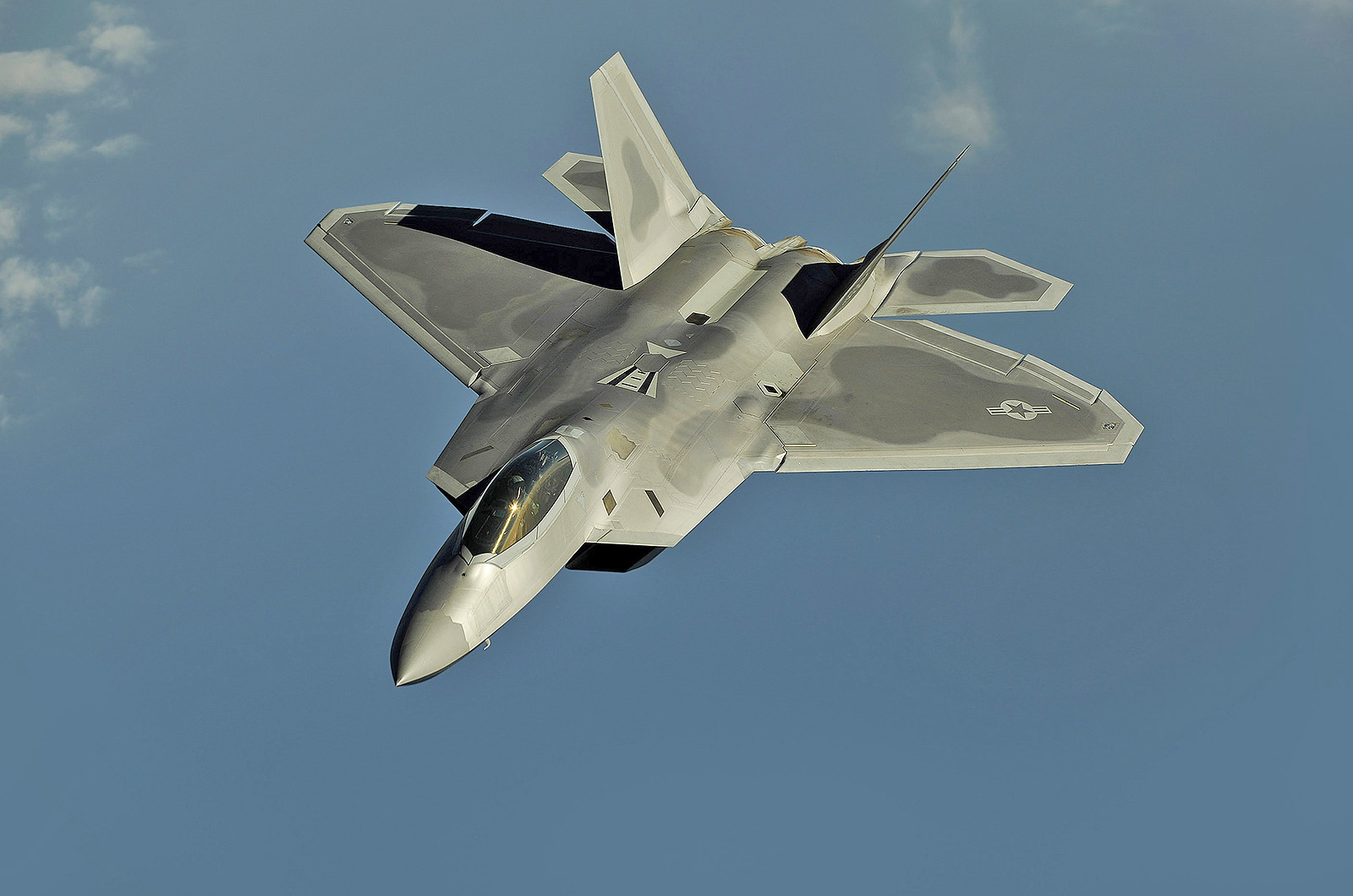
Radar stealth is the result of careful use of shape and materials. The F-22 Raptor was hugely influential on the design of the majority of later fighters, and its boat-hull style fuselage, canted fins and overall shape can be seen on the Lockheed Martin F-35 Lightning II, South Korean KAI KF-21 Boramae, Japanese Mitsubishi X-2 Shinshin and TAI TF Kaan among them.
Despite the Raptor first flying 27 years ago, it remains the fighter to beat. Though the other remarkable features of the Raptor, its ability to supercruise, its integrated avionics and super manoeuvrability, are all impressive, it is the bringing of stealth to the air combat arena that has been the F-22’s huge influence on the world of aviation.
9: Montgolfier balloons
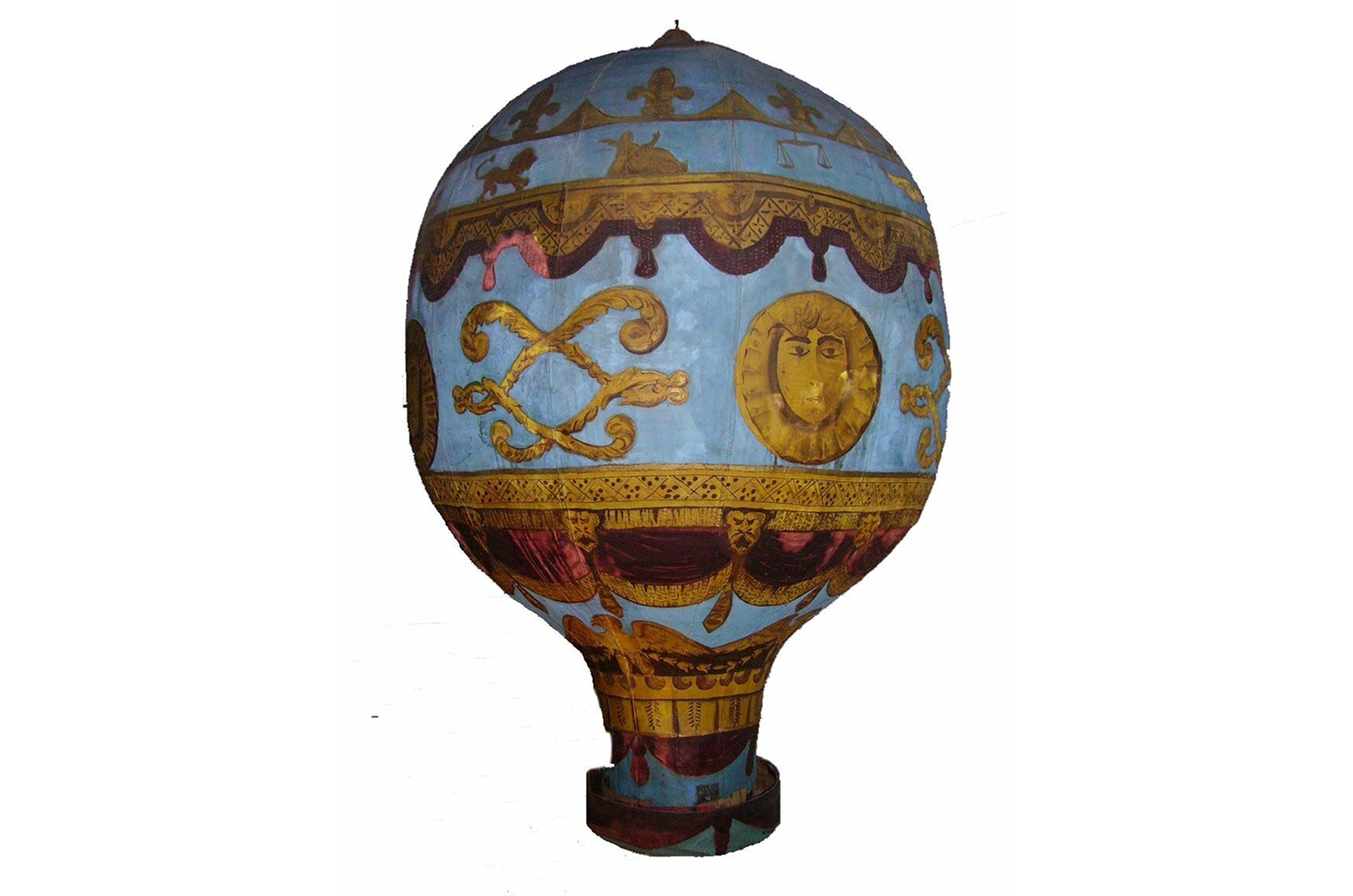
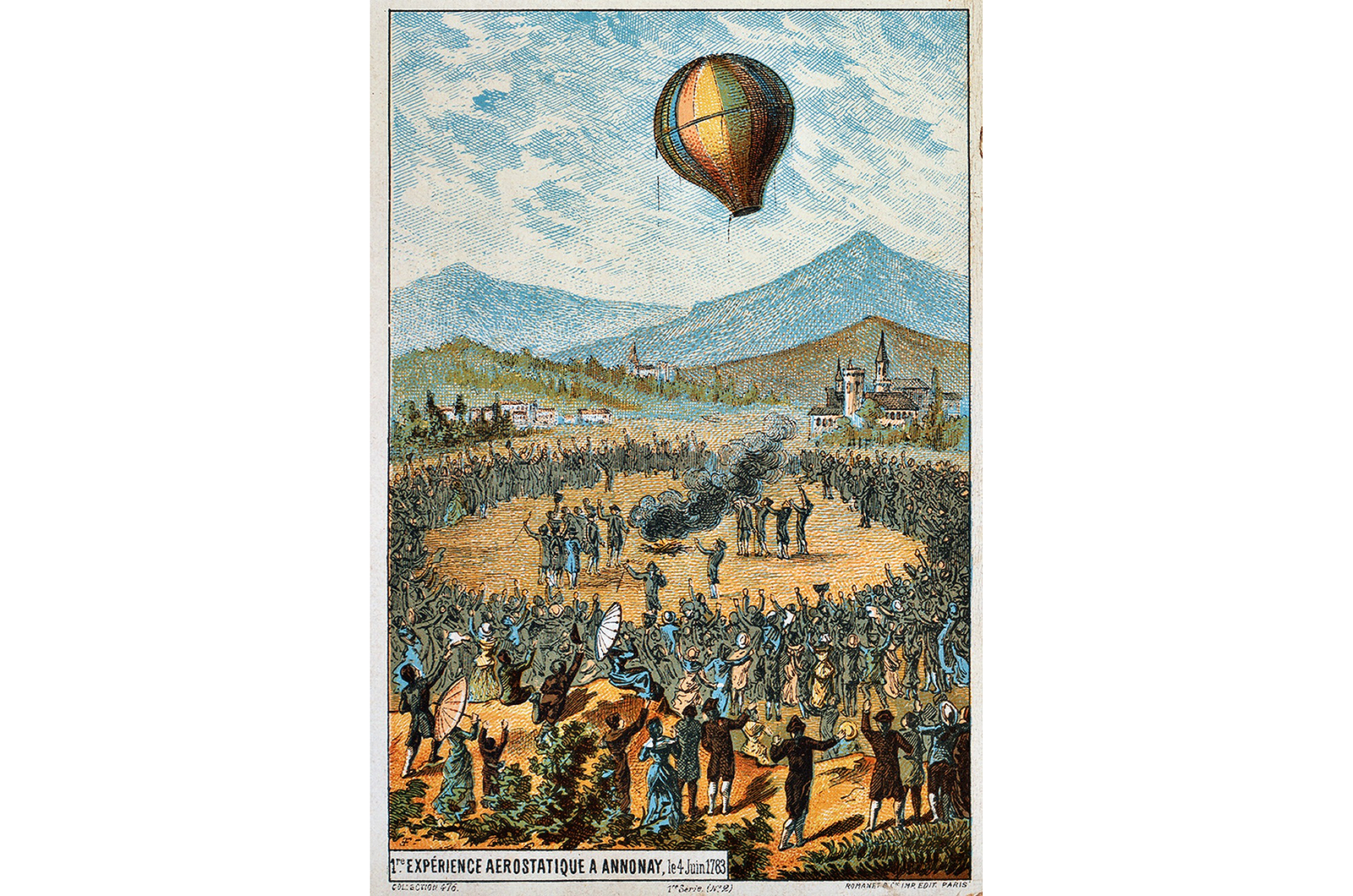
The first air passengers were not human - they were in fact a sheep, a duck and a rooster. They were carried aloft on 19 September 1783 in a hot air balloon designed by France’s Montgolfier brothers, Joseph-Michel and Jacques-Étienne Montgolfier. The flight took place at the royal palace in Versailles, in the presence of King Louis XVI and Queen Marie Antoinette.
Once it was seen that the animal passengers had survived, human flights were organised. A 60,000-cubic-foot (1,700 m3) balloon was constructed and lavishly decorated in gold, rich blues, red and the royal monogram. It was about 23 m (75 ft) tall and about 15 m (49 ft) in diameter. Jean-Francois Pilâtre de Rozier was the first human to fly, making a tethered test flight from the workshop yard, probably on 15 October 1783.




Add your comment