
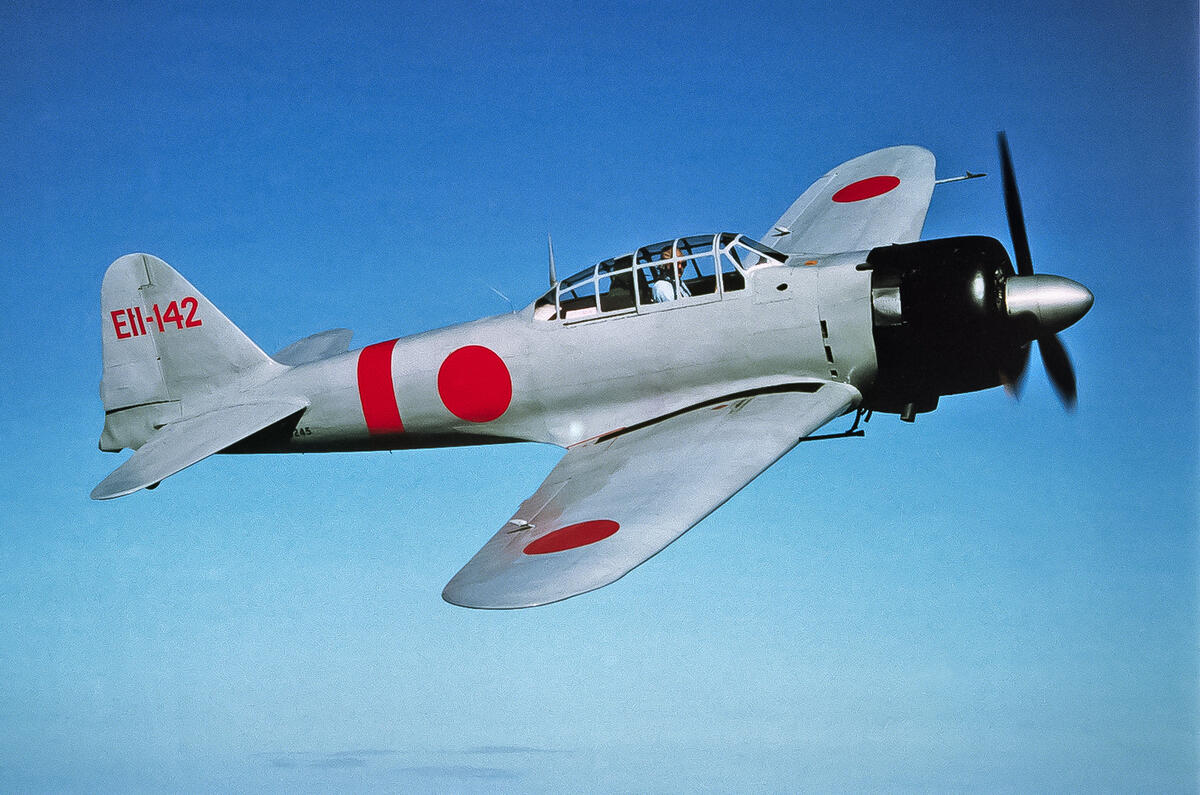

Although often dismissed as ‘followers’ by many both in the lead-up to and during the Second World War, the huge Japanese aviation industry was producing outstanding designs with a different design philosophy from any other nation.
The vast expanse of the Pacific battleground meant an aircraft’s range was of paramount importance, and in fighter development, an almost pathological emphasis on manoeuvrability above all other attributes resulted in the production of comparatively light aircraft with phenomenal levels of agility until the stark reality of war caught up with Japanese air combat doctrine. Join us as we examine the finest machines produced by this idiosyncratic aerial power.
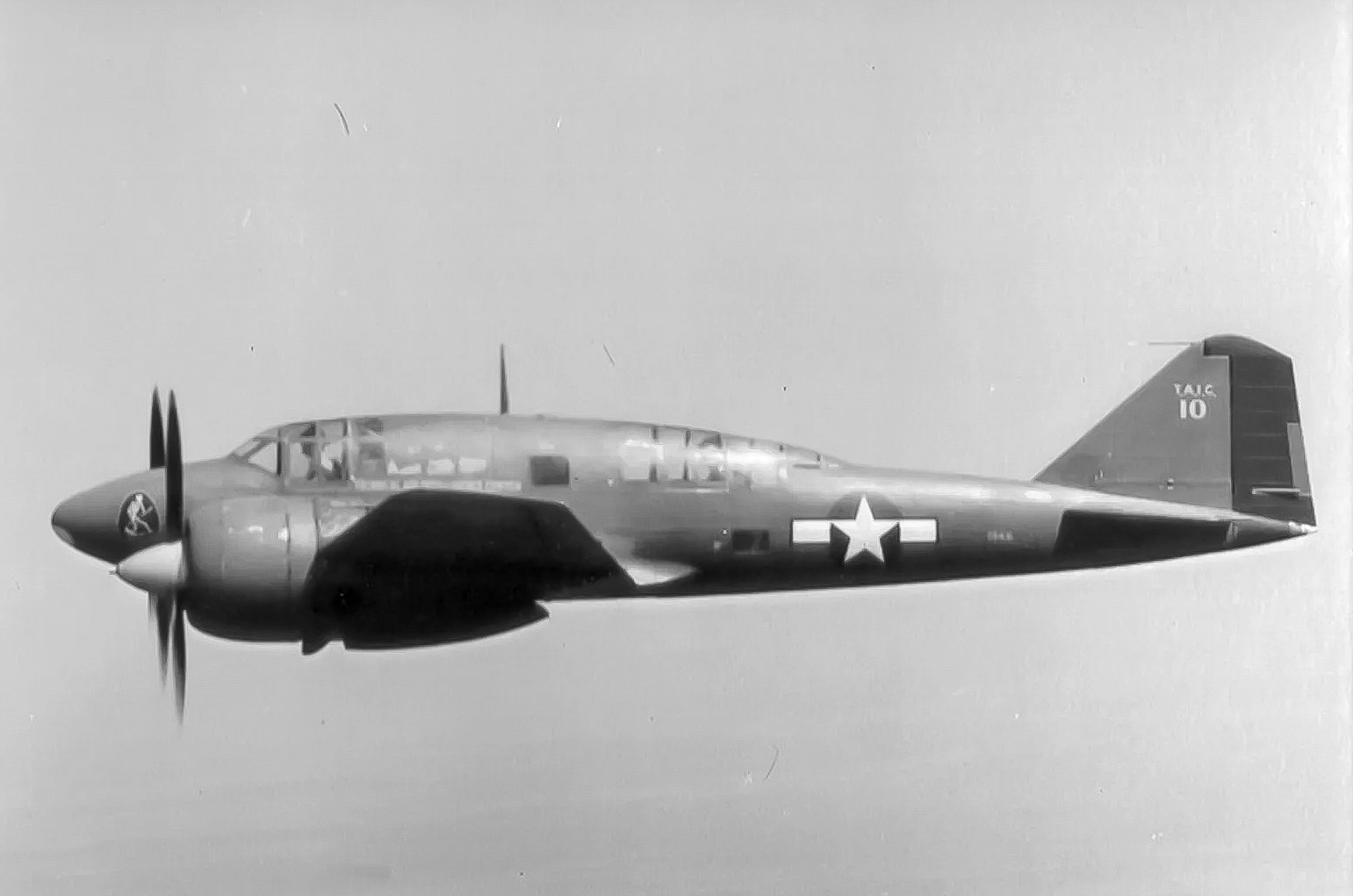
Some aircraft in our photos feature United States markings: that’s because they were captured by the Americans and evaluated at the time the pictures were taken.
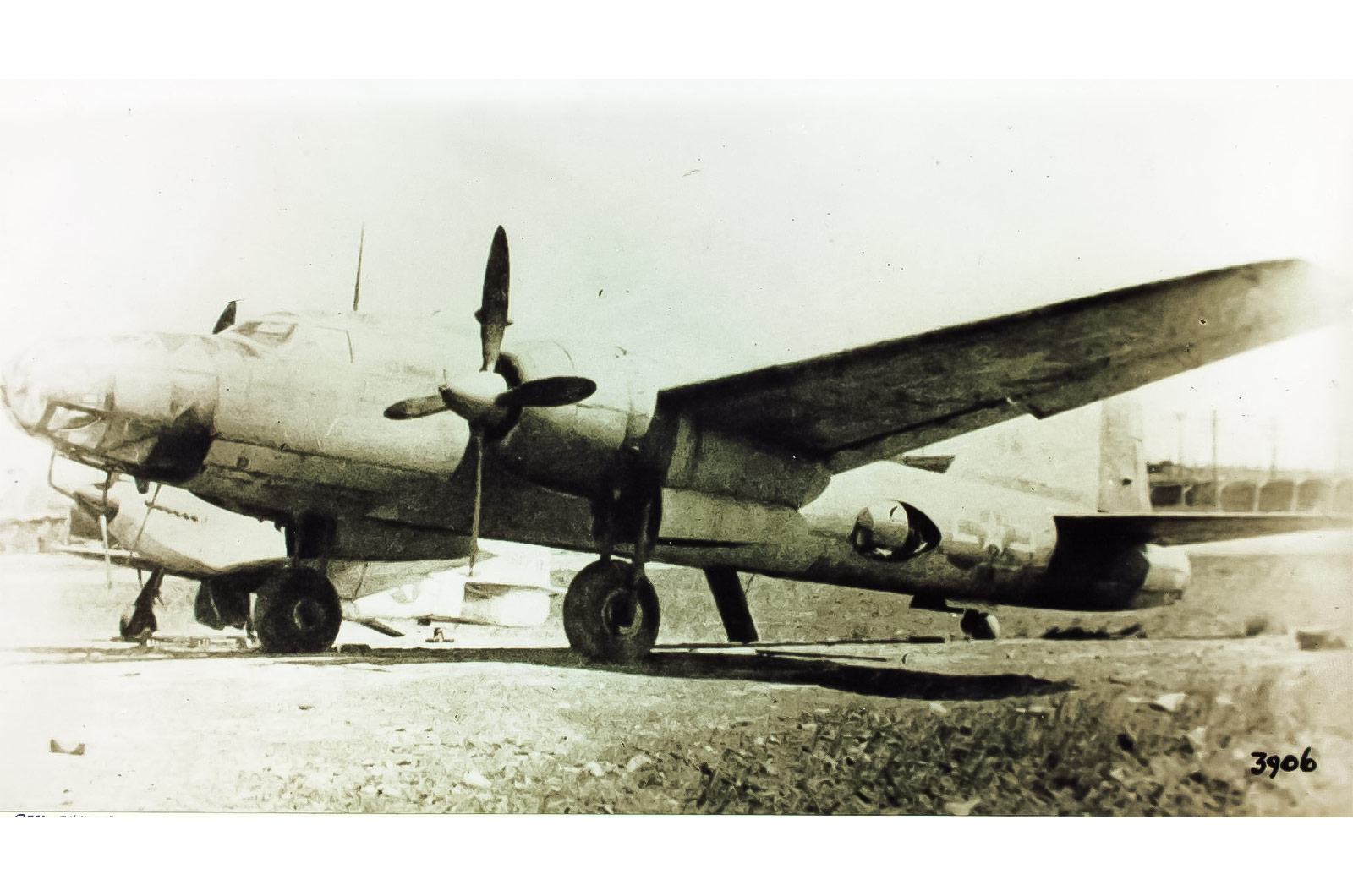
10: Mitsubishi Ki-83
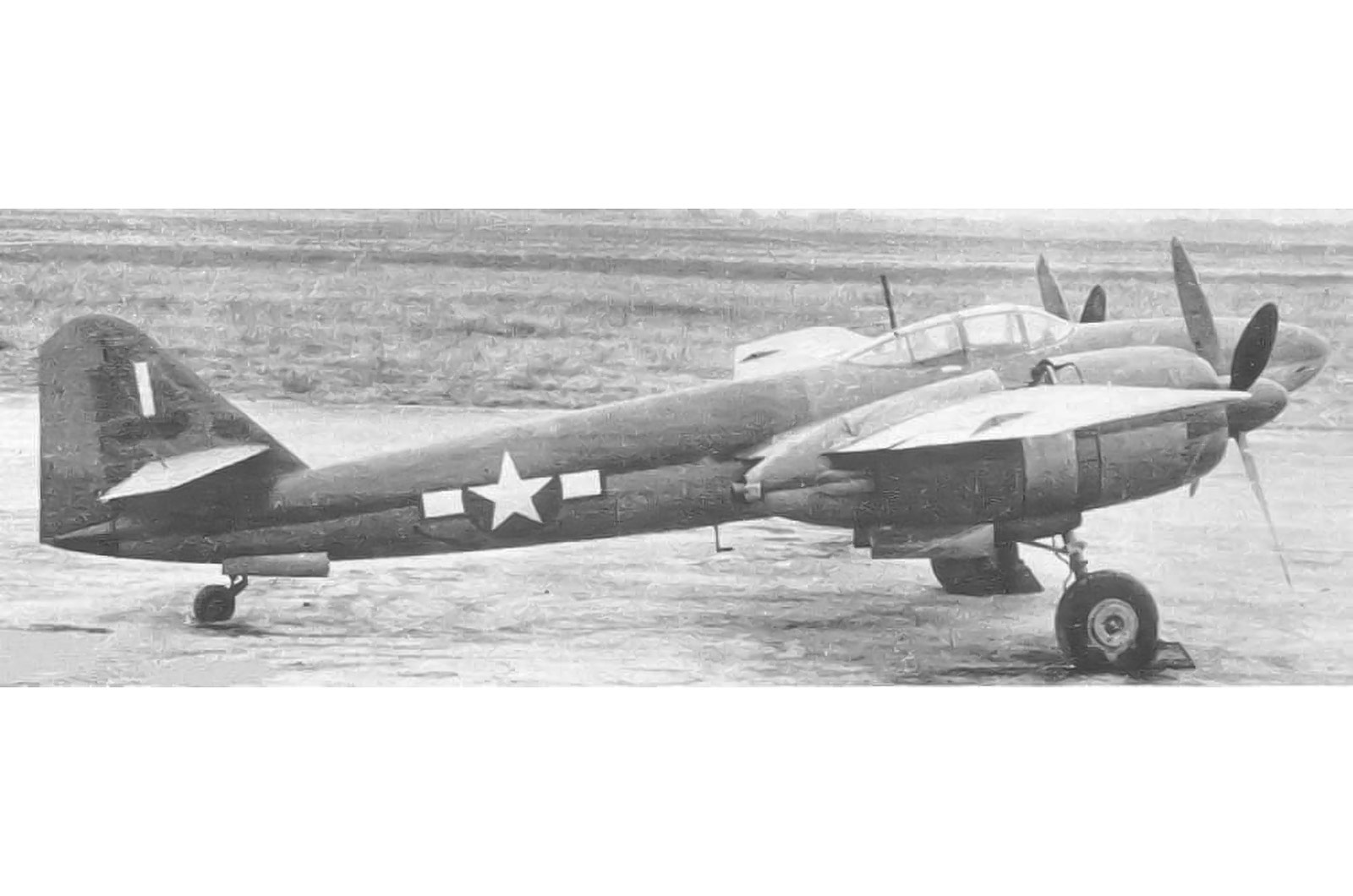
The result of an Imperial Army specification calling for a high-altitude, long-range heavy fighter the Ki-83 was possibly the most aerodynamically clean radial-engined aircraft ever built. As well as recording the highest speed attained by any Japanese aircraft built during the war, the Ki-83 was blessed with remarkable agility for such a large aircraft.
Compared to its direct US equivalent, the F7F Tigercat, which also failed to see meaningful service during the war, the Ki-83 possessed a similar range but was faster, more manoeuvrable, and more heavily armed with two 30-mm and two 20-mm cannon, all firing through the nose. Unfortunately for this superlative warplane, its timing was appalling.
10: Mitsubishi Ki-83
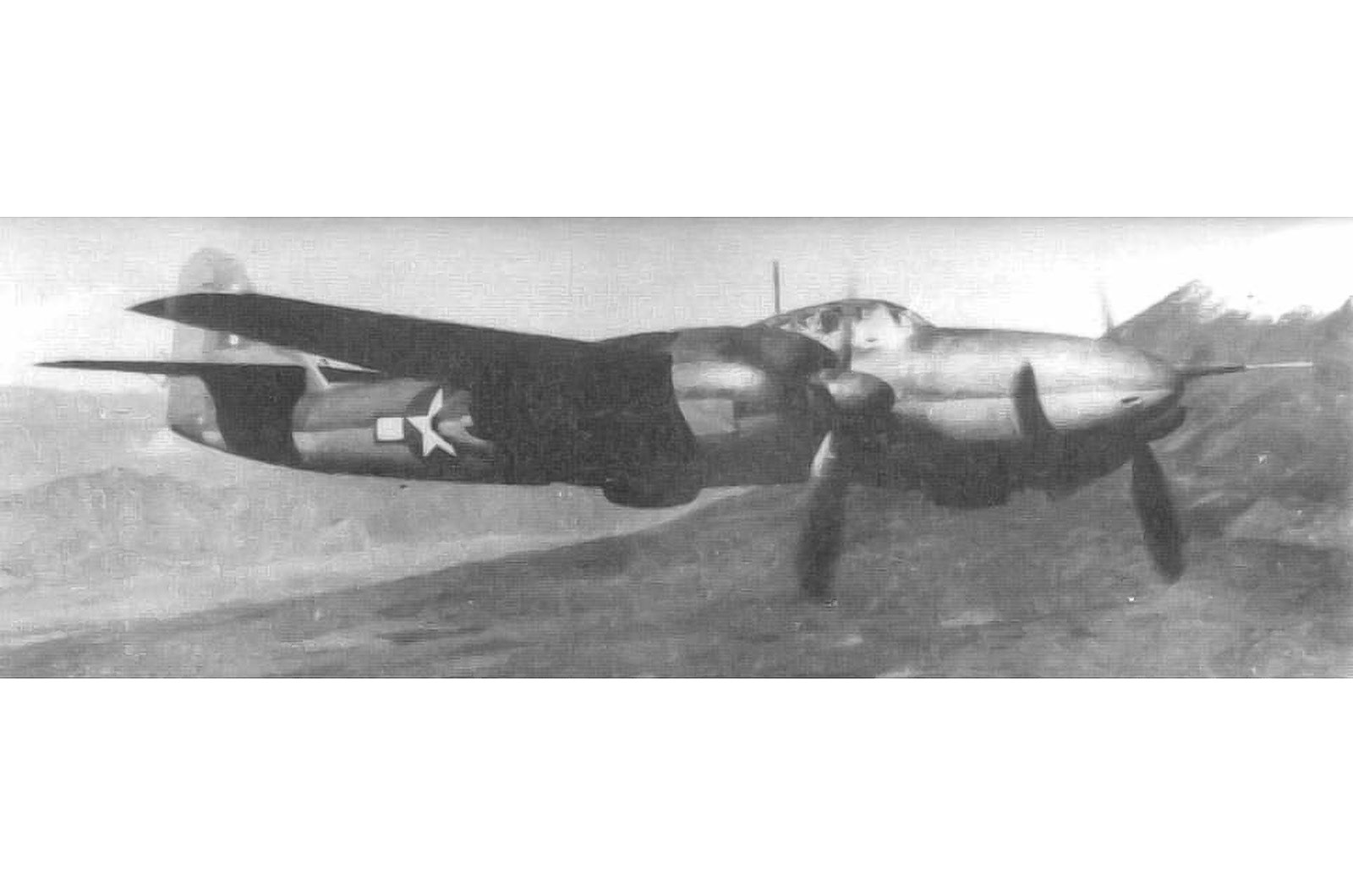
First flown in November 1944, tests were regularly interrupted by American air raids and of four known prototypes, three were damaged or destroyed by bombing. After the war the sole survivor was evaluated in the US and received glowing praise.
With the higher-octane fuel available in America the Ki-83 ultimately recorded a speed of 761 km/h (473 mph). Sadly, despite being earmarked for preservation the only Ki-83 to survive the war was presumed to have been scrapped in 1950.
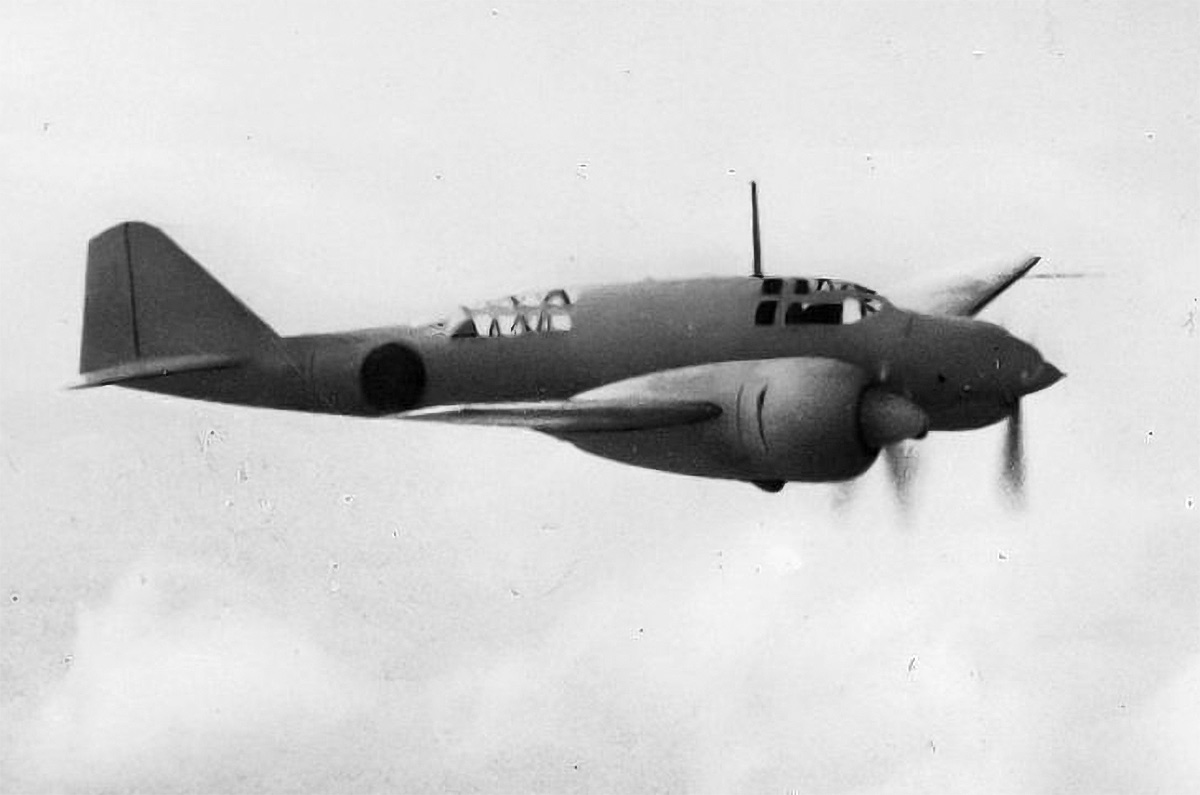
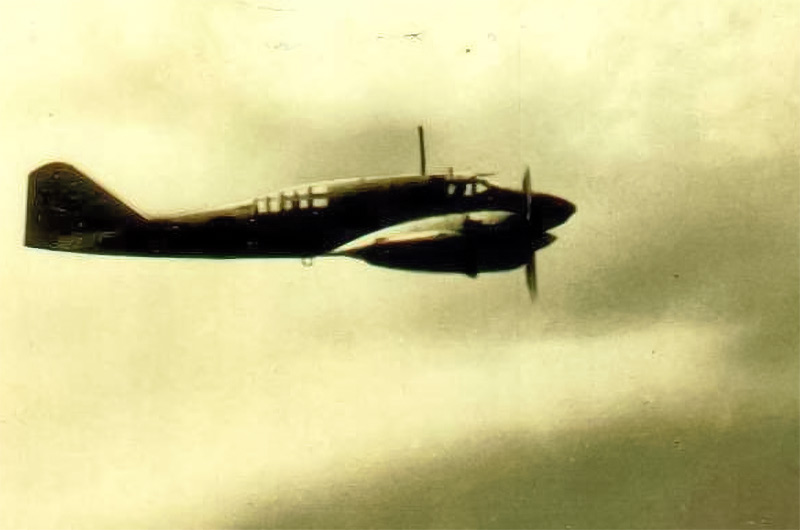
9: Mitsubishi Ki-15
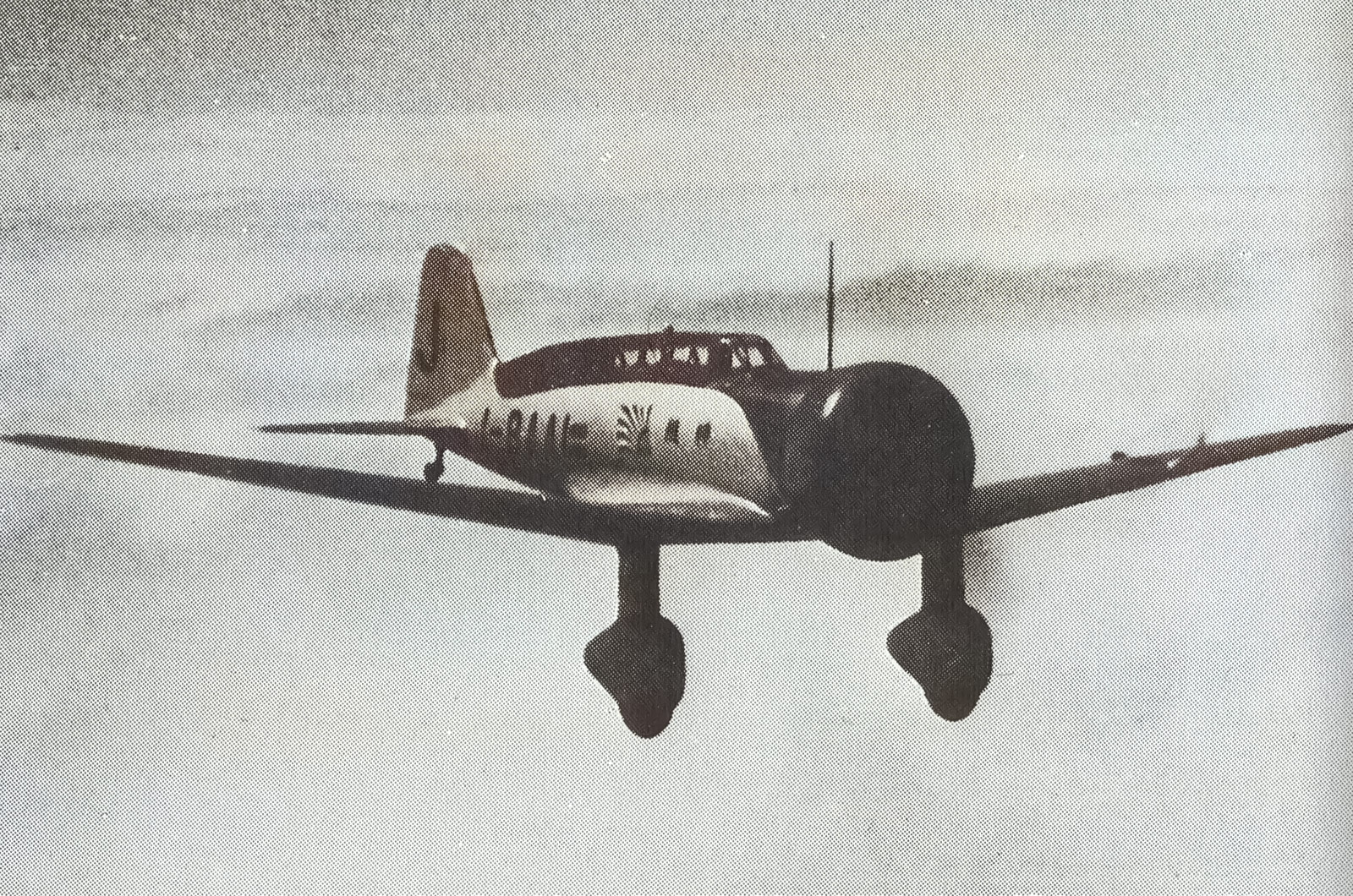
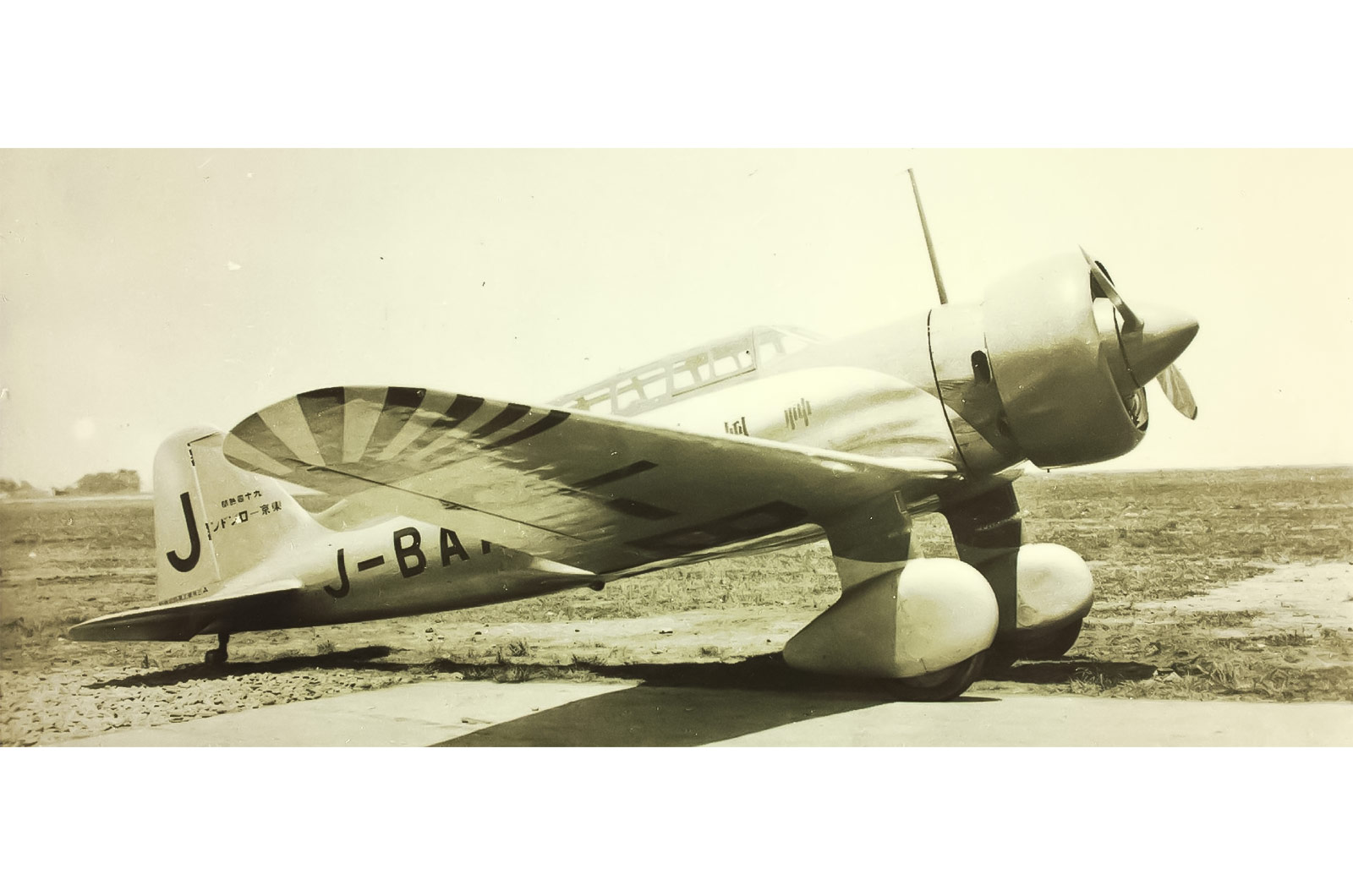
The stylish Mitsubishi Ki-15 became a brilliant harbinger of what the Japanese aviation industry was capable of when in 1937 a single example, named Kamikaze (yes indeed - pictured), flew from Tokyo to London for the coronation of King George VI.
Despite much of the coverage of this flight turning out to be predictably obsessed with the racial make-up of the Kamikaze’s crew, a few reports managed to notice that the aircraft was a totally indigenous design.



Add your comment