
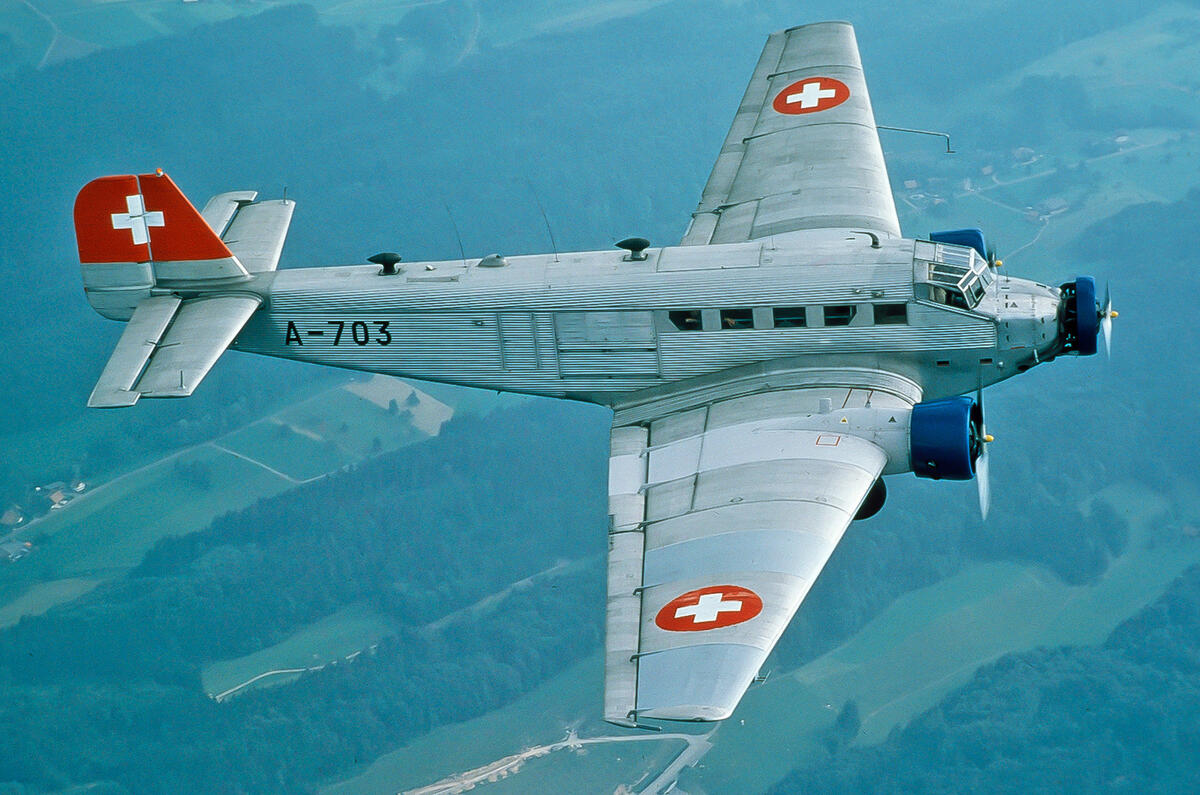

Fighters may have the glamour and bombers the awe, but logistics win wars.
Behind the great aerial logistical effort of the Second World War was a large force of transport aircraft charged with a multitude of vital tasks that included getting men, weapons and vehicles to combat, the resupply of ammunition and equipment, and the removal of casualties. Here are 11 great transport aircraft of the Second World War.
11: Messerschmitt Me 321/323 Gigant
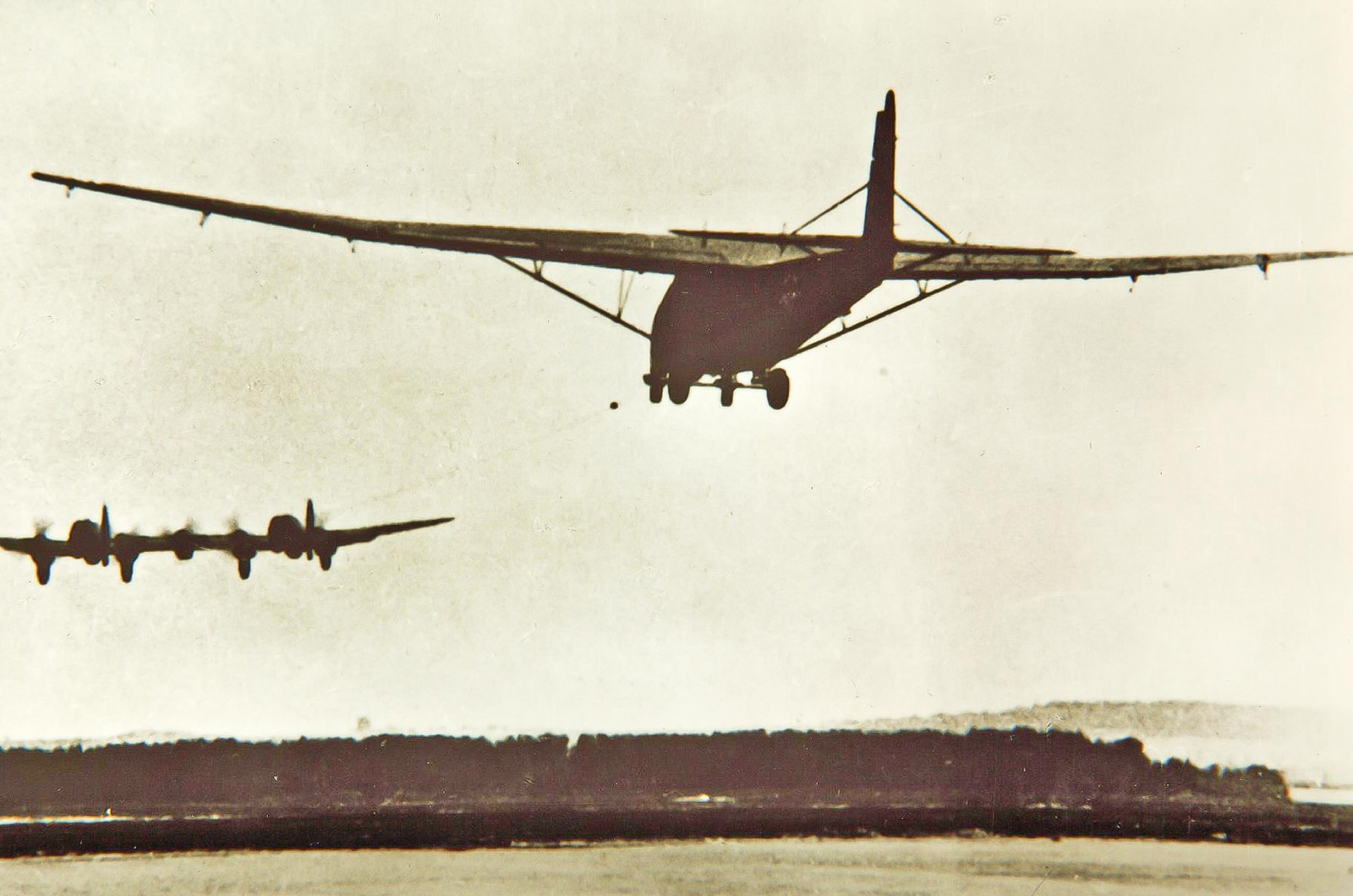
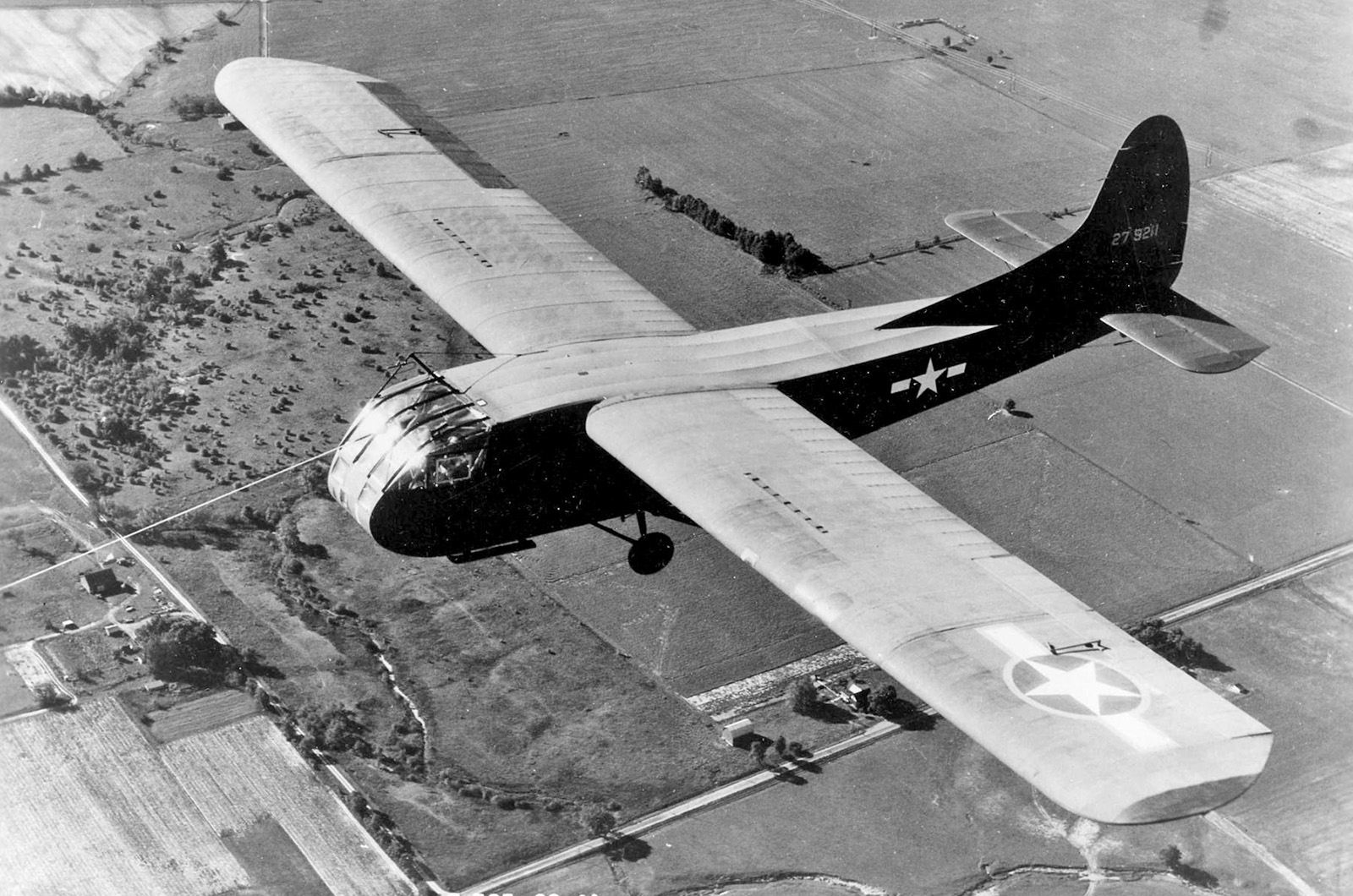
The planned invasion of Britain would require the German army to deliver tanks, guns and men across the English channel quickly. A requirement was issued for a massive glider. Designed and built in a matter of weeks, the resultant Messerschmitt Me 321 was then the world's second-largest aircraft.
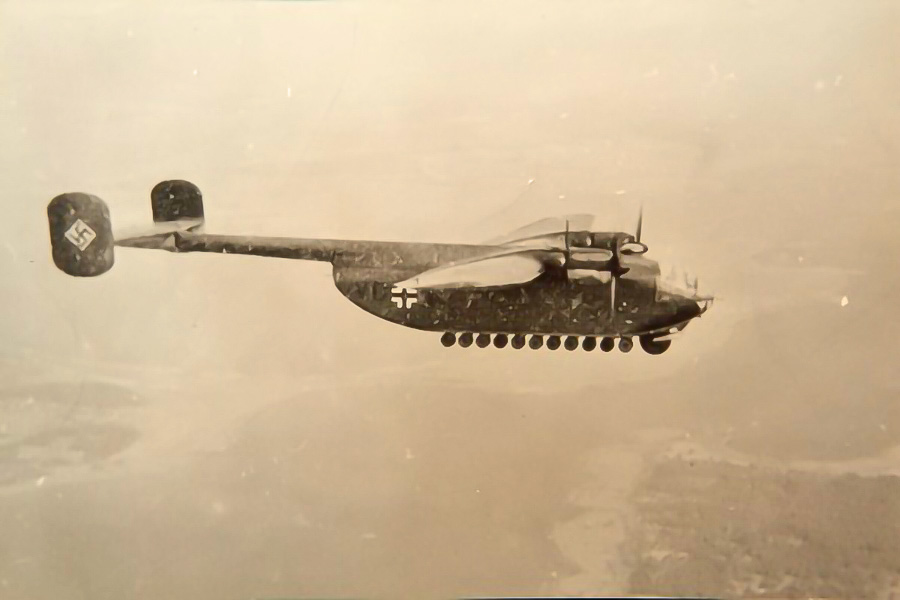
It immediately became apparent that it was exceptionally difficult to launch the enormous Me 321 transport glider (which had a wingspan as wide as today's B-52). The initial tow aircraft, the Ju 90, was too weak; using three Messerschmitt Bf 110s at once was tried, but it proved tricky and extremely dangerous. Eventually two Heinkel Heinell He 111s were joined together for the task (pictured).
11: Messerschmitt Me 321/323
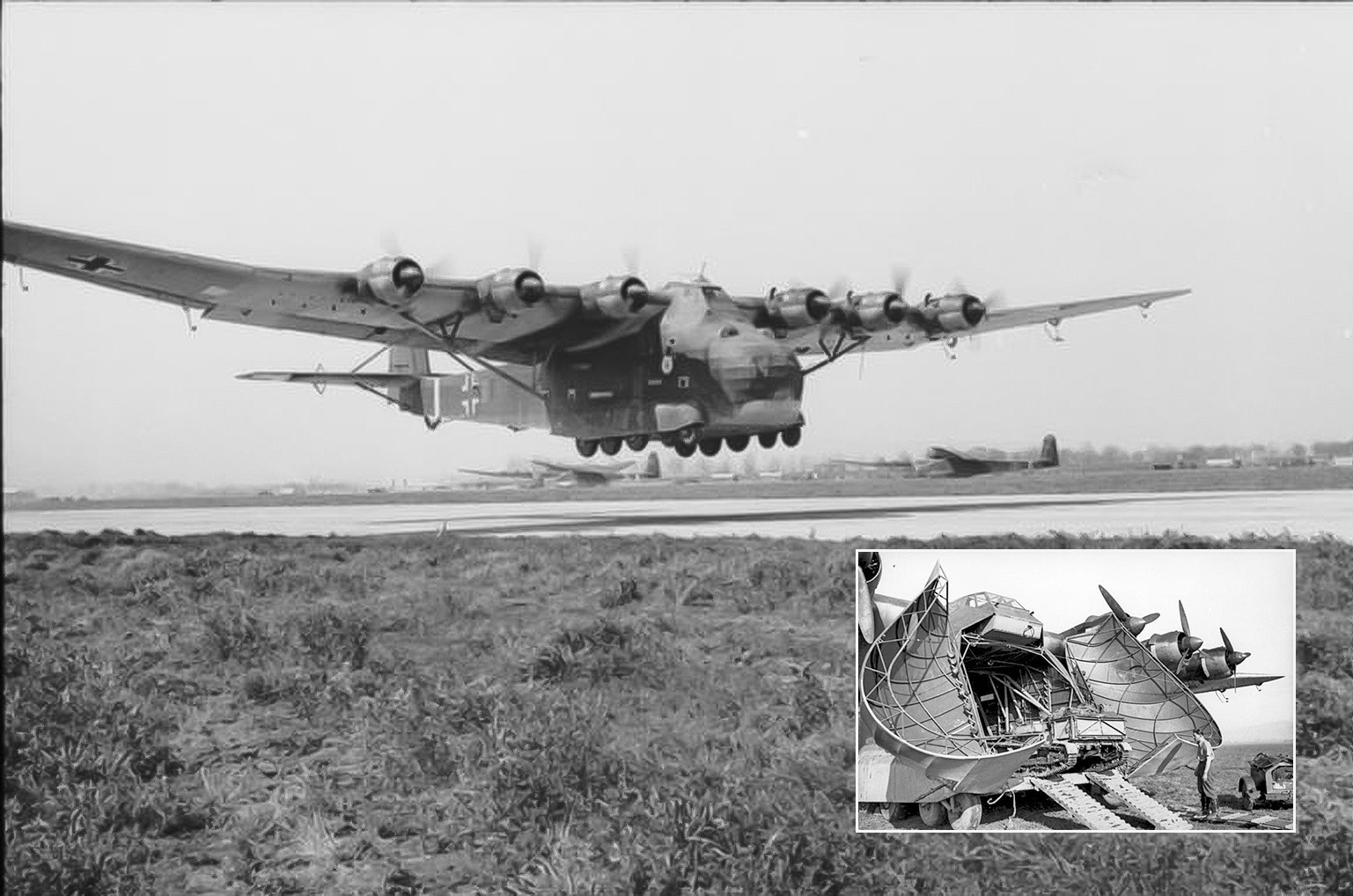
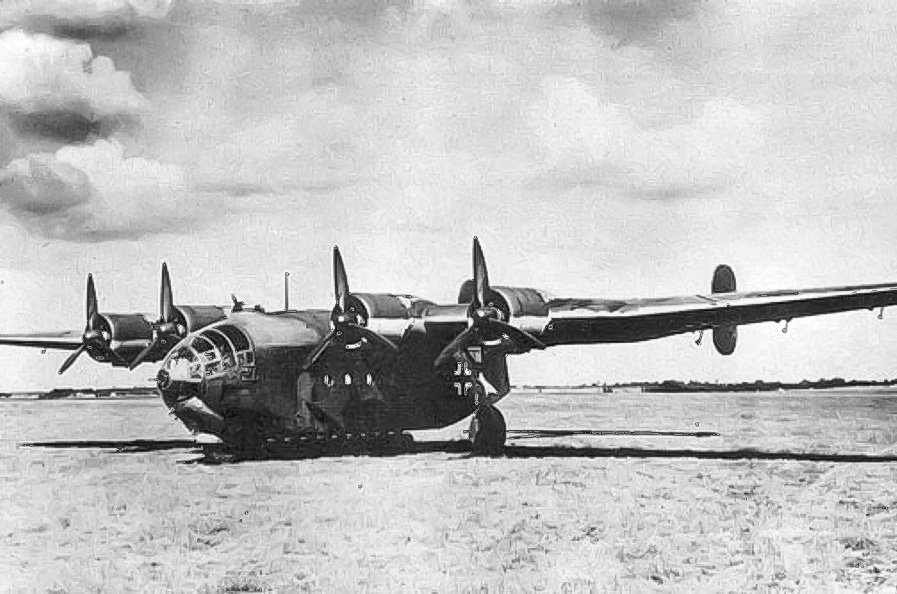
However, a more straightforward solution was to convert the transport glider into a powered aeroplane. Thus the Me 321 became the Me 323, and emerged with six 1140-hp (850kW) Gnome- Rhône 14N 14-cylinder piston engines.
Though very vulnerable whenever it met enemy fighters (not unusual for a transport aircraft), the Messerschmitt Me 323 is the 'father' of modern strategic transport aircraft in many ways. The clamshell nose that opens to load or deliver outsize loads easily foreshadowed a new breed of transport aircraft with large nose or rear doors (see inset picture), as did the multi-wheel undercarriage. 213 Me 323s were produced in total.
10: Junkers Ju 90
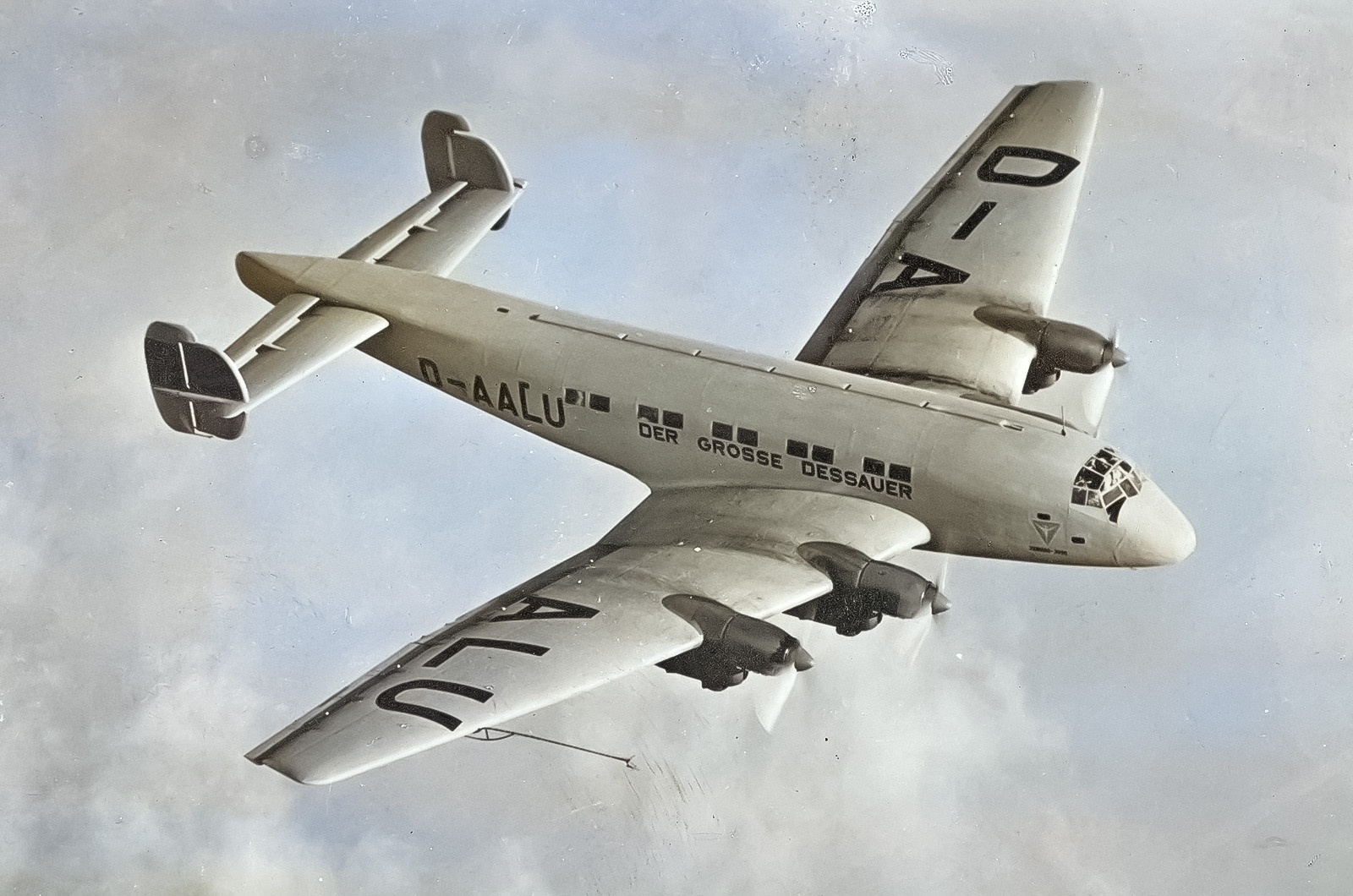
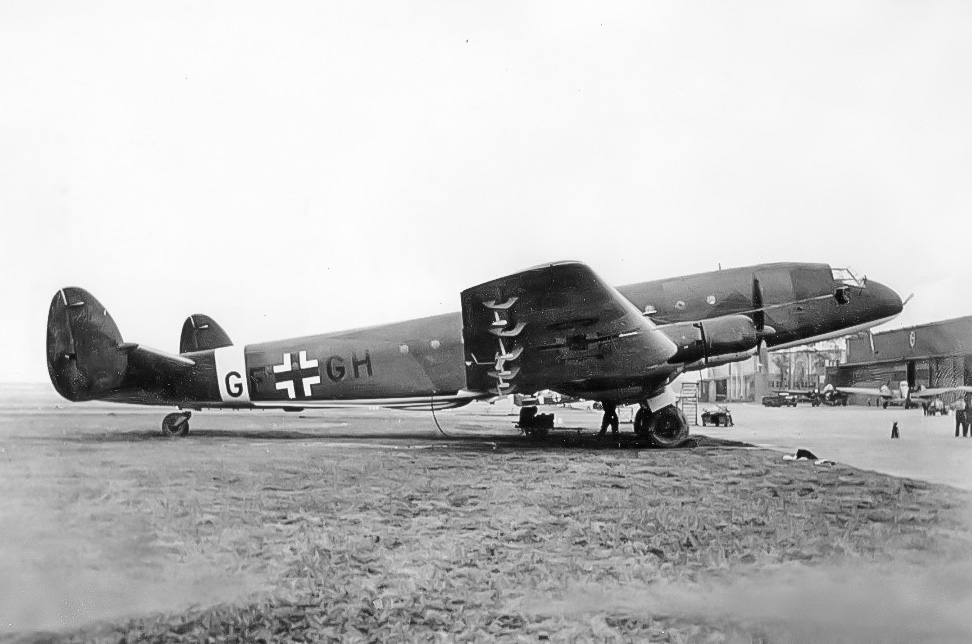
The Ju 90 was an impressive airliner that appeared in the late 1930s and demonstrated much-improved performance over the ubiquitous Ju 52/3m. The Ju 90 was impressed into military service and was used throughout the conflict, but Junkers were charged with building an enlarged version purely for military use.
Two Ju 90s were modified on the production line to become the prototype Ju 290s with a bigger wing and more powerful engines, allowing greater weights to be carried. Most impressively, though, the rear fuselage was altered to include a hydraulically powered loading ramp – called a Trapoklappe - for loading vehicles and freight.




Add your comment