
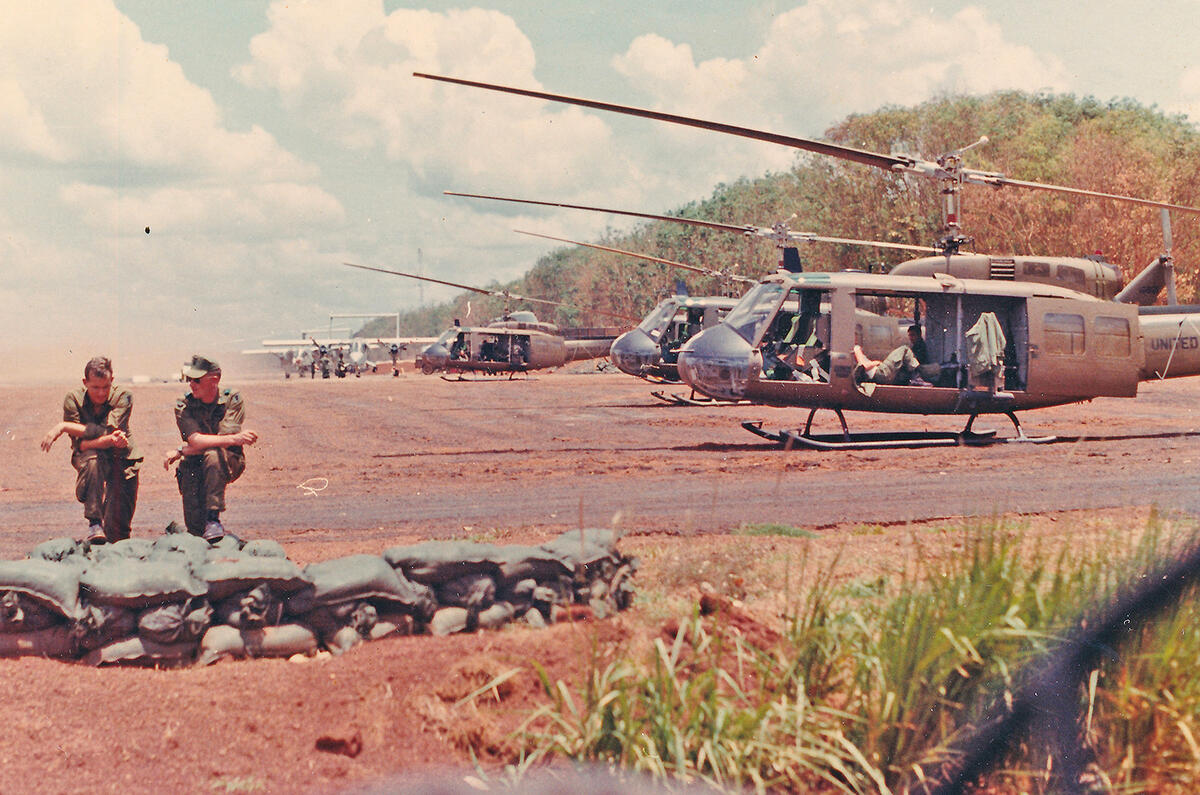

The Vietnam War was a vast calamity that cost millions of lives.
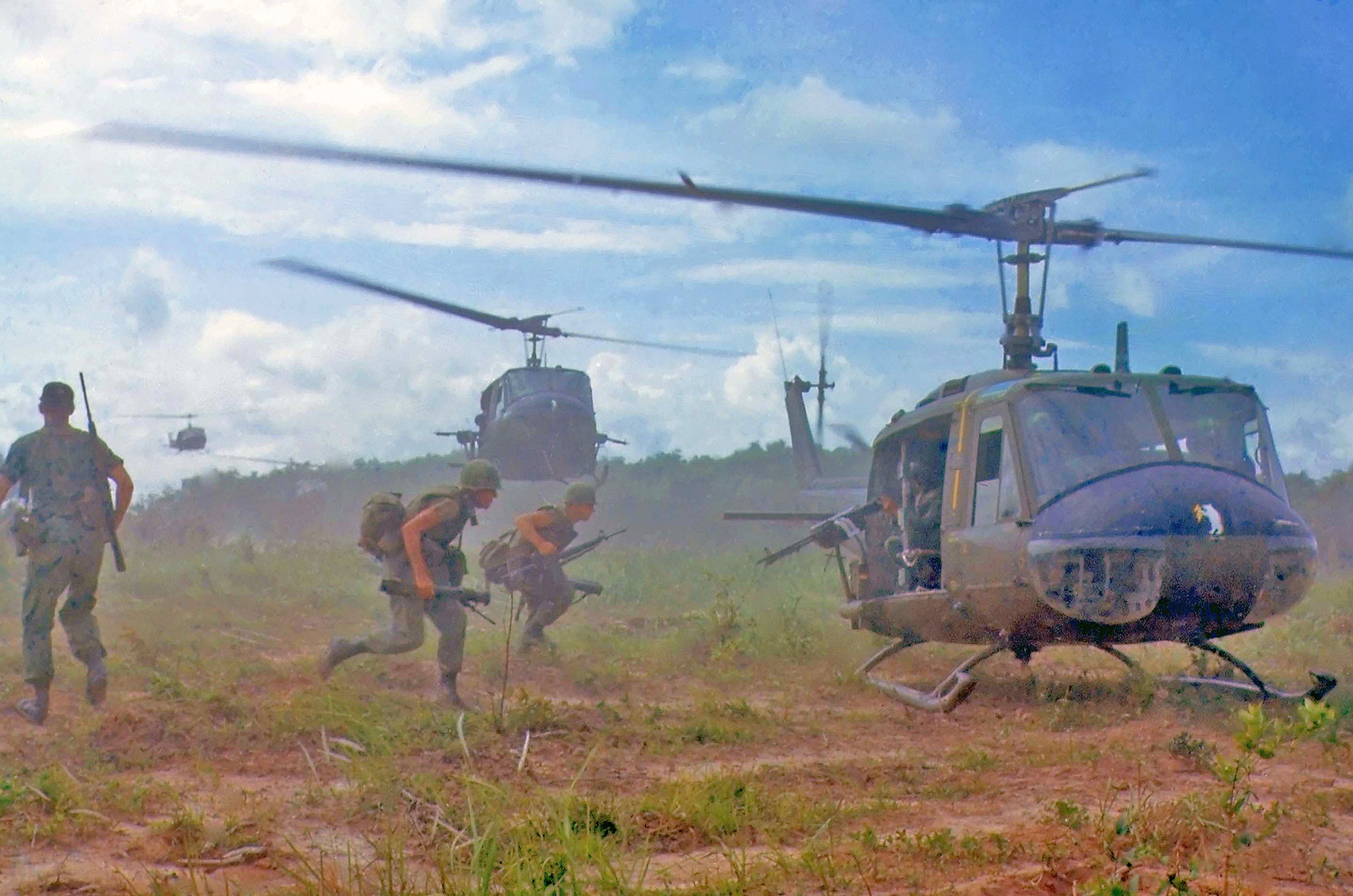
In the chaos of the air war, MiGs and Phantom fighters duelled for supremacy, while B-52 bombers and other types smashed vast areas to pieces; more bombs were dropped than in the entire Second World War. The dense jungle and mountains made air mobility vital, and helicopter transport, notably the ‘Huey’, came of age. Amid the napalm and jet noise, a new form of air warfare was born. Here are the Most Important Aircraft of the Vietnam War.
10: Douglas A-4 Skyhawk
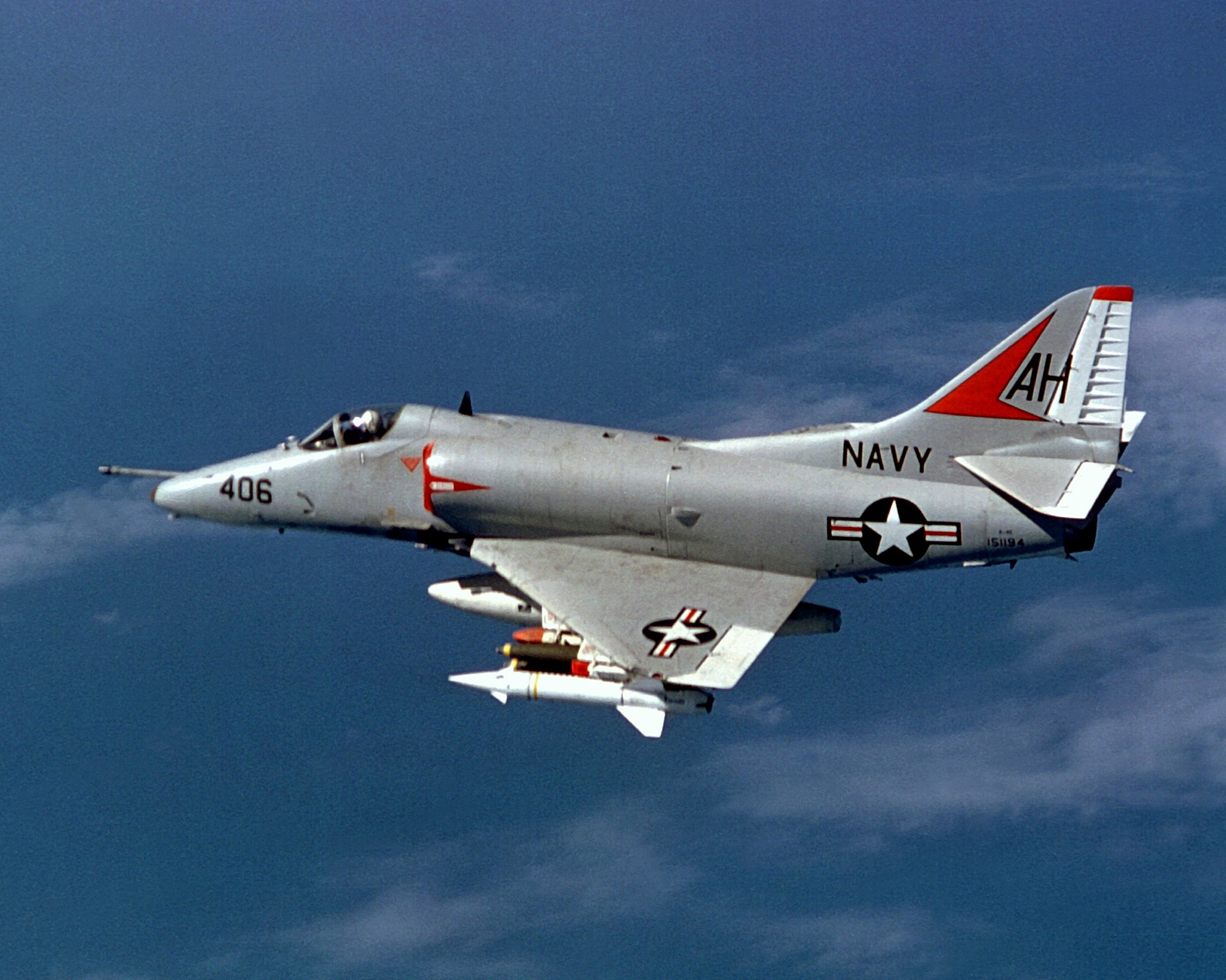
The A-4 Skyhawk was designed by Ed Heinemann, a legendary aircraft designer at Douglas Aircraft Company. The plucky Douglas A-4 Skyhawk bucked the trend of ever larger combat aircraft and proved capable of punching far above its weight. The A-4 Skyhawk was a carrier-capable attack aircraft that became a core part of US Navy and Marine Corps air operations in Vietnam.
Though lightweight, the A-4 could carry a relatively large payload of bombs, rockets, and guided missiles. It was used in a wide range of missions, including close air support, interdiction, and strike operations. It demonstrated exceptional versatility, reliability and toughness.
10: Douglas A-4 Skyhawk
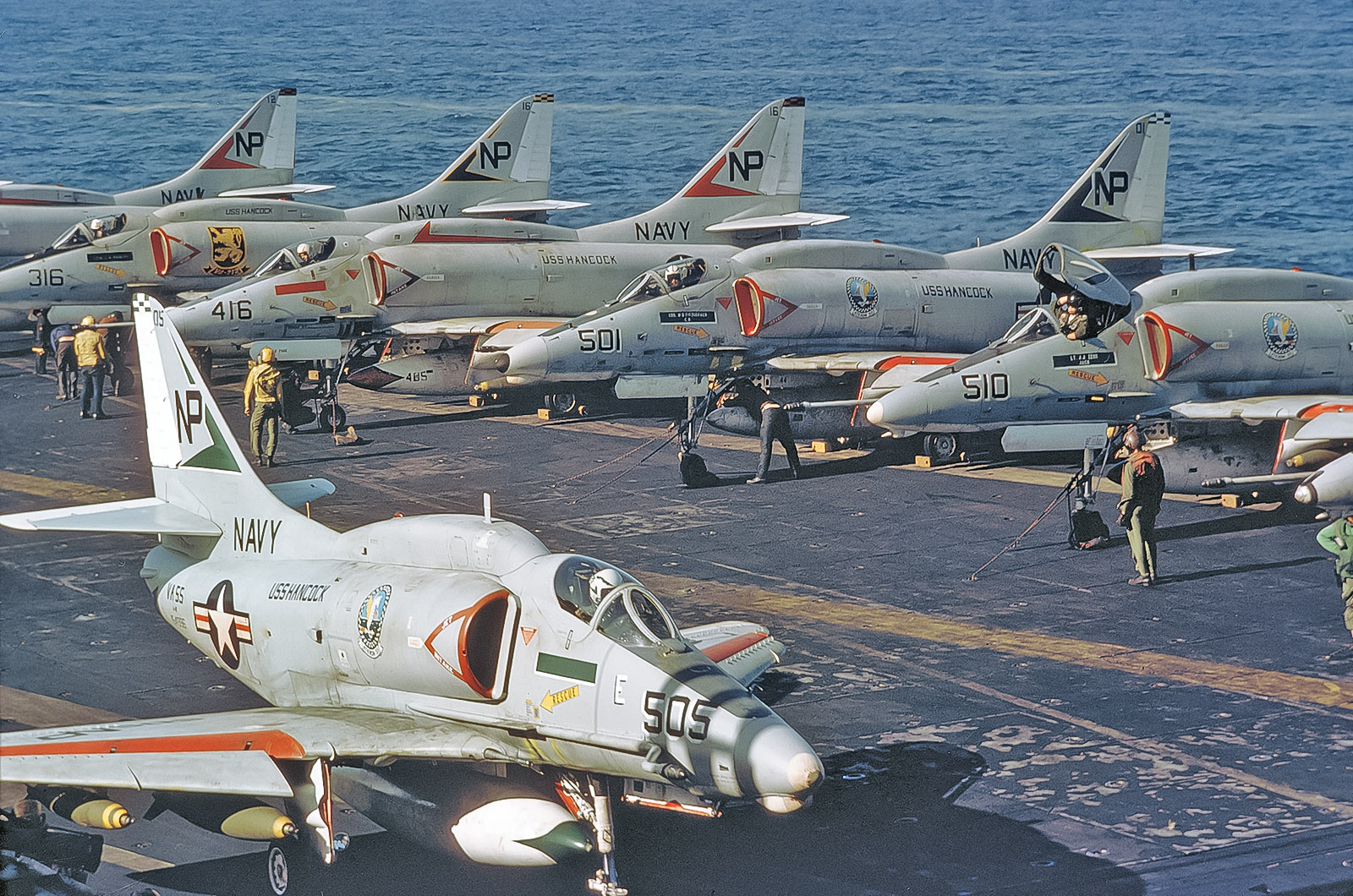
The Skyhawk was also used in dangerous suppression of enemy air defence (SEAD) missions, attacking radar and missile sites. Its compact design made it harder to detect and target. Pilots appreciated its excellent agility, especially when flying low or evading groundfire or fighters.
The A-4's reputation for toughness, ease of maintenance, and flexibility made it one of the most valuable aircraft of the war. The Skyhawk's performance proved that a simple, well-designed aircraft could make a huge impact. Another carrier aircraft worthy of mention is the A-6 Intruder attack aircraft.
9: Boeing B-52 Stratofortress
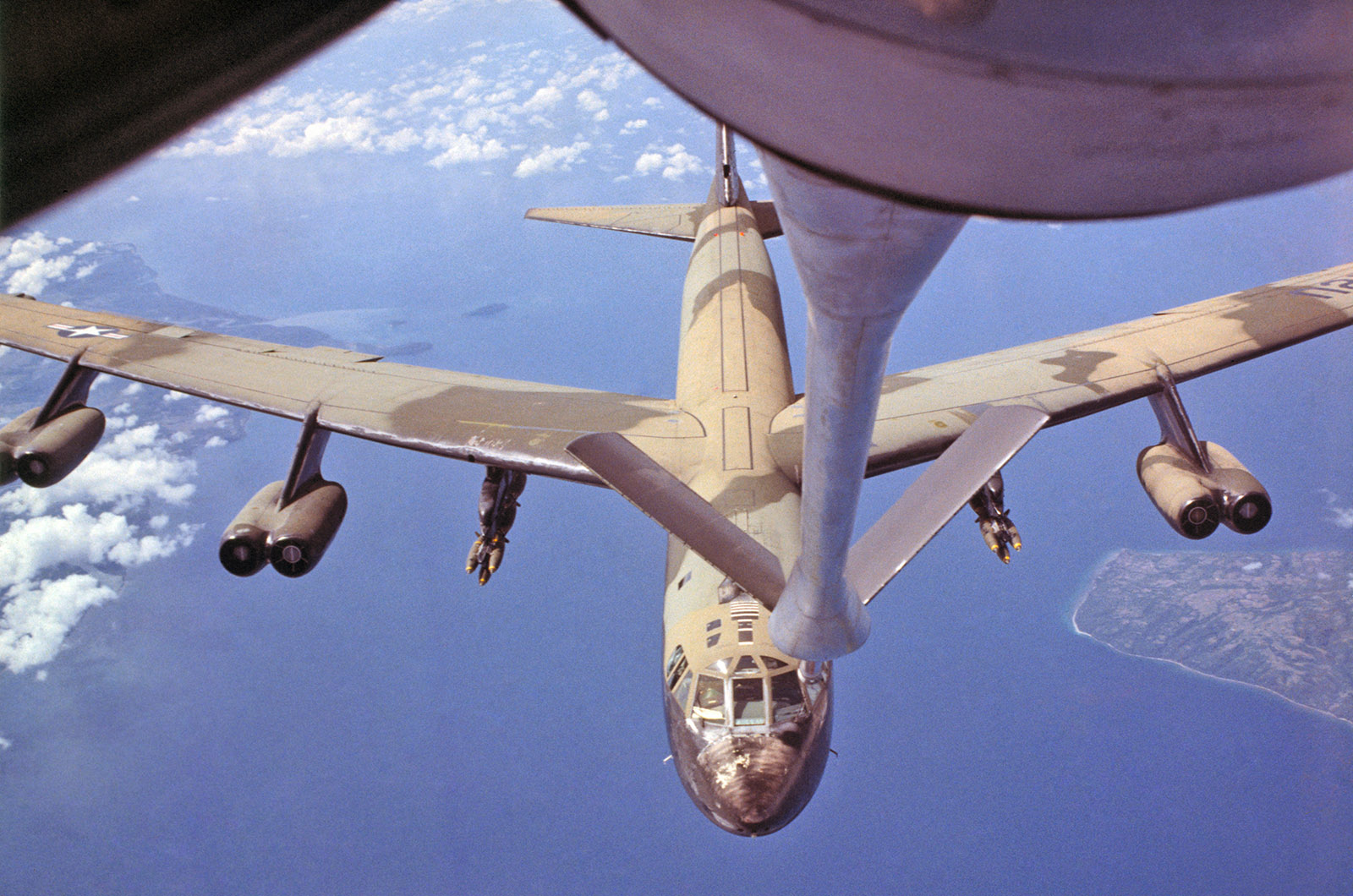
The Boeing B-52 Stratofortress was (and remains) an eight-engine heavy bomber used by the US Air Force. These bombers conducted massive carpet-bombing missions targeting North Vietnamese bases, supply lines, and troop concentrations, leveraging their long-range and heavy payload capacity.
The B-52’s massive bombload made them central to campaigns like Operation Rolling Thunder. Their high altitude and heavy armour allowed them to survive intense anti-aircraft fire, though 31 B-52s were still lost to surface-to-air missiles, enemy fighters, and accidents during the war.
9: Boeing B-52 Stratofortress
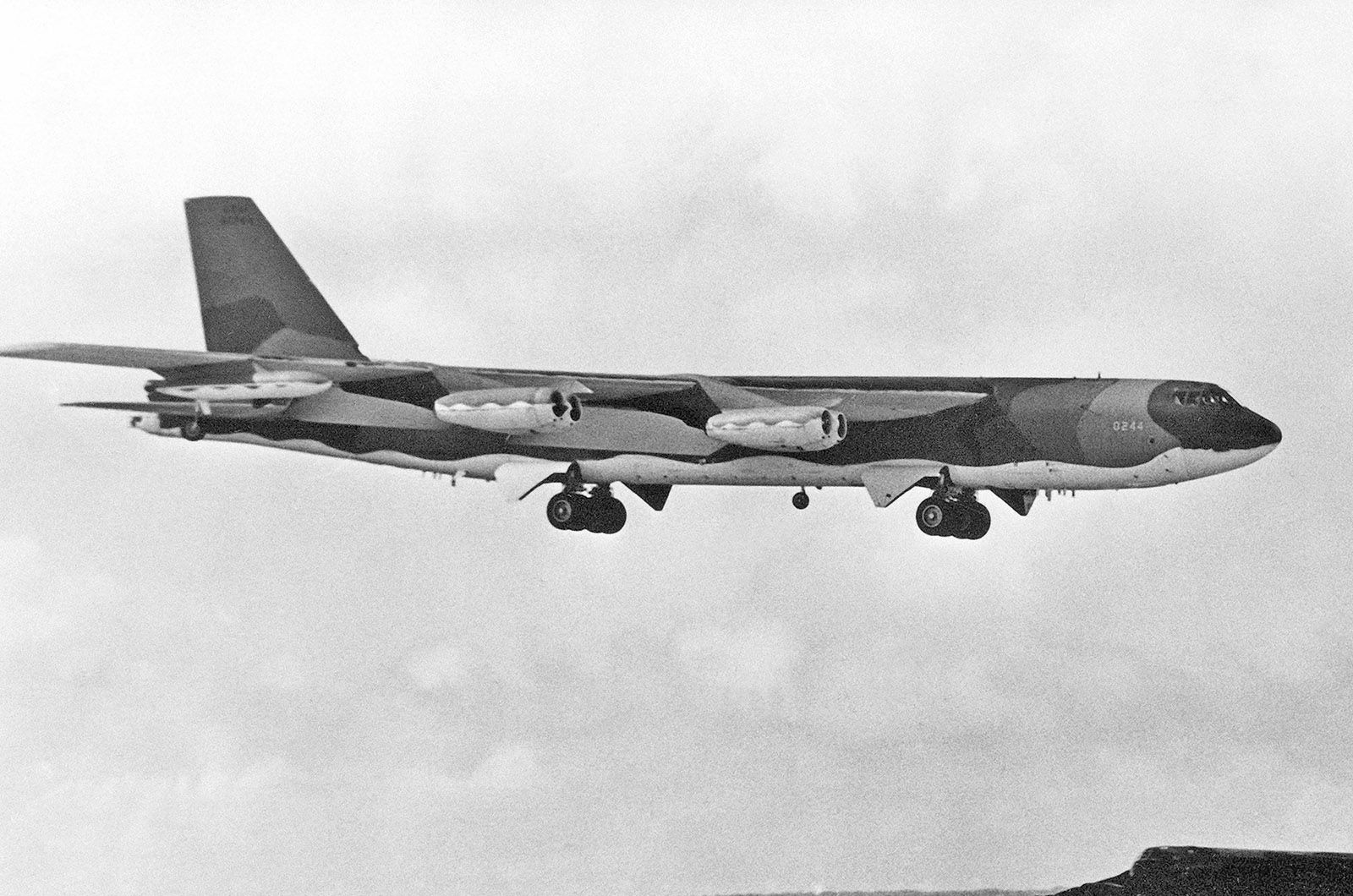
The controversial B-52 bombings caused widespread devastation. Entire villages were destroyed, forests flattened, and civilian casualties were tragically high. The relentless bombing campaigns left deep physical and psychological scars across Vietnam, demonstrating the immense destructive power of aerial warfare.
The B-52’s excellent survivability had much to do with the experience Boeing gained in developing, building, and studying the combat performance of the B-17 Flying Fortress and B-29 Superfortress bombers during the Second World War. Despite design work beginning in the 1940s, the B-52 remains in operational service today. 76 still operate, and are scheduled to operate until the 2050s.




Add your comment