
Submarines mauled shipping and threatened the survival of many nations in the second world war.
One way to fight back was with anti-submarine warfare aircraft. Attacking a submarine from the air was a dangerous game, as surfaced submarines fired back at their attackers with machine guns and cannon. Converted bombers would roar a few hundred feet above the sea dropping depth charges and firing rockets; with over 120 Allied aircraft shot down while attacking submarines this was in no way a one-sided affair. Intriguingly, despite significant advances in technology the only submarine sinking post-World War Two was distinctly ‘old fashioned’.
This list is skewed towards Allied aircraft, as the German Navy (the Kreigsmarine), managed to lose 287 U-Boats to aircraft, more than the total number of submarines lost by the Britain’s Royal Navy, US Navy, and Imperial Japanese Navy combined. The following aircraft are the most potent submarine killers of all time:
10: Westland Wessex, Lynx, and Wasp
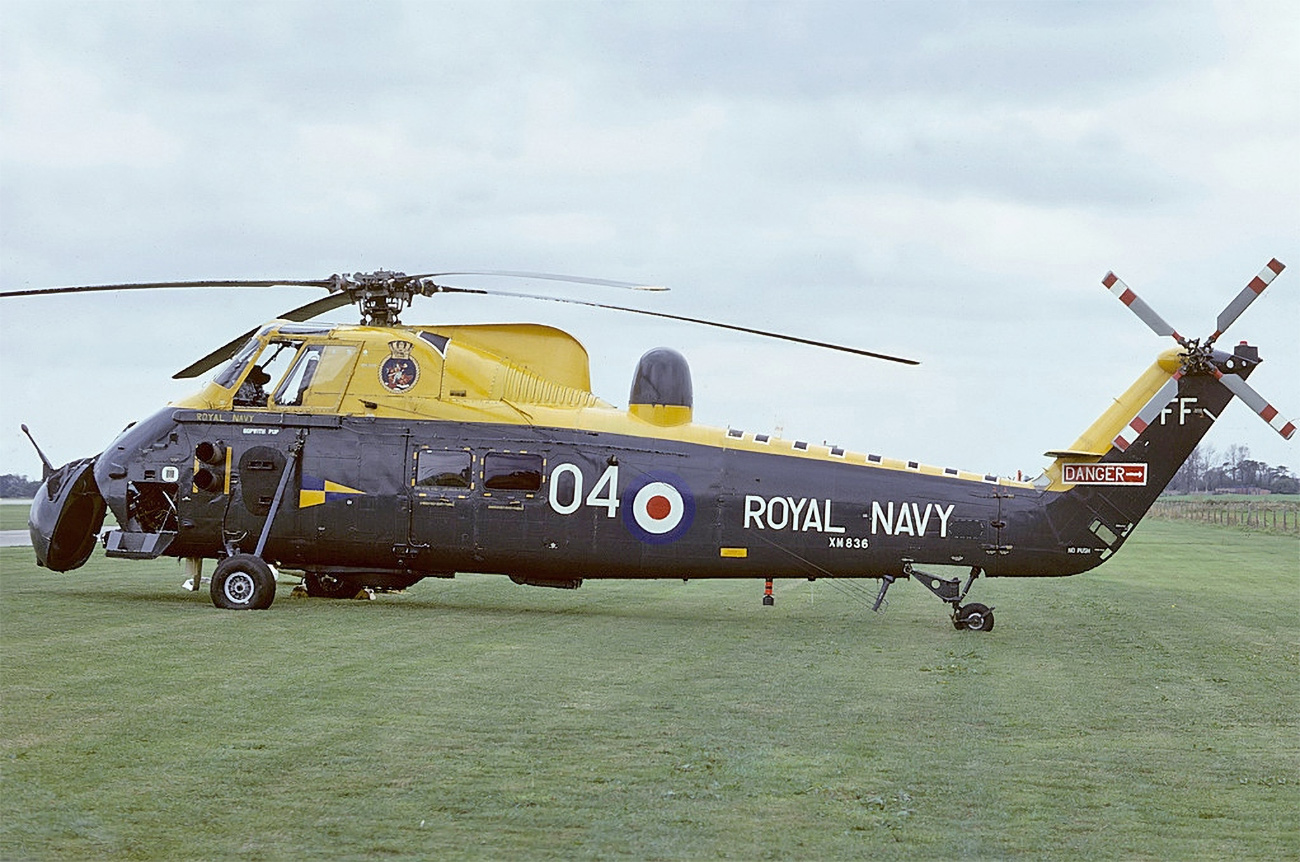
Only one submarine has been sunk by aircraft since the end of the second world war. This unfortunate vessel was the ARA Santa Fe, whose origin as the USS Catfish in 1944 means no post-war submarine has been sunk by enemy action. On the morning of 25 April 1982, Santa Fe was departing Grytviken in South Georgia, having landed supplies for the Argentinian forces occupying the island. She was detected on radar by the Westland Wessex HAS3 from HMS Antrim before she was in an area where she could submerge.
Approaching from the stern the Wessex was almost overhead before the crew saw it, moments later two depth charges fell towards the submarine. The damage from this first strike prevented the Santa Fe diving, if only because she would never surface again if she did.
10: Westland Wessex, Lynx, and Wasp
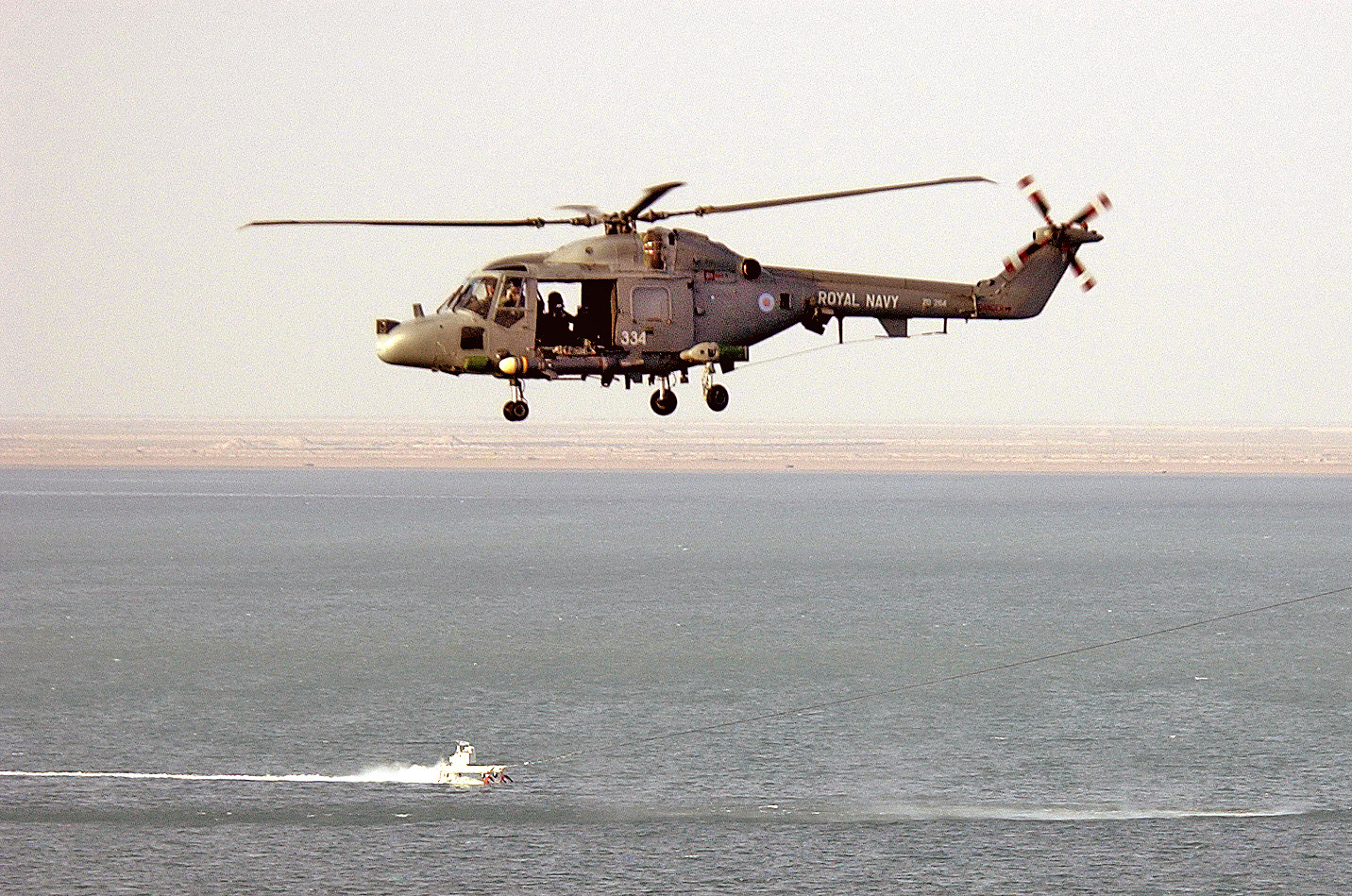
A running battle now ensued as the Argentinians attempted to return to Grytviken while HMS Brilliant’s Westland Lynx (pictured) strafed the submarine and Westland Wasps from HMS Endurance and Plymouth fired multiple AS.12 missiles. Although Santa Fe managed to return to the dock her war was over, and she remained there until scuttled in 1985.
This halved the number of submarines available to the Argentinian forces attempting to hold the Falklands Islands. This left the depths of the south Atlantic open to much more modern British submarines - six of them - one of which sank the Argentinian cruiser General Belgrano – another former US Navy vessel, which had survived the Pearl Harbour attack – a week later.
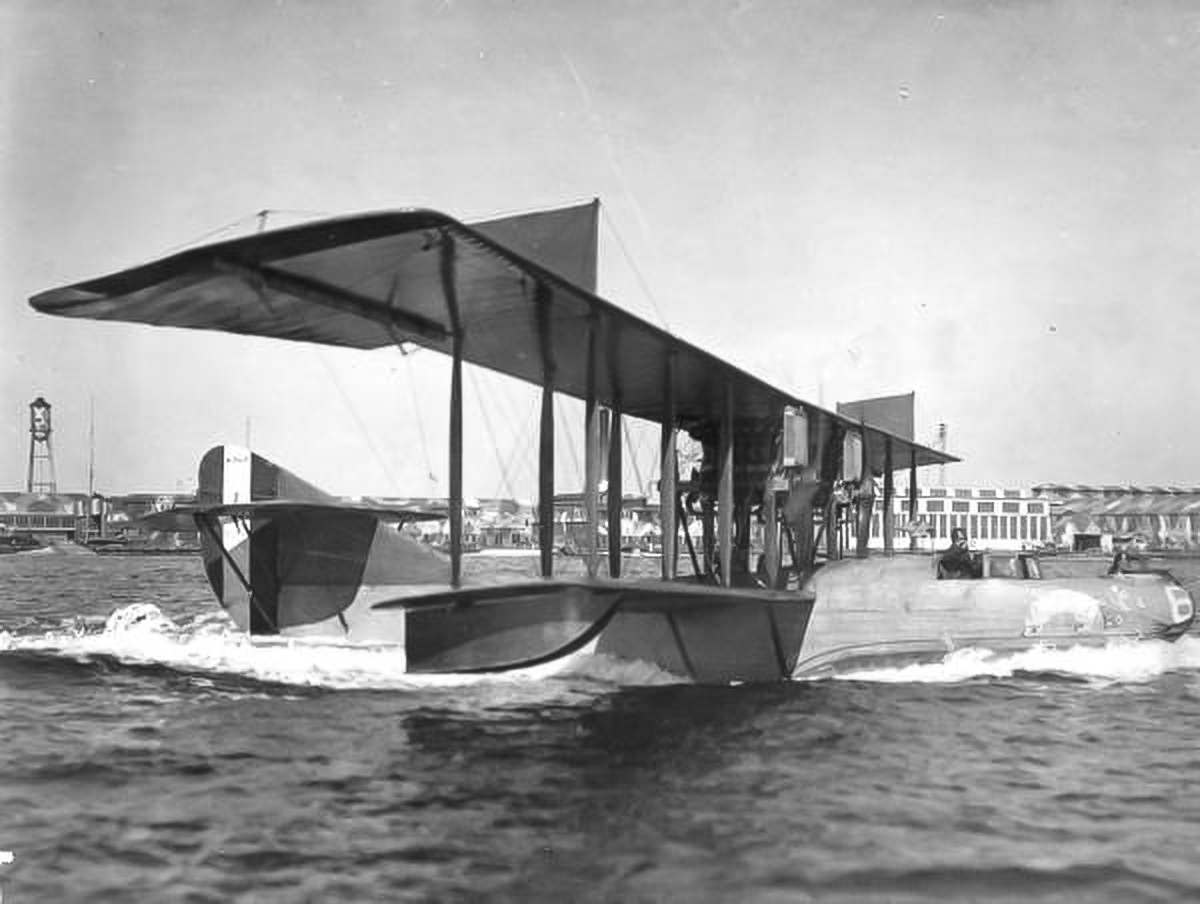
9: Lohner L
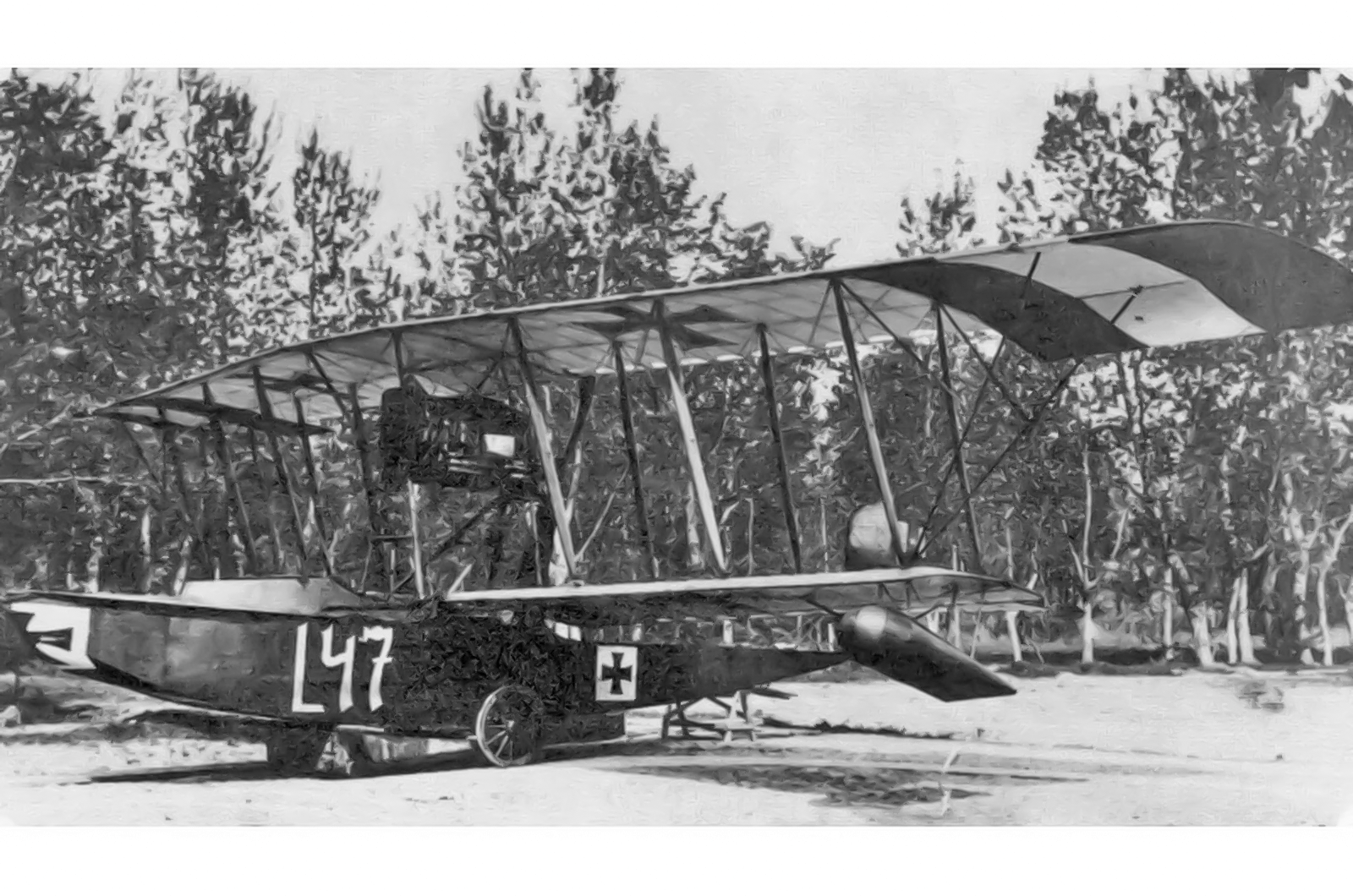
Although now two land-locked countries, in 1914 the Austro-Hungarian Empire had an extensive Adriatic coast. As such they had a substantial navy with 13 battleships, 18 destroyers, 6 submarines, and an Air Service.
On 15 September 1916 the French Navy submarine Foucault was patrolling near the entrance to the naval base at Cattaro, now Kotor in Montenegro. Two Lohner L flying boats of the Austro-Hungarian Naval Air Service were also in the area and although the Foucault was submerged the clear waters of the Adriatic allowed the crews to easily spot her.
9: Lohner L
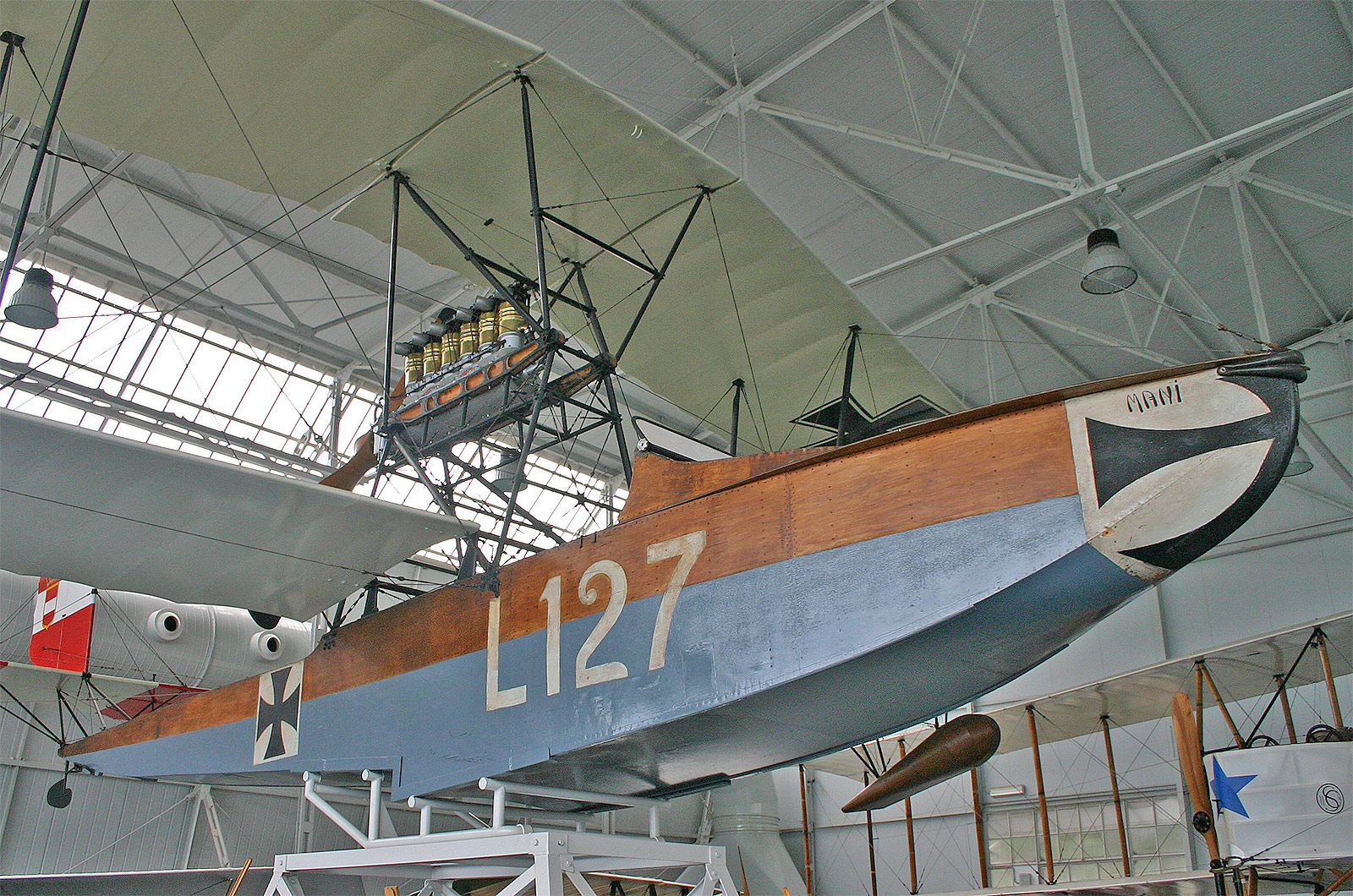
Although relatively flimsy and with a top speed of only 66mph the Lohners could carry a few hundred kilograms of bombs. Four of these were dropped at least one hitting the submarine causing it to lose power and start sinking. With a fire adding to their woes the French somehow managed to get to the surface. Facing an untenable situation the ship’s commander ordered the powerless submarine scuttled. The crew were then rescued by their attackers who landed on the water to look after them until a torpedo boat could come to take them into captivity.