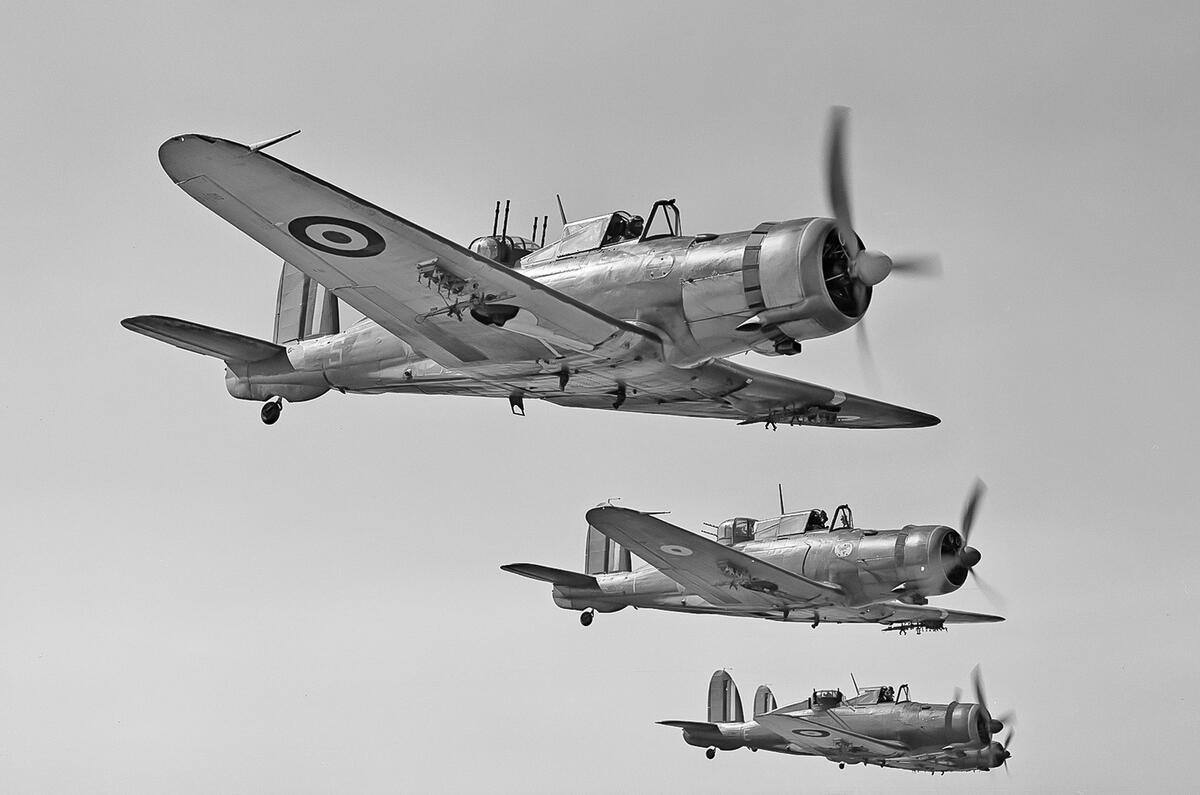

If you want something done slowly, expensively and possibly very well, you go to the British.
While Britain created the immortal Spitfire, Lancaster and Mosquito it also created a wealth of sometimes dangerous, disgraceful and diabolical designs. These are just ten plucked from a shortlist of thirty. In defining ‘worst’- we’ve looked for one, or a combination, of the following: design flaws, conceptual mistakes, being extremely dangerous, being unpleasant to fly, or obsolete at the point of service entry (and the type must have entered service).
10: Blackburn Beverley
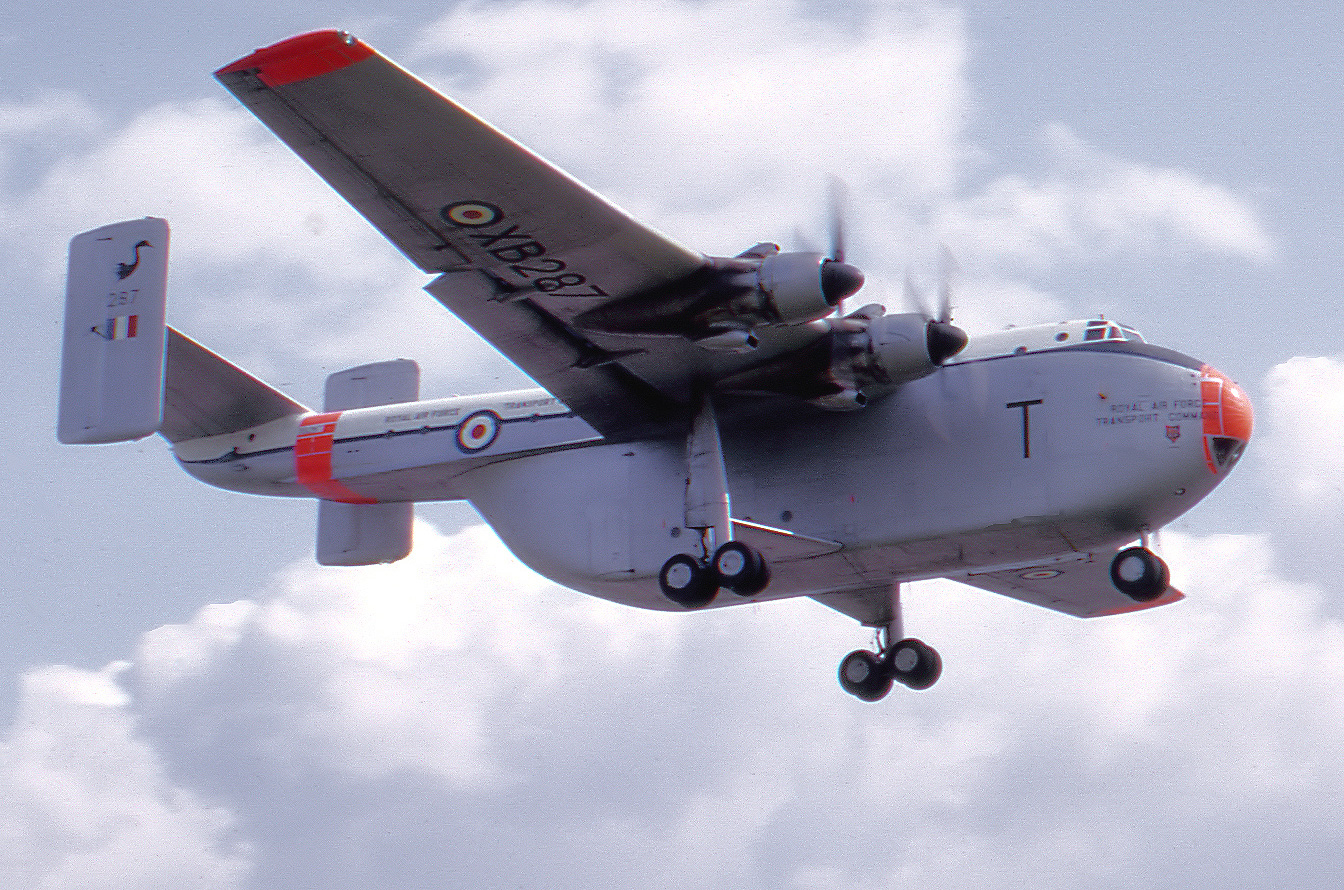
A mere year separates the service entry of the Beverley (1955) and America’s Lockheed C-130 Hercules (1956), yet sixty years later one of these is still the best tactical transport – serving with many air forces around the world - and the other only exists in the form of a single lonely museum piece standing in the cold in a village near Hull in England. There’s a reason for this.
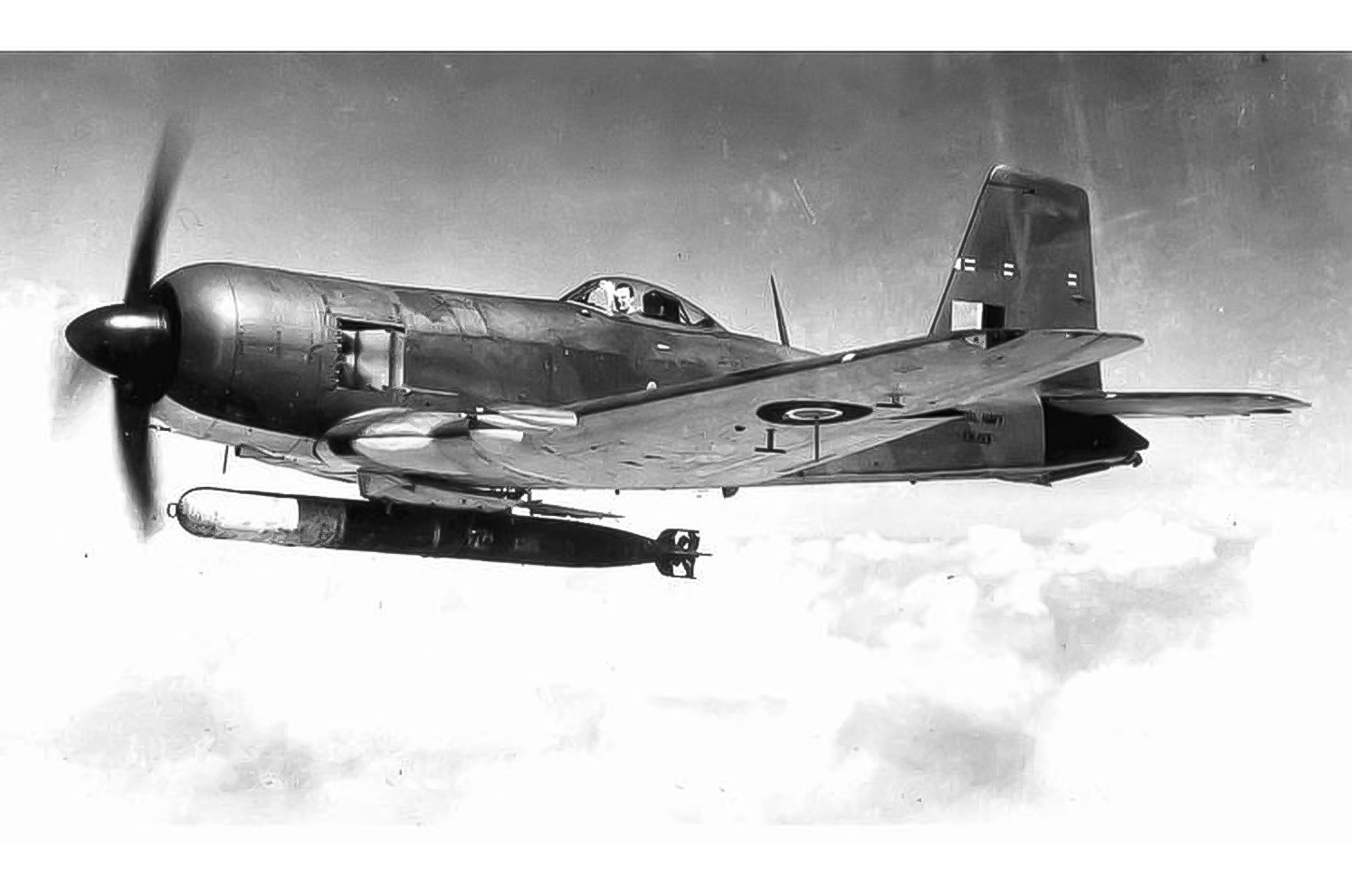
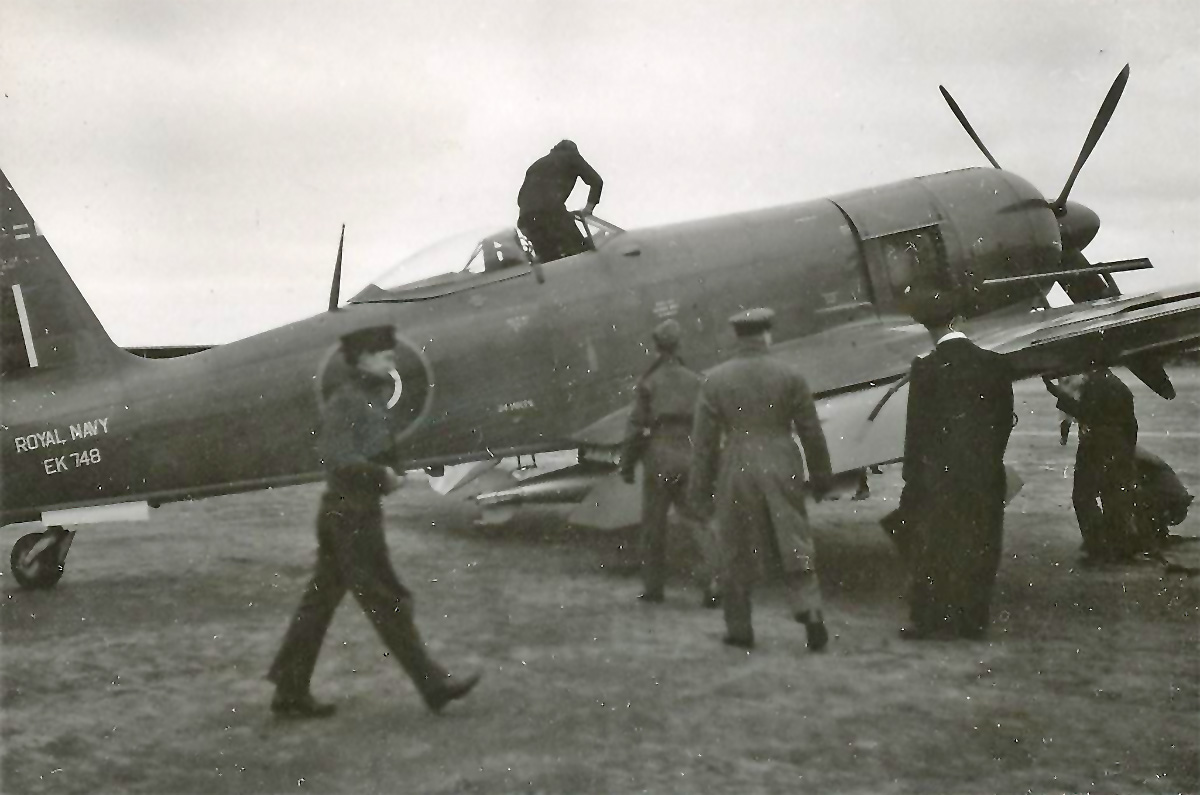
The Beverley had four Bristol Centaurus engines capable of generating a total of 11,400 horsepower pulling a fully loaded Beverley weighing 135,000 lb (61,235kg); the C-130A had a maximum weight of 124,200 lb (56,336kg) and had 15,000 of turboprop horsepower to move it. The Centaurus also powered the abysmal Firebrand, hopeless Buckingham and the technically brilliant (but conceptually wrong-headed) Brabazon, and, for the sake of fairness, the brilliant Sea Fury.
10: Blackburn Beverley
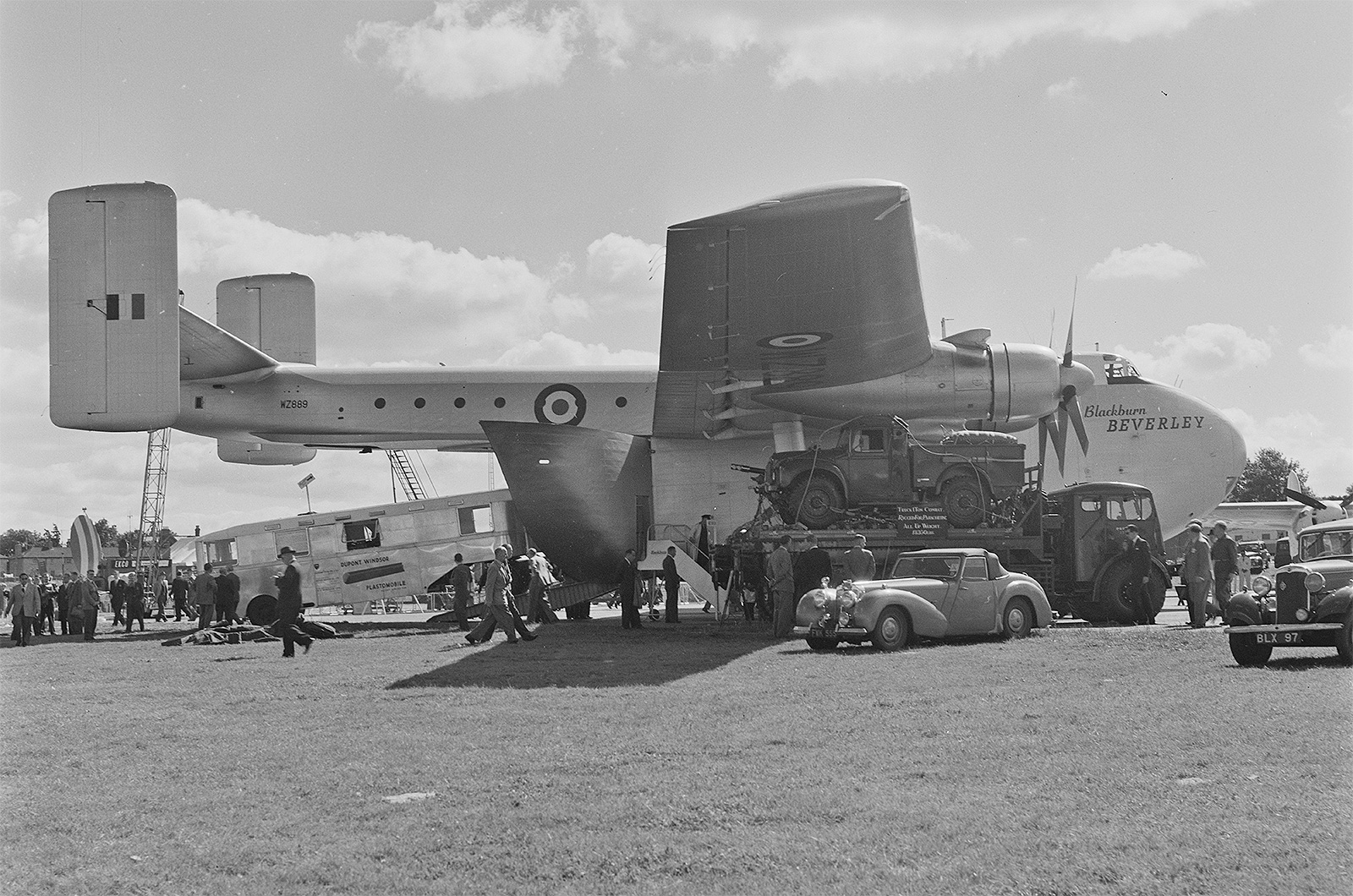
Of note, the Beverley was fitted with perhaps the most dangerous toilet in aviation. This was fitted in the rear of the aircraft next to the paratroop hatch. One unlucky serviceman fell twenty feet when exiting the toilet, falling through the then open paratroop hatch on the tailboom floor.
Lockheed threw vast resources at getting the Hercules right (so much so that senior Lockheed engineer Kelly Johnson thought the project would sink the whole company), whereas Blackburn used warmed-up World War II technology and a dawdling development time to produce an aircraft that was at best an over-specialised oddity.
9: Supermarine Scimitar
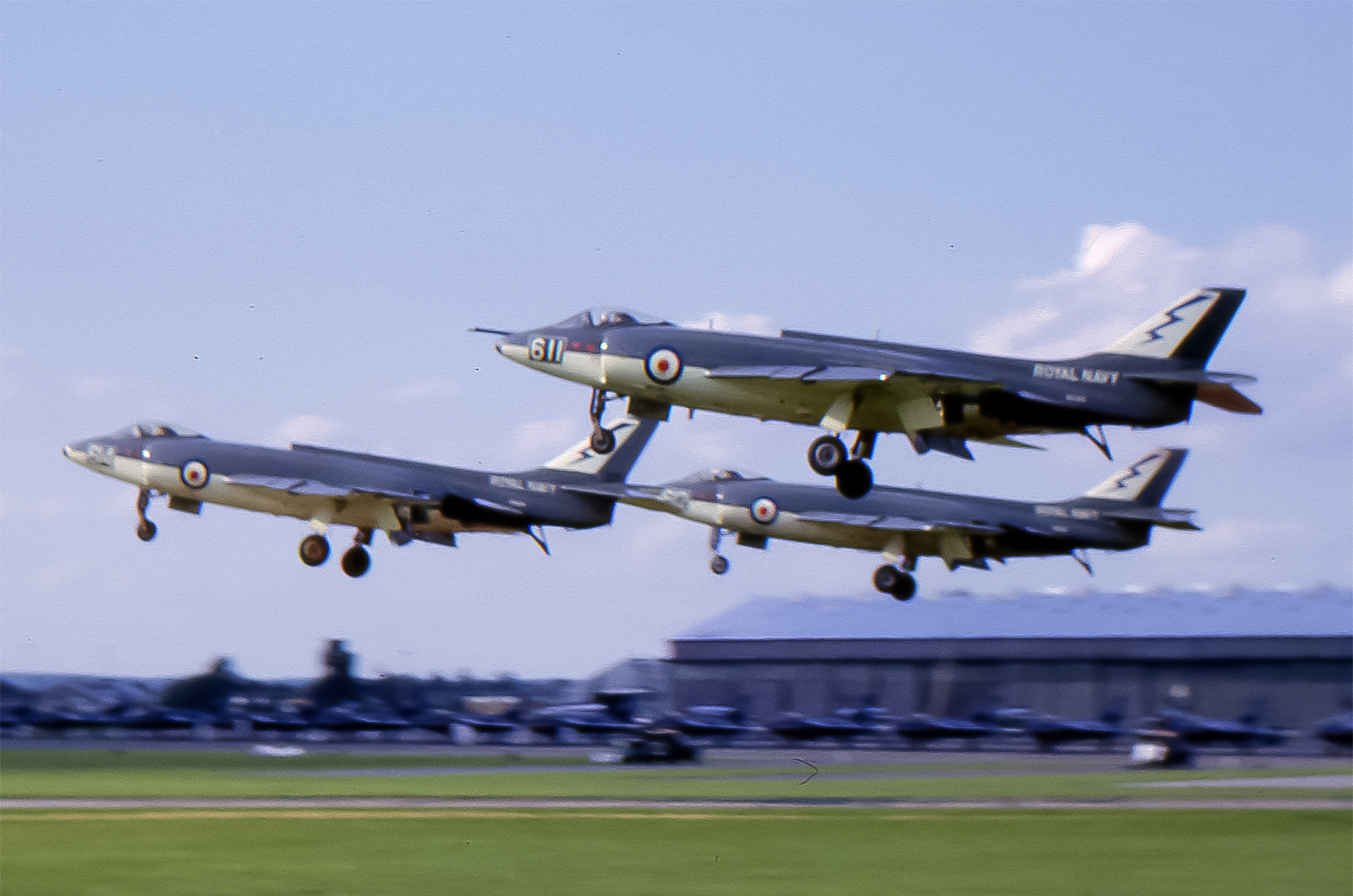
Take an aircraft so dangerous that is statistically more likely than not to crash over a twelve-year period and arm it with a nuclear bomb. Prior to this, ensure one example crashes and kills its first Commanding Officer, in front of the press.
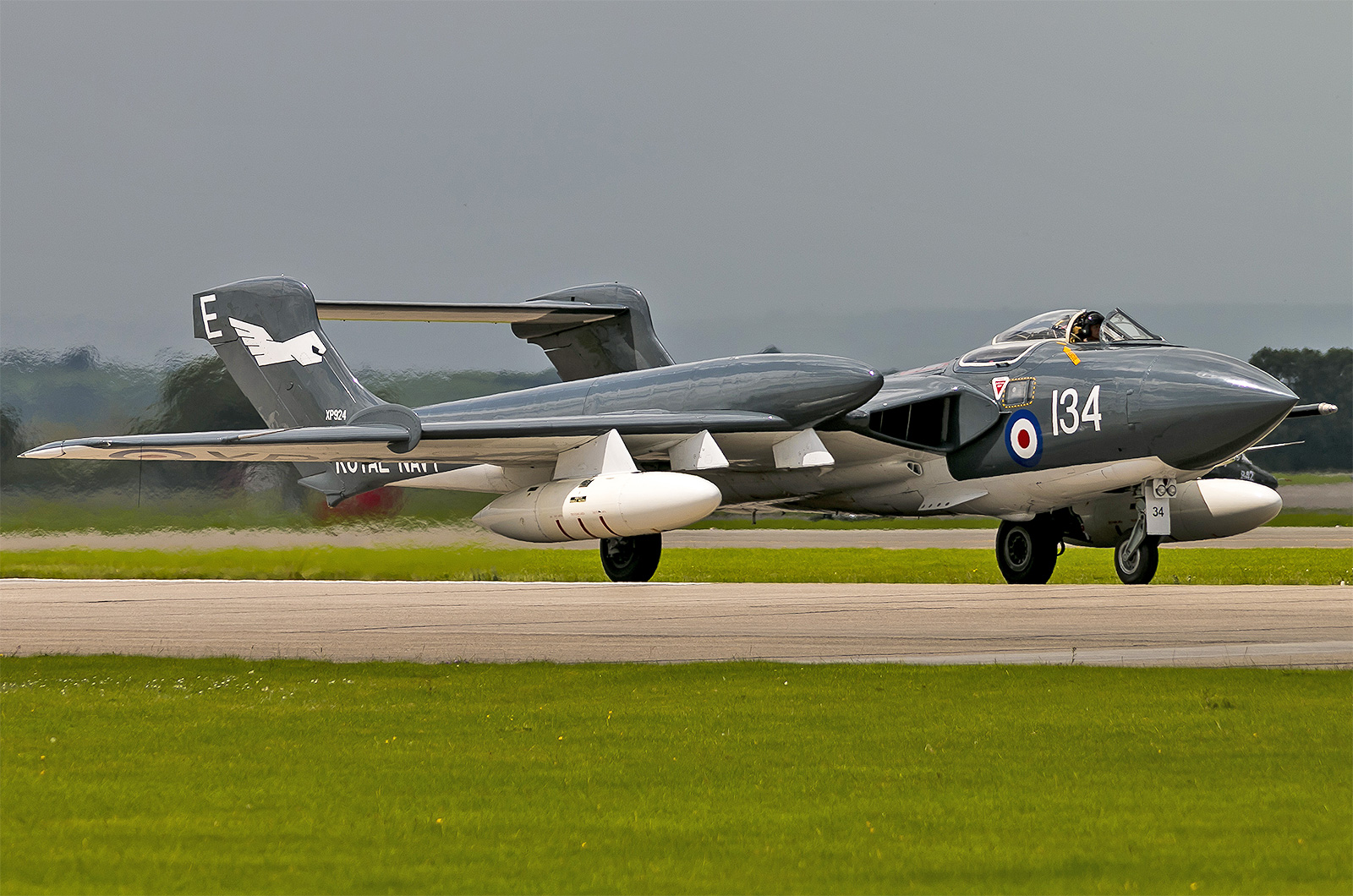
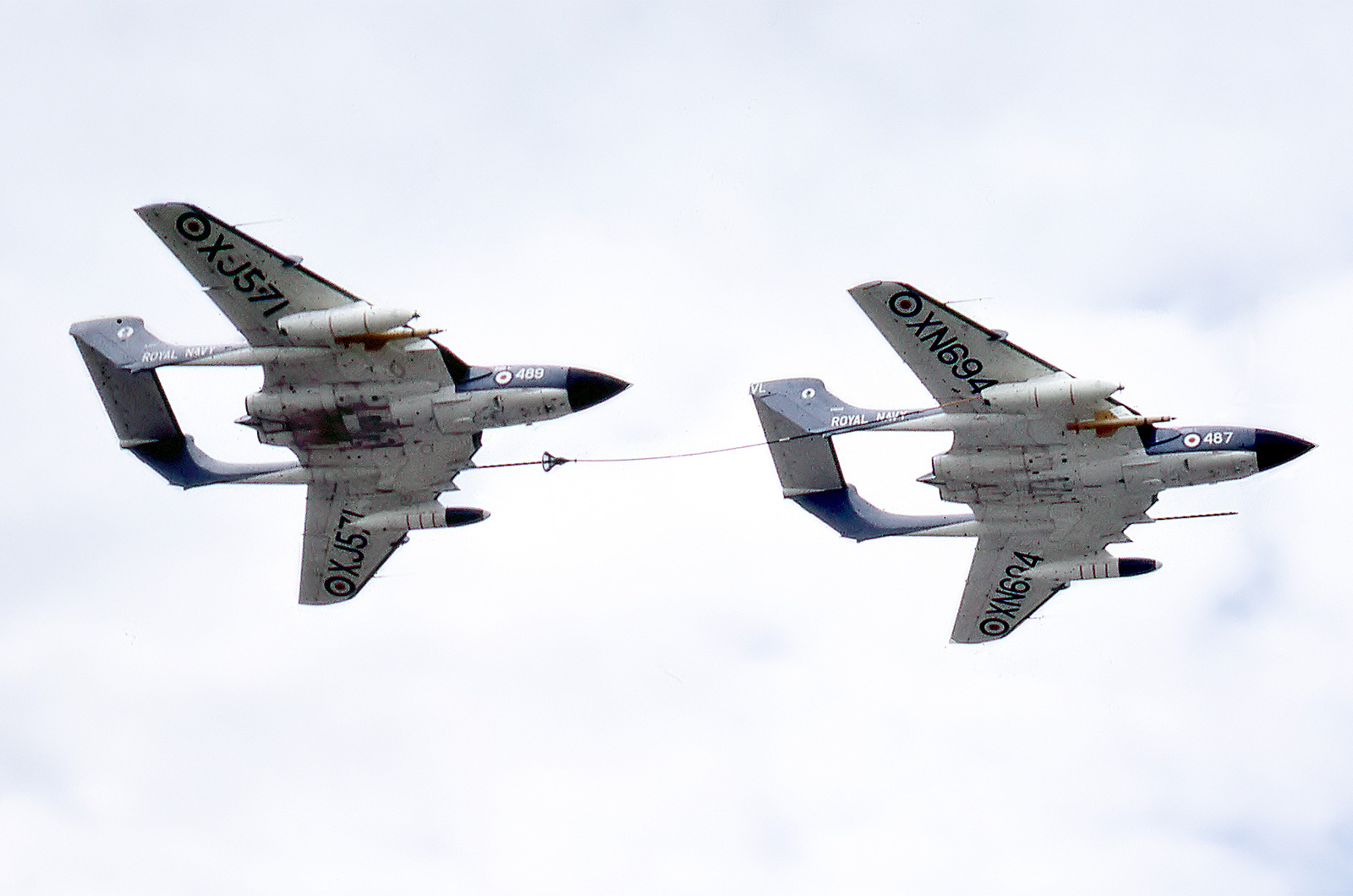
There you have the Scimitar. Extremely maintenance heavy, an inferior fighter to the De Havilland Sea Vixen and a worse bomber than the Blackburn Buccaneer; the Scimitar was certainly not Joe Smith’s finest moment – that had been his stellar work on the rather more famous Spitfire.
9: Supermarine Scimitar
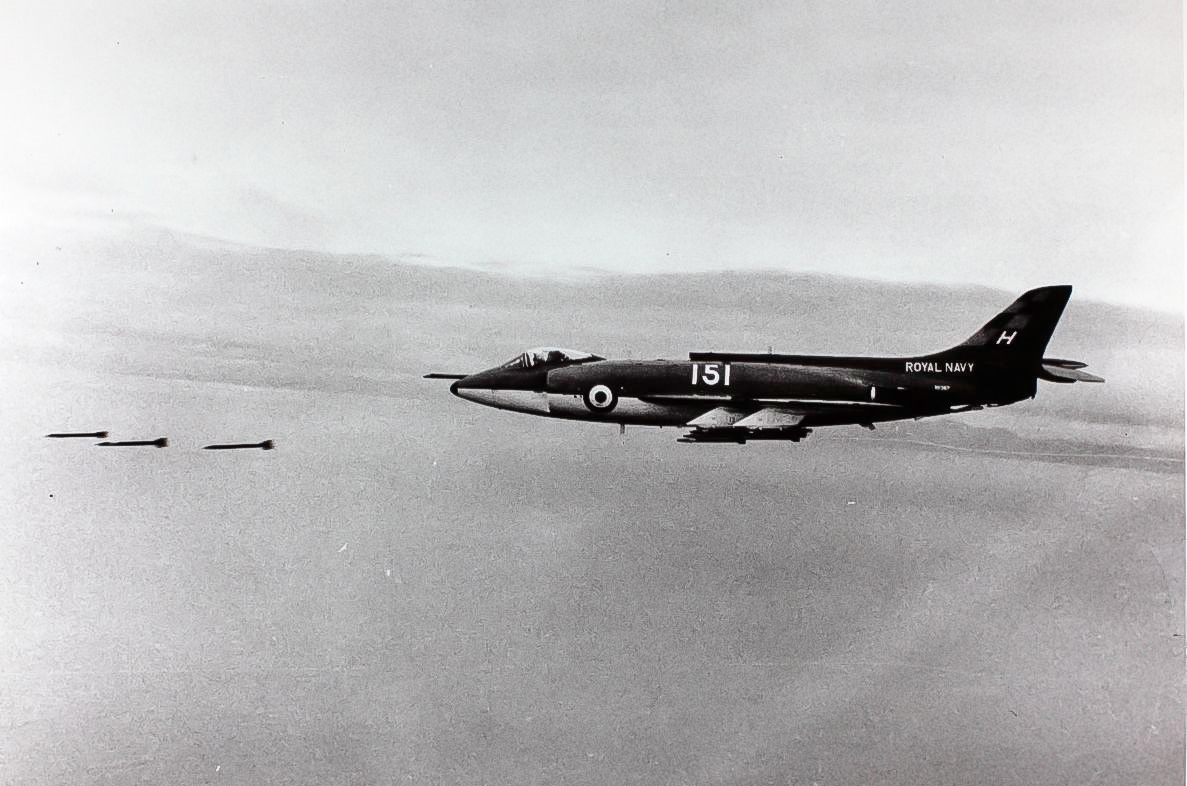
The Supermarine Scimitar was the last Royal Navy Fleet Air Arm aircraft designed with an obsolete requirement to be able to make an unaccelerated carrier take-off, and as a result had to have a thicker and larger wing than would otherwise be required.
Only once did a Scimitar ever such make an unassisted take-off, with a very light fuel load and no stores, and then just to prove that it could be done. But yet the Scimitar was cursed to spend its entire life carrying this heavy overly thick wing.