
Why would anyone opt for a twin-engine setup for a fighter?
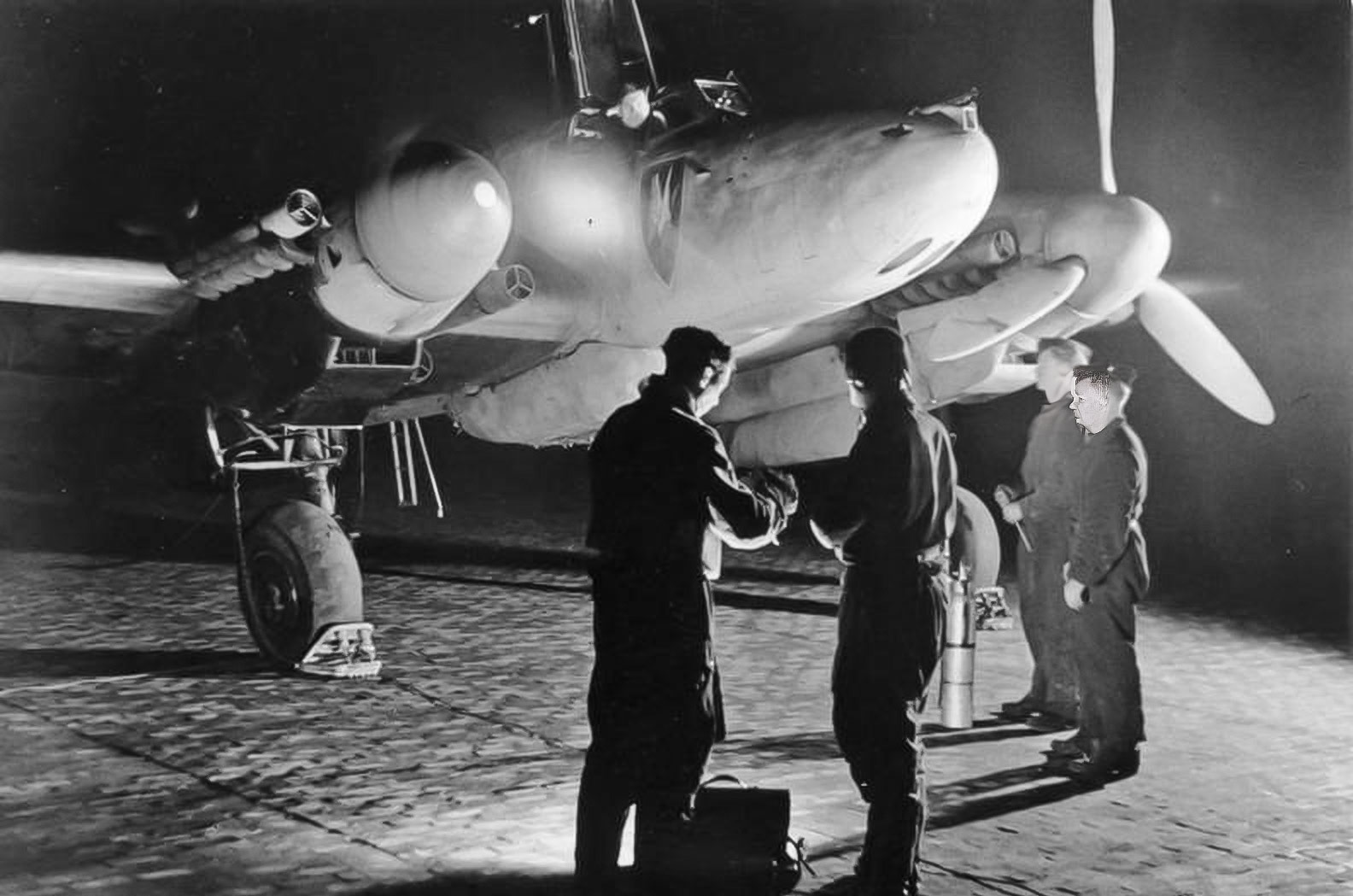
Well, sometimes a bigger aircraft was required for greater range, or armament or a second crewmember to navigate or operate a radar. Here we choose the ten best of this exciting class of aeroplanes, assessing both their performance and their importance in World War II:
10: Westland Whirlwind
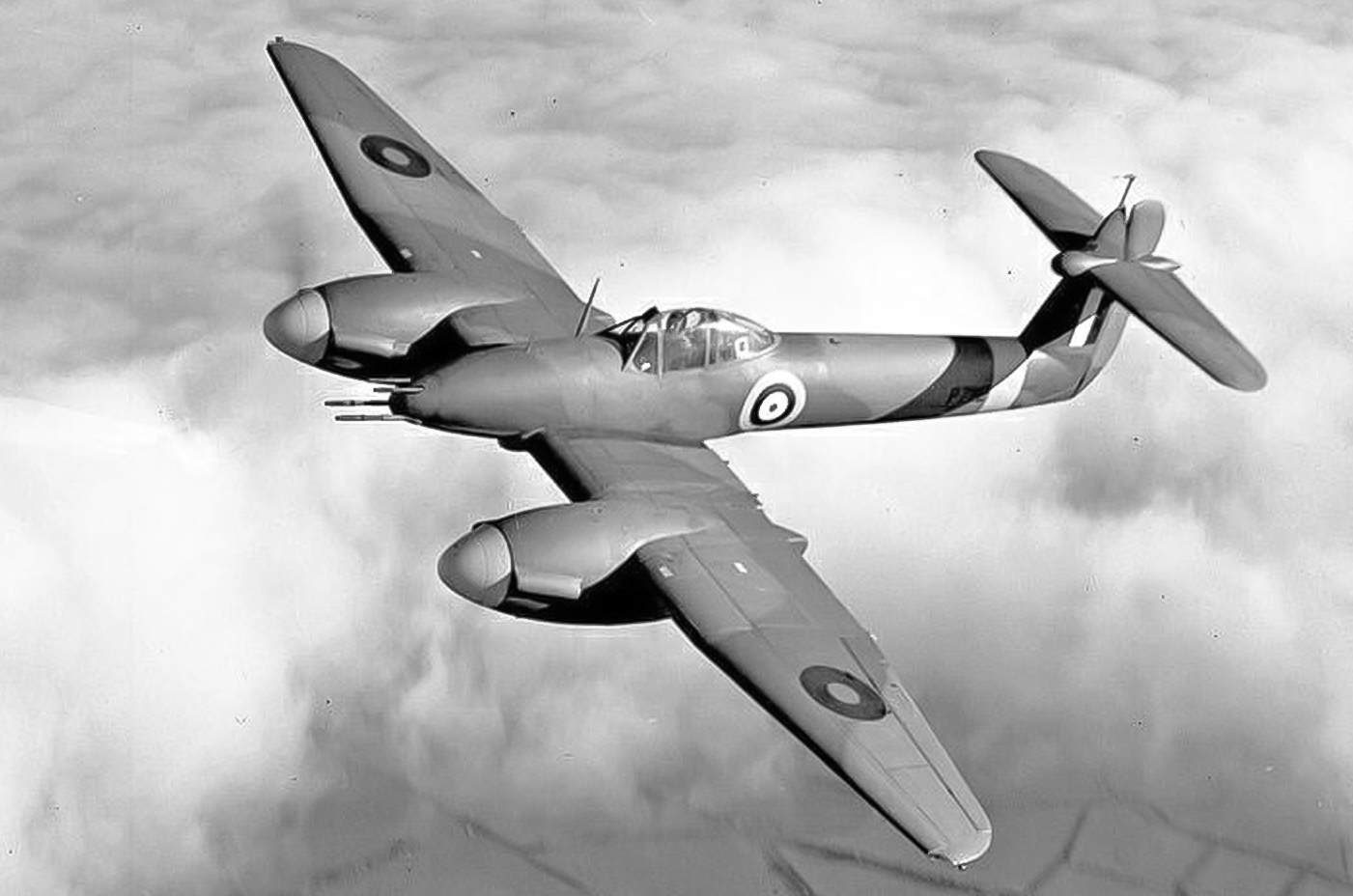
The Whirlwind was a heavily-armed, single-seat, twin-engine fighter designed for high performance, with great attention paid to aerodynamics. The aircraft was powered by two Rolls-Royce Peregrine engines, mounted in closely faired nacelles (the pod that houses the engine), and cooled by a radiator system mounted within the inboard wing structure.
Notwithstanding teething troubles with the engines, the Whirlwind was popular with its crews for its ‘delightful handling’, its heavy armament of four 20-mm cannon and the good view from its bubble canopy. The performance of the aircraft was particularly good at low altitude, being described as ‘superior to any contemporary single-engine fighter’.
10: Westland Whirlwind

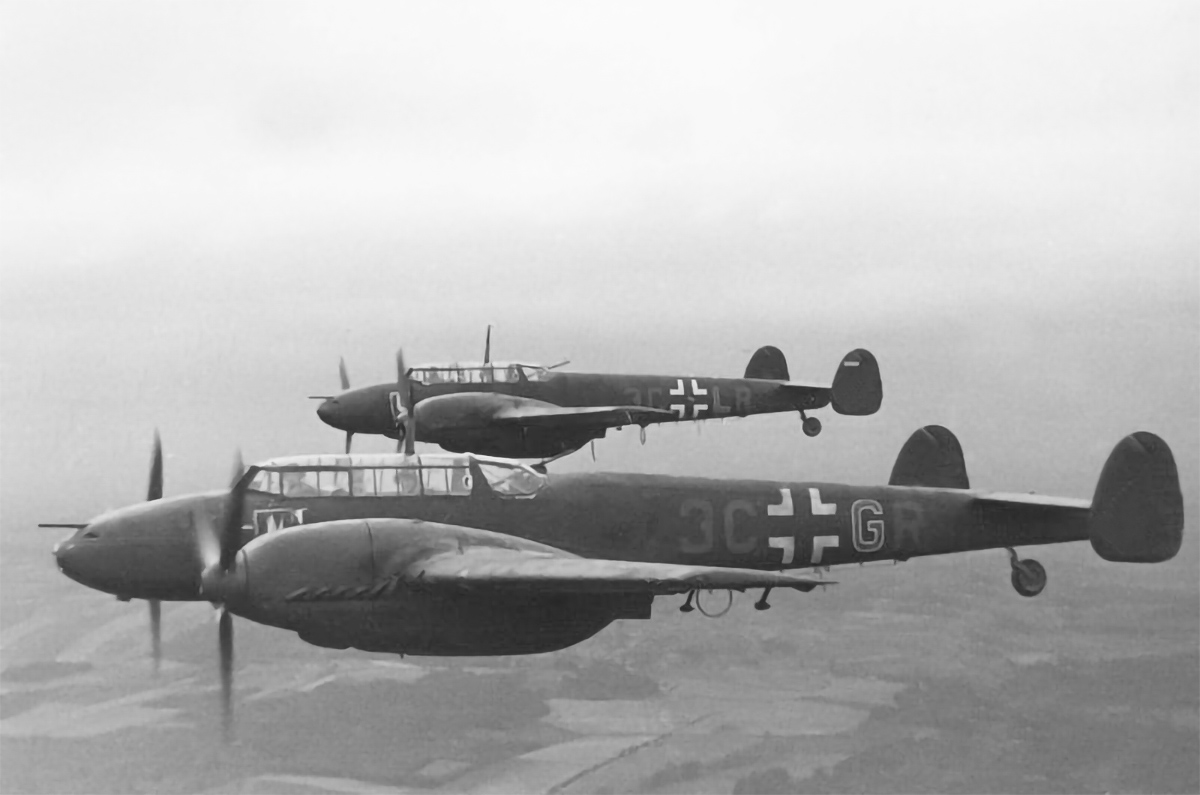
However, performance fell off at higher altitudes, largely because of the engine and propeller choice. Because engine deliveries had delayed the Whirlwind’s operational service until after the Battle of Britain, and because air combat tactics were focusing on higher altitude engagements, only two Squadrons used the aircraft. In one engagement in August 1941, four Whirlwinds were engaged by 20 Messerchmitt Me 109 fighters.
Although outnumbered five to one, the result was something of a draw, with two Me 109s destroyed and three of the four Whirlwinds damaged. In the circumstances, a pretty impressive result, that indicates the quality of the aircraft, at least at low level.
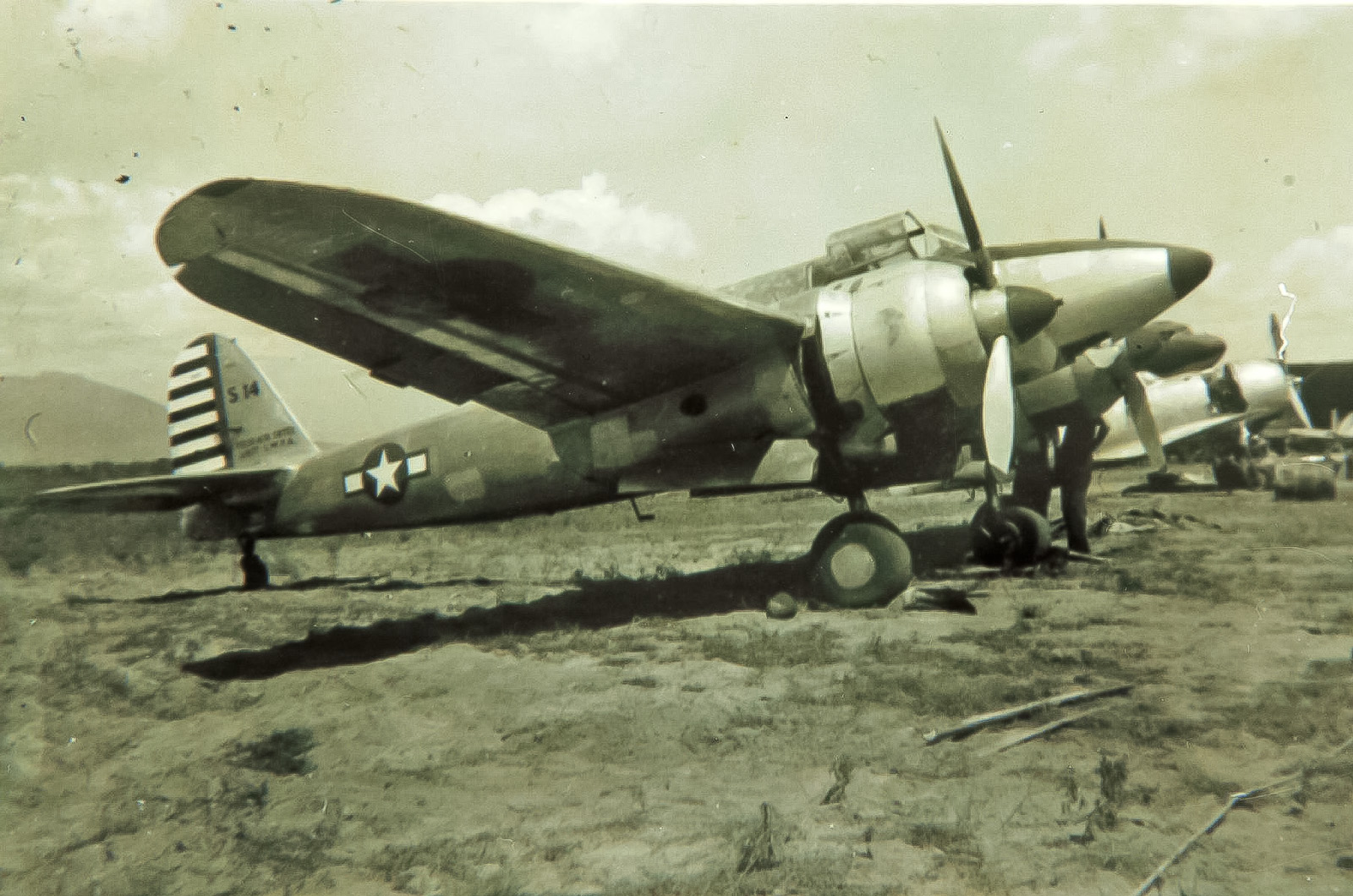
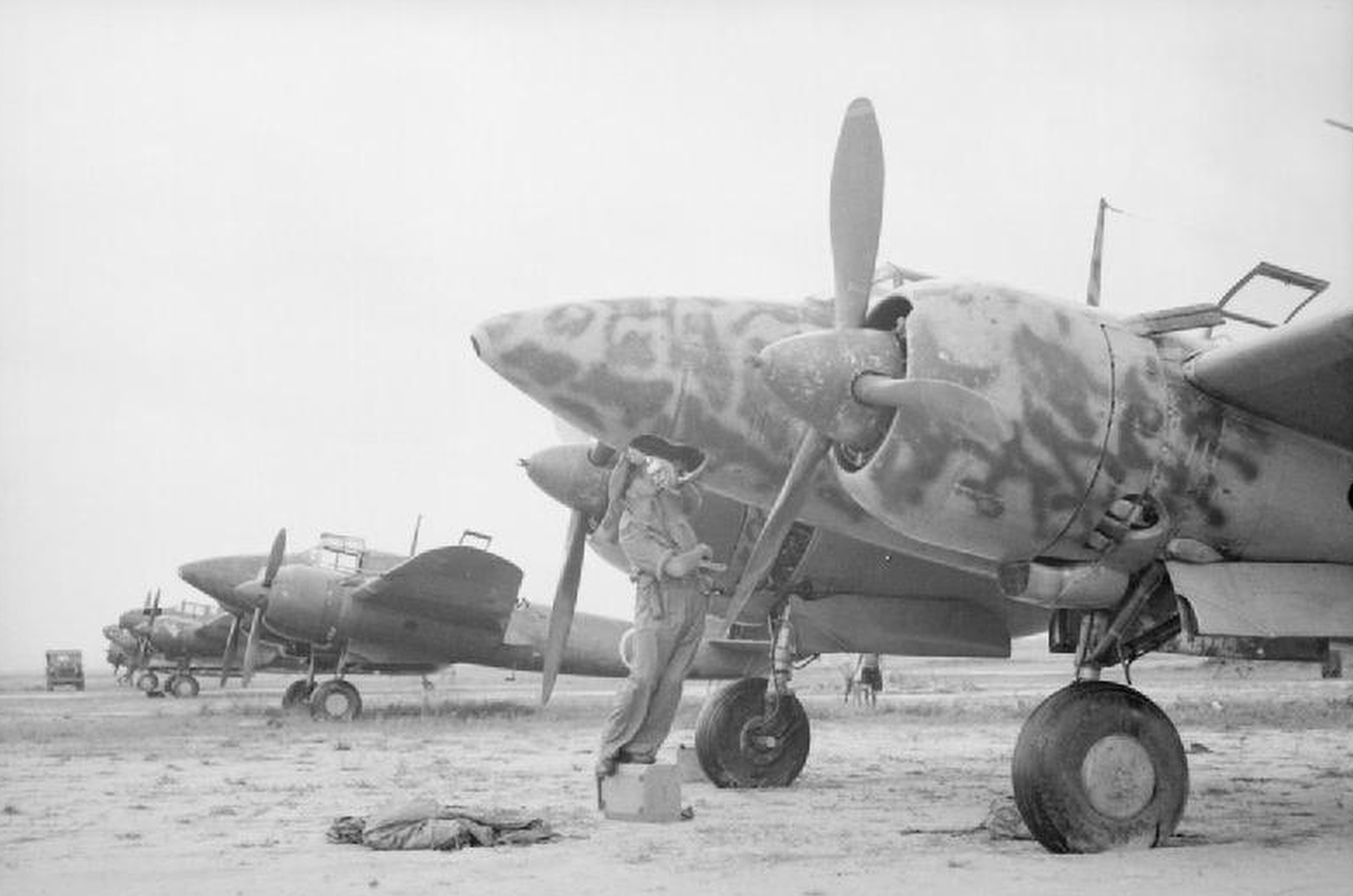
9: Nakajima J1N1-S Gekko
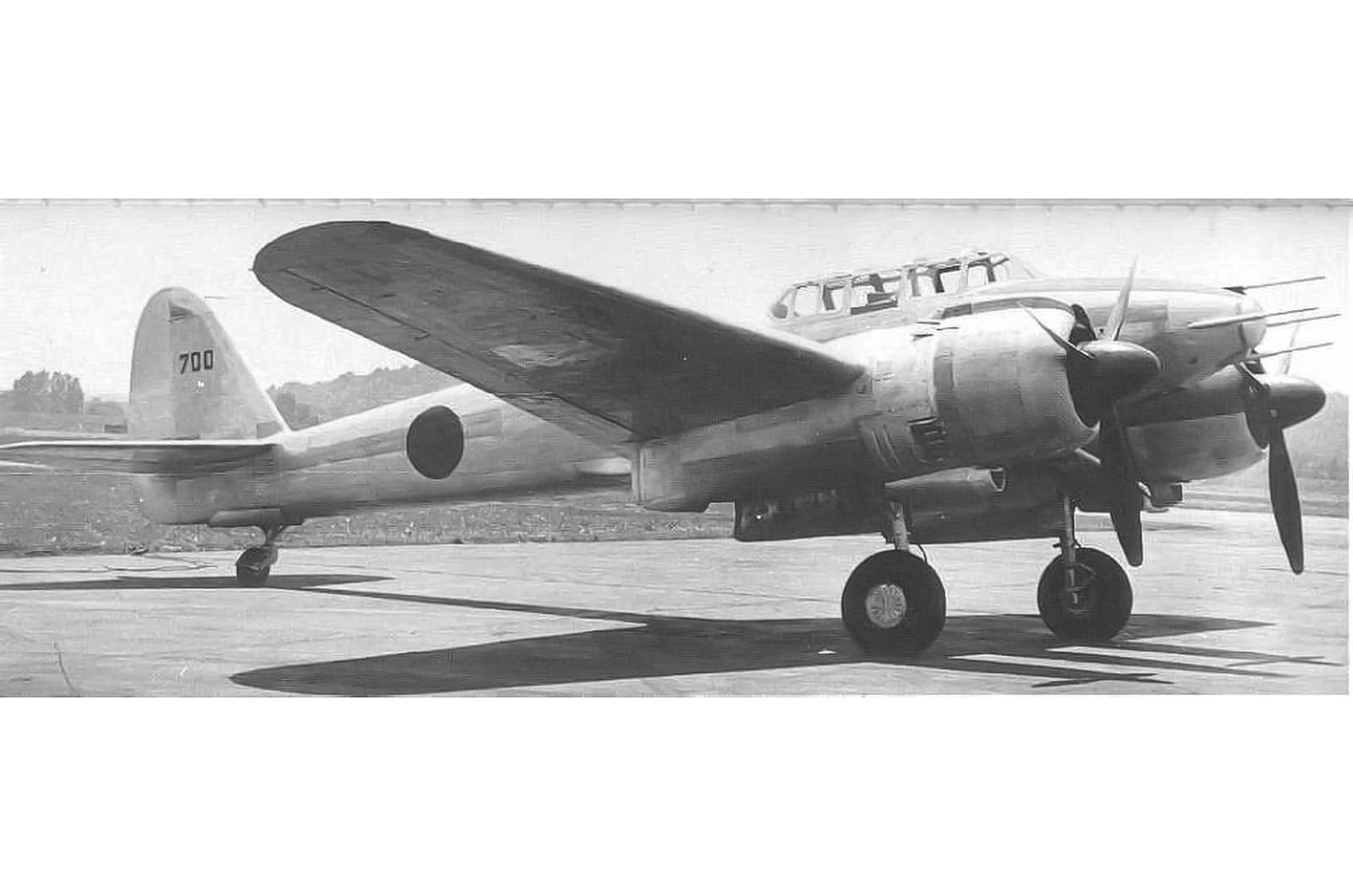
The Nakajima J1N Gekko started in 1938, when it became evident that Chinese air bases were beyond the reach of the Navy type 96 carrier fighters then in service with the Japanese Navy, and that losses were being sustained in the unescorted bombing raids that resulted.
The specification sought good combat manoeuvrability, combined with a long-range of 2408 km (1300 nautical miles), heavy armament (20-mm cannon plus machine guns), and a maximum speed of 322 mph. Initial trials of the J1N1 were discouraging, the aircraft being considered overweight, and with inadequate manoeuvrability, although with good range and speed.
9: Nakajima J1N1-S Gekko
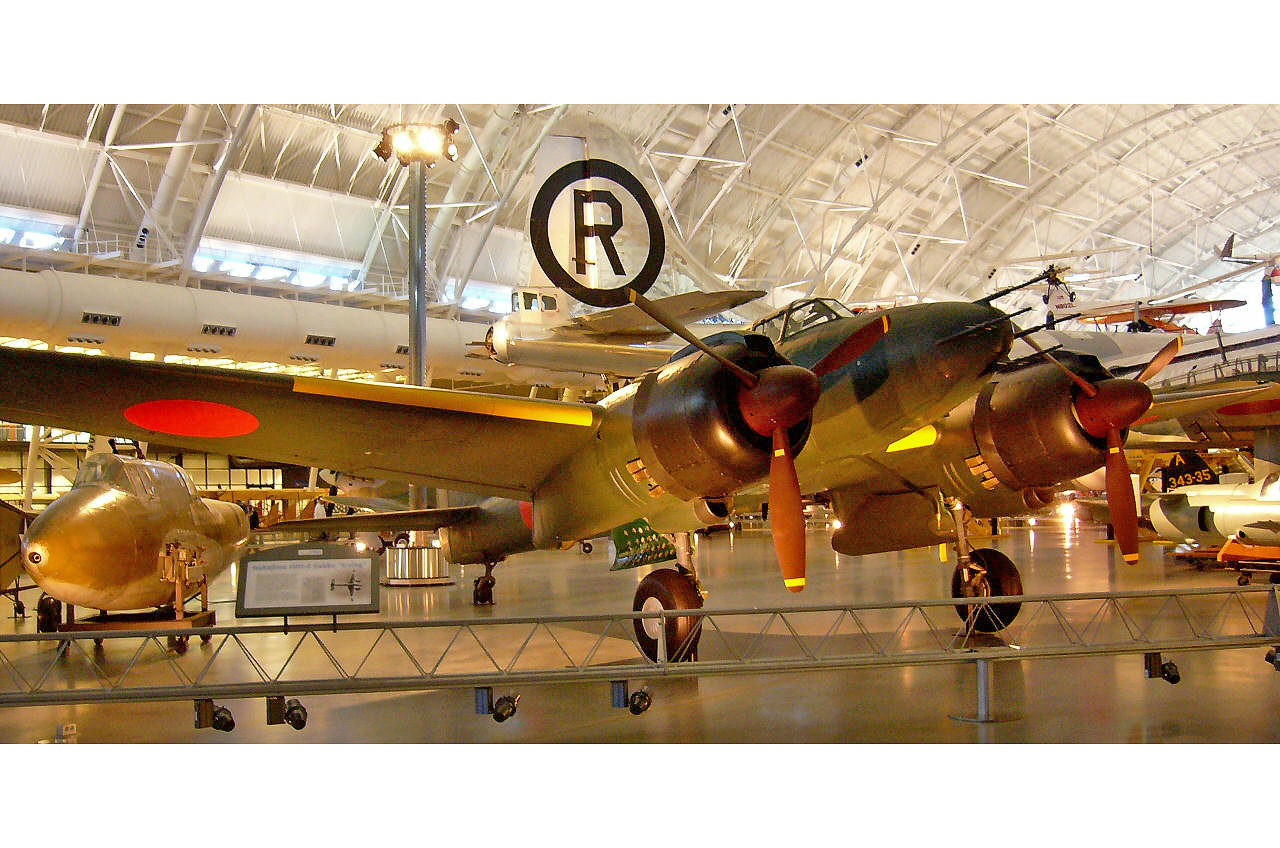
The aircraft was re-designed as a land-based reconnaissance aircraft, and put into service as the J1N1-C reconnaissance aircraft. In 1943, a trial was made, fitting two 20-mm cannon firing upward, and two firing downward as for use as a night-fighter. The success of this trial aircraft in shooting down two B-24s led to the Navy initiating the development of a purpose-built J1N1 night-fighter, the J1N1-S Gekko (Moonlight).
The aircraft proved very effective against the B-24, but less so against the faster B-29. The performance of the aircraft was quite creditable, with a maximum speed of 315 mph at 19,000 ft, and normal range of 1580 miles. A total of 479 J1N1 of all variants were built, at least two thirds of these being J1n1-S or -Sa night-fighters.