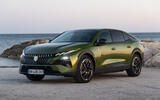
From £36,170

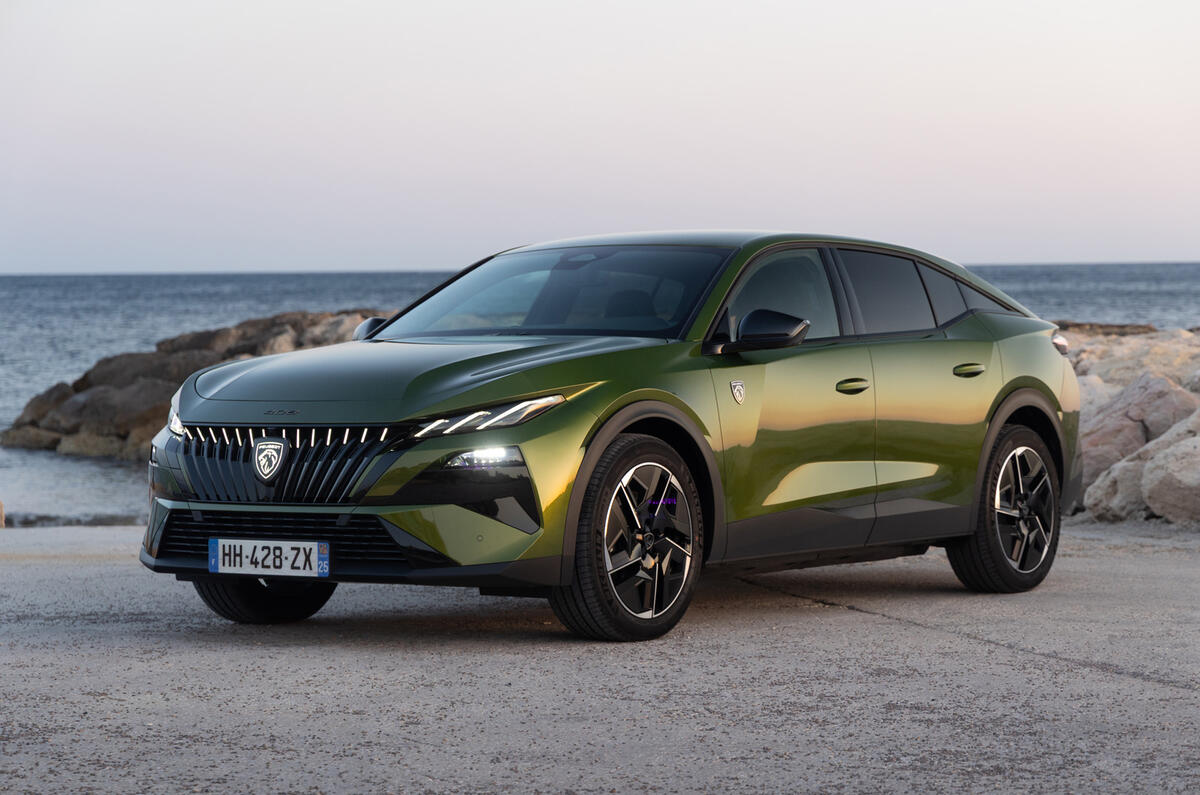
The electric version of Peugeot’s striking crossbreed is updated for 2026

 When the 408 landed in 2022, we were told an electric version of the 4.7m-long liftback-cum-crossover would be just around the corner, but it took its sweet time. 

It took almost three years of delay before the e-408 arrived, by which point the EMP2-based Citroën twin, the C5-X, had been discontinued.

In the revised 408 model range, the EV is only £1500 more than the mild-hybrid petrol and £4500 cheaper than the plug-in hybrid.

Like the internal combustion Peugeot 408, the electric fastback has been updated as part of Peugeot's ongoing range refresh, benefiting from the same design modifications as its internal combustion counterpart. 

In 2026, the e-408 has few direct rivals, but as an amalgamation of bodystyles, there are a plethora of indirect models to beat. The Mazda 6e and MG IM5 are more traditionally low-slung liftbacks, the Ford Capri, Smart #3 and Kia EV6 are more obviously crossovers and the Tesla Model 3 saloon is a benchmark for most in the D-segment. 

How then does it fare against its hatchback, liftback, saloon and crossover rivals? Let’s find out. 

The Peugeot e-408 range at a glance


The e-408 is largely unchanged beneath the metal, retaining a 58kWh battery with a range of 283 miles.

Charging speed is rated at 120kW, which is average for the price, but soundly beaten by the Tesla Model 3 and Mercedes CLA, both of which hover closer to 200kW.
Advertisement
Back to top

DESIGN & STYLING

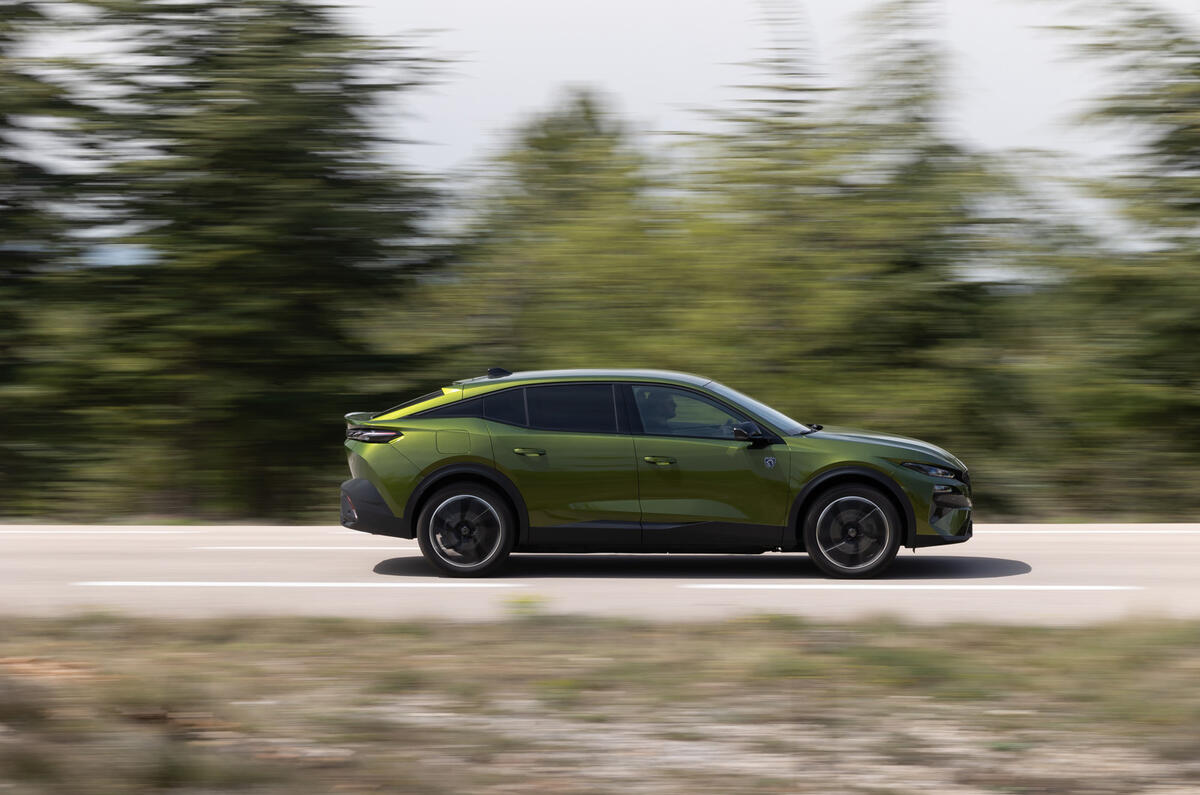
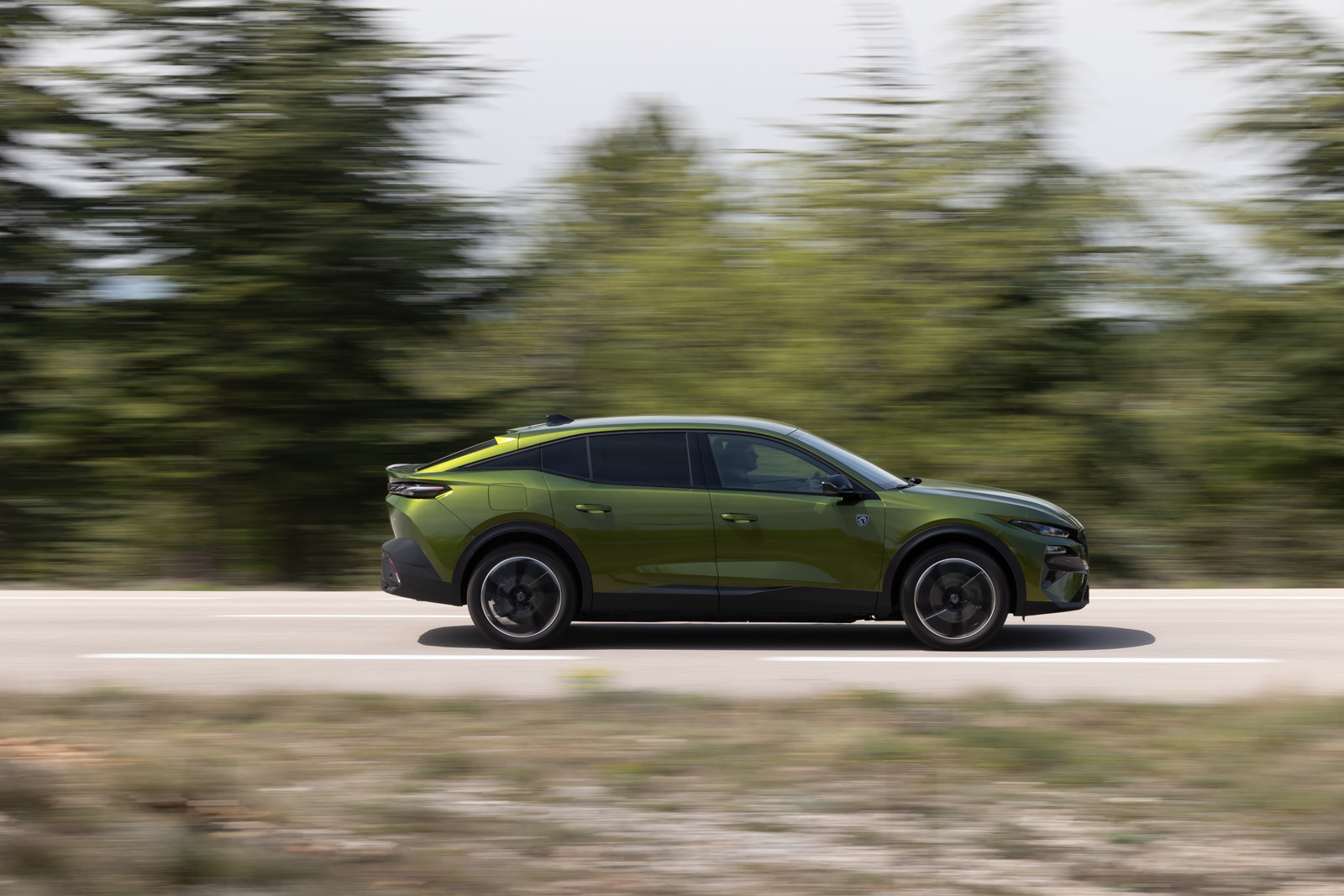
e 408 side

The Peugeot e-408 is equipped with a 58kWh battery and a 210bhp electric motor. 

The e-408 is front-driven and uses a combination of MacPherson-strut front suspension with a torsion beam at the rear, all controlled by a passive spring and damper combination. 

Less black plastic cladding would help the e-408 look even sportier

In terms of footprint, despite its considerable presence, the 408 is shorter than the old Peugeot 508 SW and only a fraction longer than the current BMW 3 Series saloon.

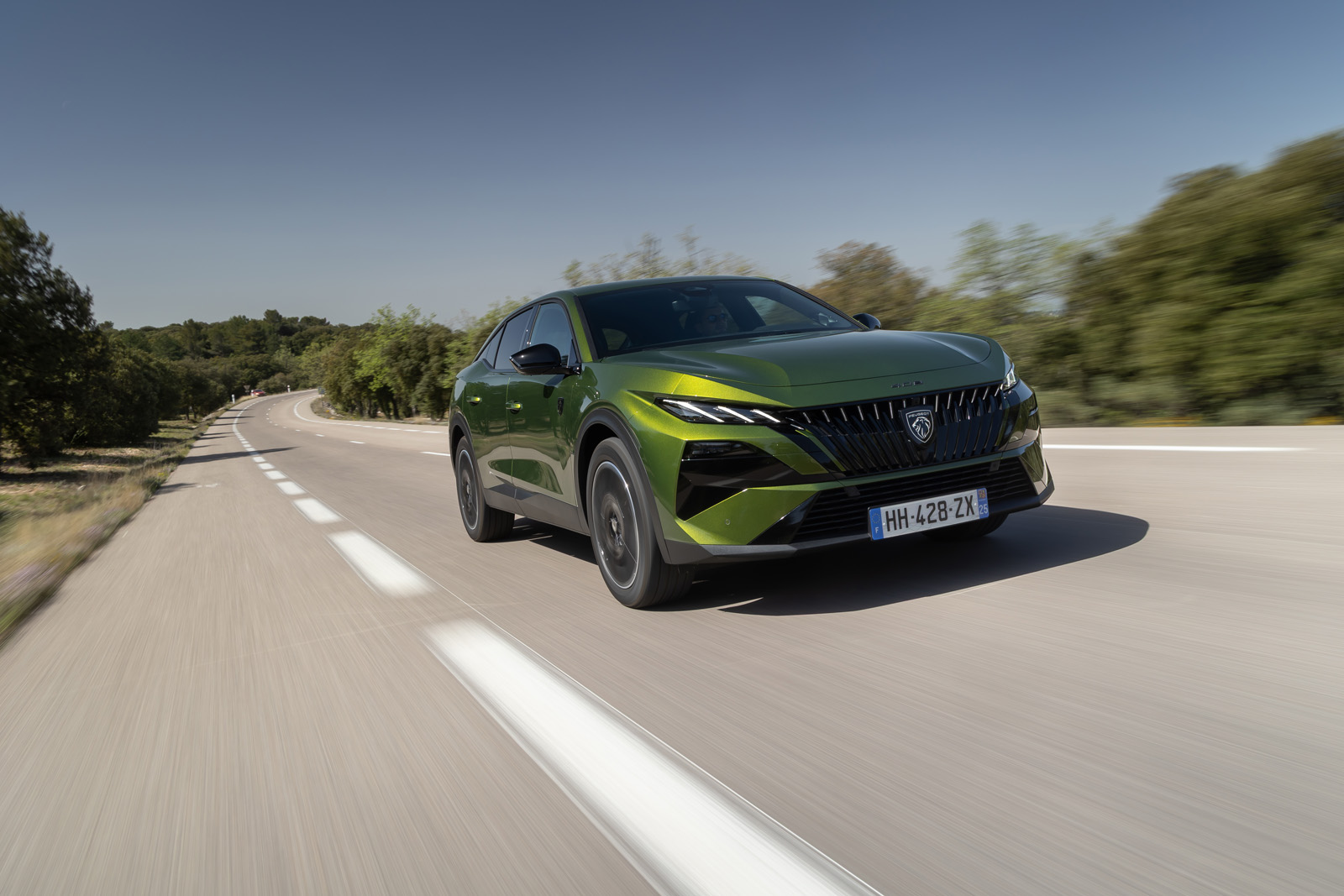
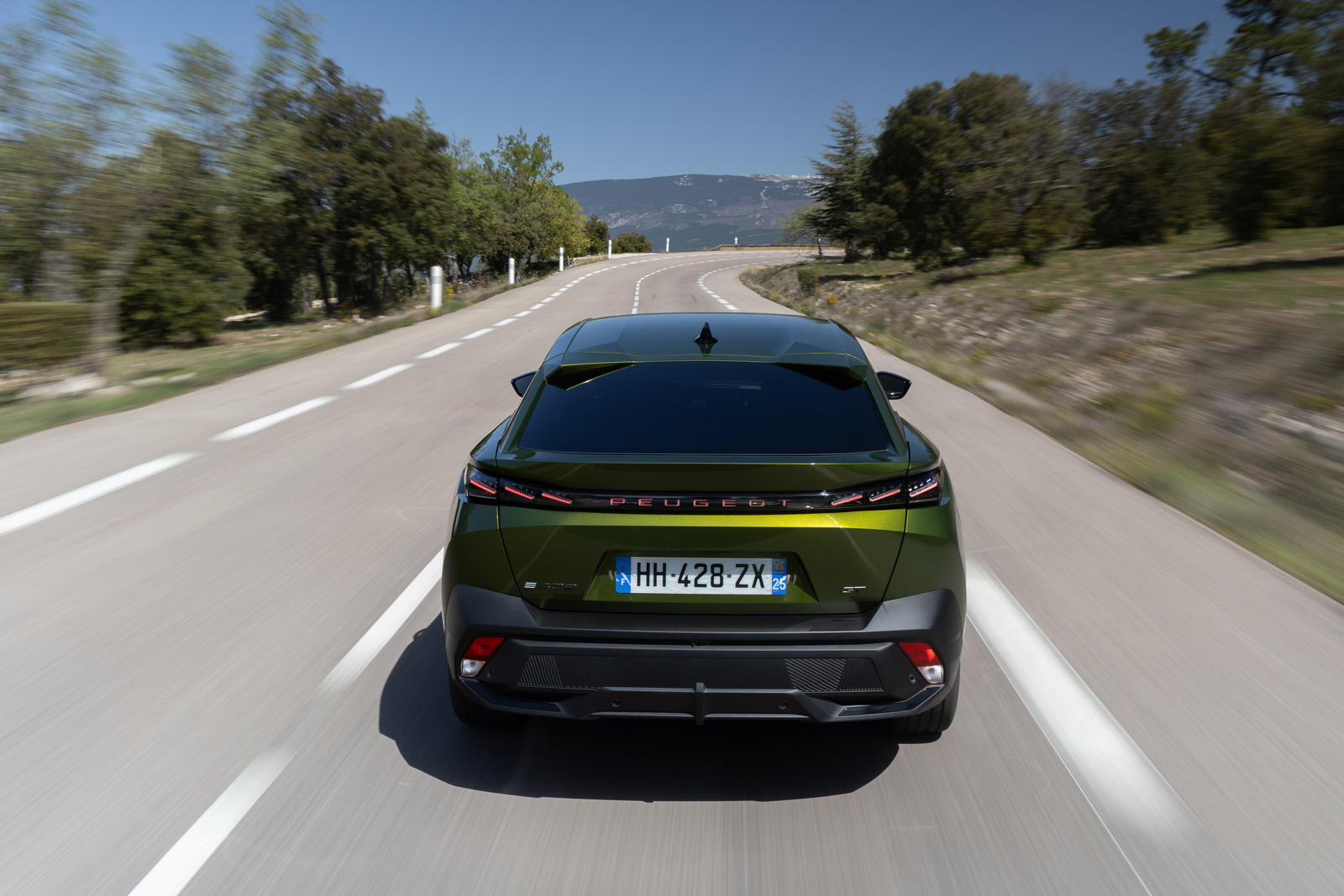
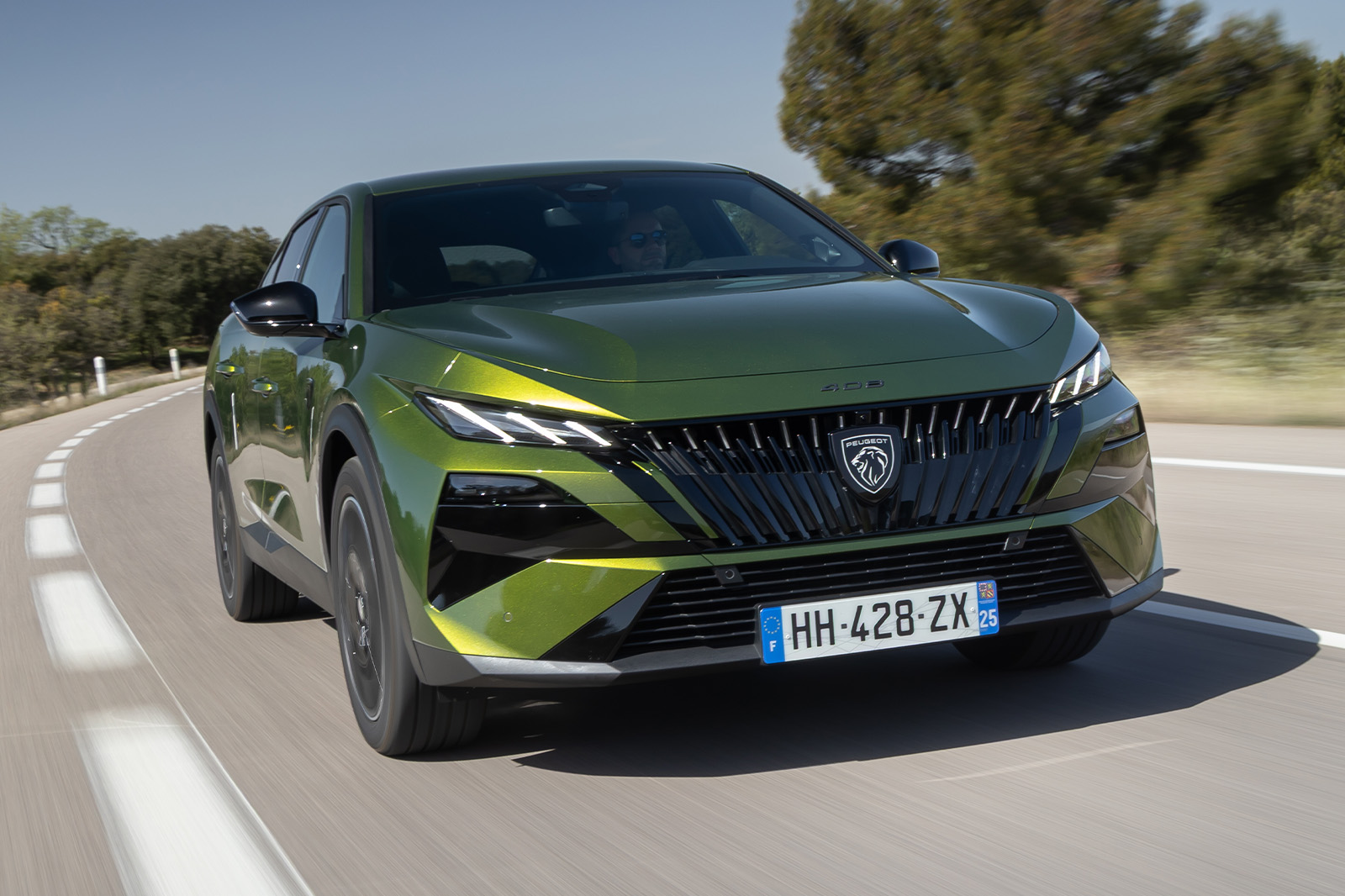
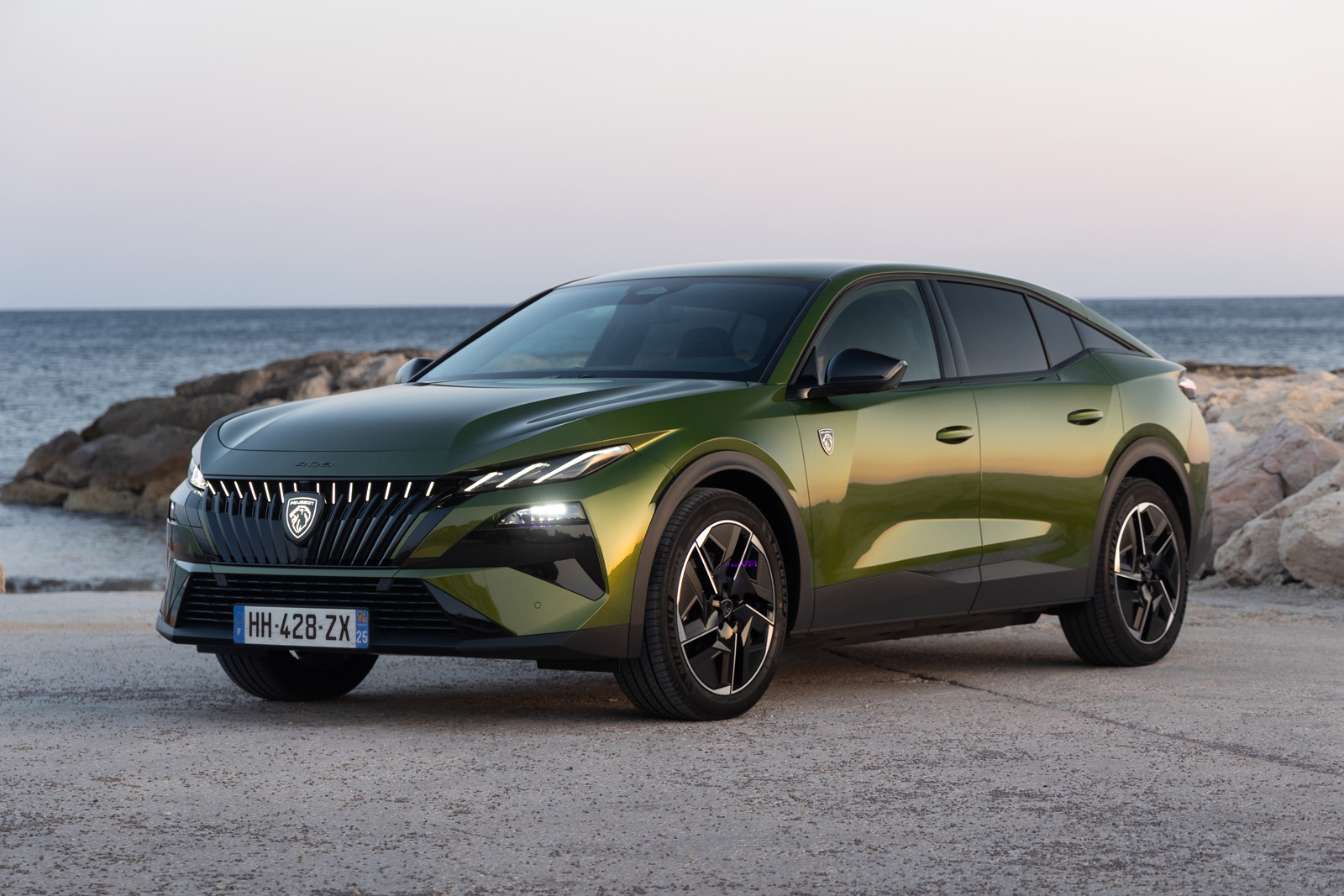
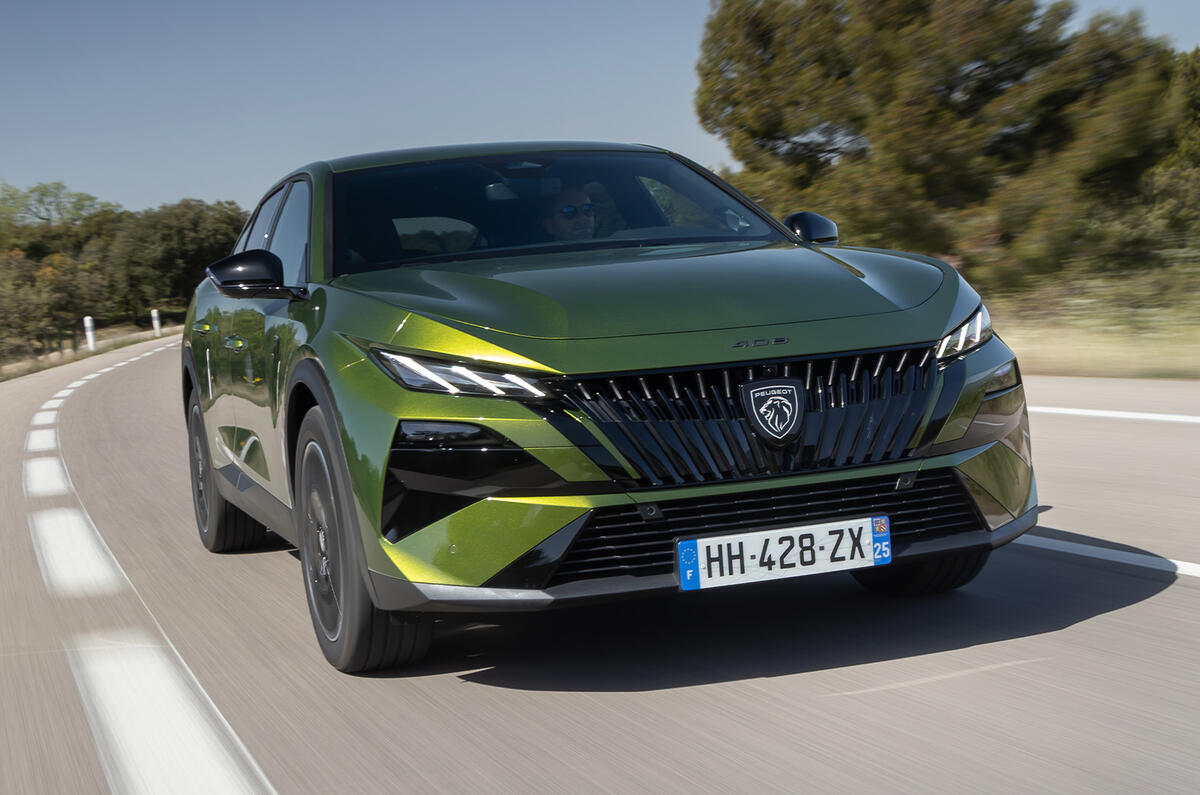
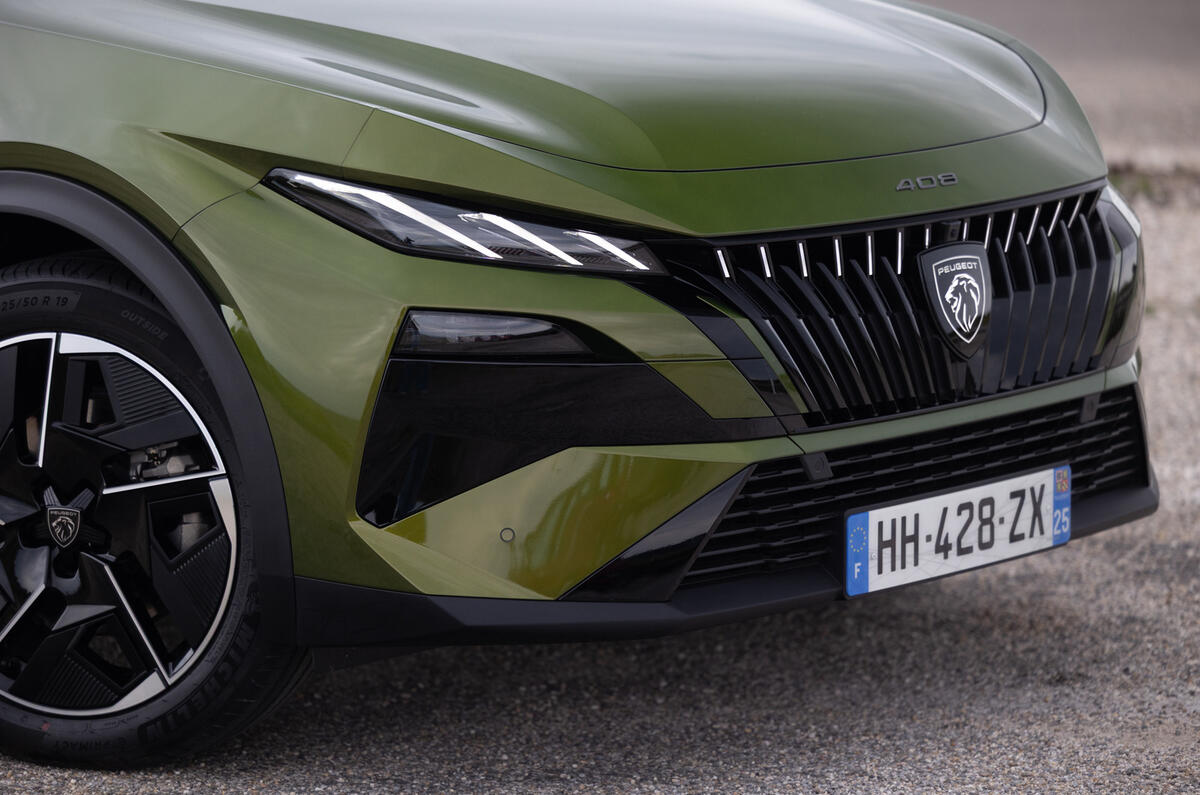
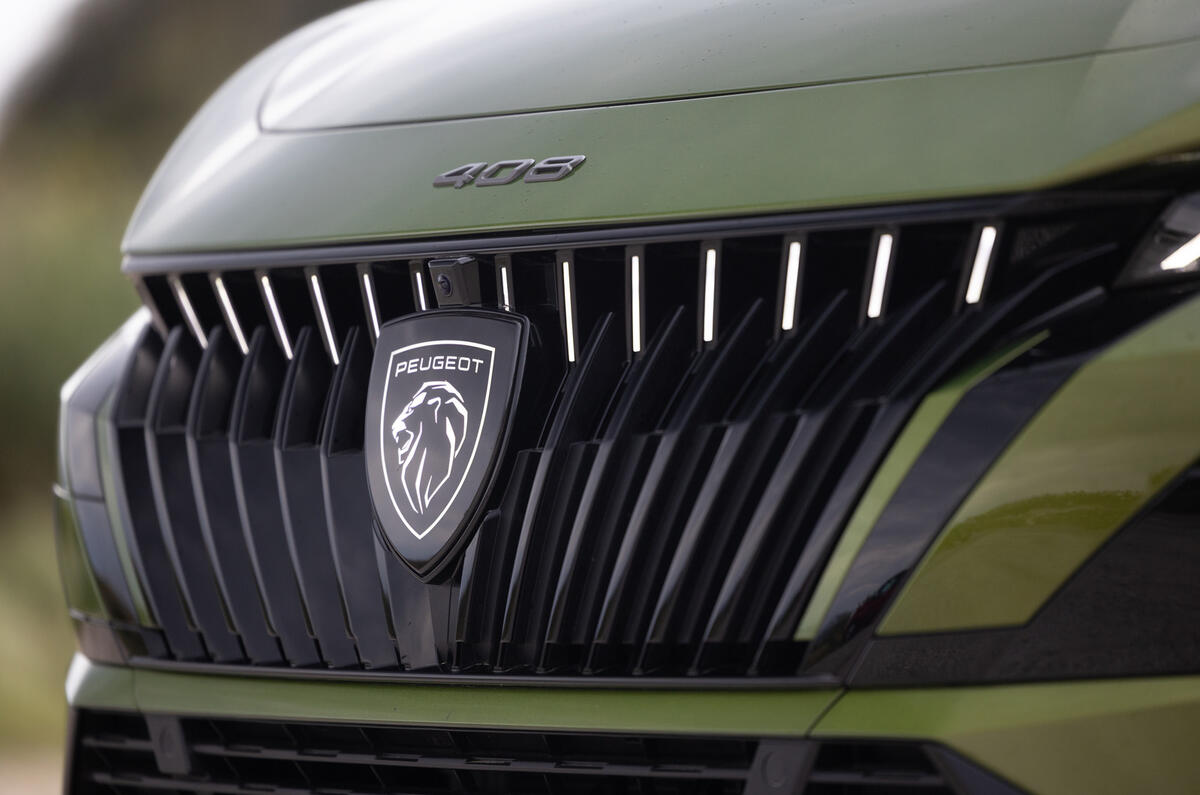
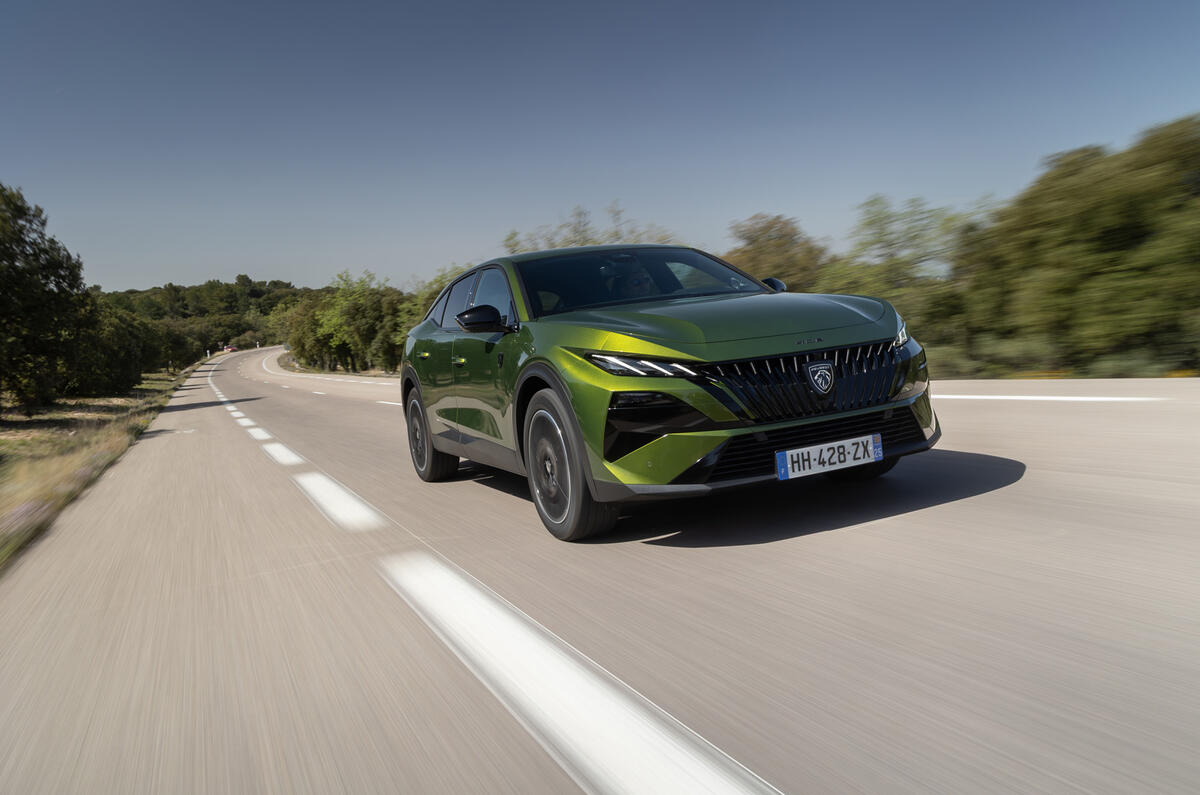
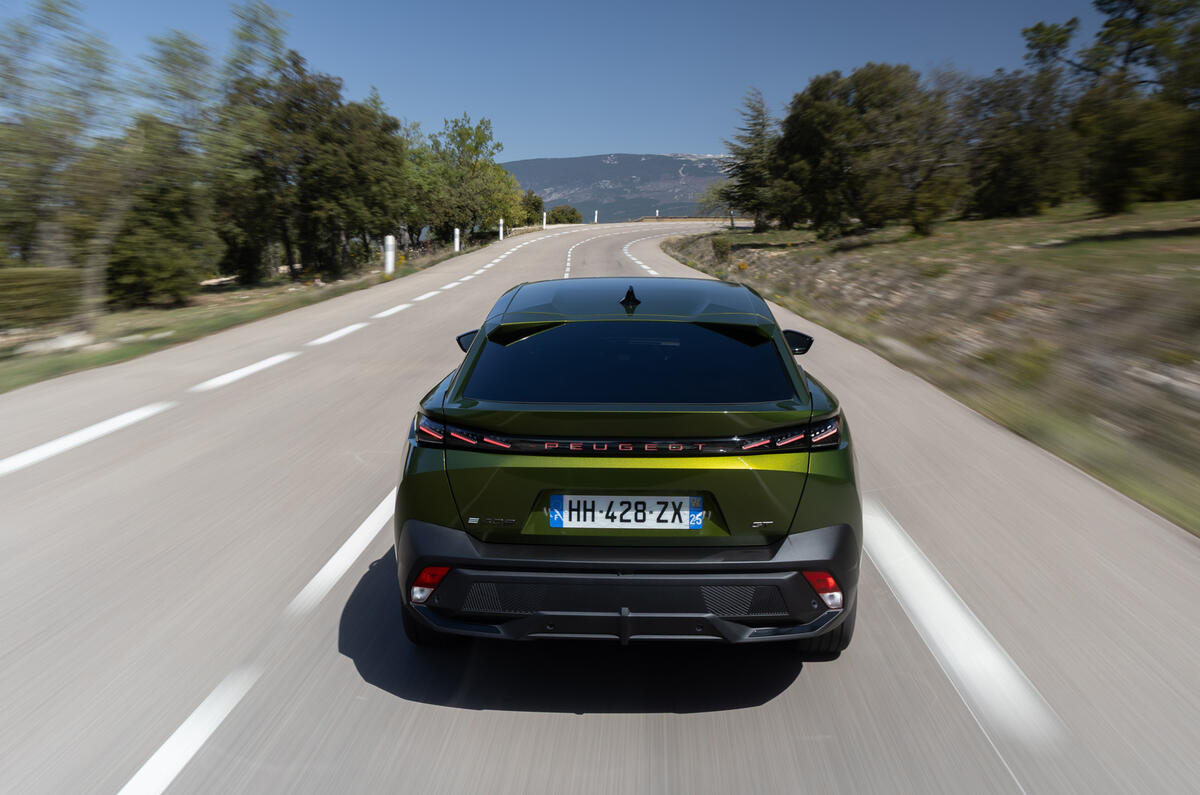
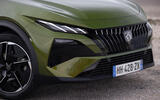
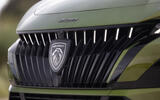
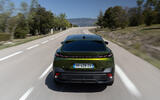
Sharp creases in the body panels, pronounced haunches and wheel-arch claddings all play their part in making this car unmistakable, as of course does the silhouette and the LED fangs at the front.

Some drivers might be disappointed with the e-408’s 283-mile range figure, but the French firm has added new quality-of-life features, including battery preconditioning, vehicle-to-load charging and plug-and-charge software to replenish the battery more conveniently.  


INTERIOR

PEUGEOT 408TESTDRIVE 2464

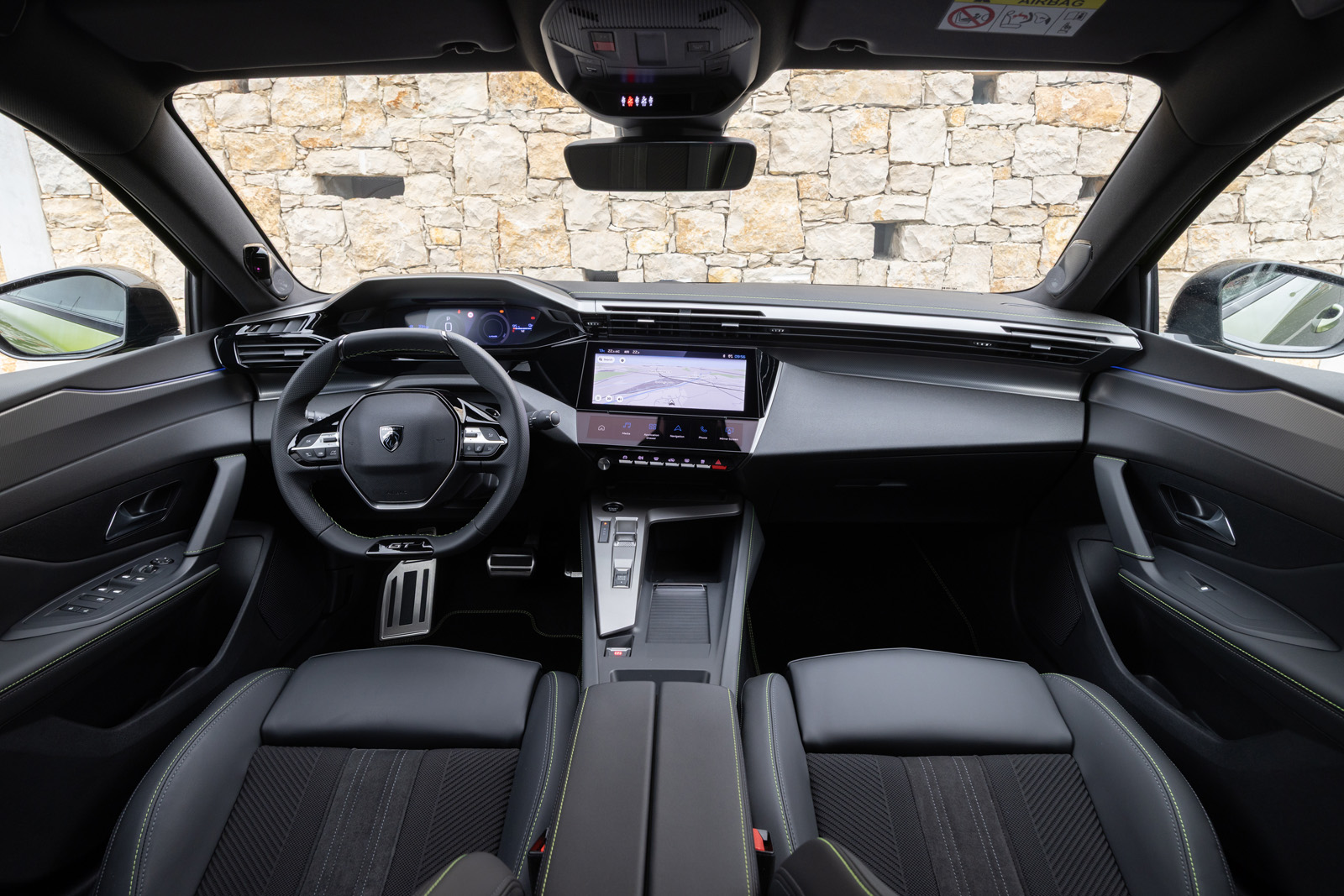
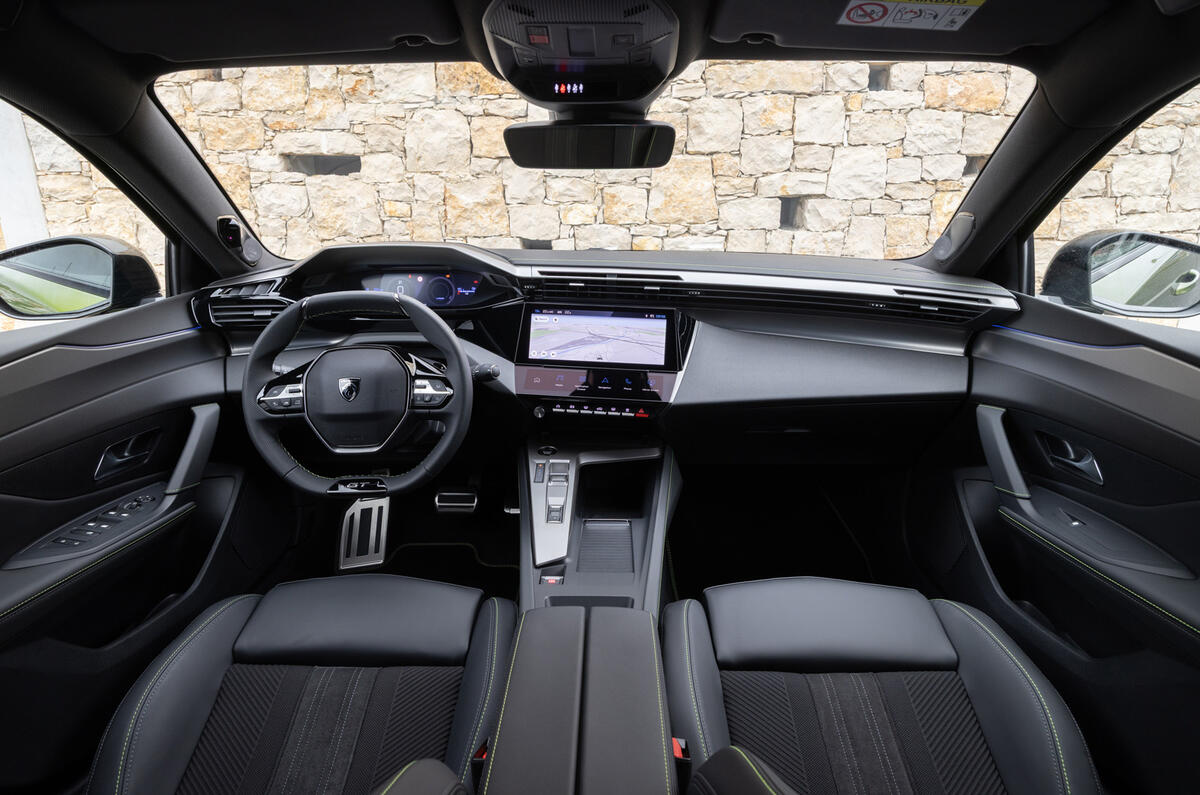
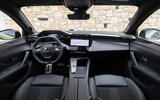
Like the exterior, the interior of the e-408 is taken straight from the ICE 408.

It’s mostly good news: a pleasing design, a well-screwed-together feeling and satisfyingly damped switchgear. 

The suede effect on the doors and dashboard is lovely. A little more would help to lift the ambiance further.

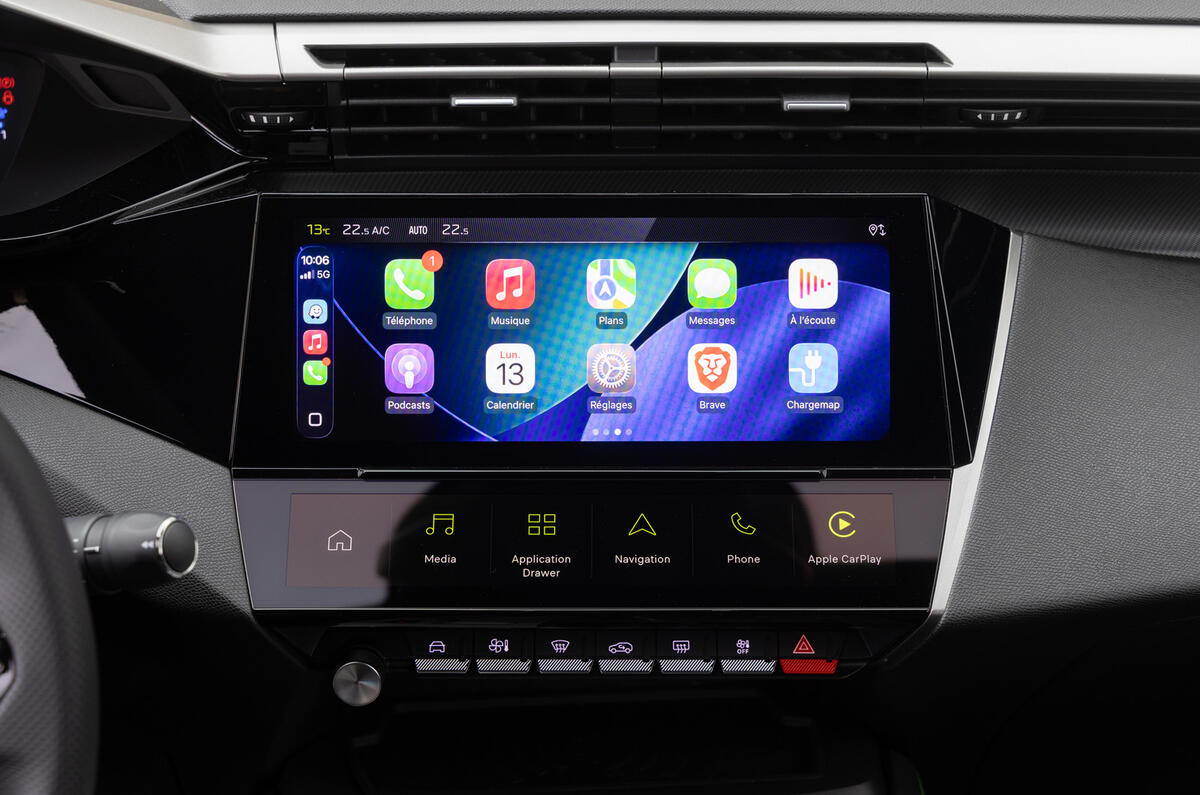
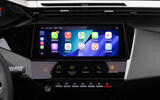
Infotainment and ADAS can be the biggest bugbears with new cars, but for the most part, the e-408 impresses. The main touchscreen is clear and easy to use, with a good mix of buttons for almost all of the main controls, except for temperature, heated seats and steering wheel.

The screen pairs with a row of touchpad toggles, which allow quick and convenient access to vital features. 

Peugeot's i-Cockpit system is paired with a new digital driver's display. It's crystal clear and customisable, but some drivers may find they have to adjust their normal driving position to be able to see over the oddly-shaped steering wheel.

The e-408 gets a new driver monitoring camera; our testing showed that intrusion was well managed and less agitating than some rivals. It's easy to switch off anyway, at the push of a toggle.

Adaptive cruise control is standard and it generally works well, apart from behaving erratically when changing lanes. Frustratingly, though, it removes the option of being able to use ‘normal’ cruise control. 

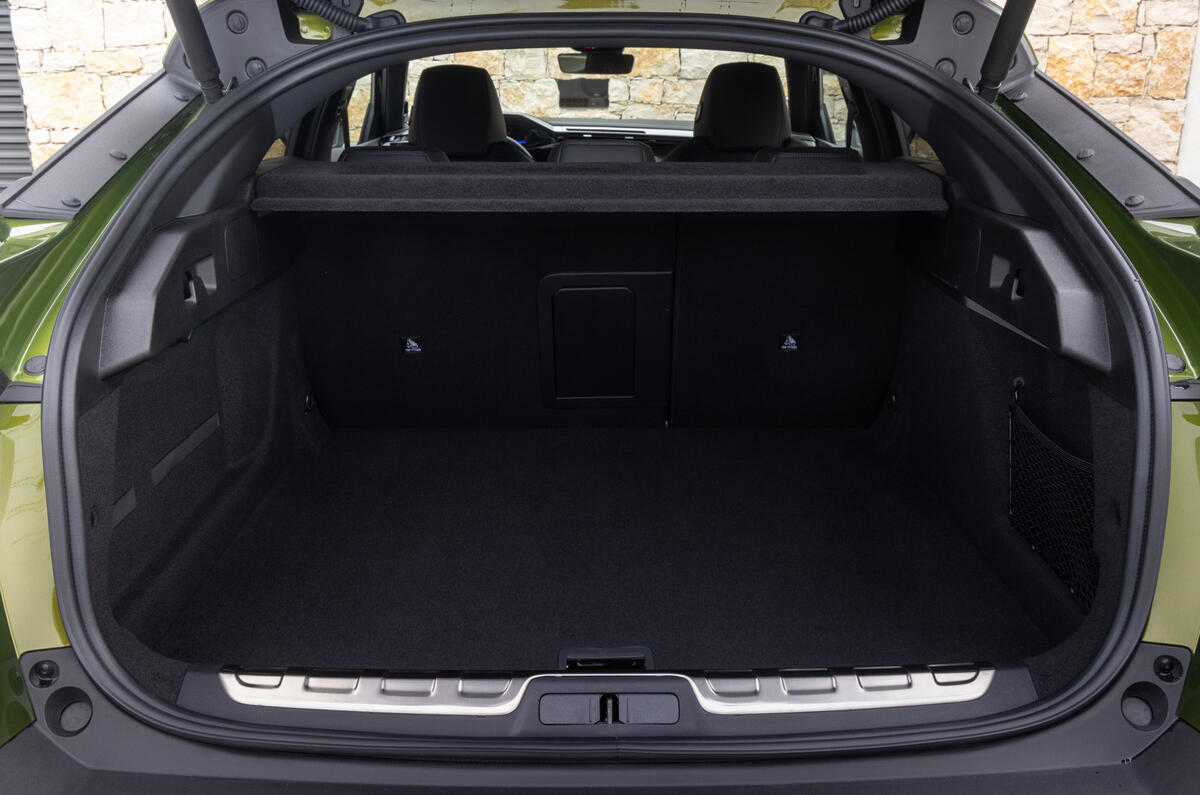
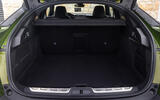
In terms of practicality, there's good in-car storage throughout and a long but shallow 471-litre boot (plus a little underfloor space).

There are Skoda Octavia levels of rear leg room, but a distinct lack of under-thigh support, and the seat bases are set at a steep angle, which proves uncomfortable for some. Headroom is limited and will be tight for six-footers.  

ENGINES & PERFORMANCE

408 driving fast

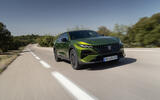
At 210bhp and 253lb ft, power is unchanged, but it’s the fastest 408 available, hitting 0-62mph in 7.5sec.

Power is delivered with typical smoothness, and save for a slight motor whir, it’s a serene place to sit with good isolation. Performance is strong below 40mph, which is reflective of the upgraded electric motor and relatively light kerb weight (1800kg) compared with rivals.

When you're accelerating in damp conditions, the available instant torque disconcertingly pulls at the steering wheel.

However, acceleration at higher speeds, while still acceptable, isn't as impressive as in alternatives like the IM5 and Model 3. 

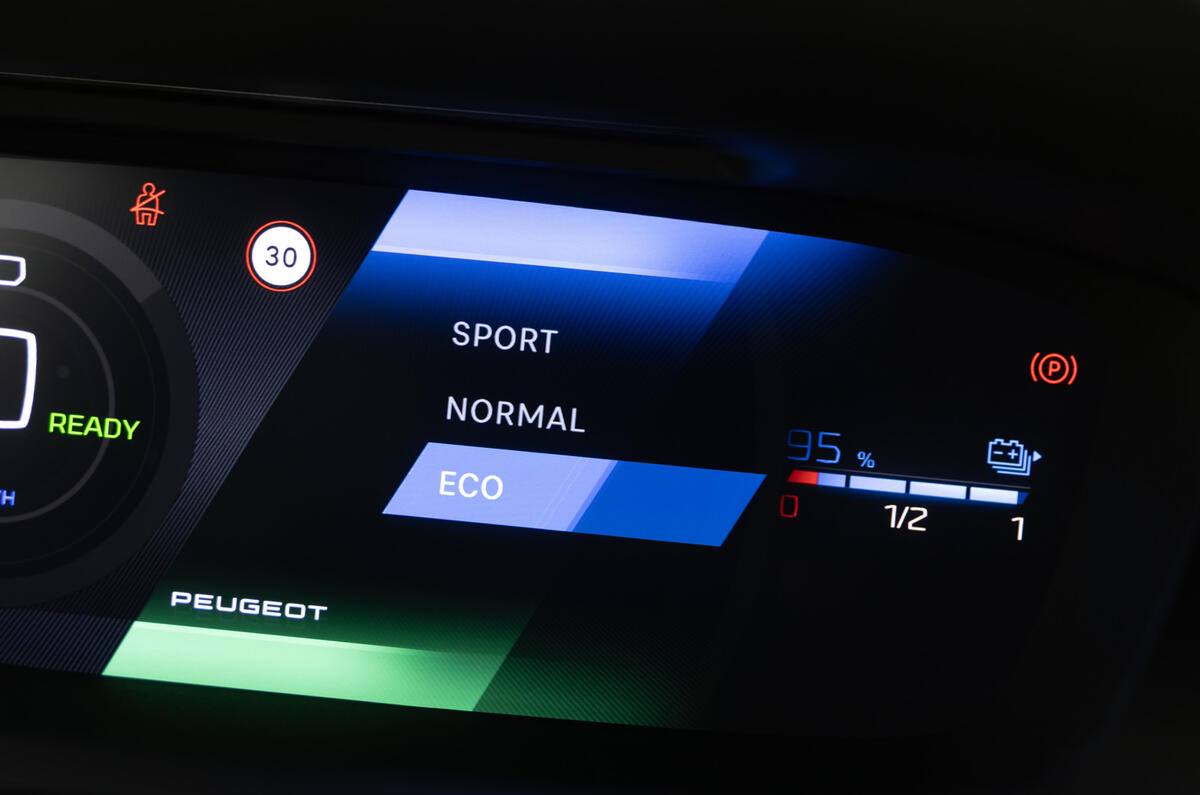
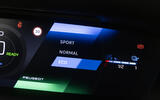
Sport mode gives the full 210bhp (normal mode is restricted to 187bhp) and an instantaneous throttle response. It’s welcome on the open road, but if left on can make the throttle jerky to use and overly eager while manoeuvring.

Eco mode restricts power to 158bhp and reduces the effectiveness of the HVAC to limit energy consumption. 

RIDE & HANDLING

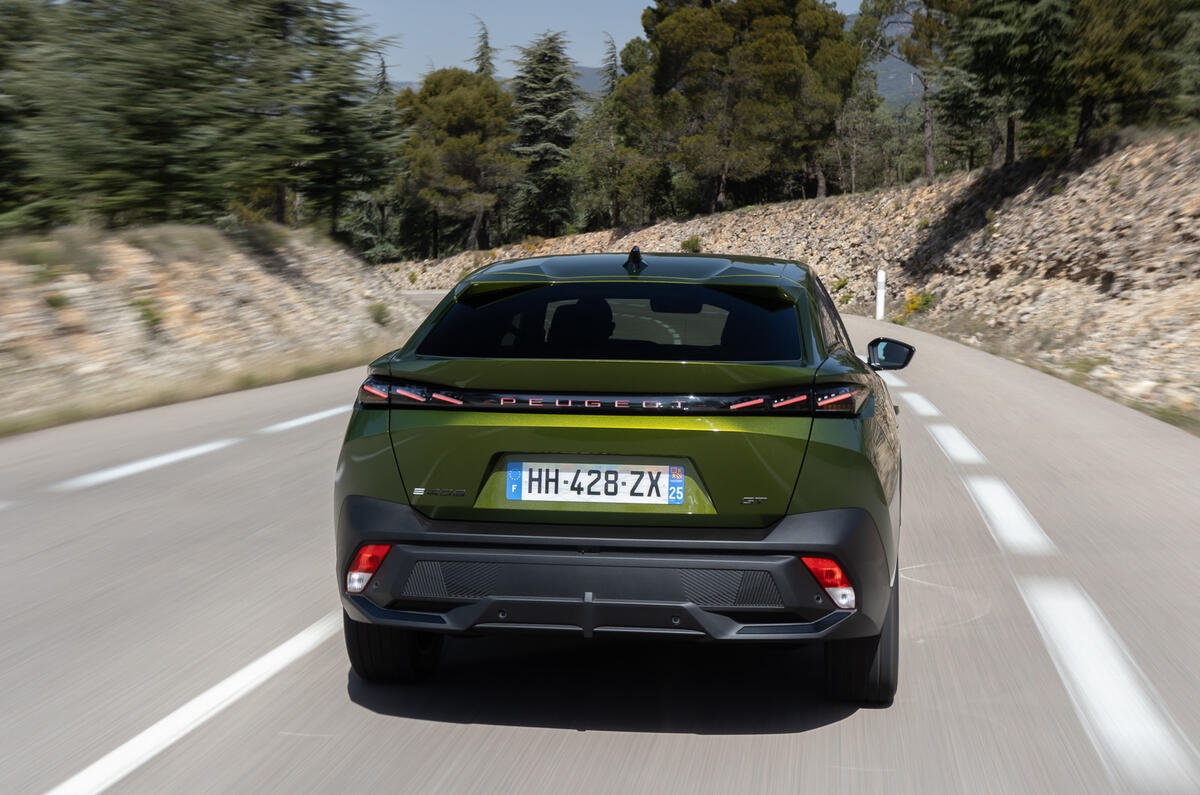
408 rear head on

If the e-408 has a hallmark attribute beyond the way it’s styled, it's the surprisingly engaging and polished handling. 

The steering is nicely weighted, direct and complements the firm ride. Driving the e-408 is genuinely enjoyable when going along at seven tenths. 

The e-408 is at its best on the motorway; you feel like you'd be able to do a lot more than 200 miles in one hit, which is the most you'll get out of the battery at 70mph.

However, some of the dynamism we appreciated in the mild hybrid is lost here with the extra weight. Push it any further and the previously held satisfaction writes a cheque that the Michelin e-Primacy tyres and 1800kg mass can’t cash. In general, the e-408 prefers to be driven in a more relaxed manner, incongruously to its sporty looks. 

Out on the road, the e-408 is not quite as comfortable as its petrol counterparts, but it fares well enough compared to its competitors at this price point.

At times, though, it can feel crashy over speed bumps and potholes as the chassis is sensitive to vibrations.

Motorway refinement is excellent, with minimal road and wind noise and a ride quality that feels settled by the weight of the batteries rather than disrupted by it.

The optional Focal sound system is also worth a mention for its excellent clarity, further boosting the e-408's credentials as an ideal motorway companion.

It takes a damp road to uncover the e-408’s only real weakness, which is traction. The front axle can scrabble awkwardly when pulling swiftly out of the junctions or exiting tighter corners. It’s a relatively minor qualm for a car that will, in the main, be driven sedately, but worth noting. 

MPG & RUNNING COSTS

7
Peugeot e 408 front

Value is where the e-408 becomes an interesting prospect. Few cars of this size are as well-priced, and the car certainly offers interior space, plentiful legroom for passengers and a sizeable 471-litre boot.

Price-wise, it’s close to the Renault Scenic E-Tech and far cheaper than the Model 3, the Mazda 6e and the IM 5. It could be a bit of a value champion, especially when you consider it launched at £42,175 a few years ago.

For those who can't charge on a cheap tariff at home, the efficiency of the e-408 might appeal, even if you do have to make more regular stops.

Our toasty test drive through southern France, with constant air conditioning use, saw an economy figure of 3.0mpWh. That’s equal to 174 miles of real-world range, which is by no means fantastic (Peugeot rates the car at 4.0mpkWh in mixed use). 

The sticking point for the e-408 to be a consummate motorway cruiser is the less-than-stellar range and 120kW maximum charging speed.

The IM5 and 6e will go a little farther on every charge and fill up significantly faster at the other end – and crucially, both offer long-range options. 

A heat pump is standard on the e-408, which should help to limit the loss of range in winter.

VERDICT

PEUGEOT 408TESTDRIVE 3905

Better late than never, the e-408 has all the fundamentals right, but it's crying out for a long-range version to match its long-legged nature. 

It’s likeable, practical and efficient but only recommendable over rivals if range isn’t a deciding factor or a good deal can be had.

I really enjoyed my time with the e-408, it's just a shame the short range is at odds with its strength as a motorway cruiser

Ride and comfort are a bit disappointing compared to the hybrid and rivals, but the combo of price and practicality should not be ignored.

Alex Wolstenholme

Alex Wolstenholme
Title: Editorial Assistant

Alex joined Haymarket, the publisher of Autocar, in 2023. A car fanatic, he loves to delve into the spec-sheet, especially when it concerns something obscure or quirky. He currently drives a 2007 Alpina D3 estate and a 2004 Alpina Roadster S. 

In his current position, as an editorial assistant, Alex mainly assists in managing Autocar's presence online, but also writes features and reviews for the magazine.