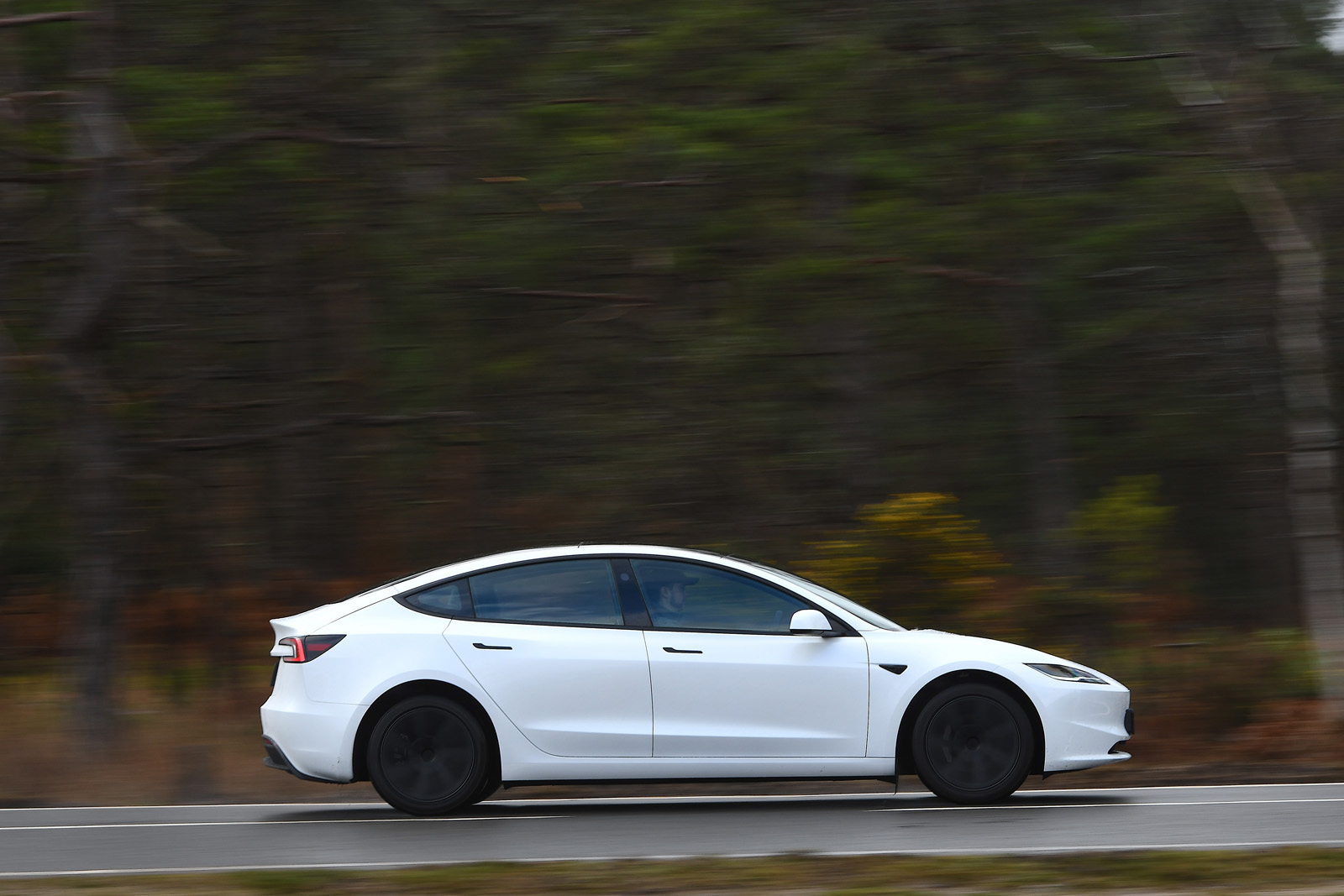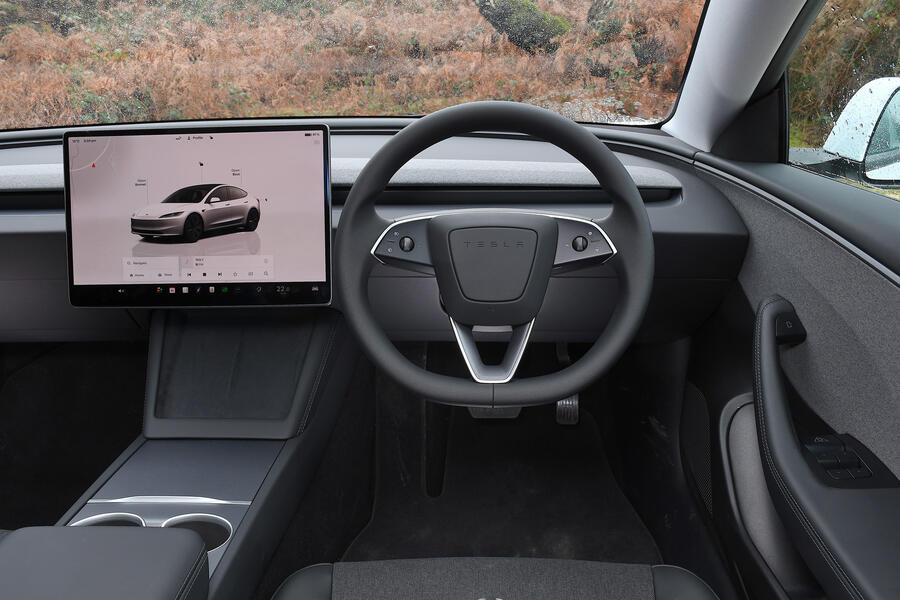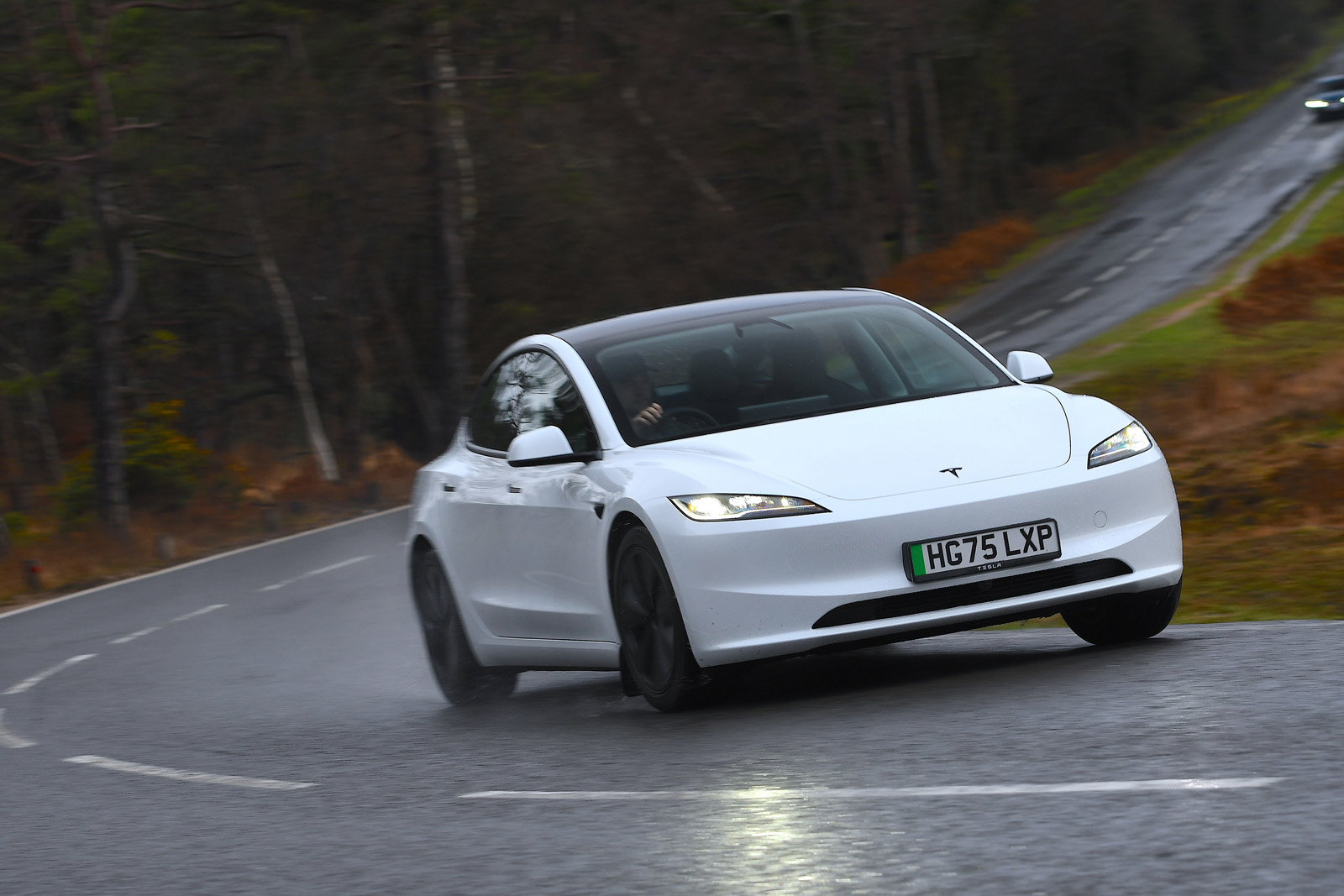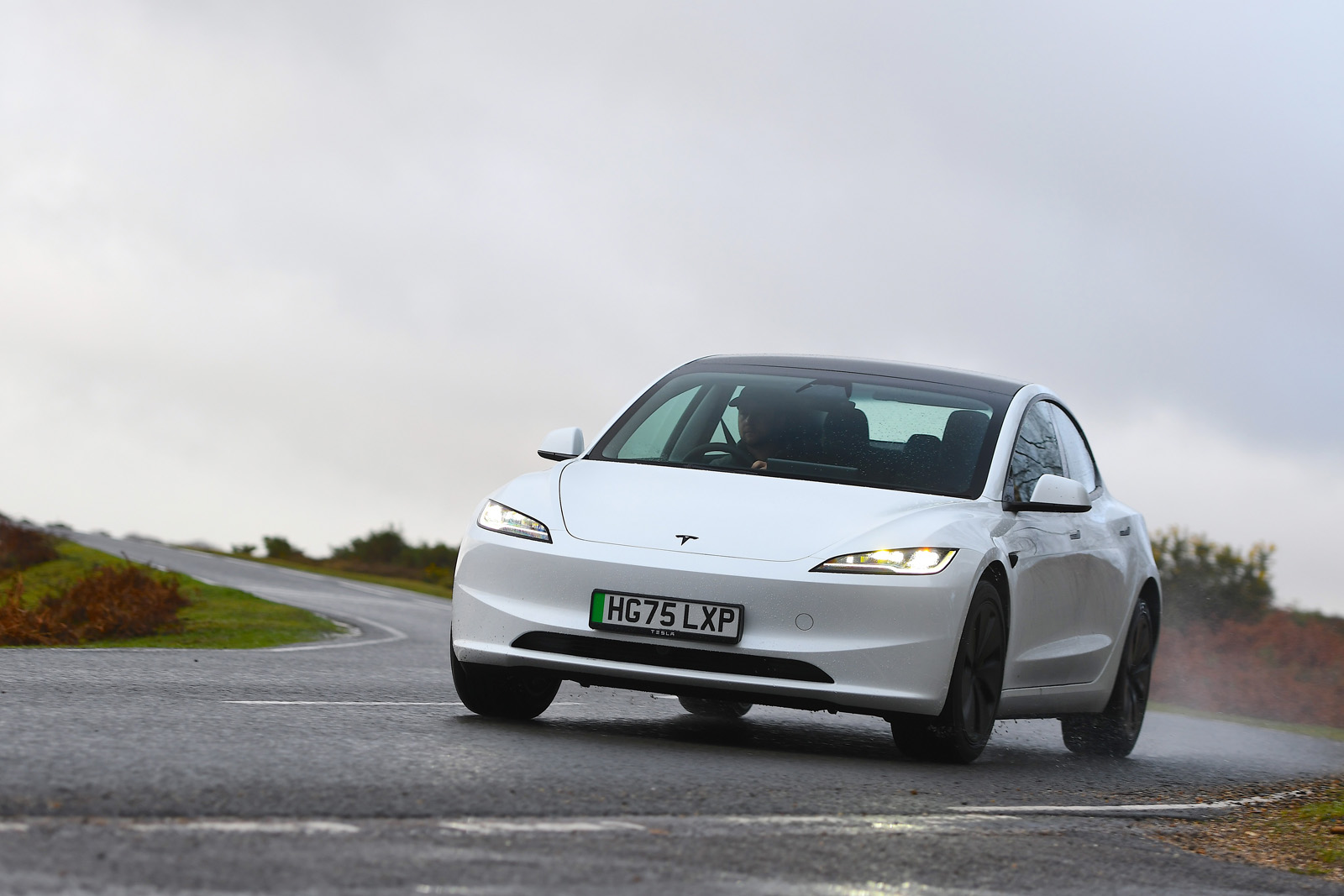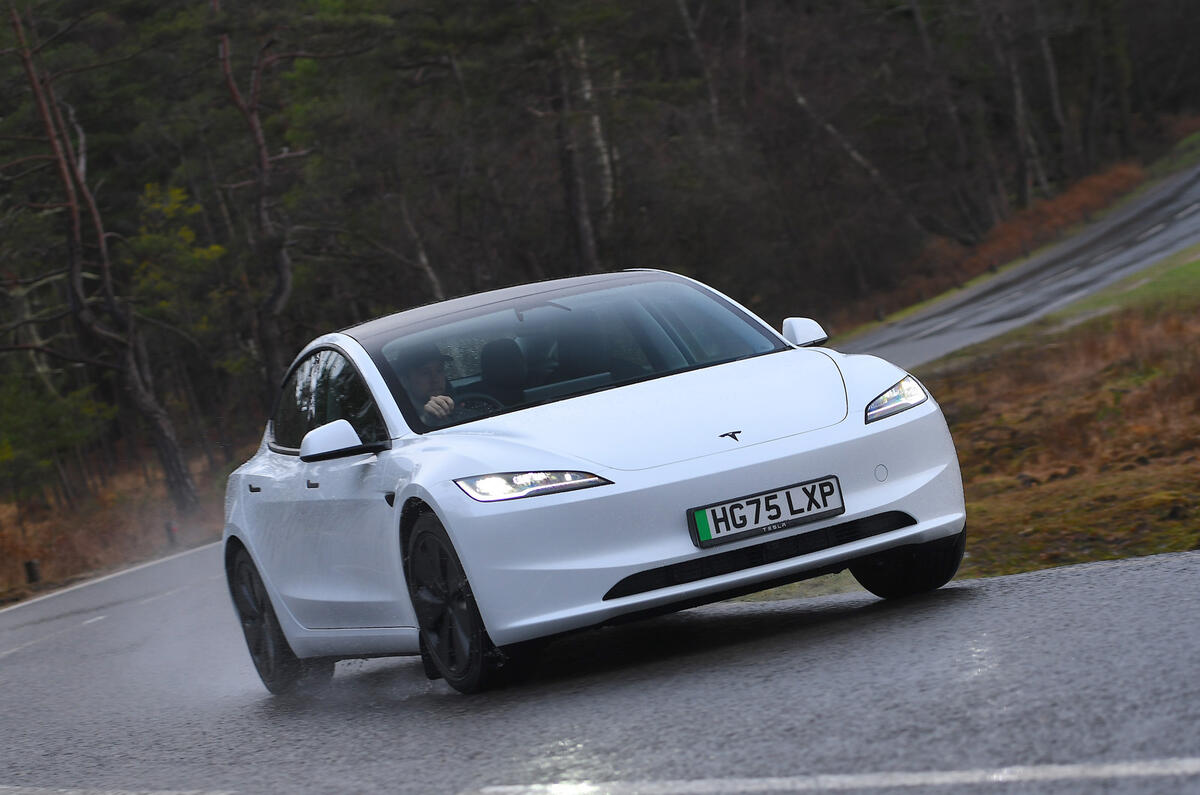
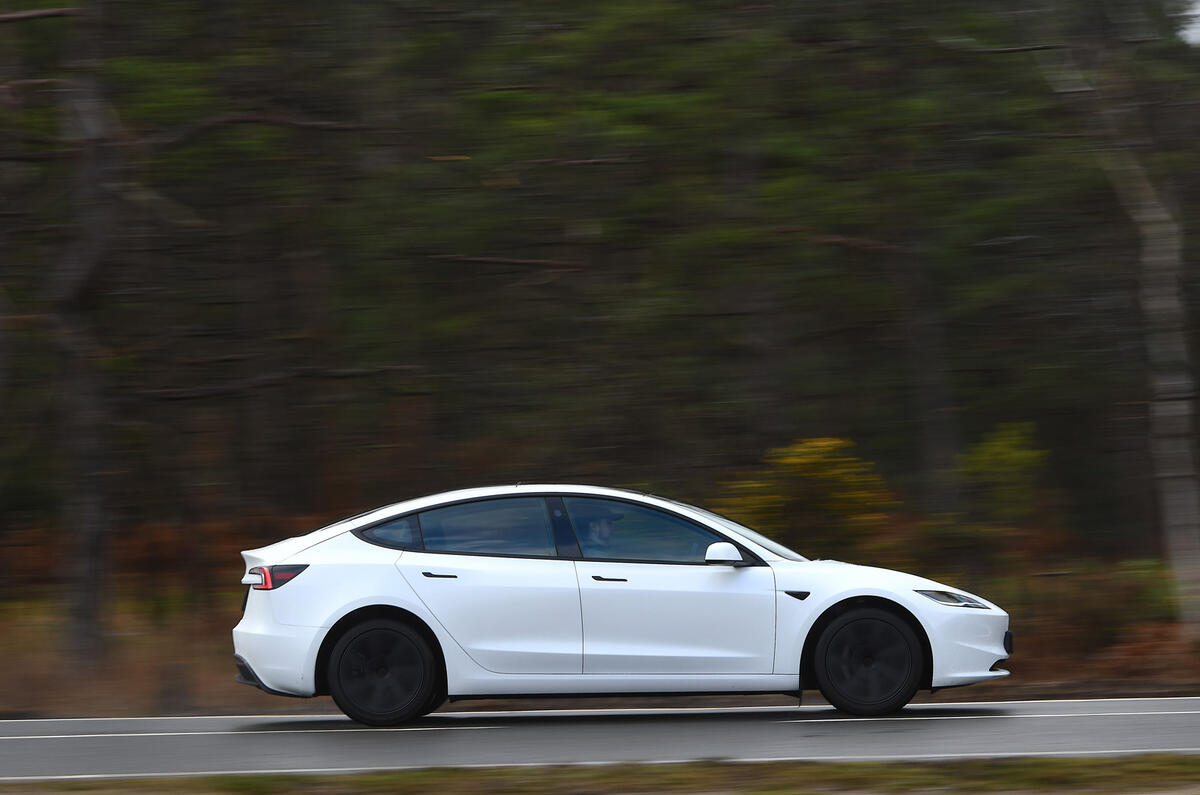
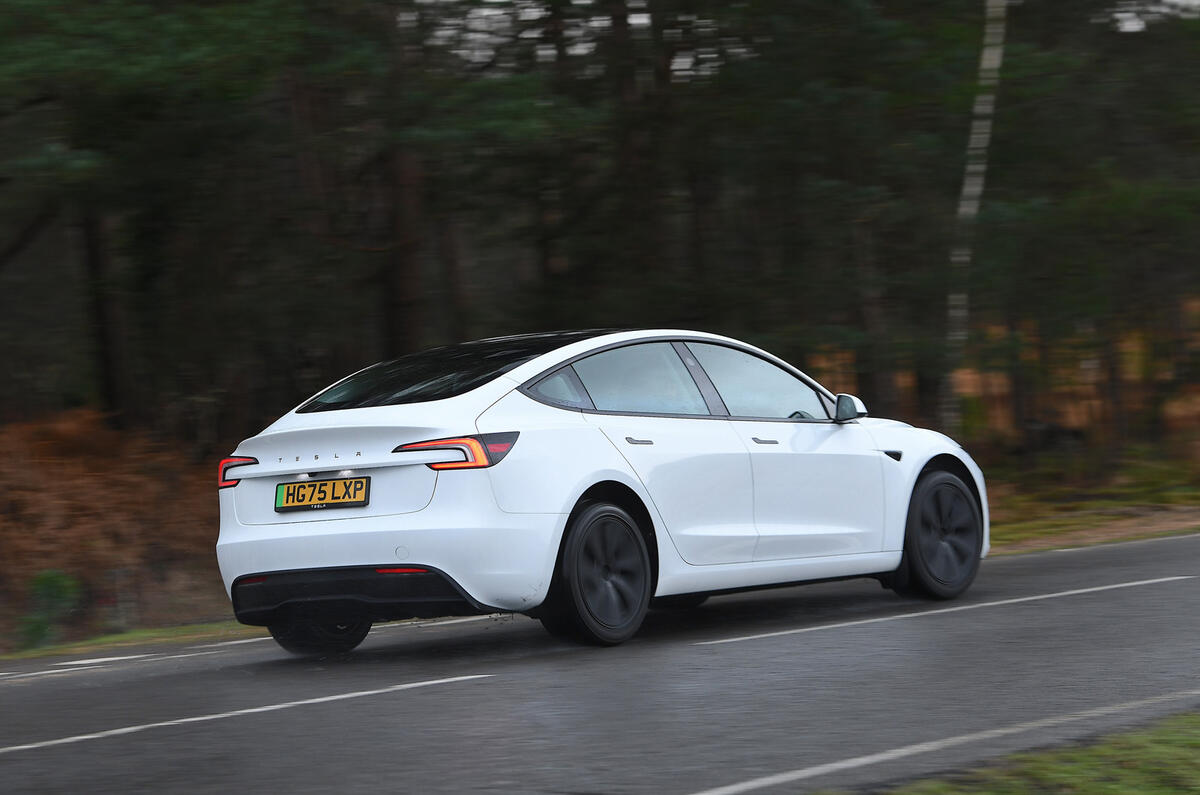
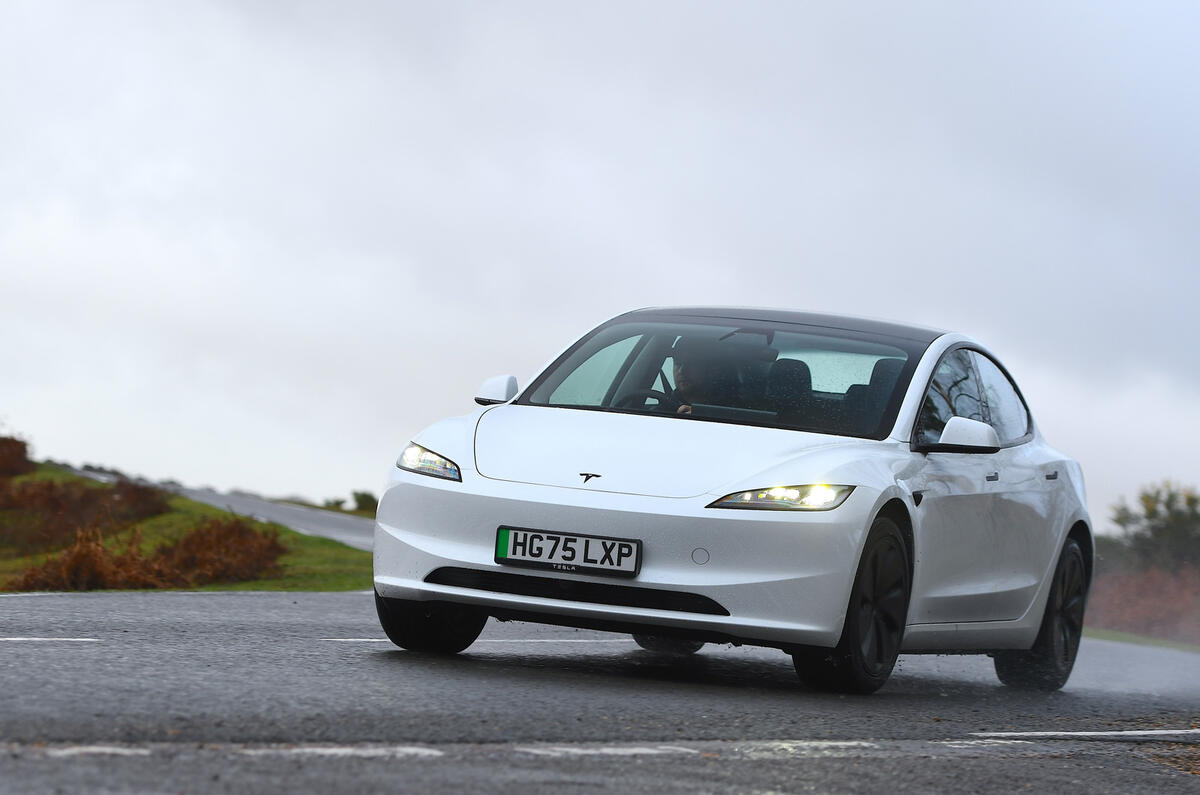
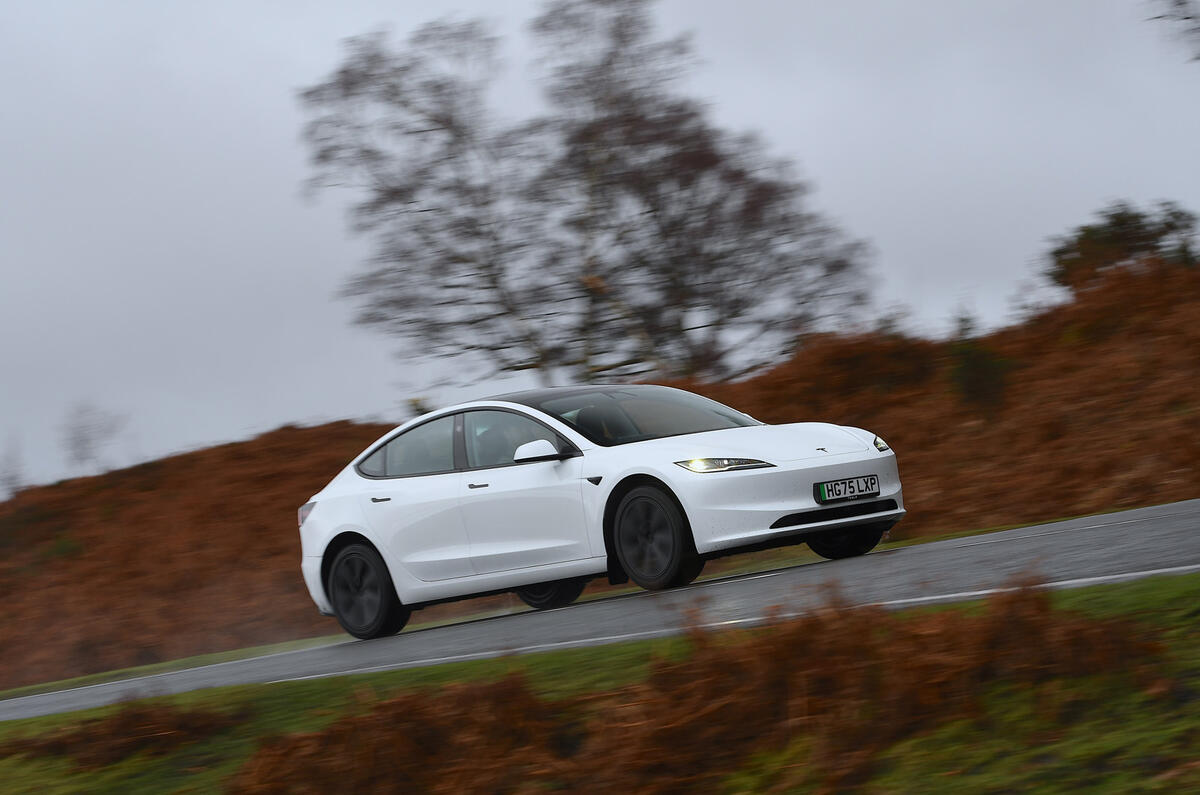
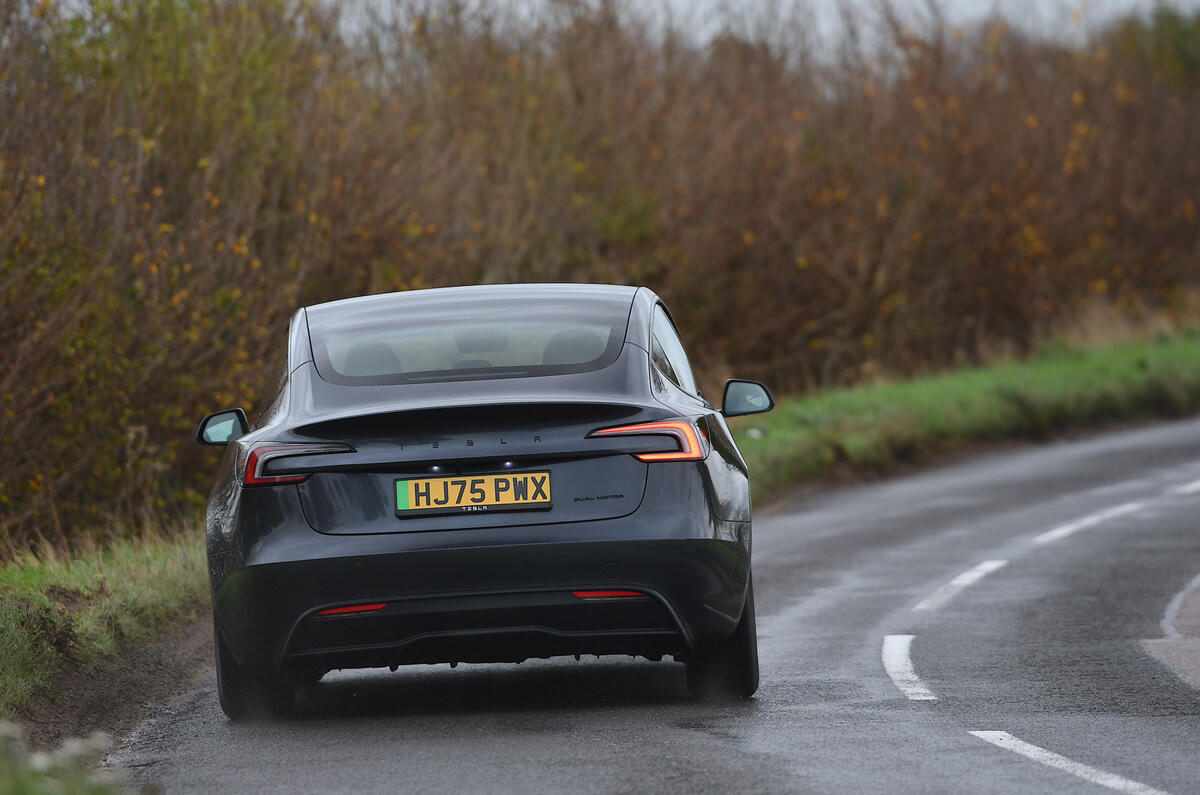
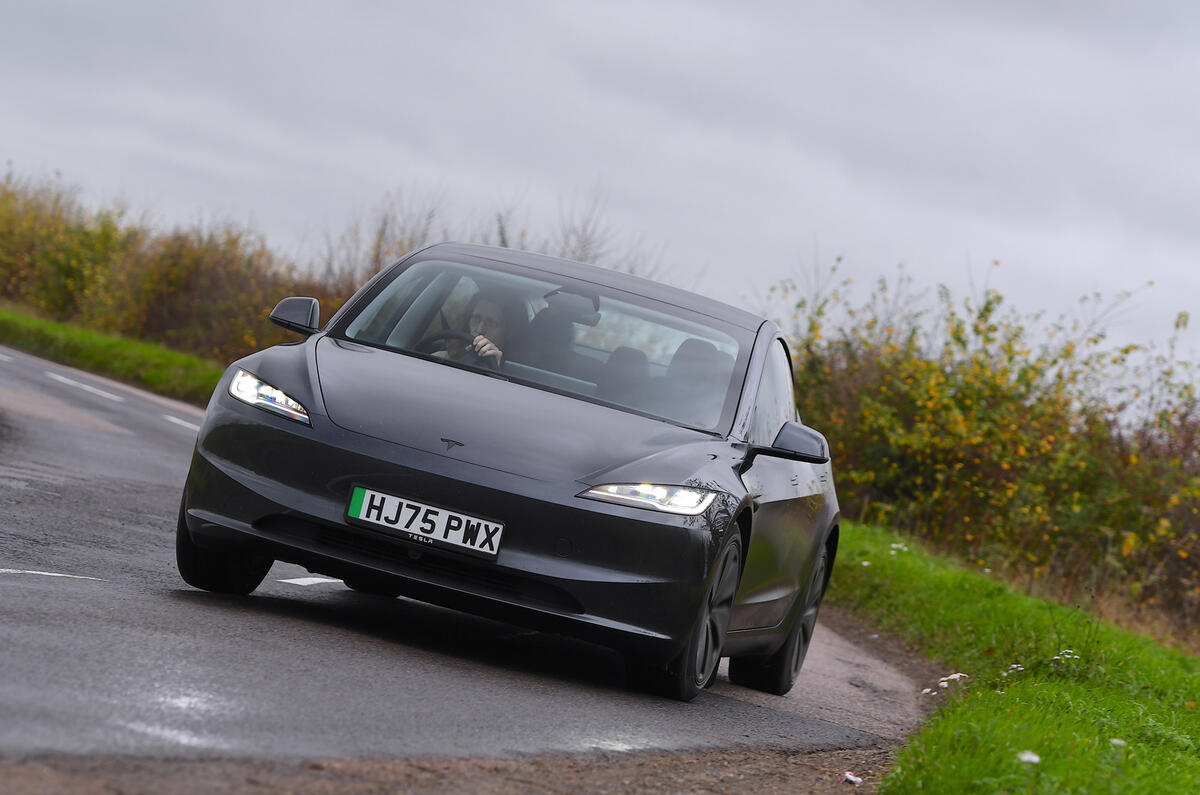
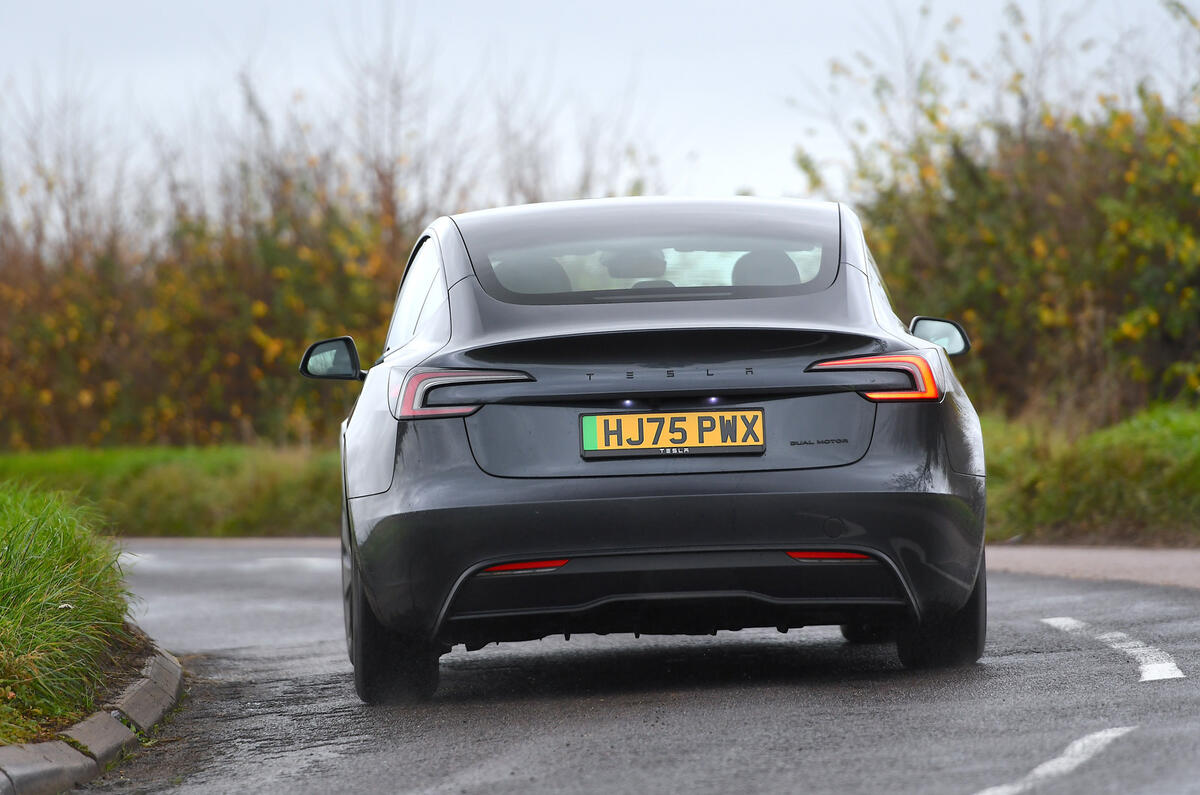
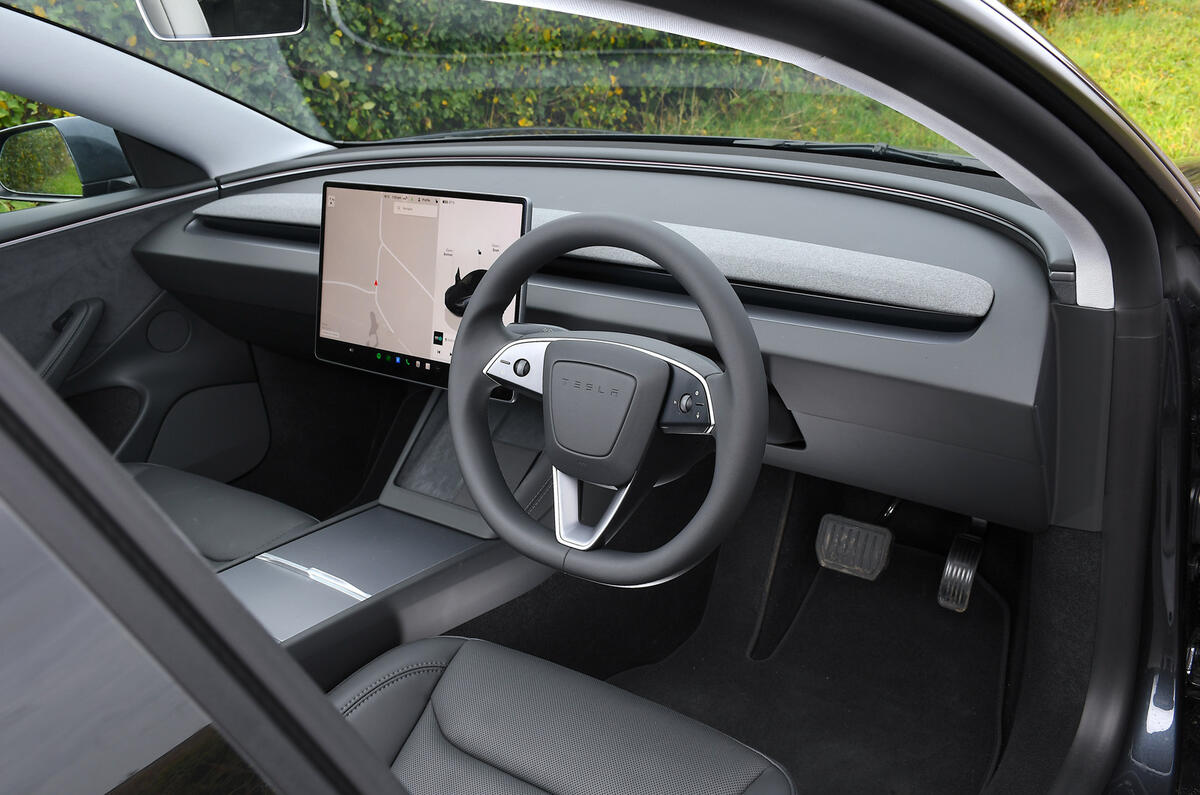
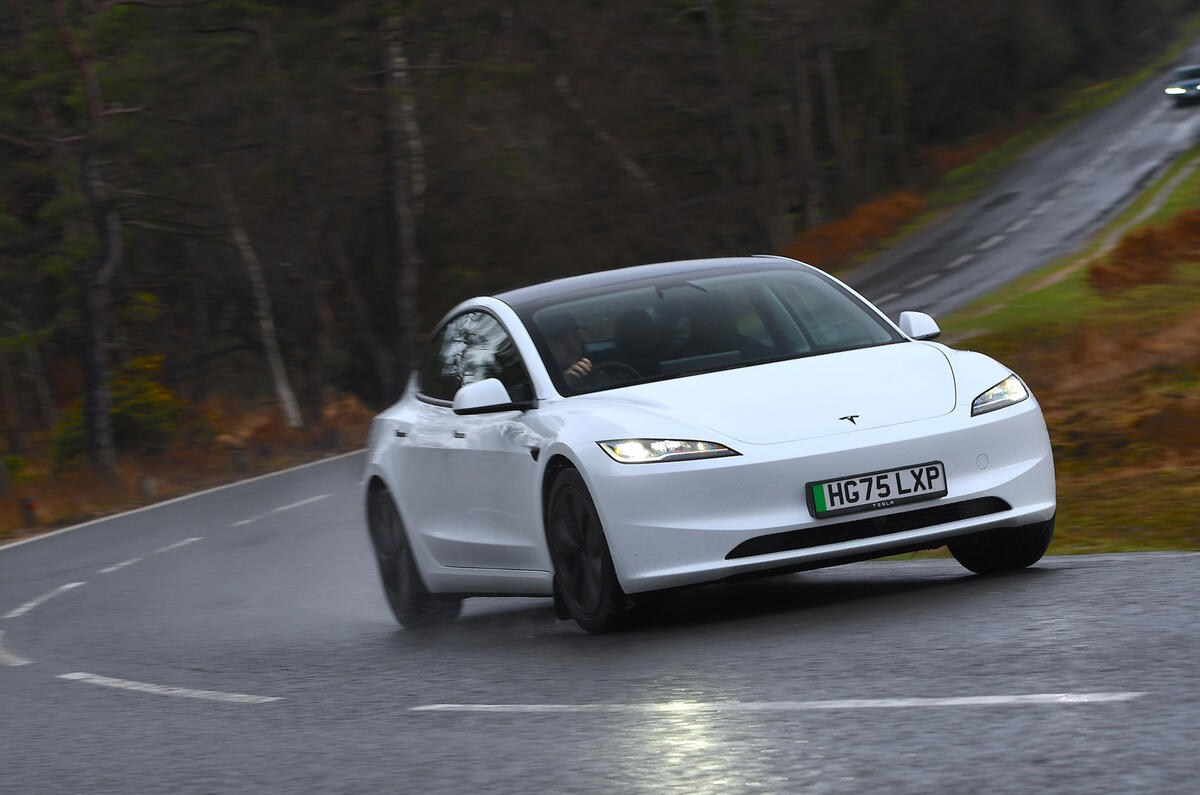
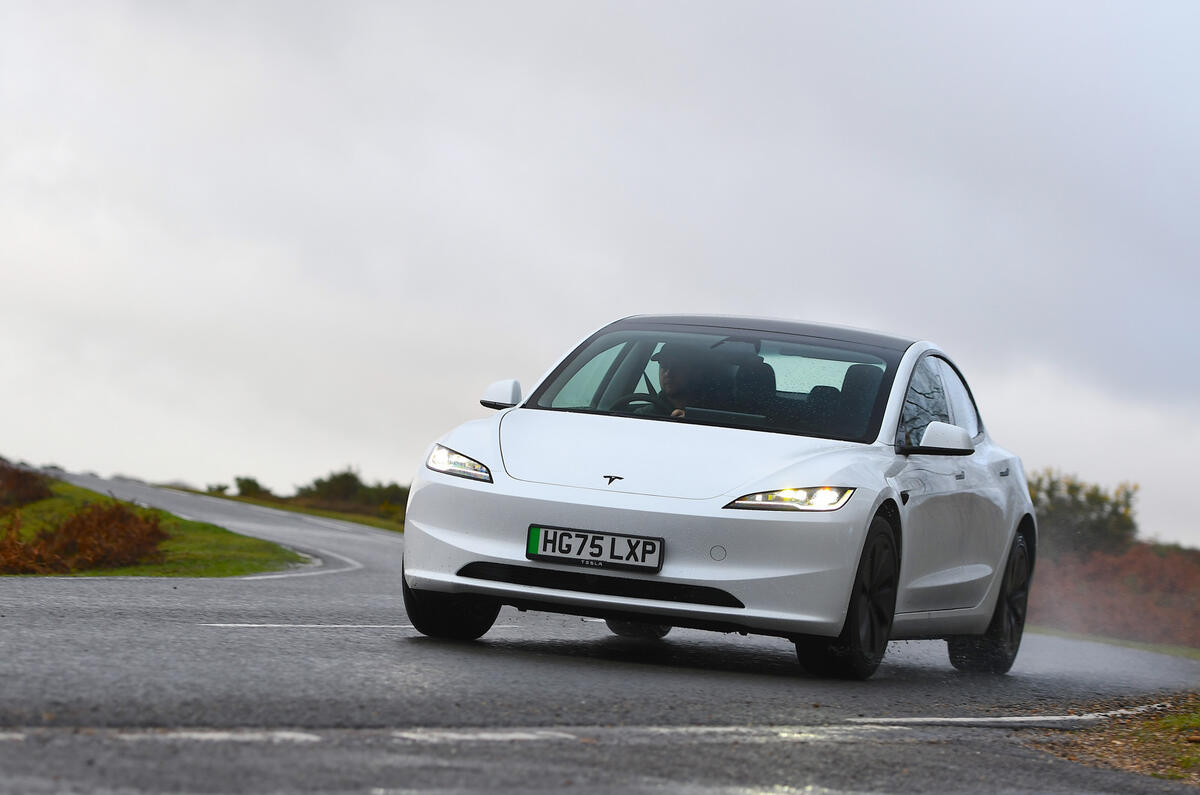
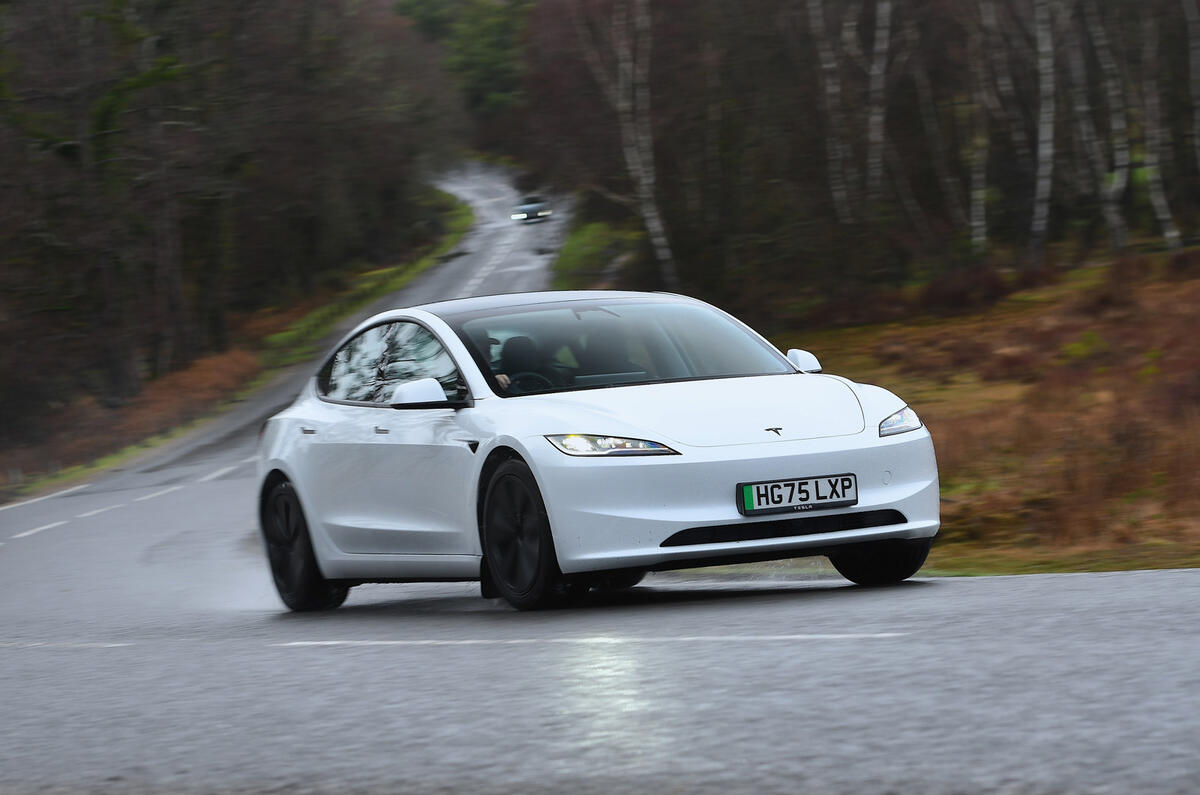

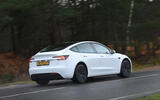
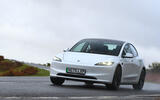
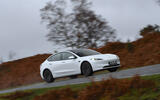

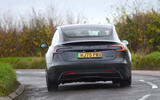


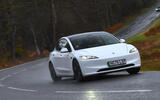
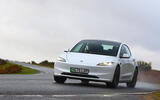
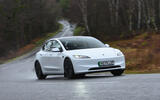



Say what you like about Elon Musk and his wireless brain chips, but when future historians chart the development of personal transport, the Tesla Model 3 will rank alongside the Ford Model T and Volkswagen Beetle in its significance.
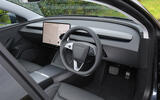
Admittedly, when this entry-level Tesla arrived in 2017, electric cars already weren’t too unusual a sight, with BMW, Nissan and Tesla itself all having footholds in the market. However, many years later, they're simply everywhere you look. And Musk and Tesla can take credit for this not only directly (after all, so many of those EVs we see are Model 3s) but also indirectly, because this car was a brutal wake-up call for 'legacy' manufacturers. The bug-eyed American EV with a cabin of near-monastic restraint has been a catalyst for change.
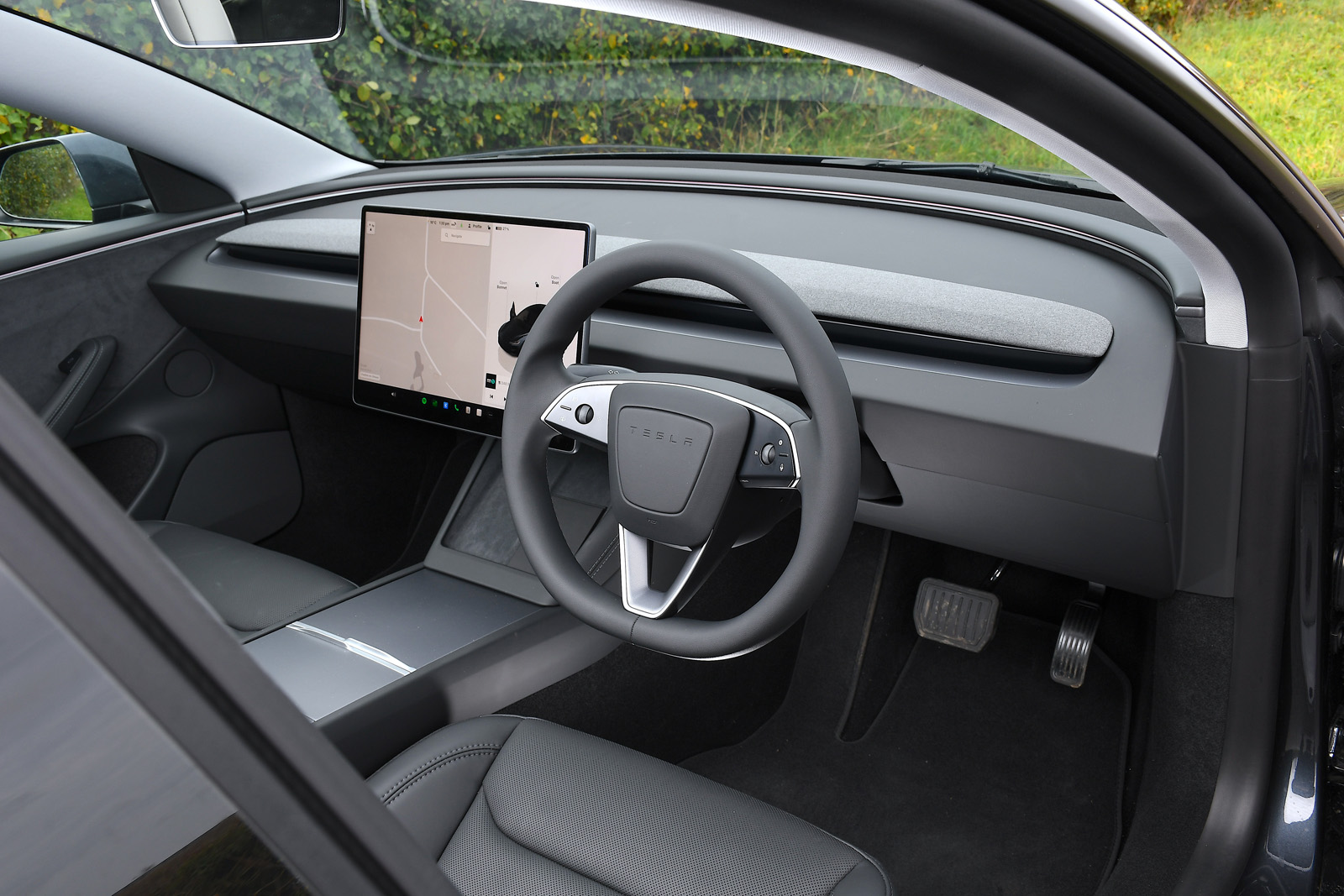
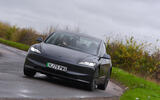
In recent years, the Model 3 has been joined by the Polestar 2, Hyundai Ioniq 6, BMW i4, BYD Seal and Mercedes CLA EQ, and these are merely what you might consider the most direct rivals in terms of size and capability. So although Tesla now prices the Model 3 more keenly than ever, its excellent range, charmingly uncluttered interior and access to the Tesla Supercharger network no longer guarantee success. Comfort and perceived quality now matter more.
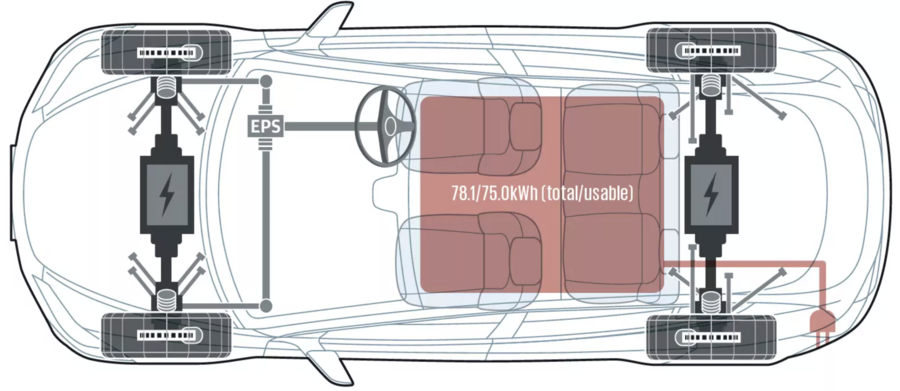
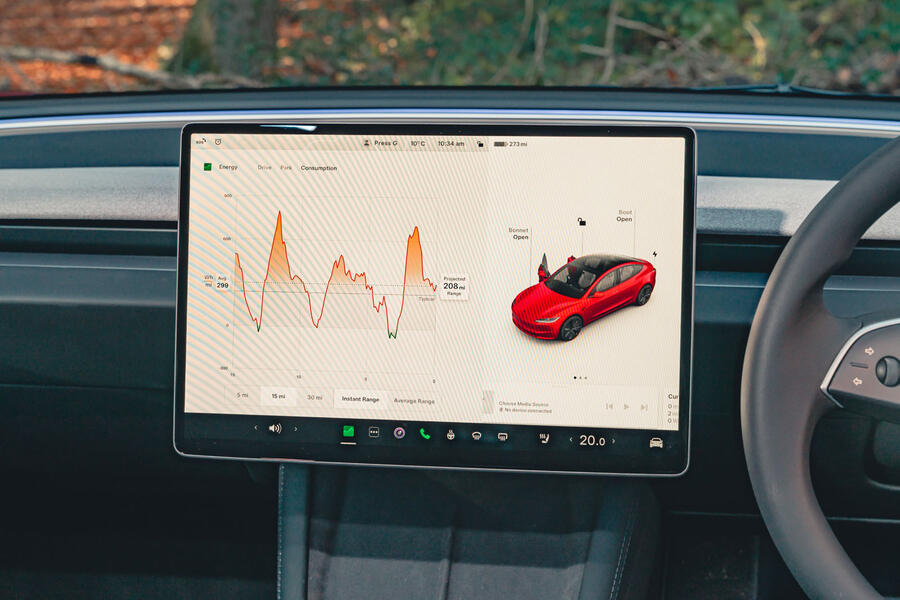
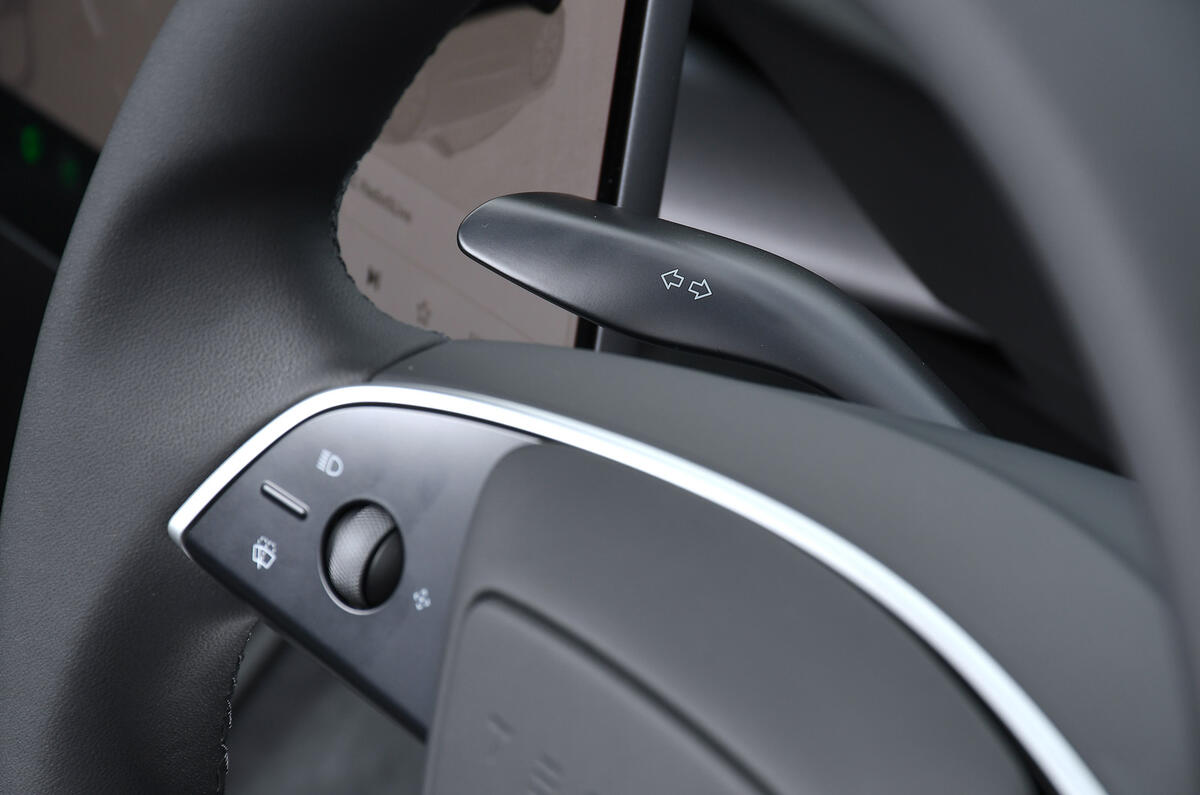
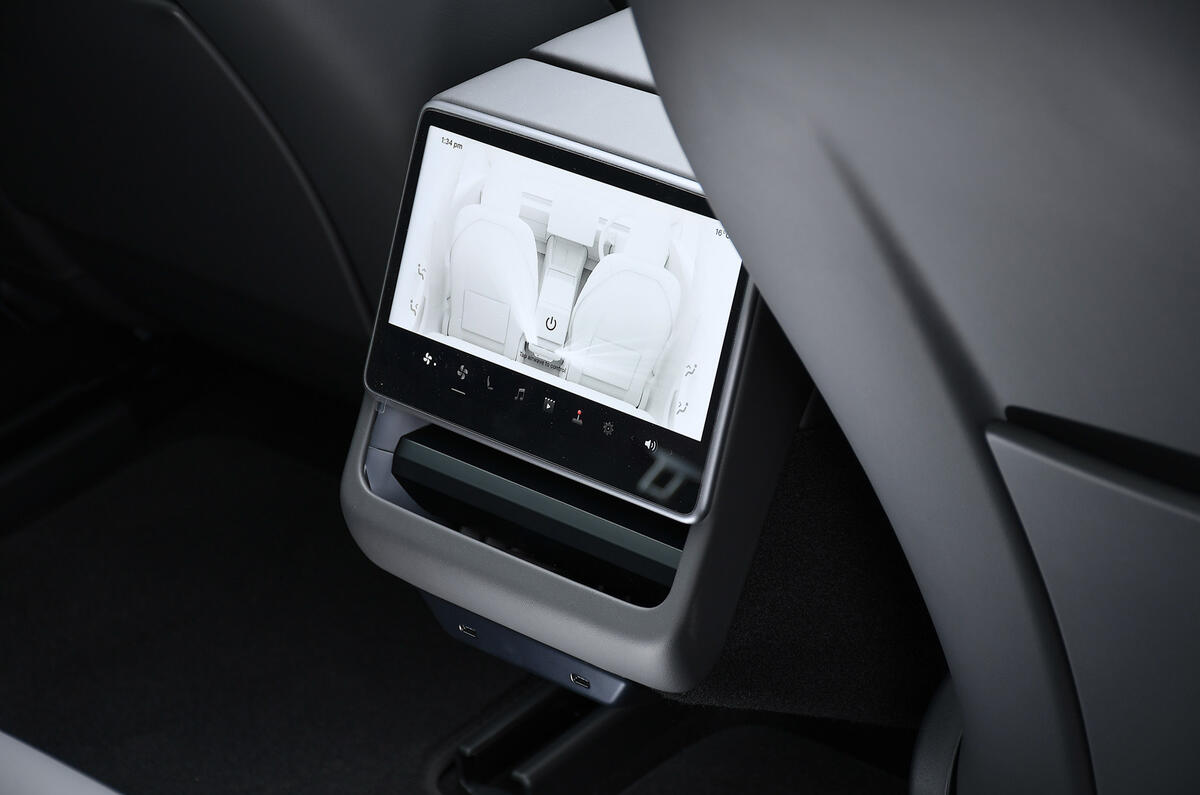
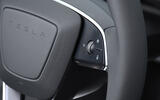
So, following a facelift in 2024, an extensive update in 2025 looked to address these qualities, adding new interior technology, an indicator stalk and upgraded battery packs. This means the Model 3 is now capable of 466 miles of range in its rangiest specification.
And now, for 2026, some important changes have been made to the cheapest variant, the Rear-Wheel Drive. Priced far below £40,000, it represents fine value for money.